Australia Joins Global Surge in Branded Residences
Australia’s luxury apartment sector is tipped for expansion, with developers and global brands eyeing opportunities as demand for prestige living rises.
 2 min
2 min
Australia’s fledgling branded residences sector is poised for growth, according to McGrath Estate Agents and Knight Frank’s newly launched Residence Report.
The global branded residences market has surged from 169 schemes in 2011 to 611 today, with forecasts of more than 1,000 by 2030. Locally, the concept gained prominence with Crown Residences at One Barangaroo in Sydney.
Adam Ross, Associate Director of Prestige and International Sales at McGrath Estate Agents, said developers and buyers alike were showing strong interest.
“We have seen strong interest among developers to deliver branded schemes as well as huge demand from buyers off the back of the Crown Residences sales at One Barangaroo in Sydney,” he said.
Ross noted that design, identity and services are key.
“While an emphasis remains on providing a range of services and amenities to serve wealthy but time-poor individuals, developers are investing in globally renowned architects, place makers and interior designers to create an identity for their project, community and the surrounding environment,” he said.
Michelle Ciesielski, Head of Residential Research at McGrath Estate Agents, said demand is building.
“There’s growing demand in Australia, but nothing comparable to One Barangaroo has been greenlit yet. For developers, it’s that ideal combination of timing, cost and the right site,” she said.
Ciesielski added that the sector is expanding beyond hotels.
“Today, hotel serviceability only forms part of the branded residence concept. As this market has evolved, developers have widened their scope with brand collaboration with increasingly more being delivered with non-hotel brands.”
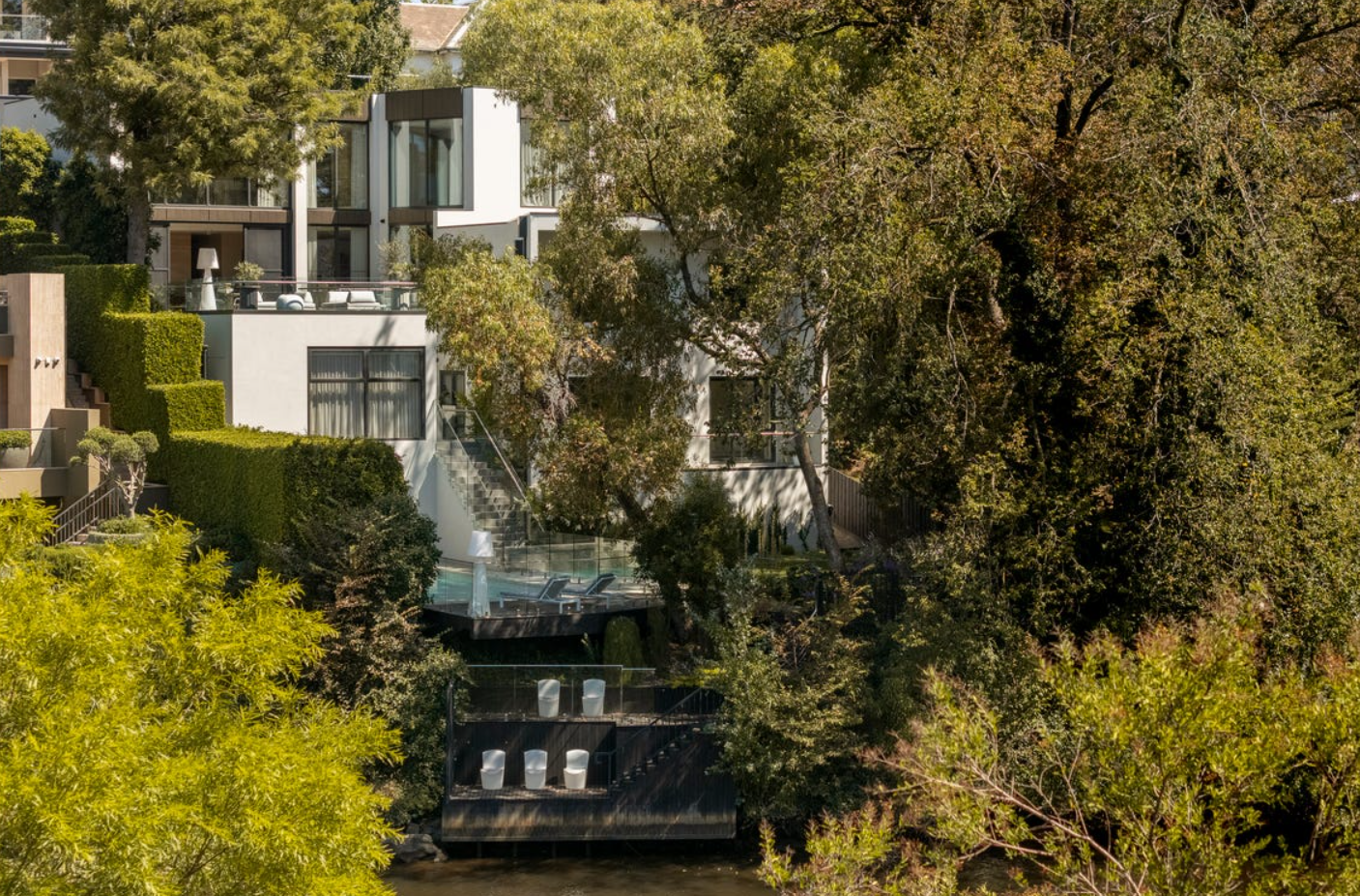
Brisbane, Melbourne and the Gold Coast are emerging hotspots. Projects such as Seafarers by Riverlee in Melbourne and the Mondrian Residences on the Gold Coast highlight the sector’s potential.
“The sites are there, the desire and demand are there; the only uncertainty lies with finding builders with space on the books to deliver. The race is on,” Ross said, pointing to activity in South-East Queensland ahead of the 2032 Brisbane Olympics.

Technology and semiconductor shares fell sharply as investors questioned the debt financing the AI infrastructure boom and confronted higher rates and Chinese competition.
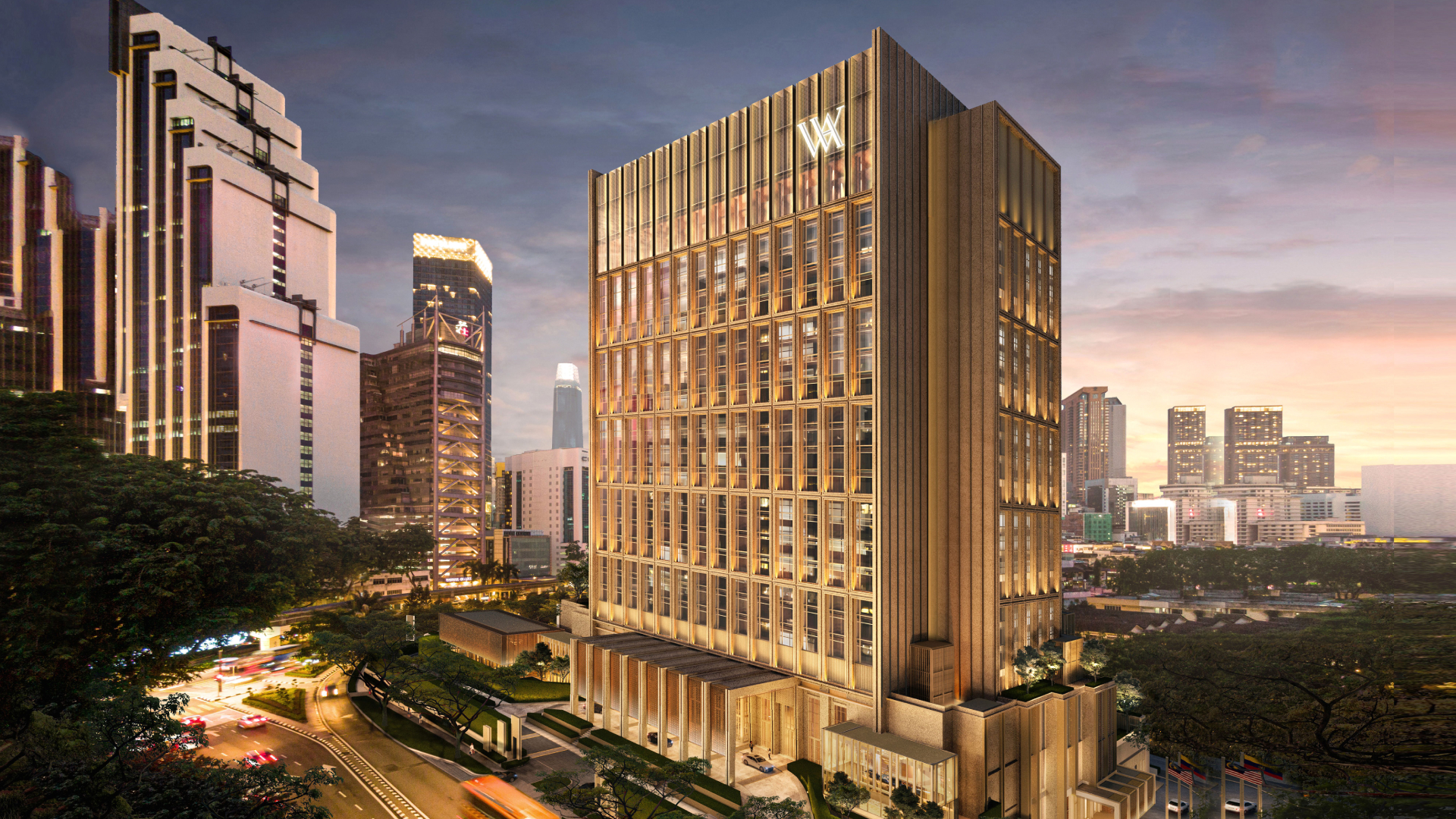
Waldorf Astoria Kuala Lumpur is scheduled to open on 30 October, introducing the Hilton luxury brand to Malaysia with an all-suite hotel in the city’s Golden Triangle.

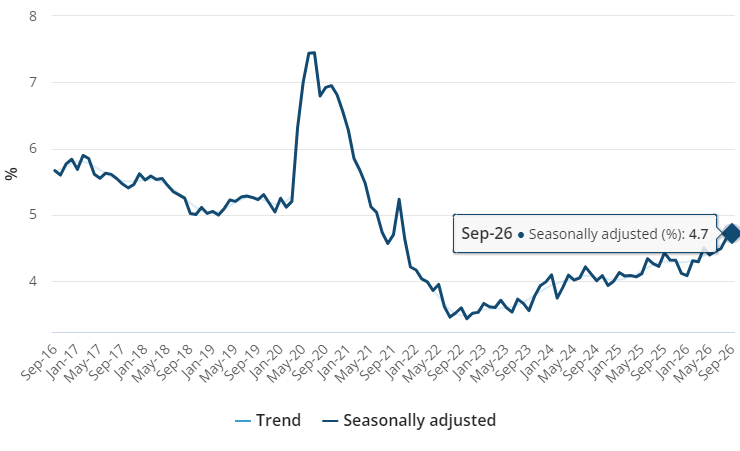
Employment fell by 39,300 and unemployment held at a revised 4.7 per cent, giving the RBA more room to pause in November.
2 min
Australia’s labour market weakened in September, reducing—but not eliminating—the case for another Reserve Bank rate rise in November.
The seasonally adjusted unemployment rate was 4.7 per cent, according to the Australian Bureau of Statistics. August was revised to the same level, while September employment fell by 39,300 people. The number of unemployed Australians increased by 8,900 to 732,000.
The weakness extended beyond the headline rate. The employment-to-population ratio fell 0.3 percentage points to 63.6 per cent, participation declined 0.2 points to 66.8 per cent and underemployment edged up to 6.3 per cent. Part-time employment fell by 73,700, partly offset by a 34,400 increase in full-time work.
For the RBA, this is a clearer sign that restrictive monetary policy is cooling demand. Higher unemployment and falling employment reduce wage pressure over time and increase the risk that another rate rise would push the economy harder than necessary.
That makes a November increase less certain. It does not make a hold inevitable. The RBA must balance labour-market softness against inflation, and the September-quarter consumer price index due later in October will carry more direct weight in the decision.
For mortgage holders and property investors, the practical conclusion is not to trade one data release. Borrowers should continue testing repayments at higher rates, preserve liquidity and avoid basing a purchase on an assumed near-term reversal. Refinancing decisions should be assessed against total cost, not simply the advertised rate.
Property markets may initially welcome a reduced probability of another increase because borrowing capacity and sentiment are highly rate-sensitive. But a weakening labour market is not unambiguously positive for housing: job security supports mortgage serviceability, rental demand and buyer confidence.
The September numbers have given the RBA a credible reason to wait. Inflation will determine whether it can use it.

Scotch whisky expert, luxury hospitality strategist and Keeper of the Quaich inductee Ross Blainey is bringing a new philosophy of luxury experiences to Citizen Kanebridge.
Technology and semiconductor shares fell sharply as investors questioned the debt financing the AI infrastructure boom and confronted higher rates and Chinese competition.