Melbourne’s Most Expensive Suburbs to Rent
Melbourne’s lifestyle appeal is driving record population growth — and rising rents. Here are the six most expensive suburbs to rent a house in right now.
 5 min
5 min
Melbourne is considered Australia’s most liveable city. In fact, Melbourne competes on the global stage, consistently ranking among Time Out’s top cities to live in the world and ranking fourth in 2025. Melbourne is a cultural mecca filled with arts, x, and the country’s best sporting events.
It’s the lifestyle factor that has seen Melbourne’s population grow by over 142,000 people over the 23/24 financial year, largely driven by overseas migration. With increased population comes increased demand for properties, particularly in the rental market.
Akin to Sydney’s Eastern Suburbs, Melbourne’s South Eastern suburbs, towards Bayside and the water, dominate the most expensive suburbs listed to rent across the Victorian capital.
In this article, we’ve examined the six most expensive suburbs to rent a house in Melbourne right now, according to property data analytics firm Cotality (formerly CoreLogic).
Brighton
Median purchase: $3.15m
Median rent: $1,353
Brighton is Melbourne’s most expensive suburb to rent a house, and it’s easy to see why. A blend of grand period homes and modern architectural builds line the wide, tree-filled streets. The suburb is synonymous with luxury, and rental properties—especially those close to the famed Brighton Beach and its iconic bathing boxes—are snapped up quickly. Vacancy rates sit at a tight 0.9 per cent.
The Neighbourhood
Brighton offers an enviable mix of a beachside lifestyle and convenient shopping and dining. With access to top schools like Brighton Grammar and Firbank, plus Church Street’s boutiques and the Royal Brighton Yacht Club, the Bayside suburb is the complete package for Melbourne’s high-end renters.
Malvern
Median purchase: $2.8m
Median rent: $1,313

Long known for its timeless Victorian and Edwardian homes, Malvern is a leafy inner suburb with prestige appeal. Many properties here are fully renovated period homes, featuring extensive gardens and original features that appeal to families and executives.
The Neighbourhood
Malvern boasts a refined atmosphere with a strong community feel. Glenferrie Road and High Street offer upscale cafes, boutiques, and grocers, while schools like De La Salle and St Joseph’s make the suburb particularly attractive to families.
Black Rock
Median purchase: $2.29m
Median rent: $1,253

Nestled along the Bayside coast, Black Rock has seen steady growth in both house prices and rents in recent years. Larger blocks and a quieter, more laid-back vibe than neighbouring suburbs make this a coveted spot for renters seeking both space and lifestyle.
The Neighbourhood
Black Rock is home to the picturesque Half Moon Bay and scenic cliffside walks. The suburb blends beachside charm with village convenience, offering local cafés, golf courses, and direct access to some of Melbourne’s best coastal trails.
Sandringham
Median purchase: $2.21m
Median rent: $1,199

Sandringham, next door to Black Rock, offers more of the same as its neighbouring suburb, at similar prices. Sandringham too ticks the box for laid-back waterside recreation, with the majority of homes in walking distance to the sand and charming village shops.
The Neighbourhood
This is a family-friendly suburb with a strong community vibe. Sandringham Village, with its mix of cafes, wine bars, and boutiques, sits just a short walk from the train station and beach. The area also offers excellent sporting facilities and parks. Sandringham Harbour is the local landmark, a popular destination for boating, fishing, and waterfront views from Sandringham Yacht Club.
Canterbury
Median purchase: $3.15m
Median rent: $1,179
Canterbury is the innermost Melbourne suburb on this list. It is considered one of Melbourne’s most prestigious suburbs, defined by grand family homes, generally over-the-top opulent new builds with French Provincial façades behind gated entries.
The Neighbourhood
Canterbury is anchored by the exclusive “Golden Mile” precinct and is surrounded by elite private schools such as Camberwell Grammar and Strathcona. Maling Road provides a quaint village feel, while the area’s lush green spaces complete the picture of prestige.
Hampton
Median purchase: $2.3m
Median rent: $1,171

It’s back to Bayside for the sixth and final suburb on the priciest rental areas in Melbourne. Hampton is not too dissimilar to Brighton, with a main High Street providing convenience and the beach rounding out the relaxed lifestyle found on the bay. The suburb has undergone significant gentrification, with many original homes replaced by contemporary builds.
The Neighbourhood
With a stretch of clean, family-friendly beach and the bustling Hampton Street shopping strip, Hampton has everything renters could want—from stylish cafes to gourmet grocers and boutique fitness studios. Its proximity to Brighton and Sandringham only adds to its appeal.
Melbourne’s Cheapest Suburb: Melton South
Median purchase: $460,000
Median rent: $430
On the opposite end of the spectrum, Melton South—roughly 40km west of the CBD—offers the most affordable rental market. With a median rent of under $450 a week, it’s less than a third of the weekly rent in Brighton. The suburb attracts families and first-home renters seeking value and larger land lots.
Melbourne’s Best Suburb: Toorak
Toorak is considered the Point Piper of Melbourne. Boasting even more billionaires than Sydney’s harbourside hotspot, Toorak is home to Melbourne’s most expensive houses, and reportedly Australia’s most expensive house sale if the 1860s Italianate mansion Coonac settles at over $130 million.
The suburb has some of the best educational institutions in Melbourne, as well as luxury homes on the Yarra, two train stations, and a central shopping precinct undergoing a full transformation with several mixed-use retail and residential developments. It is definitely the place to be.
Where is Melbourne’s most expensive suburb to rent a house?
As of May 2025, Brighton is Melbourne’s most expensive suburb to rent a house.
Where is Melbourne’s cheapest suburb to rent a unit?
As of May 2025, Melton South is Melbourne’s most expensive suburb to rent a house.
Where is Melbourne’s most expensive suburb to buy a house?
As of May 2025, Toorak is Melbourne’s most expensive suburb to buy a house.
Where is Melbourne’s most expensive suburb to buy a unit?
As of May 2025, Beaumaris is Melbourne’s most expensive suburb to buy a unit

Australian shares fell on Thursday as Wall Street weakness, rising oil and persistent rate concerns weighed on most of the market. The S&P/ASX 200 declined 0.72 per cent to 8,702. The All Ordinaries lost 0.66 per cent to finish at 8,897. Mining stocks were hit particularly hard, while real estate also dragged on the index. …
Continue reading “ASX falls 0.7 per cent as miners and property stocks retreat”

Borrowers cannot control the Reserve Bank, but they can control how exposed their household budget is to its next decision. The RBA meets on 29 September with inflation concerns still elevated and major-bank economists increasingly bringing forward their rate-rise calls. Fixed mortgage rates have also been moving, reducing the value of waiting for perfect certainty. …
Continue reading “What mortgage holders should do before the next RBA decision”
A five-bedroom Palo Alto home designed by Steven Ehrlich is listed for $44 million, making it the city’s most expensive listing. Built around a dramatic concrete spine, the home features four courtyards and a pool.
3 min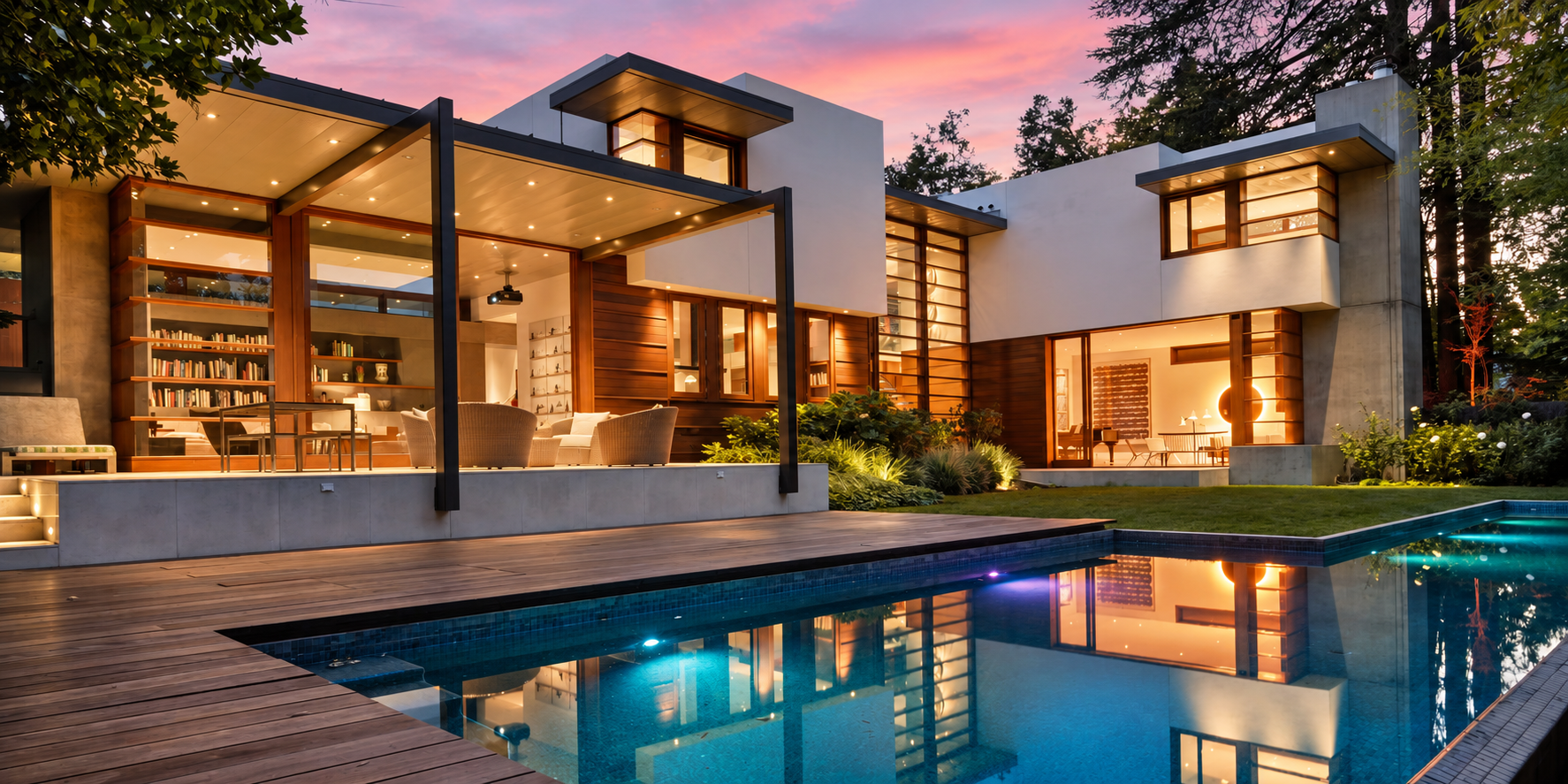
For years, tech entrepreneur Asher Waldfogel and his wife, Helyn MacLean, dreamed of building a modern house in Palo Alto, Calif.
The couple, however, worried about clashing with the Mediterranean-style architecture typically associated with their neighborhood of Old Palo Alto.
So they tapped architect Steven Ehrlich to create a design that paid homage to its surroundings with stucco, mahogany and titanium zinc cladding. They spent $20 million over several years building the house, completed in 2005.
Now looking to be closer to their adult daughter on the East Coast, they are putting the five-bedroom home on the market for $44 million—the most expensive listing in Palo Alto.
Waldfogel is an angel investor who co-founded Redback Networks, a telecommunications-equipment company. MacLean previously had a career in fundraising.
The couple purchased the roughly 0.4-acre site for $7.1 million in 2000 and demolished a circa-1930s Spanish Colonial home. The house they built pinwheels around a central staircase. It has 7,900 square feet of livable space, with four distinct courtyards and a pool.
A key feature of the home is a cast-in-place concrete wall, or spine, that is two stories high and about 80 feet long. “There’s a little bit of controlled chaos in what comes out of the form,” unlike a perfectly uniform surface, Waldfogel said. “If you want that, you do it in plastic.”
Waldfogel said he and his wife are thinking about the next phase of life now that their daughter is grown, although they have not decided where they will move. They also have a home in Sun Valley, Idaho.
“Right now we’re just trying to emotionally let go and decide what to do next,” he said.
Palo Alto, an epicenter of venture capital and tech startups in Silicon Valley, is home to some of the country’s biggest tech titans. Sales volume and prices are rising, with a median sale price of $3.5 million for the three months ending in August, up 5.8% year-over-year, according to real-estate brokerage Redfin.
Arthur Sharif of Sotheby’s International Realty—San Francisco Brokerage has the listing.
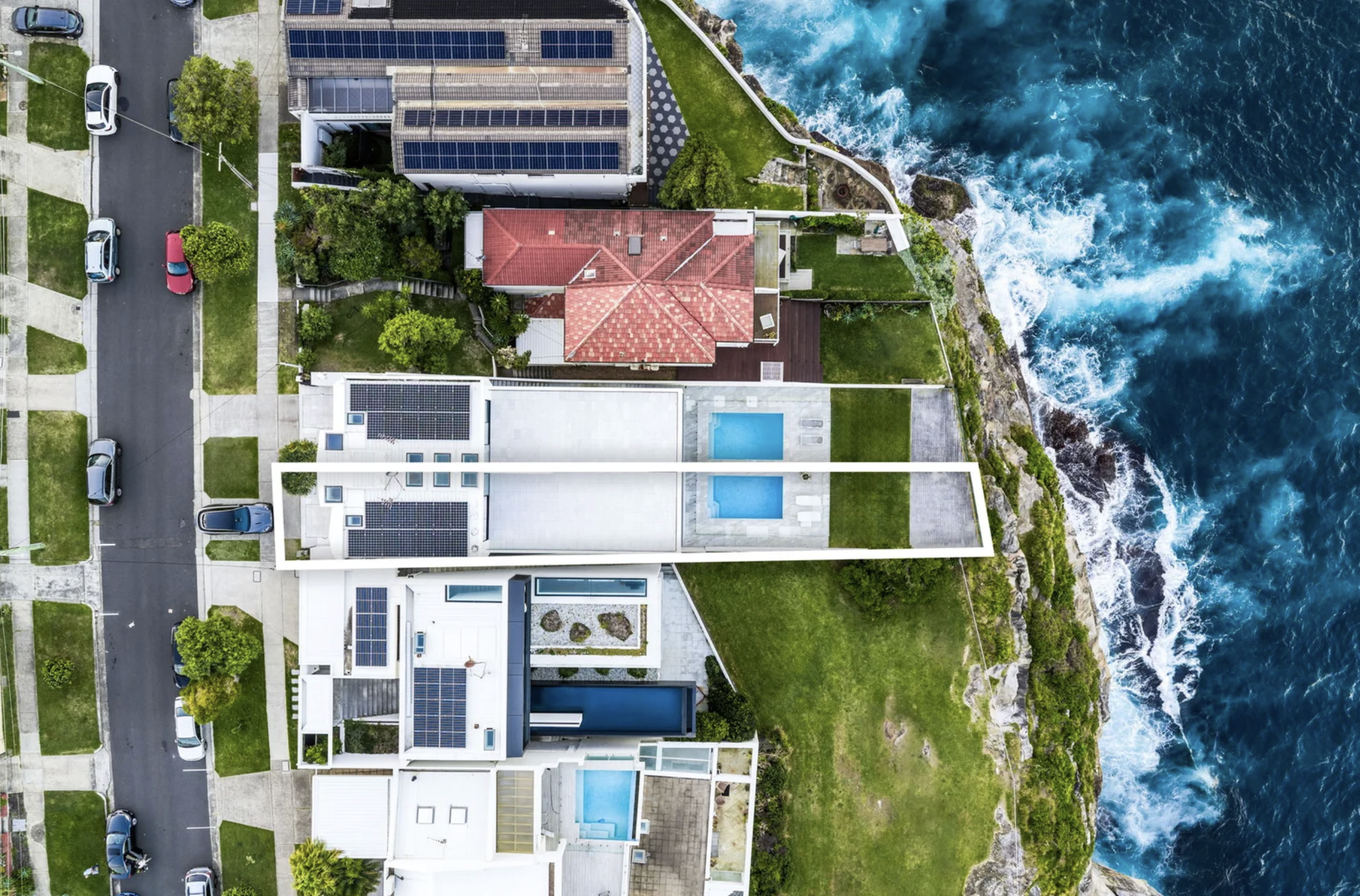
A Vaucluse masterpiece by MHNDU with interiors by Poco Designs brings architectural ambition and breathtaking ocean outlook to the auction block.

From snow-dusted valleys to festival-filled autumns, Bhutan reveals itself as a rare destination where culture, nature and spirituality unfold year-round.