Where to Invest in 2025: Top-Performing Suburbs in Australia’s Property Market
Australia’s market is on the move again, and not always where you’d expect. We’ve found the surprise suburbs where prices are climbing fastest.
 3 min
3 min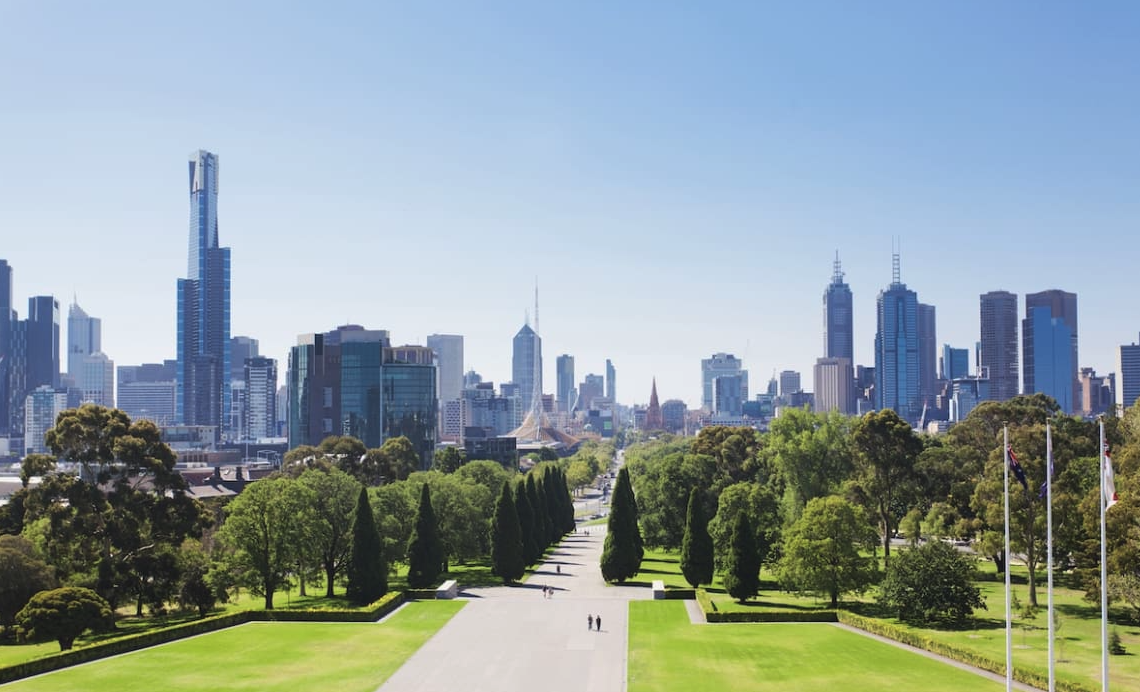
Australian property is once again in the midst of a growth cycle. After prices cooled in late 2024, 2025 has, aside from a flat January, delivered consistent gains. Much of this momentum is being fuelled by the Reserve Bank of Australia’s ongoing easing cycle, which has yet to reach its “terminal rate,” with several more rate cuts expected through the remainder of 2025 and into 2026.
Affordability has become the defining challenge in the residential real estate market. First home buyers are struggling to break in, squeezed by high entry prices, while many investors have stayed on the sidelines in recent years amid elevated interest rates and intense competition.
Yet the hunt for the next property hotspot never stops. It might not have the glamour of Bondi or Byron Bay. Still, a number of pockets within Australia’s largest capital cities are outperforming the broader market — and they’re attracting growing attention from buyers and investors alike.
We’ve looked at the best-performing SA4 regions from property data analytics firm Cotality.
Brisbane
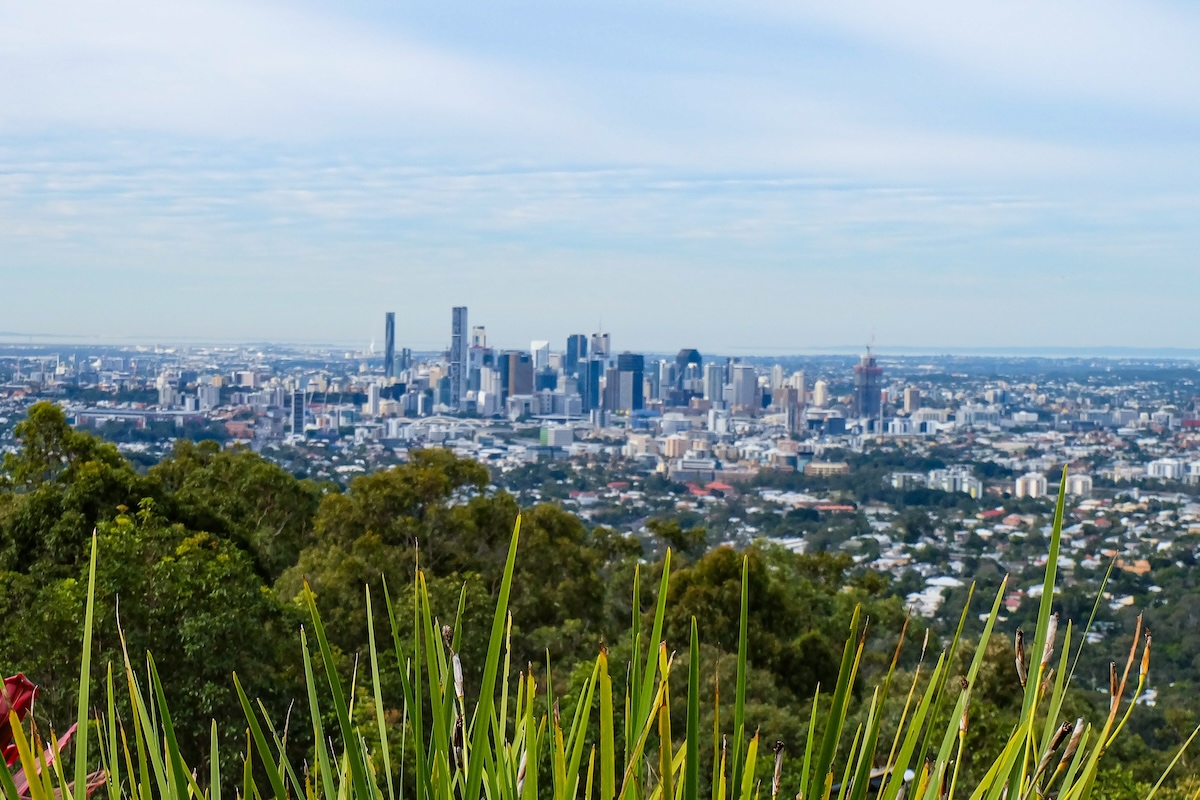
Brisbane has been the strongest capital city property market over the last two years. The market has been supercharged by the announcement of the 2032 Brisbane Summer Olympics, but the market has been on fire since 2020, when there was an exodus from the southern states to the Sunshine States, which drove Brisbane to Australia’s second most expensive capital city.
Over the last 12 months, Brisbane dwelling values have risen by 7.3%, only bettered by growth in Darwin. There are some pockets around the city which have outperformed the market. The top five SA4s (regions) are:
- Nundah (North)
Median value $988,394
Annual change +11.8% - Ipswich Hinterland (Ipswich)
Median $790,119
Annual +10.7%. - Redcliffe (Moreton Bay – North)
Median $903,286
Annual +10.0%. - Caboolture Hinterland (Moreton Bay – North)
Median $888,571
Annual +10.0%. - Ipswich Inner (Ipswich)
Median $726,560
Annual +9.9%.
Brisbane is not only posting solid citywide gains, but the strongest pockets are outside the CBD. Growth is concentrated in Moreton Bay, Ipswich and northern corridors (Nundah/Redcliffe). That pattern points to ongoing demand for more affordable family housing and lifestyle submarkets within commuting distance of the city.
Melbourne
Melbourne has been the polar opposite to Brisbane in the last few years. It has been one of the worst-performing property markets, slipping to the sixth most expensive capital city in the rankings with a median dwelling value of $803,000. Only Hobart and Darwin media dwelling values are lower.
Dwelling values are only up 0.5% year to date; however, 2025 has been more positive since the RBA started cutting rates. Dwelling values are up 2.4% year to date, and growth is becoming more consistent, something which Melbourne has struggled with since being the most locked-down city in the world during the pandemic. Struggling to respond from then.
There have been some pockets, however, where growth has been stronger over the last 12 months. The top five SA4 regions have been:
- Frankston (Mornington Peninsula)
Median $793,152
Annual +6.0%. - Tullamarine–Broadmeadows (North West)
Median $709,167
Annual +5.0%. - Knox (Outer East)
Median $942,980
Annual +4.5%. - Dandenong (South East)
Median $757,195,
Annual +3.8%. - Sunbury (North West)
Median $694,151
Annual +3.8%.
These top performers show growth focused on middle-ring and growth-corridor suburbs (Mornington Peninsula, northwest and outer east). For Melbourne readers, the implication is that recovery is geographically uneven — steady gains in commuter and lifestyle belts rather than a broad inner-city surge.
Sydney
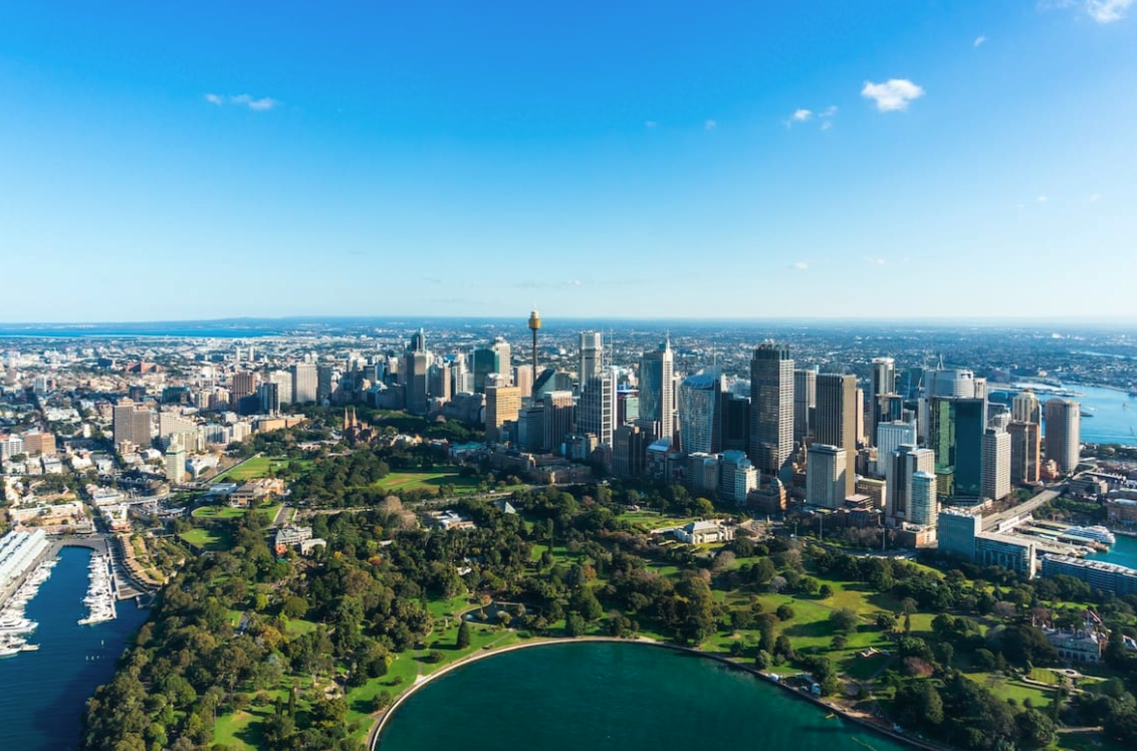
Sydney, Australia’s most expensive capital, sits somewhere between Brisbane and Melbourne in its performance. The Harbour Capital is often the most impacted during a downturn, given the relative affordability of Sydney compared to the other capital cities. But then when there are good times, Sydney usually is the strongest beneficiary.
Dwelling prices are 2.6% up year to date, but the house market is largely outstripping the unit growth. Houses were up 0.8% in April, the strongest performing capital city house market on the eastern seaboard.
Sydney’s best-performing regions have been found well outside of the postcard suburbs Sydney is known for. The five best-performing SA4s in Greater Sydney by 12-month growth are:
- St Marys (Outer West & Blue Mountains)
Median $1,024,688
Annual +7.4%. - Fairfield (South West)
Median $1,189,601
Annual +7.0%. - Liverpool (South West)
Median $1,123,438
Annual +6.8%. - Richmond–Windsor (Outer West & Blue Mountains)
Median $945,556
Annual +6.7%. - Bankstown (Inner South West)
Median $1,408,088
Annual +6.6%.
Sydney’s strongest performers are dominated by the western and south-western corridors — affordable family suburbs and growth-area precincts where demand and price momentum remain strong. The much larger median values in some of these SA4s also show that even within growth suburbs, prices are high relative to national benchmarks.
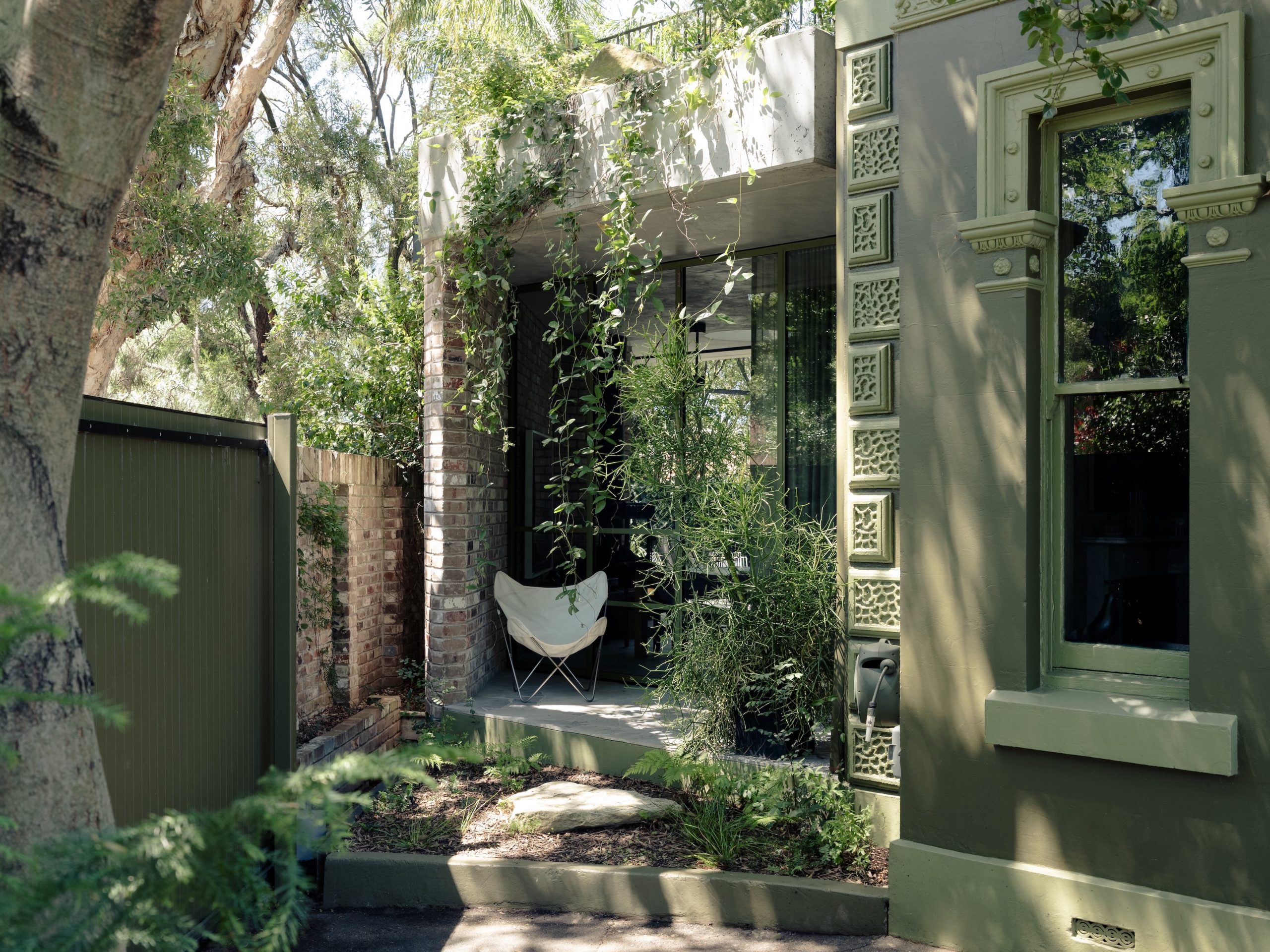
From bushland greens to valley reds, the country’s most awarded designers are proving that the best colour palette was never on a swatch card; it was outside the window all along.
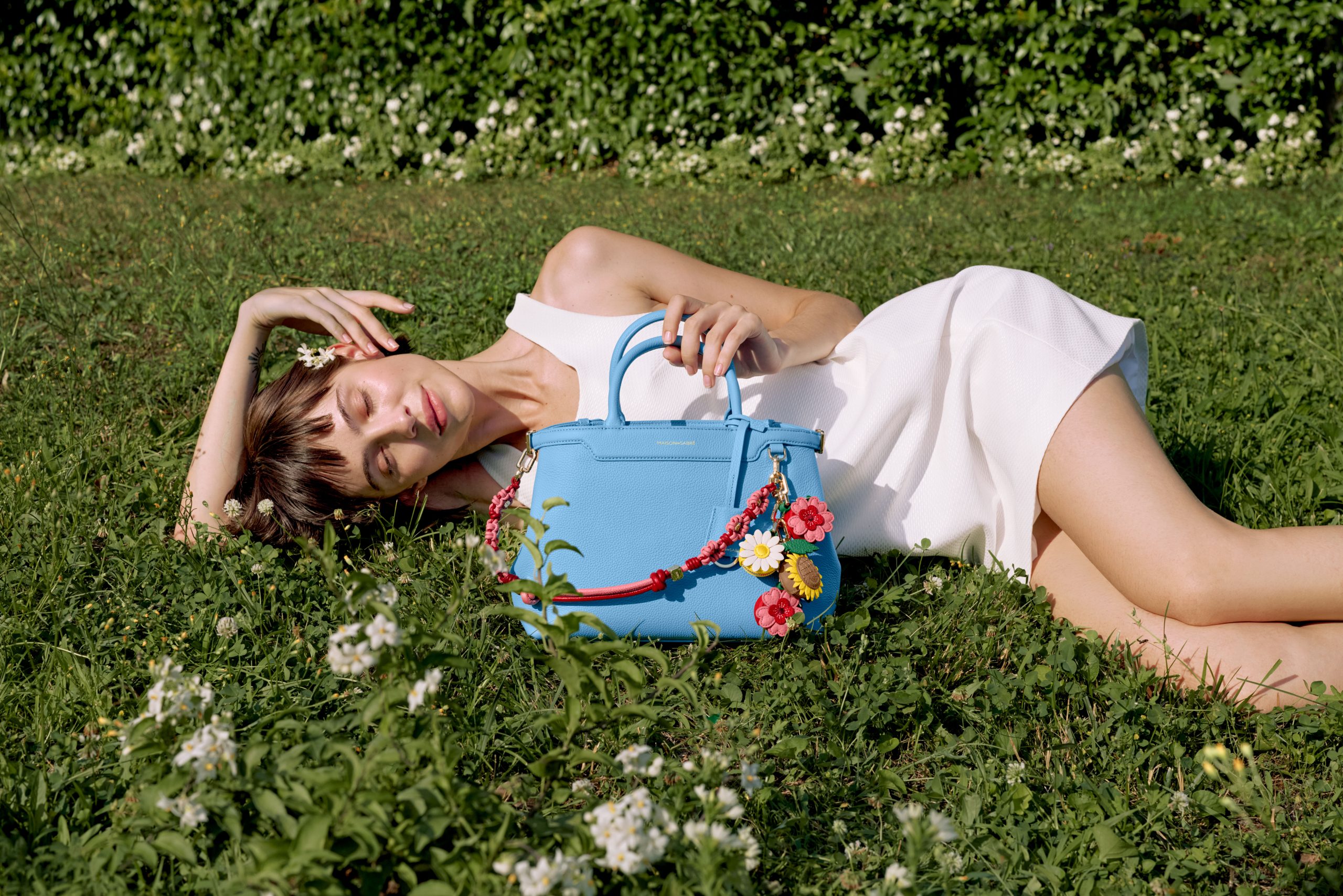
The Australian leather house has opened an immersive four-day pop-up in Manhattan, unveiling its Bloom Collection and redefining what a product launch can look like.
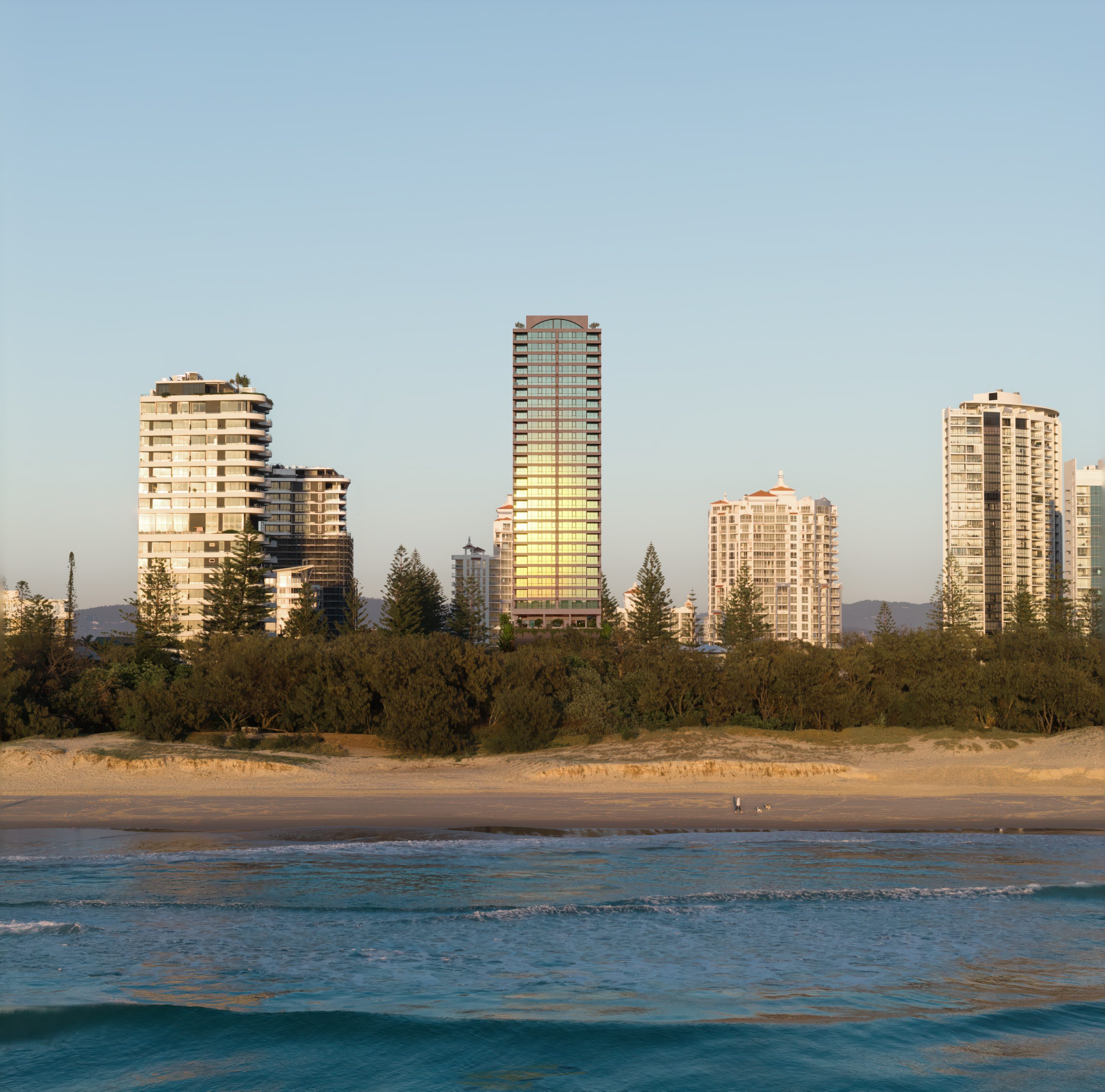
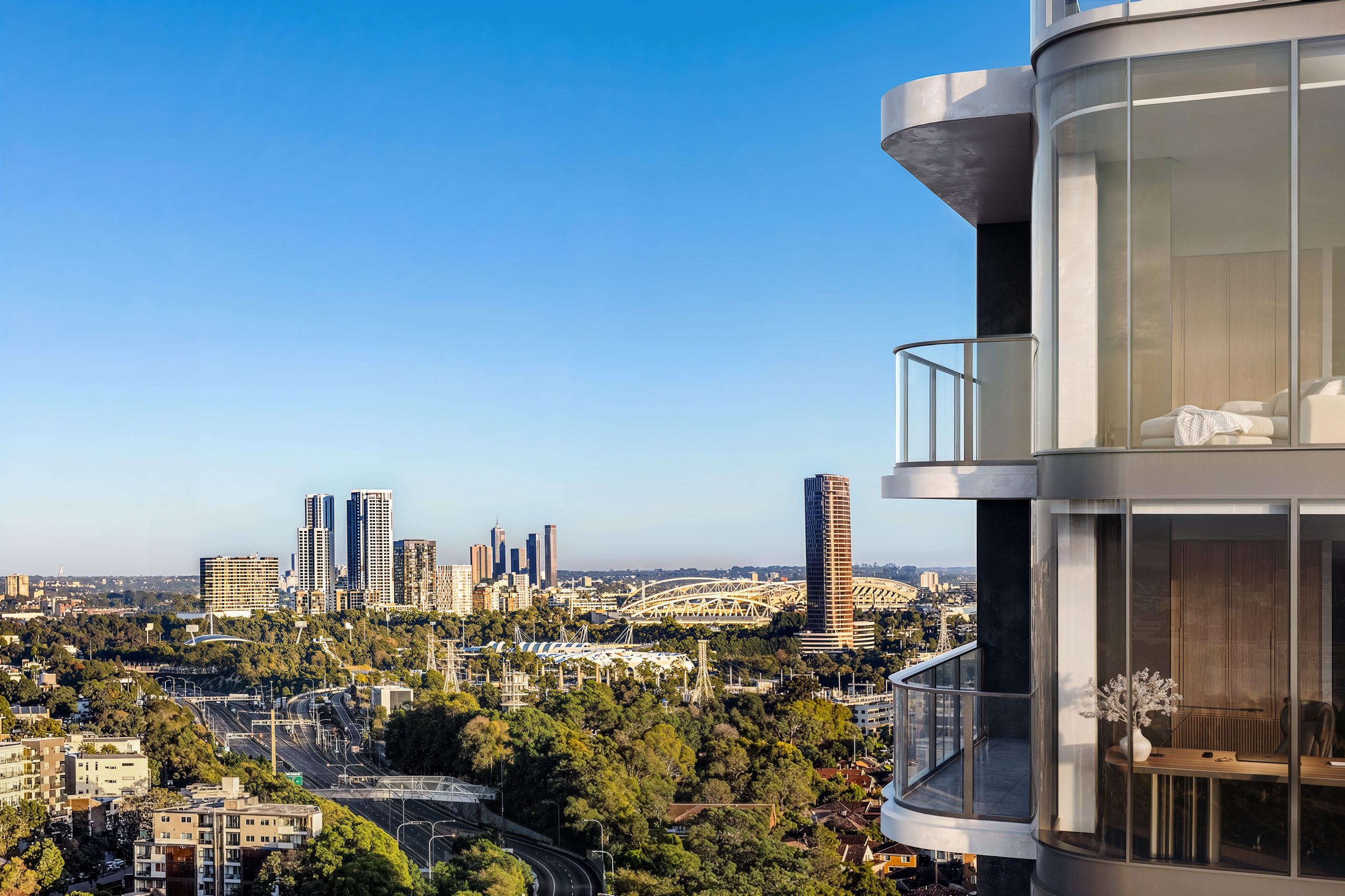
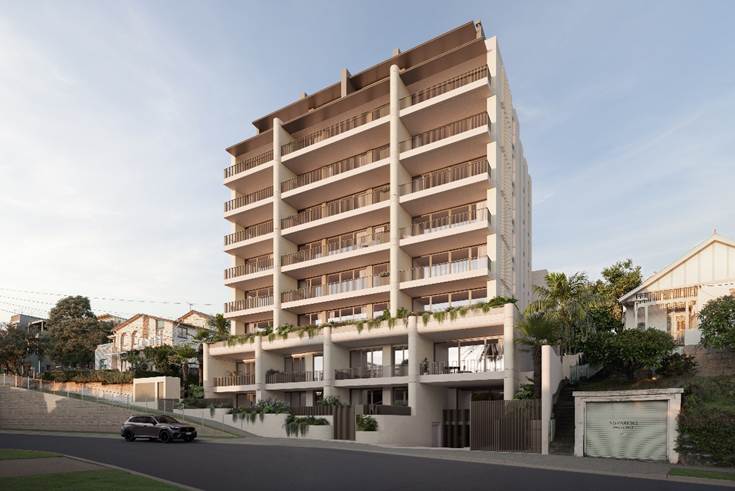
A Name Steeped in History, A Home Built for the Future. Timeless architecture, premium residences, and an exceptional Inner West location come together at Maybelle. With construction nearing completion, buyers can move into their brand-new home by the end of the year and purchase with confidence, knowing their home is backed by 10-Year Latent Defects Insurance.
3 min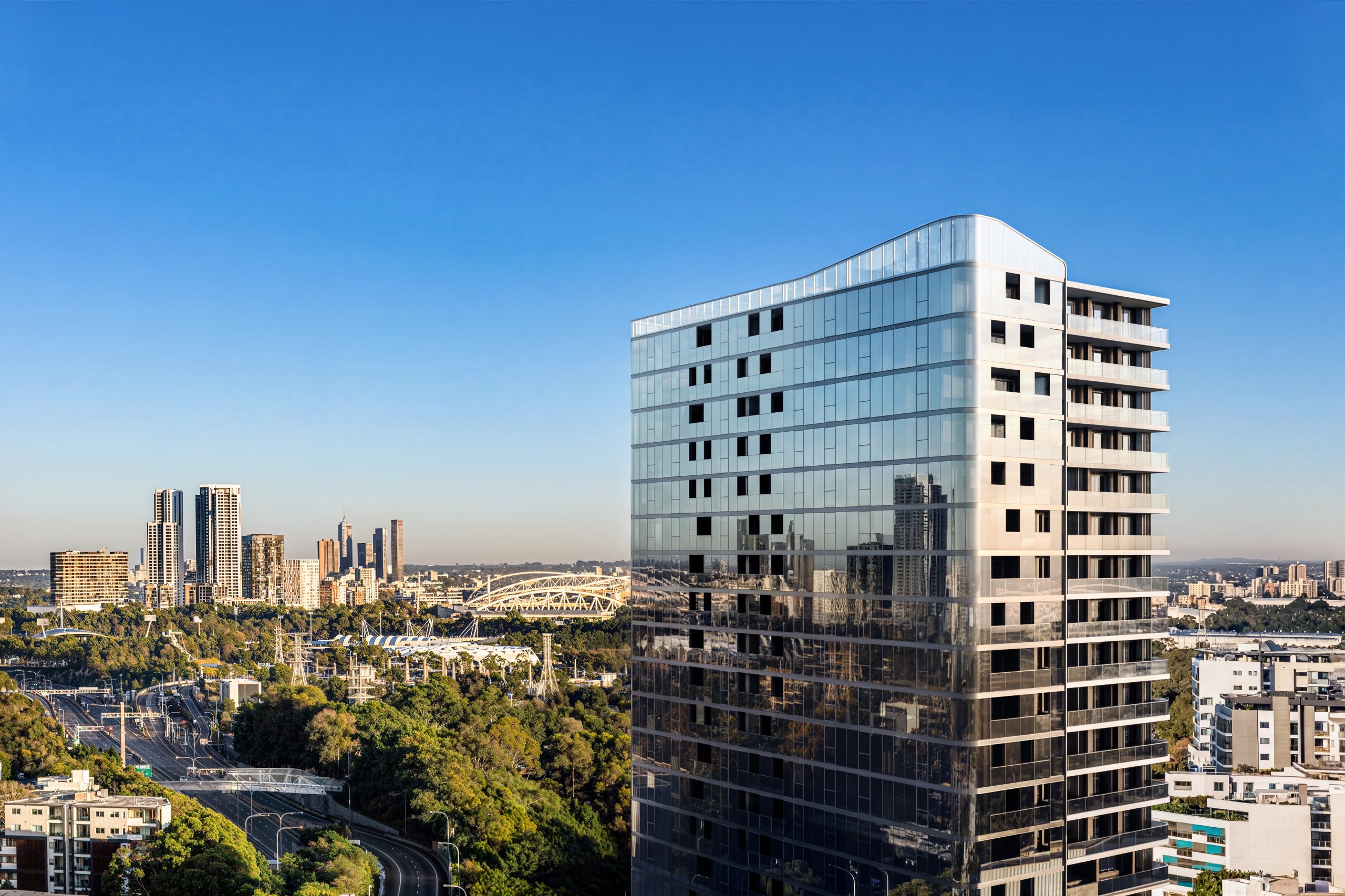
Almost a century before construction began, two sisters unknowingly inspired one of Sydney’s newest residential addresses.
Local landowner and developer John Henry Schroeder combined his daughters’ names, Isobel and May, to create Ismay Avenue, a street name that has become part of the area’s identity, still visible today in Ismay Reserve. The Maybelle borrows that story rather than inventing one. It takes its name from Isobel and May, drawing a direct line between the development and the history sitting right outside its front door.
More than simply another apartment building, it reflects a vision of creating homes that honour the past while looking confidently to the future.
Developed and built by Omaya, a family-owned company with more than 35 years of experience, The Maybelle reflects a commitment to craftsmanship, quality and creating communities that stand the test of time.
Located beside Ismay Reserve, the boutique collection of one, two and three-bedroom residences combines timeless architecture by Squillace Architects, premium interiors and exclusive resident amenities within one of Sydney’s most connected Inner West locations.
Location is one of The Maybelle’s defining strengths, residents are moments from train stations, bus services and the M4 Motorway.
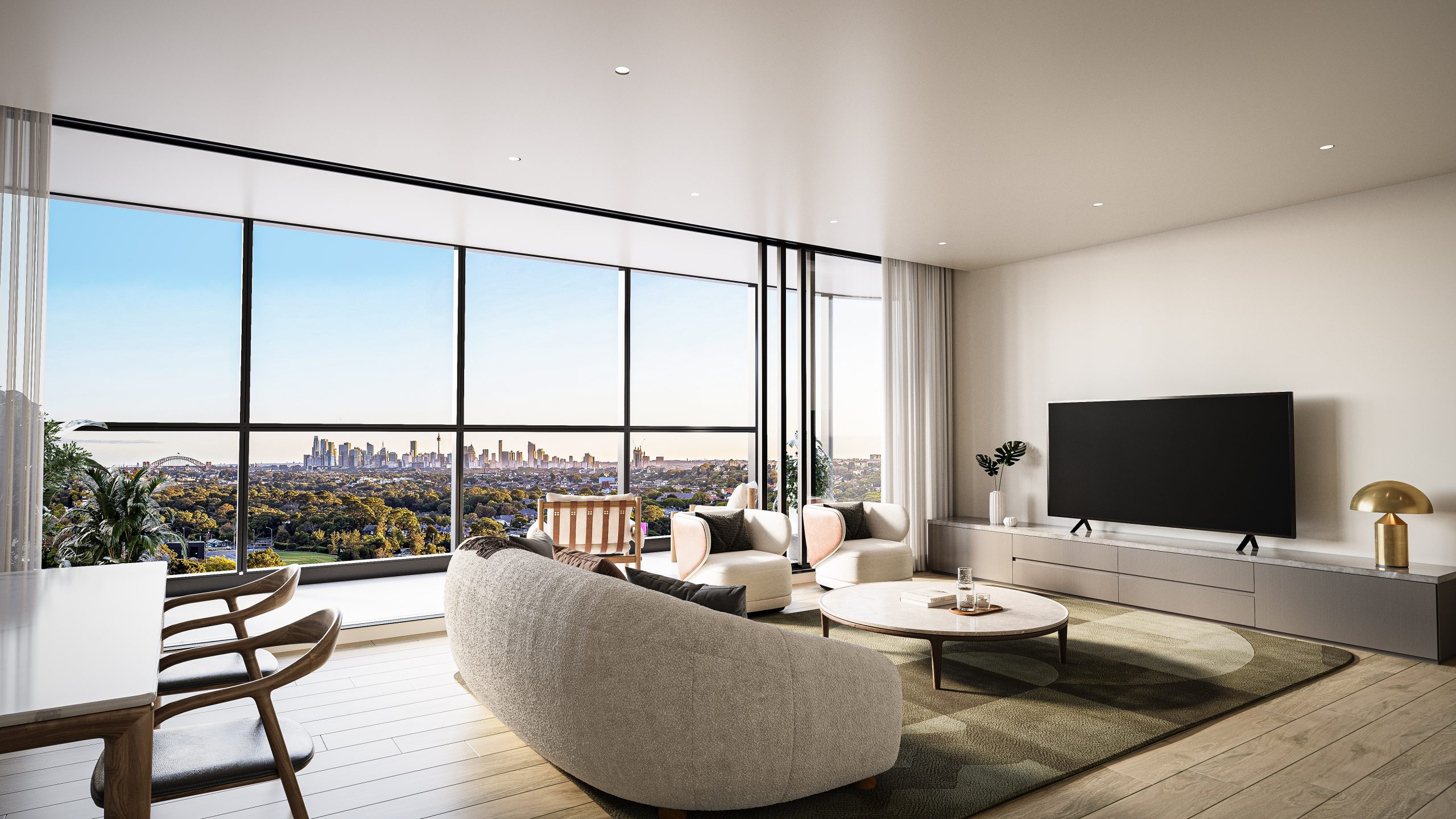
Positioned just moments from North Strathfield, Bakehouse Quarter, Sydney Olympic Park, Parramatta and the Sydney CBD, residents enjoy the perfect balance of green open space, vibrant local amenity and exceptional connectivity.
Surrounded by cafés, restaurants, leading public and private schools, shopping and parklands, The Maybelle offers a lifestyle where everything is within easy reach.
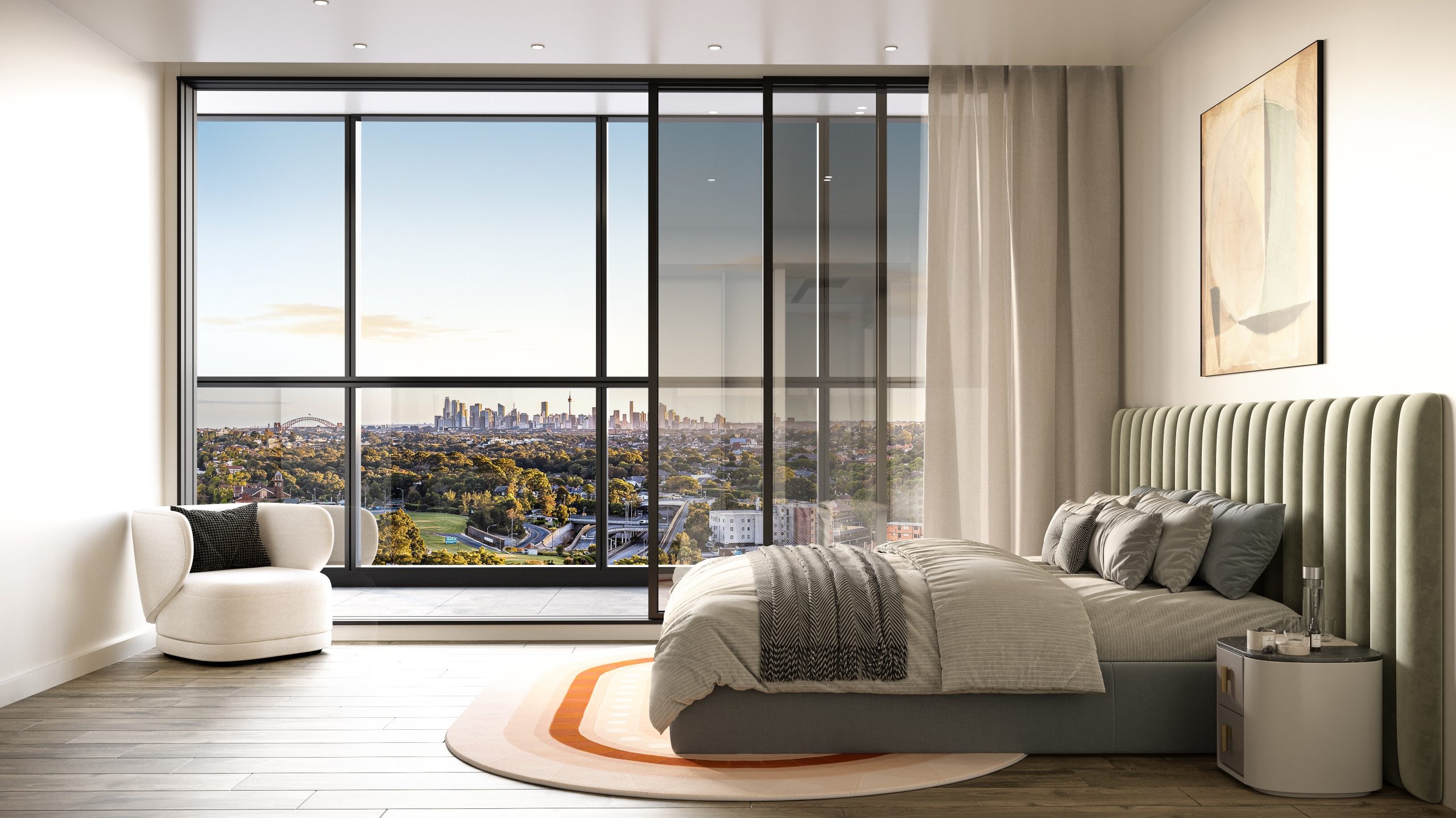
Designed to embrace its unique park-side setting, many residences enjoy expansive balconies overlooking Ismay Reserve, while selected homes capture elevated views across the Sydney Harbour Bridge and city skyline.
Spacious open-plan layouts, premium fixtures and finishes, and two carefully curated interior schemes create homes that are both beautifully refined and designed for everyday living.
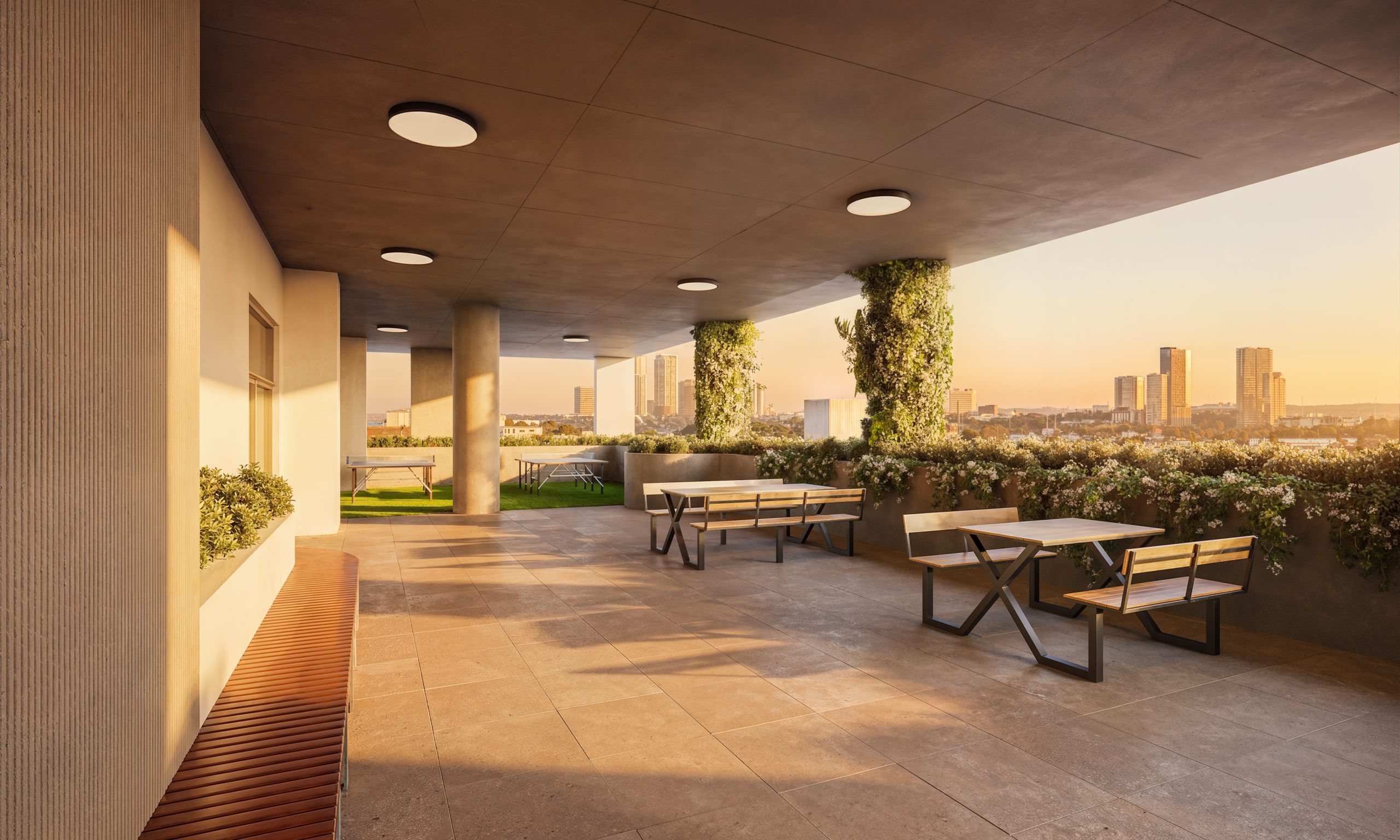
The lifestyle extends well beyond each apartment. Residents will enjoy exclusive access to a full-level Garden Pavilion on Level 8, featuring beautifully landscaped spaces for entertaining, recreation, remote working and gathering with family, friends and neighbours.
Complementing this is the elevated Sky Terrace on Level 14, where sweeping Sydney Harbour Bridge and city skyline views create a tranquil setting to relax, recharge and enjoy the remarkable outlook.
As both developer and builder, Omaya oversees every stage of the project – from planning through to construction – ensuring quality, accountability and meticulous attention to detail throughout.
Buyers can also purchase with confidence, knowing The Maybelle is protected by 10-Year Latent Defects Insurance, providing additional peace of mind long after settlement.
With construction nearing completion, buyers will be moving into their brand-new homes by the end of the year, offering a rare opportunity to secure a premium residence without the lengthy wait often associated with off-the-plan developments.
For those seeking more than just a new apartment, The Maybelle offers something increasingly rare – a home with an authentic story, a genuine connection to its surroundings and a lifestyle that brings together heritage, nature, connectivity and contemporary design in one exceptional address.
Now selling premium one, two and three-bedroom residences. To learn more or book a private appointment, visit www.themaybelle.com.au or call 1300 066 292.
Australia’s market is on the move again, and not always where you’d expect. We’ve found the surprise suburbs where prices are climbing fastest.

Paine Schwartz joins BERO as a new investor as the year-old company seeks to triple sales.