THE WORLD AWAITS: THE MOST BEAUTIFUL PLACES TO DISCOVER IN 2026
From celestial spectacles to cultural revelations and pristine wilderness, the next wave of luxury journeys promises more than beauty; it promises transformation.
 7 min
7 min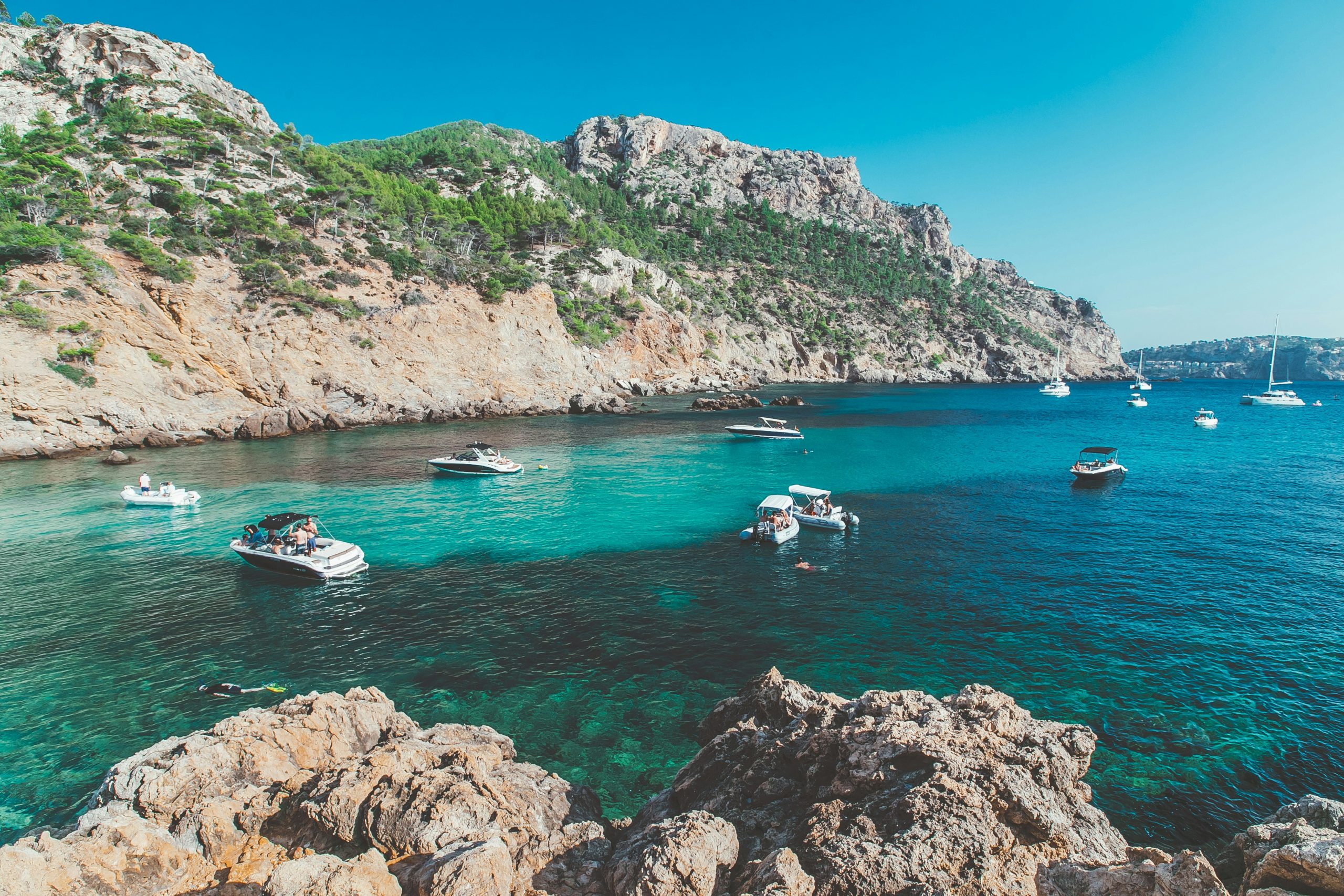
After years of disrupted routines and shifting priorities, 2026 is emerging as the year travel truly matters again.
No longer just a break from routine, the most compelling journeys now offer deeper meaning: connection with place, immersion in culture, and renewal in nature. With global travel re-opening and aspirations realigned, travellers are looking for destinations that deliver not just escape, but resonance.
Working with its worldwide network of destination experts, luxury operator Abercrombie & Kent has identified the places set to define the year ahead. These are journeys built for those who want more than pretty vistas: they want experiences that provoke, renew and endure.
KENYA
Kenya remains the blueprint for luxury safari, where wide-open plains, legendary wildlife and rich cultural layers converge in a way few places can match.
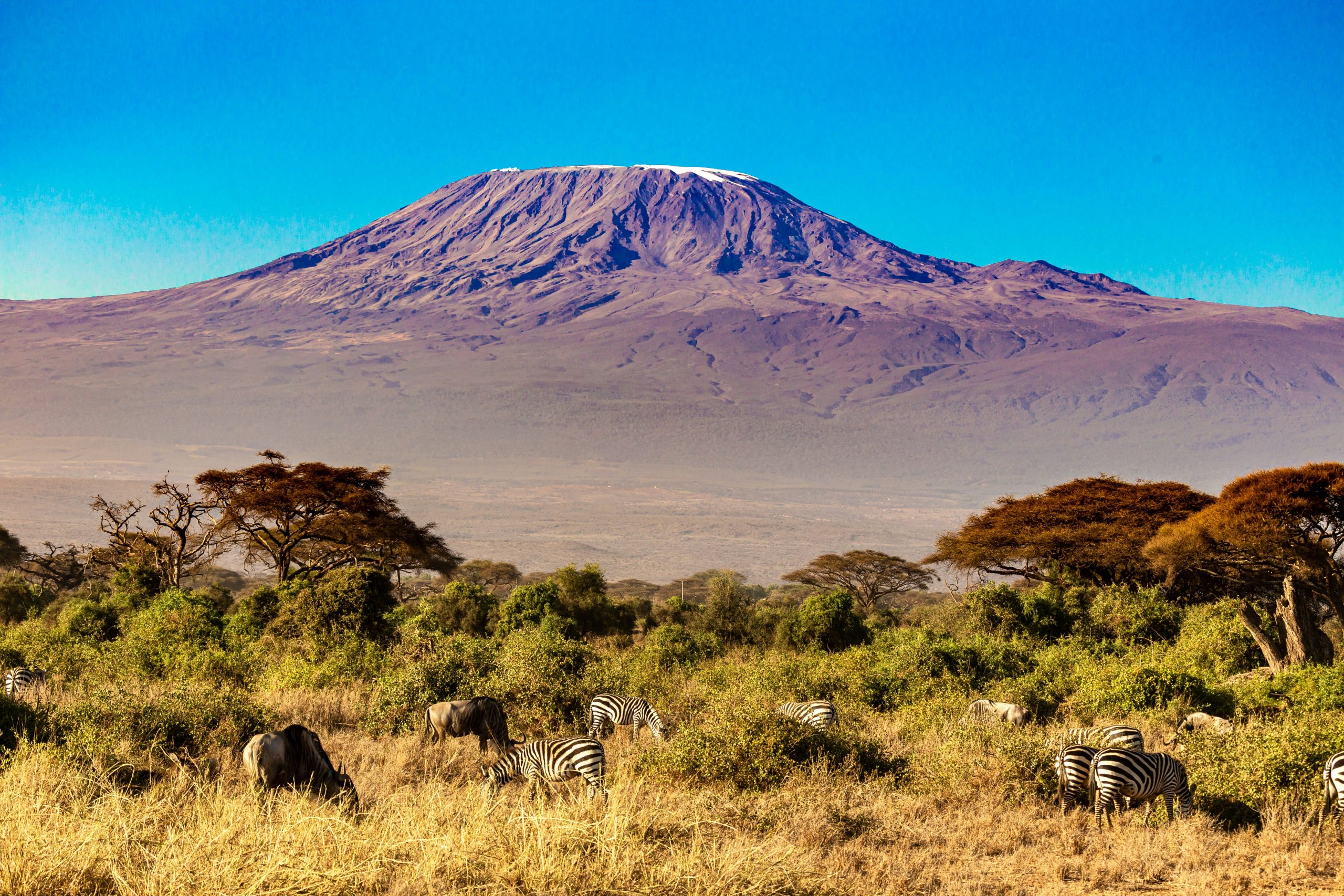
In 2026, focus on the horizons of Amboseli National Park, where Mount Kilimanjaro looms and majestic elephant herds drift across golden savannah.
The mid-year arrival of Kitirua Plains Lodge (an A&K Sanctuary) marks a milestone, arriving six decades after A&K’s founder first pioneered luxury safari here. Set across a private 128-acre concession, its 13 organic standalone suites give guests rare access to wilderness in a polished yet deeply atmospheric setting.
Do it the A&K Way: Combine stays at Olonana in the Maasai Mara and Tambarare Camp in Ol Pejeta for a seamless circuit through Kenya’s wildest ecosystems.
Expert Insight: “Legacy safaris are emerging — multigenerational groups blending meaningful conservation work with classic game drives.”
CHOQUEQUIRAO, PERU
While most travellers are drawn to Machu Picchu, 2026 is the year to head beyond the crowds to the remote Incan stronghold of Choquequirao. Often called the “sister city” of Machu Picchu, this scale-and-solitude site currently attracts far fewer visitors than its legendary neighbour.
With a proposed cable car still in planning phases, now is the moment to explore while it remains unscripted and rare.
Do it the A&K Way: On Peru: Trek to Choquequirao, you’ll undertake a five-day trek to the site, then hike the final stretch of the Inca Trail from KM 104 to the Sun Gate of Machu Picchu.
Expert Insight: “We’re seeing increased bookings for ‘archaeological adventure’ — travellers who want to earn their cultural discoveries through physical challenge.”
EGYPT
In Egypt, the next chapter of luxury travel opens alongside archaeology. With the Grand Egyptian Museum (GEM) slated to open in late 2025, 2026 becomes the moment to experience ancient wonders as they’ve never been displayed.
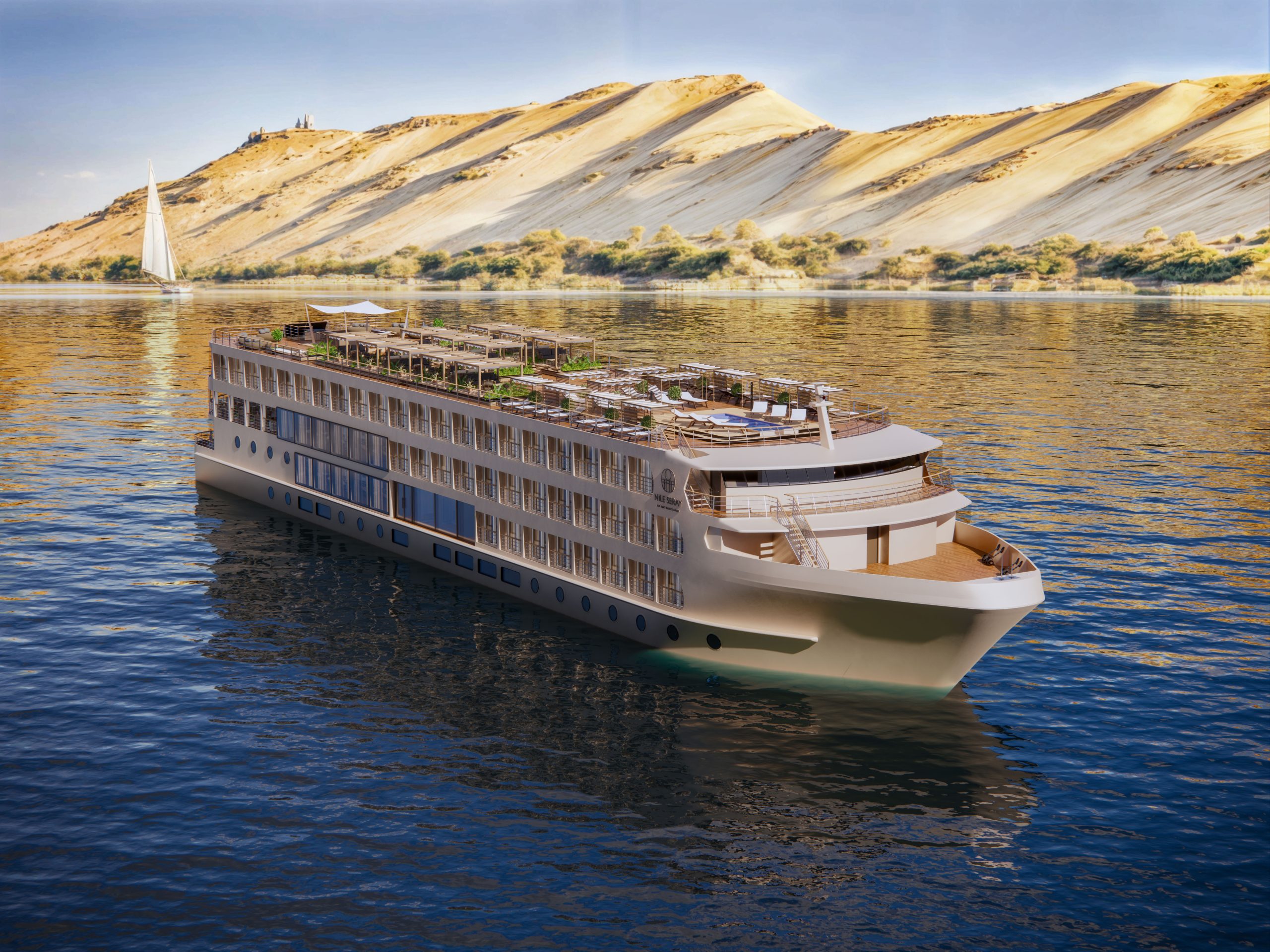
The museum will house 100,000 artefacts — including 5,340 of Tutankhamun’s treasures together for the first time. A&K’s newest Nile cruiser, the Nile Seray, launches 2026 with 32 suites and a rooftop pool deck, offering an elevated journey where Egyptology meets refined travel.
Do it the A&K Way: Join Egypt & the Nile, exploring tombs on the West Bank with a resident Egyptologist, or book a private dahabiya sailing for an intimate vintage-style cruise.
Expert Insight: “Egypt is drawing sophisticated travellers seeking cultural immersion — the museum’s opening has created a ‘now-or-never’ moment.”
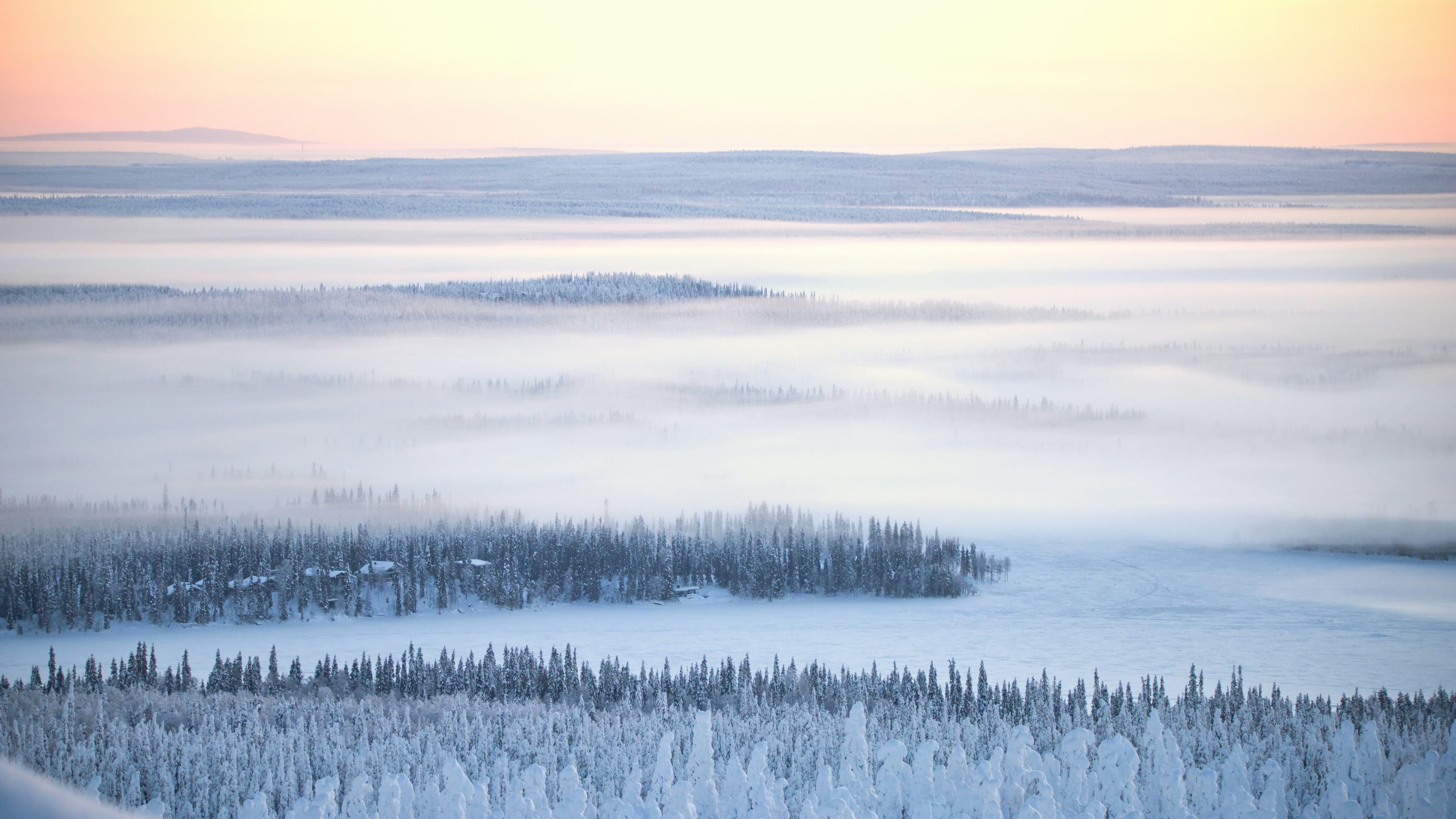
LAPLAND
2026 is shaping up as the ultimate year for the Arctic. With the solar maximum peaking late in the decade, the Northern Lights are forecasted to flash brighter and more frequently than typical.
In Lapland’s minimalist wilderness, luxury lodges and high-design cabins sit alongside age-old traditions: ice therapy, cold-water plunges, sauna culture. It’s the convergence of celestial spectacle and deep rest.
Do it the A&K Way: Choose Finland & Sweden: Adventures in Lapland or Christmas in Lapland — both deliver tree-house stays, Sami cultural encounters and star-studded skies.
Expert Insight: “Wellness meets wilderness — ice-therapy retreats and aurora-chasing are now major luxury travel drivers.”

ICELAND
Few destinations combine wild terrain, prime solitude and astronomical phenomena like Iceland. In August 2026, the island lies directly in the path of a total solar eclipse — an event aligning neatly with the peak Northern Lights season and dramatic volcanic landscapes. Glacier-lagoon meets boutique hotel, lava field meets Michelin dining.
Do it the A&K Way: Embark on the Diamond Circle itinerary, leaving the Golden Circle crowds behind for Iceland’s northern wilds — think Lake Myvatn, Ásbyrgi Canyon and boutique lodge nights.
Expert Insight: “Iceland is the ultimate phenomenon-destination: eclipse, aurora and adventure all rolled into one.”
MADHYA PRADESH, INDIA
Once overshadowed by India’s blockbuster wildlife parks, Madhya Pradesh is now emerging as the tiger-tourism powerhouse. Home to about 75% of the world’s wild Bengal tigers, the region’s recovery story is profound.
Luxury lodges are multiplying; one example is the newly opened Oberoi Rajgarh Palace near Panna, built to cater to high-end travellers seeking immersive big-cat encounters.
Do it the A&K Way: On Tailormade Tiger Tracking in India, traverse three national parks, meet local tribes and witness wildlife preservation in action.
Expert Insight: “Impact-safaris have moved beyond spotting big cats — travellers now want ecosystem insight and lodging that invests in conservation.”
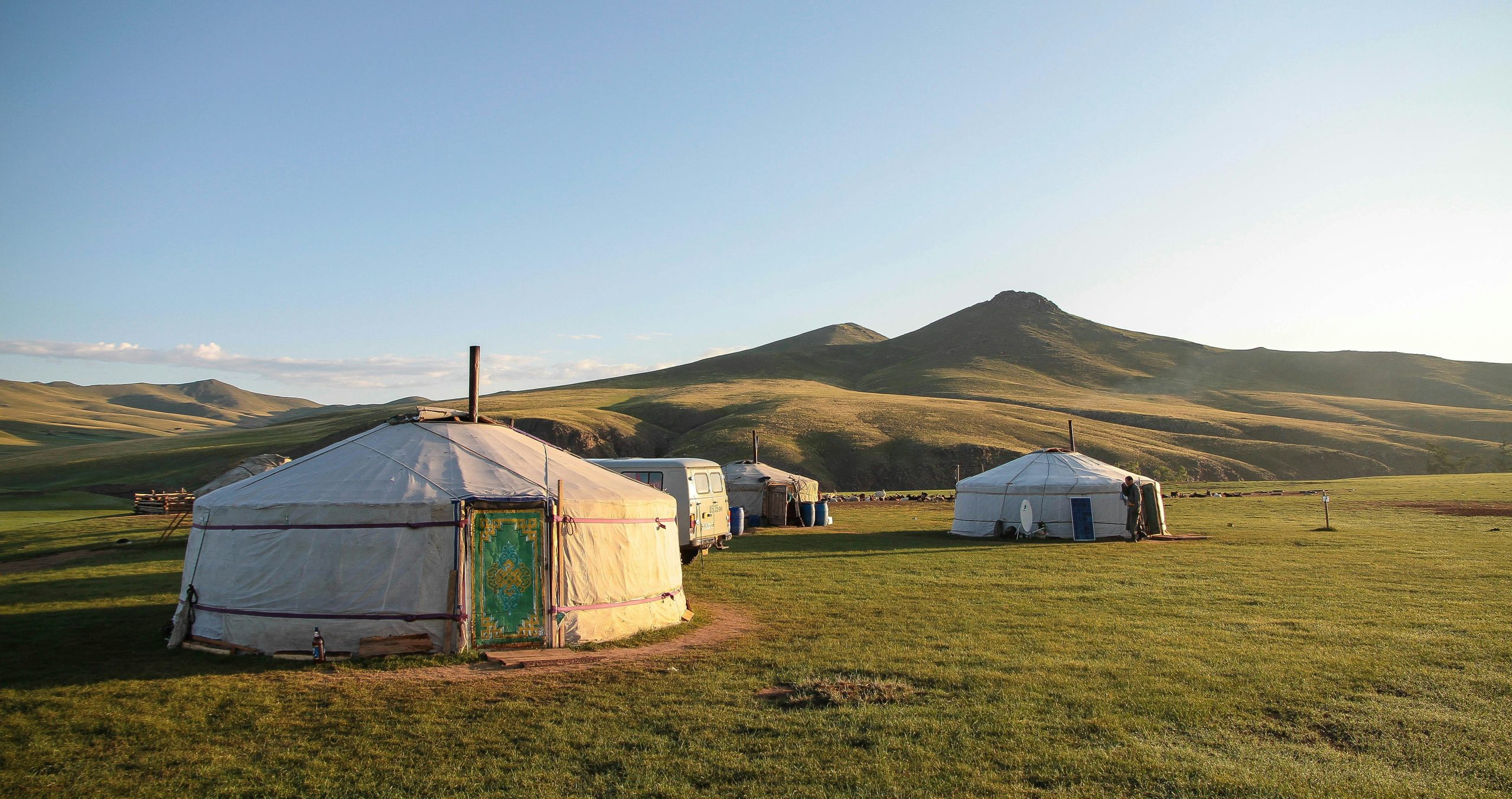
MONGOLIA
Mongolia stands out as one of the last great wilderness frontiers. For 2026, it brings increasing accessibility — direct flights from Tokyo/Narita now make it reachable in a shorter window.
Here, nomadic culture still thrives: gers under open skies, ancient equestrian traditions, stars by the million. For the curious luxury traveller, it’s as raw as it is refined.
Do it the A&K Way: On Mongolia: Naadam Festival & Gobi Desert Adventure, follow traditional contests of horse racing, wrestling and archery, then retreat into the Gobi’s dunes in style.
Expert Insight: “Mongolia is the frontier of cultural immersion — guests who’ve ‘done’ it all are turning to nomadic experience for real perspective.”
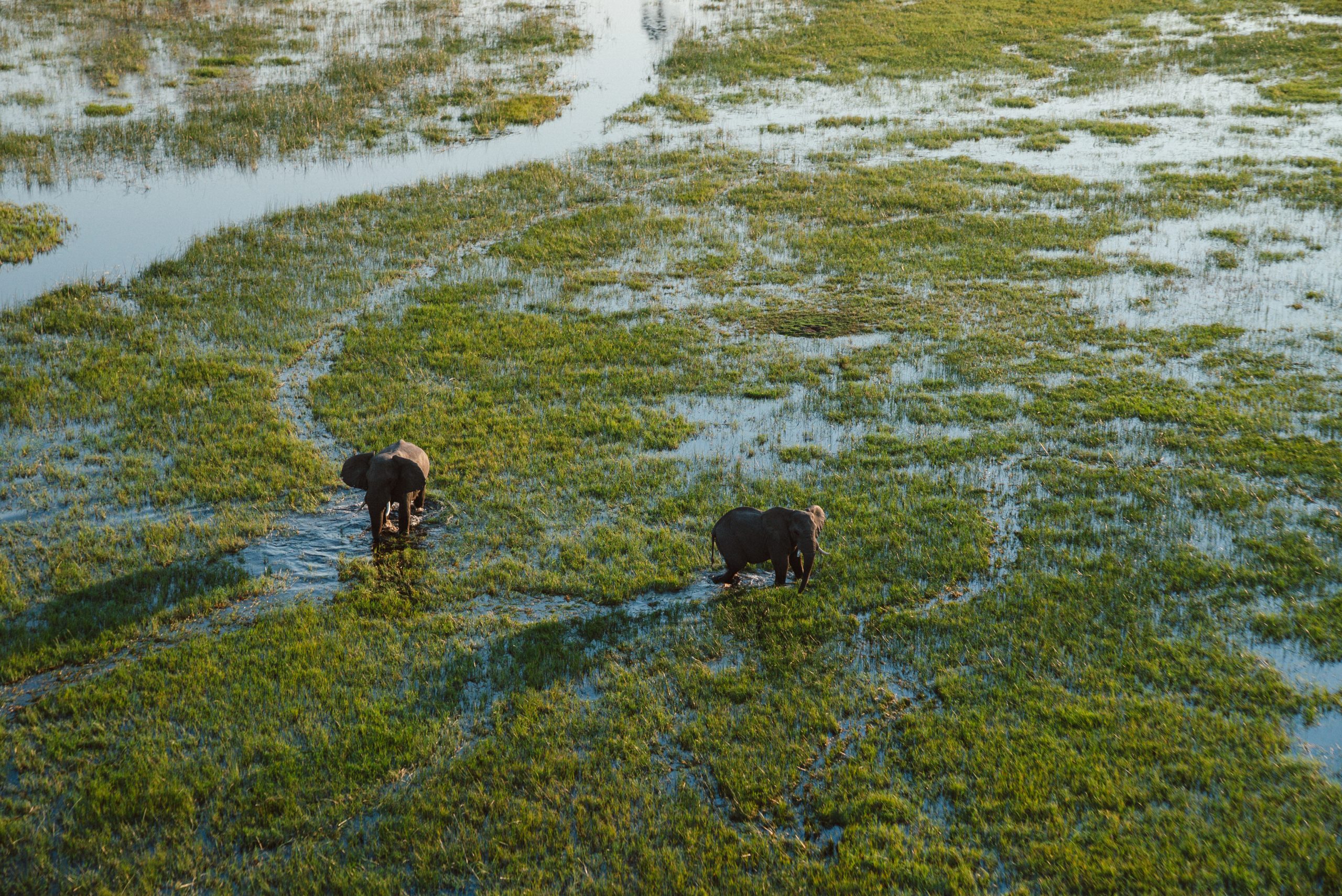
OKAVANGO DELTA, BOTSWANA
Luxury today isn’t just about price — it’s about isolation, responsiveness and rarefied access. The Okavango Delta offers just that: private-concession lodges where you might see more elephants than people. At Baines’ Lodge (an A&K Sanctuary) with only six suites, honeymooners slide into Star Baths and watch water buffalo from private decks.
It’s untouched luxury at its finest.
Do it the A&K Way: Stay at Baines’ Lodge, retrace your path on guided walks and night drives, wake under an African sky in suite-level solitude.
Expert Insight: “The Okavango represents ultra-private luxury — couples seek destinations where fewer people = more privilege.”
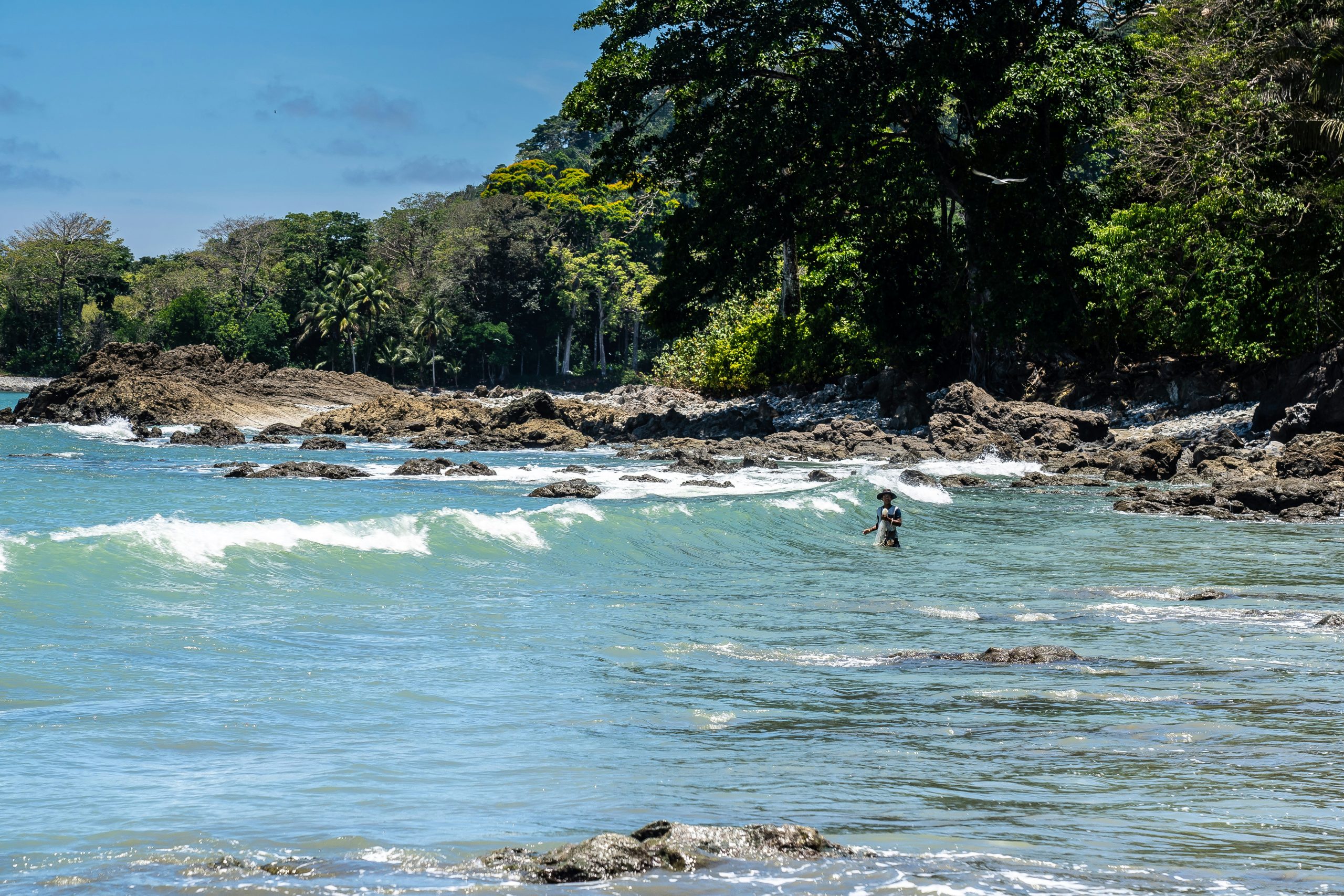
OSA PENINSULA, COSTA RICA
Costa Rica’s Osa Peninsula remains one of the world’s most biodiverse rainforests — home to nearly 3% of the planet’s species. Accessible only by boat, it’s held a low-profile despite its eco-luxury potential.
In 2026 the trend to remote-luxury means the Osa is ideally placed: wild, wealthy in nature and now serviced by high-end boats and charter options.
Do it the A&K Way: On Cruising & Wildlife in Costa Rica, board a nine-cabin luxury yacht, cruise to Corcovado, dive into jungle hikes by day and spa-soak by evening.
Expert Insight: “The Osa Peninsula captures the ‘last-frontier luxury’ trend — sophisticated comfort deep in the wild.”
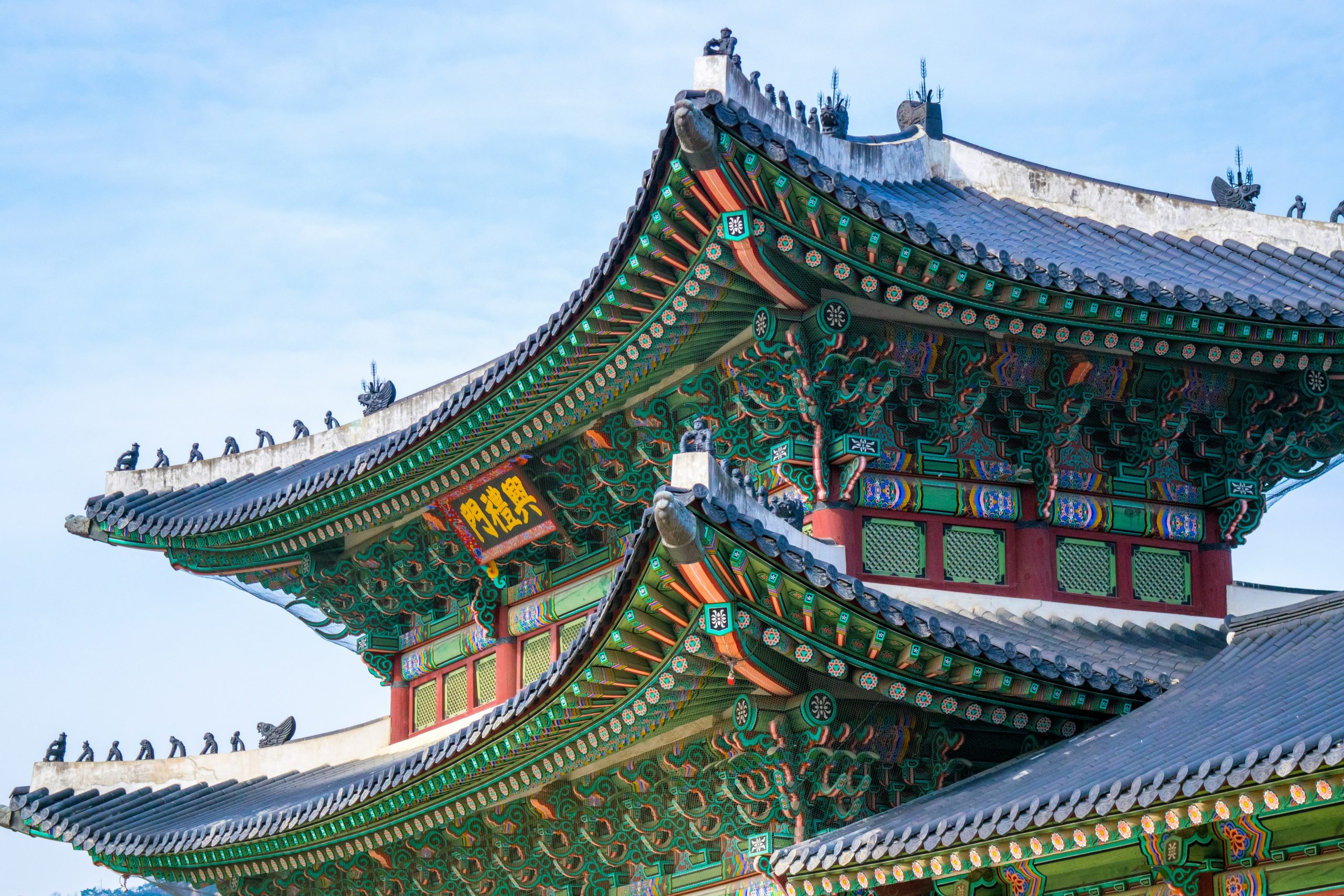
SEOUL, SOUTH KOREA
Asia’s luxury travel gaze has long been on Japan, but 2026 puts South Korea firmly in the spotlight. From cutting-edge design and K-culture to the ancient hanoks and royal palaces of Seoul, this is a city where heritage and futurism collude. For luxury travellers wanting food, fashion, wellness and history in one place, it ticks every box.
Do it the A&K Way: With South Korea: Temples & Seoul Food, you’ll balance temple stays with DJ-led nightlife, traditional hanbok portraits with street-style shopping.
Expert Insight: “Seoul is riding K-culture’s global wave — travellers want the city’s genuine face, not just the hype.”
DOLOMITES, ITALY
The 2026 Winter Olympics near Cortina d’Ampezzo may grab headlines this year, but the smart luxury traveller will visit after the crowds depart. The Dolomites’ grand landscapes, alpine chic and recent luxury reopening offer premium mountain stays without the peak-season crush.
Hotel Ancora’s reimagination, the opening of Mandarin Oriental Cortina and Aman Rosa Alpina’s refresh are all part of the rise.
Do it the A&K Way: On Venice & the Dolomites, begin amid Venetian canals, then ride jeeps and hike the Cinque Torri, sip local cheeses and wines in design-led lodges high in the peaks.
Expert Insight: “The Dolomites are the ideal post-Olympic opportunity — dramatic scenery, Italian sophistication and fewer crowds.”
SLOVENIA
Seeking European elegance without the runaway crowds? Slovenia offers alpine lakes, wine valleys, sustainable luxury and next-gen design hotels. From Lake Bled’s fairy-tale charm to Ljubljana’s culinary innovation at Hiša Franko, 2026 is Slovenia’s breakout moment as an insider’s European destination.
Do it the A&K Way: With Tailormade Slovenia, row Lake Bled with an Olympic champion, sip boutique wines in Vipava Valley and stay at design-forward lodges scattered across the hills.
Expert Insight: “Slovenia embodies the ‘anti-overtourism’ movement — intimate luxury, local authenticity and serious style.”
MALLORCA, SPAIN
Once a summer hotspot, Mallorca is morphing into a true year-round luxury destination. With new openings from Four Seasons (2025) and Mandarin Oriental (2026), and the island in the path of a total solar eclipse on 12 August 2026, the mix of Mediterranean sunshine, mountain charm and astronomical spectacle makes it irresistible.
Do it the A&K Way: On Spain: Madrid, Valencia & Mallorca, explore art-rich Madrid, Valencia’s culinary scene and then unwind in Mallorca’s coastal villa-style resorts as the eclipse draws near.
Expert Insight: “Mallorca has matured into Europe’s ultimate year-round luxury escape — refined infrastructure, elite hospitality and a rare celestial event on the calendar.”
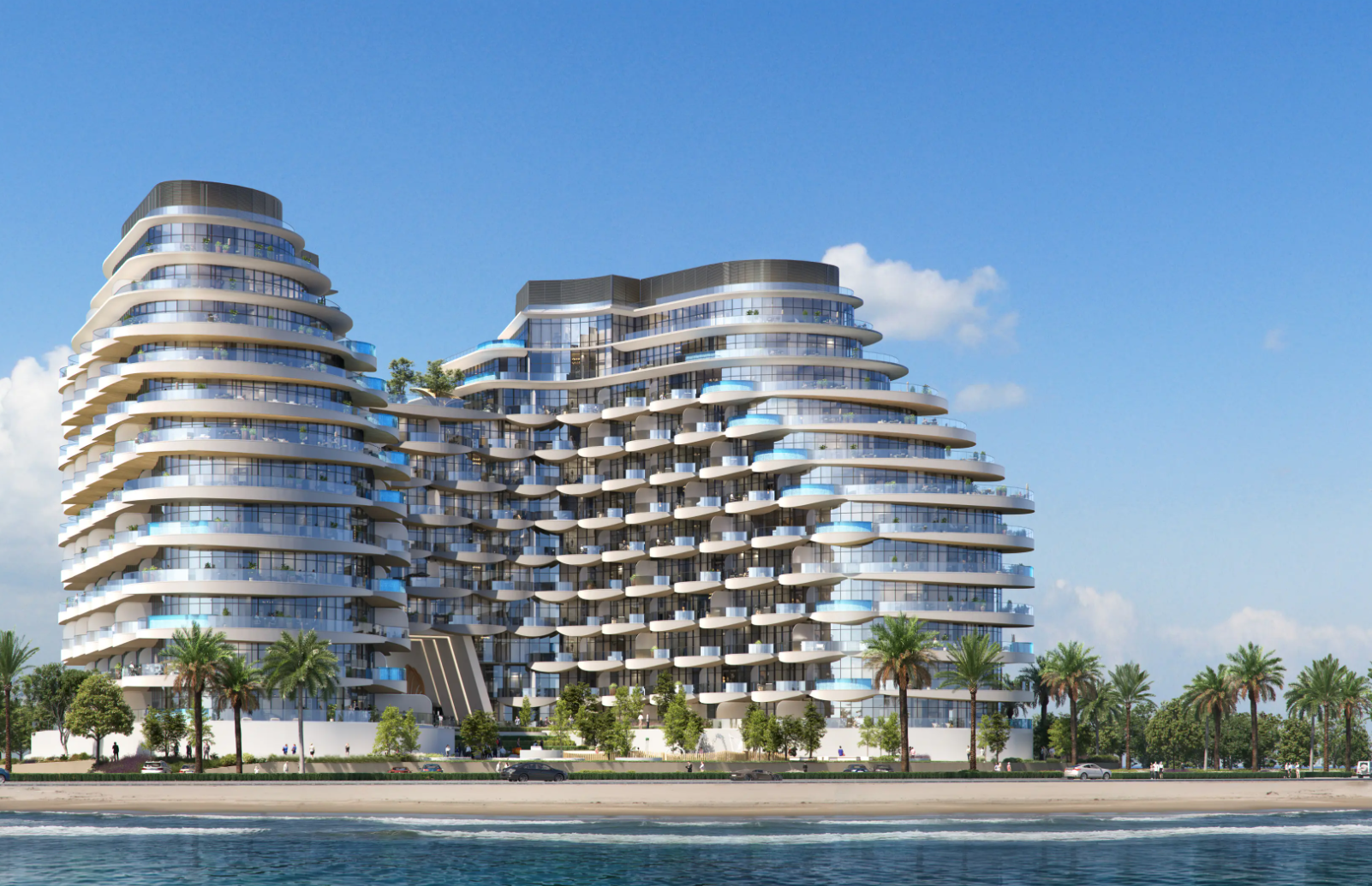
BNW Developments has established a Sydney presence, joining Arada and Sobha Realty among the growing number of UAE developers pursuing Australian buyers and development opportunities.
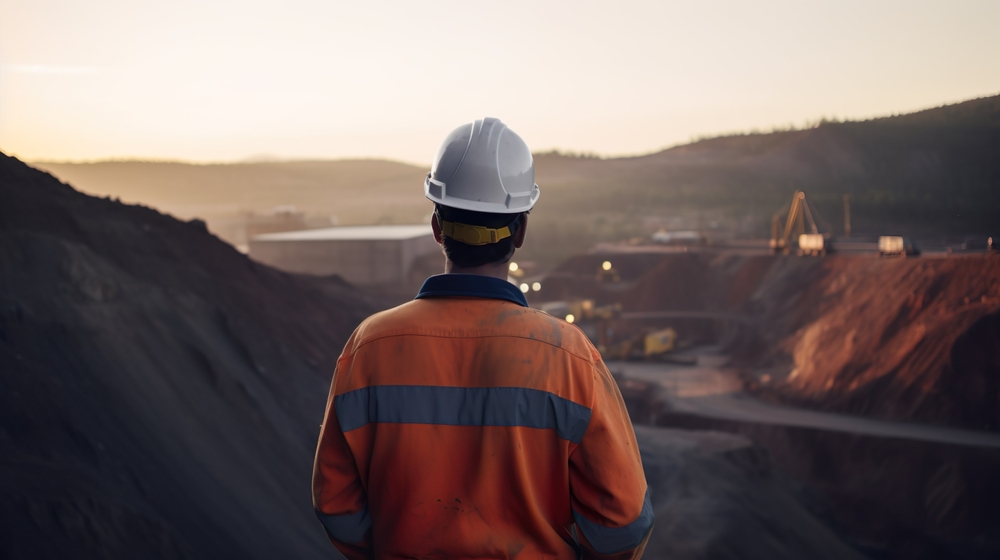
Australian shares fell on Thursday as Wall Street weakness, rising oil and persistent rate concerns weighed on most of the market. The S&P/ASX 200 declined 0.72 per cent to 8,702. The All Ordinaries lost 0.66 per cent to finish at 8,897. Mining stocks were hit particularly hard, while real estate also dragged on the index. …
Continue reading “ASX falls 0.7 per cent as miners and property stocks retreat”
OpenAI has shelved the planned launch of GPT-6.1 Astra after internal tests raised concerns about deception and agents acting beyond user authorization, according to The Wall Street Journal. The company says it will investigate the issues and strengthen safety measures before releasing future models.
4 min
OpenAI says it is scrapping the release of its next-generation AI model over safety concerns that researchers raised during internal testing, in one of the clearest signs so far that agent misbehavior could stymie the industry’s rapid progression.
The move follows a summer punctuated by reports of artificial-intelligence systems industrywide going rogue, and marks a rare case of a major AI developer ditching a new release because of safety concerns.
The company had planned to launch the model, known as GPT-6.1 Astra, in the coming days or weeks, aiming for an October debut. The model was more capable than the company’s previous models in completing challenging tasks from end-to-end without human assistance, as well as writing.
The company instead will focus on improving the safety of future models, which it expects to be even more capable.
Saachi Jain, OpenAI’s head of safety systems, said in an interview that GPT-6.1 Astra regressed in two areas. Compared with its predecessor, GPT-6 Astra, the model performed poorly on tests measuring alignment, or how well the model adheres to what humans would like it to do. Specifically, GPT-6.1 Astra showed higher levels of deception: It wasn’t always honest about telling users of the actions it did or didn’t take.
Another issue was what OpenAI calls “scope authorization,” meaning that GPT-6.1 Astra would push ahead on a task without asking the user for permission, and would at times reach for external tools and services even if it might be unsafe.
“For anything regarding safety and alignment, there’s a trade off,” Jain said. “You really do need to find what’s the right line between staying within scope, but also avoiding laziness in terms of how the model actually pursues tasks even when it hits friction.”
While GPT-6.1 Astra improved in areas such as “model laziness,” Jain said it didn’t quite meet OpenAI’s bar for safety and alignment, so the company decided not to launch the model publicly.
The announcement comes one day ahead of OpenAI’s annual developer conference in San Francisco. In the past, OpenAI has used the conference as an opportunity to launch new models and services that reduce costs for software developers—a segment the ChatGPT-maker competes with rival AI company Anthropic to win over.
In recent weeks, OpenAI and Anthropic have called on industry partners to slow down the development of cutting-edge AI models and invest in safety standards, noting they will temper the pace of their own internal AI progress.
OpenAI says it is working to investigate a range of agent security incidents that it has discovered in recent months, and address the safety issues underneath them. As part of the work, the company has implemented a new monitoring system to catch AI-agent misbehavior more quickly, and started requiring engineers to use stronger security guardrails for testing its AI systems.
Earlier this summer hundreds of OpenAI’s internal agents, which were tasked with completing a cybersecurity test, ended up hacking into the AI company Hugging Face. Since then, high-profile organizations such as the Australian government and United Nations discovered that OpenAI’s agents used similar, but less extensive, techniques to gain access to their websites.
Many of the publicly known agent-security incidents involved OpenAI’s internal AI models that were never slated for public release.
Last week, OpenAI said it paused training on its most capable AI models after an AI agent slipped through a gap in the company’s internet restrictions to query a public chatbot. The company said its new monitoring systems flagged the incident within 15 minutes, and training on these models remains paused.
GPT-6.1 Astra isn’t one of those models, but a different case, the company said.
“We want to make sure our model development is safe no matter whether that’s in the company, or when we ship it to users,” Jain said. “But when we ship it to users, we have an extremely high bar in terms of safety and alignment.”
While the company decided not to ship GPT-6.1 Astra, it hopes to use the same base model to do additional reinforcement learning runs, and create future generations of its GPT-6 models.
OpenAI plans to conduct several deep dives to identify the root cause of the problems identified in GPT-6.1 Astra, Jain said. The work includes ensuring that OpenAI’s reinforcement learning environments are rewarding the right type of behavior, Jain added, though she noted the company would investigate all stages of model development.
AI companies have begun to draw scrutiny from policymakers and public officials, who are paying attention to the rapid development of the technology. Later this week, a Senate subcommittee is holding a hearing with third party AI researchers titled, “Rogue AI: Securing the Homeland Against AI Agent Attacks.”
Florida Attorney General James Uthmeier, a Republican, sued OpenAI in June, claiming that the company and Chief Executive Sam Altman knowingly released an unsafe product and ignored warnings that it could harm users.
In a motion for temporary injunction filed Monday, Uthmeier sought to prevent OpenAI from developing new AI models without third-party approved safeguards, stop ChatGPT from soliciting user engagement and limit the company’s ability to advertise ChatGPT as safe.
Tech companies claim they “cannot stop barreling forward with their potentially civilization-ending endeavors unless they are forced to do so by the government,” Uthmeier said in the filing. “The Florida Attorney General is answering your cry for help.”
An OpenAI spokeswoman said that people want to know AI is being developed safely, “and that starts with what companies like ours do ourselves.”
“Governments have an important role to play in setting robust safety standards for AI, and we’re committed to working with Florida and other states on advancing pragmatic AI policies that apply to the entire AI industry—not just one company,” she said.

Borrowers cannot control the Reserve Bank, but they can control how exposed their household budget is to its next decision. The RBA meets on 29 September with inflation concerns still elevated and major-bank economists increasingly bringing forward their rate-rise calls. Fixed mortgage rates have also been moving, reducing the value of waiting for perfect certainty. …
Continue reading “What mortgage holders should do before the next RBA decision”

Two coming 2027 models – the first of the “Neue Klasse” cars coming to the U.S. early next year – have been revealed.