SUSTAINABLE TRAVEL SHIFT AS AUSSIES DODGE CROWDS AND CLIMATE RISKS
Australians are rethinking how and when they travel, with extreme weather, overcrowding and rising awareness of impact reshaping holiday decisions.
 2 min
2 min
Australians are quietly rewriting the rules of travel, moving away from peak-season getaways and crowded hotspots as climate concerns and changing habits reshape the industry, new research from Booking.com shows.
The 2026 Travel & Sustainability Report reveals that timing and destination are now central to how Australians approach travel, with 42 per cent planning to holiday outside peak periods and 43 per cent actively avoiding overcrowded destinations.
This is not just about comfort. It reflects a broader shift in thinking, where travellers are increasingly aware of their impact on places they visit, with many deliberately trying to reduce pressure on popular destinations.
At the same time, climate is no longer a background consideration. It is shaping decisions in a far more immediate way. Nearly three-quarters of Australians now factor extreme weather into where and when they travel, while more than a quarter have already changed or cancelled trips in the past year due to weather events.
There is also a growing sense that some destinations are becoming less viable altogether. More than half of Australians say certain locations have become too hot to visit at their preferred time of year.
A generational split is emerging
While sustainability is now firmly on the agenda, the report highlights a gap between what travellers say and what they actually do.
Younger Australians tend to express stronger views about sustainable travel, yet it is older travellers who are more likely to follow through with practical actions such as reducing waste, cutting energy use and shopping locally.
That does not mean younger travellers are disengaged. They are more likely to participate in cultural experiences and conservation-focused activities, pointing to a different interpretation of what sustainable travel looks like.
From intention to behaviour
The shift is already playing out in booking patterns. Across the region, more travellers are choosing accommodation with recognised sustainability credentials, and sustainable travel is moving from a niche consideration to a mainstream expectation.
Yet barriers remain. Cost, confusion and a lack of clear information continue to hold some travellers back from making more sustainable choices, suggesting the industry still has work to do in making those options accessible and easy to understand.
For now, the direction is clear. Travel is becoming less about ticking off destinations at peak moments and more about timing, impact and experience.
Or, put more simply, Australians are still travelling, just a little more thoughtfully than before.

From making unpopular decisions to learning when to listen, leaders from five businesses reveal what nobody prepared them for — and how running a company has challenged their expectations.

Technology and semiconductor shares fell sharply as investors questioned the debt financing the AI infrastructure boom and confronted higher rates and Chinese competition.
Waldorf Astoria Kuala Lumpur is scheduled to open on 30 October, introducing the Hilton luxury brand to Malaysia with an all-suite hotel in the city’s Golden Triangle.
4 min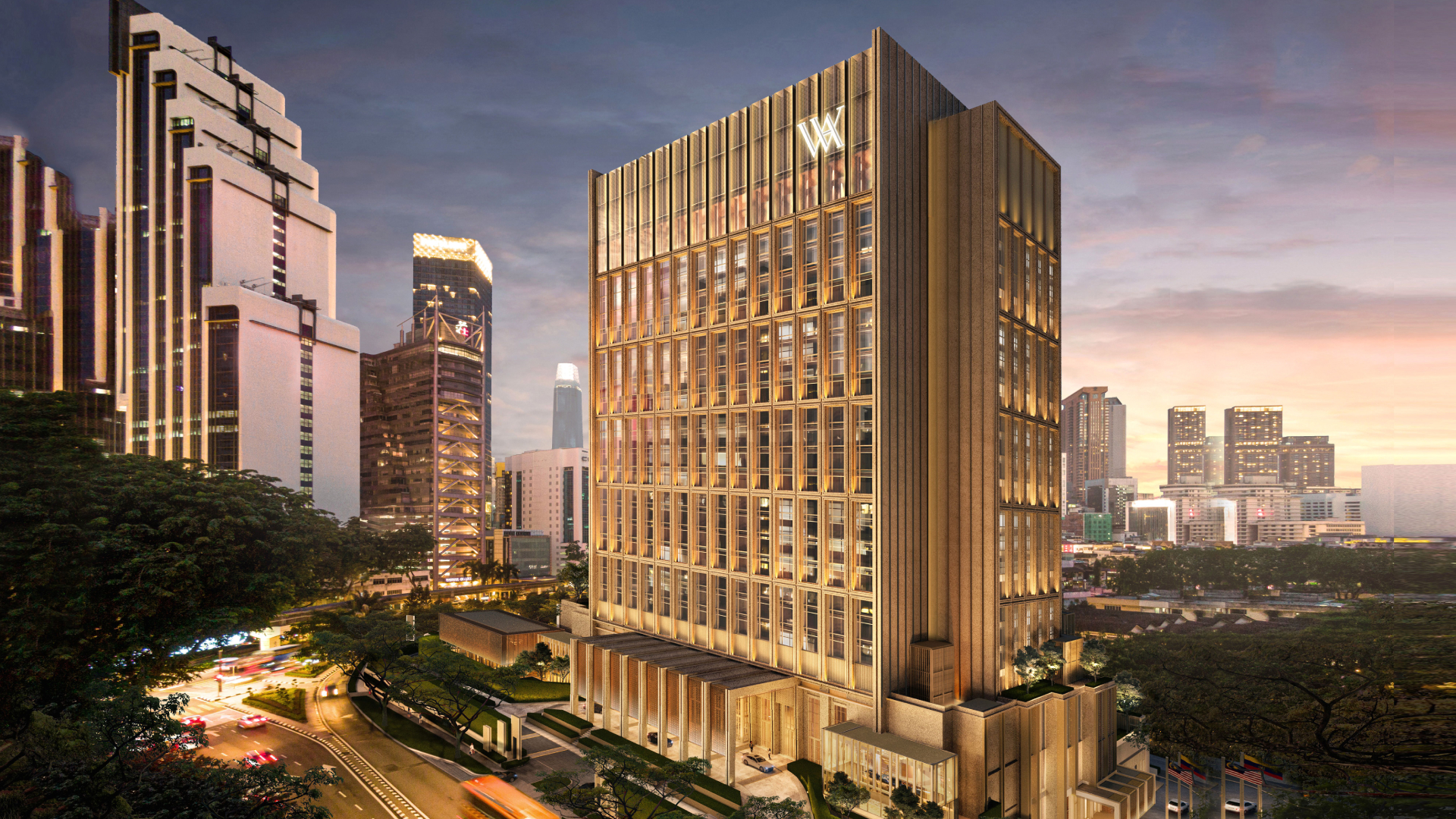
Kuala Lumpur will welcome a significant new luxury address this month when Waldorf Astoria opens its first hotel in Malaysia.
Scheduled to receive its first guests on 30 October, Waldorf Astoria Kuala Lumpur is an all-suite hotel occupying a reimagined address in the capital’s Golden Triangle district.
Its position at 73 Jalan Raja Chulan places it close to Bukit Bintang, Pavilion Kuala Lumpur and the Petronas Twin Towers. For international visitors, that means many of the city’s principal shopping, dining and business destinations will be within easy reach.
The property will contain 268 suites, with even its entry accommodation conceived on a scale more readily associated with serviced residences.
One-bedroom suites begin at approximately 80sqm, providing separate living and sleeping areas suitable for both short visits and extended stays. At the top of the collection is the 745sqm Waldorf Astoria Suite, which will rank among Kuala Lumpur’s largest hotel accommodations.
Floor-to-ceiling windows will bring the city into the rooms, while the interiors combine generous living spaces, subdued textures and a contemporary interpretation of Malaysian design.
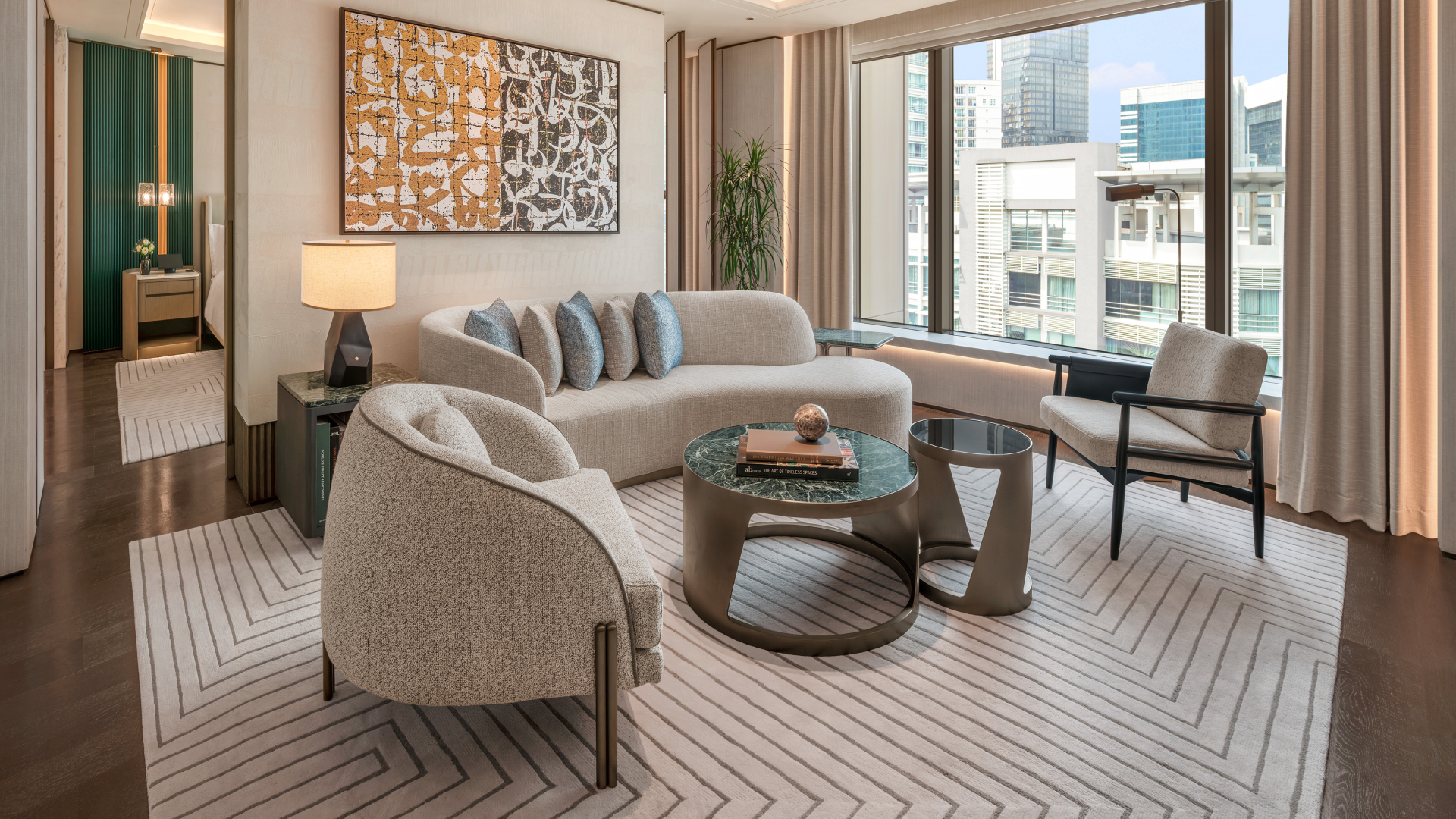
The all-suite model is an important distinction. Luxury city hotels increasingly compete not only on service and location but on the amount of private space they give guests. For travellers accustomed to villas, residences and apartment-style accommodation, a conventional hotel room can feel restrictive regardless of how beautifully it is finished.
Waldorf Astoria Kuala Lumpur is responding with rooms intended to function as private urban retreats rather than simply places to sleep.
The hotel’s approach to service will be shaped around what it calls Layan Tetamu, a reinterpretation of the Malaysian tradition of welcoming and caring for guests. Hilton describes the philosophy as sincere, intuitive and highly personalised.
Food and beverage will be central to the hotel’s ambitions to become a destination for Kuala Lumpur residents as well as international guests.
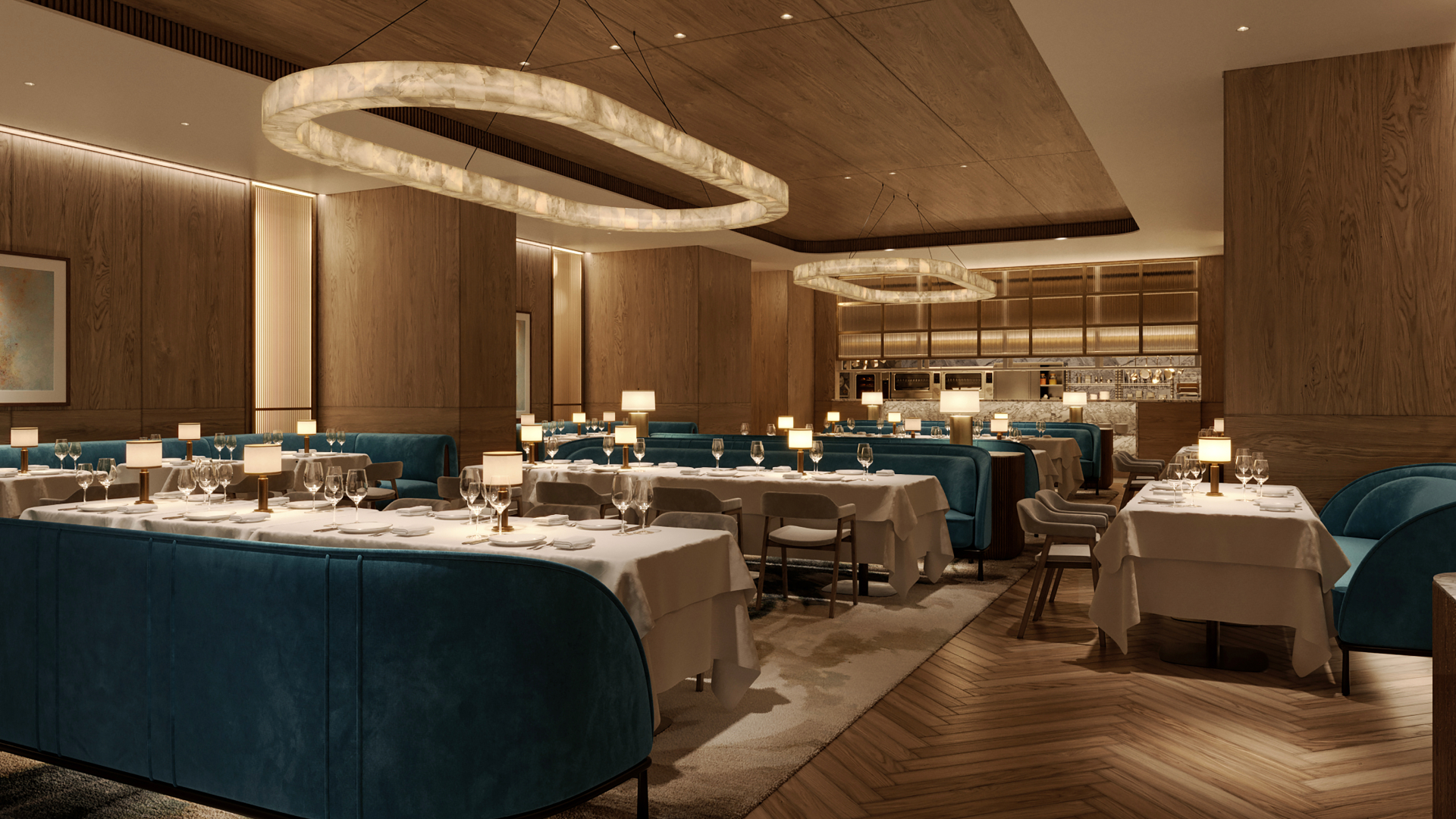
The dining program includes collaborations with Garima Arora and Jean-Georges Vongerichten.
Arora became the first Indian woman to receive a Michelin star and is known for using modern techniques to explore ingredients and culinary traditions from across Asia. Vongerichten oversees an international collection of restaurants and is recognised for combining French technique with influences drawn from Asia and other parts of the world.
One of the hotel’s principal venues will be JG KL by Jean-Georges Vongerichten. The wider collection will encompass formal destination restaurants and more intimate social spaces, each intended to have its own identity rather than operate as a generic hotel outlet.
Wellness will be anchored by the Waldorf Astoria Spa and a separate wellness centre. The announced program includes personalised rituals, advanced treatments and facilities dedicated to exercise and recovery.

An outdoor swimming pool provides another retreat from the surrounding city, while the hotel will include event spaces designed for weddings, celebrations and major social occasions.
The result is intended to be more than a base for tourists. By combining large suites, restaurants led by internationally recognised chefs, wellness facilities and event venues, Waldorf Astoria is positioning the hotel as part of Kuala Lumpur’s social and dining landscape.
The opening also highlights the growing depth of luxury hospitality in the Malaysian capital.
Kuala Lumpur has traditionally provided compelling value compared with cities such as Singapore, Hong Kong and Tokyo. Room sizes are often more generous, while dining, spa treatments and private transport can remain comparatively accessible to Australian travellers.
The arrival of Waldorf Astoria adds another top-tier international brand to that equation. It also brings the brand’s residential style of hospitality to a city well positioned for stopovers, business trips and longer Southeast Asian itineraries.
Reservations are already open. The introductory Waldorf Astoria Indulgence Escape includes breakfast and 15,000 Hilton Honors points for members booking a minimum stay of two nights.
As with any newly opened hotel, early guests should confirm which restaurants, treatments and facilities will be operating during their stay. Major luxury properties often open in stages, with parts of the dining or wellness program introduced over the months that follow.
If the experience matches the scale of its suites and the strength of its culinary partnerships, Waldorf Astoria Kuala Lumpur could establish itself quickly as one of the city’s most important luxury hotels.
Hotel summary
Hotel: Waldorf Astoria Kuala Lumpur
Opening: 30 October 2026
Address: 73 Jalan Raja Chulan, Bukit Bintang, Kuala Lumpur
Accommodation: 268 suites
Suite sizes: From approximately 80sqm
Largest accommodation: The 745sqm Waldorf Astoria Suite
Dining collaborators: Garima Arora and Jean-Georges Vongerichten
Facilities: Waldorf Astoria Spa, wellness centre, outdoor pool, restaurants and event spaces
Opening offer: Breakfast and 15,000 Hilton Honors points for qualifying two-night stays

From elevated skincare to handcrafted home pieces, this year’s most thoughtful gifts go beyond the expected.

Barnet, in North London, lays claim to two of the country’s most expensive roads to own a home.