A Dramatic London Home in a Former Chapel That Starred in ‘Call the Midwife’ Is Renting for £39,000 per Month
The four-bedroom home “blends historic architecture, soaring open-plan living spaces and every possible contemporary comfort”

 2 min
2 min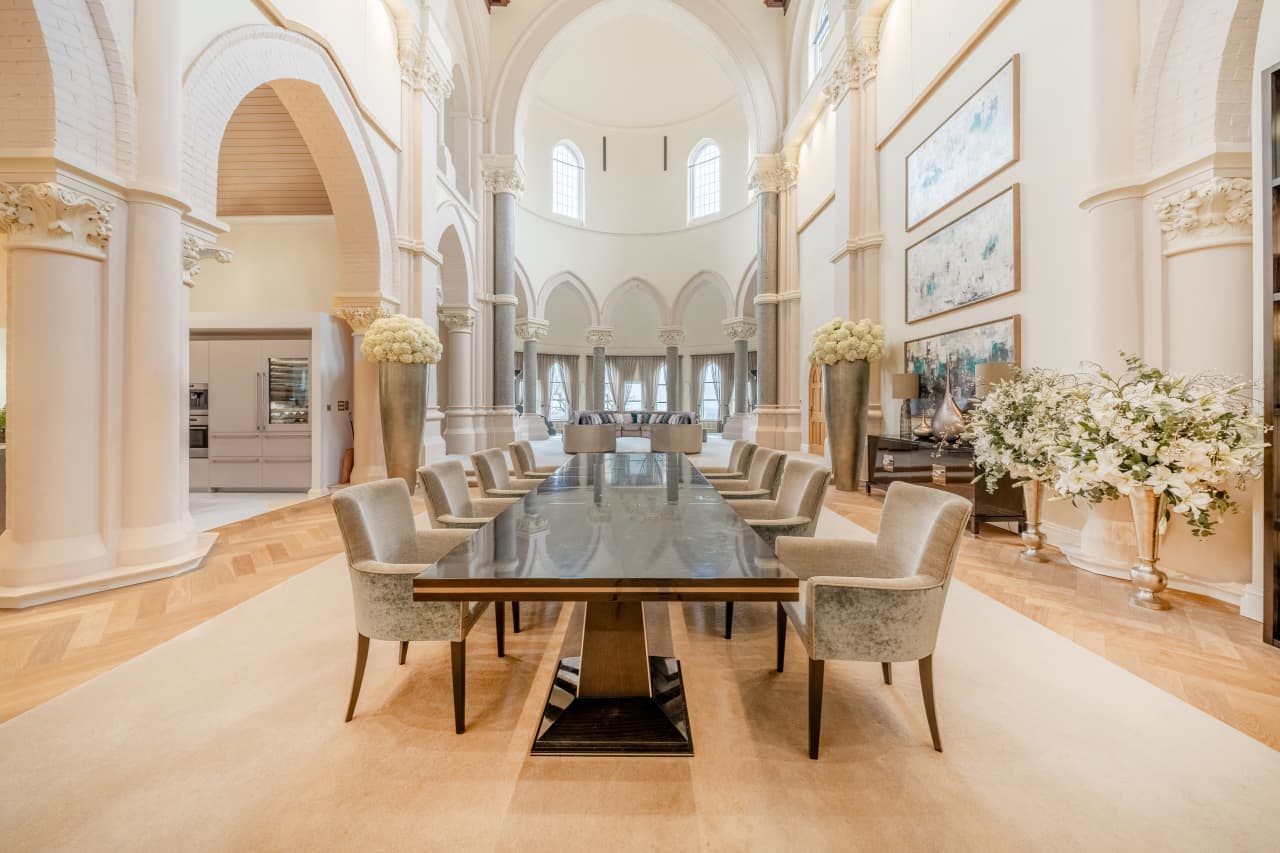
A unique home on the outskirts of London within a former chapel that had a starring role in the hit TV series “Call the Midwife” is on the rental market for £39,000 (US$48,568) per month.
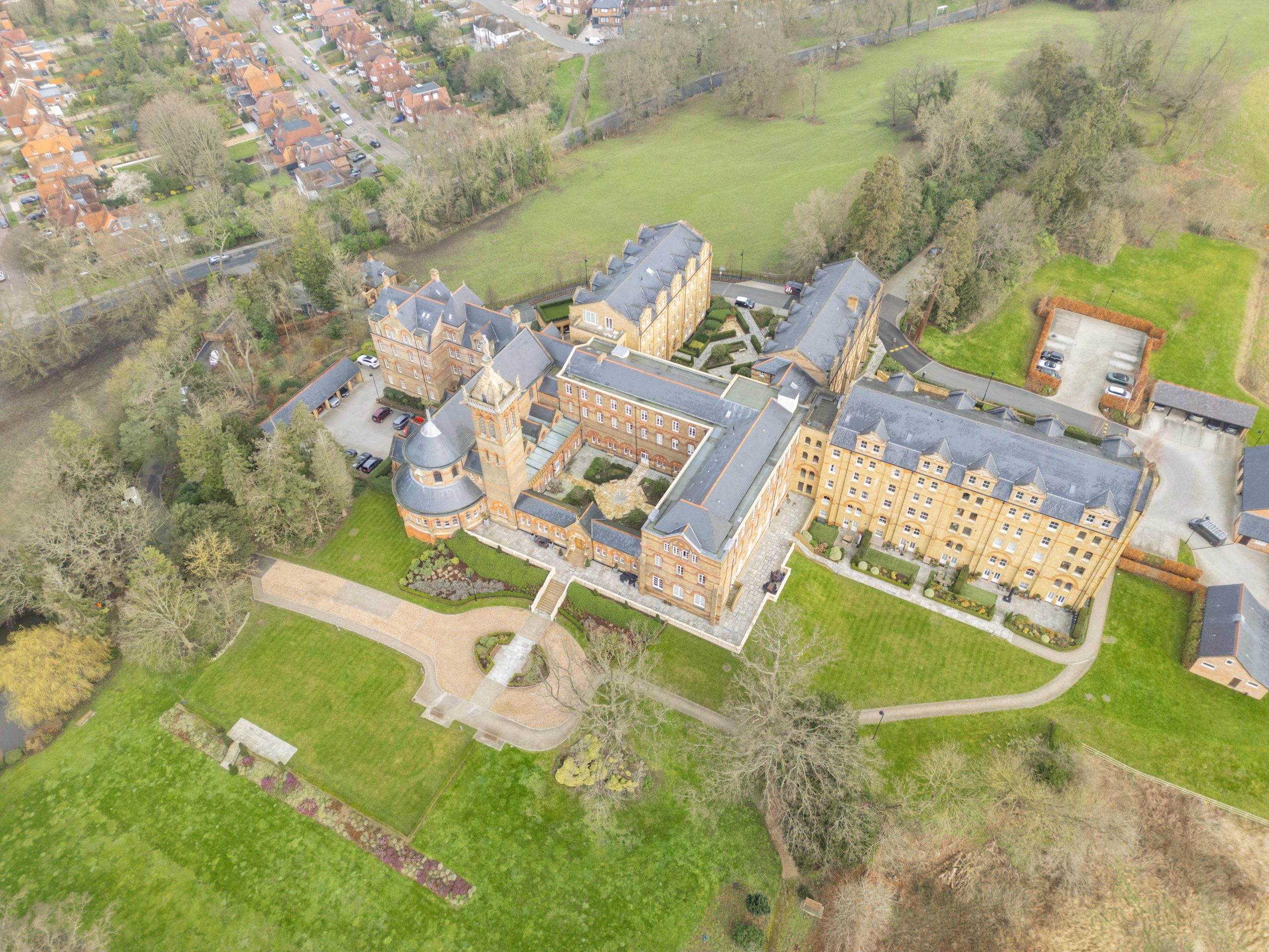
The four-bedroom home was carved out of St Joseph’s Missionary College, which, founded in 1871, trained young Catholic priests to work as missionaries abroad, according to listing agency Dexters.
Before its conversion to a lavish private residence, the college’s chapel had a starring role as nursing convent Nonnatus House in the first two seasons of the feel-good BBC show, which focuses on a church-funded midwifery in the 1950s and 1960s, based on the bestselling memoirs of Jennifer Worth, a former London nurse.
When the historic college was sold for redevelopment in 2013, and production of “Call The Midwife” transferred to a studio set, the chapel—along with the rest of the building—was born again.
Dexters
Still going by the apt moniker of the Chapel, the home is the centrepiece of the site, which is now a gated development known as St Joseph’s Gate, said Dexters, which brought the home to the market in late February.
The home spans almost 10,000 square feet and “blends historic architecture, soaring open plan living spaces and every possible contemporary comfort,” said Andy Christophi, director of Dexters Finchley.
The chapel’s nave is now the dramatic heart of the home, complete with a 45-foot high vaulted timber ceiling.
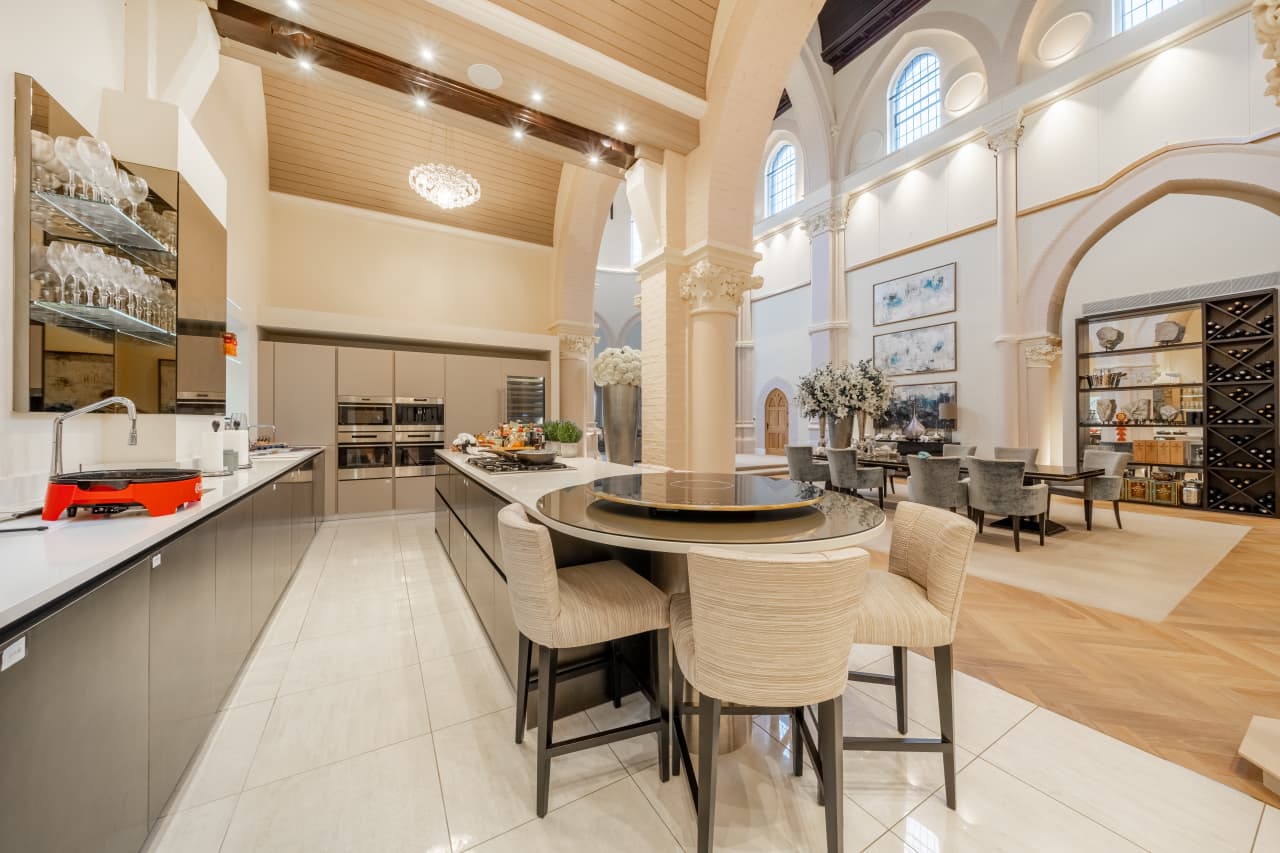
The vast open-plan area—which also has columns and gothic-style arches—has a handcrafted kitchen, temperature-controlled wine storage, a curved living area with Victorian windows and enough space to easily host 30 at a dinner table, the listing said.
Above, a mezzanine bedroom has been constructed to appear as though floating above the main living area below.
The home also has a gym, a spa area with a sauna and steam room, and a media room.
“Perfect for a family that loves to entertain, its use as a filming location…makes it particularly iconic, and means you’ll never run out of dinner party conversation,” Christophi said.
 Copyright 2020, Dow Jones & Company, Inc. All Rights Reserved Worldwide. LEARN MORE




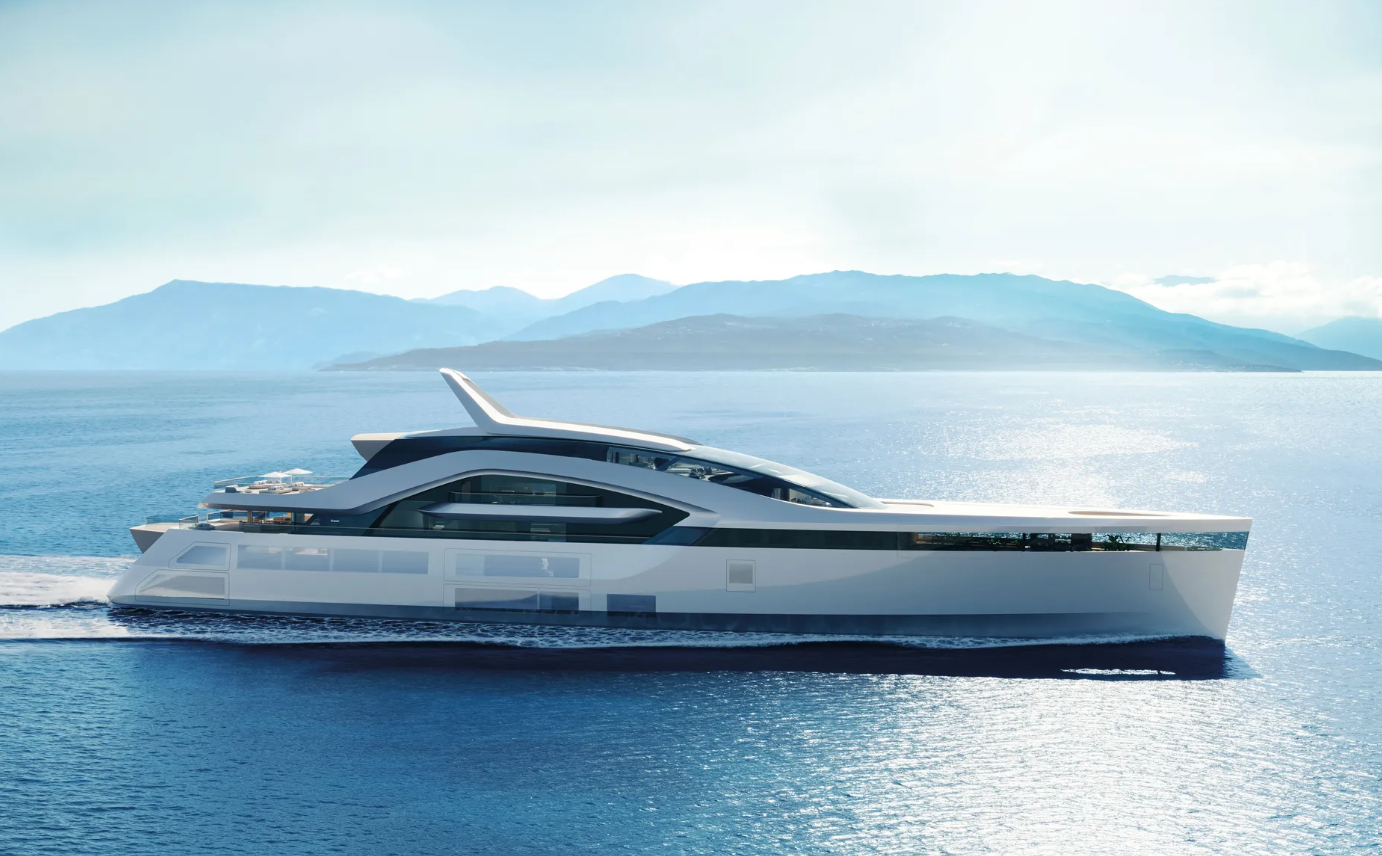
On the owner’s deck, a 20-metre swimming pool incorporates Feadship’s patented ContraWave technology and extends indoors as a suspended, glass-bottomed infinity pool.

Automobili Lamborghini is turning its attention to something considerably more difficult to define: what makes Italian excellence uniquely Italian?

Mirvac’s 45-level Trielle has topped out at Yarra’s Edge, pairing riverfront apartments with wellness facilities, private dining and resident services.
3 min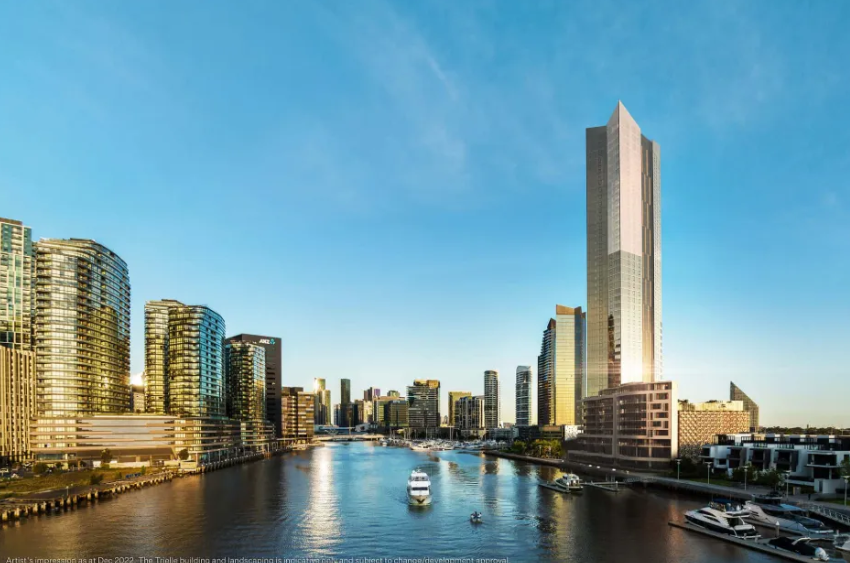
Mirvac has topped out Trielle at Melbourne’s Yarra’s Edge, with more than 70 per cent of the riverfront development sold and approximately 80 per cent of purchasers intending to make their apartment a home.
The figures, released on September 22, point to an owner-occupier audience for one of the precinct’s final residential towers. Mirvac began developing Yarra’s Edge in 2003, and its latest addition occupies one of the remaining absolute riverfront sites.
Mirvac CEO of Development Stuart Penklis said existing residents were among those moving up within the neighbourhood.
“Many purchasers already have a connection to Yarra’s Edge,” Mr Penklis said, describing buyers whose changing needs were encouraging an upgrade within the precinct.
“As one of the final residential towers within Yarra’s Edge, Trielle represents the culmination of more than two decades of creating one of Melbourne’s most established and sought-after waterfront communities,” Penklis said.
“Positioned on the Collins Street axis with absolute river frontage, Trielle offers residents a rare opportunity to enjoy sweeping views across the Yarra River, Melbourne skyline and Port Phillip Bay, while remaining seamlessly connected to the CBD. With Trielle now more than 70 per cent sold, we’re continuing to see strong demand from buyers seeking quality homes in established locations.”
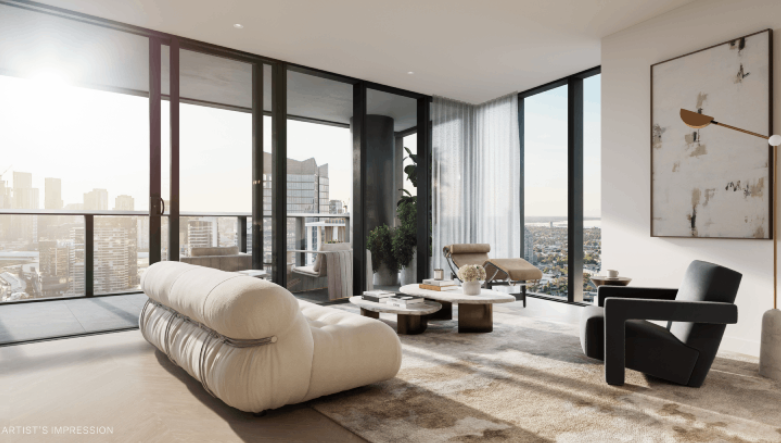
The developer also flagged a penthouse and sub-penthouse collection with larger layouts, premium finishes and broad outlooks. The planned wellness centrepiece, The Oasis, encompasses a 900-square-metre elevated urban rainforest.
Mirvac General Manager Residential Development Victoria Elysa Anderson said Trielle had resonated strongly with buyers seeking a rare lifestyle offering in Melbourne.
“Opportunities to secure a new luxury residence on a riverfront site of this calibre are incredibly rare, particularly within a community like Yarra’s Edge,” Anderson said.
“What makes Trielle unique is the combination of exceptional views, world-class residential facilities and the lifestyle that already exists around it. Residents are buying into a mature waterfront community with parks, promenades, dining, wellness and strong community connections already in place.”
The 45-level tower brings a substantial new presence to that waterfront. Its residential offering spans one-, two-, three- and four-bedroom apartments, with Signature, Prestige and Sub-Penthouse collections accommodating different household sizes. The north-facing position connects the apartments visually to the river and city beyond.
Seven storeys above the promenade, the planned Oasis combines planting and a running stream with a Scandinavian-inspired wellness club developed with spa specialist Naomi Gregory. Facilities include a 25-metre lap pool, hot magnesium pool, sauna, hydrotherapy, a gym, yoga and Pilates room, and treatment spaces.
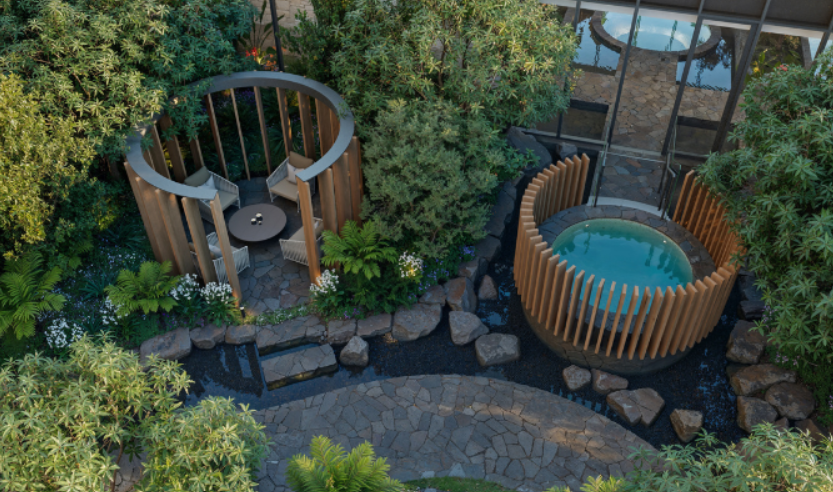
The amenity extends beyond exercise. Residents will have access to The Biblioteca library and workspaces, ground-floor work pods, and The Salone piano lounge. A private Chef’s Table dining room offers a setting for larger gatherings, while a cinema, games room and sports lounge broaden the entertaining options. Concierge services and a dog-wash area support everyday routines.
Trielle comprises a collection of one, two, three and four-bedroom residences. Reflecting strong demand from owner occupiers, approximately 80 per cent of purchasers to date intend to live in their homes, highlighting the project’s appeal to those seeking a long-term waterfront lifestyle.
Mirvac has recently delivered The Albertine, a premium apartment development on the edge of Melbourne’s CBD, and is nearing completion of Prince & Parade in Brunswick, further strengthening its portfolio of thoughtfully designed apartment communities in some of Melbourne’s most sought-after urban locations.
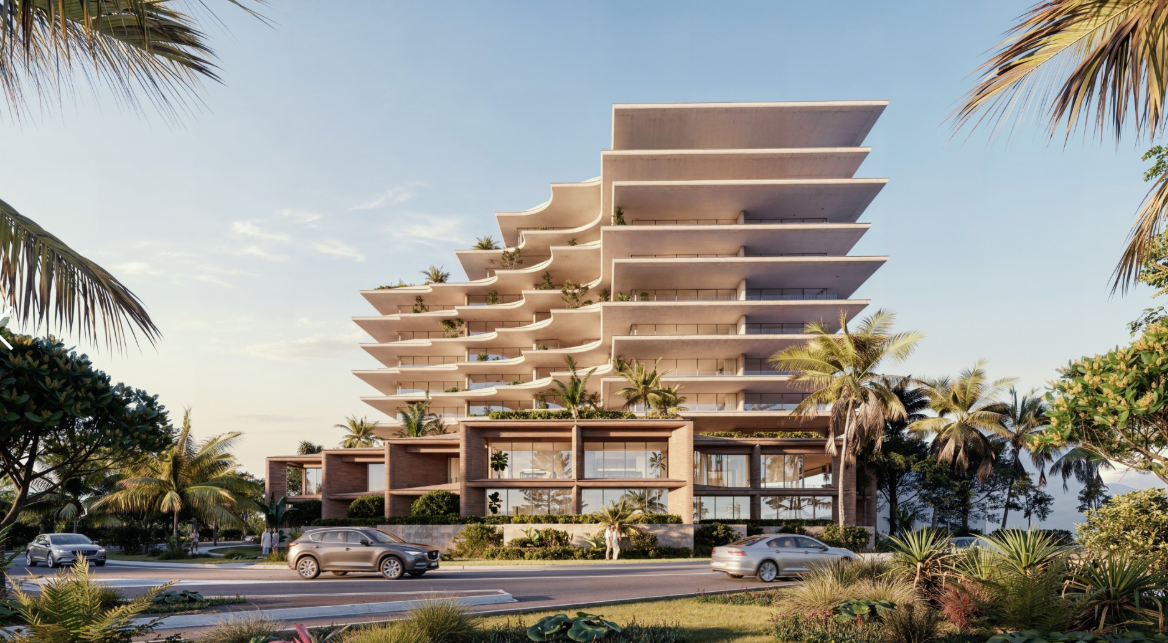
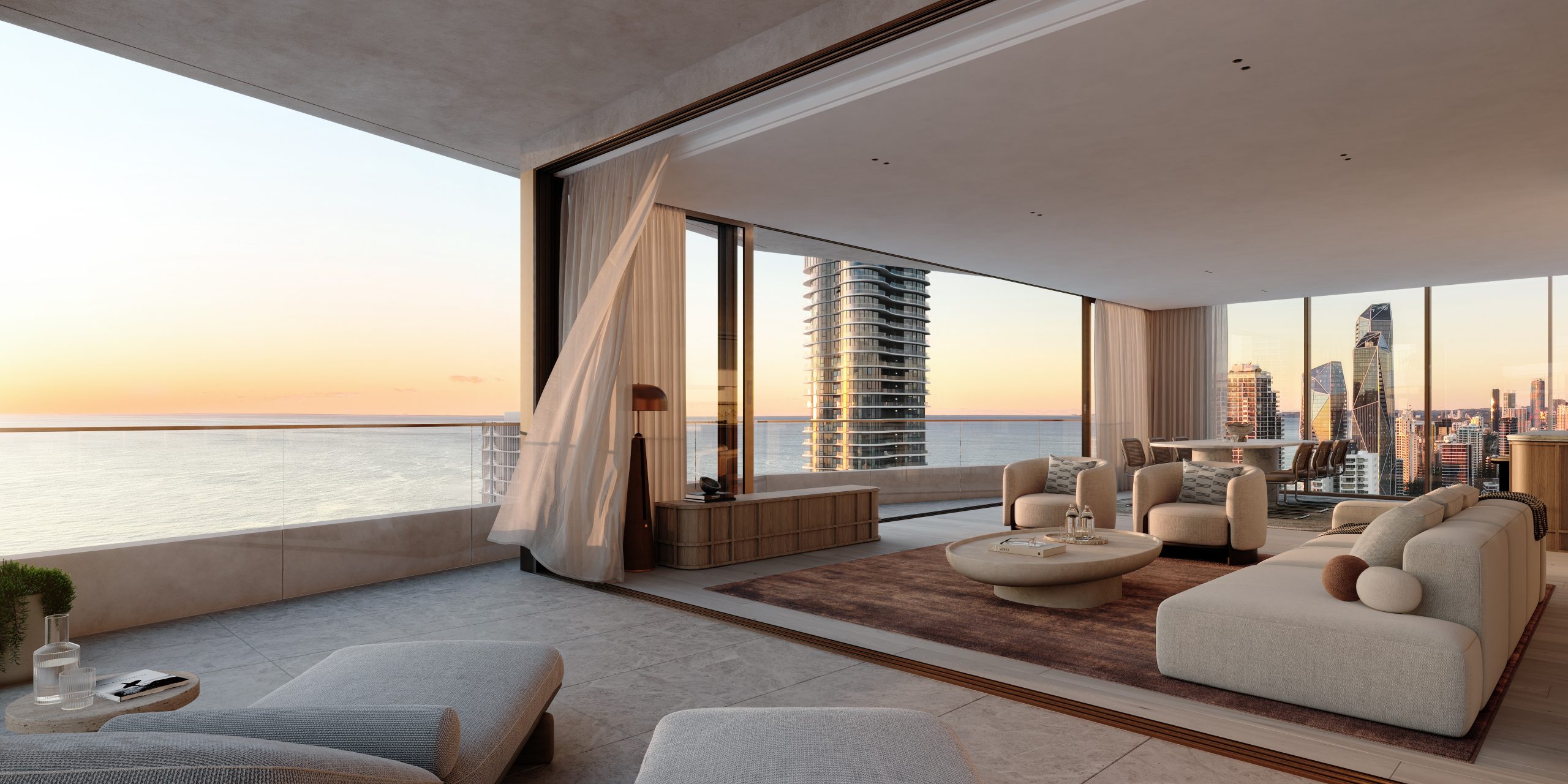
Queensland-based builder-developer MAYD has unveiled an exclusive first look at its anticipated ultra-luxury North Kirra mixed-use project as it lodges a minor amendment with the City of Gold Coast Council. The project sits across a 4,742sqm amalgamated landholding spanning seven parcels at 2–6 Pacific Parade and 27–33 Golden Four Drive, Bilinga, which MAYD secured in …
Continue reading “MAYD”s North Kirra Plans Unveiled Ahead of Early 2027 Launch”

A 30-metre masterpiece unveiled in Monaco brings Lamborghini’s supercar drama to the high seas, powered by 7,600 horsepower and unmistakable Italian design.