America’s Empty Apartments Are Finally Starting to Fill Up
If that demand is sustained, landlords likely will have more pricing power starting sometime next year

 3 min
3 min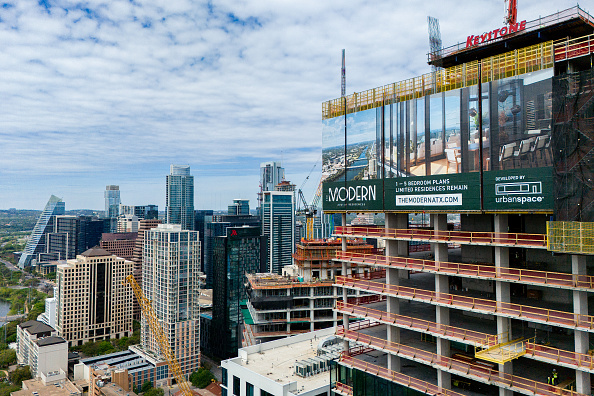
The biggest apartment construction boom in four decades flooded the market with new supply over the past two years. Apartment owners had to contend with a surge in empty units.
That is starting to change.
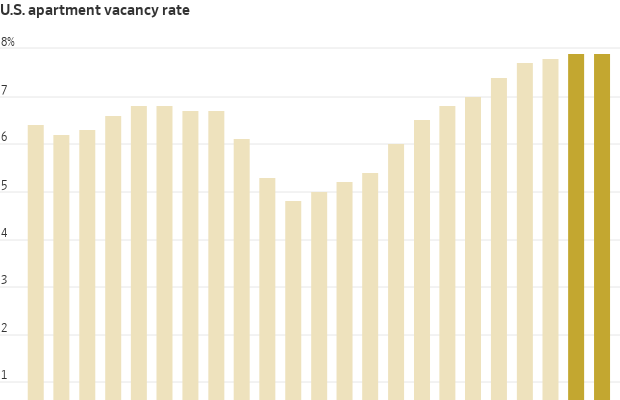
The vacancy rate, or the share of apartment units that are empty, stopped rising for the first time in three years last quarter, as demand for apartments rose to its highest levels since 2021, according to CoStar .
The more than 1.2 million new apartment units that were built during the past two years are filling up. If that demand is sustained, if the economy remains strong and if housing prices remain near record highs, landlords likely will have more pricing power starting sometime next year. That could allow building owners to raise rents more than they have recently.
Some 672,000 new apartment units will have been completed by the end of this year, but only about half that number is expected in 2025, and even fewer in 2026, CoStar said.
“The worst of the pressures on pricing from new supply are likely behind us,” said Eric Bolton , chief executive of publicly traded landlord Mid-America Apartment Communities , on an October earnings call.
Housing affordability has become a hot-button election issue at the federal and local levels. Any sign that rents are poised to rise in 2025 could intensify pressure on the new administration to address housing costs. President Biden announced a plan over the summer to cap rent increases, though it would need to pass Congress.
Nationally, sales of apartment buildings have also started to pick up again, as investors become more confident that the market is bottoming and sellers are more willing to acquiesce on price.
Renters were hit hard by the historically high rent increases during the pandemic years, especially in Sunbelt cities, such as Phoenix and Tampa, Fla., where rents rose 20% or more during 12-month periods.
Rents for new leases nationwide have held close to flat for more than a year. That is due in part to a big split between supply-heavy Sunbelt cities, some of which have seen rent cuts, and the rest of the country, which hasn’t.
Renters who choose to renew their leases were still paying a 3.5% rent increase on average as of this past August, the most recent month data was available from Yardi Matrix.
Throughout this year, the places with the highest renewal rent growth have been on the coasts and in the Midwest. New York City, Los Angeles, Indianapolis and Columbus, Ohio, saw renewal rent increases of 5% or more in July, according to Yardi.
Increased return to office orders in major employment hubs may also start translating into even more urban rental demand soon, especially in coastal cities.
In Seattle, Equity Residential said in an October earnings call that it is seeing a pickup in leasing from Amazon employees, who are locking in apartments ahead of a five-day office attendance policy, scheduled to begin in January.
On the flip side is Austin, Texas, which has experienced a building boom after companies such as Tesla and Oracle moved offices there. Austin’s vacancy rate, if new buildings are included, is the highest in the country at over 15%, according to CoStar.
Rent growth for new leases in the Texas capital ranks last among major metros during the past year. Landlords of new luxury buildings are still offering big concessions, such as months of free rent, to fill up units. undefined undefined “Basically, the worst apartment market in the country right now is Austin,” said Matt Rosenthal , managing partner of multifamily investor Eastham Capital.
On an annual basis, apartment building sales have grown for two consecutive quarters, according to MSCI Real Assets. Places seeing some of the biggest increases in sales include Denver, San Francisco and the Washington, D.C. suburbs.
Apartment companies also continue to feel tailwinds from renters locked out of homeownership. Major owners have remarked on how few of their renters move out to purchase homes now, amid some of the worst conditions for home-purchase affordability in four decades. That is unlikely to change much in 2025.
“Probably the biggest story this year that we’ve seen [is] from people coming in the front door and then not leaving [out] the back door,” said Joe Fisher , president of publicly traded apartment owner UDR .
 Copyright 2020, Dow Jones & Company, Inc. All Rights Reserved Worldwide. LEARN MORE





From making unpopular decisions to learning when to listen, leaders from five businesses reveal what nobody prepared them for — and how running a company has challenged their expectations.

Technology and semiconductor shares fell sharply as investors questioned the debt financing the AI infrastructure boom and confronted higher rates and Chinese competition.
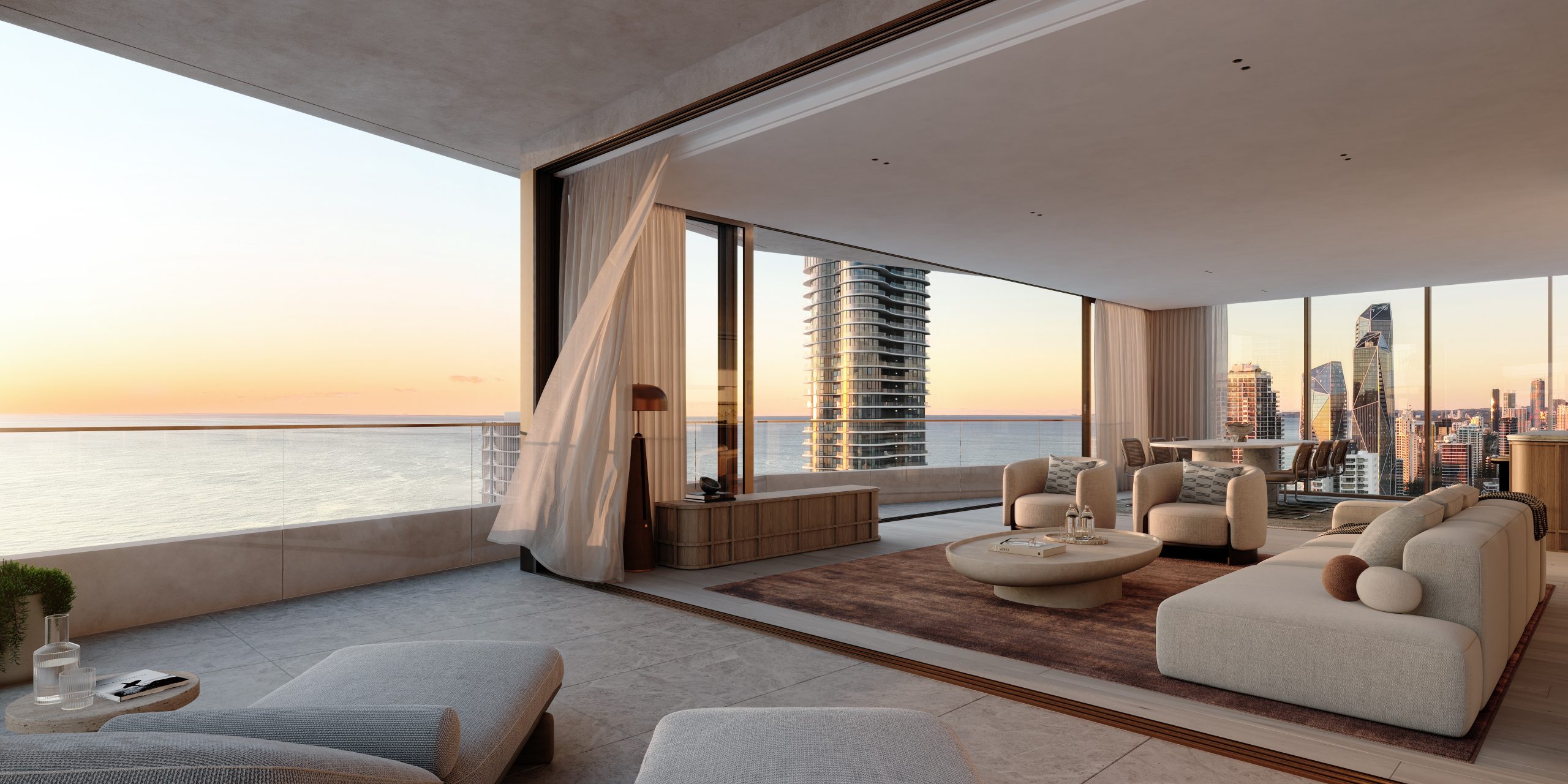
Mirvac’s 45-level Trielle has topped out at Yarra’s Edge, pairing riverfront apartments with wellness facilities, private dining and resident services.
3 min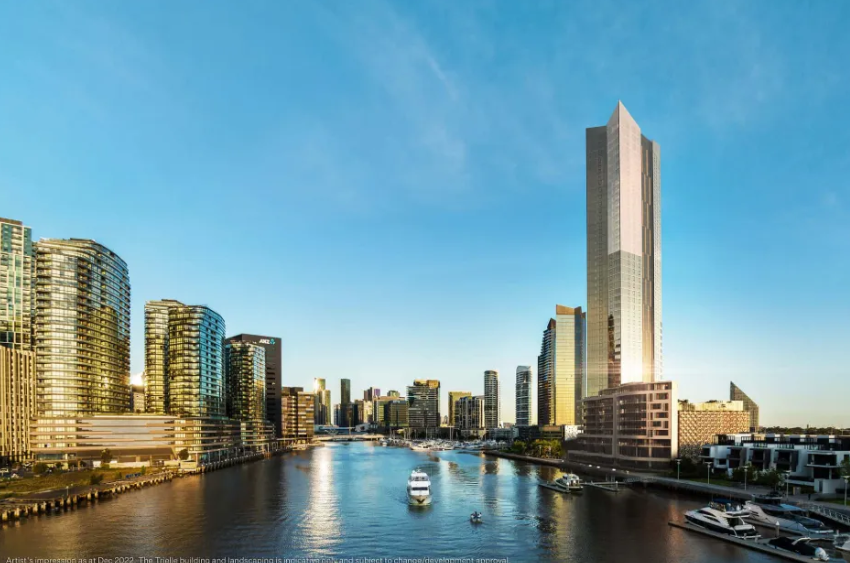
Mirvac has topped out Trielle at Melbourne’s Yarra’s Edge, with more than 70 per cent of the riverfront development sold and approximately 80 per cent of purchasers intending to make their apartment a home.
The figures, released on September 22, point to an owner-occupier audience for one of the precinct’s final residential towers. Mirvac began developing Yarra’s Edge in 2003, and its latest addition occupies one of the remaining absolute riverfront sites.
Mirvac CEO of Development Stuart Penklis said existing residents were among those moving up within the neighbourhood.
“Many purchasers already have a connection to Yarra’s Edge,” Mr Penklis said, describing buyers whose changing needs were encouraging an upgrade within the precinct.
“As one of the final residential towers within Yarra’s Edge, Trielle represents the culmination of more than two decades of creating one of Melbourne’s most established and sought-after waterfront communities,” Penklis said.
“Positioned on the Collins Street axis with absolute river frontage, Trielle offers residents a rare opportunity to enjoy sweeping views across the Yarra River, Melbourne skyline and Port Phillip Bay, while remaining seamlessly connected to the CBD. With Trielle now more than 70 per cent sold, we’re continuing to see strong demand from buyers seeking quality homes in established locations.”
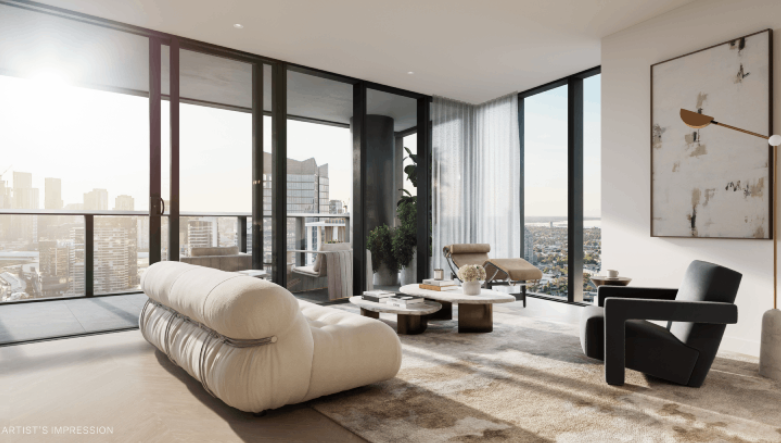
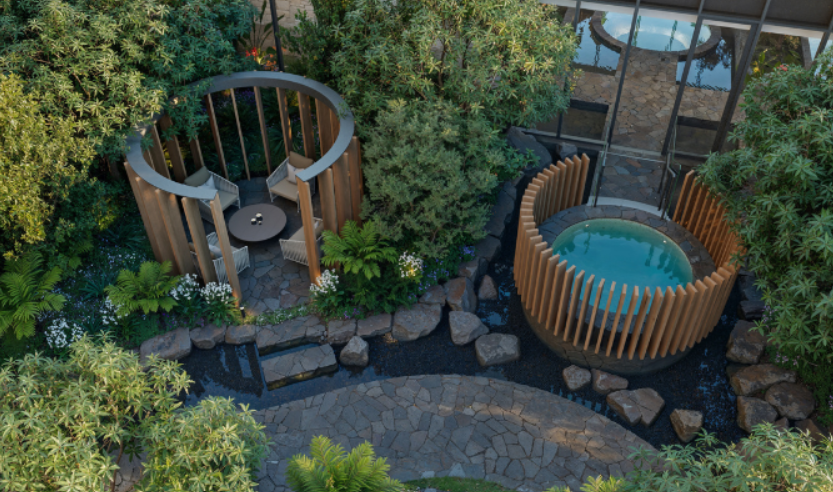
The developer also flagged a penthouse and sub-penthouse collection with larger layouts, premium finishes and broad outlooks. The planned wellness centrepiece, The Oasis, encompasses a 900-square-metre elevated urban rainforest.
Mirvac General Manager Residential Development Victoria Elysa Anderson said Trielle had resonated strongly with buyers seeking a rare lifestyle offering in Melbourne.
“Opportunities to secure a new luxury residence on a riverfront site of this calibre are incredibly rare, particularly within a community like Yarra’s Edge,” Anderson said.
“What makes Trielle unique is the combination of exceptional views, world-class residential facilities and the lifestyle that already exists around it. Residents are buying into a mature waterfront community with parks, promenades, dining, wellness and strong community connections already in place.”
The 45-level tower brings a substantial new presence to that waterfront. Its residential offering spans one-, two-, three- and four-bedroom apartments, with Signature, Prestige and Sub-Penthouse collections accommodating different household sizes. The north-facing position connects the apartments visually to the river and city beyond.
Seven storeys above the promenade, the planned Oasis combines planting and a running stream with a Scandinavian-inspired wellness club developed with spa specialist Naomi Gregory. Facilities include a 25-metre lap pool, hot magnesium pool, sauna, hydrotherapy, a gym, yoga and Pilates room, and treatment spaces.
The amenity extends beyond exercise. Residents will have access to The Biblioteca library and workspaces, ground-floor work pods, and The Salone piano lounge. A private Chef’s Table dining room offers a setting for larger gatherings, while a cinema, games room and sports lounge broaden the entertaining options. Concierge services and a dog-wash area support everyday routines.
Trielle comprises a collection of one, two, three and four-bedroom residences. Reflecting strong demand from owner occupiers, approximately 80 per cent of purchasers to date intend to live in their homes, highlighting the project’s appeal to those seeking a long-term waterfront lifestyle.
Mirvac has recently delivered The Albertine, a premium apartment development on the edge of Melbourne’s CBD, and is nearing completion of Prince & Parade in Brunswick, further strengthening its portfolio of thoughtfully designed apartment communities in some of Melbourne’s most sought-after urban locations.

BMW has unveiled the Neue Klasse in Munich, marking its biggest investment to date and a new era of electrification, digitalisation and sustainable design.

Three completed developments bring a quieter, more thoughtful style of luxury living to Mosman, Neutral Bay and Crows Nest.