Sprawling estate in Geelong has long history
A sprawling estate in Geelong surrounded by picturesque landscaped grounds, Raith has a long history as the home to a local merchant, a former mayor and a popular AFL star.
 2 min
2 min
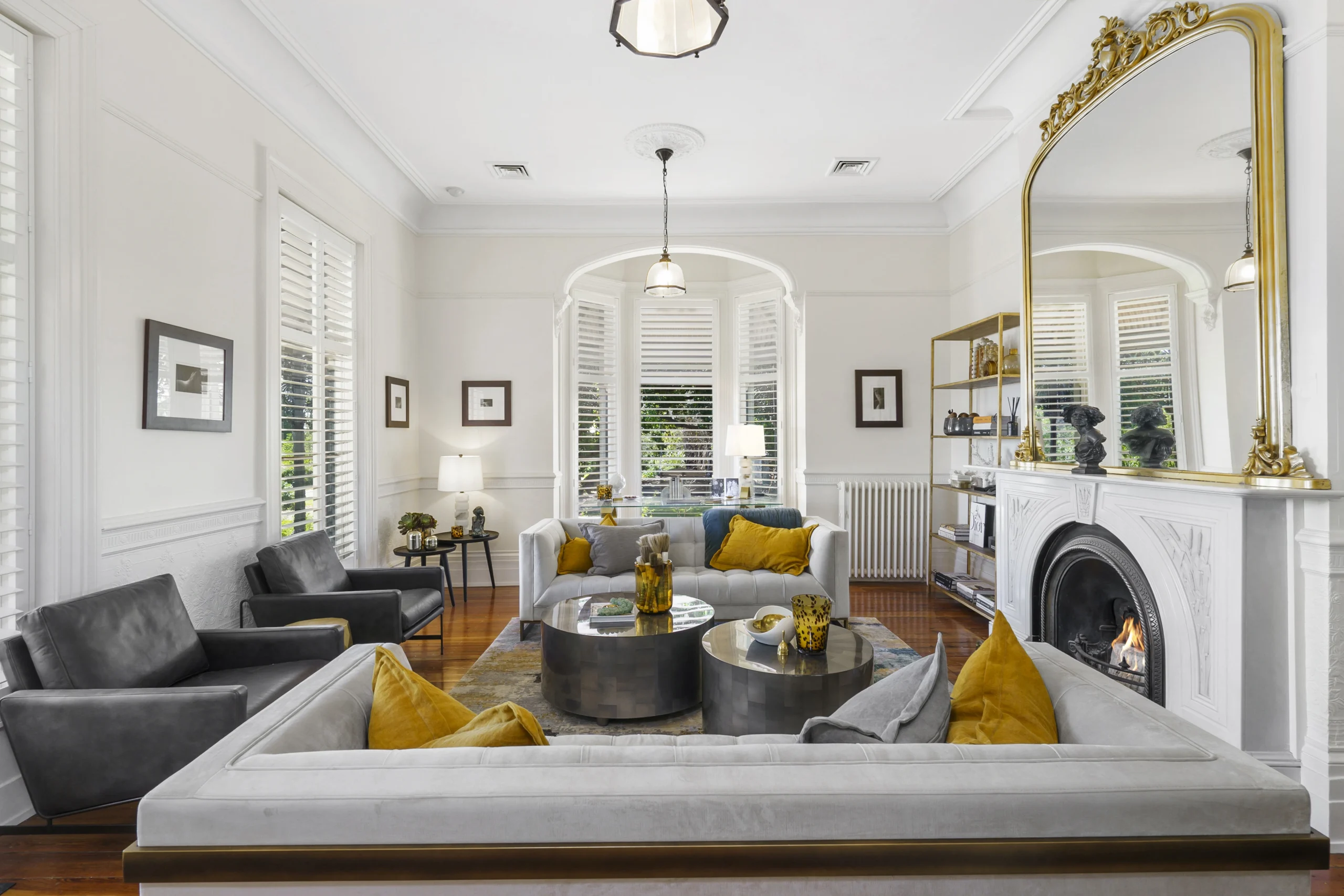
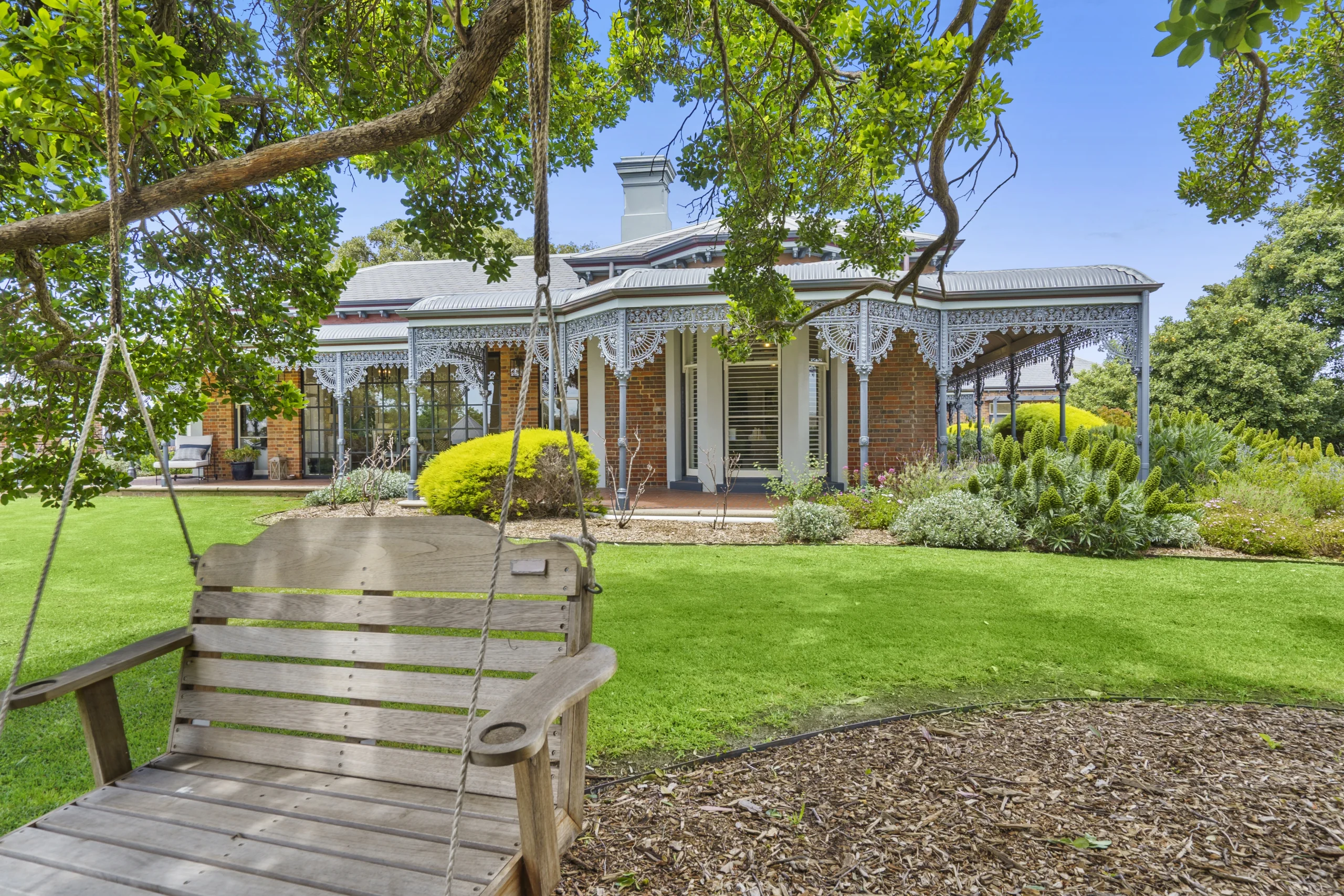
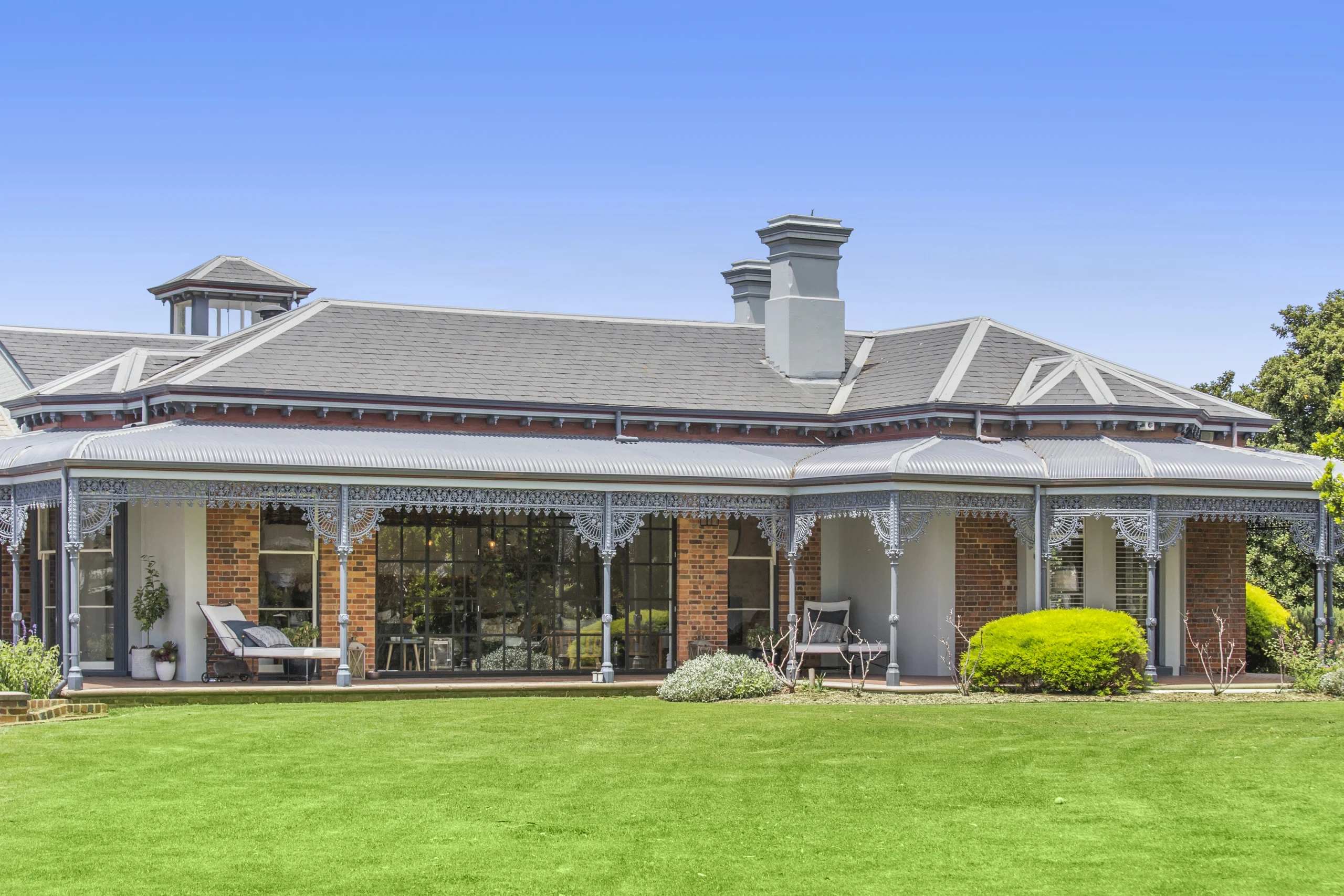
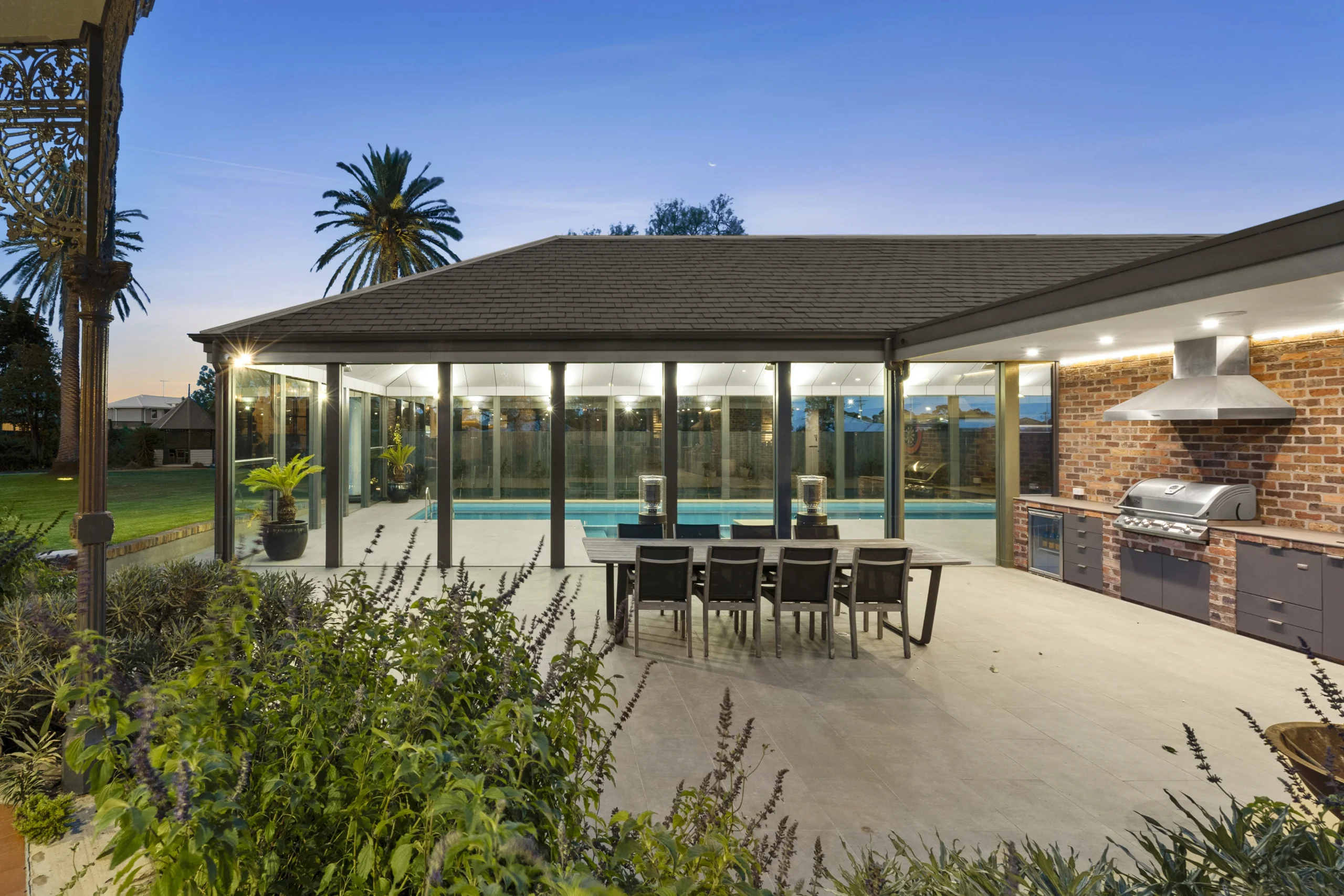
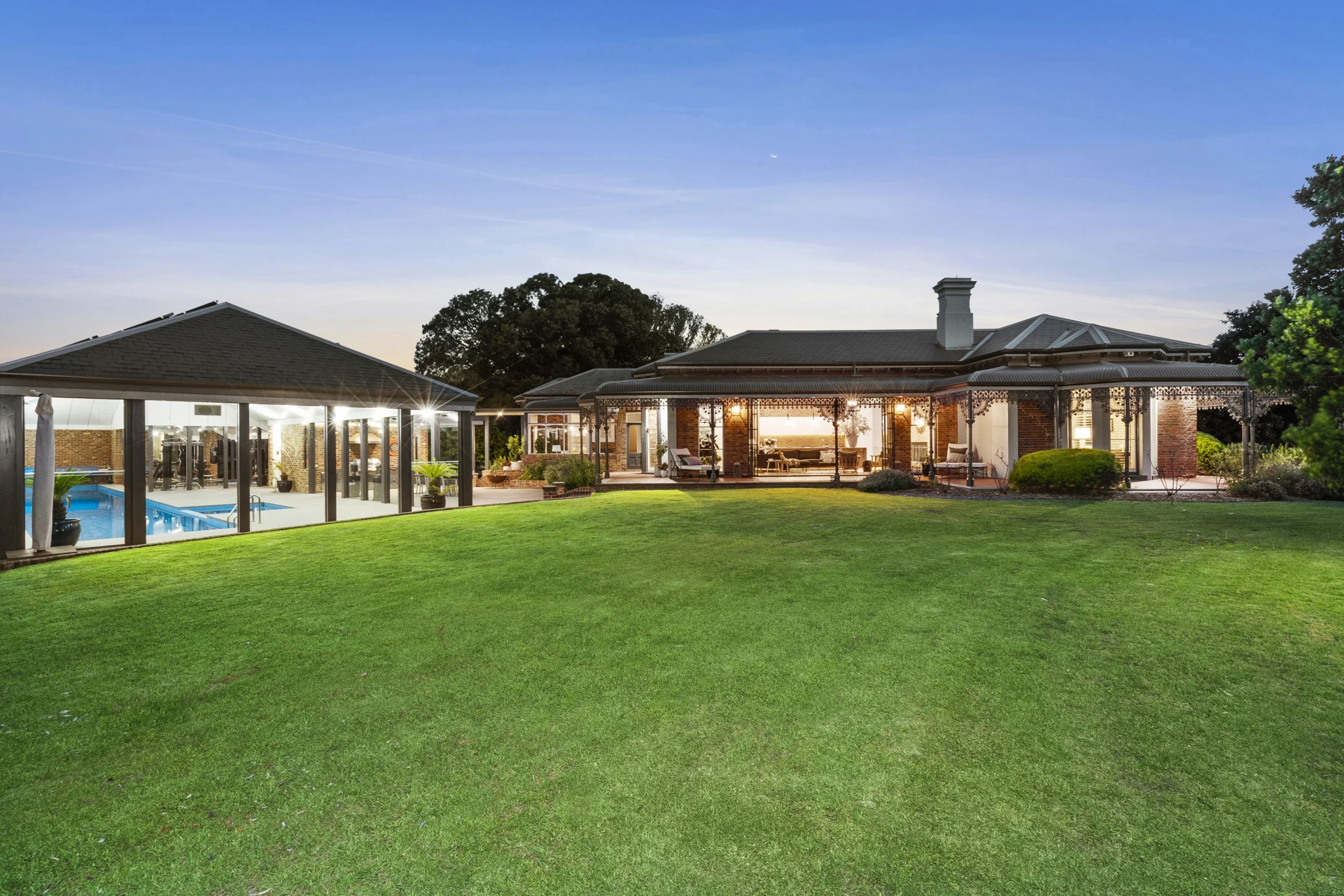
A sprawling estate in Geelong surrounded by picturesque landscaped grounds, Raith has a long history as the home to a local merchant, a former mayor and a popular AFL star.
Listed via an expressions of interest campaign with McGrath’s David Cortous, the palatial Victorian-era residence on 6434sq m has come to market with a price guide of between $8.5 million and $9.3 million. If it hits the mark, the sprawling property promises to break its own 2021 price record of $6.3m and hold the title of Geelong’s most expensive home.
Raith, located on Raith Terrace in the heart of scenic Newtown, was also formerly known as Malboona and Atlantis Heights during its 160-year lifespan. Erected in stages, the original modest dwelling was designed by Snell and Prowse Architects in 1864 for Frederic Bauer, an importer and merchant.
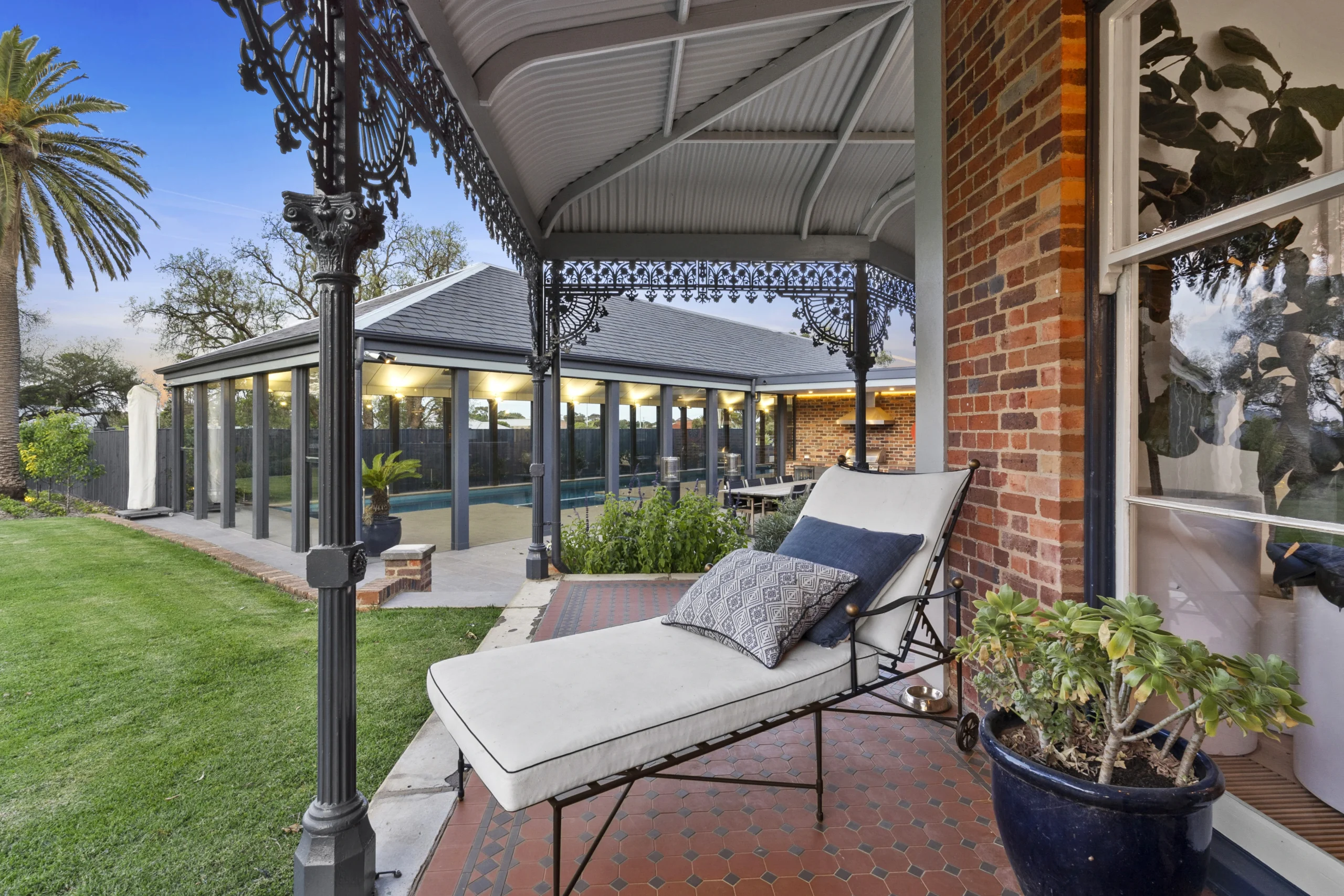
By 1881, Geelong architect Joseph Watt designed extensive alterations and additions including an encircling iron veranda for JH Grey, a solicitor at Taylor, Buckland & Gates and nine-time Mayor of Newtown and Chilwell. The colourful character later left Geelong and was eventually arrested in Fiji on a charge of misappropriating the funds of his clients. He was eventually brought back to Sydney and faced charges in Melbourne, according to a 1901 article in the Geelong Advertiser.
Decades later, footballer Bob “Woofa” Davis – affectionately known as The Geelong Flier – lived at Raith. The Geelong Cats player represented the team in the 1940s and 1950s and then went on to coach the Cats in the 1950s and 1960s.
Fast forward to the 21st century, and architect David McDonald curated a modern day extension with sympathetic renovations and a commitment to sustainable design principles.
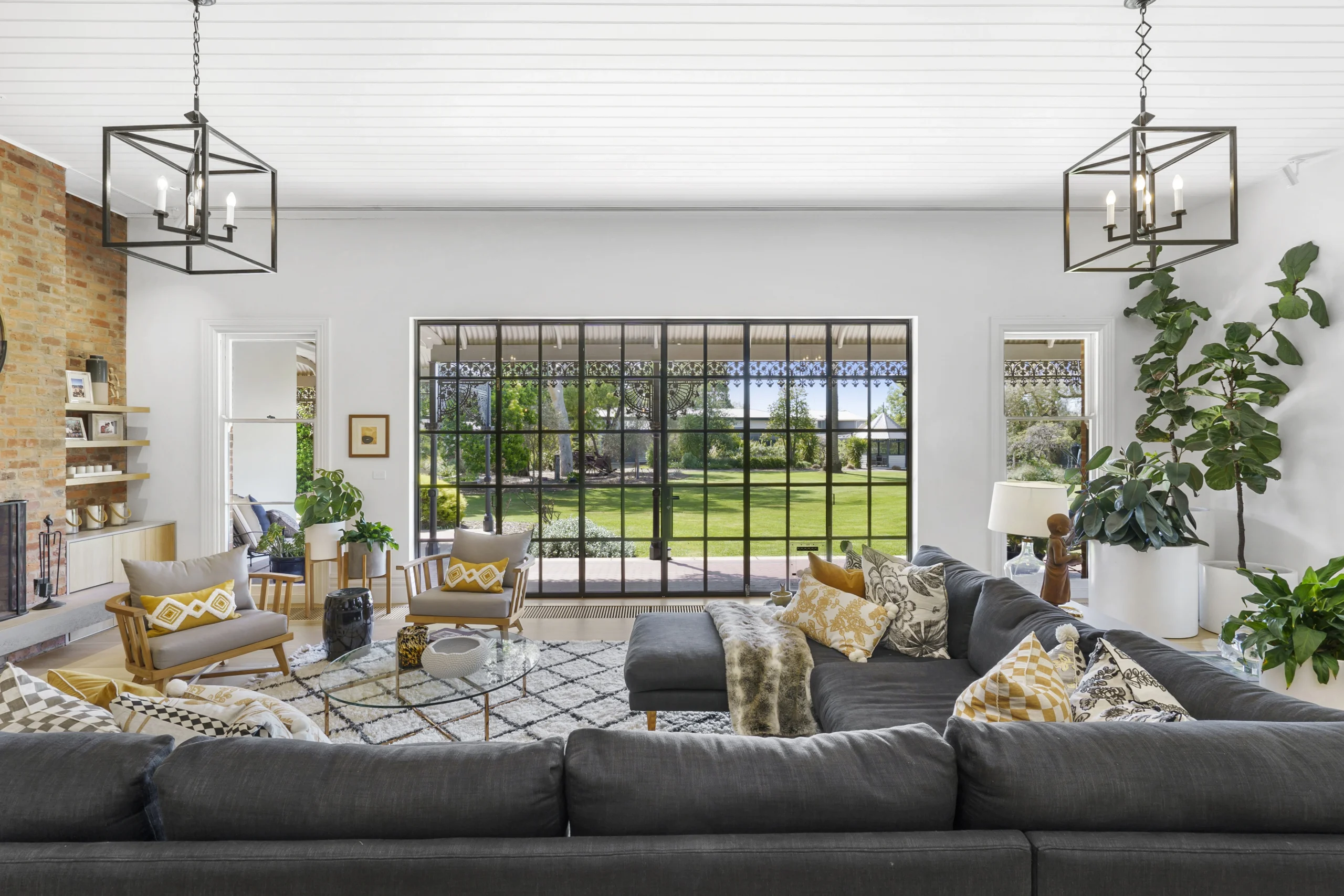
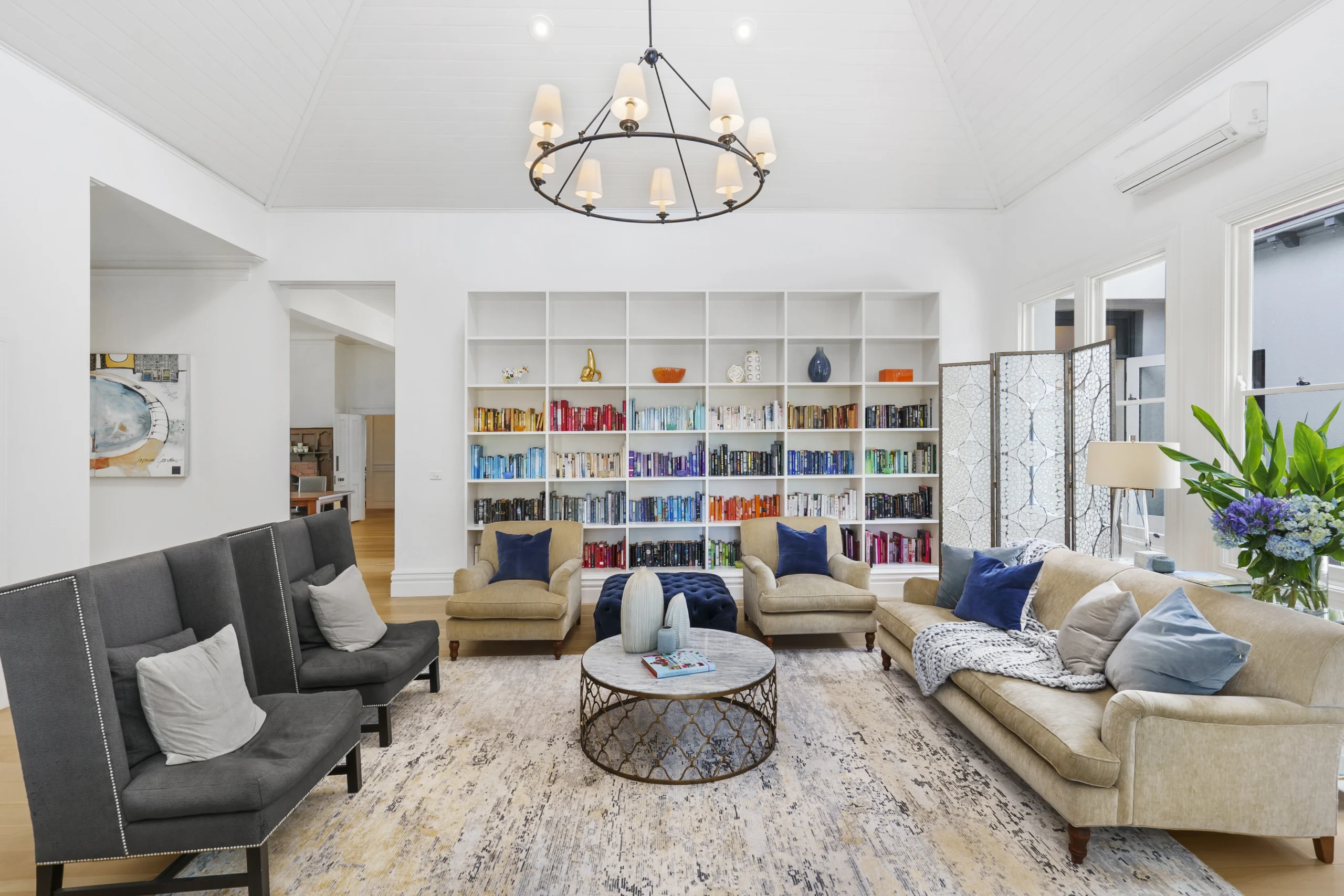
Today the five-bedroom, five-bathroom homestead with a separate three-bedroom cottage is an idyllic representation of a Victorian estate, blending country elegance with contemporary class.
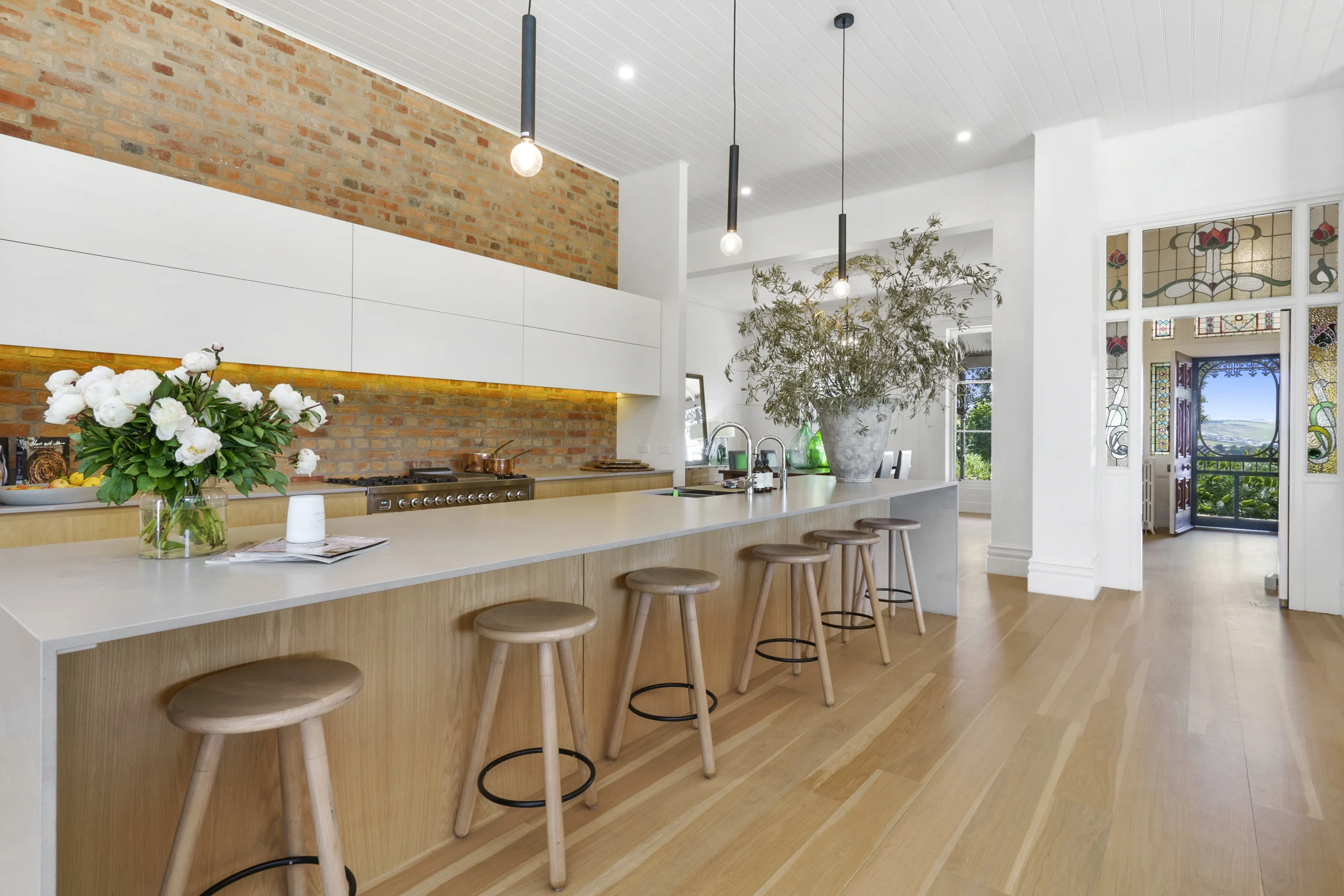
When it comes to great first impressions, Raith takes the architectural cake. Upon entry there is a grand cathedral ceiling which sets the scene for the remainder of the stately home. All the hallmarks of yesteryear have been carefully retained with stained glass windows, ornate fireplaces and iron lacework.
With such a significant footprint, the house has multiple living zones for either intimate family living or large-scale entertaining.
At centre stage, the open-plan living and dining space houses a state-of-the-art kitchen with stone surfaces, a vast eat-at island, and a big butler’s pantry.
A substantial entertainer’s pavilion opens out to manicured gardens with an additional glasshouse-style wellness zone that is home to a heated 25m swimming pool, plus a sauna, spa, and gym.
In the main bedroom there is a large walk-in wardrobe as well as a luxury ensuite.
A separate wing means children have their own space, complete with a games room and three bedrooms, each featuring walk-in wardrobes and ensuites.
Added extras include a newly renovated office, a music room or fifth bedroom, and an expansive underground wine cellar, hydronic heating and air conditioning throughout, an integrated multi-room Sonos sound system, video surveillance, two four-car garages plus two large storage sheds.
For visitors, or an additional income stream, the property also has a self-contained three bedroom guest house with private veranda.
Raith Terrace is close to Fyansford Common, Queens Park, Elderslie Reserve and local schools.
Raith at 2a Raith Terrace, Newtown is listed with McGrath Geelong agent David Cortous. The price guide is $8.5 million to $9.3 million via an expressions of interest campaign closing on July 21.

From making unpopular decisions to learning when to listen, leaders from five businesses reveal what nobody prepared them for — and how running a company has challenged their expectations.

Technology and semiconductor shares fell sharply as investors questioned the debt financing the AI infrastructure boom and confronted higher rates and Chinese competition.

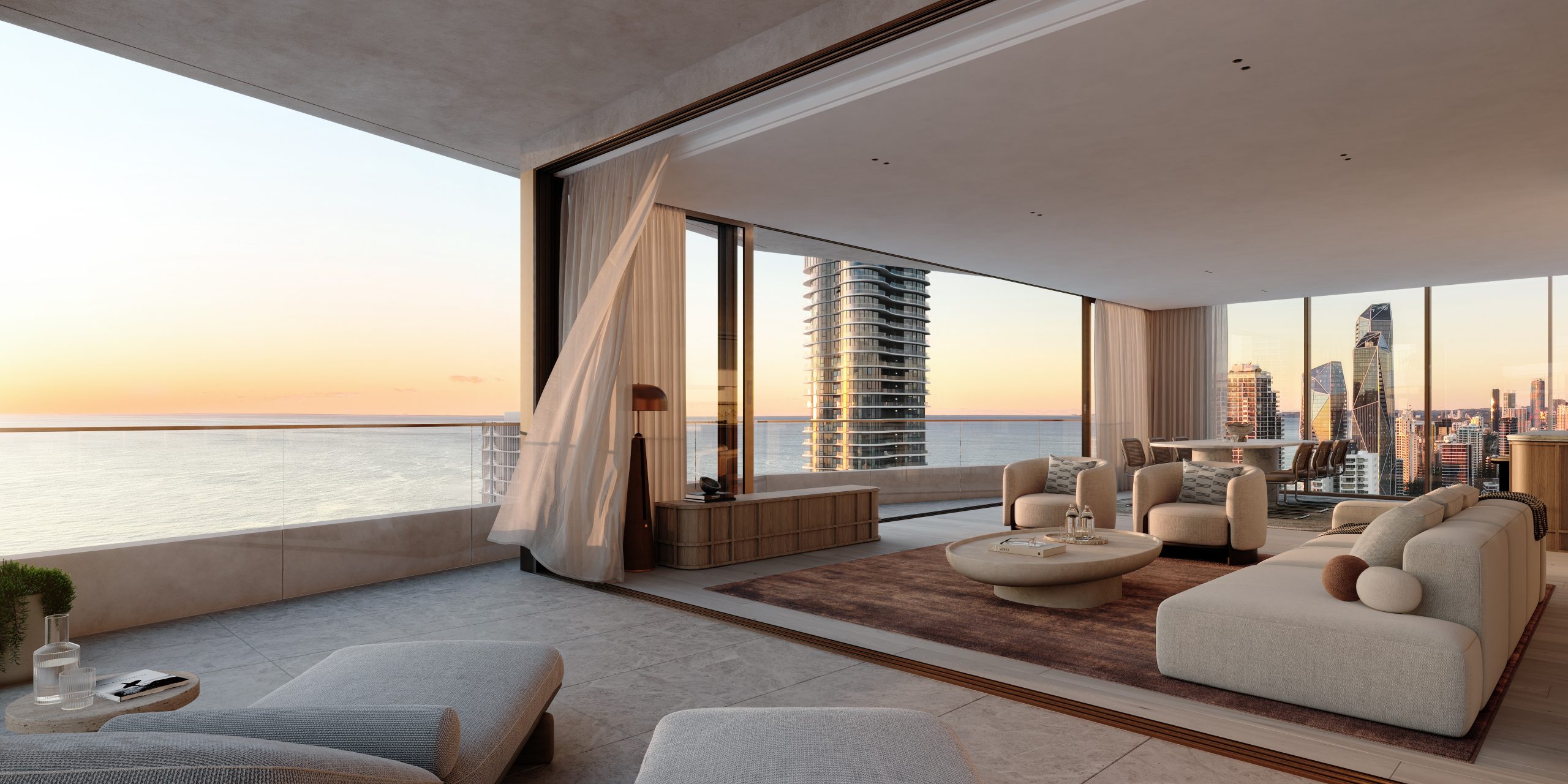
Mirvac’s 45-level Trielle has topped out at Yarra’s Edge, pairing riverfront apartments with wellness facilities, private dining and resident services.
3 min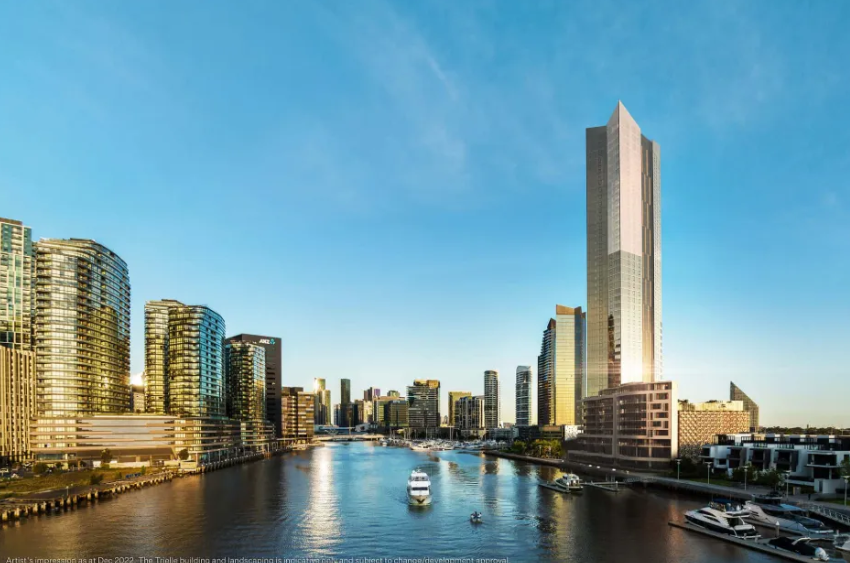
Mirvac has topped out Trielle at Melbourne’s Yarra’s Edge, with more than 70 per cent of the riverfront development sold and approximately 80 per cent of purchasers intending to make their apartment a home.
The figures, released on September 22, point to an owner-occupier audience for one of the precinct’s final residential towers. Mirvac began developing Yarra’s Edge in 2003, and its latest addition occupies one of the remaining absolute riverfront sites.
Mirvac CEO of Development Stuart Penklis said existing residents were among those moving up within the neighbourhood.
“Many purchasers already have a connection to Yarra’s Edge,” Mr Penklis said, describing buyers whose changing needs were encouraging an upgrade within the precinct.
“As one of the final residential towers within Yarra’s Edge, Trielle represents the culmination of more than two decades of creating one of Melbourne’s most established and sought-after waterfront communities,” Penklis said.
“Positioned on the Collins Street axis with absolute river frontage, Trielle offers residents a rare opportunity to enjoy sweeping views across the Yarra River, Melbourne skyline and Port Phillip Bay, while remaining seamlessly connected to the CBD. With Trielle now more than 70 per cent sold, we’re continuing to see strong demand from buyers seeking quality homes in established locations.”
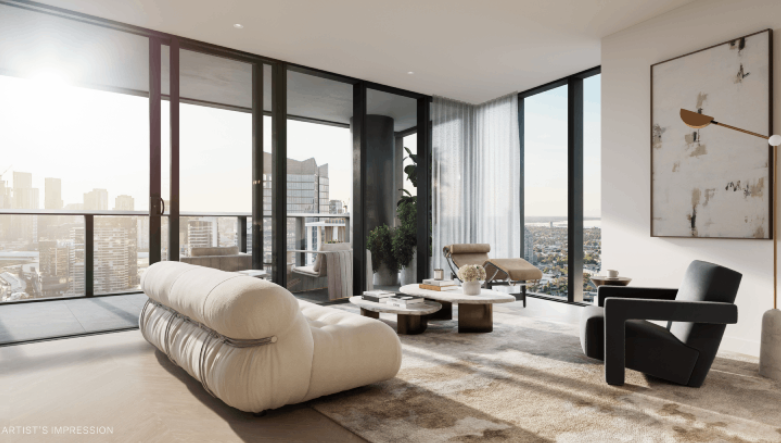
The developer also flagged a penthouse and sub-penthouse collection with larger layouts, premium finishes and broad outlooks. The planned wellness centrepiece, The Oasis, encompasses a 900-square-metre elevated urban rainforest.
Mirvac General Manager Residential Development Victoria Elysa Anderson said Trielle had resonated strongly with buyers seeking a rare lifestyle offering in Melbourne.
“Opportunities to secure a new luxury residence on a riverfront site of this calibre are incredibly rare, particularly within a community like Yarra’s Edge,” Anderson said.
“What makes Trielle unique is the combination of exceptional views, world-class residential facilities and the lifestyle that already exists around it. Residents are buying into a mature waterfront community with parks, promenades, dining, wellness and strong community connections already in place.”
The 45-level tower brings a substantial new presence to that waterfront. Its residential offering spans one-, two-, three- and four-bedroom apartments, with Signature, Prestige and Sub-Penthouse collections accommodating different household sizes. The north-facing position connects the apartments visually to the river and city beyond.
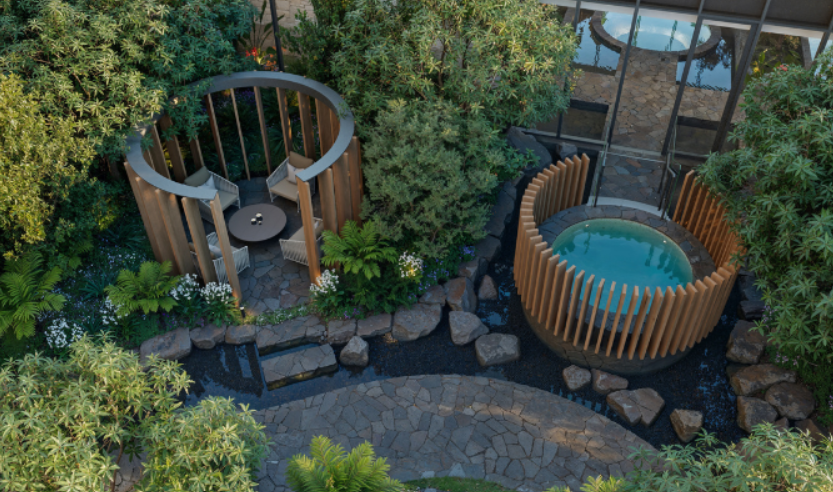
Seven storeys above the promenade, the planned Oasis combines planting and a running stream with a Scandinavian-inspired wellness club developed with spa specialist Naomi Gregory. Facilities include a 25-metre lap pool, hot magnesium pool, sauna, hydrotherapy, a gym, yoga and Pilates room, and treatment spaces.
The amenity extends beyond exercise. Residents will have access to The Biblioteca library and workspaces, ground-floor work pods, and The Salone piano lounge. A private Chef’s Table dining room offers a setting for larger gatherings, while a cinema, games room and sports lounge broaden the entertaining options. Concierge services and a dog-wash area support everyday routines.
Trielle comprises a collection of one, two, three and four-bedroom residences. Reflecting strong demand from owner occupiers, approximately 80 per cent of purchasers to date intend to live in their homes, highlighting the project’s appeal to those seeking a long-term waterfront lifestyle.
Mirvac has recently delivered The Albertine, a premium apartment development on the edge of Melbourne’s CBD, and is nearing completion of Prince & Parade in Brunswick, further strengthening its portfolio of thoughtfully designed apartment communities in some of Melbourne’s most sought-after urban locations.

Wealthy Aussies are swapping large family homes for high-end apartments, with sales of prestige units tripling over the past decade.

Margot Robbie and Jacob Elordi star in an adaptation of the classic novel that respects the romance’s slow burn.