HIGH-RISE APARTMENTS VS HOUSES: WHICH INVESTMENT COMES OUT ON TOP?
As Australia accelerates apartment construction, investors face a critical decision between high-rise living and land-backed homes.
 3 min
3 min
Australia’s housing shortage has long positioned real estate as a cornerstone of wealth creation. But as governments push to deliver 1.2 million new homes, many of them high-rise apartments, investors are increasingly weighing whether vertical living offers the same long-term returns as traditional houses.
While apartments offer lower entry prices and strong rental demand in key locations, critics warn that strata costs, oversupply and lack of land ownership can undermine long-term capital growth.
LOCATION AND LIFESTYLE DRIVE DEMAND
Company RE chief executive Marcus Buskey says thoughtfully designed high-rise developments in lifestyle precincts can deliver strong returns, particularly in premium coastal markets.
Demand remains robust across the Gold Coast and inner-city Brisbane, driven by downsizers, professionals and interstate buyers seeking convenience and lifestyle.
“Apartments in premium Gold Coast areas like Mermaid Beach, Broadbeach and Burleigh Heads have consistently demonstrated capital growth, driven by limited availability, desirability of location and ongoing demand from lifestyle-focused buyers,” Buskey says.
He adds that quality, exclusivity, views and proximity to amenities remain critical factors influencing performance.
MELBOURNE MARKET SHOWS MIXED SIGNALS
Melbourne project marketing specialist Jon Ellis, founder of The Move, says apartments continue to dominate transactions, accounting for 360 of his last 400 sales.
However, he warns not all developments perform equally.
“Some lower-grade apartments in Melbourne may never go back up to the sales price they were achieving a few years ago,” Ellis says.
He notes that construction costs have risen sharply, making it harder to deliver strong investment yields. Yet demand remains strong for well-executed developments.
“Investors purchasing an apartment for $600,000 need to get about $600 a week in rent. If you can get that right and prove it, demand for apartments certainly outstrips residential houses.”
THE LAND FACTOR REMAINS CRITICAL
Like all investment opportunities, others favour a freestanding home over a high-rise apartment.
“In my opinion, the only people who make money from high-rise apartments are the developers who build and sell them,” buyers’ agent Gianni Musumeci says.
For this reason, the Sydneysider steers investors away from high-rise apartments. “While they may appear to be an appealing investment on the surface with attractive guarantees, modern designs and convenient locations at somewhat lower entry points, high-rise apartments are, in my view, rarely a good investment,” Musumeci, of Leverage Property Advisers, says.
“This is especially the case when compared to standard residential homes in suburban markets, primarily due to the overwhelmingly high supply of apartments, the high level of cash flow expenses, the number of defects commonly found in high-rise buildings and the cost to remediate them, as well as the lack of land ownership, which is the primary driver of capital growth.”
“Economics 101 tells us that capital growth is achieved when diminishing supply meets increasing demand. The issue with high-rise apartments is that they’re typically built in areas with overwhelming supply, and often, that supply exceeds demand,” he says.
“These developments are usually located around major transport hubs, and as a result, if you’re looking to buy in one of these areas, you’re competing with dozens or even hundreds of similar listings.”
“Apartments are far easier to mass produce because the only restriction is how high you can build. You can’t expect strong growth in a market that’s saturated. In contrast, standalone residential homes are limited by land availability,” Musumeci says.
WEALTH CREATOR FAVOURS FREEHOLD PROPERTY
Entrepreneur and investor Scott O’Neill, who has amassed a combined net worth of $252 million with his wife Mina, says his personal experience has reinforced the benefits of freehold ownership.
He owned a high-rise apartment early in his investing journey but sold it after two years.
“The yields can vary significantly, ranging from four to seven per cent, but that’s before accounting for sinking funds and strata fees. Your net returns often drop to between one and two per cent,” O’Neill says.
He says oversupply and rising strata costs can further weaken performance.
“Most long-term property owners end up selling high-rise apartments in favour of freehold properties.”
INVESTMENT DECISION DEPENDS ON STRATEGY
Despite the risks, apartments can still deliver strong results when chosen carefully.
Experts agree that location, developer quality, supply levels and long-term demand are critical factors.
While houses continue to offer superior land value and long-term growth potential, apartments can provide attractive yields and accessibility for investors seeking exposure to high-demand urban markets.
Ultimately, the right investment depends on an investor’s strategy, time horizon and appetite for risk.

Two coming 2027 models – the first of the “Neue Klasse” cars coming to the U.S. early next year – have been revealed.

A&K Sanctuary unveils Kitirua Plains Lodge, a sustainability-focused luxury property shaped by landscape, local craft and contemporary safari architecture.

After half a century in the same hands, The Palladium blends Art Deco heritage, cinematic history and beachfront living in one extraordinary offering.
3 min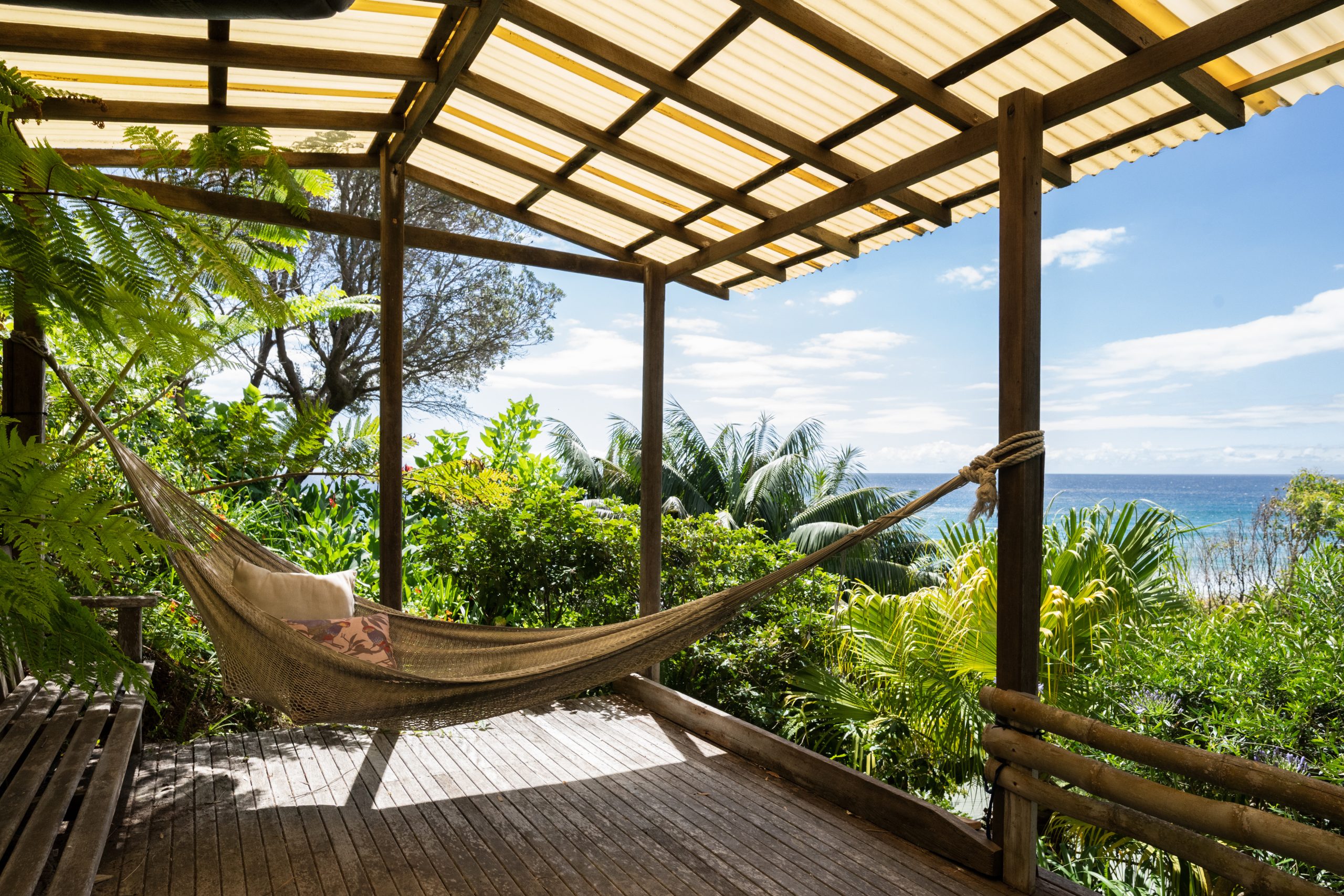
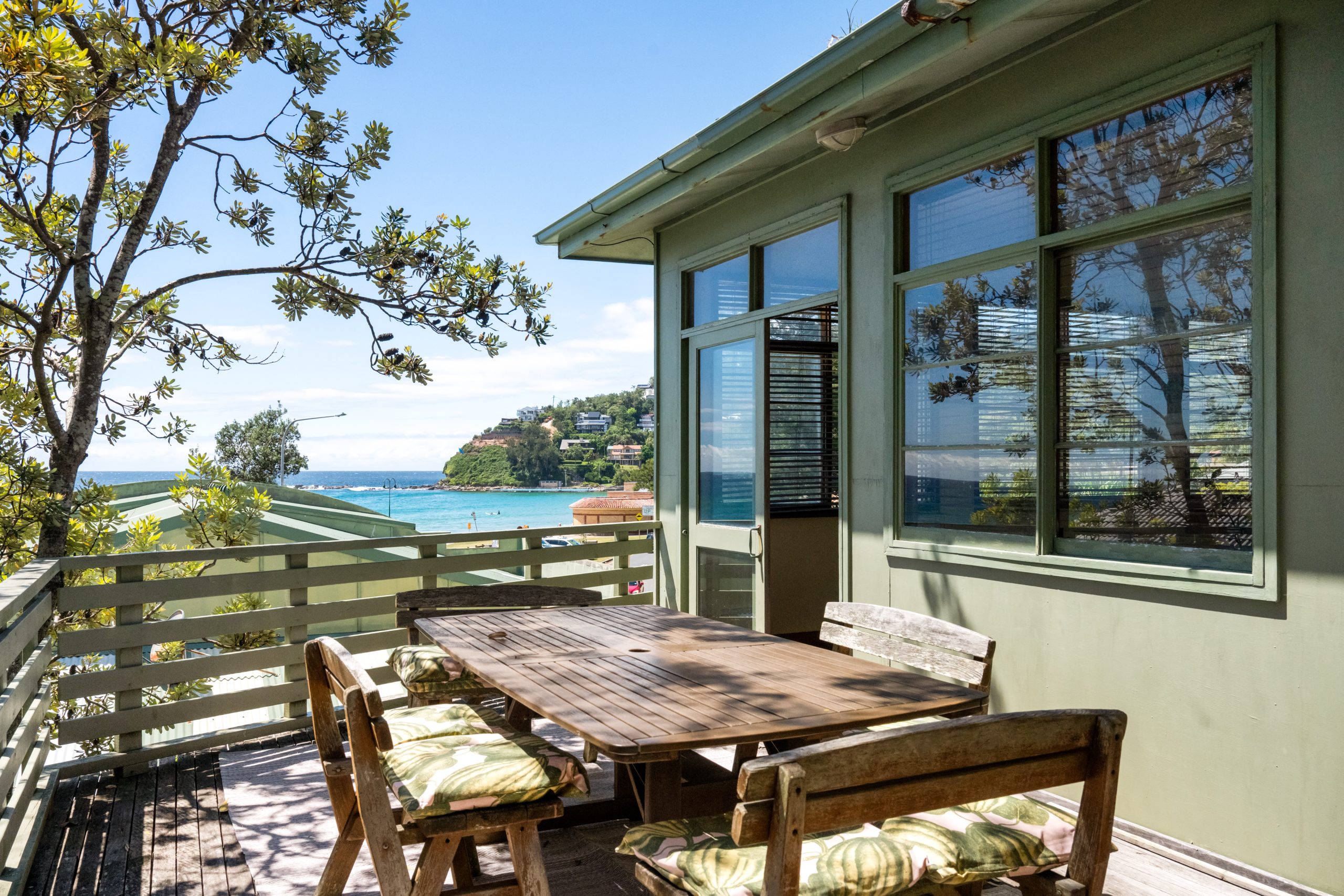
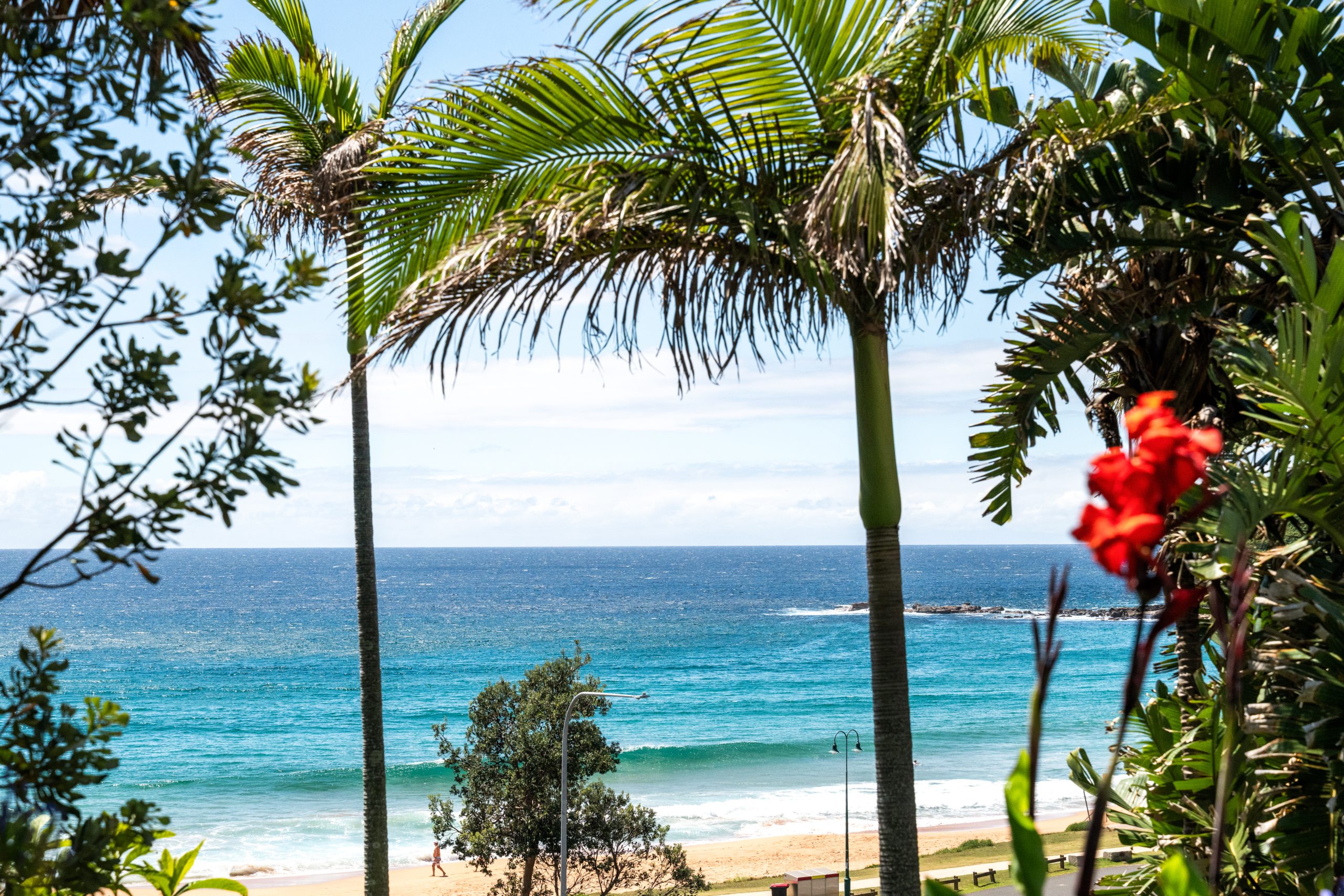
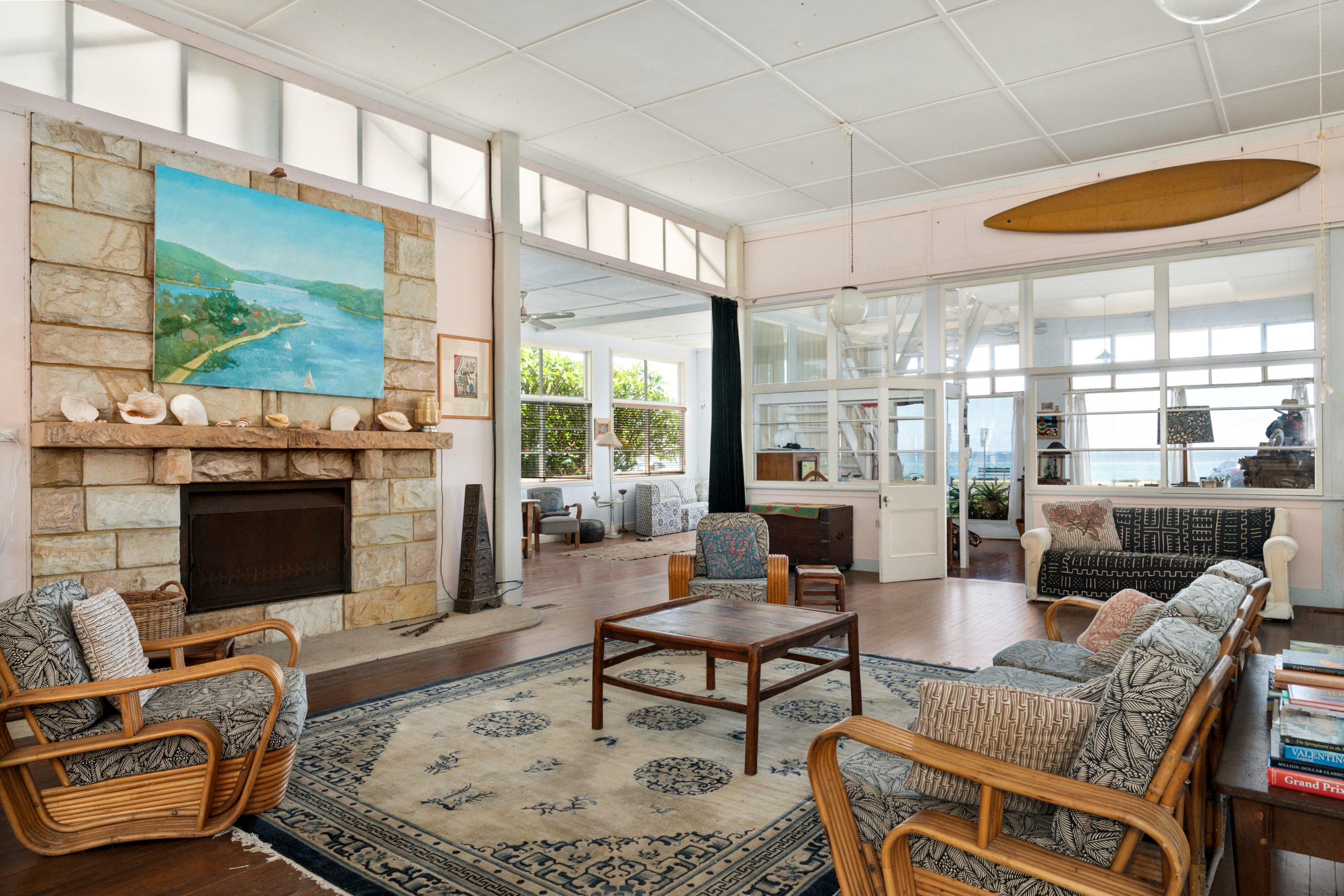
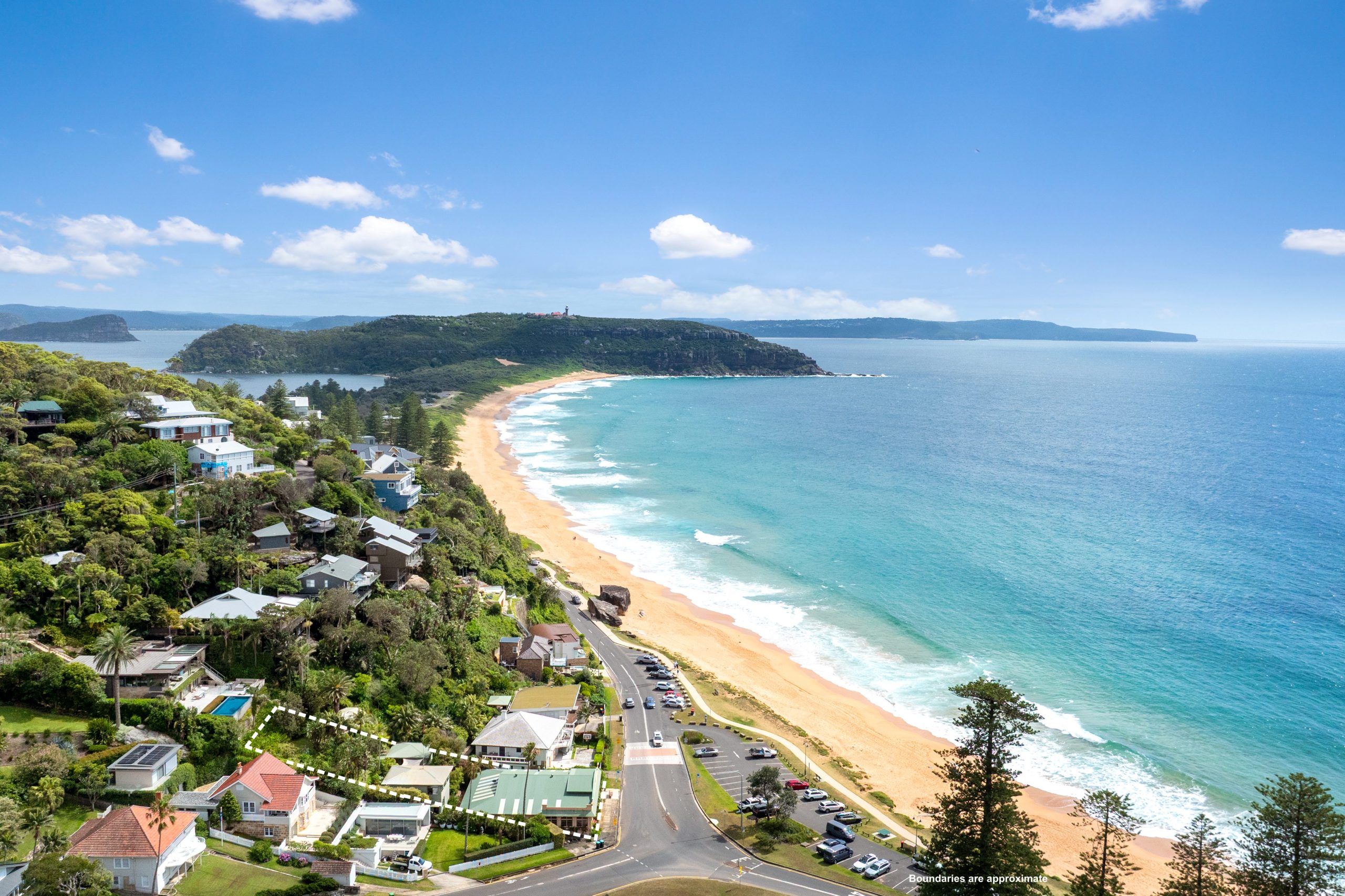
In Sydney’s Northern Beaches, there are plenty of homes with a multimillion-dollar view and an enviable position close to the sand.
This unique listing has all that, but it has also earned its page in the local history books.
After 50 years in the same hands, The Palladium in Palm Beach—once a famed dance hall, then a restaurant, a private residence, and an artists’ studio—is now back on the market with a price hopes of $13.5 million through BJ Edwards and David Edwards of LJ Hooker Palm Beach.
Positioned in a rare corner spot where Ocean Rd meets Palm Beach Rd, The Palladium has been front and centre observing the famous sandy stretch for almost a century.
Built in the early 1930s, the Art Deco building was originally conceived as a vibrant community dance hall; the “it” place to be for young folk during Sydney’s thriving interwar period.
Often the dances were held to raise money for the Palm Beach Surf Life Saving Club, and newspaper reports of the time told of rowdy parties lasting until the early hours, bootleg liquor arrests, and where shorts and sandals—or even pyjamas—were scandalously worn by “both sexes”.
Over the decades, The Palladium has worn many hats.
By 1943, the original owner, Joseph Henry Graham, had defaulted on his loan, and a mortgagee sale reportedly sold the building for £1550, which translates to about $137,000 today. It later became a dining space and a general store run by the Milton family. In the 1960s and early 1970s, the property was also home to the Blue Pacific Restaurant.
The current owners acquired the keys in 1976 when it began its next chapter as a creative hub. One of today’s vendors, filmmaker David Elfick, who has been a filmmaker and producer on such films as Newsfront and Rabbit-Proof Fence, has told stories of a free-spirited creative hub that has been used for film sets, to store numerous movie props, as editing rooms, to hold countless parties and has even hosted visiting members of the Royal Shakespeare Company.
From its famed beachside soirees to its grassroots film club nights, the venue has become woven into the cultural fabric of Palm Beach.
Today, that rich history has been reimagined into a coastal home that honours its past while embracing contemporary beachside living.
Built in a unique architectural style known as streamline moderne, the aeroplane hangar-like building reflects the era’s fascination with air travel, mass transport, and modernity. The facade is defined by a sweeping curved roofline and subtle nautical cues.
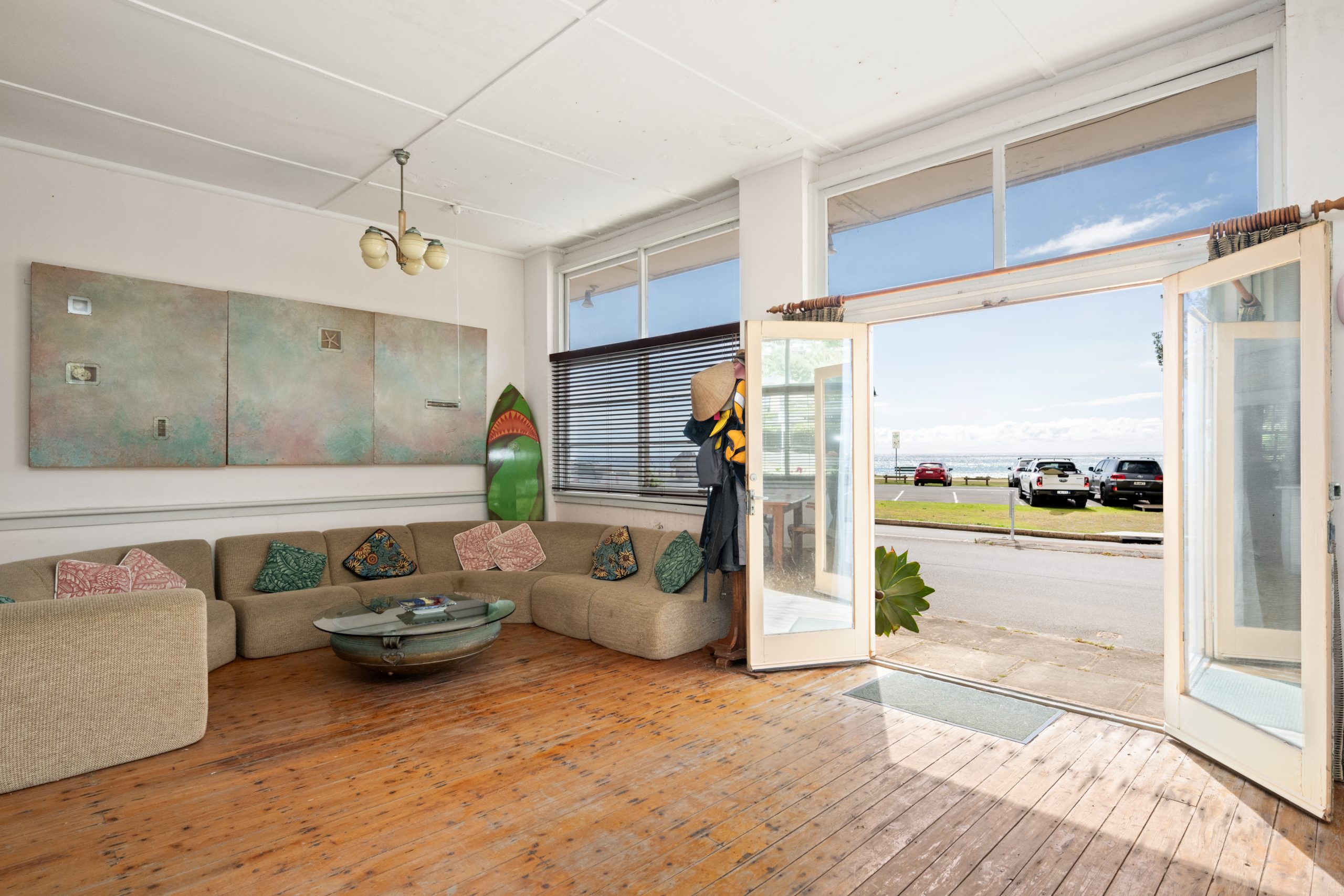
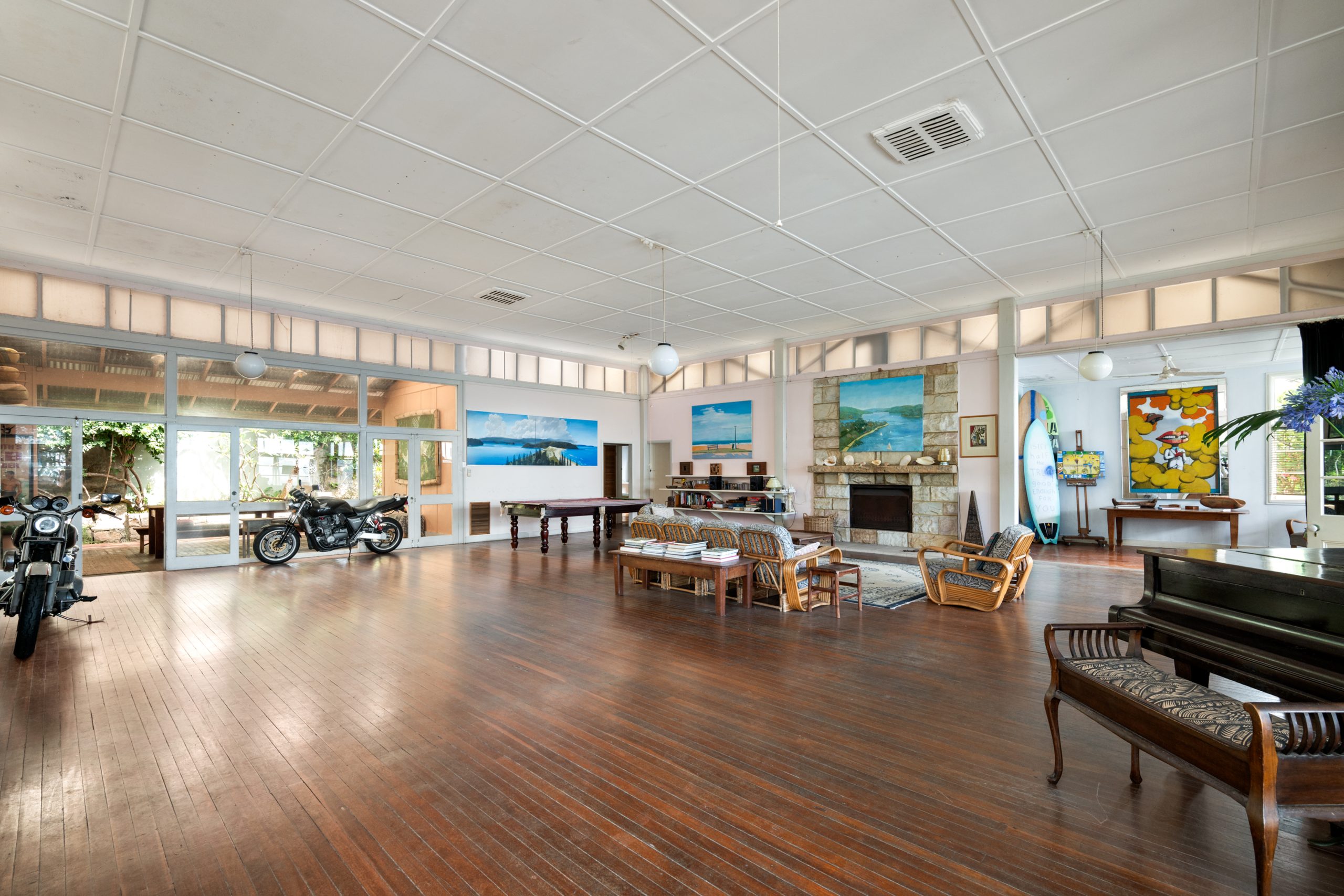
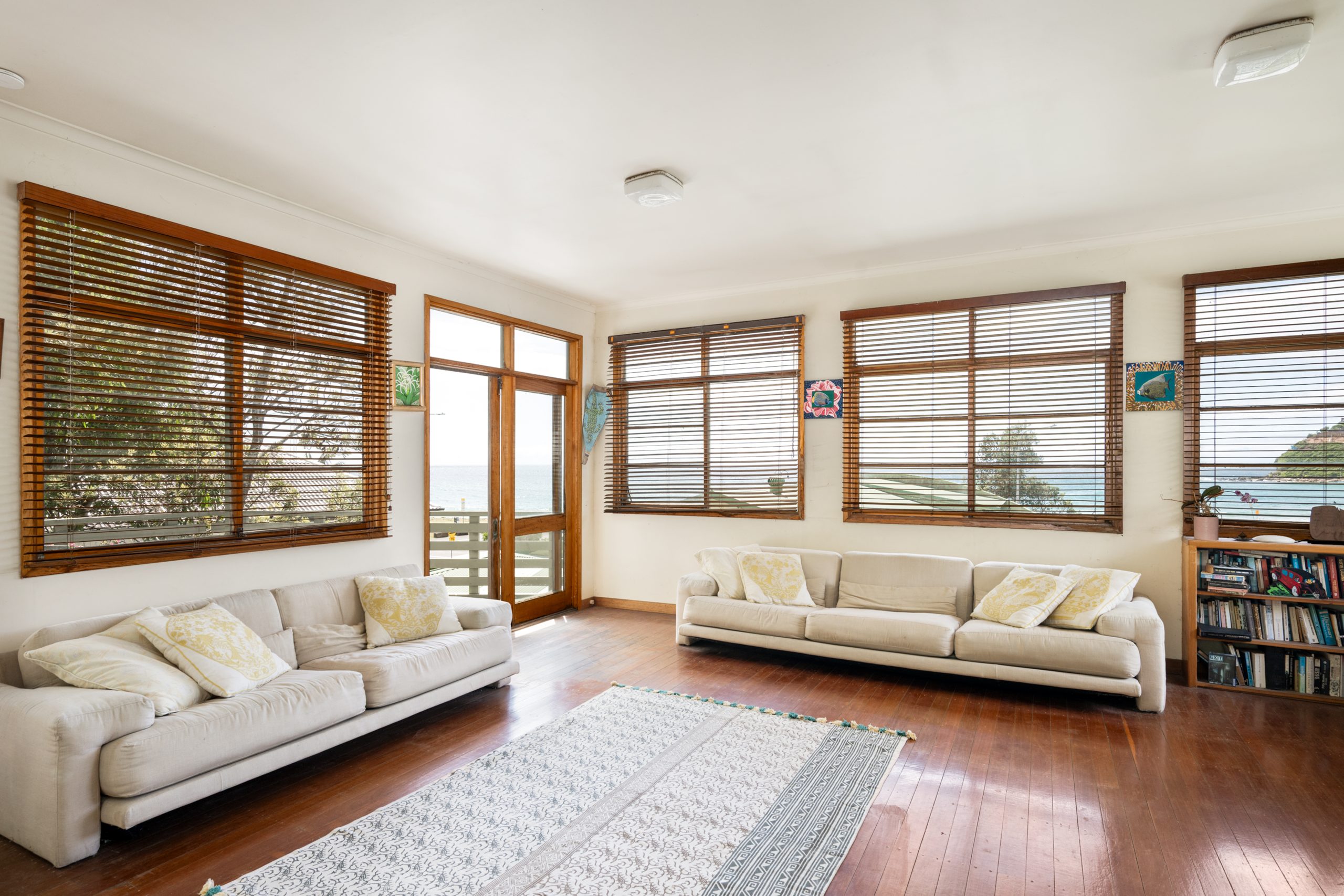
The main residence features a vast central living space framed by a number of bedrooms and sunrooms, as well as a front dining room and kitchen. In total, there are four to five bedrooms, three bathrooms and a powder room adjoining an upstairs loft space.
Big, broad windows draw in loads of natural light and provide iconic views, plus the sounds of the beach just across the road.
Many of the original elements remain, most fittingly the polished floors of the former dance hall. In the additional building at the back of the block, there is a separate, self-contained studio with its own bedroom, bathroom, kitchen and laundry. From its elevated deck, the outlook stretches across the full sweep of Palm Beach.
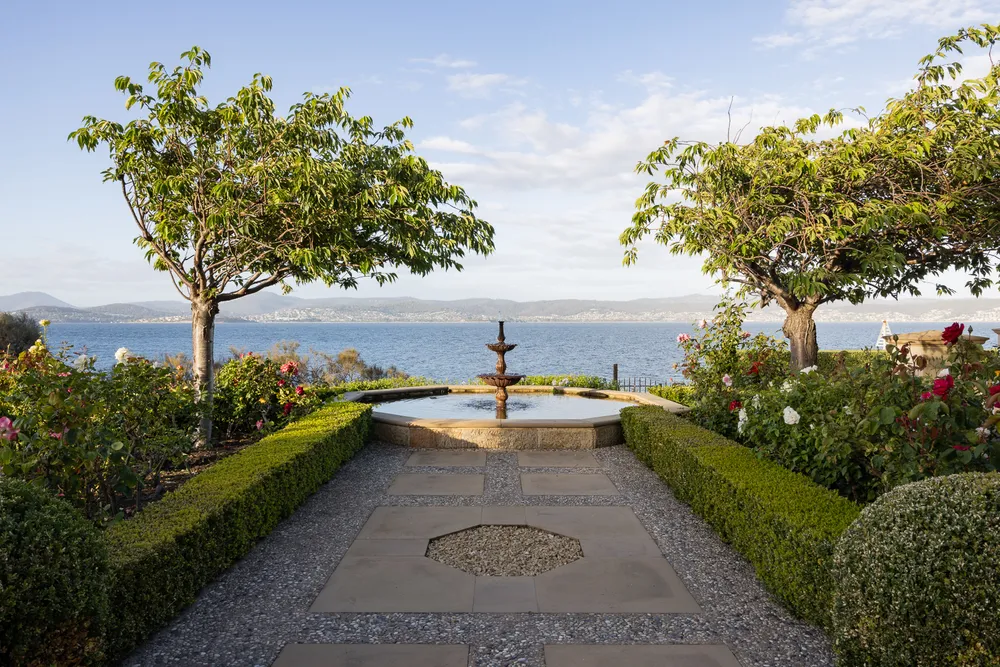
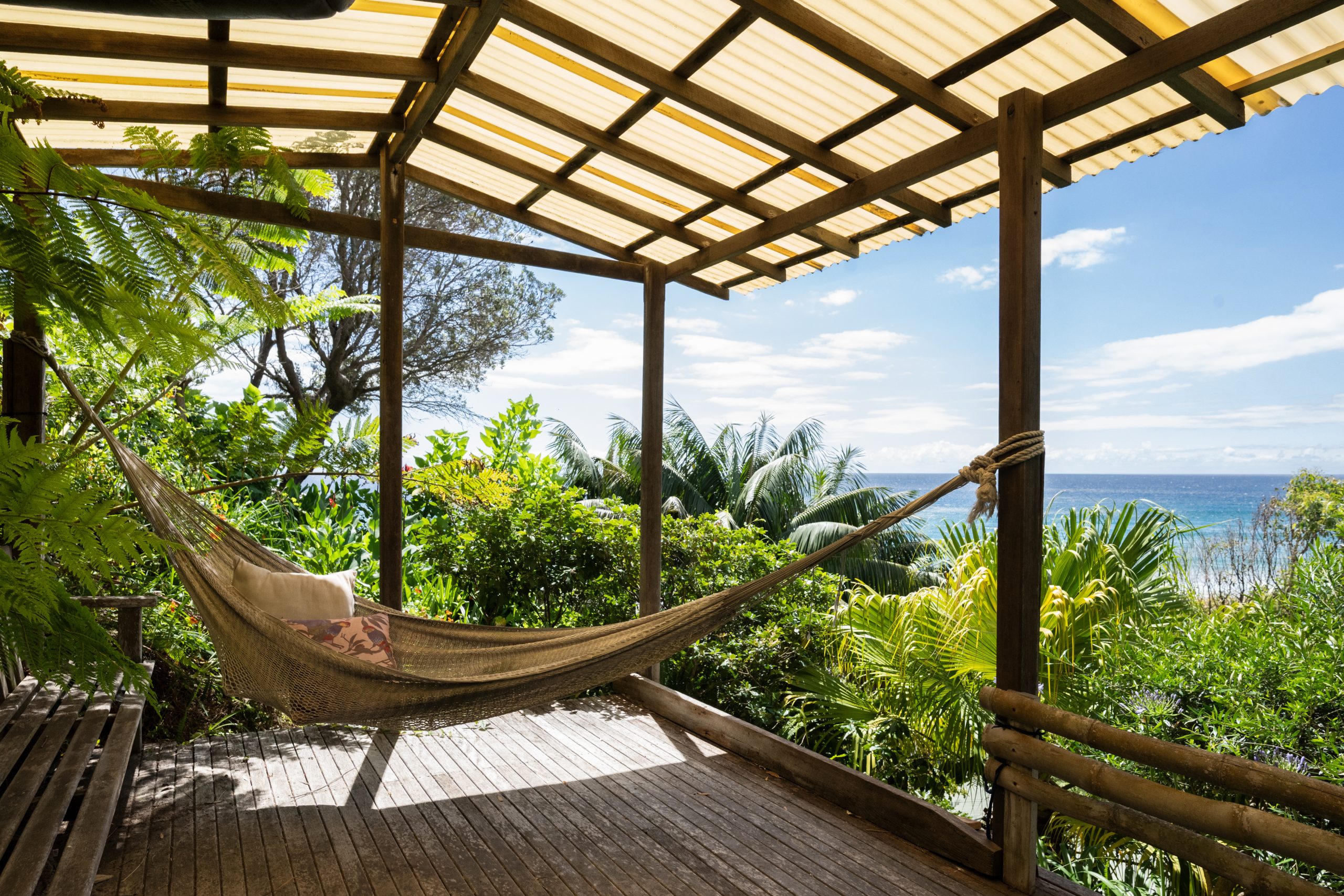
Outside, the expansive 1151sq m land parcel also features established gardens with veggie patches and standalone decks for quiet contemplation.
Sitting just across the road from the beach, the property is also within walking distance of local cafes and the surf club. Palm Beach Rock Pool is at one end of the beach, with the Palm Beach Golf Club and the water airport at the other end of the peninsula.
The Palladium and Palm Beach Studio at 16 Ocean Rd, Palm Beach are listed with BJ Edwards and David Edwards of LJ Hooker Palm Beach via a private treaty campaign with a price guide of $13.5 million.
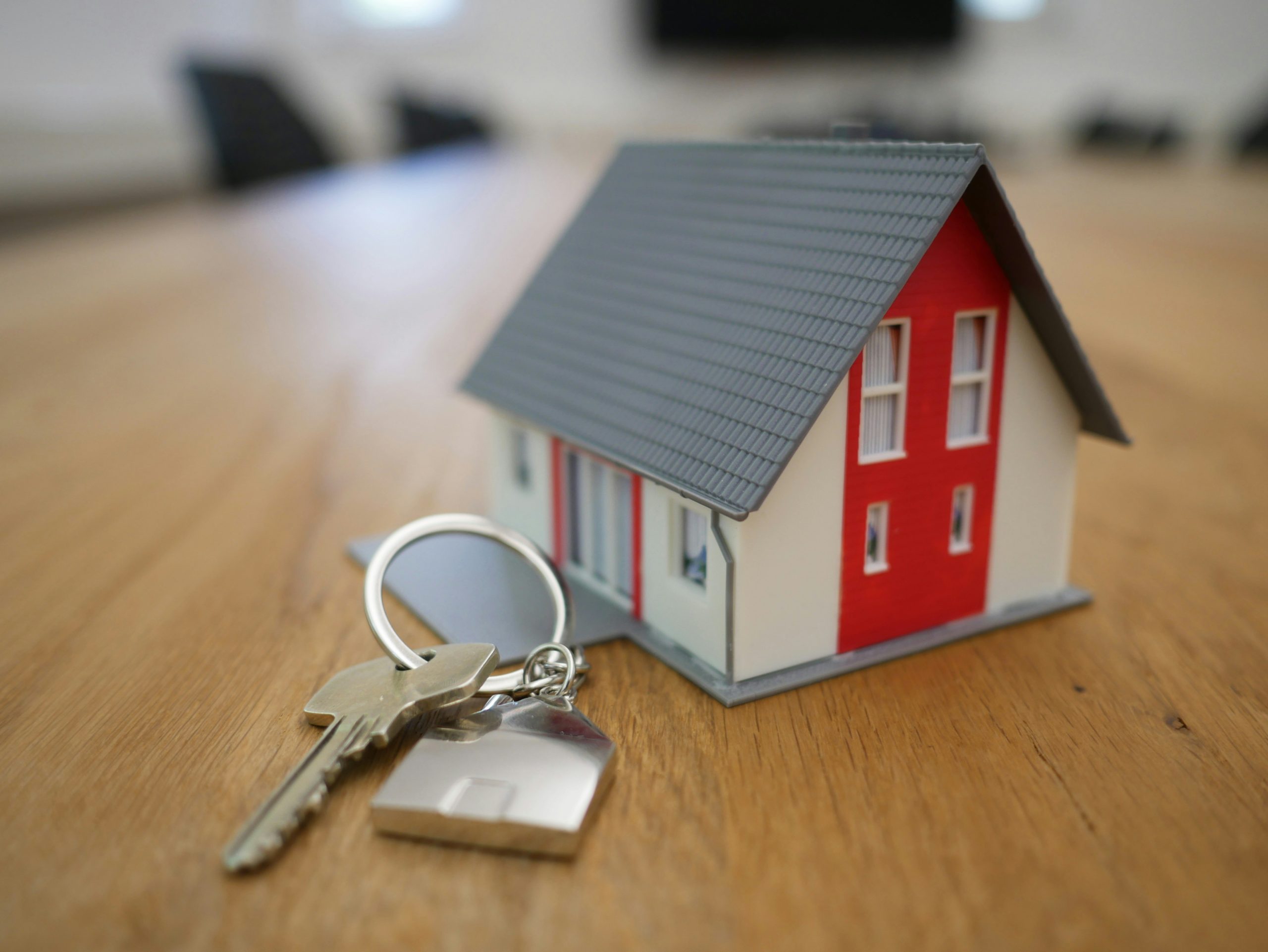
Australia’s housing market defies forecasts as prices surge past pandemic-era benchmarks.

Micro-needling promises glow and firmness, but timing can make all the difference.