





Italy, Land of Uncollected Garbage, Combines Running With Trash Pickup
At the World Plogging Championship, contestants have lugged in tires, TVs and at least one Neapolitan coffee maker

 4 min
4 min
GENOA, Italy—Renato Zanelli crossed the finish line with a rusty iron hanging from his neck while pulling 140 pounds of trash on an improvised sled fashioned from a slab of plastic waste.
Zanelli, a retired IT specialist, flashed a tired smile, but he suspected his garbage haul wouldn’t be enough to defend his title as world champion of plogging—a sport that combines running with trash collecting.
A rival had just finished the race with a chair around his neck and dragging three tires, a television and four sacks of trash. Another crossed the line with muscles bulging, towing a large refrigerator. But the strongest challenger was Manuel Jesus Ortega Garcia, a Spanish plumber who arrived at the finish pulling a fridge, a dishwasher, a propane gas tank, a fire extinguisher and a host of other odds and ends.
“The competition is intense this year,” said Zanelli. Now 71, he used his fitness and knack for finding trash to compete against athletes half his age. “I’m here to help the environment, but I also want to win.”
Italy, a land of beauty, is also a land of uncollected trash. The country struggles with chronic littering, inefficient garbage collection in many cities, and illegal dumping in the countryside of everything from washing machines to construction waste. Rome has become an emblem of Italy’s inability to fix its trash problem.
So it was fitting that at the recent World Plogging Championship more than 70 athletes from 16 countries tested their talents in this northern Italian city. During the six hours of the race, contestants collect points by racking up miles and vertical distance, and by carrying as much trash across the finish line as they can. Trash gets scored based on its weight and environmental impact. Batteries and electronic equipment earn the most points.
A mobile app ensures runners stay within the race’s permitted area, approximately 12 square miles. Athletes have to pass through checkpoints in the rugged, hilly park. They are issued gloves and four plastic bags to fill with garbage, and are also allowed to carry up to three bulky finds, such as tires or TVs.
Genoa, a gritty industrial port city in the country’s mountainous northwest, has a trash problem that gets worse the further one gets away from its relatively clean historic core. The park that hosted the plogging championship has long been plagued by garbage big and small.
“It’s ironic to have the World Plogging Championship in a country that’s not always as clean as it could be. But maybe it will help bring awareness and things will improve,” said Francesco Carcioffo, chief executive of Acea Pinerolese Industriale, an energy and recycling company that’s been involved in sponsoring and organizing the race since its first edition in 2021. All three world championships so far have been held in Italy.
Events that combine running and trash-collecting go back to at least 2010. The sport gained traction about seven years ago when a Swede, Erik Ahlström, coined the name plogging, a mashup of plocka upp, Swedish for “pick up,” and jogging.
“If you don’t have a catchy name you might as well not exist,” said Roberto Cavallo, an Italian environmental consultant and longtime plogger, who is on the world championship organizing committee together with Ahlström.
Saturday’s event brought together a mix of wiry trail runners and environmental activists, some of whom looked less like elite athletes.
“We like plogging because it makes us feel a little less guilty about the way things are going with the environment,” said Elena Canuto, 29, as she warmed up before the start. She came in first in the women’s ranking two years ago. “This year I’m taking it a bit easier because I’m three months pregnant.”
Around two-thirds of the contestants were Italians. The rest came from other European countries, as well as Japan, Argentina, Uruguay, Mexico, Algeria, Ghana and Senegal.
“I hope to win so people in Senegal get enthusiastic about plogging,” said Issa Ba, a 30-year-old Senegalese-born factory worker who has lived in Italy for eight years.
“Three, two, one, go,” Cavallo shouted over a loudspeaker, and the athletes sprinted off in different directions. Some stopped 20 yards from the starting line to collect their first trash. Others took off to be the first to exploit richer pickings on wooded hilltops, where batteries and home appliances lay waiting.
As the hours went by, the athletes crisscrossed trails and roads, their bags became heavier. They tagged their bulky items and left them at roadsides for later collection. Contestants gathered at refreshment points, discussing what they had found as they fueled up on cookies and juice. Some contestants had brought their own reusable cups.
With 30 minutes left in the race, athletes were gathering so much trash that the organisers decided to tweak the rules: in addition to their four plastic bags, contestants could carry six bulky objects over the finish line rather than three.
“I know it’s like changing the rules halfway through a game of Monopoly, but I know I can rely on your comprehension,” Cavallo announced over the PA as the athletes braced for their final push to the finish line.
The rule change meant some contestants could almost double the weight of their trash, but others smelled a rat.
“That’s fantastic that people found so much stuff, but it’s not really fair to change the rules at the last minute,” said Paul Waye, a Dutch plogging evangelist who had passed up on some bulky trash because of the three-item rule.
Senegal will have to wait at least a year to have a plogging champion. Two hours after the end of Saturday’s race, Ba still hadn’t arrived at the finish line.
“My phone ran out of battery and I got lost,” Ba said later at the awards ceremony. “I’ll be back next year, but with a better phone.”
The race went better for Canuto. She used an abandoned shopping cart to wheel in her loot. It included a baby stroller, which the mother-to-be took as a good omen. Her total haul weighed a relatively modest 100 pounds, but was heavy on electronic equipment, which was enough for her to score her second triumph.
“I don’t know if I’ll be back next year to defend my title. The baby will be six or seven months old,” she said.
In the men’s ranking, Ortega, the Spanish plumber, brought in 310 pounds of waste, racked up more than 16 miles and climbed 7,300 feet to run away with the title.
Zanelli, the defending champion, didn’t make it onto the podium. He said he would take solace from the nearly new Neapolitan coffee maker he found during the first championship two years ago. “I’ll always have my victory and the coffee maker, which I polished and now display in my home,” he said.
Contestants collected more than 6,600 pounds of trash. The haul included fridges, bikes, dozens of tires, baby seats, mattresses, lead pipes, stoves, chairs, TVs, 1980s-era boomboxes with cassettes still inside, motorcycle helmets, electric fans, traffic cones, air rifles, a toilet and a soccer goal.
“This park hasn’t been this clean since the 15 century,” said Genoa’s ambassador for sport, Roberto Giordano.
 Copyright 2020, Dow Jones & Company, Inc. All Rights Reserved Worldwide. LEARN MORE




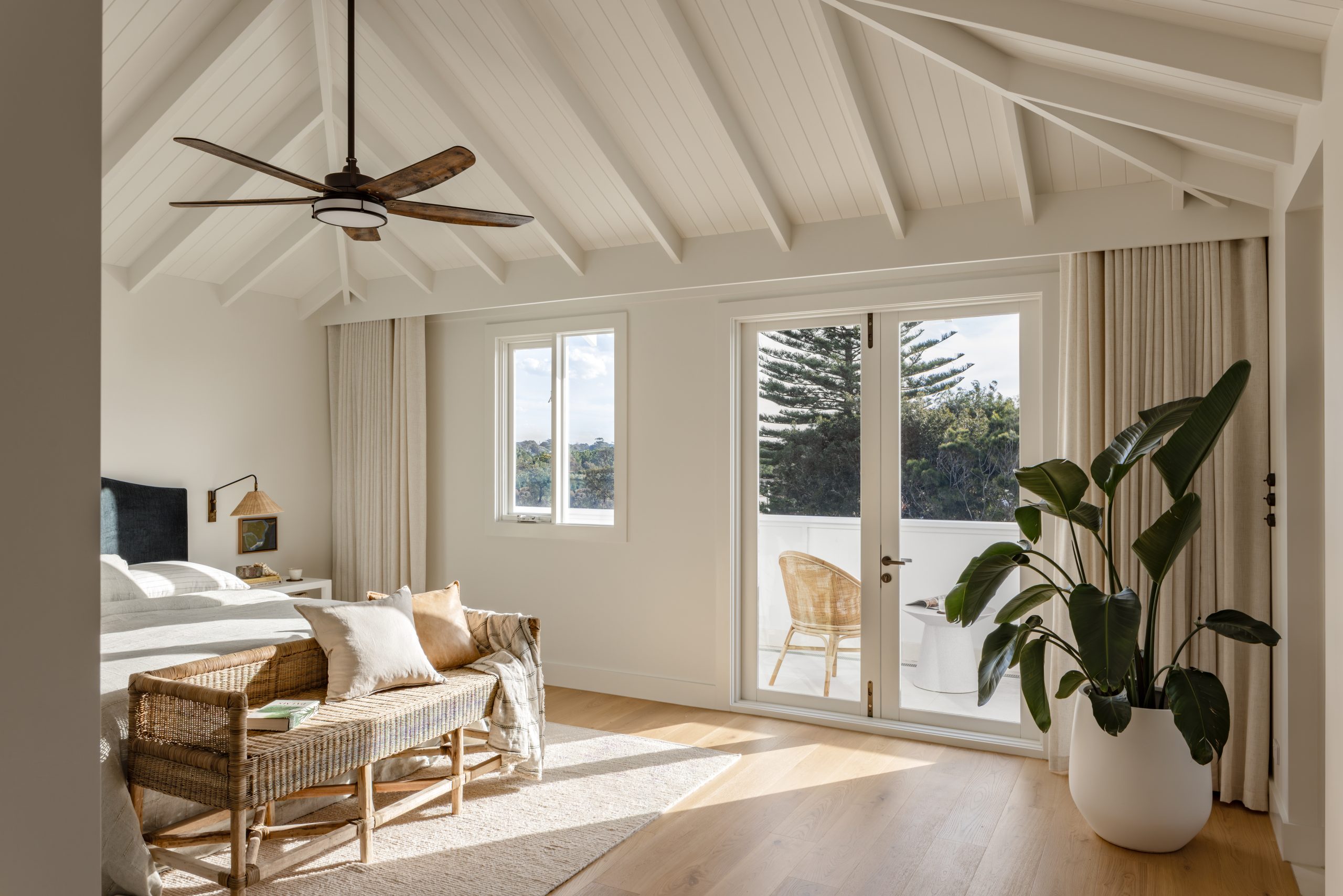
From warmer neutrals to tactile finishes, Australian homes are moving away from stark minimalism and towards spaces that feel more human.

French luxury-goods giant’s results are a sign that shoppers weren’t splurging on its collections of high-end garments in the run-up to the holiday season.


From warmer neutrals to tactile finishes, Australian homes are moving away from stark minimalism and towards spaces that feel more human.
2 minFor years, Australian interiors have been ruled by restraint. Pale palettes, clean lines and an almost reverential devotion to minimalism dominated living rooms and bedrooms alike. In 2026, that aesthetic is finally softening.
Designers are responding to a cultural shift that favours comfort and emotional connection over perfection. Homes are becoming warmer, more layered and more expressive, reflecting a growing desire for spaces that feel restorative rather than simply impressive. The new look is not about excess, but about depth.
Colour plays a central role in this evolution. Cool whites and greys are giving way to warmer, earth-based tones such as sandstone, oatmeal and soft mushroom, often lifted with muted greens or gentle spice notes. The effect is grounding and quietly sophisticated, creating interiors that feel calm without tipping into blandness.
Texture matters just as much. Natural materials, tactile fabrics and layered finishes are being used to add softness and movement to rooms that once relied on sharp contrasts. Raw timbers, stone and linen sit alongside more refined details, striking a balance between polish and authenticity. This look feels considered without being clinical.
Diana Altiparmakova, Head of Product and Marketing for Luxaflex Window Fashions, recognises that this movement toward layered softness marks a distinct shift from 2025.
“Last year’s approach leaned into minimalism and simplicity, but 2026 expands into a more expressive and sensory direction as designers and homeowners are favouring depth, tactility and warmer tones to create environments that feel cocooning and emotionally supportive,” she said.
“No longer just a practical addition, window coverings are also helping shape this design evolution by enhancing comfort, mood and individuality within the home.
“Window coverings in 2026 aren’t just about blocking light or adding privacy, they’re about shaping atmosphere, improving comfort and supporting wellbeing.
“Often seen as the finishing touch to a home’s overall design, the right window coverings can elevate a room, creating depth and warmth, while providing functionality tailored to the homeowner’s individual needs.”
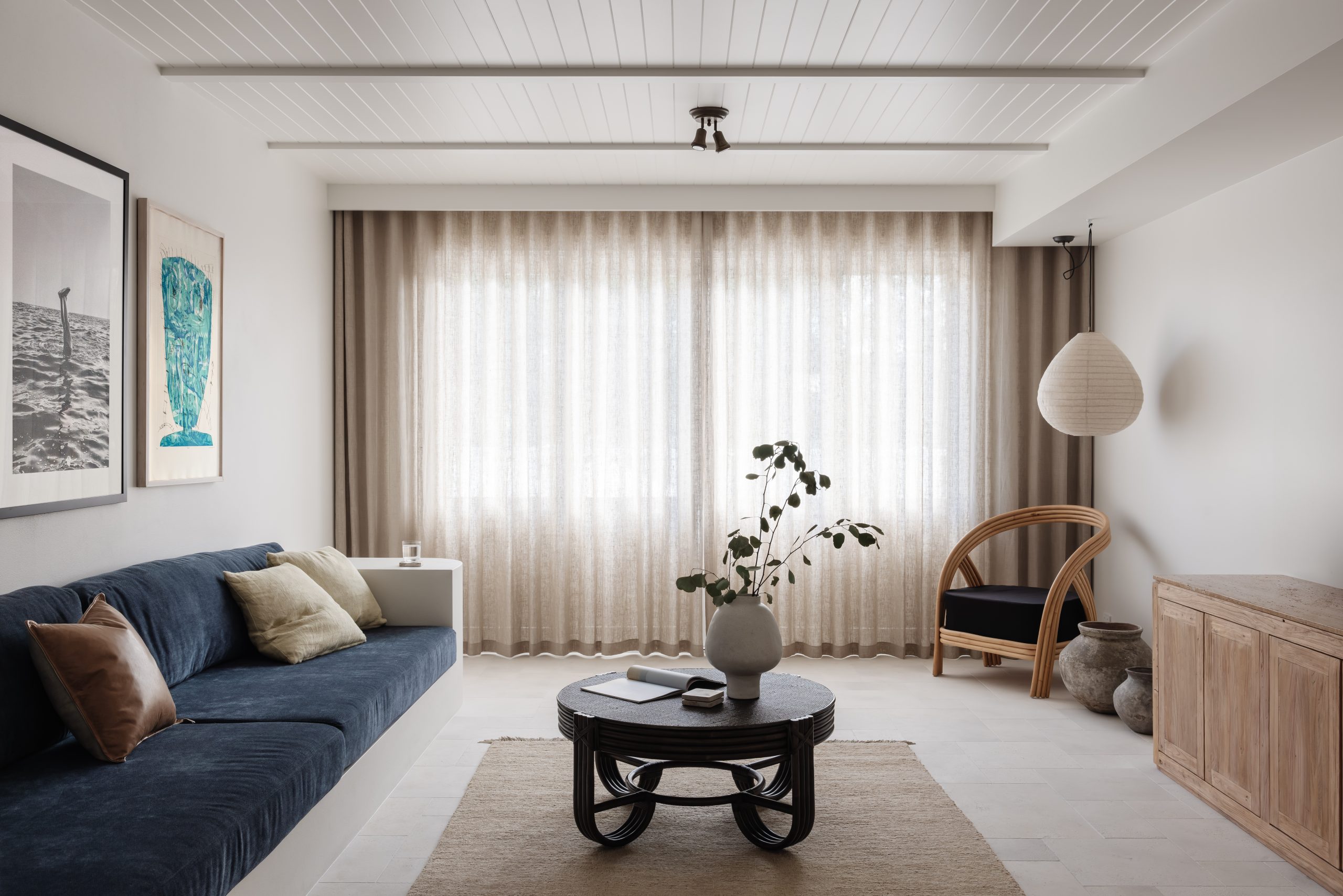
Light has become a defining feature of how homes are designed and lived in. Rather than flooding interiors indiscriminately, there is a growing emphasis on controlling and filtering natural light to suit different moments of the day. Window treatments are no longer treated as an afterthought but as part of a space’s architectural language, shaping mood as much as function.
Technology is quietly supporting this shift. Automation is being embraced not for novelty, but for ease. The ability to adjust light and privacy seamlessly throughout the day speaks to a broader desire for homes that work intuitively around daily life, rather than demanding attention.
In particular, across regional and coastal homes, softer interpretations of farmhouse and coastal styles are emerging. These interiors lean into relaxed elegance, using filtered daylight, natural textures and unfussy forms to create spaces that feel timeless rather than trend-led. Fabric-forward window dressings, in particular, are used to soften hard architectural elements and create a sense of ease.
What defines this new design direction is not a single look, but a mindset. In a world that feels increasingly loud and accelerated, the modern Australian home is being reshaped as a place of retreat. Beauty still matters, but so does comfort, warmth and emotional resonance.
Minimalism is not disappearing. It is simply growing up.
French luxury-goods giant’s results are a sign that shoppers weren’t splurging on its collections of high-end garments in the run-up to the holiday season.

A long-standing cultural cruise and a new expedition-style offering will soon operate side by side in French Polynesia.


