Revealed: Where property values will grow the most in 2026
Australia’s housing market is expected to keep rising in 2026, but new research shows growth will increasingly depend on postcode, not postcode averages.
 3 min
3 min
Confidence across Australia’s housing market remains firm heading into 2026, but momentum is expected to diverge sharply by state as affordability ceilings, interest rate uncertainty and local supply constraints reshape conditions, according to new research from Cotality and a broad range of market forecasters.
Findings from Cotality’s Decoding 2026 report, based on responses from real estate agents and finance professionals nationwide, show 87% of respondents expect dwelling values to rise over the year ahead, while just 3.5% anticipate prices will fall.
Almost half forecast price growth of more than 5%, highlighting ongoing optimism following widespread gains through 2025.
That outlook broadly aligns with forecasts from major banks and property research groups, including ANZ, Domain, PropTrack and SQM Research, with the majority of forecasters expecting national home values to rise again in 2026, albeit at a more moderate and uneven pace than in recent years.
Cotality’s December Home Value Index recorded price growth across every capital city and regional market in 2025, with national dwelling values rising 8.6%, adding around $71,400 to the median home value.
Cotality Australia Research Director Tim Lawless said conditions softened toward the end of the year as affordability pressures intensified and expectations around interest rates shifted.
“Housing conditions were strong for most of 2025, which explains the broadly positive sentiment,” Lawless said.
“However, national averages mask increasingly wide variation at the local level, and it’s those differences that are becoming more important as affordability constraints and policy settings diverge.”
Smaller States tipped to outperform
Queensland, Western Australia and South Australia continue to stand out as the most positively viewed markets entering 2026, both among industry respondents and external forecasters.
Cotality survey results show 89% of Queensland respondents expect prices to rise, with more than half anticipating growth above 5%.
That optimism is echoed by forecasts from ANZ, Domain and SQM, which expect Queensland to remain one of the stronger-performing markets nationally, supported by population growth, tight rental conditions and ongoing housing shortages.
Western Australia also features prominently in forecasts, with SQM Research projecting some of the strongest percentage gains nationally, while Domain and ANZ expect Perth prices to continue rising, albeit at a steadier pace than in 2025.
Broad-based demand across price points and relatively affordable entry levels are expected to support further growth.
South Australia’s outlook remains underpinned by relative affordability and limited new supply. Most major forecasters expect Adelaide dwelling values to rise again in 2026, though generally at a more moderate pace compared with Queensland and Western Australia.
“Strong internal migration, tight rental markets and a persistent undersupply of housing continue to support these markets,” Lawless said.
“Those fundamentals largely remain in place, which helps explain why both agents and forecasters remain optimistic about price growth across much of the country outside the east coast’s largest cities.”
NSW and Victoria face tighter constraints
While sentiment in New South Wales remains positive, expectations are increasingly conditional. High dwelling values, stretched borrowing capacity and sensitivity to interest rate movements are expected to limit the pace of growth.
ANZ, Domain and PropTrack all forecast continued price increases in Sydney in 2026, though at a more moderate pace than recent years, reflecting affordability ceilings and rising listings.
Victoria continues to lag national performance after recording the weakest growth among the states in 2025. Although most forecasters still expect Melbourne home values to rise in 2026, expectations remain subdued relative to other capitals.
Higher property taxes, reduced investor participation and softer population growth continue to weigh on confidence, despite first home buyers accounting for a larger share of lending.
“Victoria stands out for the scale of investor selling, policy settings and higher holding costs, all of which have dampened activity,” Lawless said.
“While prices are still expected to trend higher, most forecasters see Victoria underperforming the national average again in 2026.”
First home buyer support lifts activity, but affordability bites
More than 75% of real estate agents reported increased activity following the expansion of the First Home Guarantee, with competition intensifying around scheme price thresholds.
Federal Treasury data shows more than 21,000 first home buyers have accessed the expanded 5% deposit scheme since October*.
However, affordability remains a key constraint, with fewer than half of Australian suburbs now priced below First Home Guarantee caps, a sharp decline from a year earlier.
Confidence holds, but risks are building
While expectations for price growth remain broadly positive across most forecasts, confidence is becoming more conditional as affordability ceilings, interest rate uncertainty and uneven regional dynamics shape the outlook.
“The market enters 2026 from a position of strength, and the majority of forecasters still expect dwelling values to rise,” Lawless said.
“However, affordability challenges, interest rate uncertainty and policy settings are likely to cap the pace of growth, particularly in higher-priced markets.
“With no material supply response expected in 2026, tight housing conditions should help offset downside risks, but outcomes will increasingly depend on local market dynamics rather than national trends.”

From making unpopular decisions to learning when to listen, leaders from five businesses reveal what nobody prepared them for — and how running a company has challenged their expectations.

Technology and semiconductor shares fell sharply as investors questioned the debt financing the AI infrastructure boom and confronted higher rates and Chinese competition.
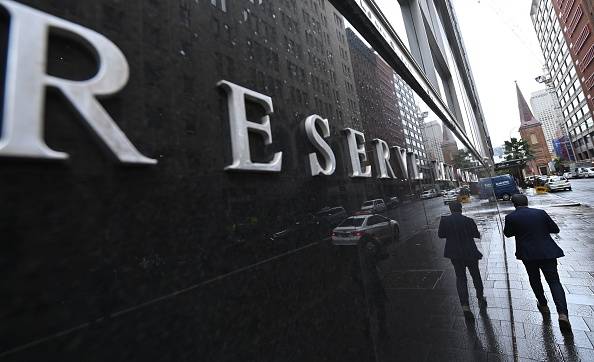
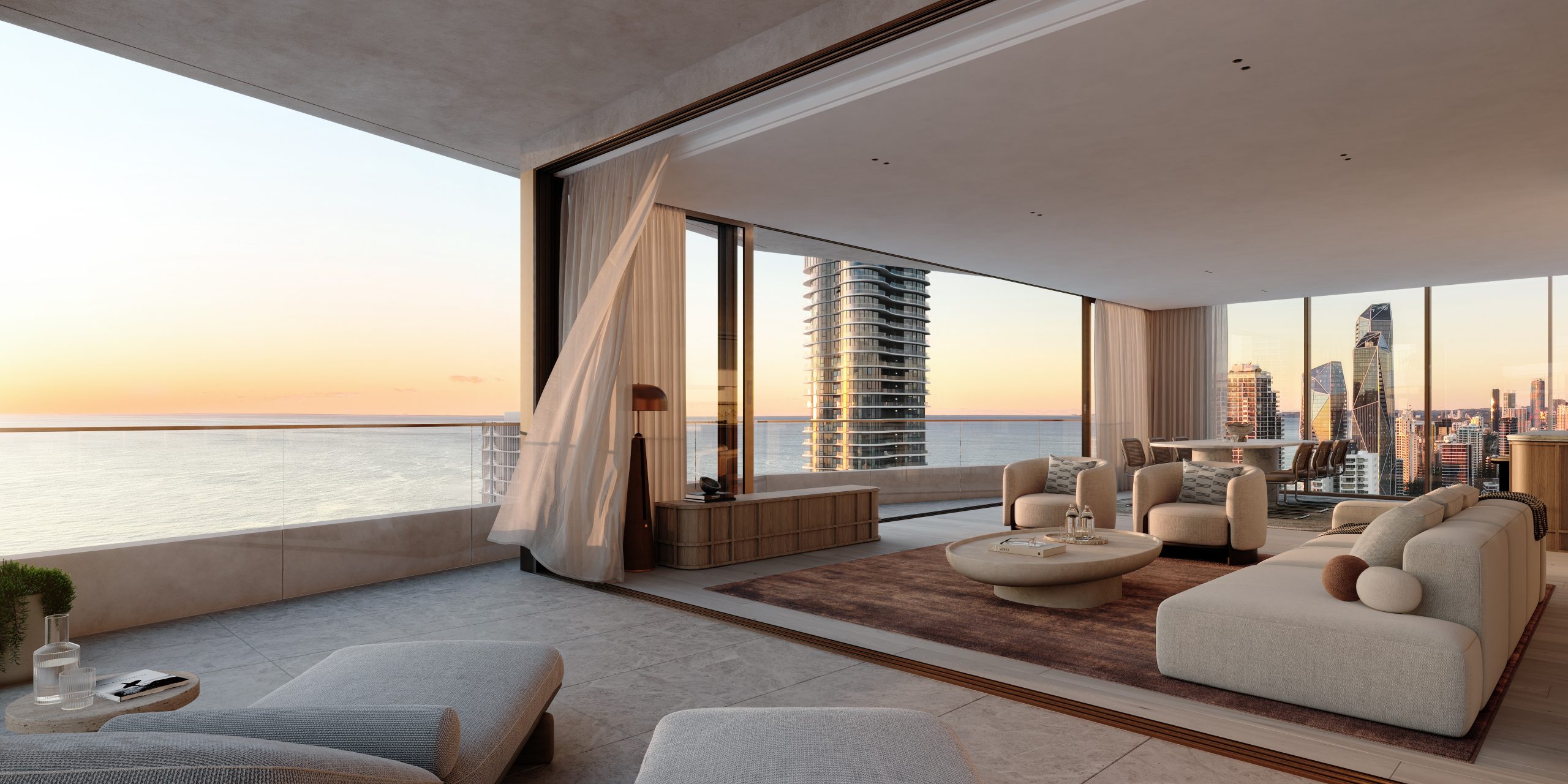
Mirvac’s 45-level Trielle has topped out at Yarra’s Edge, pairing riverfront apartments with wellness facilities, private dining and resident services.
3 min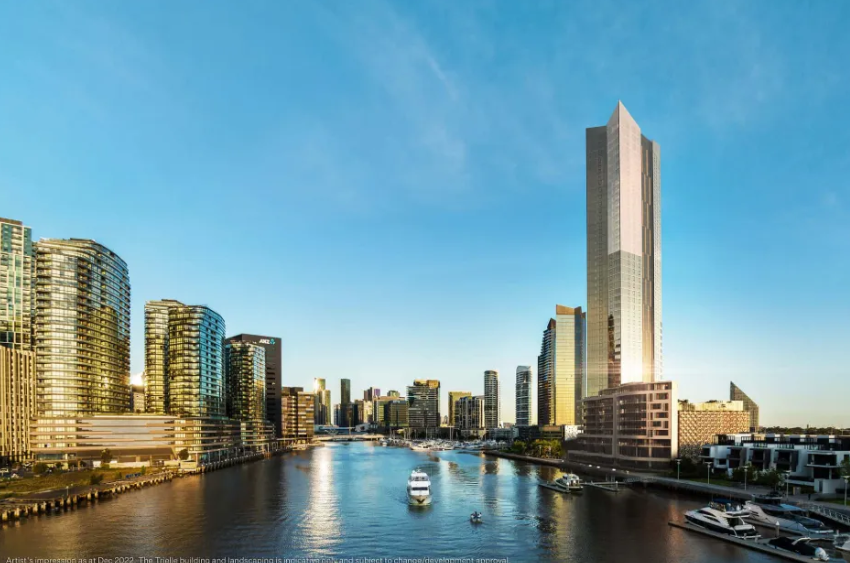
Mirvac has topped out Trielle at Melbourne’s Yarra’s Edge, with more than 70 per cent of the riverfront development sold and approximately 80 per cent of purchasers intending to make their apartment a home.
The figures, released on September 22, point to an owner-occupier audience for one of the precinct’s final residential towers. Mirvac began developing Yarra’s Edge in 2003, and its latest addition occupies one of the remaining absolute riverfront sites.
Mirvac CEO of Development Stuart Penklis said existing residents were among those moving up within the neighbourhood.
“Many purchasers already have a connection to Yarra’s Edge,” Mr Penklis said, describing buyers whose changing needs were encouraging an upgrade within the precinct.
“As one of the final residential towers within Yarra’s Edge, Trielle represents the culmination of more than two decades of creating one of Melbourne’s most established and sought-after waterfront communities,” Penklis said.
“Positioned on the Collins Street axis with absolute river frontage, Trielle offers residents a rare opportunity to enjoy sweeping views across the Yarra River, Melbourne skyline and Port Phillip Bay, while remaining seamlessly connected to the CBD. With Trielle now more than 70 per cent sold, we’re continuing to see strong demand from buyers seeking quality homes in established locations.”
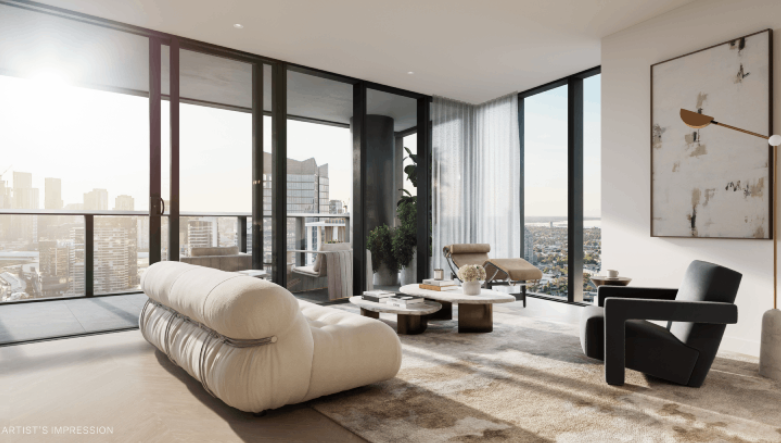
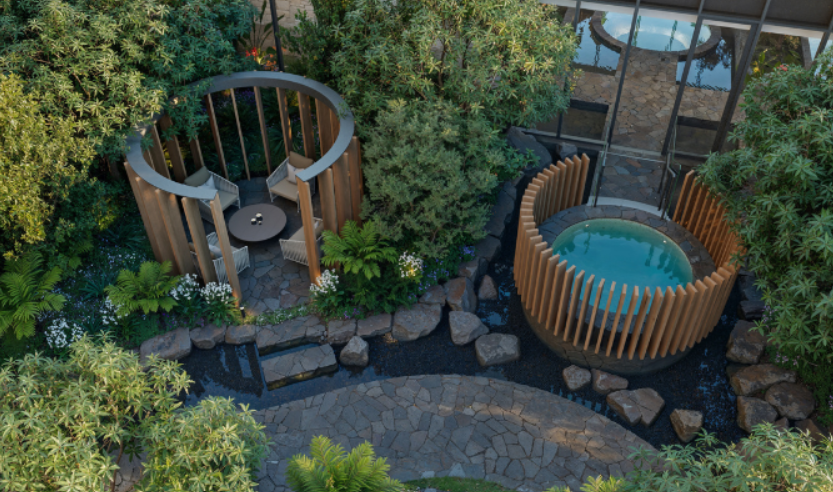
The developer also flagged a penthouse and sub-penthouse collection with larger layouts, premium finishes and broad outlooks. The planned wellness centrepiece, The Oasis, encompasses a 900-square-metre elevated urban rainforest.
Mirvac General Manager Residential Development Victoria Elysa Anderson said Trielle had resonated strongly with buyers seeking a rare lifestyle offering in Melbourne.
“Opportunities to secure a new luxury residence on a riverfront site of this calibre are incredibly rare, particularly within a community like Yarra’s Edge,” Anderson said.
“What makes Trielle unique is the combination of exceptional views, world-class residential facilities and the lifestyle that already exists around it. Residents are buying into a mature waterfront community with parks, promenades, dining, wellness and strong community connections already in place.”
The 45-level tower brings a substantial new presence to that waterfront. Its residential offering spans one-, two-, three- and four-bedroom apartments, with Signature, Prestige and Sub-Penthouse collections accommodating different household sizes. The north-facing position connects the apartments visually to the river and city beyond.
Seven storeys above the promenade, the planned Oasis combines planting and a running stream with a Scandinavian-inspired wellness club developed with spa specialist Naomi Gregory. Facilities include a 25-metre lap pool, hot magnesium pool, sauna, hydrotherapy, a gym, yoga and Pilates room, and treatment spaces.
The amenity extends beyond exercise. Residents will have access to The Biblioteca library and workspaces, ground-floor work pods, and The Salone piano lounge. A private Chef’s Table dining room offers a setting for larger gatherings, while a cinema, games room and sports lounge broaden the entertaining options. Concierge services and a dog-wash area support everyday routines.
Trielle comprises a collection of one, two, three and four-bedroom residences. Reflecting strong demand from owner occupiers, approximately 80 per cent of purchasers to date intend to live in their homes, highlighting the project’s appeal to those seeking a long-term waterfront lifestyle.
Mirvac has recently delivered The Albertine, a premium apartment development on the edge of Melbourne’s CBD, and is nearing completion of Prince & Parade in Brunswick, further strengthening its portfolio of thoughtfully designed apartment communities in some of Melbourne’s most sought-after urban locations.

The era of the gorgeous golden retriever is over. Today’s most coveted pooches have frightful faces bred to tug at our hearts.
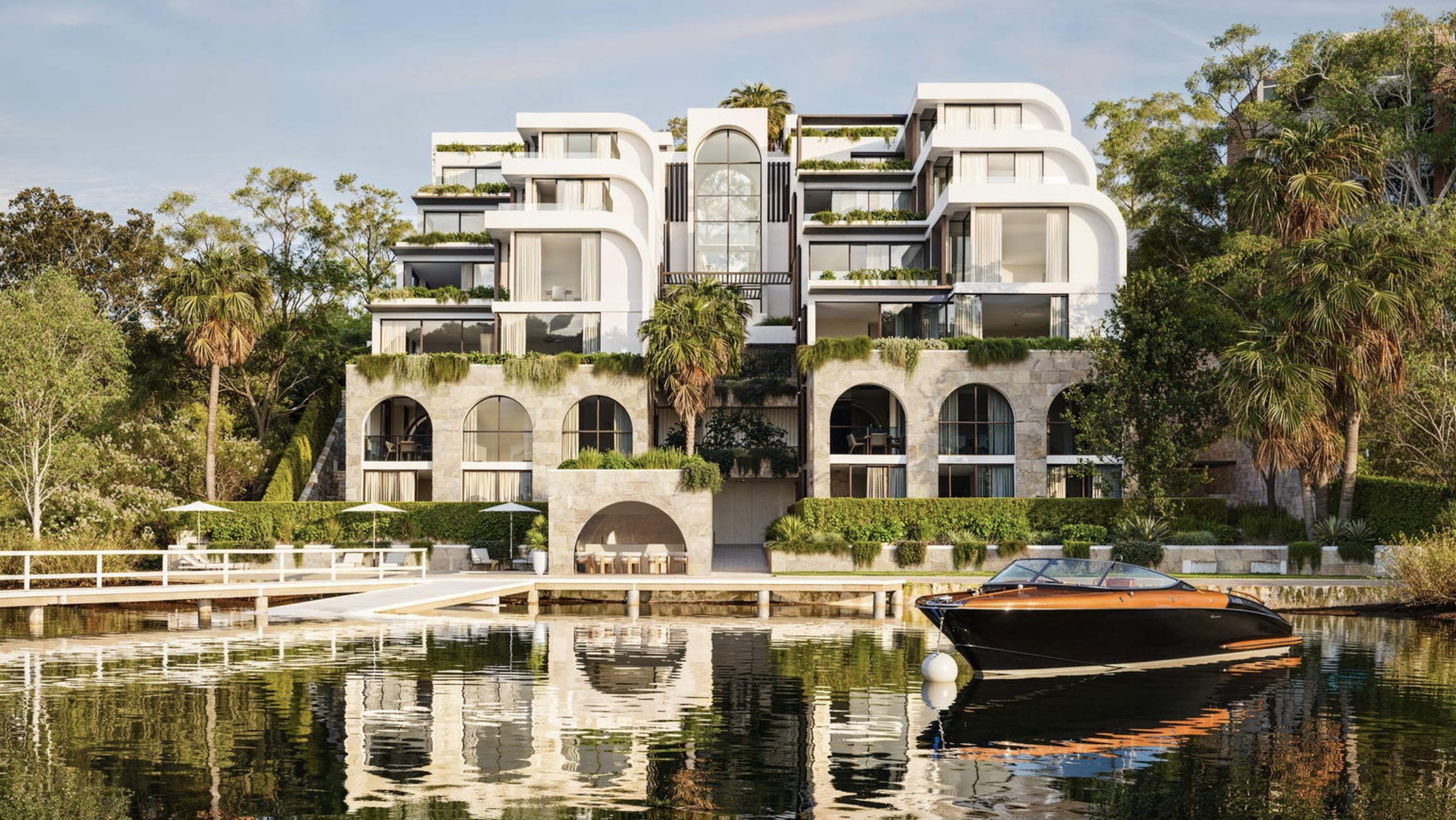
Advertising legend John Singleton unveils an exclusive 16-residence Caroline Bay development, marking his latest high-end property play on the Central Coast.