LESS SHOW, MORE SOUL: MOSAIC’S BROOK MONAHAN ON AUSTRALIAN LUXURY
Queensland’s prestige property market is maturing fast. Here, Mosaic Property Group founder Brook Monahan explains why true luxury in 2025 is all about substance, not flash.
 7 min
7 min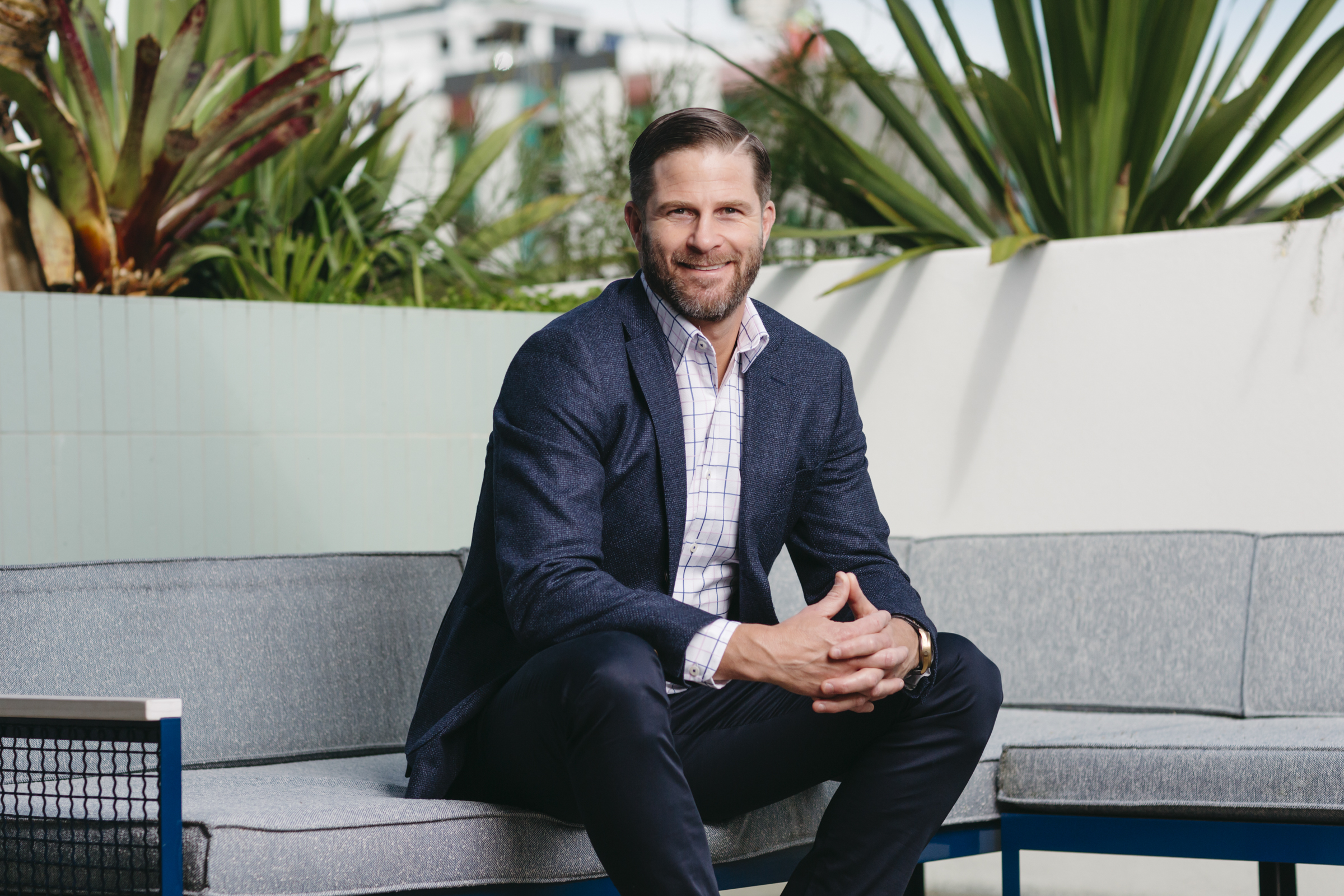
Australia’s top-end property scene has shifted gear. Gone are the days when luxury meant marble overload and imported everything. The new elite buyer is hunting something quieter; homes that feel grounded, crafted and enduring.
Few understand that evolution better than Brook Monahan, Founder and Managing Director of Mosaic Property Group, whose projects span the Gold Coast, Brisbane and the Sunshine Coast.
Monahan says resilience in Queensland’s prestige market comes from authenticity: design integrity, lifestyle appeal and a deep sense of place.
Here, he shares his insights on the state’s most resilient luxury markets, the evolution of Australian design, and the quiet details that separate good from great.
Q: In Queensland, prime buyer demand has shifted between beach, river and the inner-city. Where is the most resilient pocket for top-end stock, and why?
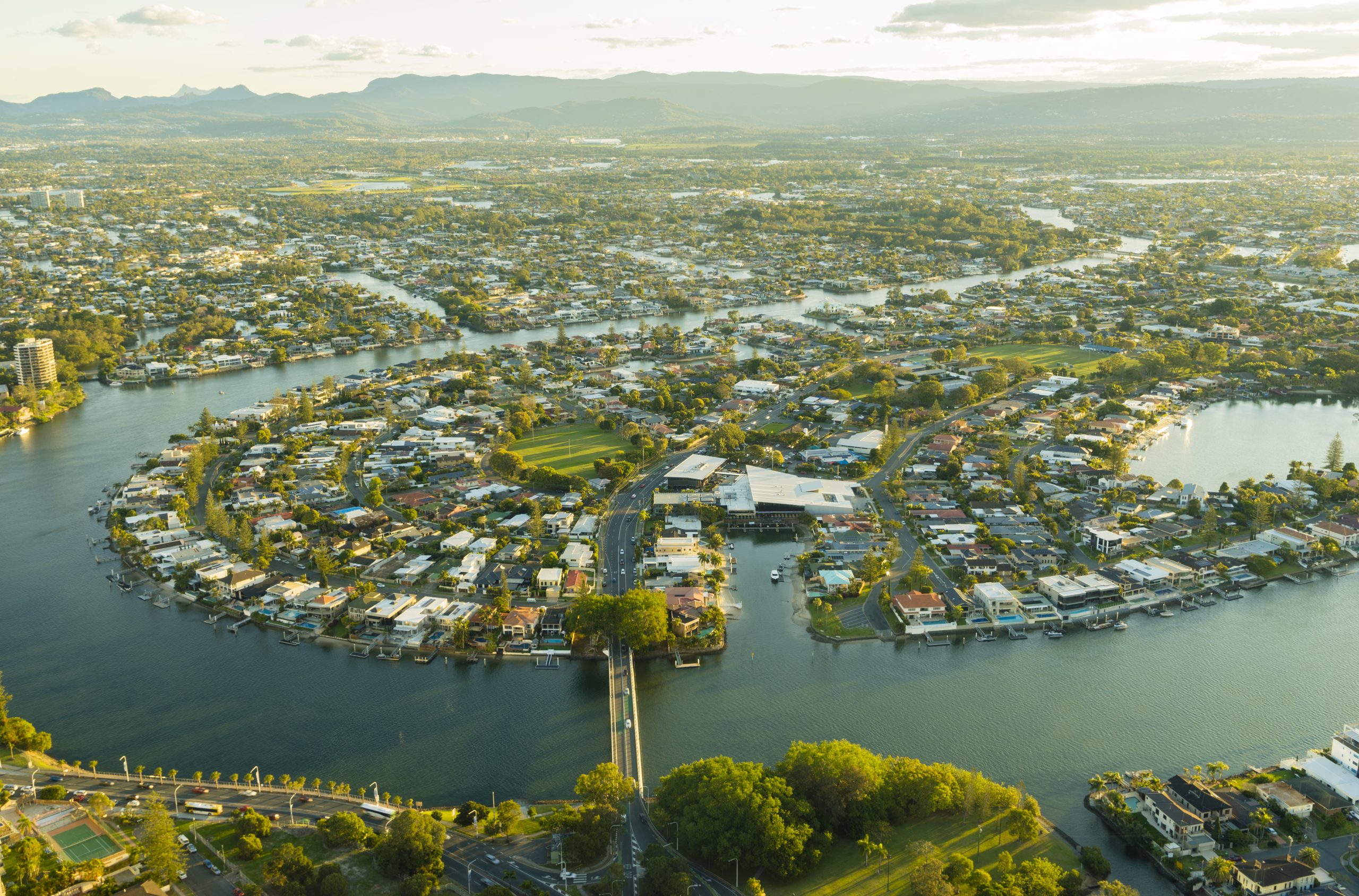
Resilience comes from substance — locations where natural beauty, amenity and scarcity combine with established demand from owner-occupiers. In Queensland, that strength is most evident across the beachfront Gold Coast, Brisbane’s inner riverside suburbs and on the Sunshine Coast its river and oceanfront corridors.
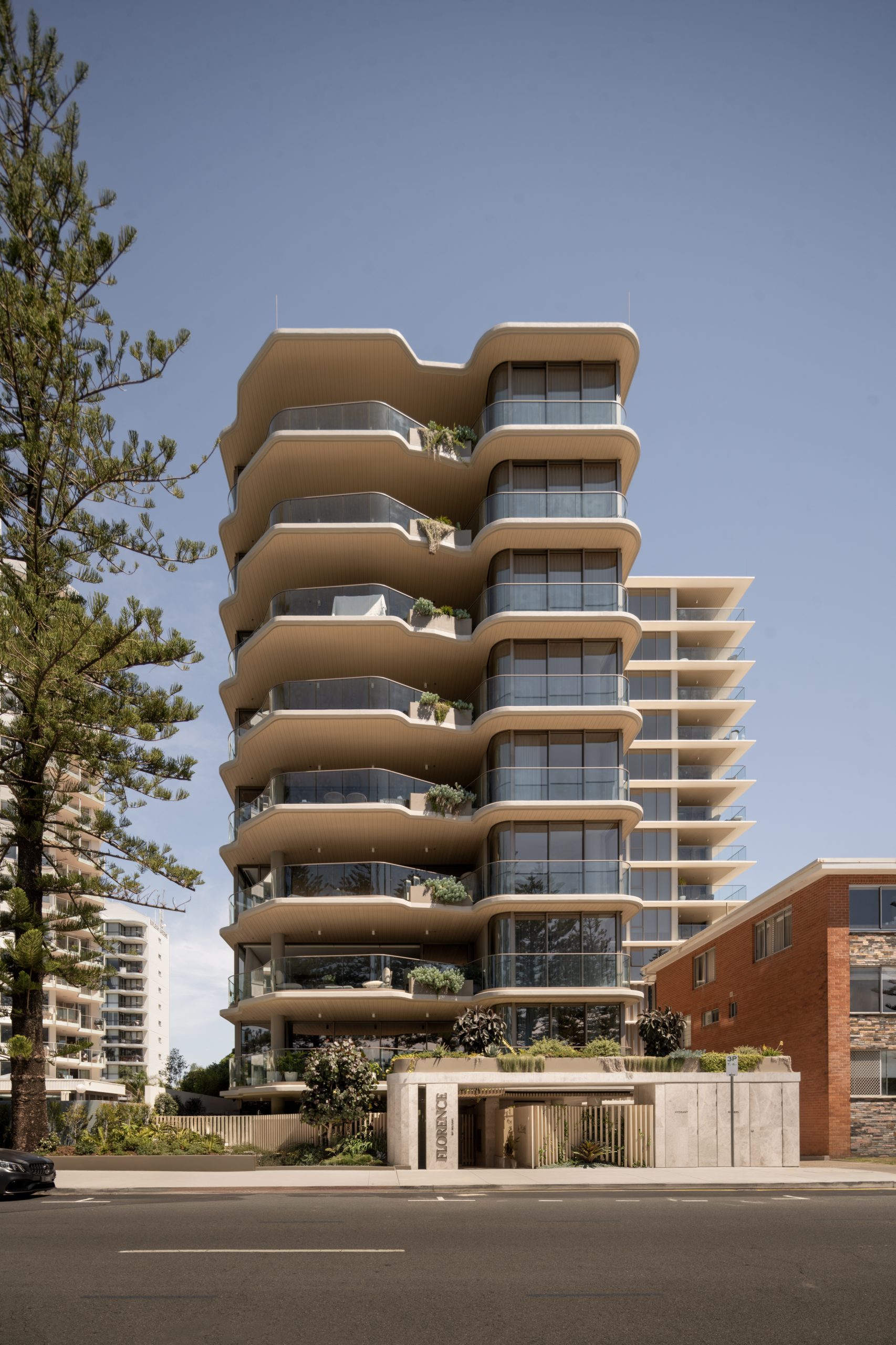
On the Gold Coast, the beachfront market has matured. There’s an extraordinary depth of demand for homes that can’t be replicated; true beachfront positions with scale, architectural integrity, and enduring appeal. Scarcity of developable beachfront land means that a premium product, well-executed, holds its value through every cycle.
In Brisbane, the river and city-view corridors continue to outperform. These are tightly held, highly liveable suburbs that balance connection and calm: walkable to local amenity and major precincts, yet private and residential in feel. Infrastructure investment and the city’s ongoing evolution ahead of 2032 are only strengthening that desirability.
The Sunshine Coast has also matured into a sophisticated prestige market, particularly along the Maroochydore River, Cotton Tree and oceanfront corridor.
The mix of natural beauty, limited developable waterfront land, and the emergence of a vibrant new CBD has created genuine long-term demand. Buyers are drawn to its balance of connection and calm; the ability to live on the water’s edge with access to strong local amenity and year-round liveability.
Ultimately, these are end-user-driven markets, not speculative ones. They attract people buying for lifestyle, and that’s what underpins long-term stability and growth.
Q: Define Australian luxury in 2025. How does that identity show up in Mosaic’s latest projects?
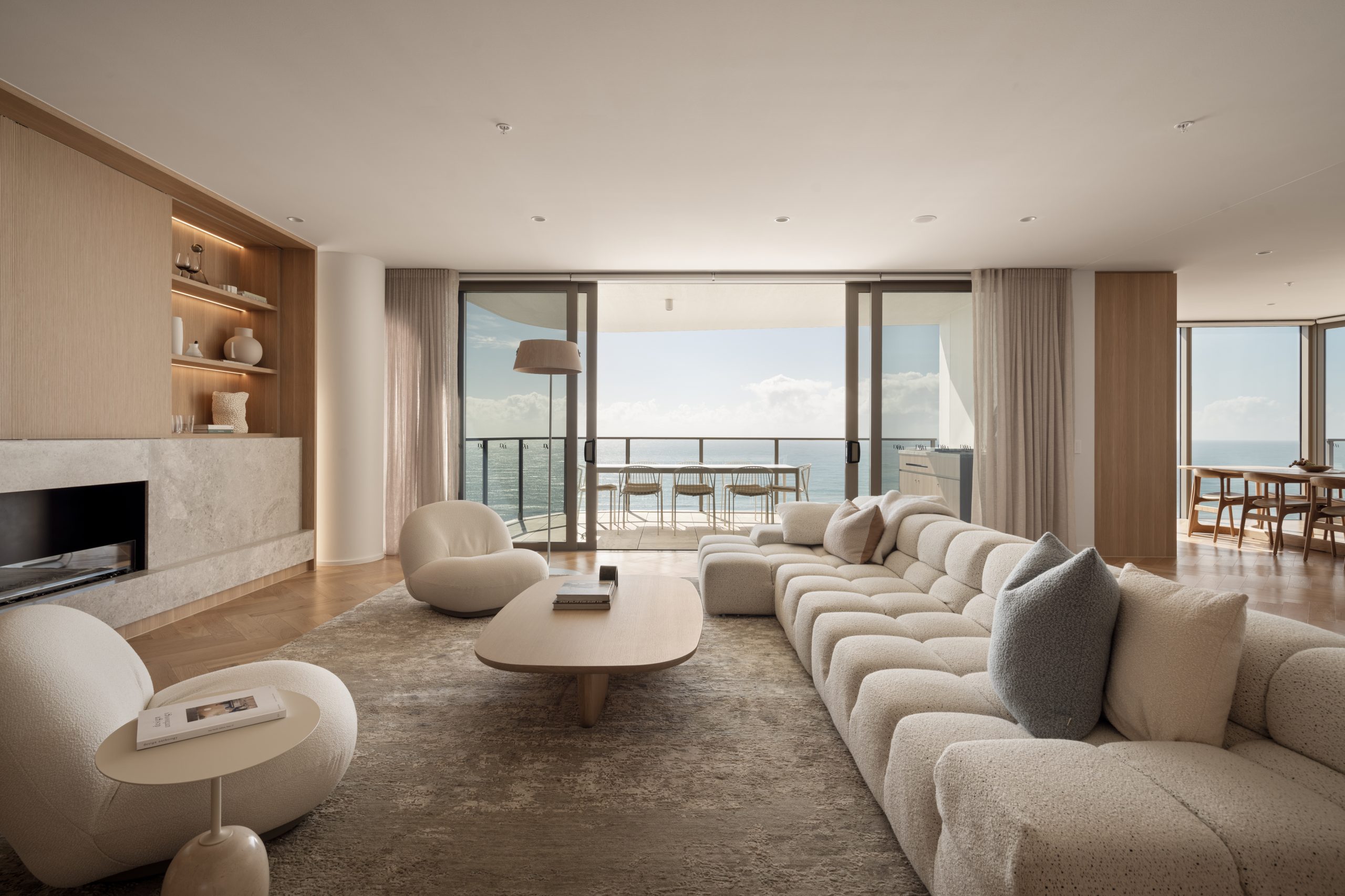
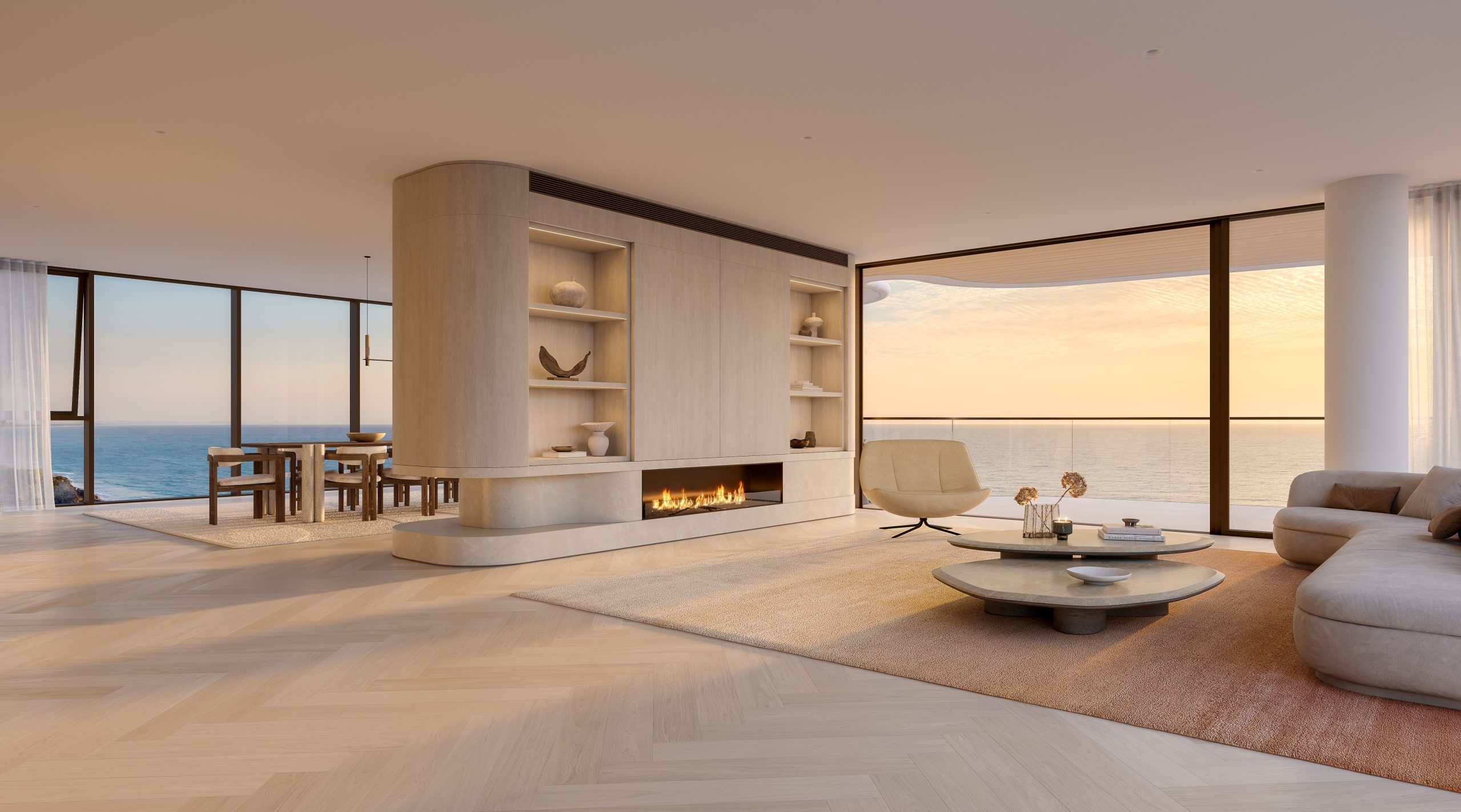
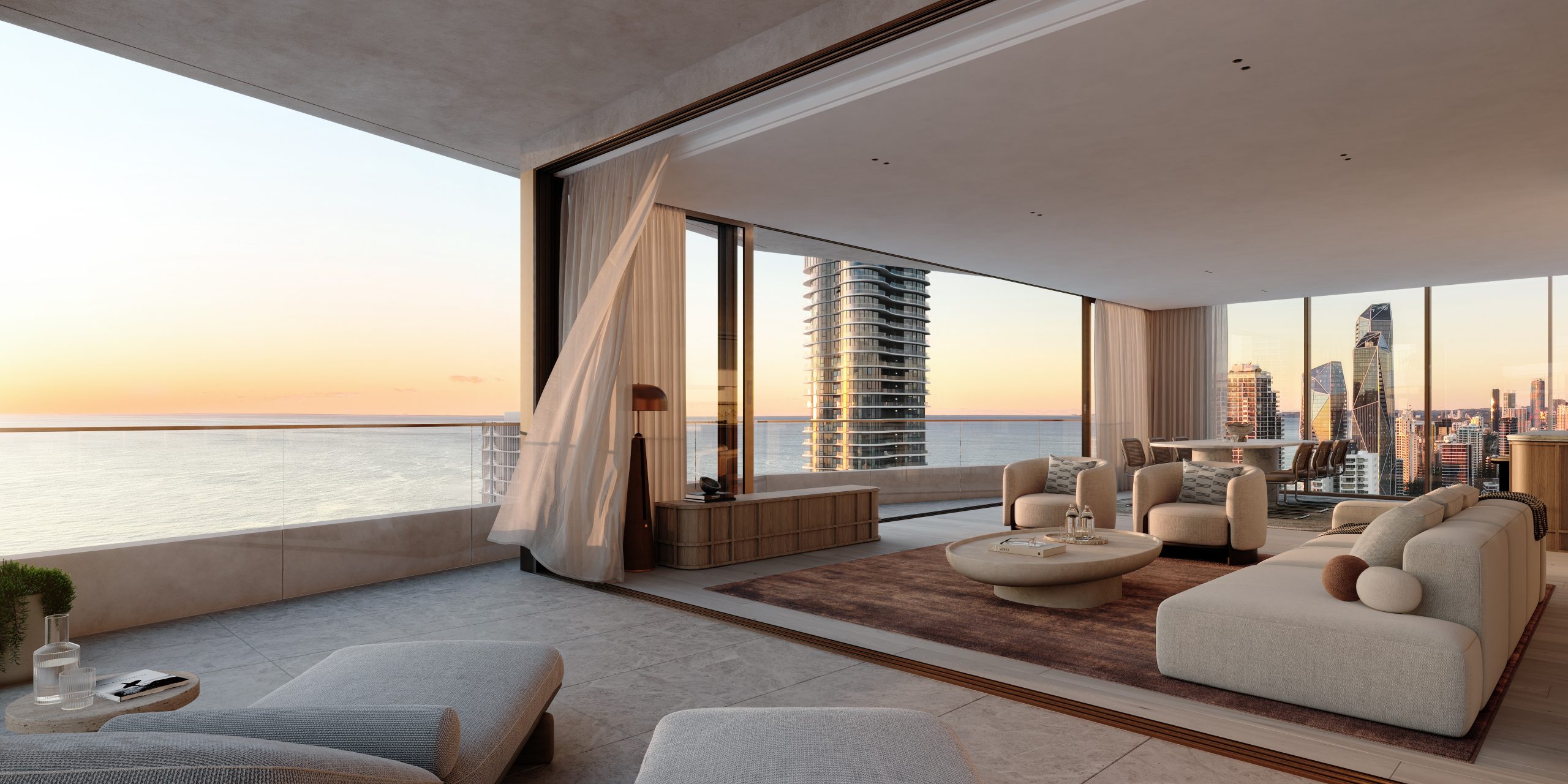
Australian luxury has matured. It’s less about statement and more about detail and quality, a quiet confidence built on space, natural light, clever design, craftsmanship, and connection to place. The new benchmark isn’t excess; it’s effortlessness. It’s how a home makes you feel every day – calm, confident, comfortable, and intuitively functional.
True luxury in Australia is deeply contextual. Our climate, our landscape, and our way of life demand homes that breathe, that blur the boundary between indoors and outdoors, and that are as enduring as they are beautiful. It’s architecture that sits lightly in its environment but delivers a richness of experience through proportion, materiality, and detail.
At Mosaic, that philosophy defines everything we do. Our approach to design is grounded in longevity, homes crafted for permanence, not fashion or social media likes.
Because we design, build and manage our buildings end-to-end, we see how they perform over time, and that accountability sharpens our focus on what genuinely matters: enduring materials, intelligent layouts, acoustic privacy, and a sense of calm that comes from considered design.
You see that in every Mosaic address, = luxury residences that feel inherently Australian, refined yet relaxed, built for real living and for the long term. That’s the future of Australian luxury: less show, more soul.
Q: What quiet inclusions deliver the biggest lift in comfort, privacy and resale?
The features that have the greatest impact aren’t always the ones people notice first;they’re the ones you feel. Acoustic performance, for example, makes an enormous difference to day-to-day comfort. The ability to live in peace, to hear nothing but what you choose, is one of the greatest luxuries there is.
Proportion and planning are just as powerful. Well-considered layouts that separate living and sleeping zones, generous storage, and logical flow elevate liveability in a way that’s immediately intuitive. When a home simply “works”, buyers sense it.
Then there’s climate control through passive design, orientation, advanced glazing systems, and cross-ventilation that make a space comfortable year-round without overreliance on mechanical systems. It’s a smarter, more sustainable form of comfort that Australians instinctively value.
These are the quiet qualities that underpin both enjoyment and long-term value. They’re not about embellishment; they’re about thoughtfulness. A well-designed home ages gracefully and that’s what ultimately protects resale.
Q: Materials are having a truth moment. Which finishes or systems have proven their worth over ten years of Queensland sun and salt?
You can’t outlast Queensland’s climate without respect for it. The combination of heat, humidity and salt is unforgiving. It exposes every weakness in design and material choice. Over time, we’ve learned that honest, well-detailed materials always win.
We continue to rely on solid masonry construction, high-performance glazing systems, and powder-coated aluminium for their resilience and low maintenance. Natural stone, when correctly specified and detailed, weathers beautifully.
But the real difference isn’t the material itself, it’s the way it’s resolved. Longevity lives in the detailing: fixings, joints, drainage and protection from the elements.
Because we design, build and then manage our projects for up to 25 years post completion, we see how every decision performs over time.
The customer feedback loop has also shaped a culture of accountability and refinement. We’re constantly learning from what we’ve delivered. Ten years on, the buildings that still look and function as they did on day one are the ones that were designed with restraint, built with care, and finished with authenticity.
Q: What do you think will be the impact of Brisbane 2032 on the property market?
The 2032 Games will be a defining moment for Brisbane, not just economically, but culturally. It will fast-track infrastructure, elevate global awareness, and build confidence in the city’s long-term potential. But its real legacy won’t be about short-term growth; it will be about maturity.
Brisbane is already evolving from a big country town into a genuinely international city. The Olympics will accelerate that transformation, attracting talent, capital, and global attention, but the lasting benefit will come from the way the city learns to carry itself.
We’ll see more design excellence, stronger placemaking, and a shift toward higher expectations in quality and delivery.
For developers like Mosaic, that’s an exciting challenge. It raises the bar, which is exactly what the city needs. But resilience won’t come from hype; it will come from substance – well-located, enduring homes that respond to Brisbane’s climate, character, and way of life.
That’s where we’re focused: delivering projects that will stand the test of time long after 2032.
Q: What is the strongest source of buyer demand you expect over the next two years, and how are you designing apartments to match it?
The strongest demand continues to come from downsizers and rightsizers, people at a stage in life where quality, comfort and connection matter most. They’re looking to simplify without compromise; to exchange maintenance for mastery, a home that offers the same sense of space, privacy and permanence they’ve always valued, but in a location that genuinely enhances daily life.
For this buyer, location is everything. They want to stay close to the places and communities they love, the beach, the river, the village, but in a home that delivers ease rather than upkeep.
Walkability, outlook and proximity to amenity have become defining qualities of luxury. The most sought-after sites are those with inherent, lasting value, places that can’t simply be replicated elsewhere.
We’re also seeing continued growth from professionals and families who now view apartment living as a permanent choice rather than a stepping stone.
They expect the design sophistication and amenity of a freestanding home, paired with the connection, convenience and security of well-considered, professionally managed communities.
We invest heavily in research and customer feedback to deeply understand how people live and what they value most. Insights from that process shape everything, from apartment functionality and material selection to communal amenity and building management.
It’s a constant learning loop that ensures the homes we create consistently meet the market and evolve with changing buyer expectations.
That understanding directly informs our design philosophy. Many of our residences now occupy full or half floor apartments, offering the scale and privacy of a traditional home within a secure, low-maintenance building.
Layouts are generous and highly functional, with direct lift access, thoughtful zoning between living and sleeping areas, refined acoustics and abundant storage. The goal is simple: create apartments that live comfortably, privately and intuitively.
Curated resident amenities extend that sense of comfort and belonging beyond the front door, from pools, wellness spaces and landscaped retreats to private dining areas and lounge zones that encourage genuine connection while preserving privacy.
These spaces are designed as an extension of home, reflecting the same level of care and craftsmanship that defines the residences themselves.
The homes that continue to perform, both in liveability and value. are those conceived with longevity in mind: defined by place, designed for real living, and crafted to stand the test of time.
Genuine demand always centres on where and how people truly want to live.
Q: What is one piece of advice you can give high-net-worth buyers?
Buy quality, and buy from people who stand behind what they deliver. In today’s market, trust, track record and delivery are everything.
We’ve seen too many projects falter because promises weren’t matched by execution or capability. A developer’s record of delivery, their depth of involvement, and their willingness to remain accountable beyond settlement are the clearest indicators of genuine value.
Quality isn’t about surface impressions, it’s about integrity. The way a building is conceived, constructed, detailed and maintained determines how it performs over time.
Too often, decisions are made on aesthetics or views, but true confidence comes from how a home lives: how it feels every day and how it continues to function years down the track. A well-built home should age gracefully, not visibly.
We’re unique in that we’re not just the developer, we’re also the co-designer and builder. That direct control from concept to completion safeguards quality at every stage and ensures what’s promised is what’s delivered.
Over the years, we’ve built deep trust in our brand because we’ve delivered every project we’ve ever committed to, through every cycle, without exception.
People know that we remain involved long after completion, and that level of accountability gives them confidence their investment will stand the test of time.
For buyers, the smartest decision is to align with a developer that designs and builds for longevity and legacy, not for turnover. When values and intentions align, you’re not just buying a property, you’re investing in confidence, continuity and something that will hold its worth in every sense of the word.
This interview appeared in the summer 2025 issue of Kanebridge Quarterly Magazine, which you can buy here.

From making unpopular decisions to learning when to listen, leaders from five businesses reveal what nobody prepared them for — and how running a company has challenged their expectations.

Technology and semiconductor shares fell sharply as investors questioned the debt financing the AI infrastructure boom and confronted higher rates and Chinese competition.
Mirvac’s 45-level Trielle has topped out at Yarra’s Edge, pairing riverfront apartments with wellness facilities, private dining and resident services.
3 min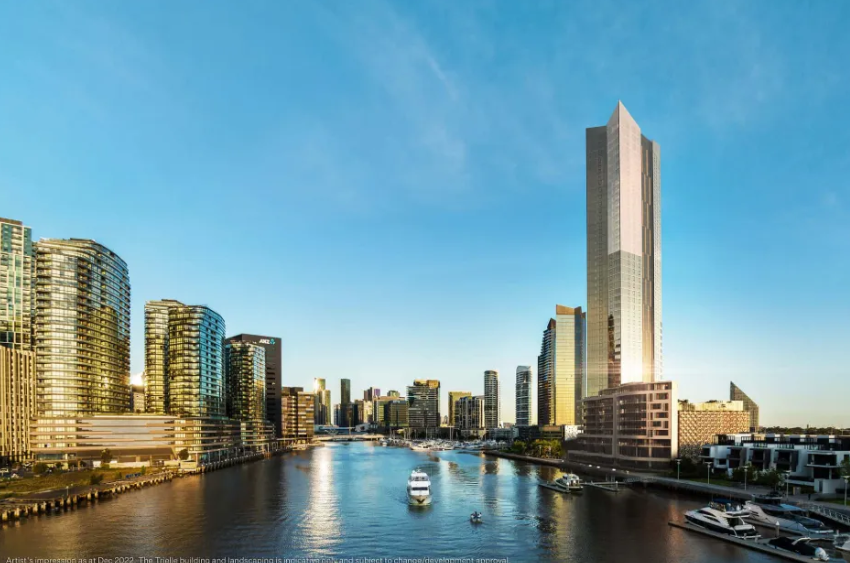
Mirvac has topped out Trielle at Melbourne’s Yarra’s Edge, with more than 70 per cent of the riverfront development sold and approximately 80 per cent of purchasers intending to make their apartment a home.
The figures, released on September 22, point to an owner-occupier audience for one of the precinct’s final residential towers. Mirvac began developing Yarra’s Edge in 2003, and its latest addition occupies one of the remaining absolute riverfront sites.
Mirvac CEO of Development Stuart Penklis said existing residents were among those moving up within the neighbourhood.
“Many purchasers already have a connection to Yarra’s Edge,” Mr Penklis said, describing buyers whose changing needs were encouraging an upgrade within the precinct.
“As one of the final residential towers within Yarra’s Edge, Trielle represents the culmination of more than two decades of creating one of Melbourne’s most established and sought-after waterfront communities,” Penklis said.
“Positioned on the Collins Street axis with absolute river frontage, Trielle offers residents a rare opportunity to enjoy sweeping views across the Yarra River, Melbourne skyline and Port Phillip Bay, while remaining seamlessly connected to the CBD. With Trielle now more than 70 per cent sold, we’re continuing to see strong demand from buyers seeking quality homes in established locations.”
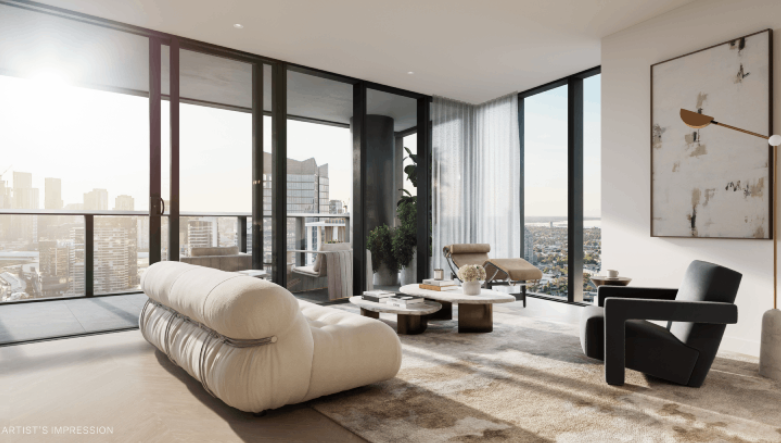
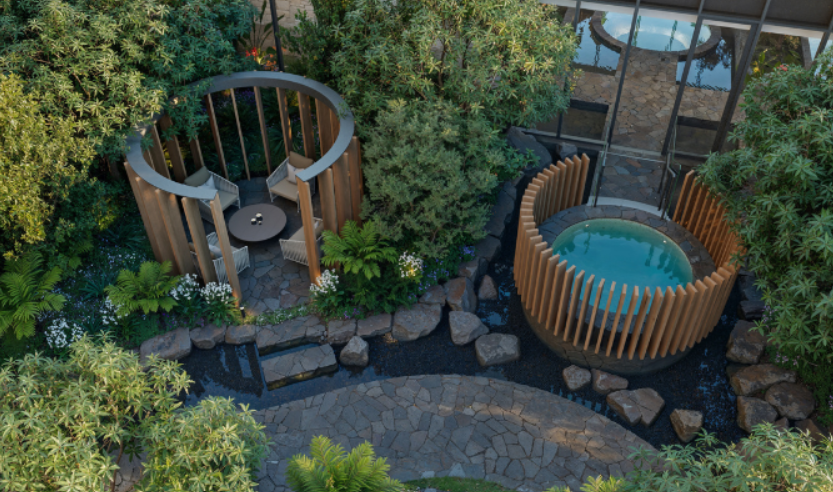
The developer also flagged a penthouse and sub-penthouse collection with larger layouts, premium finishes and broad outlooks. The planned wellness centrepiece, The Oasis, encompasses a 900-square-metre elevated urban rainforest.
Mirvac General Manager Residential Development Victoria Elysa Anderson said Trielle had resonated strongly with buyers seeking a rare lifestyle offering in Melbourne.
“Opportunities to secure a new luxury residence on a riverfront site of this calibre are incredibly rare, particularly within a community like Yarra’s Edge,” Anderson said.
“What makes Trielle unique is the combination of exceptional views, world-class residential facilities and the lifestyle that already exists around it. Residents are buying into a mature waterfront community with parks, promenades, dining, wellness and strong community connections already in place.”
The 45-level tower brings a substantial new presence to that waterfront. Its residential offering spans one-, two-, three- and four-bedroom apartments, with Signature, Prestige and Sub-Penthouse collections accommodating different household sizes. The north-facing position connects the apartments visually to the river and city beyond.
Seven storeys above the promenade, the planned Oasis combines planting and a running stream with a Scandinavian-inspired wellness club developed with spa specialist Naomi Gregory. Facilities include a 25-metre lap pool, hot magnesium pool, sauna, hydrotherapy, a gym, yoga and Pilates room, and treatment spaces.
The amenity extends beyond exercise. Residents will have access to The Biblioteca library and workspaces, ground-floor work pods, and The Salone piano lounge. A private Chef’s Table dining room offers a setting for larger gatherings, while a cinema, games room and sports lounge broaden the entertaining options. Concierge services and a dog-wash area support everyday routines.
Trielle comprises a collection of one, two, three and four-bedroom residences. Reflecting strong demand from owner occupiers, approximately 80 per cent of purchasers to date intend to live in their homes, highlighting the project’s appeal to those seeking a long-term waterfront lifestyle.
Mirvac has recently delivered The Albertine, a premium apartment development on the edge of Melbourne’s CBD, and is nearing completion of Prince & Parade in Brunswick, further strengthening its portfolio of thoughtfully designed apartment communities in some of Melbourne’s most sought-after urban locations.
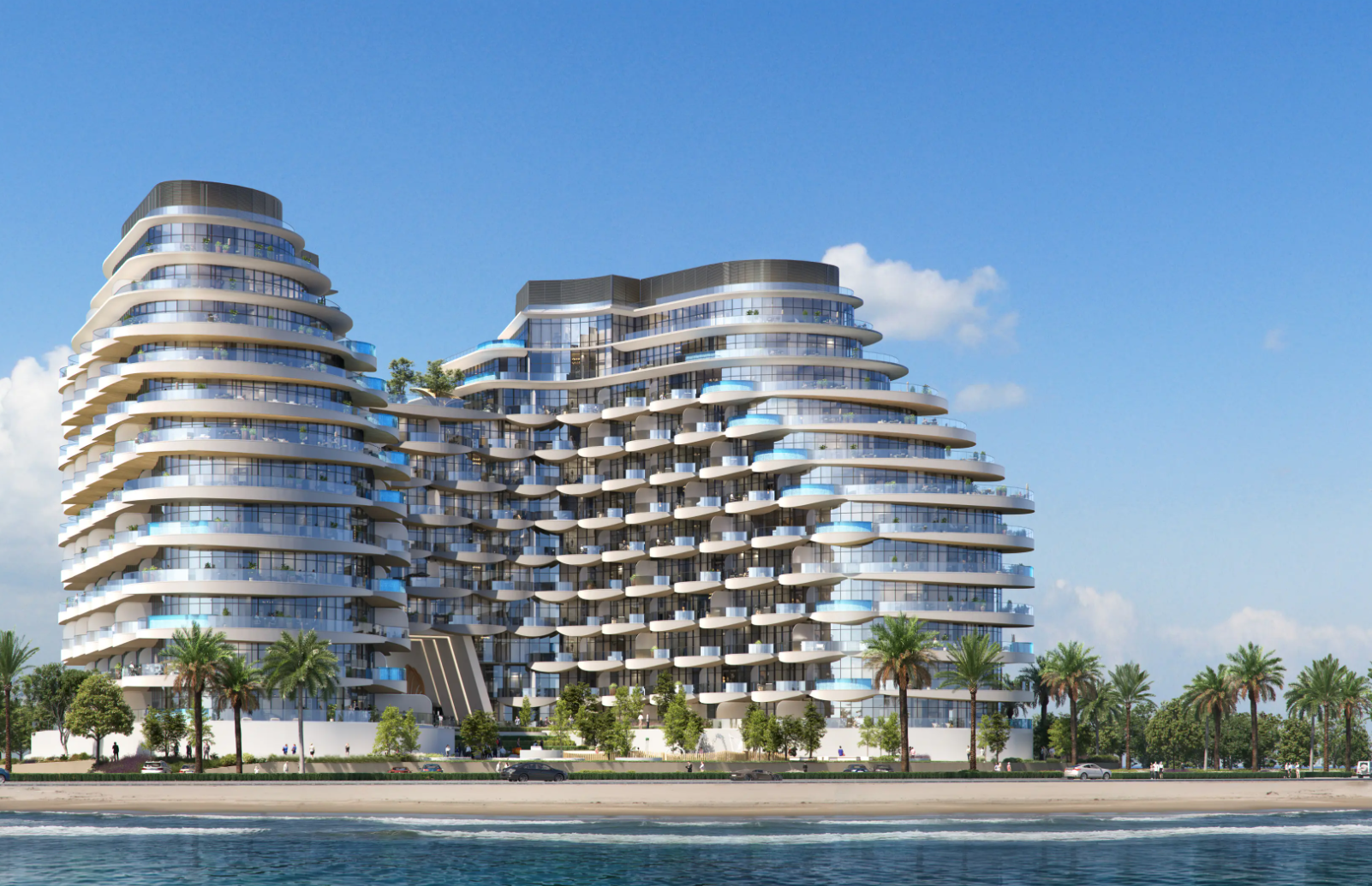
BNW Developments has established a Sydney presence, joining Arada and Sobha Realty among the growing number of UAE developers pursuing Australian buyers and development opportunities.
As interest rates, inflation and market sentiment fluctuate, investors are being urged to focus on data, not panic.