Luxury Co-Ownership: How Affluent Aussies Are Sharing High-End Holiday Homes
An intriguing new holiday home concept is emerging for high net worth Australians.
 3 min
3 min
Affluent Aussies with a savvy financial mindset have been sharing the expense of their luxury lifestyles for years through yacht and private jet syndicates, and now the idea has stretched to high-end holiday homes.
A concept known as Second Home has reached the millionaire playground of Queenstown, New Zealand and the idea is tipped to soon take flight across the ditch.
Longtime co-ownership pioneers John and Sharon Russell started selling shares in luxury boats in Sanctuary Cove on the Gold Coast in 1999 and have now entered the holiday home space with Second Home.
Investors can purchase shares in a fully-managed vacation property, but unlike a timeshare, each owner’s name is on the title. As a result, the shares remain a sellable and appreciating asset.
“This is very similar to buying into a boat syndicate where you own a share and can use it as if it’s yours, without the full cost and responsibility of owning the boat outright,” Mr Russell said.
“With Second Home, you are purchasing the bricks and mortar of a New Zealand holiday home valued at over A$2.5 million – with your name on the title, and access to it and all the wonderful activities in and around Queenstown for six weeks each and every year.”
Currently under construction in the Kiwi ski town, there is a three bedroom apartment in the Jacks Point development on the shores of Lake Wakatipu, pictured. Eight shares of the architecturally designed, fully furnished apartment are available, from A$325,000 and include six weeks usage of throughout each year.
Mr Russell said the concept is a far cry from the better known short term rental schemes.
“This is not a hotel or Airbnb with tourists coming and going – the only people who stay in the home are the owners and their guests, who we encourage to get to know each other,” he explained.
“Second Home is ideal for people who aspire to own a holiday home and return with family and friends to enjoy the same region each year, but don’t want to invest so much capital in owning an apartment outright, only for it to be locked up for months on end.”
Additionally, he said the ongoing costs of owning a holiday home are also shared among owners.
“In the case of Jacks Point, each investor’s share of expenses is about $7000 annually, which covers body corporate and management fees, insurances and maintenance,” he added.
“Overall, that’s still significantly cheaper than booking accommodation each time they’d like to holiday in New Zealand.”
Property prices in Queenstown have increased by approximately 7 per cent a year over the past decade, with property experts tipping the median will continue to rise.
While Queenstown property prices have come off their post-pandemic high, the longterm snapshot of the popular holiday destination show that it has experienced incredible growth.
Data from realestate.co.nz showed from the beginning of 2015 to the end of 2024, average asking prices in Central Otago-Queenstown Lakes rose 106.6 per cent.
After hitting a peak in November 2022, house prices fell 5.27 per cent before bottoming out in December 2022. The average price of a Queenstown property in December 2024, according to CoreLogic NZ, was A$1.65m with values up 2.17 per cent over the three months prior.
“There can be some very lucrative capital gains to be made by buying into a shared holiday home,” Mr Russell said.
Second Home’s other NZ location is a six-bedroom, French-style chateau in the Carrick Winery in Central Otago. It comes with a Land Rover Defender 130 and six e-bikes. There are 13 shares available, valued at A$445,000 each, with annual expenses of around A$8,600.
The Russells also have one $40,000 share remaining of thirteen in a four-bedroom villa near Florence, Italy, where shareholders can enjoy an authentic Italian rural lifestyle for one month every year.
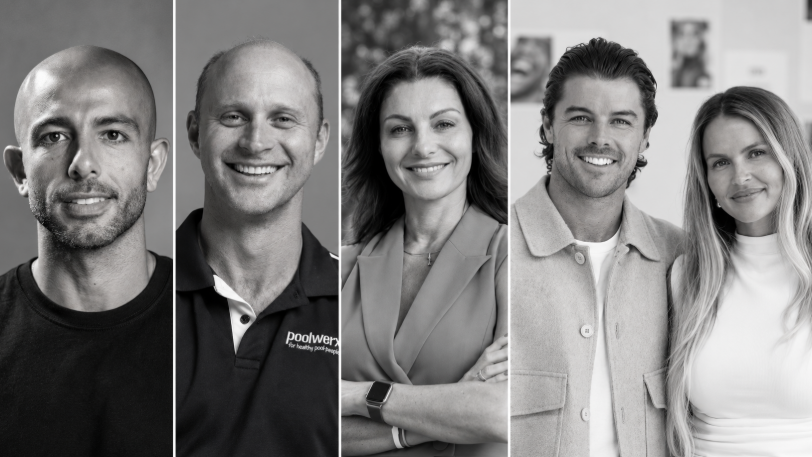
From making unpopular decisions to learning when to listen, leaders from five businesses reveal what nobody prepared them for — and how running a company has challenged their expectations.

Technology and semiconductor shares fell sharply as investors questioned the debt financing the AI infrastructure boom and confronted higher rates and Chinese competition.

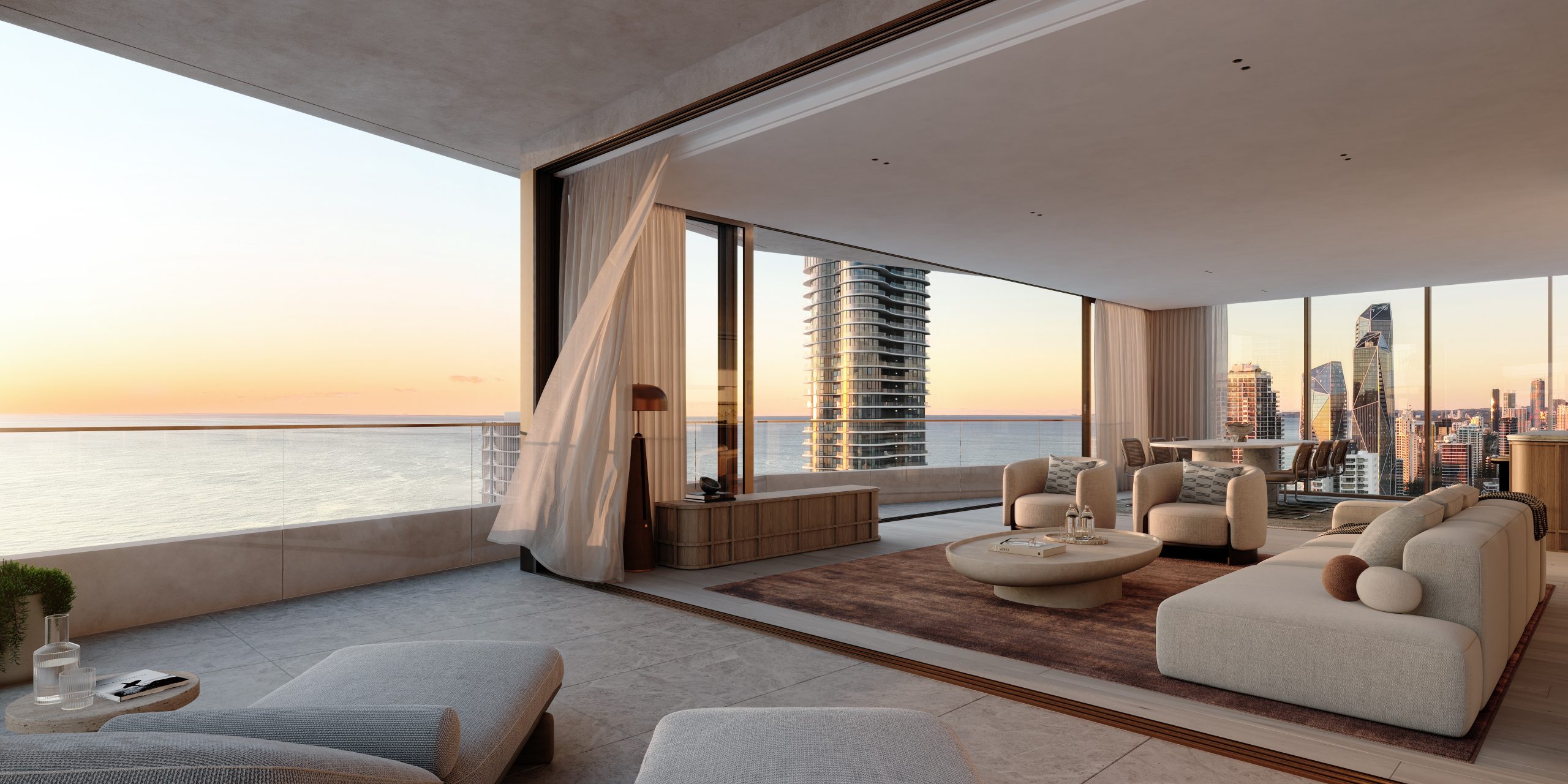
Mirvac’s 45-level Trielle has topped out at Yarra’s Edge, pairing riverfront apartments with wellness facilities, private dining and resident services.
3 min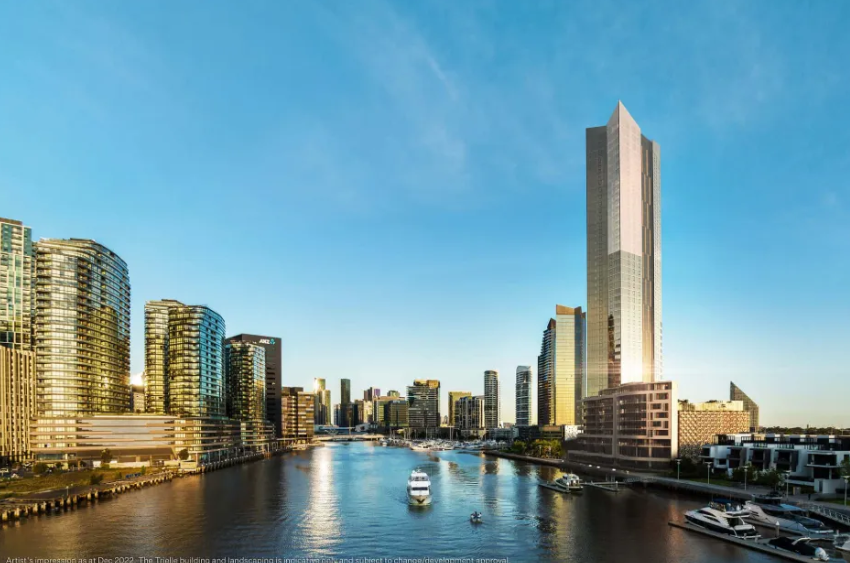
Mirvac has topped out Trielle at Melbourne’s Yarra’s Edge, with more than 70 per cent of the riverfront development sold and approximately 80 per cent of purchasers intending to make their apartment a home.
The figures, released on September 22, point to an owner-occupier audience for one of the precinct’s final residential towers. Mirvac began developing Yarra’s Edge in 2003, and its latest addition occupies one of the remaining absolute riverfront sites.
Mirvac CEO of Development Stuart Penklis said existing residents were among those moving up within the neighbourhood.
“Many purchasers already have a connection to Yarra’s Edge,” Mr Penklis said, describing buyers whose changing needs were encouraging an upgrade within the precinct.
“As one of the final residential towers within Yarra’s Edge, Trielle represents the culmination of more than two decades of creating one of Melbourne’s most established and sought-after waterfront communities,” Penklis said.
“Positioned on the Collins Street axis with absolute river frontage, Trielle offers residents a rare opportunity to enjoy sweeping views across the Yarra River, Melbourne skyline and Port Phillip Bay, while remaining seamlessly connected to the CBD. With Trielle now more than 70 per cent sold, we’re continuing to see strong demand from buyers seeking quality homes in established locations.”
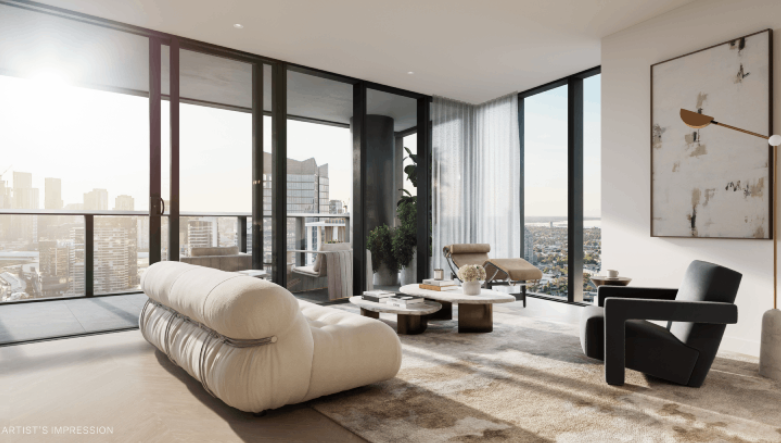
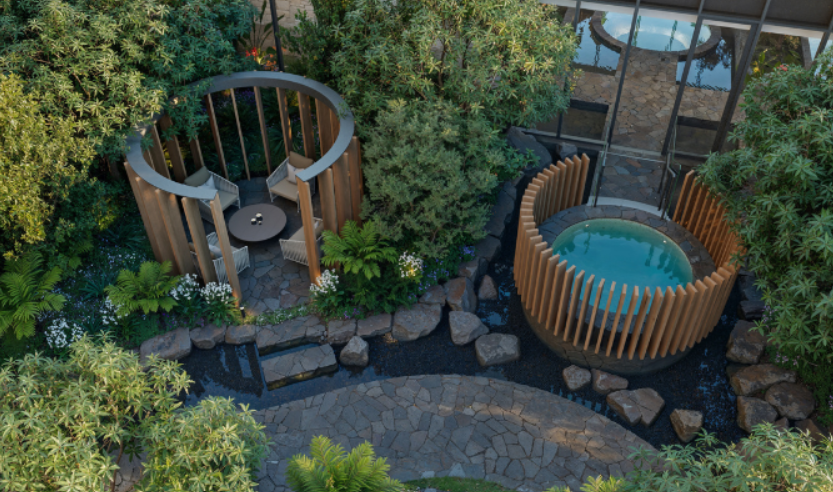
The developer also flagged a penthouse and sub-penthouse collection with larger layouts, premium finishes and broad outlooks. The planned wellness centrepiece, The Oasis, encompasses a 900-square-metre elevated urban rainforest.
Mirvac General Manager Residential Development Victoria Elysa Anderson said Trielle had resonated strongly with buyers seeking a rare lifestyle offering in Melbourne.
“Opportunities to secure a new luxury residence on a riverfront site of this calibre are incredibly rare, particularly within a community like Yarra’s Edge,” Anderson said.
“What makes Trielle unique is the combination of exceptional views, world-class residential facilities and the lifestyle that already exists around it. Residents are buying into a mature waterfront community with parks, promenades, dining, wellness and strong community connections already in place.”
The 45-level tower brings a substantial new presence to that waterfront. Its residential offering spans one-, two-, three- and four-bedroom apartments, with Signature, Prestige and Sub-Penthouse collections accommodating different household sizes. The north-facing position connects the apartments visually to the river and city beyond.
Seven storeys above the promenade, the planned Oasis combines planting and a running stream with a Scandinavian-inspired wellness club developed with spa specialist Naomi Gregory. Facilities include a 25-metre lap pool, hot magnesium pool, sauna, hydrotherapy, a gym, yoga and Pilates room, and treatment spaces.
The amenity extends beyond exercise. Residents will have access to The Biblioteca library and workspaces, ground-floor work pods, and The Salone piano lounge. A private Chef’s Table dining room offers a setting for larger gatherings, while a cinema, games room and sports lounge broaden the entertaining options. Concierge services and a dog-wash area support everyday routines.
Trielle comprises a collection of one, two, three and four-bedroom residences. Reflecting strong demand from owner occupiers, approximately 80 per cent of purchasers to date intend to live in their homes, highlighting the project’s appeal to those seeking a long-term waterfront lifestyle.
Mirvac has recently delivered The Albertine, a premium apartment development on the edge of Melbourne’s CBD, and is nearing completion of Prince & Parade in Brunswick, further strengthening its portfolio of thoughtfully designed apartment communities in some of Melbourne’s most sought-after urban locations.
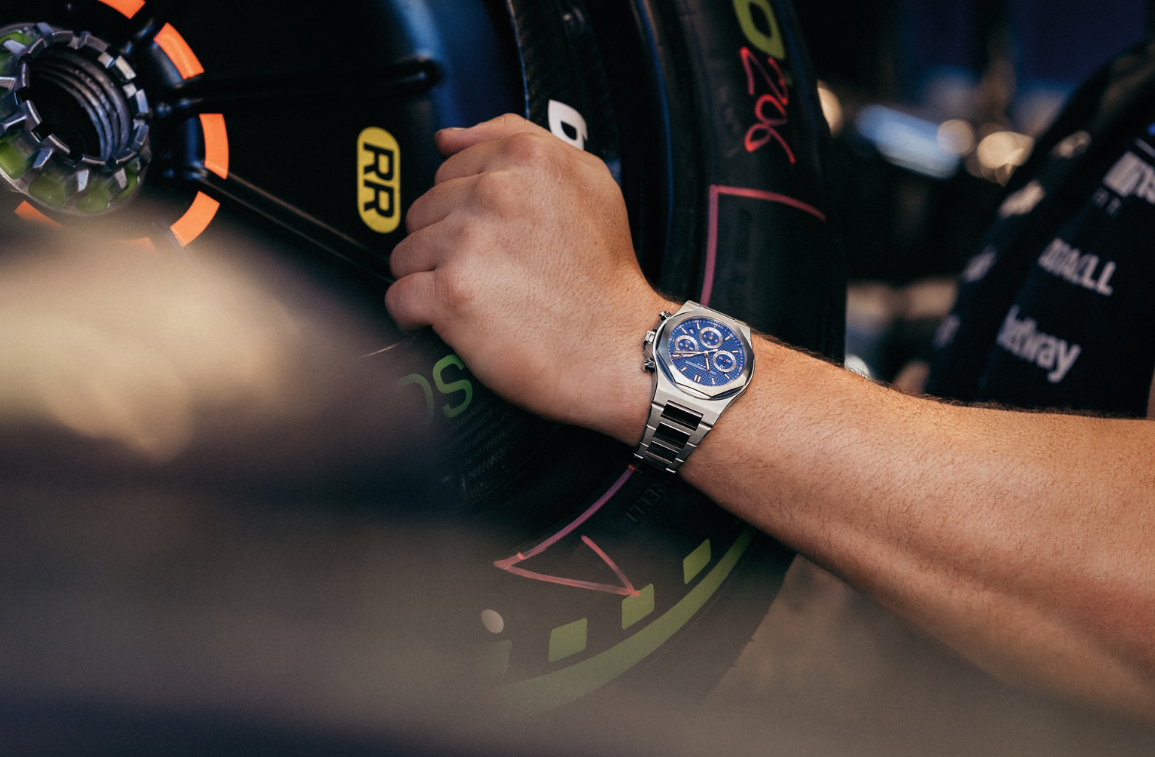
The Swiss watchmaker’s first collaboration with Atlassian Williams F1 Team produces two sporting Laureato models inspired by the team’s 2026 racing car.

The sports-car maker delivered 279,449 cars last year, down from 310,718 in 2024.