Melbourne’s top five new penthouses to buy in 2025
Penthouses are smashing suburb records across Melbourne. From South Yarra to Alphington, these five new sky-high homes lead the luxury pack in 2025.
 5 min
5 min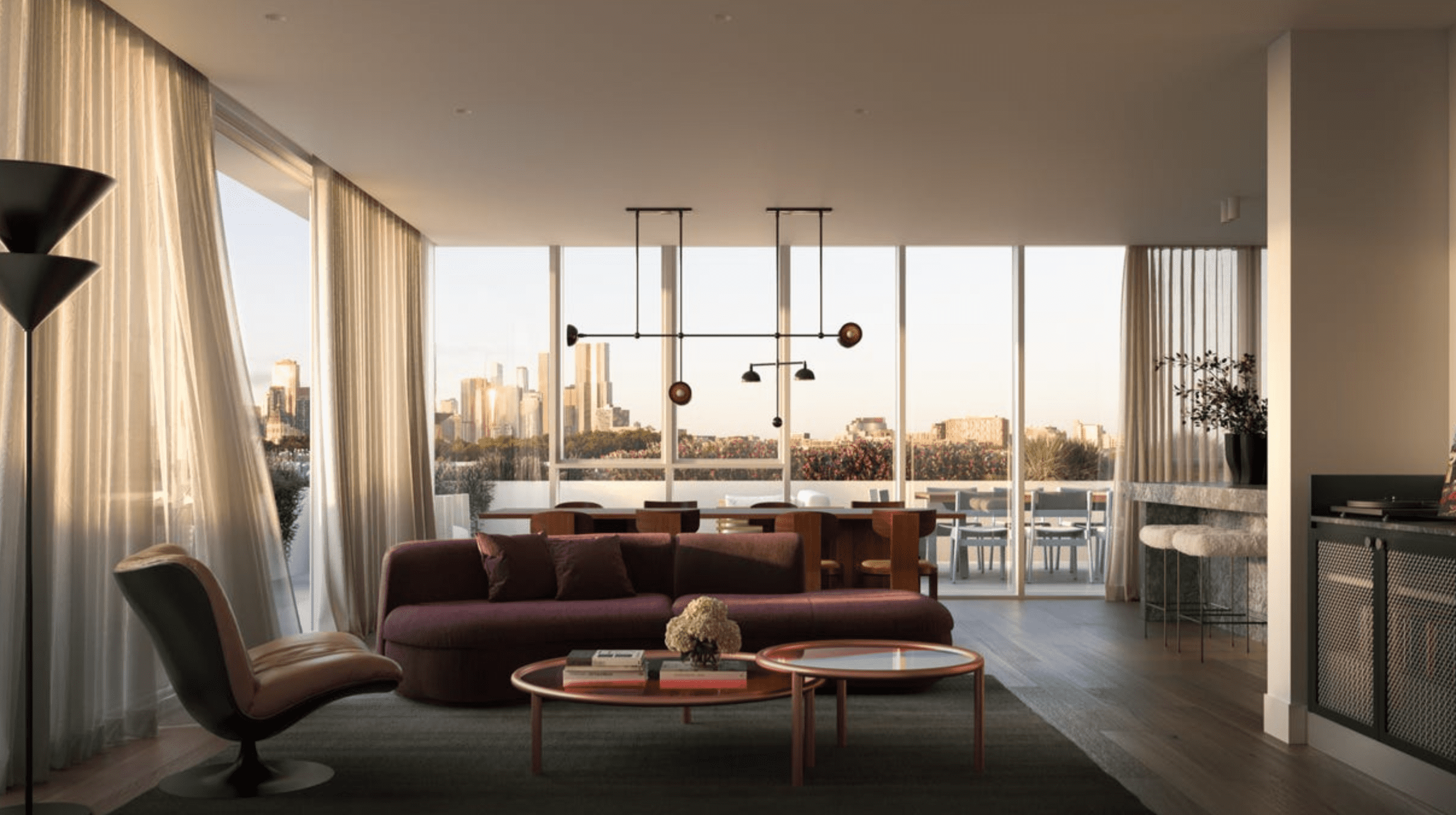
Penthouses have long represented the pinnacle of luxury living, but in Melbourne’s most sought-after inner suburbs, they’re now also setting suburb records—sometimes surpassing the price of standalone houses.
One recent sale in Fitzroy saw a penthouse atop the under-construction Fitzroy development change hands for $10 million, with an additional $3.5 million to be spent on the fitout—a new benchmark for the area.
It was the same story in Camberwell, where the penthouse crowning Victoria Hill by Time & Place sold off the plan for more than $15 million, another suburb record.
While Melbourne’s skyline remains more restrained than Sydney’s, its penthouses are growing more ambitious in scale and design. Most crown boutique developments are between 10 and 20 storeys high, taking advantage of uninterrupted views and prime, walkable locations.
Developers are pushing the boundaries of height and amenity, with rooftop pools, private lifts, sculptural interiors, and expansive outdoor spaces becoming the norm at the high end.
From South Yarra’s $19.5 million Art Deco-inspired showpiece to a heritage-blending super penthouse in Alphington and a rare full-floor offering in East Melbourne, we’ve rounded up the top five new penthouse apartments currently on the market in 2025.
South Yarra House, South Yarra
One of the priciest new penthouses on the market can be found in South Yarra, one of Melbourne’s premier suburbs. Joint venture partners Wattletree and Dorman Capital are asking $19.5 million for the penthouse of its under-construction new development, South Yarra House.
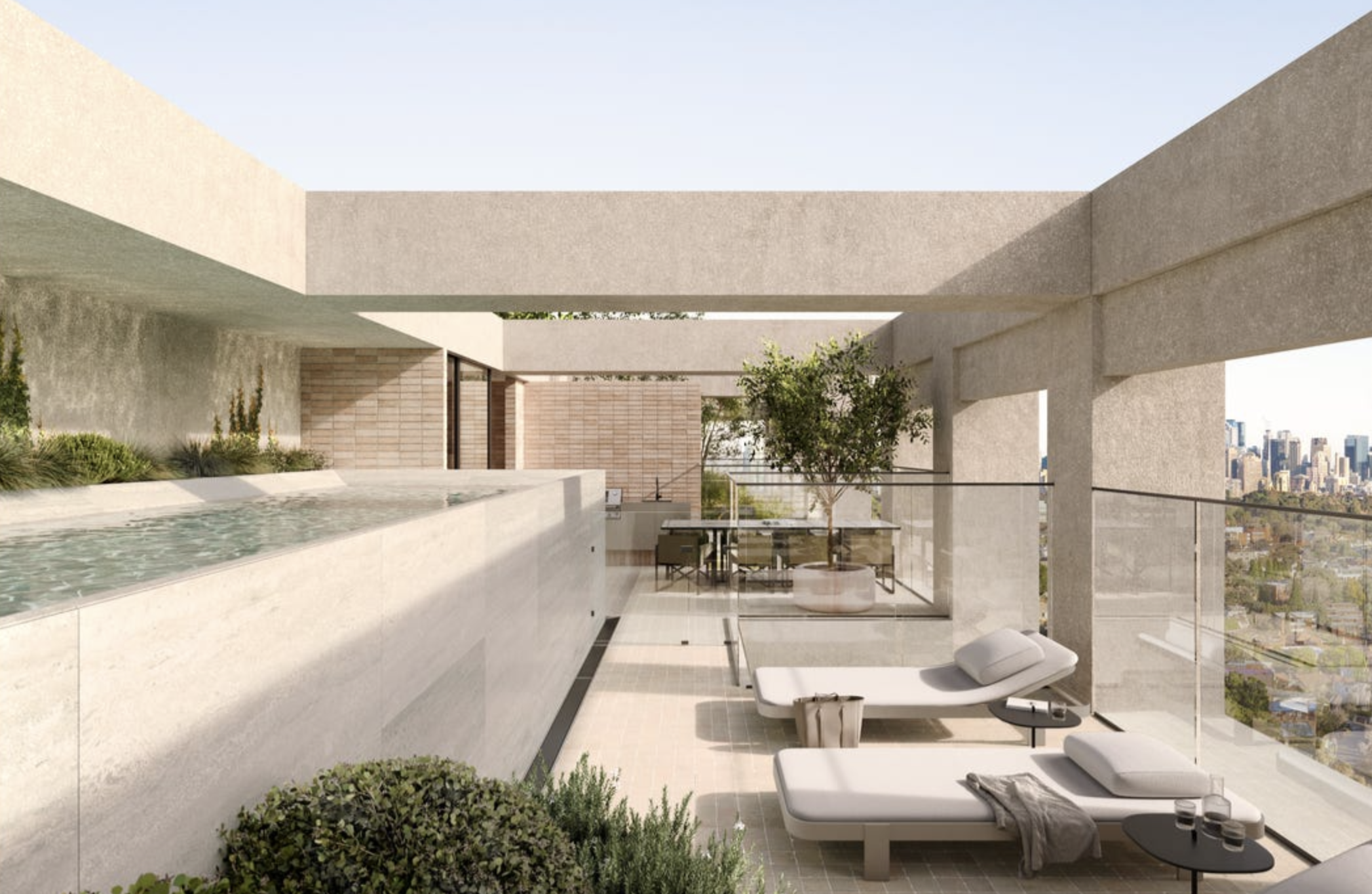
The two-level, full-floor penthouse, with interiors by Hecker Guthrie, will have four bedrooms, one of which is a master suite pitched as “one of the most luxurious spaces in Melbourne.” It will come with a walk-in wardrobe, an ensuite with a sculpted marble bath and natural stone floor and wall tiles, and a private terrace with north-west facing views of the city.
There will be a glass-wrapped rooftop terrace, on the 20th-level of the building, which will feature an alfresco and outdoor kitchen, and a raised lap pool.
South Yarra House has been designed by SJB Architects to reflect South Yarra’s rich Art Deco history.
“South Yarra House takes subtle cues from its surrounds, and the heritage buildings dotted throughout, and blends it with a modernist sensibility to create an outcome of clarity, elegance and distinction,” SJB said.
The building will have just 58 two-, three-, and four–bedroom apartments. Renowned construction firm Hickory is building South Yarra House.
One Charles, Prahran
Another special penthouse by SJB and Hecker Guthrie is coming to Melbourne’s neighbouring Prahran. They’ve been the architects behind One Charles, a new apartment project being developed by Monde near Prahran Station.
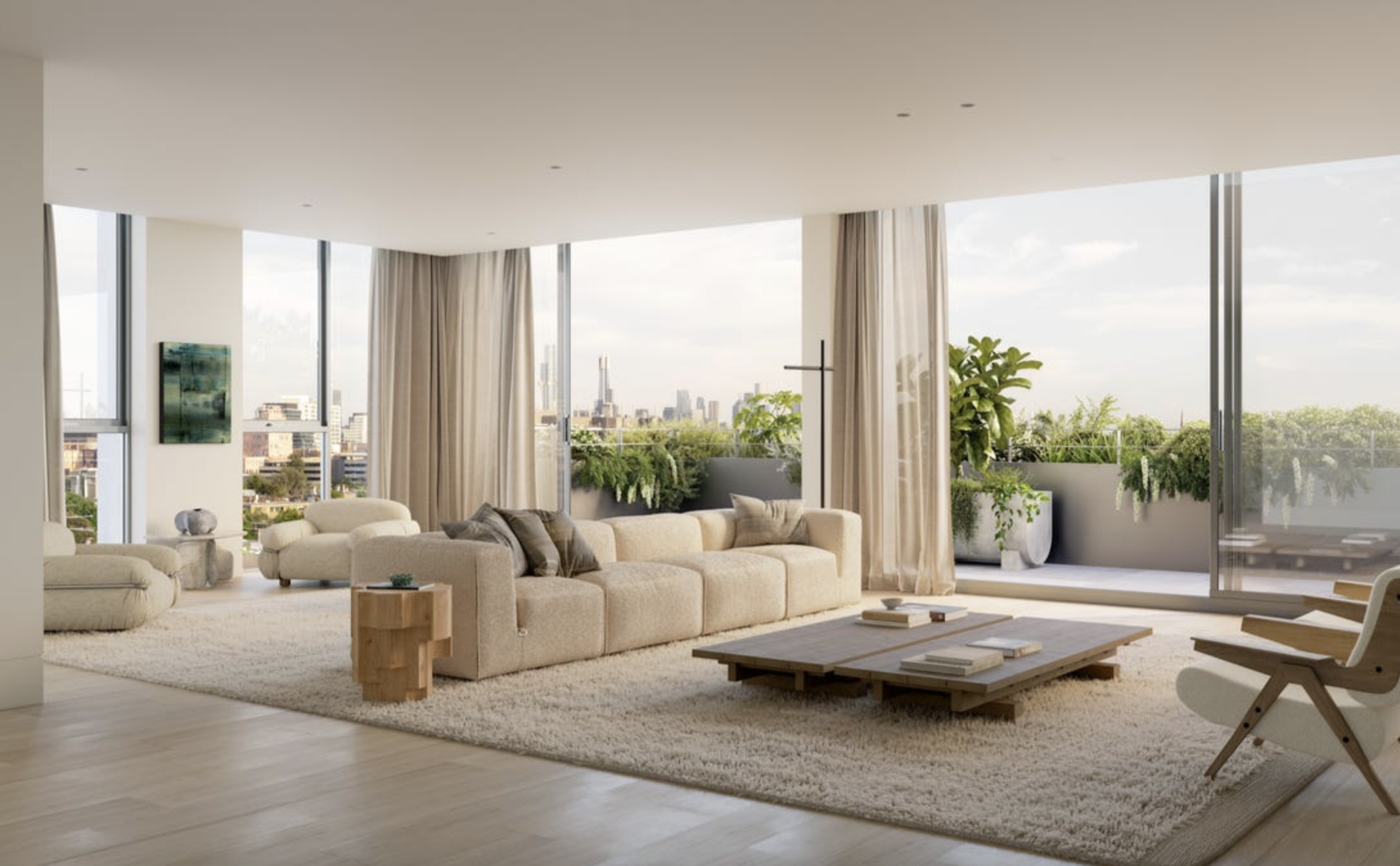
Another full-floor apartment, north-facing, will have soaring three-metre-high ceilings, four bedrooms, a private study, and a large 355 sqm wrap-around terrace.
The interiors feature a sculptural stone kitchen with Gaggenau appliances and a butler’s pantry, while there’s a secure garage, not for one, but four cars.
The penthouse is priced at $12.5 million. One Charles will comprise 28 two and three-bedroom apartments, walking distance to Greville Street, Chapel Street, and the Prahran Market.
The Regent, Fitzroy
Unlike its neighbouring suburbs, Fitzroy rarely sees full-floor penthouse apartments hit the market, which makes the recently released penthouse by SMA Projects even more special.
The four-bedroom penthouse atop their new development The Regent Fitzroy, will offer sweeping views from every one of its rooms. It will have four bedrooms and two living areas, designed by Studio Tate for multi-generational living.
The main living area will be wrapped in a terrace, with enough space for several lounge and alfresco areas, and an outdoor barbecue kitchen.
Hayball has designed the new building, which pays homage to The Regent Theatre, which used to occupy the Fitzroy Street site before it burned down in 1984.
It will feature 69 one-, two-, three-, and four-bedroom apartments, along with shared spaces that include a communal rooftop terrace with barbecue facilities, a bookable overnight guest suite for visiting friends and family, and both a dedicated ground-floor concierge and a digital concierge.
Seren Row, Alphington
Veteran builder-developer Glenvill is selling what it calls its “Super Penthouse” at its Seren Row stage of its multistage, 16.5-hectare YarraBend masterplan.
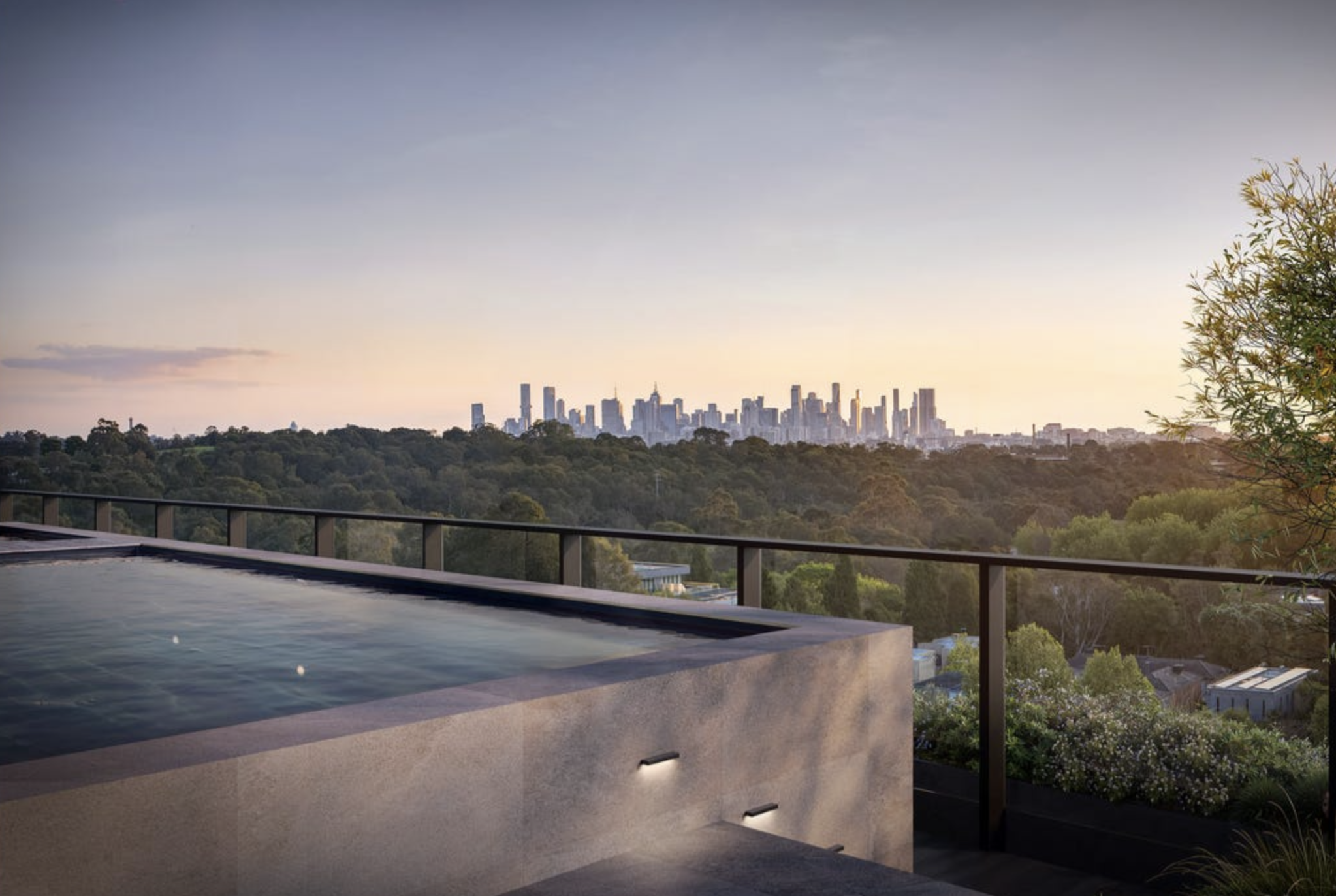
The Super Penthouse, one of 12 penthouse and sub-penthouses within the historic grounds of the former Australian Paper Mill in Alphington, has been designed by Fraser & Partners to blend heritage character with refined contemporary living. The 416 sqm apartment will have four bedrooms, four bathrooms, a separate home office, a multi-purpose room, and a private rooftop with a pool, spa, and outdoor kitchen. It will have finishes in travertine, quartzite, and herringbone timber.
Residents of the Seren Row penthouse collection will also gain exclusive access to the Signature Club, a next-level suite of amenities including a subterranean wellness centre onsen, gym, sauna and steam rooms, golf simulator, co-working spaces, and even a monthly cleaning and chauffeur service. They will also have access to The Hub—a co-working and social space—plus The Bend, a dining precinct curated by acclaimed chef Adam D’Sylva.
Dyason, East Melbourne
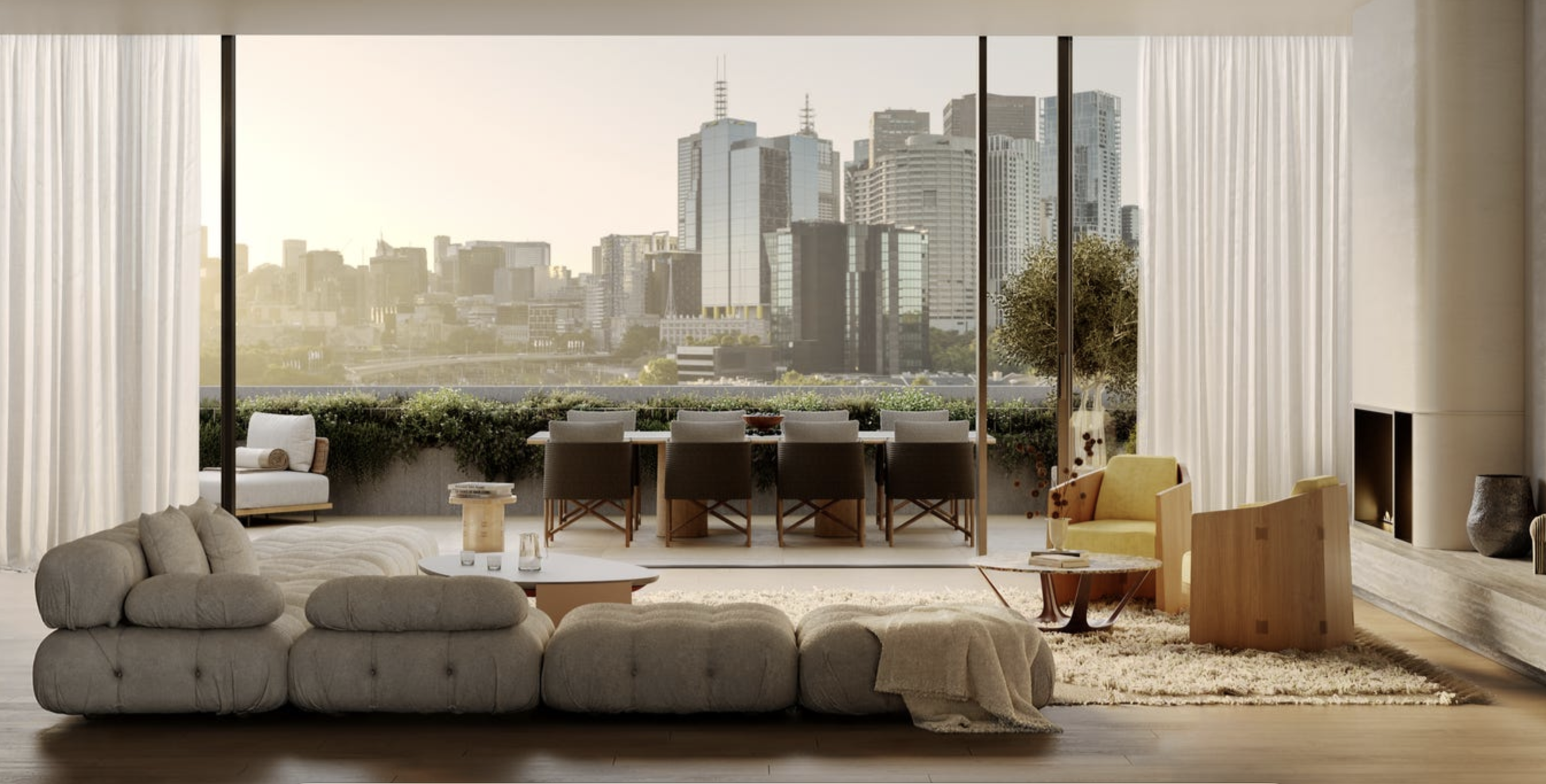
Nearly $12 million is being sought for the penthouse atop Dyason, the new East Melbourne apartment development by Valli. The two-level, four-bedroom penthouse, with direct private elevator access, has been designed by Pandolfini Architects in collaboration with interiors by Lisa Buxton and landscaping by Acre.
The clever design creates a 14.5-metre-long living area that captures extensive views from the MCG to the CBD. Sunrise will flood the eastern kitchen with light, and sunsets will cast a glow over the open fireplace. The kitchen features a Sub-Zero fridge, Wolf ovens, a 400-bottle wine cellar, and an integrated bar. There will be two outdoor terraces on each level.
Dyason, on East Melbourne’s dress circle Jolimont Street, will have just five apartments and a heritage home, which will be restored and converted into a townhouse.

From making unpopular decisions to learning when to listen, leaders from five businesses reveal what nobody prepared them for — and how running a company has challenged their expectations.

Technology and semiconductor shares fell sharply as investors questioned the debt financing the AI infrastructure boom and confronted higher rates and Chinese competition.

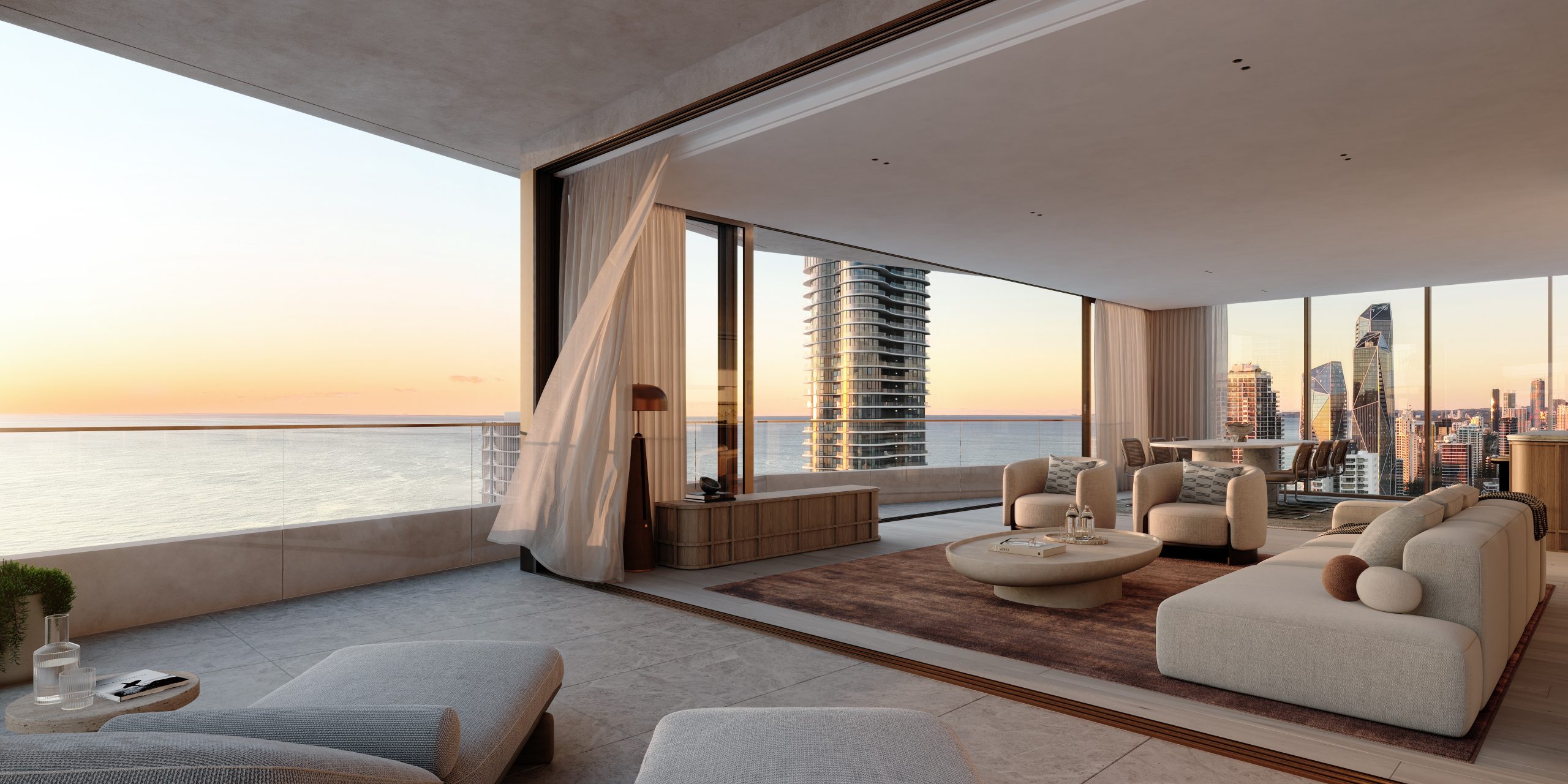
Mirvac’s 45-level Trielle has topped out at Yarra’s Edge, pairing riverfront apartments with wellness facilities, private dining and resident services.
3 min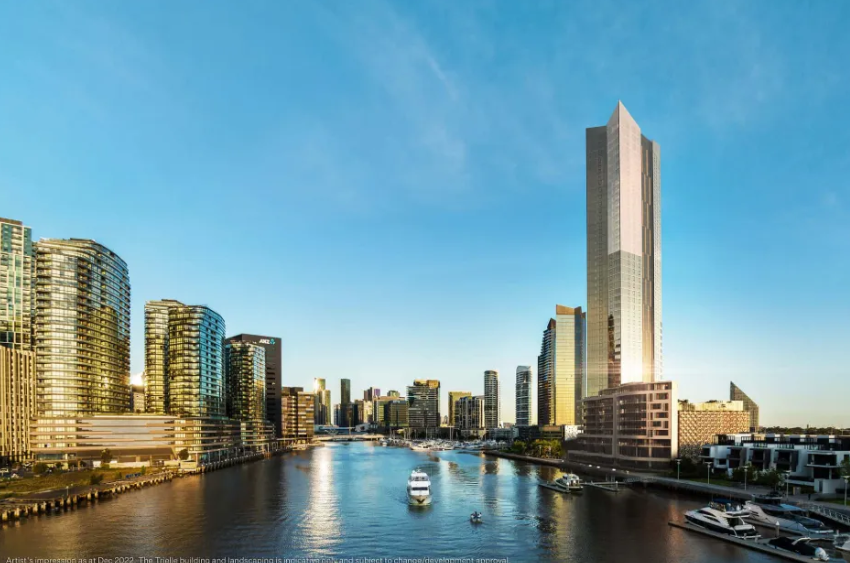
Mirvac has topped out Trielle at Melbourne’s Yarra’s Edge, with more than 70 per cent of the riverfront development sold and approximately 80 per cent of purchasers intending to make their apartment a home.
The figures, released on September 22, point to an owner-occupier audience for one of the precinct’s final residential towers. Mirvac began developing Yarra’s Edge in 2003, and its latest addition occupies one of the remaining absolute riverfront sites.
Mirvac CEO of Development Stuart Penklis said existing residents were among those moving up within the neighbourhood.
“Many purchasers already have a connection to Yarra’s Edge,” Mr Penklis said, describing buyers whose changing needs were encouraging an upgrade within the precinct.
“As one of the final residential towers within Yarra’s Edge, Trielle represents the culmination of more than two decades of creating one of Melbourne’s most established and sought-after waterfront communities,” Penklis said.
“Positioned on the Collins Street axis with absolute river frontage, Trielle offers residents a rare opportunity to enjoy sweeping views across the Yarra River, Melbourne skyline and Port Phillip Bay, while remaining seamlessly connected to the CBD. With Trielle now more than 70 per cent sold, we’re continuing to see strong demand from buyers seeking quality homes in established locations.”
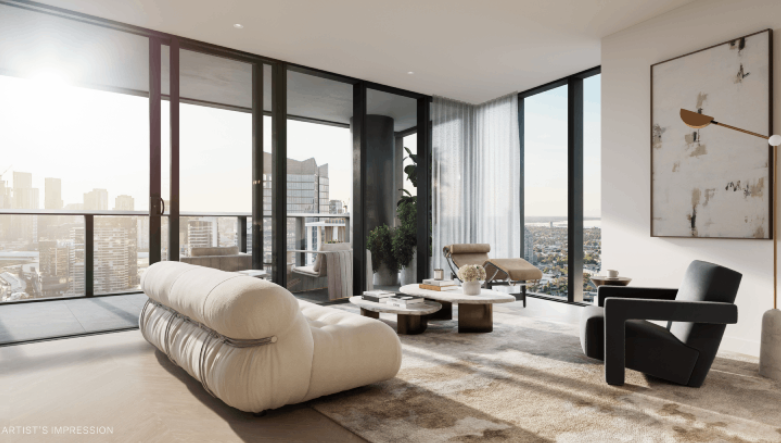
The developer also flagged a penthouse and sub-penthouse collection with larger layouts, premium finishes and broad outlooks. The planned wellness centrepiece, The Oasis, encompasses a 900-square-metre elevated urban rainforest.
Mirvac General Manager Residential Development Victoria Elysa Anderson said Trielle had resonated strongly with buyers seeking a rare lifestyle offering in Melbourne.
“Opportunities to secure a new luxury residence on a riverfront site of this calibre are incredibly rare, particularly within a community like Yarra’s Edge,” Anderson said.
“What makes Trielle unique is the combination of exceptional views, world-class residential facilities and the lifestyle that already exists around it. Residents are buying into a mature waterfront community with parks, promenades, dining, wellness and strong community connections already in place.”
The 45-level tower brings a substantial new presence to that waterfront. Its residential offering spans one-, two-, three- and four-bedroom apartments, with Signature, Prestige and Sub-Penthouse collections accommodating different household sizes. The north-facing position connects the apartments visually to the river and city beyond.
Seven storeys above the promenade, the planned Oasis combines planting and a running stream with a Scandinavian-inspired wellness club developed with spa specialist Naomi Gregory. Facilities include a 25-metre lap pool, hot magnesium pool, sauna, hydrotherapy, a gym, yoga and Pilates room, and treatment spaces.
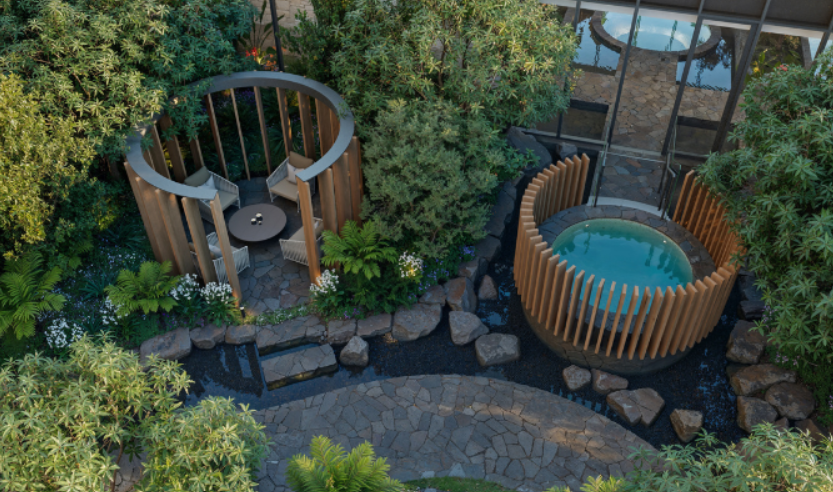
The amenity extends beyond exercise. Residents will have access to The Biblioteca library and workspaces, ground-floor work pods, and The Salone piano lounge. A private Chef’s Table dining room offers a setting for larger gatherings, while a cinema, games room and sports lounge broaden the entertaining options. Concierge services and a dog-wash area support everyday routines.
Trielle comprises a collection of one, two, three and four-bedroom residences. Reflecting strong demand from owner occupiers, approximately 80 per cent of purchasers to date intend to live in their homes, highlighting the project’s appeal to those seeking a long-term waterfront lifestyle.
Mirvac has recently delivered The Albertine, a premium apartment development on the edge of Melbourne’s CBD, and is nearing completion of Prince & Parade in Brunswick, further strengthening its portfolio of thoughtfully designed apartment communities in some of Melbourne’s most sought-after urban locations.

A bold new era for Australian luxury: MAISON de SABRÉ launches The Palais, a flagship handbag eight years in the making.
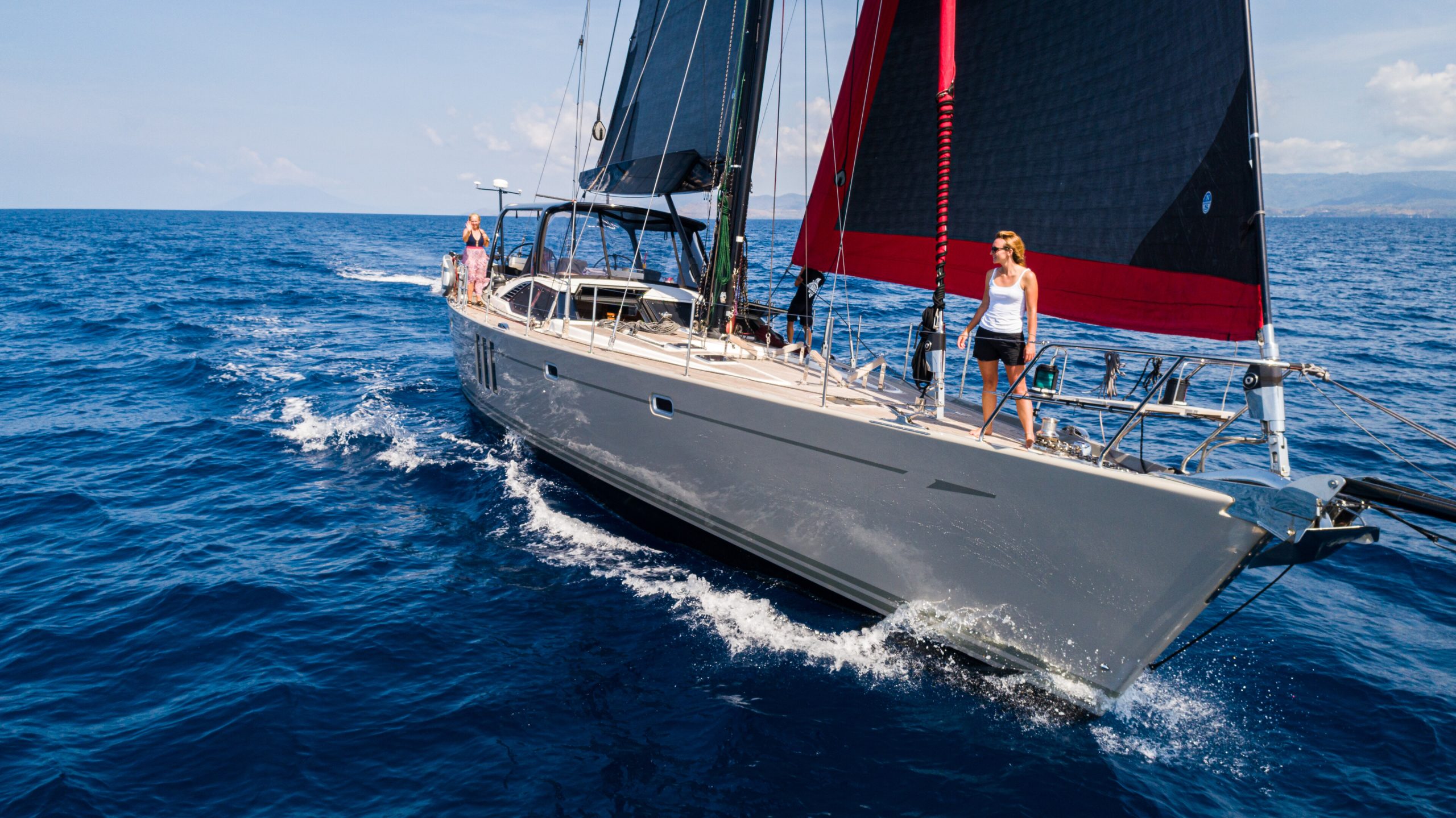
From the Caribbean to Australia’s east coast, Oyster’s latest world rally promises a bluewater voyage designed for owners seeking ultimate sailing experiences.