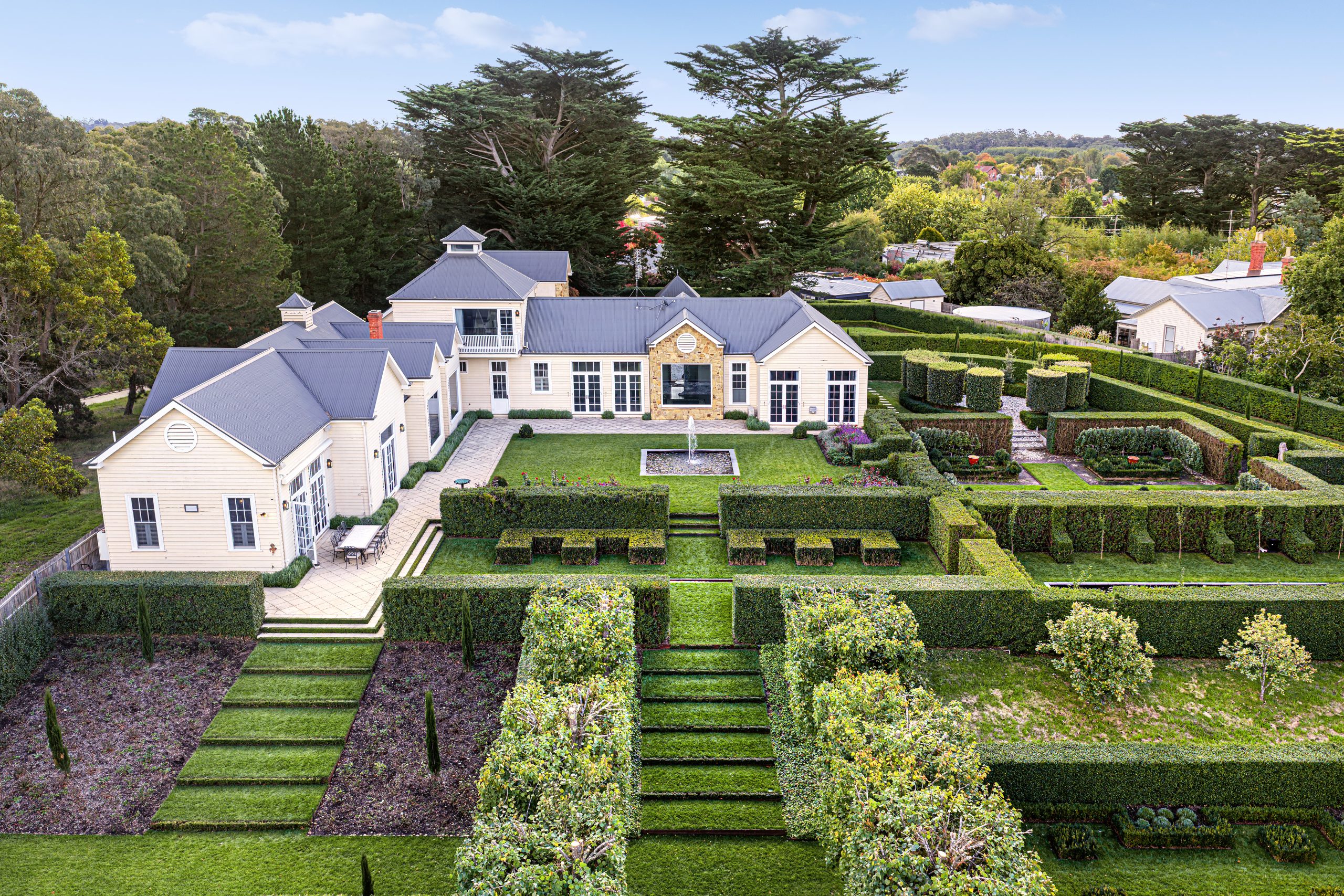
OWN A MELBOURNE MASTERPIECE BY BYRON’S RECORD-BREAKING ARCHITECTS
From a record-breaking beach house in Byron to a modern Melbourne dream home, the creative team at Workman Design is turning heads.
 2 min
2 min


Their exquisite attention to contemporary detail recently earned Melbourne-based architects, Workroom Design, ultimate bragging rights after a home they crafted broke a new price benchmark in Byron Bay.
Now there is a chance for Melbourne design lovers to buy their very own Workroom home in Hawthorn – at half the cost of the Byron pad.
That prestige beach pile just sold for $33.5 million, snapped up by Chemist Warehouse billionaire couple Damien Gance and Sasha Robertson. However, the newly listed Workman creation at 73 Kooyongkoot Rd in Hawthorn is on the market with Kay & Burton Boroondara via an expressions of interest campaign guide of $13 million to $14 million.
The Mediterranean-inspired five-bedroom, six-bathroom residence might be a world away from famed Belongil Beach but the acclaimed architects still met the brief with the same level of expert detail and finishes.
Surrounded by lush landscaping by Ben Scott, the Hawthorn home is a modern marvel with a striking sculptural façade, a thoughtful layout and carefully considered touches from chevron oak herringbone flooring and Italian porcelain tiling, to stucco Veneziano walls, marble surfaces and fluted glass detailing.
Beyond a covered front patio and formal foyer, the large lounge room has a striking black marble fireplace, and across the hall, there is a home office with integrated cabinetry.
Down a glass gallery and north-facing central garden, the rest of the ground-floor layout reveals the everyday family zone. A sleek kitchen hosts a sculptural natural stone island bench, full suite of Wolf appliances, and built-in Sub-Zero refrigeration. A hidden butler’s pantry with all the trimmings has a door to the side garden, offering easy access for caterers.
The adjoining dining and family rooms feature expanses of north-facing windows for loads of natural light, and a covered outdoor room is the perfect spot for all-weather barbecues and alfresco entertaining beside the heated pool.
Further options for gatherings with family and friends include a lower level gold-class home cinema and a custom-designed showcase wine cellar with sculptural curved detailing.
In addition to a guest bedroom on the lower ground floor, the upper accommodation level has four more bedrooms and a multipurpose living room.
Each bedroom has an ensuite and built-in storage, however the palatial main bedroom wing is an oasis with a vast dressing room, a private terrace and a grand bathroom with circular freestanding bath, steam room and custom-designed vanities.
The long list of added extras elevates the house to a dream home, thanks to inclusions such as a lift to all three levels, a six-car garage, hydronic heating, ducted air-conditioning and vacuuming, an alarm, and CCTV surveillance.
Located in the coveted Scotch Hill enclave of Hawthorn, the tree-lined street is characterised by its stately residences and enviable position close to Melbourne’s leading private schools including Scotch College, as well as parklands, transport, and popular shopping precincts such as Camberwell Junction, Glenferrie Road, and Auburn Village.
Expressions of interest for 73 Kooyongkoot Rd, Hawthorn close 3 April at 5pm Scott Patterson, Ross Savas and Jamie Mi of Kay & Burton Boroondara.

From making unpopular decisions to learning when to listen, leaders from five businesses reveal what nobody prepared them for — and how running a company has challenged their expectations.

Technology and semiconductor shares fell sharply as investors questioned the debt financing the AI infrastructure boom and confronted higher rates and Chinese competition.

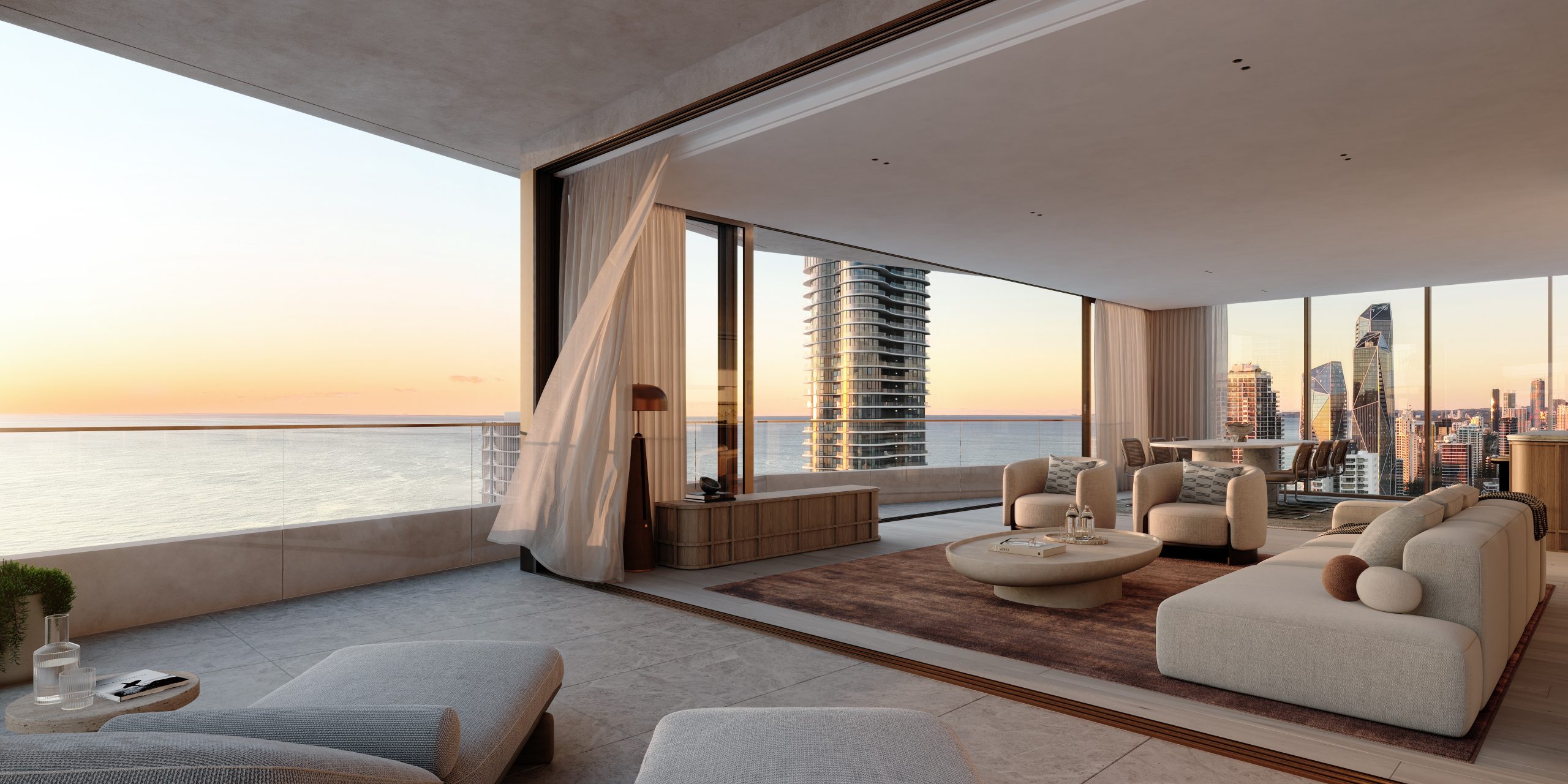
Mirvac’s 45-level Trielle has topped out at Yarra’s Edge, pairing riverfront apartments with wellness facilities, private dining and resident services.
3 min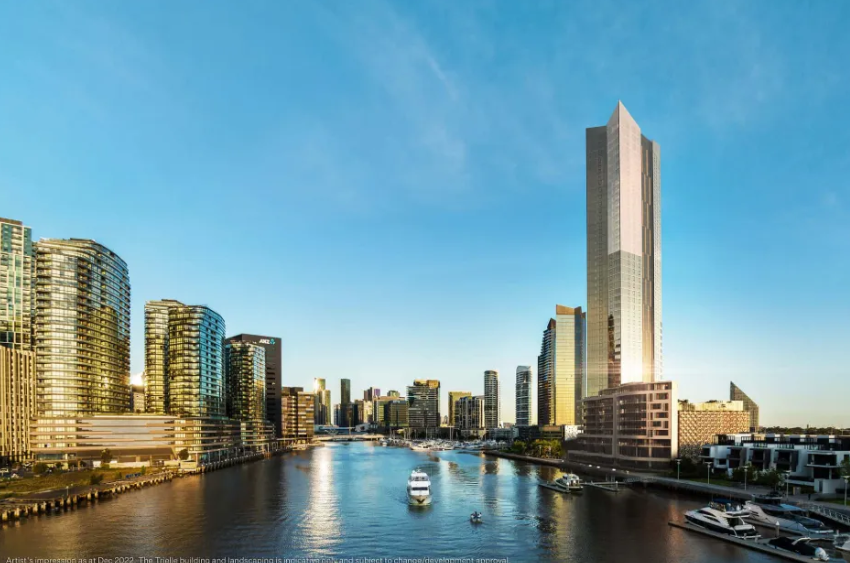
Mirvac has topped out Trielle at Melbourne’s Yarra’s Edge, with more than 70 per cent of the riverfront development sold and approximately 80 per cent of purchasers intending to make their apartment a home.
The figures, released on September 22, point to an owner-occupier audience for one of the precinct’s final residential towers. Mirvac began developing Yarra’s Edge in 2003, and its latest addition occupies one of the remaining absolute riverfront sites.
Mirvac CEO of Development Stuart Penklis said existing residents were among those moving up within the neighbourhood.
“Many purchasers already have a connection to Yarra’s Edge,” Mr Penklis said, describing buyers whose changing needs were encouraging an upgrade within the precinct.
“As one of the final residential towers within Yarra’s Edge, Trielle represents the culmination of more than two decades of creating one of Melbourne’s most established and sought-after waterfront communities,” Penklis said.
“Positioned on the Collins Street axis with absolute river frontage, Trielle offers residents a rare opportunity to enjoy sweeping views across the Yarra River, Melbourne skyline and Port Phillip Bay, while remaining seamlessly connected to the CBD. With Trielle now more than 70 per cent sold, we’re continuing to see strong demand from buyers seeking quality homes in established locations.”
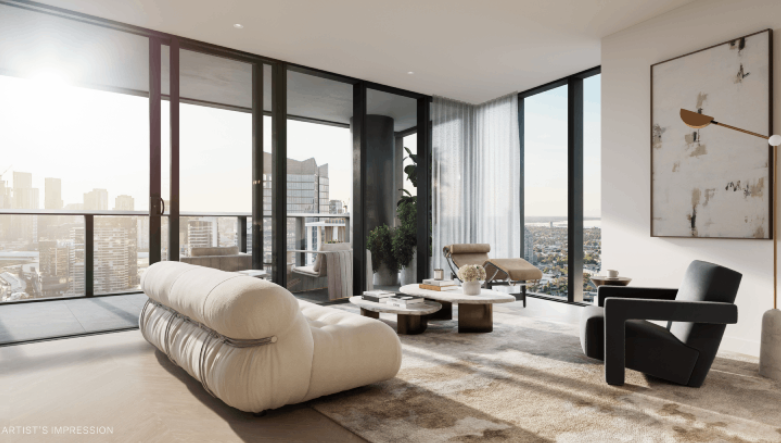
The developer also flagged a penthouse and sub-penthouse collection with larger layouts, premium finishes and broad outlooks. The planned wellness centrepiece, The Oasis, encompasses a 900-square-metre elevated urban rainforest.
Mirvac General Manager Residential Development Victoria Elysa Anderson said Trielle had resonated strongly with buyers seeking a rare lifestyle offering in Melbourne.
“Opportunities to secure a new luxury residence on a riverfront site of this calibre are incredibly rare, particularly within a community like Yarra’s Edge,” Anderson said.
“What makes Trielle unique is the combination of exceptional views, world-class residential facilities and the lifestyle that already exists around it. Residents are buying into a mature waterfront community with parks, promenades, dining, wellness and strong community connections already in place.”
The 45-level tower brings a substantial new presence to that waterfront. Its residential offering spans one-, two-, three- and four-bedroom apartments, with Signature, Prestige and Sub-Penthouse collections accommodating different household sizes. The north-facing position connects the apartments visually to the river and city beyond.
Seven storeys above the promenade, the planned Oasis combines planting and a running stream with a Scandinavian-inspired wellness club developed with spa specialist Naomi Gregory. Facilities include a 25-metre lap pool, hot magnesium pool, sauna, hydrotherapy, a gym, yoga and Pilates room, and treatment spaces.
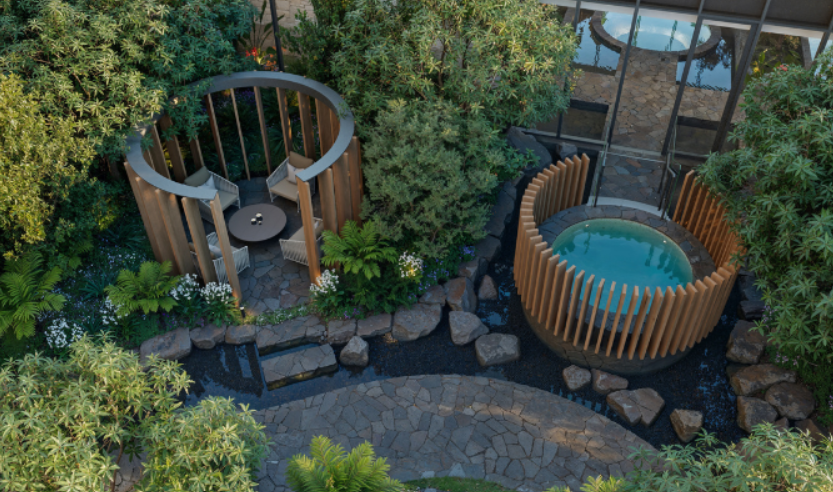
The amenity extends beyond exercise. Residents will have access to The Biblioteca library and workspaces, ground-floor work pods, and The Salone piano lounge. A private Chef’s Table dining room offers a setting for larger gatherings, while a cinema, games room and sports lounge broaden the entertaining options. Concierge services and a dog-wash area support everyday routines.
Trielle comprises a collection of one, two, three and four-bedroom residences. Reflecting strong demand from owner occupiers, approximately 80 per cent of purchasers to date intend to live in their homes, highlighting the project’s appeal to those seeking a long-term waterfront lifestyle.
Mirvac has recently delivered The Albertine, a premium apartment development on the edge of Melbourne’s CBD, and is nearing completion of Prince & Parade in Brunswick, further strengthening its portfolio of thoughtfully designed apartment communities in some of Melbourne’s most sought-after urban locations.

Chinese carmaker GAC will expand its Australian electric vehicle line-up with the city-focused AION UT hatchback.
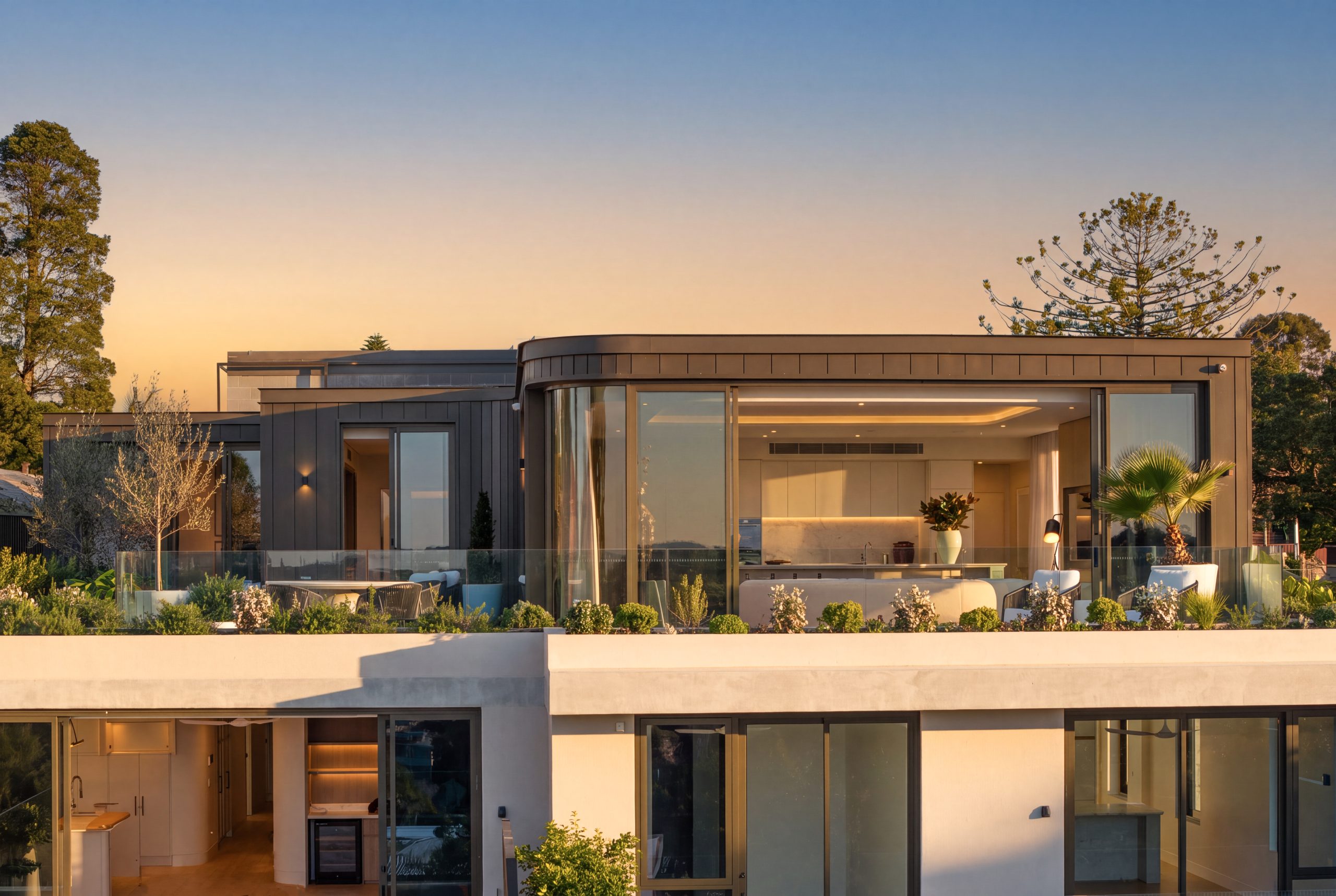
The completed penthouse at Park Residences showcases a considered approach to luxury apartment living, combining northern light, curated interiors and the privacy of a whole-floor residence.