The two Australian states where it’s a buyers’ market
Property values have experienced strong growth around the country, but there are two highly desirable areas where oversupply is putting downward pressure on sales
 2 min
2 min
While property values are rising strongly in most markets across Australia, it’s a vastly different story in Victoria and Tasmania, new data from CoreLogic shows. Over the 12 months to May 31, the median house price lifted just 1.8 percent in Melbourne and fell 0.6 percent in regional Victoria. The median dipped 0.1 percent in Hobart and ticked 0.4 percent higher in regional Tasmania. This is in stark contrast to Perth, where values are up 22 percent, and regional Western Australia, up 14.8 percent; as well as Brisbane, up 16.3 percent, and regional Queensland, up 11.8 percent.
CoreLogic Head of Research, Eliza Owen says an oversupply of homes for sale has weakened prices in Victoria and Tasmania, creating buyers’ markets.
“On the supply side, there has been more of a build-up in new listings than usual across Victoria, even where home value performance has been relatively soft,” Ms Owen said. “Victoria has also had more dwellings completed than any other state and territory in the past 10 years, keeping a lid on price growth. The additional choice in stock … means vendors have to bring down their price expectations, and that brings values down.”
Melbourne dwelling values are now four percent below their record high and Hobart dwelling values are 11.5 percent below their record high. Both records were set more than two years ago in March 2022. The oversupply has also affected how long it takes to sell a property. The median days on market is currently 36 in Melbourne and 45 in Hobart compared to a combined capitals median of 27. It takes 55 days to sell in regional Victoria and 64 days in regional Tasmania compared to a combined regional median of 42 days.
Changes in population patterns have also contributed to higher numbers of homes for sale in recent years. Since COVID began in early 2020, thousands of families have left Melbourne because working from home meant they could buy a bigger property in more affordable areas. While many relocated to regional Victoria, a significant proportion left the state altogether, with South-East Queensland a favoured destination. Meantime, Tasmania’s surge in interstate migration during FY21 was short-lived. Data from the Australian Bureau of Statistics shows the island state has recorded a net loss of residents to other states and territories every quarter since June 2022.
Record overseas migration has more than offset interstate migration losses, thereby keeping Victoria’s and Tasmania’s populations growing. However, the impact of migrants on housing is largely seen in the rental market, so this segment of population gain has done little to support values. Growth in weekly rents has been far stronger than growth in home values over the past year, with rents up 9 percent in Melbourne and 4.8 percent in regional Victoria, and up 1 percent in Hobart and 2.7 percent in regional Tasmania.

Porsche has revealed a one-off 911 GT2 RS that brings the extraordinary silhouette of its 935/78 “Moby Dick” racing car onto the road. Created by Porsche Sonderwunsch with Manthey, the commission began with a near-new GT2 RS. The owner requested greater performance, a Slantnose profile and a rear wing influenced by the limited 911 GT3 …
Continue reading “Porsche Builds a Road-Going “Moby Dick” From a 911 GT2 RS”
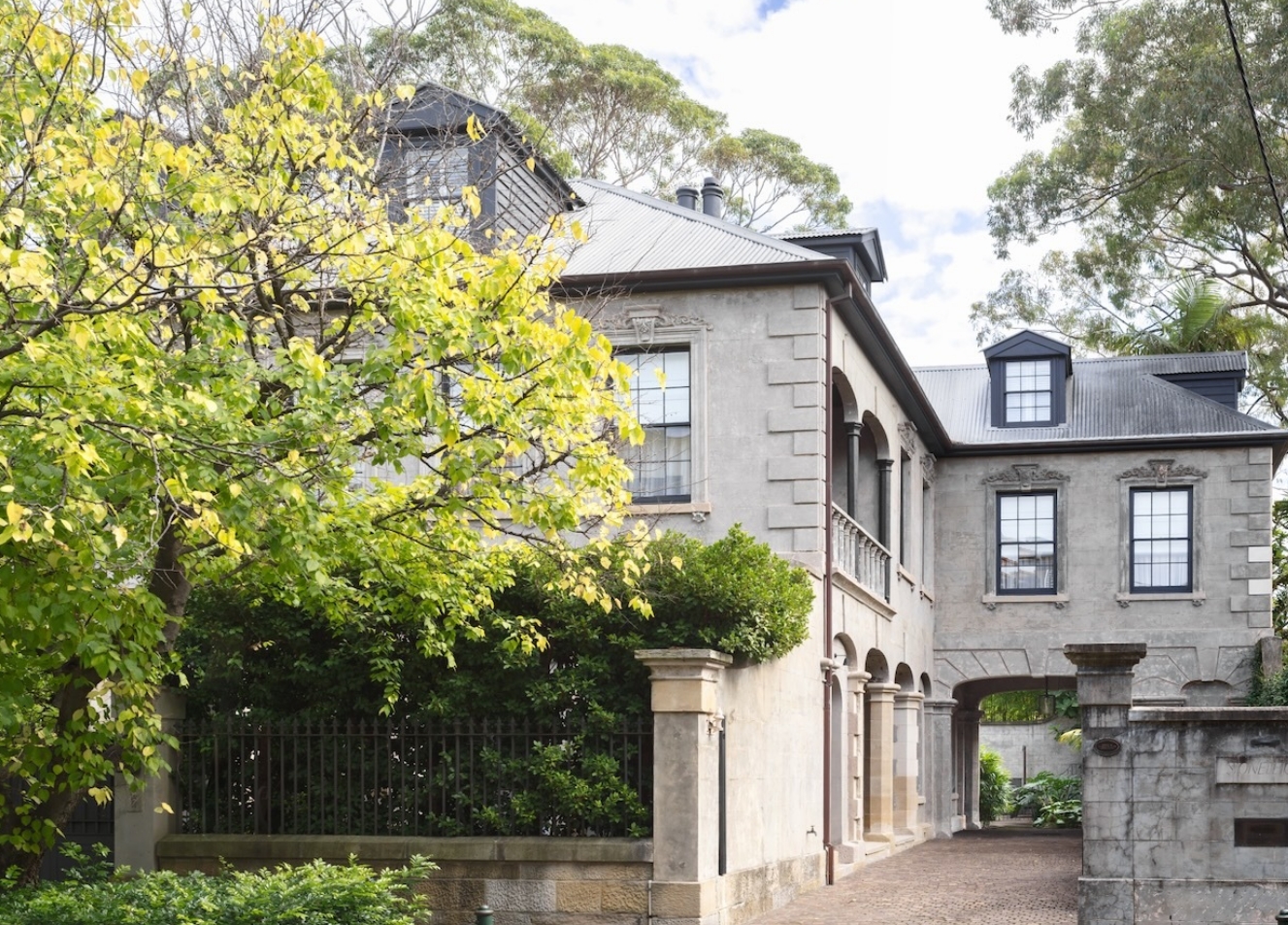
The 1860s Darlinghurst mansion Stoneleigh could become Sydney’s most expensive home ever sold under the hammer when it goes to auction. Clint Ballard is giving buyers a $28 million guide for the heritage-listed mansion on Darley Street, opposite Iona, the former home of Hollywood royalty Baz Luhrmann. Stoneleigh is being offered for sale for the …


Atlas Real Estate is reimagining how people connect with property, combining listings, market insights, local stories and lifestyle content in one destination for those buying, selling or simply exploring the market.
4 min
Property has always been about more than buying and selling. A home can represent a fresh start, a long-term investment, an architectural idea or a connection to a particular neighbourhood. Even when people are not planning a move, many still enjoy following the market, researching local areas and discovering the stories behind remarkable homes.
Atlas Real Estate is responding to that wider interest by creating more ways for people to engage with property. Bringing listings, market information, local perspectives and lifestyle stories together, Atlas offers a destination for anyone curious about homes and the communities surrounding them.

It reflects the reality that people approach real estate with different needs and motivations. One visitor might be actively searching for a new home, while another may want to understand recent results in their suburb. Others might be keeping an eye on changing market conditions, exploring an unfamiliar area or simply appreciating thoughtful architecture and premium residential design.
At atlas.com.au, those interests meet in one place. Visitors can browse properties for sale and recent results, while also exploring market insights, featured homes, local stories and introductions to the people behind Atlas. The result is an experience designed to remain relevant before, during and after a traditional property transaction.
“We’re reimagining real estate around how people actually engage with property today — bringing together market insight, exceptional homes, local perspective and lifestyle in a way that feels more relevant and useful,” says Michael Coombs, Director of Atlas Real Estate.

That approach recognises that an interest in property rarely begins on the day someone decides to buy or sell. A future buyer may spend months learning about suburbs, monitoring prices and refining their sense of what they want. A homeowner might follow nearby sales to understand the changing value and character of their area. An investor may be looking for broader market context, while a design enthusiast may be drawn to an exceptional renovation or a distinctive piece of architecture.
By accommodating those different forms of curiosity, Atlas aims to make engaging with real estate feel less transactional and more connected to everyday life. Property is shaped by its surroundings: the streets, businesses, landscapes and people that give a place its identity. Understanding a home therefore means looking beyond its floor plan or sales history to consider the lifestyle and community that come with it.
This broader perspective also gives local stories a meaningful role. Suburbs are constantly evolving, influenced by new businesses, changing demographics, design trends and the people who choose to make them home. Content that explores these forces can help readers build a richer understanding of an area, whether they are preparing to move there or simply want to stay informed about their own neighbourhood.

The same is true of market information. Sales results and property data are most useful when they are accessible and supported by context. Bringing recent results together with insights and local knowledge can help people follow the market on their own terms, without suggesting that every visit must lead immediately to a transaction.
For Atlas, this thinking forms part of “Real Estate, Reimagined”, its broader brand campaign focused on using brand, creativity and technology to deliver a more relevant, useful and human real estate experience. Rather than treating technology as an end in itself, the emphasis is on how it can make property easier and more engaging to explore.
That human focus matters because real estate decisions are often closely tied to significant moments in people’s lives. A move may be connected to a growing family, a new job, a change in lifestyle or a long-held ambition. Even outside those milestones, homes and neighbourhoods remain a source of interest because they reflect how people live and how communities develop.

Atlas’s approach makes room for both the practical and aspirational sides of that interest. Readers can seek out information with a clear goal in mind or browse simply because a property, place or story captures their attention. In either case, they can move easily between homes, results, market perspectives and local inspiration.
The ambition is not to redefine why people care about property, but to reflect the many reasons they already do. By combining useful information with engaging editorial content, Atlas is creating a place for buyers, sellers, homeowners, investors and the property-curious alike.
Whatever brings you to property, discover more at atlas.com.au

Parts for iPhones to cost more owing to surging demand from AI companies.

The era of the gorgeous golden retriever is over. Today’s most coveted pooches have frightful faces bred to tug at our hearts.