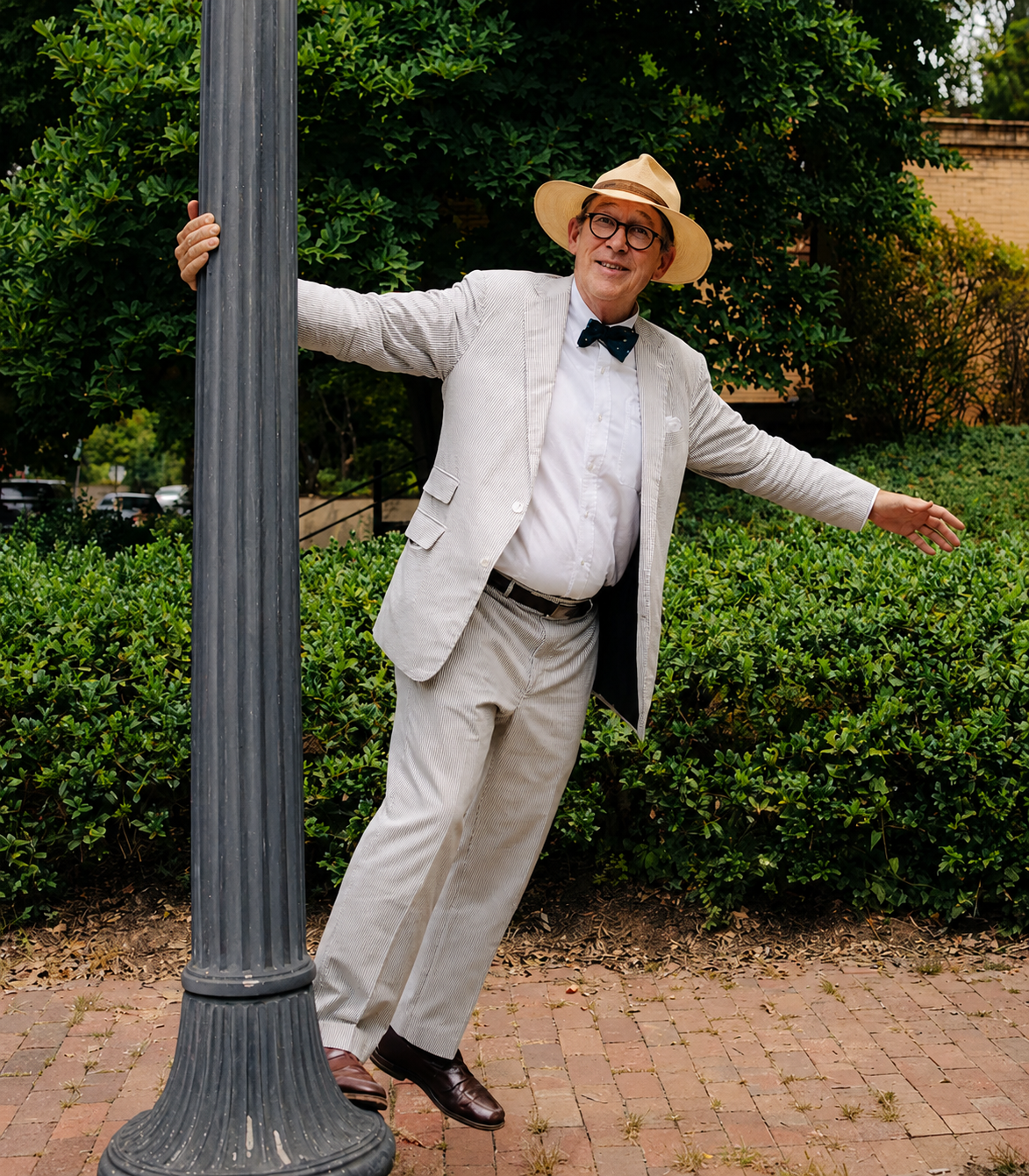
Why city CEOS crave life on the farm — and how they’re making it work
Instead of buying second homes on the coast, urban professionals are taking on the charms and challenges of hobby farms
 4 min
4 min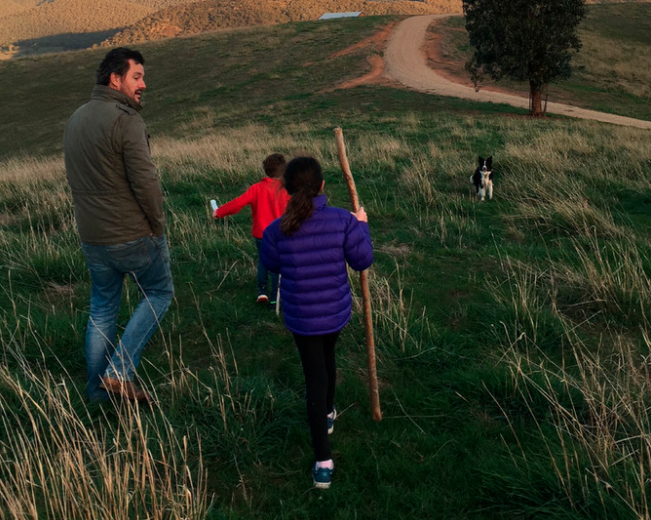
From the Spring issue of Kanebridge Quarterly magazine, on sale now. Order your copy here.
During the week, CEO Nick Keenan is a corporate king, working long hours and juggling the parenting of their three children with his wife Jodie from their East Malvern home in Melbourne. But on the weekend, he swaps tailored suits for jeans and work boots and heads 3.5 hours to his farm in the Victorian Alps. A desire to replicate his childhood growing up on a cattle and wheat farm in central NSW and give his kids—Jackson, 16, Jodi, 14, and Jessie, 11—a taste of great outdoors fuelled the purchase of a block of land near the country alpine town of Myrtleford in 2016. Today, their “hobby farm” features three-bedroom completely off-grid homestead, horses and truffle-producing oak trees. The Keenans have done the bulk of the work themselves in their spare time and during the COVID-19 lockdowns, when their new project also became a sanctuary.
“I wear a suit during the week and I’m a farmer on the weekends,” the CEO of media agency Publicis Groupe says.
“When I need to clear my head, it’s my dirty Hilux ute I jump into, not my latest European cars— the BMWs and Mercedes Benzs— you should see the looks I get from some other CEOs.”
The rise of a new crop of farming families. People making the shift are growing in numbers, with hobby farming a plausible option for those weary of city life and an unexpected way for suburban families to find more time together away from the cities—if only on weekends.
The Australian Bureau of Statistics shows 66,000 hobby farms in Australia, with more and more city families swapping their nine-to-five for the outdoors, driven by a desire to escape the rat race and show their kids another side of life.
Those who can afford it are discovering that farming comes with its own pros and cons, but financial decisions are key. The living farm fantasy among the well-heeled often means small-scale producers must accept they may never be able to sell their wares at a profit. While a successful hobby farm can become a profitable sideline, it should not be the main source of family income.
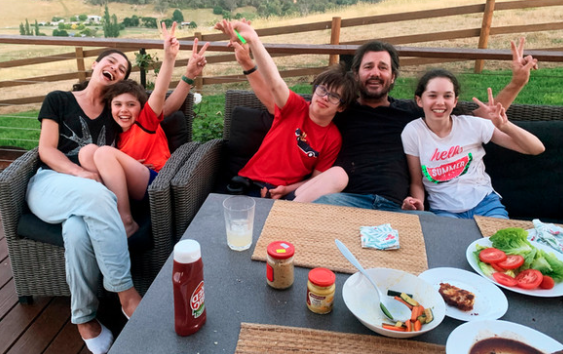
“I just really wanted to show the kids a little bit of what dad grew up with,” says Keenan. “My family had 1000 breeders and 28 bulls, so I wanted to replicate that on a minor scale. And then I wanted to put in a windbreak, and I discovered French Holly Oaks that can be inoculated with truffles.”
“We developed this over a year; I had these romantic notions of wandering out from the kitchen and grabbing a truffle to use in cooking. Essentially, it wanted to escape from the city but we didn’t want it to be a money pit either. I think we have nailed the lifestyle balance.”
The Keenans now have 330 truffle trees which, after just three and a half years, are already producing truffle, which they plan to sell on a small scale in the future. Despite the early success of their truffle farm, the Keenans make enough from their media company and not from hobby farming itself to even cover the Airbnb to keep the lights on.
The Keenans have up around 20 percent of their land, the equivalent of about two football fields, given over to a patch of the grazing truffle inoculated oak trees. They’ve planted another 30 around the outside of the house as a windbreak. But the truffle farm is just a sideline for the Keenans who have no desire to become full-time farmers, only to make a bit of money on the side for their personal use.
Bee farming is now Australia’s most popular hobby farm, according to the Department of Agriculture and Forestry. More Australians are finding bees easier and more economical to keep in their backyards than poultry or other small-scale farm animals. In fact, around 80 percent of all beehives in Australia fall into the category of hobbyists, says Mike Allerton of Amateur Beekeepers Australia.
“All sorts of people are attracted to beekeeping—lawyers, academics, students, retirees, dentists—you name it,” says Allerton, who has 10 beehives on three acres in the Blue Mountains.
“There are a lot of backyard beekeepers; some people have just one hive to make enough honey for themselves and give away to family and friends, and some have up to 50.”
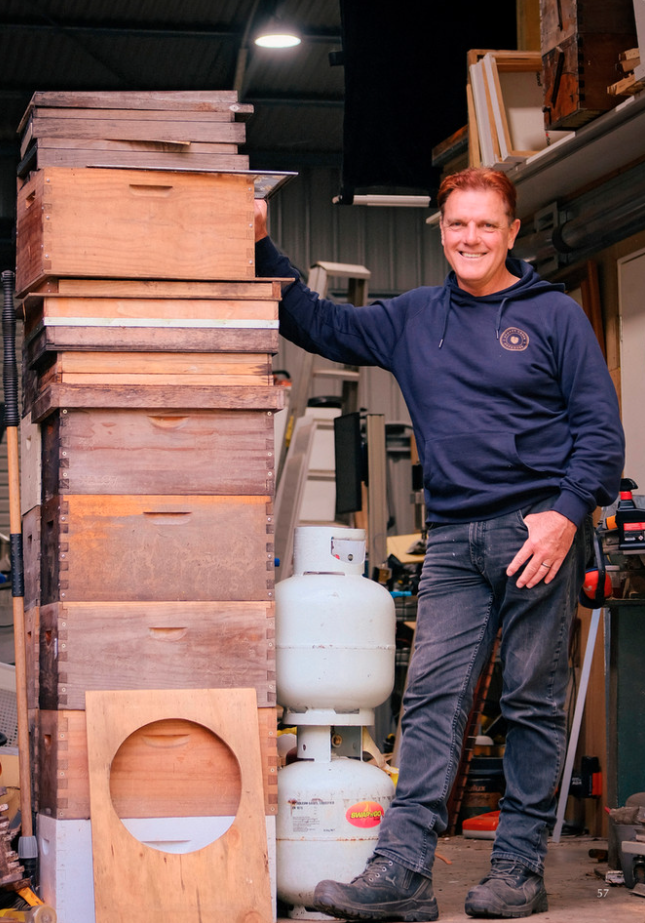
Allerton says different councils have different restrictions on beekeeping, particularly if you keep hives in urban or built-up areas, and bees are classified as livestock. And in his area there is a requirement that the relevant Department of Primary Industry is in your yard.
Additionally, beekeeping must abide by the National Bee Biosecurity Code of Practice which dictates things like you cannot feed honey to bees and calling the Department of American Foulbrood, a bacterial disease for bees found in Australia, that can destroy a hive.
Hobby farmers need a few hundred dollars to start with beehive boxes, a smoker, and hive tools, and more ongoing funds to maintain them.
With farming come a few hurdles and hobby farmers who are new to it, as well as keeping up the stringent biosecurity standards and welfare of animals—and of course, as in breaking even. And you do not need agricultural genes or herb school.
“Our farm has been a lot of work, but it’s probably the most rewarding experience we’ve had,” Keenan says. “There’s nothing we love more than seeing the kids outside, swimming, kayaking, and running around the backyard in the fresh air.
“In my opinion, country kids have the greatest gift of all—the great outdoors.”

For Central Element, the start of work at Pearl represents another step in the company’s growing eastern suburbs pipeline.

All three vehicles will form part of a broader charitable initiative benefiting Big Brothers Big Sisters of America, the American Red Cross and Starlight Children’s Foundation

Randy Boyagoda’s new novel, “Lords of Serendipity,” delivers a biting satire of cheating, politics and dysfunction across modern universities.
5 min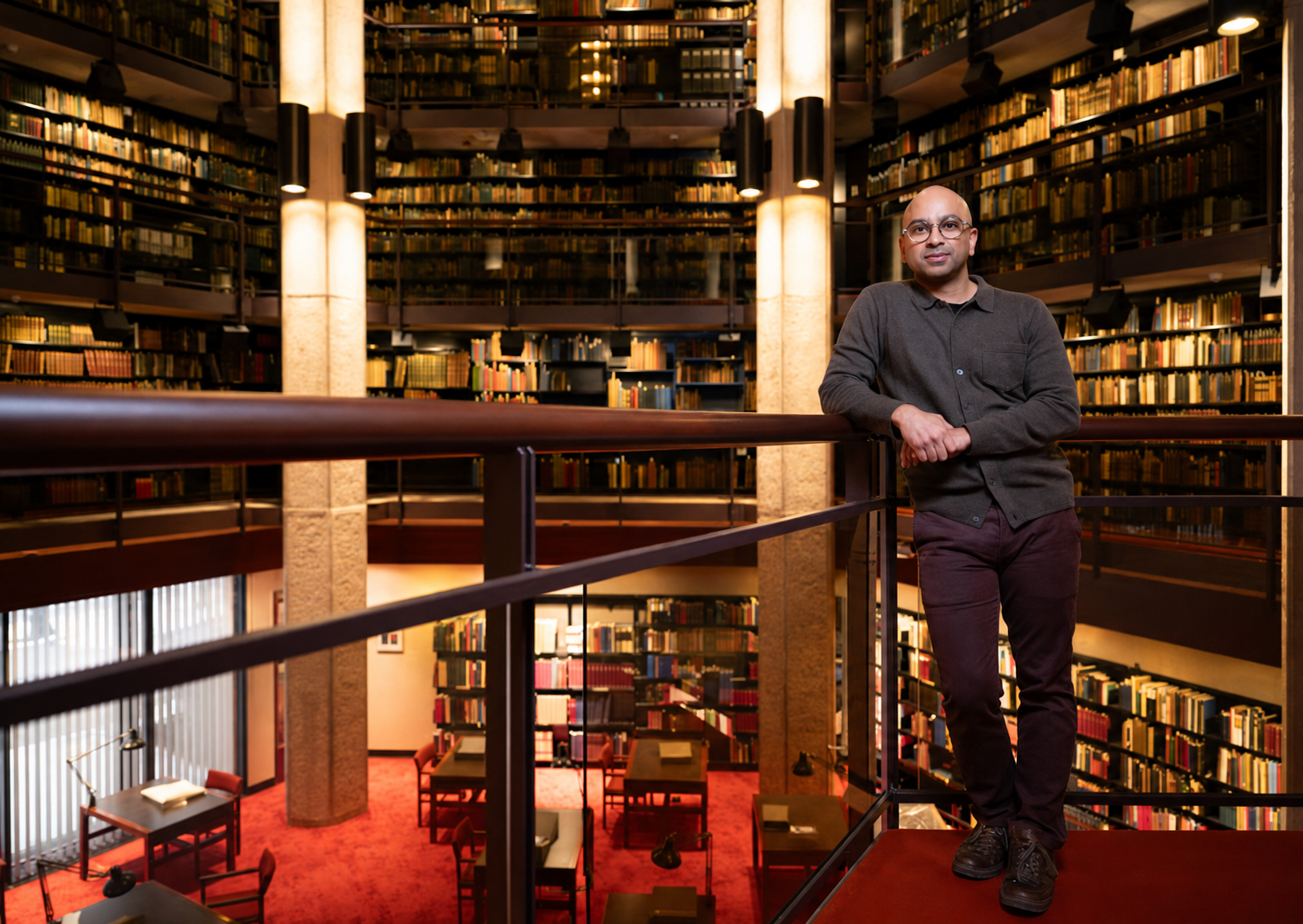
Administrative cowardice. Rampant cheating. The soaking and scamming of undergrads and grad students. Performative wokeism. Intensifying competition for international tuition dollars from an expansive China.
These are either the latest dire headlines about American higher ed or the myriad subplots of “Lords of Serendipity,” an ambitious new novel by Randy Boyagoda. Unlike most campus fiction, its scope extends well beyond the cloister of the liberal arts classroom to whammy the entire university system, from its financial model to its function within a globalized economy. Along the way, it skewers its lightning-rod targets with a precision too sharp to be considered entirely fictional.
That its author is not only well-versed in satire, having written four other novels in the genre, but is also a professor of English at the University of Toronto and an experienced college administrator, further blurs the lines between comic fiction and brutal fact. It’s the kind of no-holds-barred book only a consummate insider would know to write—but only one who is also conveniently outside the American university system could get away with writing.
“This is someone who’s got the inside dope on what can go on at universities, especially with international students, and what kind of con games are going on,” said Margaret Atwood, a friend and fellow Torontonian.
The novel, like Boyagoda himself, is often very funny—even as the dilemmas its characters face read as tragedy. Its cast includes the bickering members of a Sri Lankan hotel cleaner’s family, insecure American freshmen, dead-end third-tier college professors and their highflying Ivy League counterparts and dispirited university functionaries. An old-fashioned Dickensian tale, it sweeps across continents and campuses, from a classic liberal-arts college to a stand-in for Harvard University to an urban technical school to the dilapidated buildings of a state-run university in Sri Lanka.
“I’m a joyful person,” Boyagoda said in an interview, though he prefers to see his outlook on academia as “hopeful” rather than optimistic. He smiles and laughs frequently. He bikes everywhere. He derives energy from his students and from his four daughters, ages 14 to 20. They help him and his American wife, Anna, also an educator, care for Boyagoda’s father, an immigrant from Sri Lanka who has dementia and lives with the family.
The germ of the novel came to Boyagoda during the pandemic, when he was serving as a vice-dean. An urban legend was circulating about a statistics grad student selling passing grades to international students. The cheating scheme itself may well have been apocryphal, but it felt tantalizingly plausible.
“As a novelist, it stayed with me,” Boyagoda said. “Who would sell grades for a stats course? Why would someone buy grades? What’s motivating them? Why wouldn’t the university be doing something about it?” What he didn’t want to do, he explained, was write “another novel about a creative writing professor and his drama with students.”
In addition to writing novels—the first of which was a finalist for Canada’s prestigious Giller Prize; he’s written eight books in total—Boyagoda teaches literature full-time. For his students next semester, kids raised in a purportedly “post-literature era,” he’s assigning three 700-page novels, he noted mischievously, books by George Eliot, Ralph Ellison and Kiran Desai.
On RateMyProfessors, students remark on Boyagoda’s heavy assignments, tough grading and distaste for cellphones, but also hail his “comedy.” When alerted to these reviews, Boyagoda laughed. “Guilty as charged,” he said.
“Randy’s one of those people in academia who is very well educated but doesn’t have an ounce of superiority about him,” said John Irving, who frequently guest lectures in Boyagoda’s classroom. “It’s amazing to see how willing students are to talk in his classrooms, how little afraid they feel of being mocked or put down—he gets complete candor out of them.”
Negotiating competing interests seems to come naturally to him. Like many college campuses, after the Oct. 7 Hamas attack on Israel, the University of Toronto was embroiled in protests, encampments and discord; part of the school’s response was to convene a working group on civil discourse. Boyagoda was put in charge, serving for two years. It’s the kind of thankless task many professors would flee from, but Boyagoda relished the prospect and thinks the group, which is ongoing, made progress.
He has since pivoted to another formidable academic concern: the waning prestige of the humanities. In July, Boyagoda became the director of the Jackman Humanities Institute and special advisor on the humanities to the dean of arts and science. This fall, he is starting a series of gatherings he calls the Dead Book Club. (Dead writers feature heavily among his favorites: St. Augustine, Dante, William Faulkner, Evelyn Waugh, Saul Bellow.)
“The goal is to encourage students to read for its own sake and have conversation for its own sake,” Boyagoda said. “The importance of the humanities will be revealed to those who participate.”
“Lords of Serendipity,” which publishes next week, reflects Boyagoda’s commitment to the pursuit of knowledge: “I’m supposed to say I learn more from my students than they do from me, but no,” Boyagoda said. “I enjoy sharing my excitement and joy about literature and ideas. There are these moments when you are teaching and you can see someone’s face change because they didn’t know something and then they did. That moment when you’re actually watch someone enlarge themselves is deeply satisfying.”
In literary circles, Boyagoda is often referred to as a Catholic novelist, a description he embraces. “A novelist willing to give shape and voice to contemporary religious experience is needed,” Boyagoda said. “I understand myself as a Catholic novelist, provided that I’m not only a Catholic novelist, I’m also a South Asian novelist and I’m a Canadian novelist. I don’t want to be captive to one label.”
His characters, he said, are subjected to what he calls “Graham Greene character situations.”
“They are trying to do good in a fallen world and realize the most they can do is less harm than someone else would do in that same role,” he explained. “They have to accept they are complicit in something that provides some good thing to others. It’s a very Graham Greene way of thinking about sacrifice.”
The campus green they inhabit is a febrile zone in which lofty ideals and cynicism regularly collide. It’s a place where a traditional holiday college celebration is now an occasion for political protest. Kids freely police one another inside and out of the classroom with social media their constant, ready weapon of choice. International students, knowing their family’s financial futures hinge on their degrees, operate in terror of failure and deportation.
Early readers of the book include Gary Shteyngart and Junot Diaz, both of whom have taught at universities and written comic novels. They each contacted Boyagoda midway through to say, in essence, “You nailed it.”
As biting as “Lords of Serendipity” can be, Boyagoda’s faith in higher education remains undaunted.
“It’s absurd that we live in societies that make the decision to take people between the ages of 18 and 22, when they are most physically capable of contributing to our nations and communities, and tell them, ‘Go away for four years, and read and learn and have conversations,’” he said. “I want students to be aware of what an incredible privilege that is.”
Corrections & Amplifications
Randy Boyagoda is a special advisor on the humanities to the dean of arts and science at the University of Toronto. An earlier version of this article incorrectly said he is a special adviser to the dean of humanities. (Corrected on Sept. 2)
International AI strategist Justin Kabbani will headline the Kanebridge Property Summit in Sydney on June 18, with tickets selling fast.

The Australian leather house has opened an immersive four-day pop-up in Manhattan, unveiling its Bloom Collection and redefining what a product launch can look like.