


One of America’s Biggest Homes Hits the Market for $195 Million
The roughly 50,000-square-foot mansion in Los Angeles comes up for sale following the divorce of billionaire Tony Pritzker and philanthropist Jeanne Pritzker

 3 min
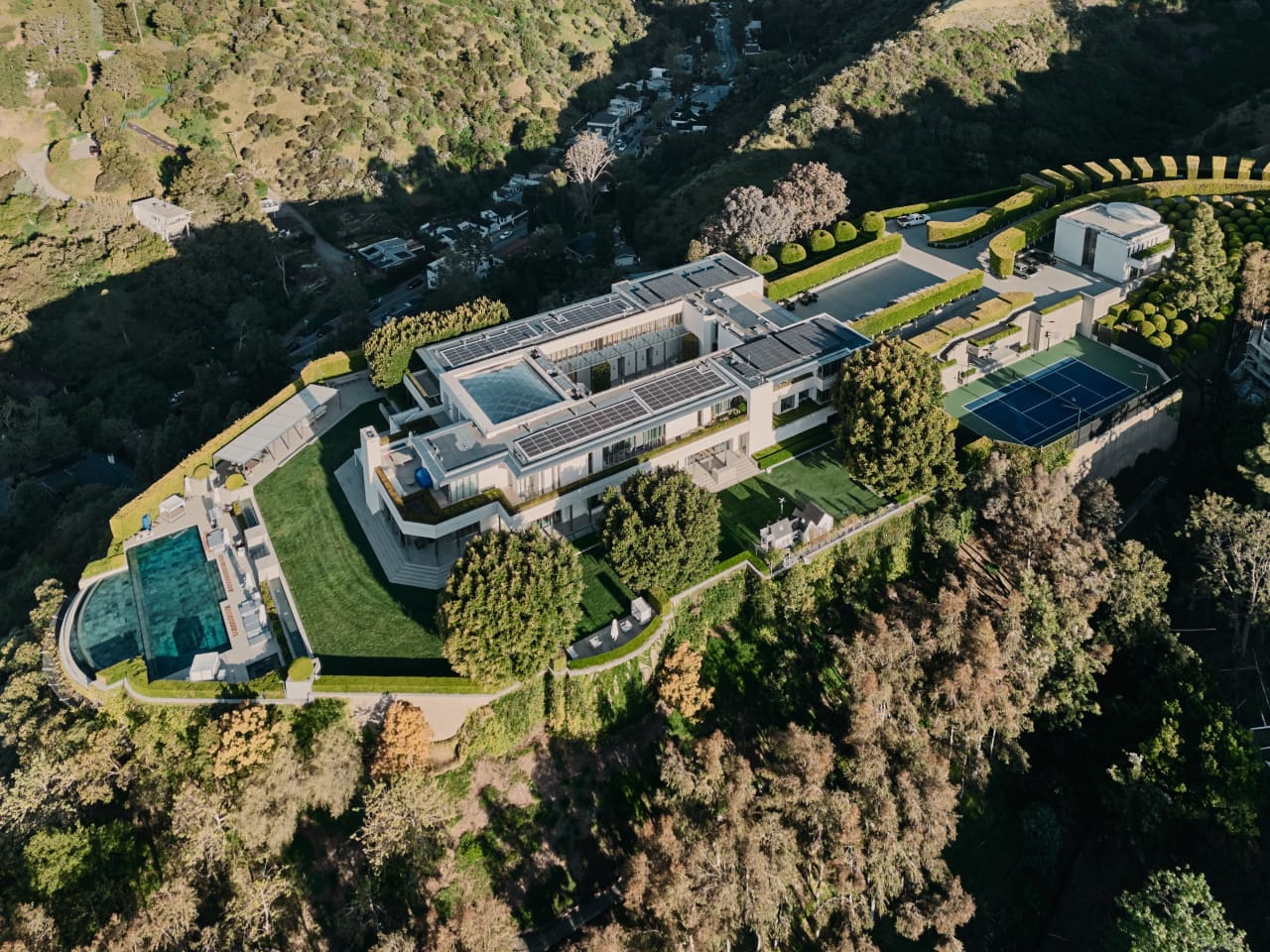
The Pritzker estate in Los Angeles, one of the largest homes in the country, is hitting the market for $195 million. If it sells for that price, it would set a record for the city, where the priciest home sale on record was Jeff Bezos’ $165 million purchase of the Warner Estate in 2020.
The Pritzker listing comes in the wake of a bitter divorce battle between billionaire Tony Pritzker and philanthropist Jeanne Pritzker. The former couple built the house, completing it in 2011.
The roughly 6-acre parcel is in the Beverly Hills Post Office area, just over a mile from Bezos’ home. Situated on a promontory overlooking the city, the home has 180-degree views of downtown L.A. and the ocean, according to Stephen Shapiro of Westside Estate Agency, who has the listing with colleague Kurt Rappaport .
Clad in imported white Italian limestone, the gated estate is about 50,000 square feet with 16 bedrooms, 27 bathrooms and 18 fireplaces. The primary suite has his and hers bathrooms and closets, as well as an indoor and outdoor fireplaces, a hairdressing area, a custom pop-up TV and a balcony.
The lower level of the house has a flower-prep room and a soundproofed bowling alley with custom cabinetry for the bowling balls and shoes. A large theatre has velvet curtains, stage lighting, stadium seating and a projector room. The kitchen has three Gaggenau ovens, two stainless-steel sinks and a dumbwaiter.
On the grounds, a detached two-bedroom guesthouse has a balcony, elevator and its own patio. The estate also has a lighted tennis court with a viewing pavilion. The 75-foot green marble infinity pool overlooks the city, and there is a nearby outdoor kitchen with two barbecues, a large pizza oven, and a custom swimsuit spinner.
In Los Angeles, these types of features are unusual for properties in the hills, Rappaport said. “It’s very rare to have this type of acreage with a view,” he said.
The property also has a detached two-bedroom staff apartment, multiple staff lounges and a staff kitchen.
The Pritzkers are major philanthropists and the home was designed to host large fundraisers, with a large walk-in refrigerator and an extensive underground parking structure.
Because of new restrictions on building, the estate couldn’t be recreated, Shapiro said. “You couldn’t build it today,” he said, adding: “This is the finest house I’ve ever seen.”
Tony and Jeanne Pritzker, who were married for more than 30 years and have six children, declined to comment. The son of Hyatt hotel chain co-founder Donald Pritzker, Tony is a member of one of the country’s wealthiest and more powerful families. He and his brother, J.B. Pritzker , co-founded the investment firm the Pritzker Group, with J.B. ceasing his involvement around the time he became governor of Illinois in 2019.
In 2001, Tony and Jeanne paid $9.5 million for a circa-1938 house in the Beverly Hills Post Office area, according to property records. Then, through LLCs, they purchased several parcels on a ridge adjacent to their previous home. It is unclear how much they paid for the land, but one batch of parcels was purchased in 2005 for $14.7 million, records show.
Once the land was assembled, the Pritzkers started building a new home designed by the late Ed Tuttle of Paris-based architecture firm Designrealization. The Pritzkers moved into the estate in 2011, selling their previous home to celebrity chef Wolfgang Puck for $14 million, property records show.
Jeanne and Tony separated in 2022. The Pritzkers reached a preliminary settlement in April 2024, and Jeanne moved out of the estate that month. The divorce was finalised in May 2024, according to court records. Tony has since paid $19.5 million for a penthouse at Westwood’s Beverly West condominium.
 Copyright 2020, Dow Jones & Company, Inc. All Rights Reserved Worldwide. LEARN MORE


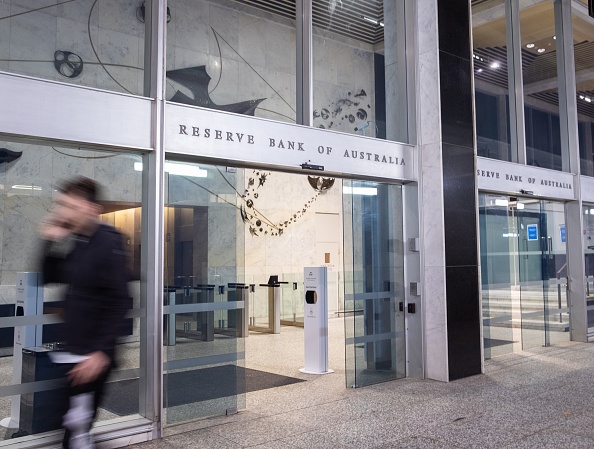
Unemployment hit 4.9% in October, but with inflation at 4.3% the big four aren’t tipping a February RBA cut. Here’s what CBA, Westpac and NAB say.

Dutch studio Vripack took cues from a Shirley Temple song for Lollipop, a 37.4-metre Moonen superyacht built for long-range cruising.
Unemployment hit 4.9% in October, but with inflation at 4.3% the big four aren’t tipping a February RBA cut. Here’s what CBA, Westpac and NAB say.
3 minUnemployment is at a five-year high and the talk has turned from hikes to cuts. But with inflation still well above target, the big banks aren’t ready to promise relief by February.
Three weeks ago the Reserve Bank lifted the cash rate for the fifth time this year. The conversation has now flipped.
Last Thursday the Australian Bureau of Statistics reported that the seasonally adjusted unemployment rate rose to 4.9 per cent in October, up from 4.7 per cent. That is the highest reading since October 2021. Economists had expected about 25,000 new jobs and an unchanged jobless rate.
“In October, there were 44,000 less employed people and 18,000 more unemployed people,” said Sean Crick, the ABS head of labour statistics. Youth unemployment rose to 11.3 per cent. October was also the second straight monthly fall in employment, following a drop of more than 36,000 in September.
Ahead of the RBA’s forecasts
The timing is awkward for the RBA. On 3 November its Monetary Policy Board raised the cash rate by 25 basis points to 4.85 per cent, the highest level since 2008. The vote was 6–3, with three members preferring to hold at 4.60 per cent.
The November Statement on Monetary Policy had forecast unemployment averaging 4.7 per cent in the December quarter, and reaching 4.9 per cent only at the end of 2027. October’s figure got there more than a year early.
Unemployment is also now above the RBA’s own estimate of full employment. Westpac economist Ryan Wells said in the bank’s labour force note that “slower hiring is now being compounded by more firing.” Westpac now expects unemployment to peak at 5.2 per cent by mid-2027, up from its earlier forecast of 4.8 per cent.
Markets moved quickly. Before the data, interest rate swaps had priced a 28 per cent chance of a rate rise by February. Afterwards they implied a roughly 20 per cent chance of a cut by March, with one cut fully priced by November 2027.
The inflation problem
So why isn’t anyone calling a February cut? Inflation hasn’t eased.
Headline CPI rose 4.3 per cent in the year to September, up from 4.0 per cent in August. Housing was the biggest contributor, up 5.2 per cent. Trimmed mean inflation, the RBA’s preferred underlying measure, was 3.6 per cent.
The RBA expects headline inflation to peak at 4.5 per cent this quarter. It sees both headline and underlying inflation staying above 3 per cent until the end of 2027, and not returning to the 2.5 per cent midpoint until mid-2028. The Board also flagged “the increasing risk that higher inflation expectations will become embedded.”
Wages add to the caution. The Wage Price Index rose 1.1 per cent in the September quarter, the strongest quarterly gain since late 2023, taking annual growth to 3.5 per cent. That is still below inflation, so real wages are falling, but the quarterly pace is not what a central bank trying to cool prices wants to see.
Where the banks stand
None of the big four is forecasting a cut at the February meeting. What has changed is the consensus that hikes are over.
- NAB: “We think the RBA are done,” chief economist Sally Auld said on 9 November. She pointed to weaker growth in the first half of 2026, business conditions below their long-run average and fading momentum in household spending. After the jobs data, NAB senior economist Taylor Nugent said unemployment was already well above where the RBA expected it to be this year, which supports the view that the tightening cycle is finished.
- CommBank: in its 2 November forecast update, CBA warned of a “sharper, longer slowdown”. It now expects GDP growth to fall to 1 per cent by mid-2027 and unemployment to peak at 5.1 per cent at the end of 2027. It still has two cuts pencilled in for August and November 2027, though it says the timing is uncertain.
- Westpac: sees November’s increase as the peak of the cycle and expects the Board to pause in December. It said a February move could not be ruled out but looked increasingly unlikely. That comment referred to a further hike, not a cut.
What it means for property
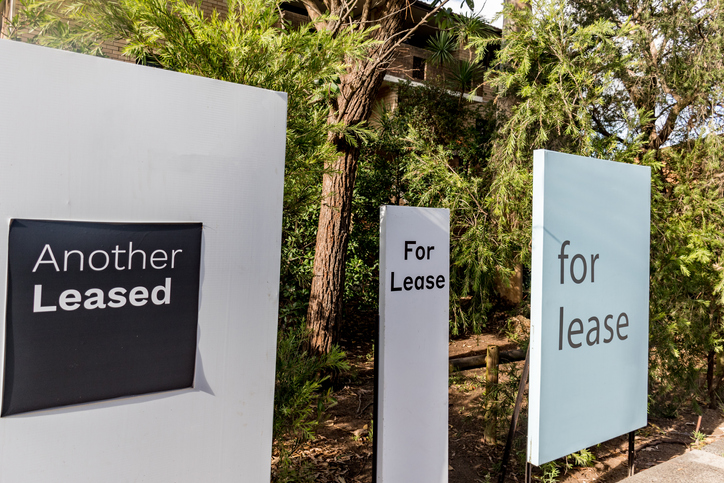
For borrowers, the change is that a sixth hike now looks unlikely. Relief, though, still looks like a story for the second half of 2027.
The housing market is already feeling the strain. NAB’s November Housing Monitor shows combined capital city dwelling prices fell 1.4 per cent in October, the seventh straight monthly fall. Prices are now 8.1 per cent below their March 2026 peak. Westpac cited a deeper-than-expected housing downturn as one reason it lifted its unemployment forecast.
What to watch
October CPI is released on Wednesday 25 November, and November jobs figures follow on 17 December. Both land before or around the RBA’s final meeting of the year next month. The December-quarter inflation figures in late January will then set up the February decision.
If unemployment keeps rising and underlying inflation falls faster than the RBA expects, February could become a real possibility. For now, the banks expect the RBA to hold rates where they are.

From office parties to NYE fireworks, here are the bottles that deserve pride of place in the ice bucket this season.

The era of the gorgeous golden retriever is over. Today’s most coveted pooches have frightful faces bred to tug at our hearts.