From a Gangster’s ‘Rat Pit’ to Sunny Condos: Duplex Atop the Third-Oldest Building in Manhattan Lists for $US1.825 Million
The 250-year-old structure in the South Street Seaport District had a colorful past before a developer converted it to apartments in the 1990s

 3 min
3 min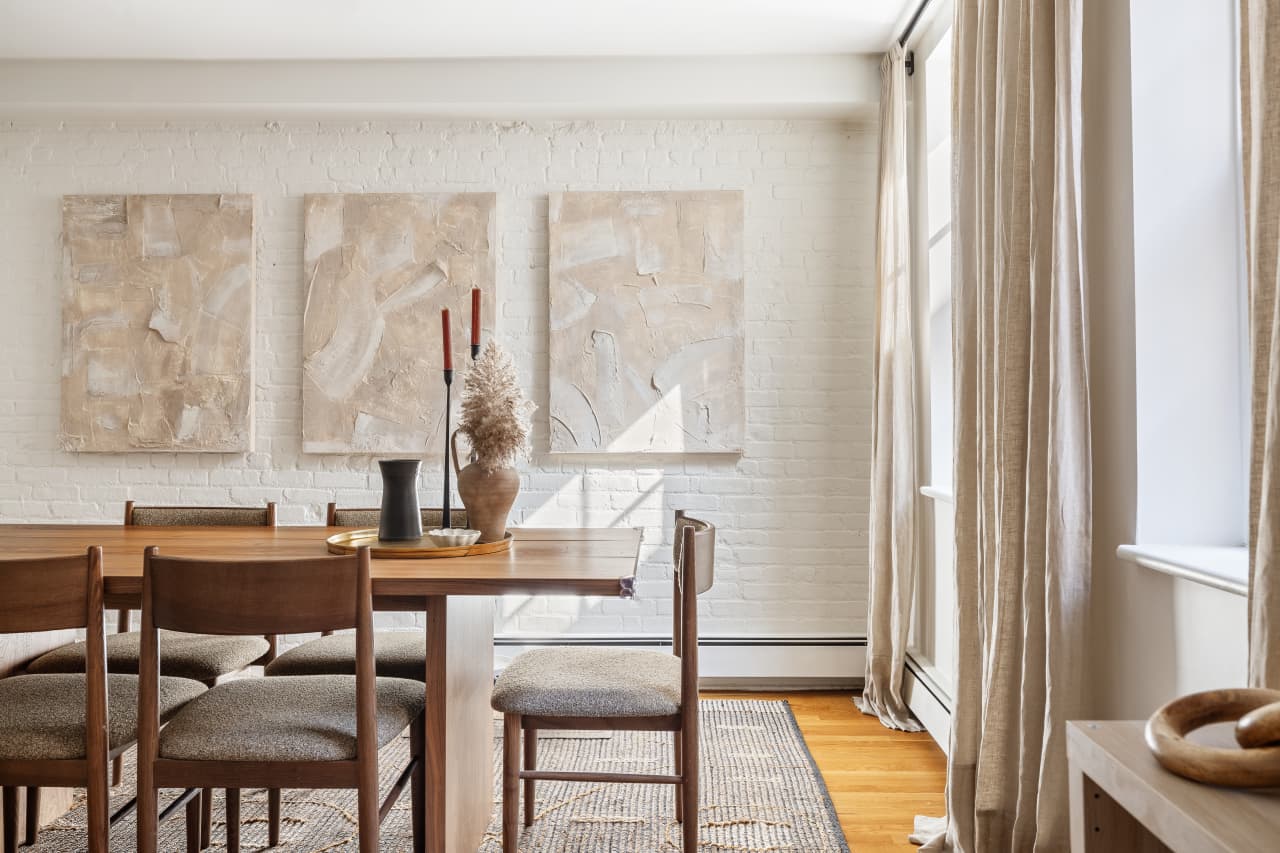
An apartment atop the third oldest building still standing in Manhattan has hit the market for $1.825 million.
The two-bedroom duplex occupies the top two floors of the Captain Joseph Rose house in the South Street Seaport District, the third oldest building in Manhattan after the Morris-Jumel Mansion in Washington Heights and St. Paul’s Chapel near the World Trade Center. In 1773 it was a fashionable two-story home for Rose, a successful lumber merchant, but its more colourful history came a century later, during the Civil War era, when it was the site an infamous saloon known as “Kit Burns’ Rat Pit,” run by one of the founders of the Dead Rabbits gang.
Today, the 1,424-square-foot unit shows few signs of its unsavoury past. Located on a cobblestoned side street, the building still retains its brick facade and original Georgian-style, but the upper floors were added after a fire in 1904, and the interiors were completely restored by architect Oliver Lundquist when the building was converted to condos in 1997.
The sellers, who purchased the unit for $1.575 million in 2022, listed the property with Lindsey Stokes and Allison Venditti of Compass on Tuesday.
When Rose built the home on Water Street, the isle of Manhattan was smaller, and the home had direct access to the East River where he docked his merchant ship, Industry . By the turn of the century the ground floor had been converted to commercial use, and it was used as an apothecary, a cobbler shop, a watchmakers’ shop and a grocery.
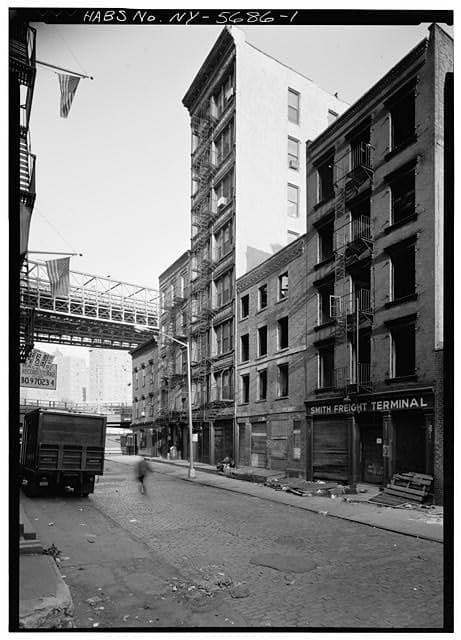
Library of Congress
By the 1860s, the bustling South Street Seaport had begun to decline as shipping lines moved to larger ports along the Hudson River, and the neighbourhood deteriorated. The Joseph Rose building was purchased by Christopher “Kit” Burns, who opened a saloon called Sportsman’s Hall, a den of vice most notable for its rat pit—the largest in the city—where Burns staged “rat baiting” events, in which caged dogs compete to kill rats while spectators bet on the outcome.
Journalist James W. Buel described Sportsman’s Hall in a book on American cities published in 1883. “This place was once an eating cancer on the body municipal,” he wrote. “Within its crime begrimed walls have been enacted so many villainies, that the world has wondered why the wrath of vengeance did not consume it.”
In 1870, the saloon was shut down by the authorities, and Burns leased the building to the Williamsburg Methodist Church, which used it as a refuge for women. Burns, meanwhile, opened a rat pit down the block at 388 Water St.
As the years progressed, the building suffered fires in 1904 and again in 1976, after which it fell into disrepair and was seized for unpaid taxes. In 1997, the city sold the neglected building to developer Frank Sciame Jr. for just $1, who restored it and converted it to luxury condos.
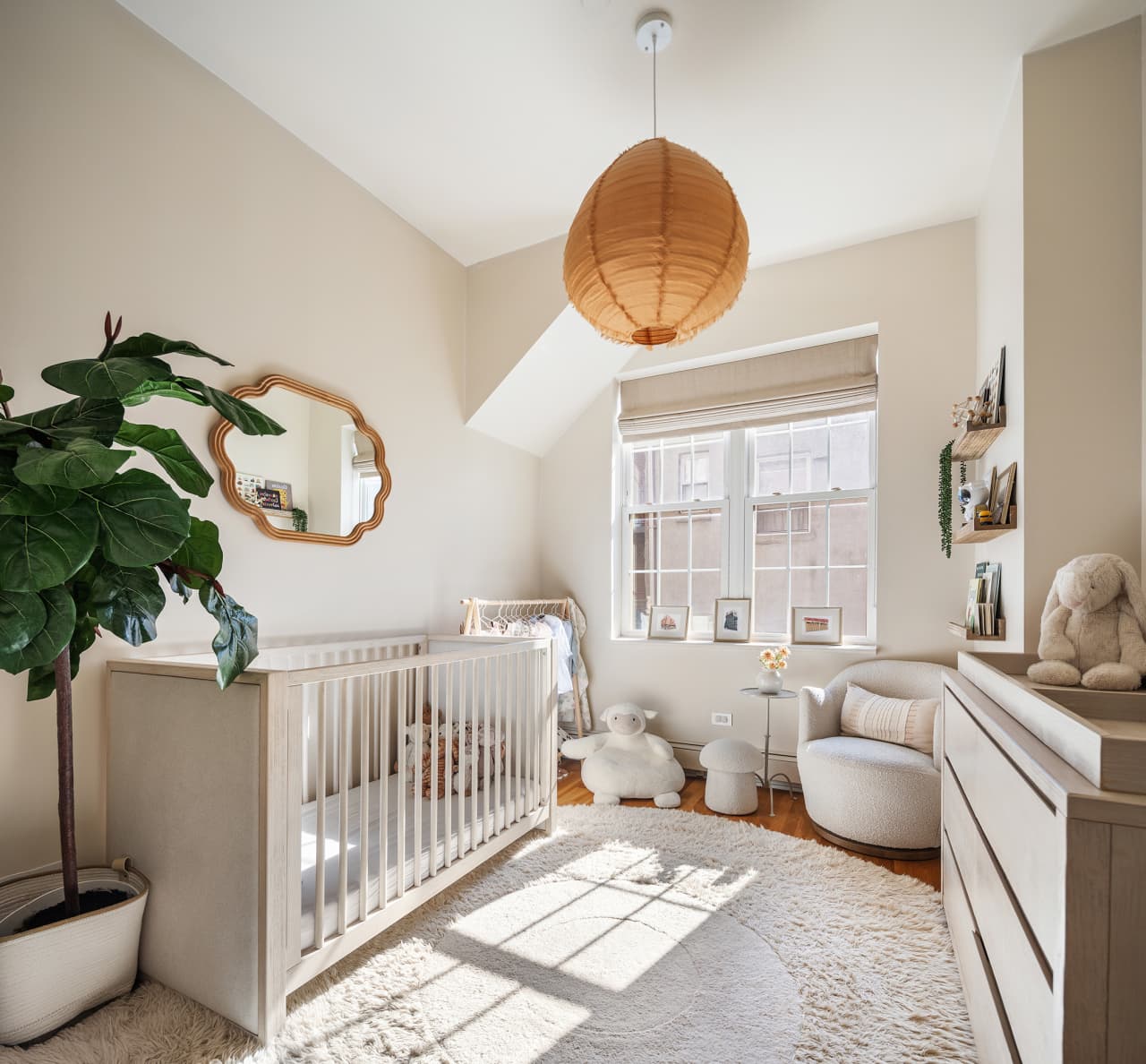
The upper unit has traded hands several times in the decades since. Currently, the unit begins with a foyer that leads to an open plan living and dining area on the main level, with a staircase leading to two bedrooms on the upper level, and a private rooftop.
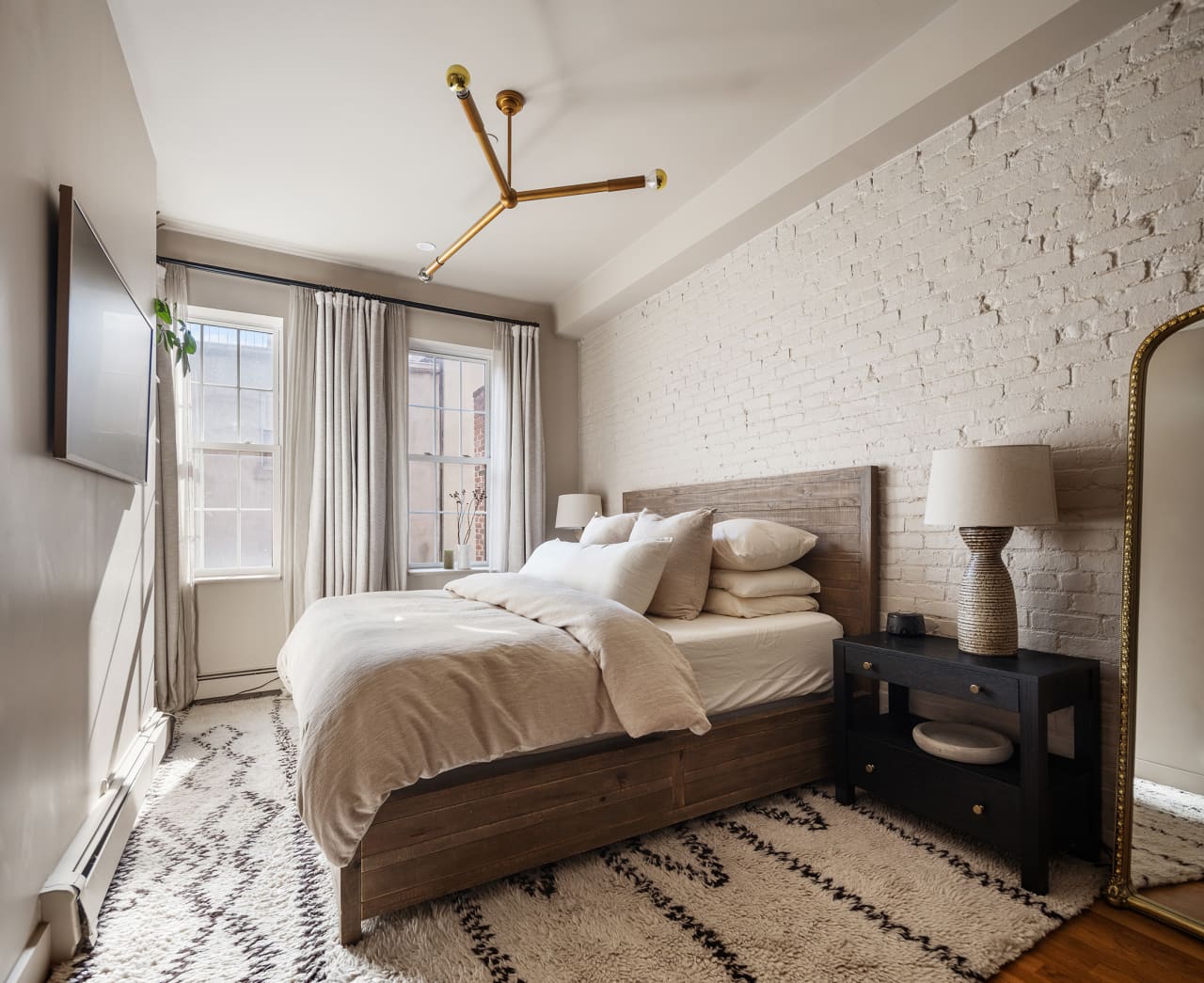
After purchasing the unit, the sellers worked with designer Lauryn Stone to renovate the upper level, reconfiguring the floor plan and remodelling the primary bathroom, according to Stokes. The interiors feature finished white oak floors and painted brick walls, with built-in shelves and a ventless fireplace in the living room, stone counters in the kitchen, a walk-in closet off the primary bedroom, and two rows of six-over-six panelled windows adding light and air.
 Copyright 2020, Dow Jones & Company, Inc. All Rights Reserved Worldwide. LEARN MORE





Australian shares fell on Thursday as Wall Street weakness, rising oil and persistent rate concerns weighed on most of the market. The S&P/ASX 200 declined 0.72 per cent to 8,702. The All Ordinaries lost 0.66 per cent to finish at 8,897. Mining stocks were hit particularly hard, while real estate also dragged on the index. …
Continue reading “ASX falls 0.7 per cent as miners and property stocks retreat”

Borrowers cannot control the Reserve Bank, but they can control how exposed their household budget is to its next decision. The RBA meets on 29 September with inflation concerns still elevated and major-bank economists increasingly bringing forward their rate-rise calls. Fixed mortgage rates have also been moving, reducing the value of waiting for perfect certainty. …
Continue reading “What mortgage holders should do before the next RBA decision”
A five-bedroom Palo Alto home designed by Steven Ehrlich is listed for $44 million, making it the city’s most expensive listing. Built around a dramatic concrete spine, the home features four courtyards and a pool.
3 min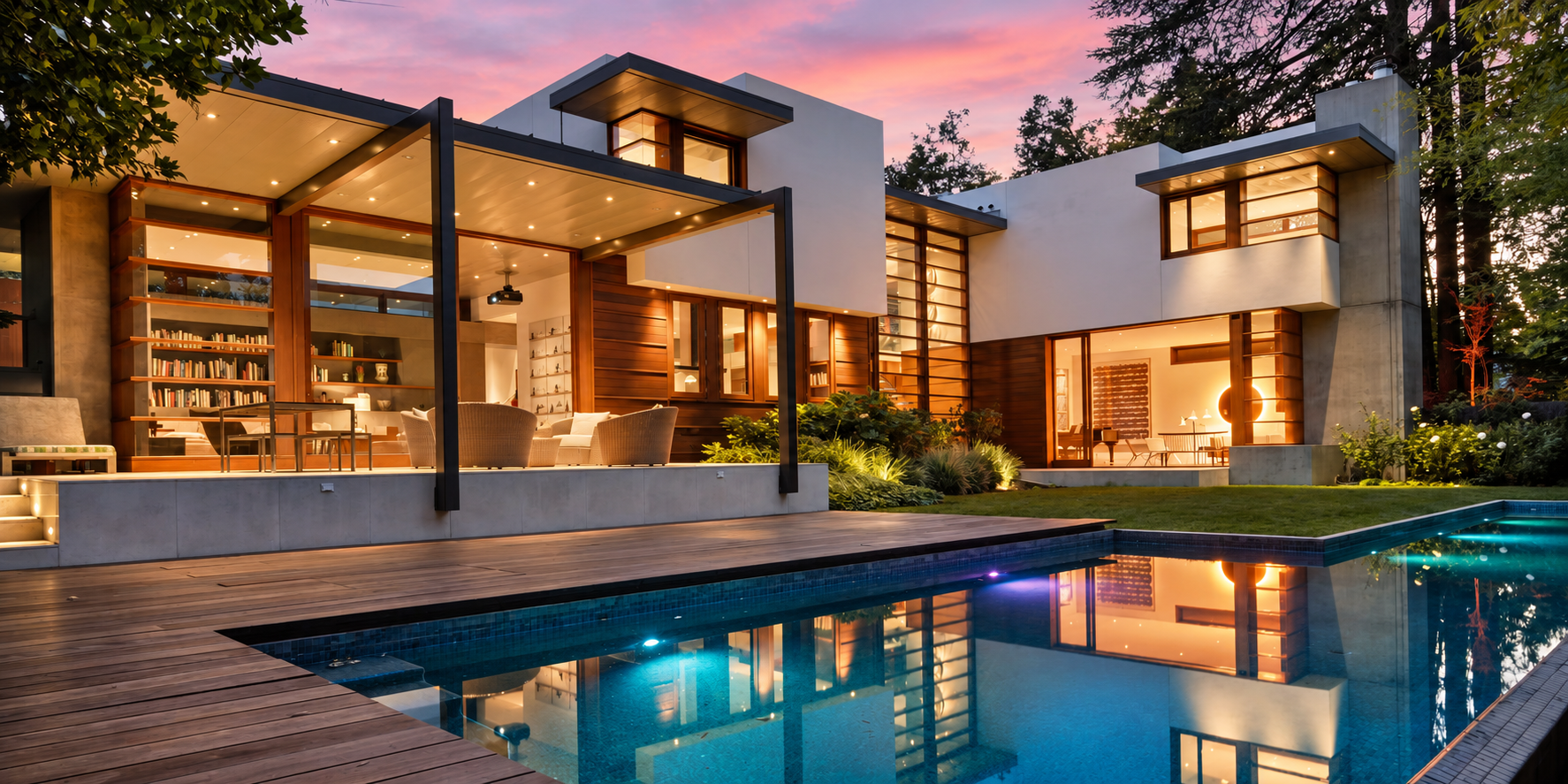
For years, tech entrepreneur Asher Waldfogel and his wife, Helyn MacLean, dreamed of building a modern house in Palo Alto, Calif.
The couple, however, worried about clashing with the Mediterranean-style architecture typically associated with their neighborhood of Old Palo Alto.
So they tapped architect Steven Ehrlich to create a design that paid homage to its surroundings with stucco, mahogany and titanium zinc cladding. They spent $20 million over several years building the house, completed in 2005.
Now looking to be closer to their adult daughter on the East Coast, they are putting the five-bedroom home on the market for $44 million—the most expensive listing in Palo Alto.
Waldfogel is an angel investor who co-founded Redback Networks, a telecommunications-equipment company. MacLean previously had a career in fundraising.
The couple purchased the roughly 0.4-acre site for $7.1 million in 2000 and demolished a circa-1930s Spanish Colonial home. The house they built pinwheels around a central staircase. It has 7,900 square feet of livable space, with four distinct courtyards and a pool.
A key feature of the home is a cast-in-place concrete wall, or spine, that is two stories high and about 80 feet long. “There’s a little bit of controlled chaos in what comes out of the form,” unlike a perfectly uniform surface, Waldfogel said. “If you want that, you do it in plastic.”
Waldfogel said he and his wife are thinking about the next phase of life now that their daughter is grown, although they have not decided where they will move. They also have a home in Sun Valley, Idaho.
“Right now we’re just trying to emotionally let go and decide what to do next,” he said.
Palo Alto, an epicenter of venture capital and tech startups in Silicon Valley, is home to some of the country’s biggest tech titans. Sales volume and prices are rising, with a median sale price of $3.5 million for the three months ending in August, up 5.8% year-over-year, according to real-estate brokerage Redfin.
Arthur Sharif of Sotheby’s International Realty—San Francisco Brokerage has the listing.
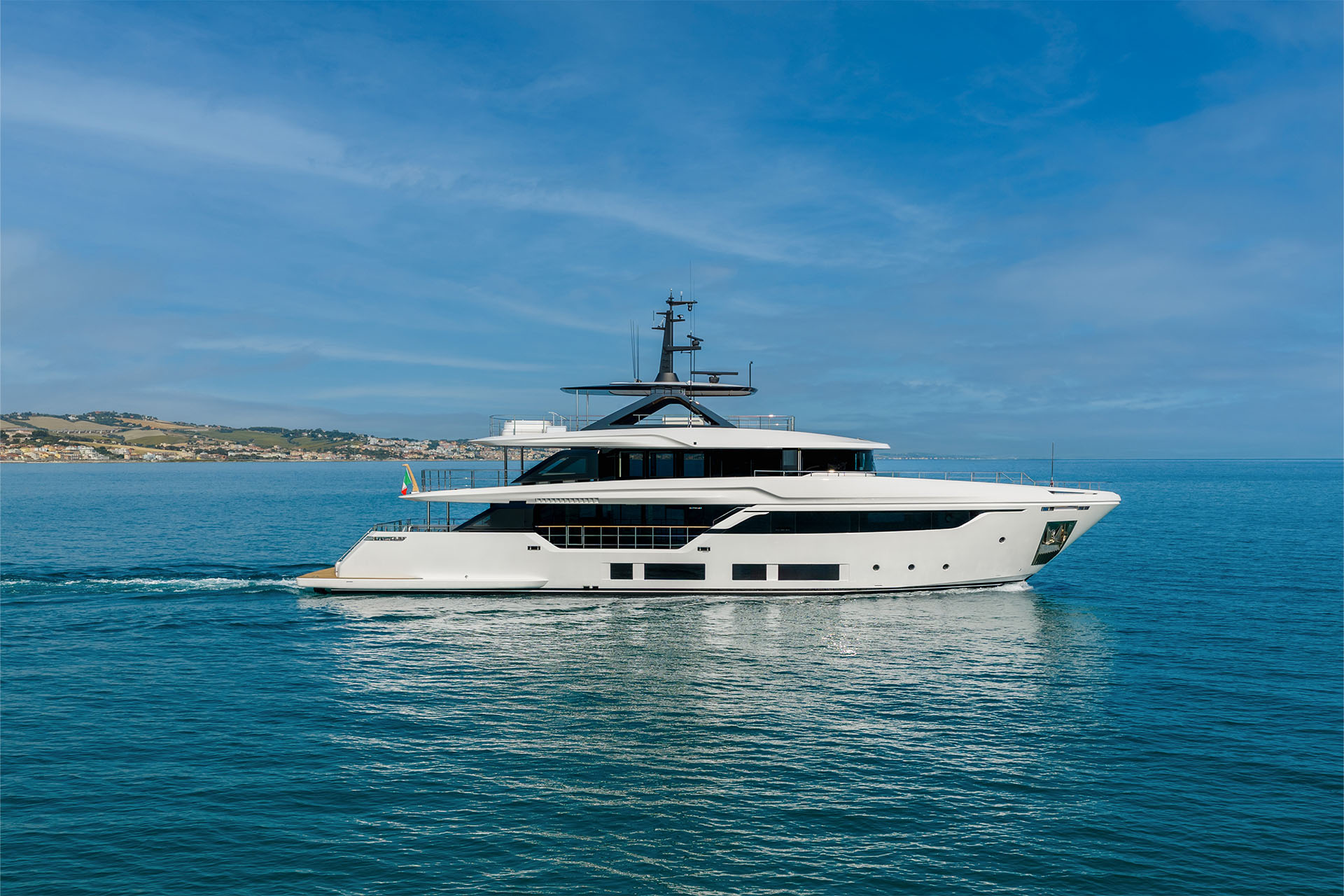
Four decks, 34.5 metres and a made-to-measure interior: step aboard the new Custom Line Navetta 35, unveiled at Cannes.
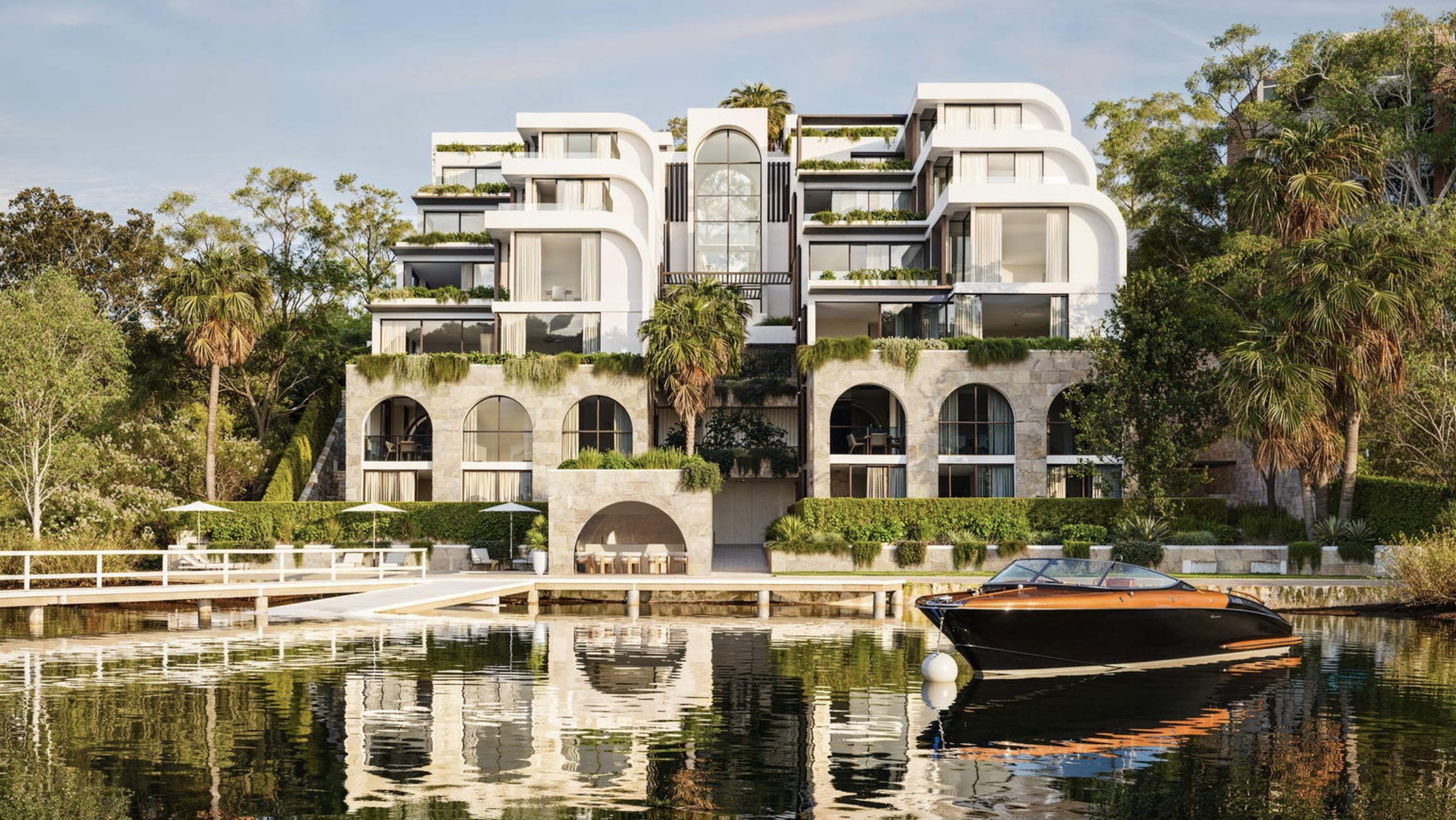
Advertising legend John Singleton unveils an exclusive 16-residence Caroline Bay development, marking his latest high-end property play on the Central Coast.