The Australian regions outperforming the capitals for energy efficient housing
An unlikely Australian region is leading the energy efficiency charge for residential construction, while one major capital lags behind
 2 min
2 min
New Australian homes are far more energy efficient than those built previously, a new report from CoreLogic has shown. The report, Amped Up: How energy efficient are Australian
Homes?’ has taken data from CoreLogic and checked it against metrics generated by the CSIRO’s RapidRate™ product to reveal that houses built after 2010 achieved a media star rating of 5.9 out of a possible 10. This compares with a median rating of 2.8 stars for homes built prior to 2010.
The most energy efficient region overall was the ACT, with a median star rating of 6.1. Within the ACT, the region of Molonglo had the highest rating. Positioned halfway between Yarralumla and Stromlo Observatory, Molonglo is the newest district in the ACT and is still under development. It is the only region nationally with a star rating of 6 or above for all dwellings.
The ACT dominated the top 30 list of most energy efficient suburbs. In contrast, Sydney and Hobart were notably absent from the top 30 list, although the report noted that there was a high level of variation across both cities. Sydney and Hobart are also the oldest cities in the country, with some housing stock dating back to the early 19th century. The report noted that demand for heating was also strongest in Hobart, which also had the lowest dwelling completion to population ratio. Heritage restrictions were also identified as a factor.
At a micro level, the Sydney suburbs of Blacktown-North and Bringelly-Green Valley recorded the highest ratings for NSW, with a median of 5.2 stars. In Victoria, the Surf Coast-Bellarine peninsula performed well, with the suburbs of Armstrong Creek, Curlewis and Mount Duneed all showing a median rating of 6 stars or higher.
Given Australian housing accounts for 24 percent of electricity use and 10 percent of carbon emissions, CoreLogic’s Head of Banking & Finance Solutions Tom Coad said it was vital that standards set in the National Construction Code were adhered to.
“The significant difference in energy efficiency between relatively modern homes and older homes can largely be attributed to changes in the National Construction Code
which has progressively placed more emphasis on energy efficiency requirements for newly built homes,” Mr Coad said.
“The Coalition’s recent push to pause the National Construction Code for 10 years flies in the face of Australia’s commitments to reduce carbon emissions.”
“Policymakers should be incentivising the construction of energy efficient buildings, not slamming the breaks.”
The report was compiled using the Nationwide House Energy Rating Scheme (NatHERS) star rating system. Research director at CoreLogic, Tim Lawless, said it was important to continue to monitor the energy efficiency of housing construction.
“What gets measured gets done,” he said. “As standards for energy efficient design and construction rise, it’s also becoming more important to measure energy resilience in
our housing stock.
“Minimum energy efficiency standards for new builds will continue to be important in supporting Australia’s greenhouse gas reduction targets, but there is likely to be
increasing focus and incentives on established housing where most of Australia’s housing stock was built prior to recent minimum standards.”

From making unpopular decisions to learning when to listen, leaders from five businesses reveal what nobody prepared them for — and how running a company has challenged their expectations.

Technology and semiconductor shares fell sharply as investors questioned the debt financing the AI infrastructure boom and confronted higher rates and Chinese competition.

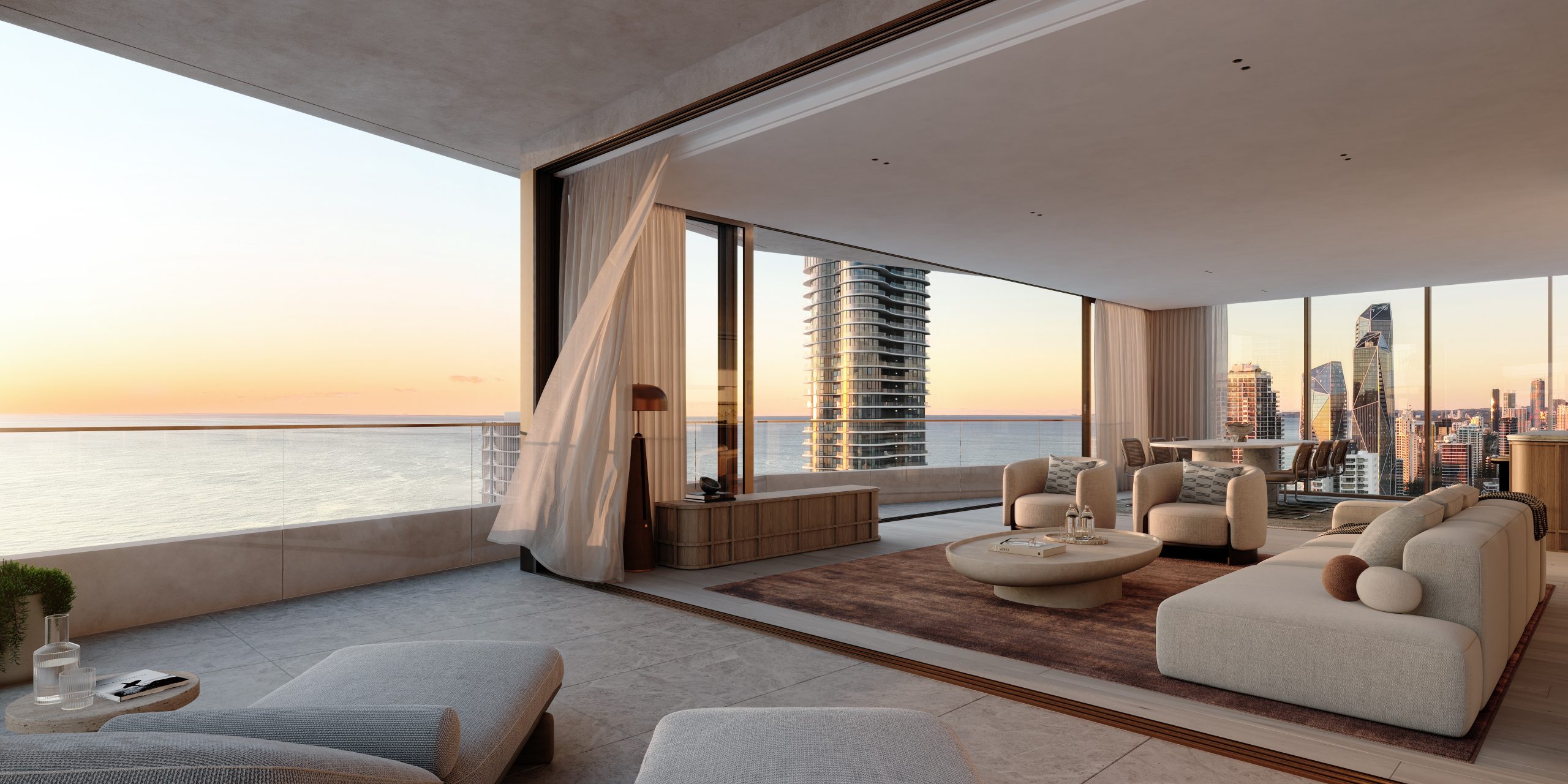
Mirvac’s 45-level Trielle has topped out at Yarra’s Edge, pairing riverfront apartments with wellness facilities, private dining and resident services.
3 min
Mirvac has topped out Trielle at Melbourne’s Yarra’s Edge, with more than 70 per cent of the riverfront development sold and approximately 80 per cent of purchasers intending to make their apartment a home.
The figures, released on September 22, point to an owner-occupier audience for one of the precinct’s final residential towers. Mirvac began developing Yarra’s Edge in 2003, and its latest addition occupies one of the remaining absolute riverfront sites.
Mirvac CEO of Development Stuart Penklis said existing residents were among those moving up within the neighbourhood.
“Many purchasers already have a connection to Yarra’s Edge,” Mr Penklis said, describing buyers whose changing needs were encouraging an upgrade within the precinct.
“As one of the final residential towers within Yarra’s Edge, Trielle represents the culmination of more than two decades of creating one of Melbourne’s most established and sought-after waterfront communities,” Penklis said.
“Positioned on the Collins Street axis with absolute river frontage, Trielle offers residents a rare opportunity to enjoy sweeping views across the Yarra River, Melbourne skyline and Port Phillip Bay, while remaining seamlessly connected to the CBD. With Trielle now more than 70 per cent sold, we’re continuing to see strong demand from buyers seeking quality homes in established locations.”
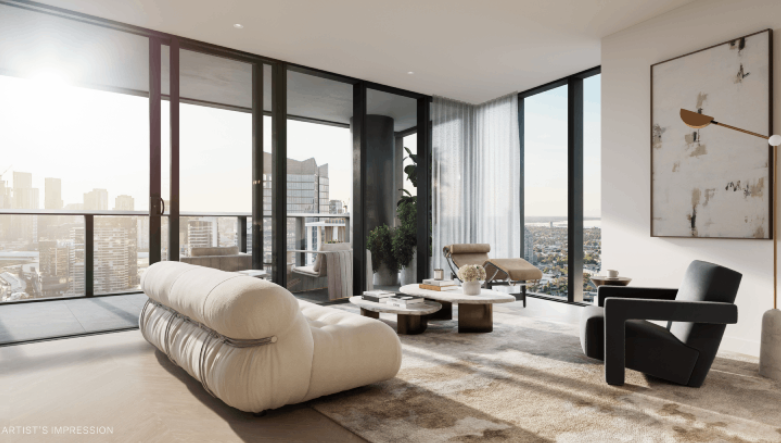
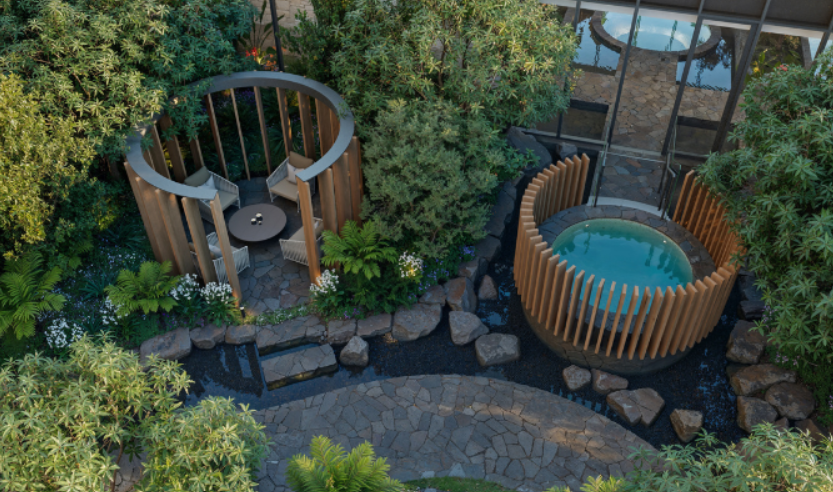
The developer also flagged a penthouse and sub-penthouse collection with larger layouts, premium finishes and broad outlooks. The planned wellness centrepiece, The Oasis, encompasses a 900-square-metre elevated urban rainforest.
Mirvac General Manager Residential Development Victoria Elysa Anderson said Trielle had resonated strongly with buyers seeking a rare lifestyle offering in Melbourne.
“Opportunities to secure a new luxury residence on a riverfront site of this calibre are incredibly rare, particularly within a community like Yarra’s Edge,” Anderson said.
“What makes Trielle unique is the combination of exceptional views, world-class residential facilities and the lifestyle that already exists around it. Residents are buying into a mature waterfront community with parks, promenades, dining, wellness and strong community connections already in place.”
The 45-level tower brings a substantial new presence to that waterfront. Its residential offering spans one-, two-, three- and four-bedroom apartments, with Signature, Prestige and Sub-Penthouse collections accommodating different household sizes. The north-facing position connects the apartments visually to the river and city beyond.
Seven storeys above the promenade, the planned Oasis combines planting and a running stream with a Scandinavian-inspired wellness club developed with spa specialist Naomi Gregory. Facilities include a 25-metre lap pool, hot magnesium pool, sauna, hydrotherapy, a gym, yoga and Pilates room, and treatment spaces.
The amenity extends beyond exercise. Residents will have access to The Biblioteca library and workspaces, ground-floor work pods, and The Salone piano lounge. A private Chef’s Table dining room offers a setting for larger gatherings, while a cinema, games room and sports lounge broaden the entertaining options. Concierge services and a dog-wash area support everyday routines.
Trielle comprises a collection of one, two, three and four-bedroom residences. Reflecting strong demand from owner occupiers, approximately 80 per cent of purchasers to date intend to live in their homes, highlighting the project’s appeal to those seeking a long-term waterfront lifestyle.
Mirvac has recently delivered The Albertine, a premium apartment development on the edge of Melbourne’s CBD, and is nearing completion of Prince & Parade in Brunswick, further strengthening its portfolio of thoughtfully designed apartment communities in some of Melbourne’s most sought-after urban locations.

Porsche’s Cayenne Turbo Electric produces up to 1,156PS and reaches 100km/h in a claimed 2.5 seconds.

Singapore’s Formula 1 weekend has always looked different. Held beneath floodlights on the Marina Bay Street Circuit, the race transforms the city into a nocturnal spectacle of speed, heat and saturated colour. It is this distinctive atmosphere — and one of Singapore’s most important natural symbols — that has shaped IWC Schaffhausen’s latest motorsport-inspired watch. …
Continue reading “IWC’s purple Formula 1 chronograph pays tribute to Singapore after dark”