Australian House Prices Retreat for First Time in Nearly Two Years
House prices rose 4.9% in 2024, but December registered a 0.1% drop

 2 min
2 min
SYDNEY—Australian house prices recorded their first monthly decline in almost two years in December, but relief for the market appears close amid growing speculation that the Reserve Bank of Australia will start cutting interest rates from February.
House prices rose 4.9% in 2024, but December registered a 0.1% drop, the first since January 2023, according to property research group, CoreLogic.
The month saw deepening price falls in Melbourne and Sydney, the country’s two biggest property markets, while other state capitals also showed signs of weakening.
A national housing shortage and falling unemployment are lending some support to house prices, but elevated interest rates, poor affordability levels and low confidence are now taking a toll on the market.
“The decline in values is no surprise,” said CoreLogic’s research director, Tim Lawless. “This result represents the housing market catching up with the reality of market dynamics.”
“Growth in housing values has been consistently weakening through the second half of the year, as affordability constraints weighed on buyer demand and advertised supply levels trended higher,” he added.
There is widening evidence of weakness in the property market, with auction activity cooling from their highs, particularly in Sydney where successful sales at auctions have fallen to just above 50% of properties listed.
Still, the tide could turn again for house prices, after the RBA indicated in December it is growing more confident that inflation will soon return to target, paving the way for the start of interest rate cuts.
Economists are forecasting another year of modest gains for house prices, with the pace of increase largely dictated by the timing and extent of RBA rate cuts.
The RBA kept the official cash rate steady at 4.35% through 2024, putting it at odds with many of the world’s major central banks that have cut aggressively.
A shortfall in housing supply is also expected to remain significant for a long while yet, with the accumulated shortfall now estimated at around 200,000 homes, said Shane Oliver , chief economist at AMP.
 Copyright 2020, Dow Jones & Company, Inc. All Rights Reserved Worldwide. LEARN MORE




Australian shares fell on Thursday as Wall Street weakness, rising oil and persistent rate concerns weighed on most of the market. The S&P/ASX 200 declined 0.72 per cent to 8,702. The All Ordinaries lost 0.66 per cent to finish at 8,897. Mining stocks were hit particularly hard, while real estate also dragged on the index. …
Continue reading “ASX falls 0.7 per cent as miners and property stocks retreat”

Borrowers cannot control the Reserve Bank, but they can control how exposed their household budget is to its next decision. The RBA meets on 29 September with inflation concerns still elevated and major-bank economists increasingly bringing forward their rate-rise calls. Fixed mortgage rates have also been moving, reducing the value of waiting for perfect certainty. …
Continue reading “What mortgage holders should do before the next RBA decision”
A five-bedroom Palo Alto home designed by Steven Ehrlich is listed for $44 million, making it the city’s most expensive listing. Built around a dramatic concrete spine, the home features four courtyards and a pool.
3 min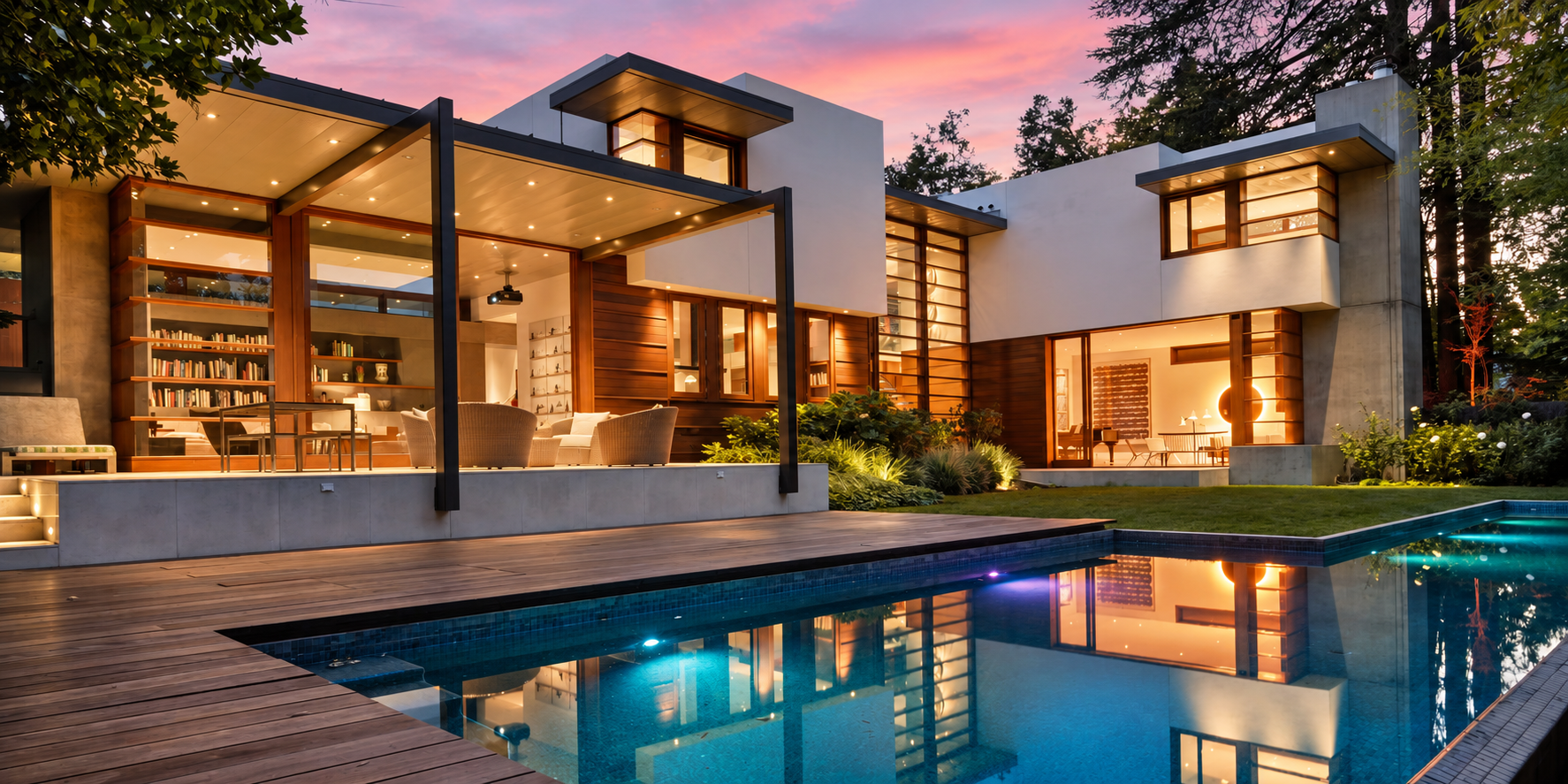
For years, tech entrepreneur Asher Waldfogel and his wife, Helyn MacLean, dreamed of building a modern house in Palo Alto, Calif.
The couple, however, worried about clashing with the Mediterranean-style architecture typically associated with their neighborhood of Old Palo Alto.
So they tapped architect Steven Ehrlich to create a design that paid homage to its surroundings with stucco, mahogany and titanium zinc cladding. They spent $20 million over several years building the house, completed in 2005.
Now looking to be closer to their adult daughter on the East Coast, they are putting the five-bedroom home on the market for $44 million—the most expensive listing in Palo Alto.
Waldfogel is an angel investor who co-founded Redback Networks, a telecommunications-equipment company. MacLean previously had a career in fundraising.
The couple purchased the roughly 0.4-acre site for $7.1 million in 2000 and demolished a circa-1930s Spanish Colonial home. The house they built pinwheels around a central staircase. It has 7,900 square feet of livable space, with four distinct courtyards and a pool.
A key feature of the home is a cast-in-place concrete wall, or spine, that is two stories high and about 80 feet long. “There’s a little bit of controlled chaos in what comes out of the form,” unlike a perfectly uniform surface, Waldfogel said. “If you want that, you do it in plastic.”
Waldfogel said he and his wife are thinking about the next phase of life now that their daughter is grown, although they have not decided where they will move. They also have a home in Sun Valley, Idaho.
“Right now we’re just trying to emotionally let go and decide what to do next,” he said.
Palo Alto, an epicenter of venture capital and tech startups in Silicon Valley, is home to some of the country’s biggest tech titans. Sales volume and prices are rising, with a median sale price of $3.5 million for the three months ending in August, up 5.8% year-over-year, according to real-estate brokerage Redfin.
Arthur Sharif of Sotheby’s International Realty—San Francisco Brokerage has the listing.
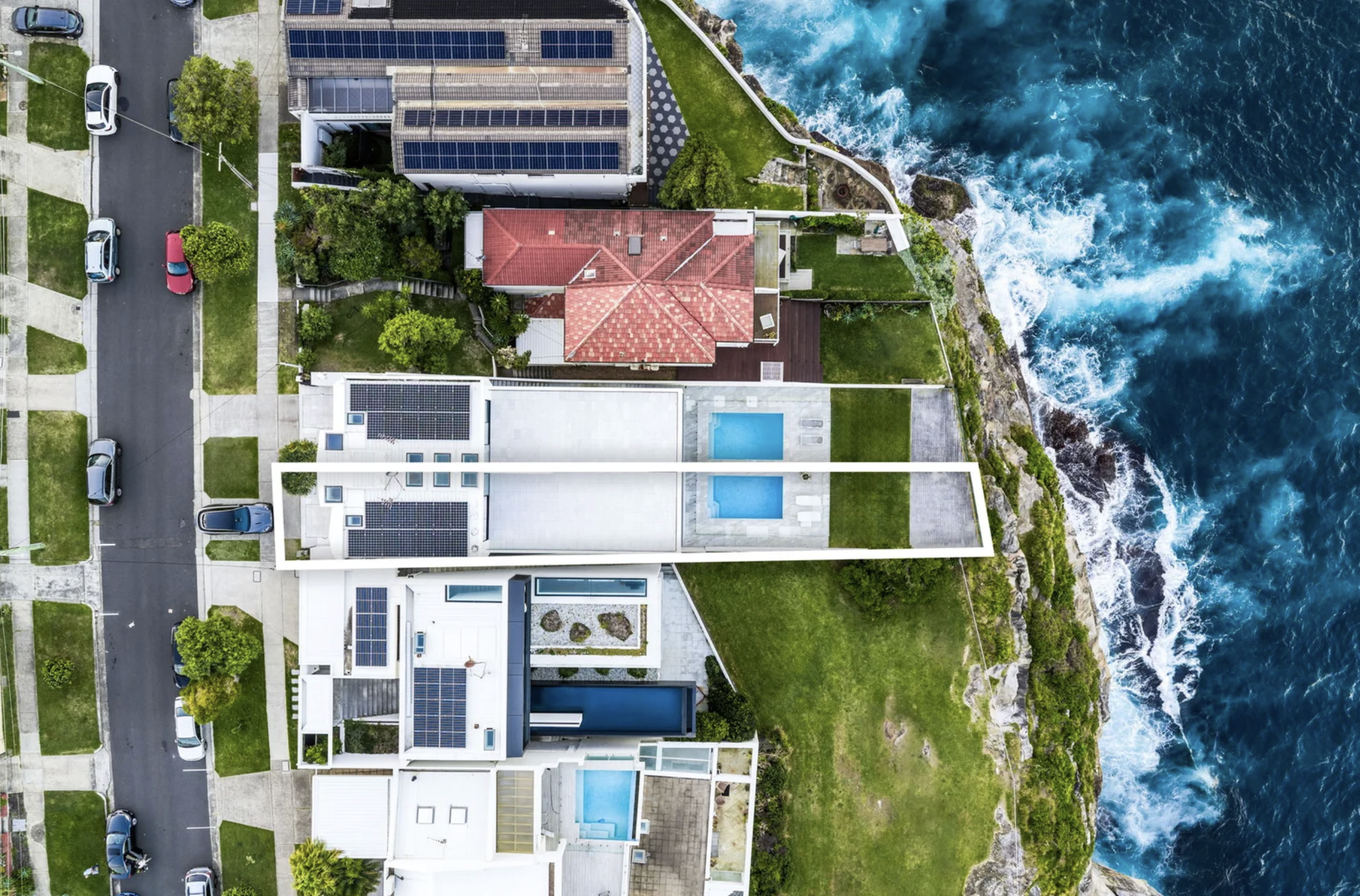
A Vaucluse masterpiece by MHNDU with interiors by Poco Designs brings architectural ambition and breathtaking ocean outlook to the auction block.
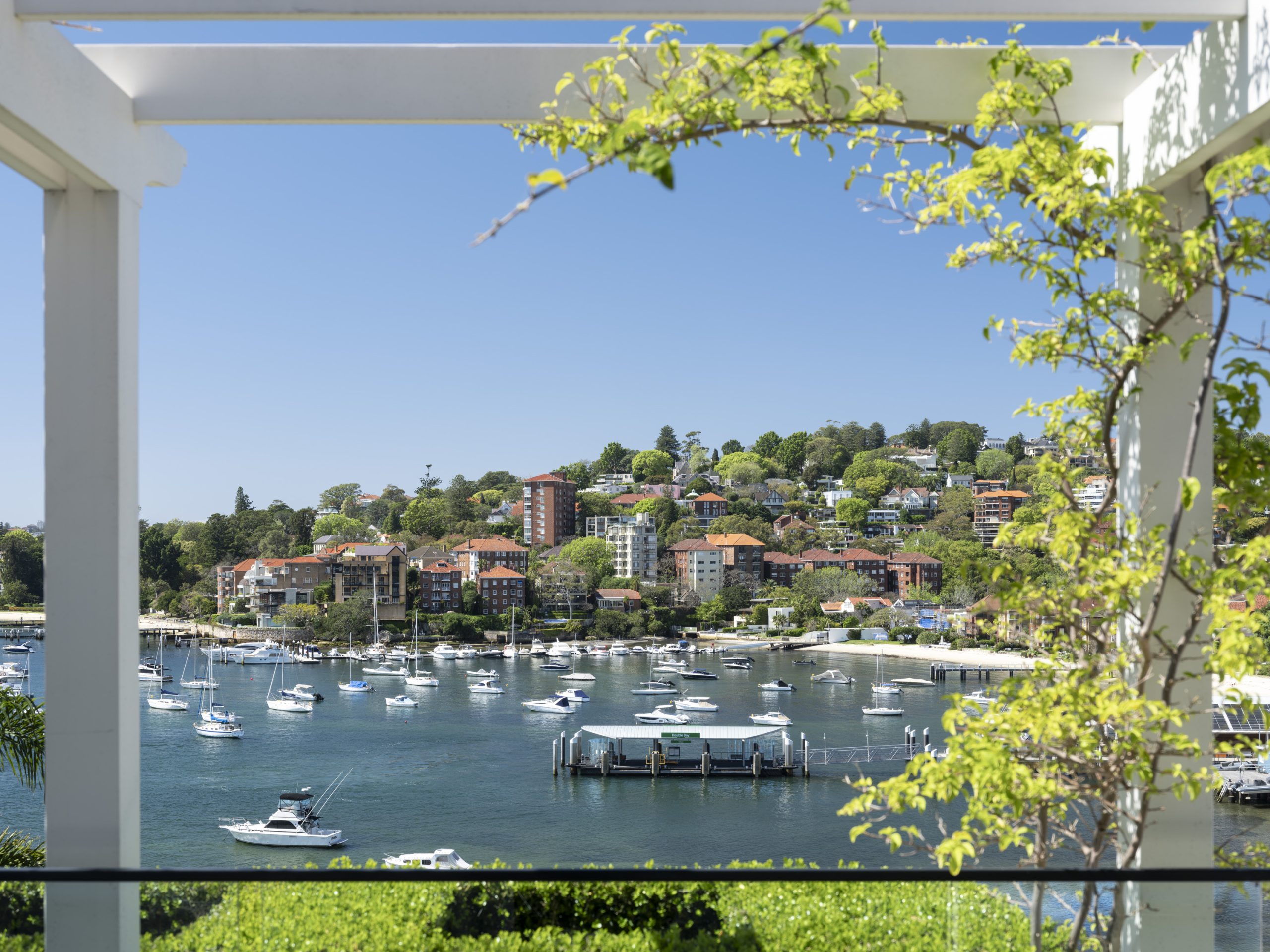
The grand harbourside residence combines sweeping Sydney Heads views, resort-style entertaining and refined designer finishes with a reported $36 million price guide.