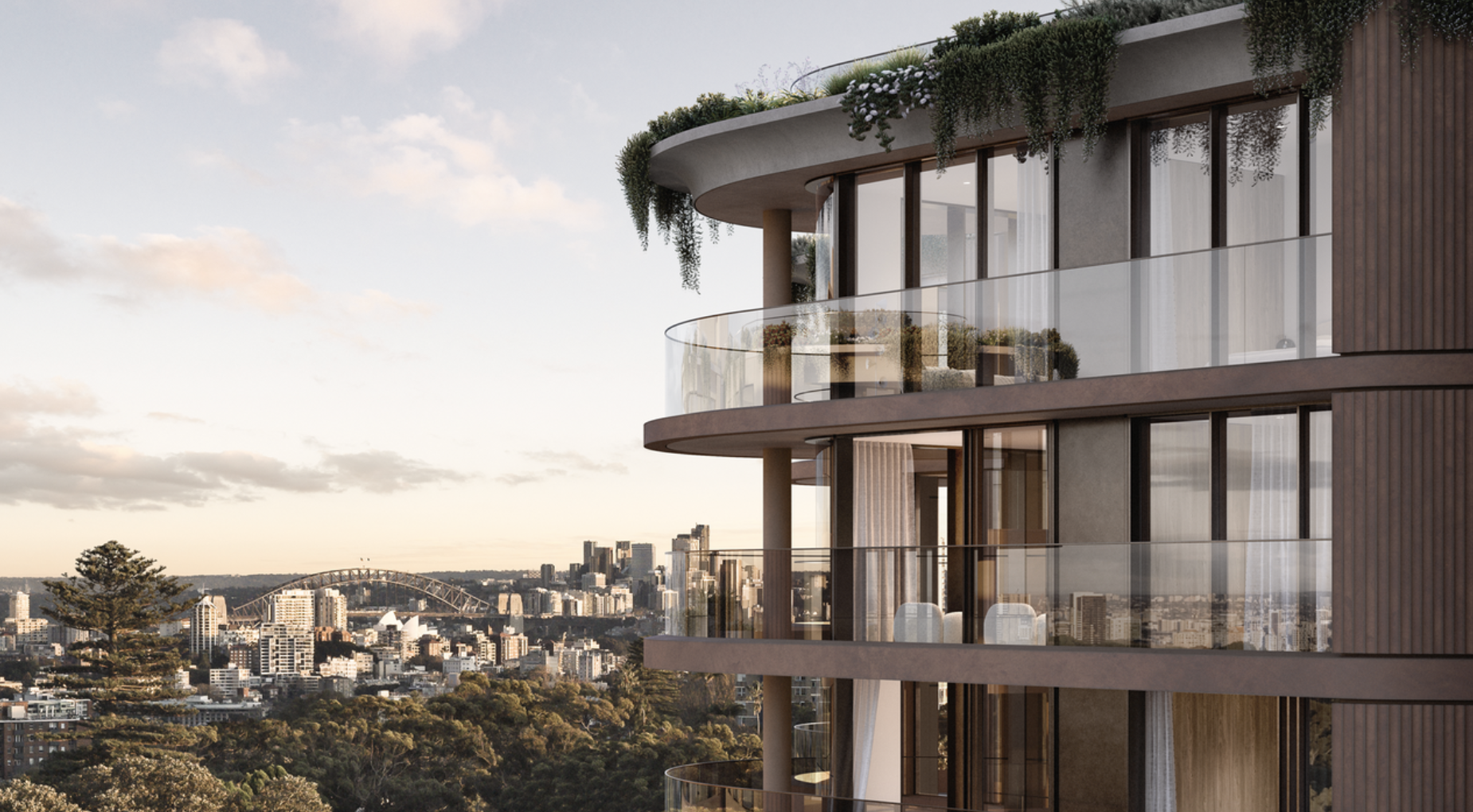
Revealed: Sydney’s Most Expensive Suburbs to Rent
Sydney’s rental market is hitting new highs, with prime suburbs now topping $2,000 a week.
 4 min
4 min
Sydney is well and truly on the world map when it comes to luxury residential property, rivalling—and even beating—the likes of Tokyo and Dubai in terms of price per square metre.
The harbour capital has also proven itself to be a powerhouse for luxury residential rental growth. Knight Frank’s Prime Global Rental Index Q4 2024 showed prime rents across Sydney grew 4.7 per cent over 2024, the fifth-highest growth globally.
This has pushed several of Sydney’s top suburbs over the $2,000 per week median rent mark for a house, with surrounding areas fast approaching the milestone.
We’ve wrapped up the most expensive suburbs to live in across Sydney, with data sourced from property data analytics firm CoreLogic.
1. Vaucluse: Median purchase: $8.69m; Median rent: $2,198
Vaucluse has consistently ranked as Sydney’s most expensive suburb for rental properties over the past few years, even with annual rents contracting by over 14 per cent. What sets it apart is its unique geography—it’s the only suburb in the Eastern Suburbs that stretches from the harbour to the ocean. Homes in Vaucluse top the price charts because most either boast Sydney Harbour views or enjoy uninterrupted outlooks over the Pacific Ocean.
The Neighbourhood
While most Eastern Suburbs have one main beach, Vaucluse is dotted with several secluded spots, such as Parsley Bay, Milk Beach, and the recently reopened Shark Beach, which had been closed for several years due to retaining wall repairs.
2. Dover Heights: Median purchase: $6.38m; Median rent: $2,024
Vaucluse’s immediate southern neighbour, Dover Heights, is the only other suburb in Sydney with a median house rental over $2,000. Dover Heights hugs the cliffs and is well known as one of the most tightly held house markets in the Eastern Suburbs. The homes are perched on the cliffside, and the majority of houses in the area have at least four bedrooms, pushing up prices.
The Neighbourhood
While there are no beaches to speak of, its elevated position provides some of the highest views of Sydney Harbour. It is also home to the Federation Cliff Walk, a five-kilometre clifftop walk with postcard views of the Pacific Ocean from Dover Heights to Watsons Bay.
3. Bronte: Median purchase: $5.64m, Median rent: $1,963
Bronte takes out the title of the most expensive of the ‘typical’ Eastern Suburbs beachside suburbs. Just 30 per cent of homes in Bronte are separate houses, with nearly half being apartments. Houses in the rental pool are typically original homes dating back to the 1960s that have been renovated over the last decade or so.
The Neighbourhood
Bronte has long been a favourite due to its more relaxed beachside lifestyle compared to the busier Bondi, although Bronte is no longer a ‘hidden gem’ anymore. It offers numerous lifestyle perks, from a small high street lined with shops and cafés to several eateries located by the beach, which also features one of the best natural ocean pools in the Eastern Suburbs.
4. North Bondi: Median purchase: $4.81m; Median rent: $1,932
North Bondi has become a hotbed of new homes, with frequent sales of either original houses or older apartment complexes being bought to be demolished and replaced by brand-new contemporary builds. There’s a mix of original cottages and new homes in the rental pool, the latter fetching over $7,000 a week.
The Neighbourhood
North Bondi is situated in a small pocket, just south of Dover Heights and north of Bondi Beach. Starting at the Ben Buckler Peninsula, near where Campbell Parade transitions into Military Road, North Bondi is one of the most secluded areas on the coastline, with Hastings Parade, Brighton Boulevard, and Ramsgate Avenue all offering a southward view over the sand.
5. Balgowlah Heights: Median purchase: $4.13m; Median rent: $1,930
Balgowlah Heights is the most expensive suburb to rent a house in the Northern Beaches. Land sizes tend to be much larger, and you get more for your money in the area compared to the East.
The Neighbourhood
Balgowlah Heights is the harbourside southern neighbour of Balgowlah. The Sydney Harbour National Park occupies half of the leafy suburb, part of the Manly to Spit Bridge Walk, and is home to Tania Park, with a children’s playground and sporting facilities overlooking Manly Cove. Nestled on the northern shores of Sydney Harbour, it offers a serene and leafy environment.
6. Bellevue Hill: Median purchase: $10.63m; Median rent: $1,917
Bellevue Hill stands as one of Sydney’s most prestigious suburbs and has some of the largest houses by median land size.
Given the large gap between median purchase price and median rental price, it is no wonder renters want to live among $10m homes and pay under $2,000 a week, when a $10m purchase means $2m deposit, over $500k in stamp duty, and roughly $12,000 a week in repayments.
Most mansions will never make it to public rental sites and are often snapped up by Hollywood stars, musicians, or even royalty when they visit Australia.
The Neighbourhood
One of the biggest drawcards for those living in Bellevue Hill is the proximity to two of the country’s top schools. While there are no catchment areas for private schools, Cranbrook School and Scots College will always draw affluent families to the suburb. Scots fees start at around $30,000 per annum from Year One and reach nearly $50,000 by Year 12.
Sydney’s Cheapest Suburb: Tregear; Median purchase: $782,000; Median rent: $544
The cheapest suburb to rent in Sydney is Tregear, located on the outskirts of Mt Druitt, approximately 50 km west of the CBD. The median house rental is $544, which is four times cheaper than renting a house in Vaucluse. The median house price in Tregear is $782,000, around 12 times less than Vaucluse.
Sydney’s Best Suburb: Point Piper
If money were no object, it’s hard to look past Sydney’s most affluent suburb as the top pick for the best place to live in the city, in my opinion.
It doesn’t even have an actual median house price, simply because so few properties change hands. Last year, just five houses sold, ranging from $8 million to $51.5 million. Homes on the best streets offer gun-barrel views of the Harbour Bridge and the Opera House, while the cosmopolitan Double Bay next door provides all the lifestyle conveniences.
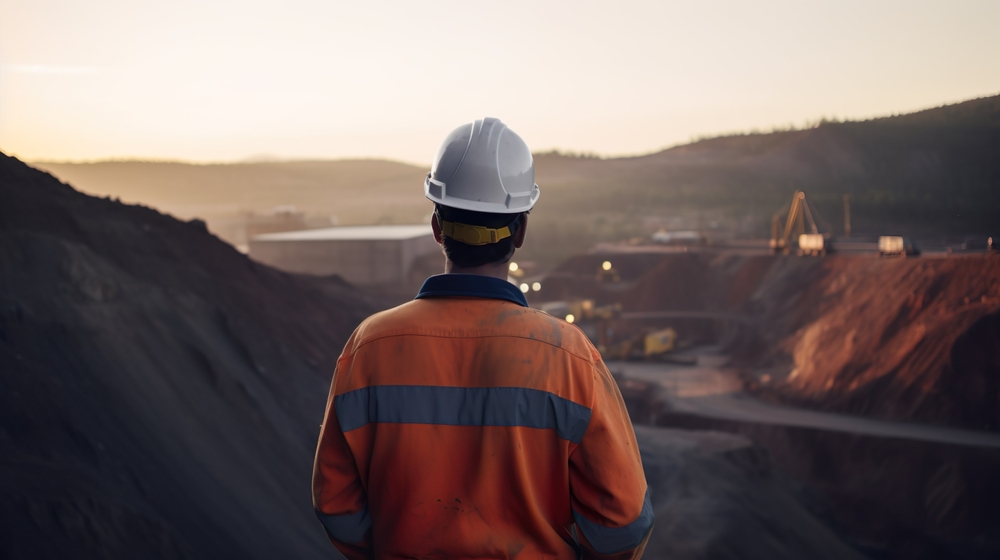
Australian shares fell on Thursday as Wall Street weakness, rising oil and persistent rate concerns weighed on most of the market. The S&P/ASX 200 declined 0.72 per cent to 8,702. The All Ordinaries lost 0.66 per cent to finish at 8,897. Mining stocks were hit particularly hard, while real estate also dragged on the index. …
Continue reading “ASX falls 0.7 per cent as miners and property stocks retreat”

Borrowers cannot control the Reserve Bank, but they can control how exposed their household budget is to its next decision. The RBA meets on 29 September with inflation concerns still elevated and major-bank economists increasingly bringing forward their rate-rise calls. Fixed mortgage rates have also been moving, reducing the value of waiting for perfect certainty. …
Continue reading “What mortgage holders should do before the next RBA decision”
A five-bedroom Palo Alto home designed by Steven Ehrlich is listed for $44 million, making it the city’s most expensive listing. Built around a dramatic concrete spine, the home features four courtyards and a pool.
3 min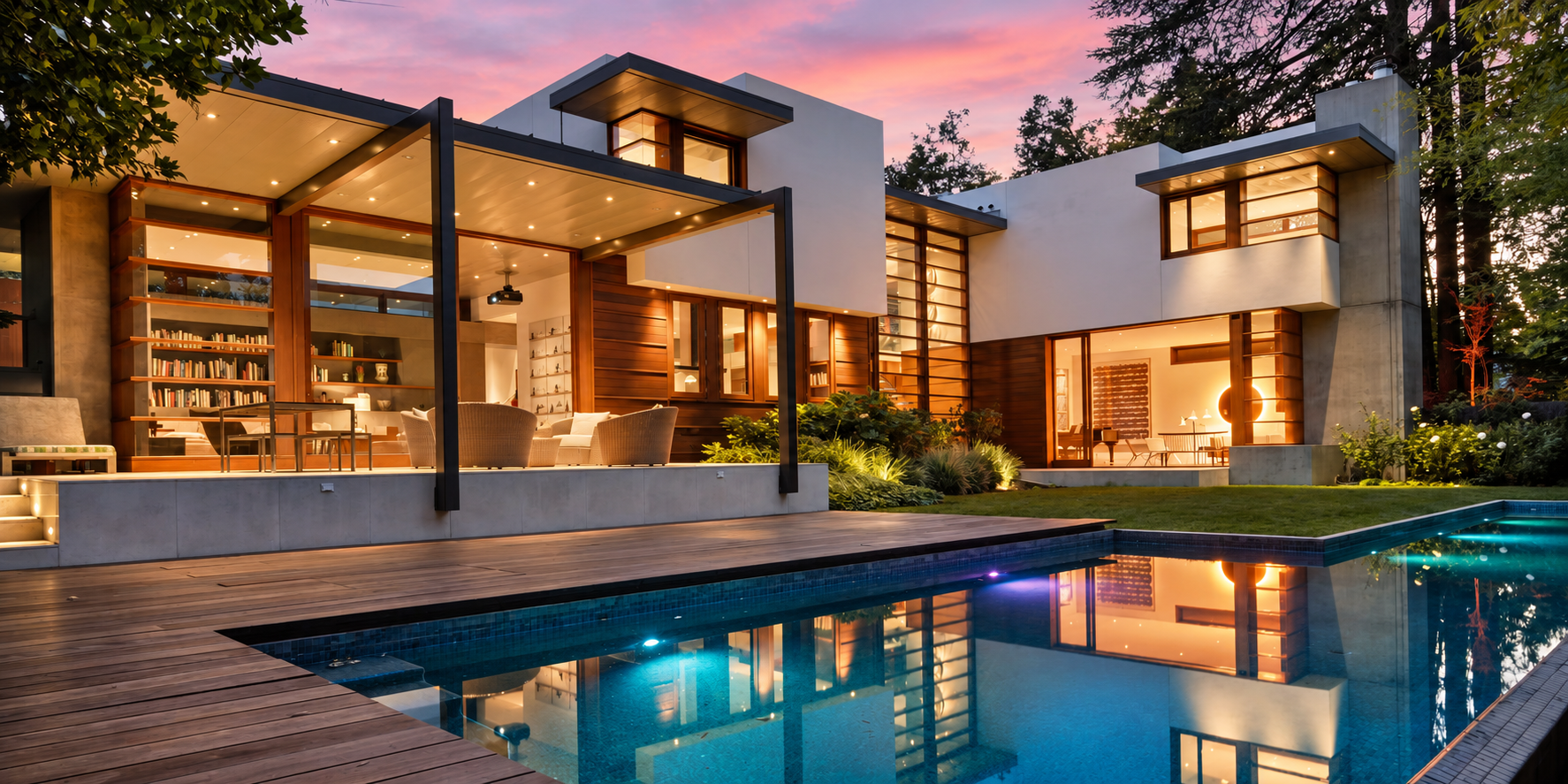
For years, tech entrepreneur Asher Waldfogel and his wife, Helyn MacLean, dreamed of building a modern house in Palo Alto, Calif.
The couple, however, worried about clashing with the Mediterranean-style architecture typically associated with their neighborhood of Old Palo Alto.
So they tapped architect Steven Ehrlich to create a design that paid homage to its surroundings with stucco, mahogany and titanium zinc cladding. They spent $20 million over several years building the house, completed in 2005.
Now looking to be closer to their adult daughter on the East Coast, they are putting the five-bedroom home on the market for $44 million—the most expensive listing in Palo Alto.
Waldfogel is an angel investor who co-founded Redback Networks, a telecommunications-equipment company. MacLean previously had a career in fundraising.
The couple purchased the roughly 0.4-acre site for $7.1 million in 2000 and demolished a circa-1930s Spanish Colonial home. The house they built pinwheels around a central staircase. It has 7,900 square feet of livable space, with four distinct courtyards and a pool.
A key feature of the home is a cast-in-place concrete wall, or spine, that is two stories high and about 80 feet long. “There’s a little bit of controlled chaos in what comes out of the form,” unlike a perfectly uniform surface, Waldfogel said. “If you want that, you do it in plastic.”
Waldfogel said he and his wife are thinking about the next phase of life now that their daughter is grown, although they have not decided where they will move. They also have a home in Sun Valley, Idaho.
“Right now we’re just trying to emotionally let go and decide what to do next,” he said.
Palo Alto, an epicenter of venture capital and tech startups in Silicon Valley, is home to some of the country’s biggest tech titans. Sales volume and prices are rising, with a median sale price of $3.5 million for the three months ending in August, up 5.8% year-over-year, according to real-estate brokerage Redfin.
Arthur Sharif of Sotheby’s International Realty—San Francisco Brokerage has the listing.
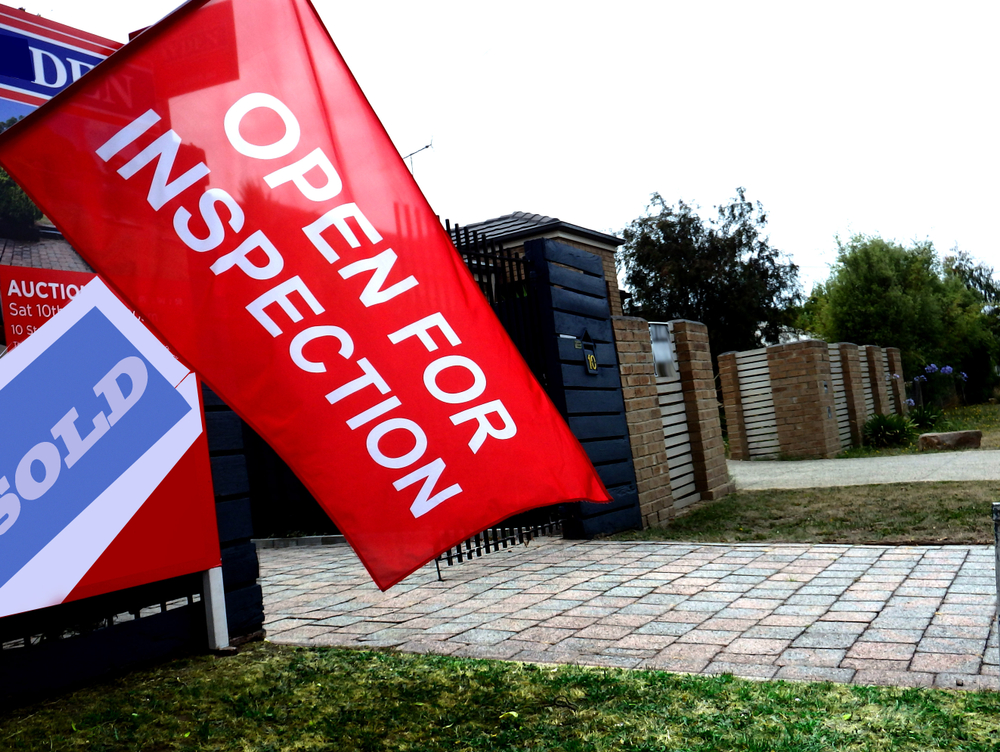
Australia’s housing market rebounded sharply in 2025, with lower-value suburbs and resource regions driving growth as rate cuts, tight supply and renewed competition reshaped the year.
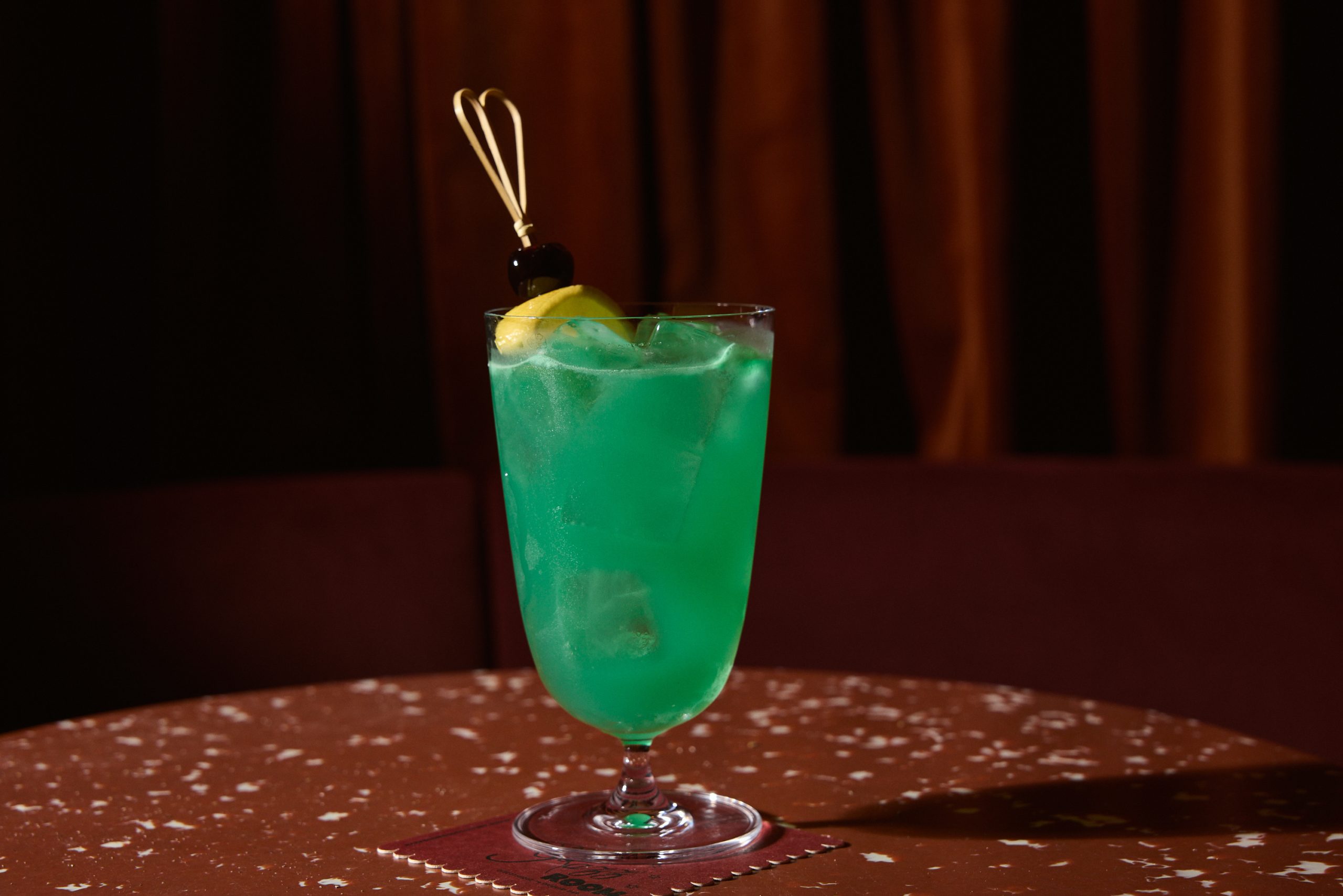
Odd Culture Group brings a new kind of after-dark energy to the CBD, where daiquiris, disco and design collide beneath the city streets.