OFF THE WALL: THE RISE OF TEXTURED ART
From woven fibres to sculpted metal and clay, textural wall art is redefining high-end living spaces with depth, tactility and light.
 4 min
4 min
In 2026, home interior trends are predicted to reflect our growing need for warmth, comfort and personal expression: a response, perhaps, to the fast-paced, always-on lifestyle many of us feel forced to embrace.
And where better to start than the four walls that define your living space? Unlike flat prints and traditional paintings, textured art invites engagement, creating a dynamic ambience in living rooms, bedrooms and outdoor entertaining spaces.
Interior designers are increasingly looking to create a multi-sensory experience, and wall art is a key part of that: blending art and sculpture, creating a focal point, and showcasing changing light patterns throughout the day.
Weaving ways
Sydney-based fibre artist Catriona Pollard uses traditional techniques to transform foraged plant fibres and recycled materials into evocative, sculptural works.
“I discovered weaving more than a decade ago, at a time when I was searching for a slower, more mindful way of creating,” she says.
“I had been working in a very fast-paced environment, and weaving became a way to reconnect with myself and with nature.”
Much of Pollard’s inspiration comes directly from the Australian landscape, from the textures of bark, seed pods and leaves, to the movement of wind and water.
“I see weaving not just as a technique, but as a dialogue with nature, where the materials guide the direction of the work as much as I do,” she explains.
Textural wall art is credited with bringing another dimension to how we experience art. A flat canvas is viewed front-on, but fibre works extend into space and interact with their surroundings.
They cast shadows that shift throughout the day, so the work is never static, it is alive and responsive to light.
“There is something visceral about woven materials,” says Pollard.
“People instinctively want to touch them, to feel the textures and patterns. Fibre carries its own history, whether it is a vine that once grew in the bush or copper wire that once carried electricity, and that embedded story becomes part of the artwork.”

Metal magic
At the other end of the material spectrum, metal is also having a moment. Flexible, versatile and built to last, it brings a striking talking point to entertaining spaces indoors or out.
“I have been making sculptural wall art for over 30 years. I draw my ideas from organic shapes in nature and also from mechanical and architectural forms, and make work that has texture, depth and movement,” says Helen Neyland, artist and creative director at Entanglements Metal Art Studio at her Jasper Road studio in Melbourne’s Ormond.
“Metal wall art breaks away from a painting. It is 3D, it is textural, it works indoors or out, in foyers, large voids and bare walls. As the light passes through the day, the shadows change, stretching and falling across the wall. It gives you a work that is alive. You can backlight it for effect, or just let the light play naturally.”
Neyland notes that more people are seeking handmade, crafted pieces.
“There is more value placed on artisan work,” she says. “Sculptural wall art gives depth, presence and honesty that you do not get with mass-produced pieces.”

Emerging artists
Bluethumb Gallery is Australia’s largest online gallery of original art, representing more than 30,000 emerging and established artists across the country.
Nadia Vitlin is one of them. Based in Sydney, she has a background in geospatial and biological sciences and describes her art as bringing together “the study of nature, humanity, emotions and sociological phenomena through the lens of the scientist”, via the tactile form of clay.
“I do also create two-dimensional works, and love having ‘flat’ art on my walls, but 3D and textured wall art is really having a moment,” she says.
“This may be because they are like hung sculptures more than they are paintings, and can contribute to the feel of a space rather than directly telling a visual story. Another thing may be that the tactility of a 3D object is quite irresistible.
“I always let gallery visitors touch my artworks – within reason! It is especially tempting because I make hard clay look soft, so the brain cannot help but want to feel it to understand it.”
Sculptor Brad Gunn agrees. “I think the element of depth captures the viewer’s eyes more quickly. It invites touch, and the tactile nature gives a secondary element to the work.
“Also, as the light changes in the room, either from the natural sun’s rays, overhead lighting or lamps, the work will cast its own shadows and feel different throughout the day.”
This story appeared in the summer issue of Kanebridge Quarterly Magazine. You can buy a copy here.

Porsche’s Cayenne Turbo Electric produces up to 1,156PS and reaches 100km/h in a claimed 2.5 seconds.
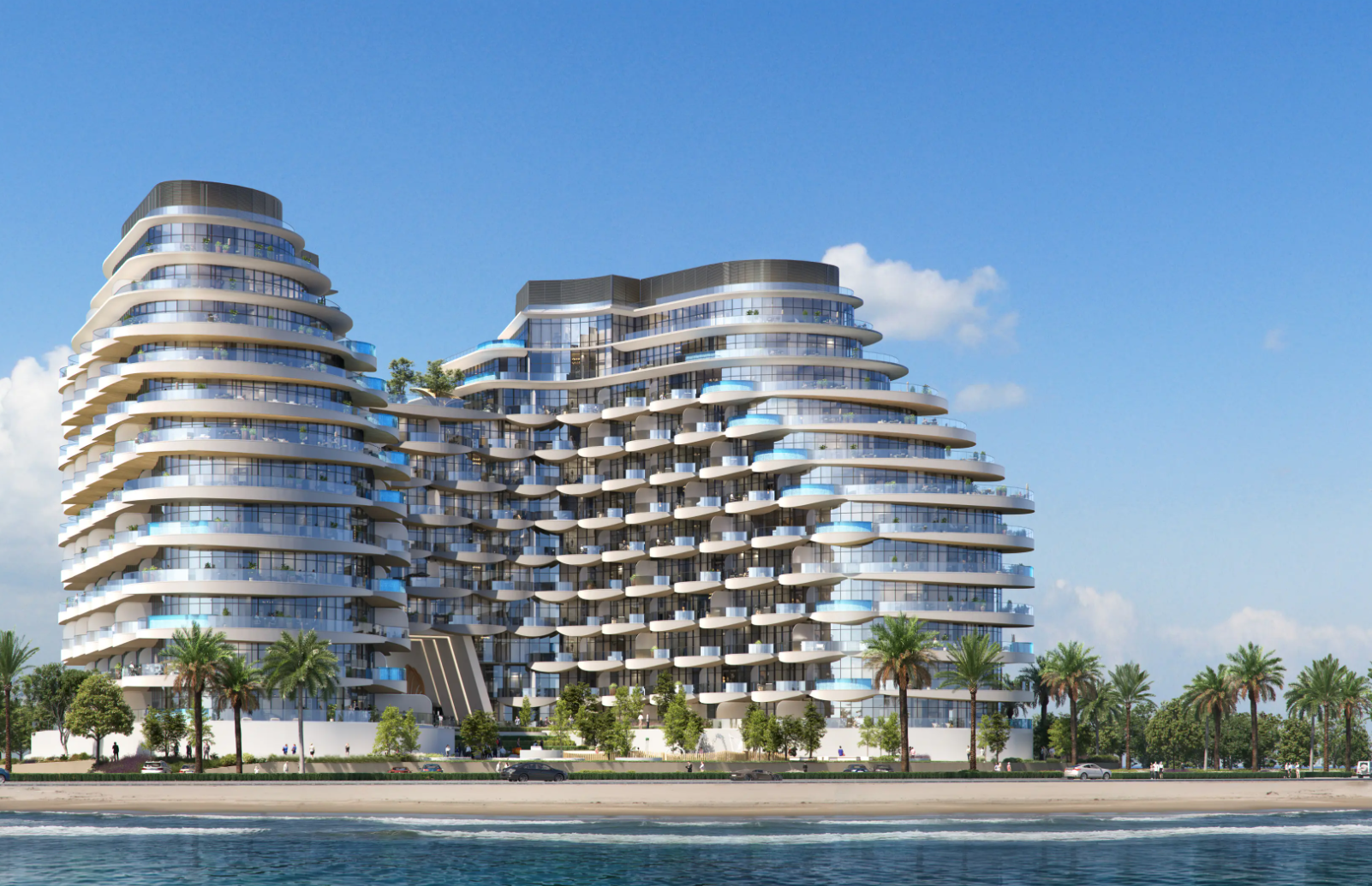
BNW Developments has established a Sydney presence, joining Arada and Sobha Realty among the growing number of UAE developers pursuing Australian buyers and development opportunities.
Dolly Parton’s former Hollywood Hills residence has hit the market for $7.95 million. The nearly 4,700-square-foot home features four bedrooms, panoramic city-to-ocean views, a pool and spa, library, media room and private outdoor spaces.
2 min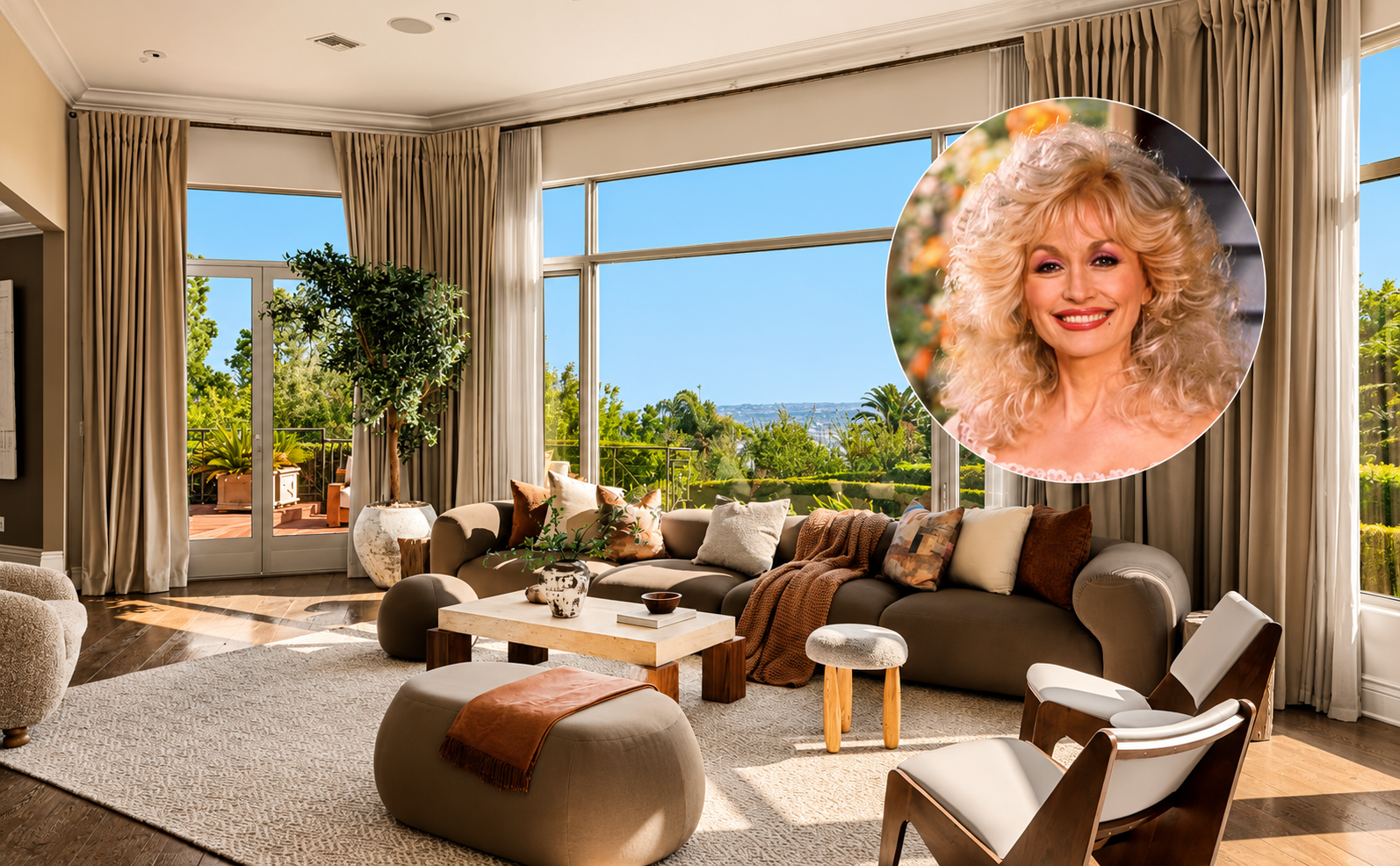
A residence in the Hollywood Hills that was once home to the late Dolly Parton has hit the market for $7.95 million.
The country singer and her late husband, Carl Dean, bought the house in 1985 for $750,000 and sold it in 1990 for $1.2 million, according to listing records.
The property, aptly known as the Dolly Parton House, hasn’t been on the market for 25 years, according to the listing with Edward Tinney of Nourmand & Associates and Kurt Rappaport of Westside Estate Agency.
It’s unlikely Parton and Dean would recognize the house as it stands today though; it was rebuilt in 2009, and upgraded further in the years since, the listing said.
Across its almost 4,700 square feet, the house has living and dining rooms with walls of glass that frame the views that stretch across the city to the Pacific Ocean.
MORE: Flea of the Red Hot Chili Peppers Puts Heptagonal California Home Up for Sale
There’s also a library and media room, a family room and an eat-in kitchen. There are four bedrooms, including the primary suite, which has a coffee bar, a fireplace, two bathrooms, a space for an office or gym, a walk-in closet and a private deck.
Outside, there’s a pool and spa, with space for outdoor dining and entertaining. Plus there’s a two-car garage, electrical infrastructure for an EV charger and a Zen trail, according to the listing.
The seller, who couldn’t be reached for comment, paid $2.05 million for the home in 2001, records with PropertyShark show.
MORE: Tiger Woods’s Mini-Golf Business Partner Lists South Florida Home for $18.5 Million
Parton died on August 25 at the age of 80 after a battle with cancer.
She released 50 studio albums over the course of her career—resulting in 27 gold and platinum albums—and starred in films including “9 to 5,” “The Best Little Whorehouse in Texas” and “Steel Magnolias.”
A philanthropist, she was behind the Imagination Library, which donated more than 200 million books to children around the world. In 2020, she helped fund early research for Moderna’s Covid 19 vaccine with a $1 million donation to Vanderbilt University.
Australian shares fell on Thursday as Wall Street weakness, rising oil and persistent rate concerns weighed on most of the market. The S&P/ASX 200 declined 0.72 per cent to 8,702. The All Ordinaries lost 0.66 per cent to finish at 8,897. Mining stocks were hit particularly hard, while real estate also dragged on the index. …
Continue reading “ASX falls 0.7 per cent as miners and property stocks retreat”

From Italy’s $93,000-a-night villas to a $20,000 Bowral château, a new global ranking showcases the priciest Airbnbs available in 2026.