Investor demand drives $155m in Sydney apartment block and townhouse sales
Strong rental fundamentals and tight supply have driven more than $155 million in Sydney apartment block and residential investment sales over the past year.
 2 min
2 min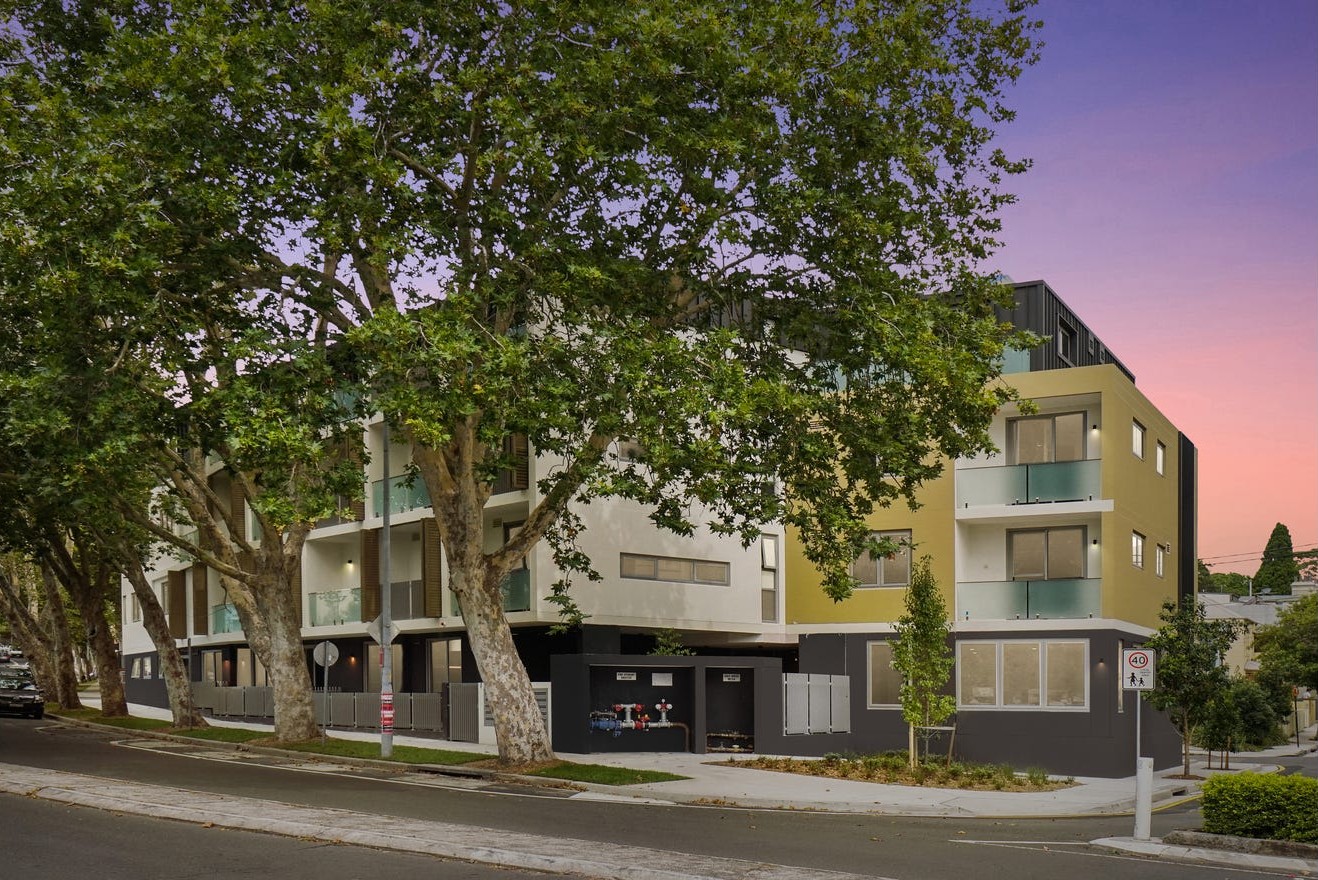
Sydney’s residential investment market has recorded $155 million in apartment block and townhouse sales over 2025, underscoring continued investor confidence in rental-led assets despite broader economic uncertainty.
The transactions were completed by Knight Frank’s Investment Sales agents James Masselos and Adam Droubi, who negotiated 19 sales across Sydney during the year.
Residential investments accounted for 75 per cent of their total sales activity, supported by more than 4,200 active purchaser enquiries.
Co-living deal sets national benchmark
Among the standout transactions was the off-market sale of 142 Carillon Avenue in Newtown, a 37-studio co-living apartment block located close to the University of Sydney and Royal Prince Alfred Hospital.
The property sold for $21.5 million, setting a new benchmark for the living sectors market nationally.
The deal achieved approximately $581,000 per bedroom, believed to be one of the highest per-bedroom results recorded for a co-living asset in Australia.
Inner-city assets trade in one line
Other notable sales included a group of 12 townhouses at 108 Illawarra Road in Marrickville, sold in one line for $14 million, and a block of 20 studio apartments at 171 Rowntree Street in Birchgrove, which changed hands for $6.7 million.
Both transactions reflected strong buyer competition for well-located residential assets with established income streams.
Supply constraints underpin momentum
Mr Masselos said Sydney’s apartment block market continued to benefit from tight supply and strong rental conditions.
“Apartment blocks and broader residential investments remain a robust asset class, underpinned by strong rental growth, record low vacancy levels and scarcity of stock,” he said.
He added that more than $25 million worth of residential investment opportunities are expected to come to market in 2026, with buyer enquiry remaining elevated.
Mr Droubi said competitive sales campaigns had become a feature of the market as investors sought secure income and long-term value.
“Supply constraints and ongoing population growth underpin market strength,” he said. “New approvals and completions lag demand, keeping stock tight and boosting both rents and prices.”
Vacancy rates keep pressure on rents
According to Knight Frank, rental demand across Sydney remains intense, with vacancy rates well below typical “healthy” levels.
Many middle and outer-ring suburbs are recording vacancies of around 1.5 per cent or lower, maintaining upward pressure on rents and reinforcing the appeal of residential investment assets.

Victorian auction buyers will soon receive a piece of information that has traditionally been withheld until bidding reaches it: the vendor’s reserve price. Under new property-sale and underquoting laws, agents must publish the agreed reserve at least seven days before an auction or fixed-date sale. Most changes begin on 1 October 2026 and apply to …
Continue reading “Victoria’s New Auction Rules Will Force Reserve Prices Into the Open”

Four decks, 34.5 metres and a made-to-measure interior: step aboard the new Custom Line Navetta 35, unveiled at Cannes.

 2 min
2 minVictorian auction buyers will soon receive a piece of information that has traditionally been withheld until bidding reaches it: the vendor’s reserve price.
Under new property-sale and underquoting laws, agents must publish the agreed reserve at least seven days before an auction or fixed-date sale. Most changes begin on 1 October 2026 and apply to auctions and fixed-date sales held from 16 October.
The reserve must be presented as a single dollar amount. Advertising and the new Property Price Statement must be updated to match it, without qualifiers such as “from”, “over” or “starting at”. If the reserve has not been published seven days before the scheduled sale, the auction or fixed-date sale cannot proceed and penalties may apply.
For buyers, the immediate benefit is clearer budget discipline. A purchaser should be less likely to pay for inspections, strata reviews, contract advice and loan preparation on a property whose seller will not accept a price within the advertised range.
That does not mean the published reserve predicts the result. Competitive bidding may still carry a property far beyond it. Nor does it remove the need to value the property independently. The reserve is the seller’s minimum at that stage of the campaign, not an expert statement of market value.
The Statement of Information will be replaced by a more prominent Property Price Statement. Agents must disclose key features of the property and of the comparable sales used to support the quoted price. Where three appropriate comparables cannot be identified, one or two must be supplied if they exist.
Sold-price transparency will also increase. Agents must add the unconditional sale price to the Property Price Statement within seven days and keep that statement available publicly for at least 18 months, subject to limited exemptions including personal or family-violence concerns.
Later changes will require Section 32 vendor statements to be made available earlier, including at least 14 days before an auction or fixed-date sale from June 2027. From July 2027, agents will be prevented from taking commission from deposits released before settlement.
Vendors and agents will need to adjust campaign strategy. Setting a reserve earlier may reduce last-minute flexibility and make price expectations more visible to competing buyers. Some vendors may prefer private treaty campaigns, although those sales remain subject to broader pricing and disclosure laws.
For buyers, the practical response is not simply to bid up to the disclosed reserve. Use it as one data point alongside comparable sales, building and pest reports, owners-corporation records, planning constraints and finance approval. Decide on a maximum before the auction and do not confuse the seller’s minimum with your own valuation.
Key dates
– 1 October 2026: Most new rules commence
– 9 October 2026: First reserve disclosures may be required for sales on 16 October
– 16 October 2026: New reserve rules apply to auctions/fixed-date sales from this date
– 1 June 2027: Earlier Section 32 availability begins
– 1 July 2027: Restrictions on commission from released deposits begin
– 1 December 2027: Broader sold-price reporting to Consumer Affairs begins

Paine Schwartz joins BERO as a new investor as the year-old company seeks to triple sales.

Margot Robbie and Jacob Elordi star in an adaptation of the classic novel that respects the romance’s slow burn.