Oyster Yachts unveils epic 16-month global sailing rally
From the Caribbean to Australia’s east coast, Oyster’s latest world rally promises a bluewater voyage designed for owners seeking ultimate sailing experiences.
 2 min
2 min
British luxury yacht builder Oyster Yachts has announced plans for its next flagship global adventure, the Oyster World Rally 2030–31, a fully supported circumnavigation designed exclusively for owners of its bluewatersailing yachts.
The 16-month voyage will cover about 27,000 nautical miles across three oceans, beginning in Antigua in January 2030 and taking participants through some of the world’s most celebrated cruising destinations, including Australia’s east coast.
Limited to just 30 yachts, the rally is positioned as both a structured and flexible experience, allowing owners to explore independently while benefiting from comprehensive logistical, technical and safety support from a dedicated Oyster team.

Richard Hadida, Owner and Chairman of Oyster Yachts, said: “The Oyster World Rally represents the very essence of our brand.
“Oyster yachts are built to cross oceans in safety, comfort and style, and the Rally is the ultimate expression of that capability.
“But beyond the yachts themselves, it is about enabling extraordinary life experiences.
“To see owners commit to a dream that may have been decades in the making, and to support them as they realise it, is something very special. The Rally embodies our belief that time is the greatest luxury of all.”
Unlike competitive sailing events, the rally is non-racing and does not require yachts to travel in close formation.
Participants are free to diverge from the main fleet to explore remote anchorages or sail in smaller groups before reconnecting at designated ports.
Preparation begins well before departure, with an extensive training programme launched 18 months in advance.
Workshops, masterclasses and online seminars cover meteorology, navigation, yacht systems, medical and safety readiness, provisioning and passage planning, helping crews build the confidence required for a full circumnavigation.

Allie Smith, Director of Oyster Rallies and Training, said: “The Oyster World Rally is about community above all else.
“Every owner joins for a different reason, and every Rally develops its own character shaped by those taking part.
“Our team are all experienced sailors, from logistics to technical support, and that shared experience builds real trust.
“What makes this Rally so special is the balance it offers: complete freedom to explore at your own pace, combined with the reassurance that our team is with you every step of the way.
“Watching owners grow in confidence, form lifelong friendships and complete a circumnavigation remains one of the most rewarding parts of what we do.”
Owners planning to commission a new yacht for the rally are advised to allow a three- to four-year lead time, reflecting Oyster’s limited production capacity and the importance of a thorough shakedown period before departure.
Entries for the Oyster World Rally 2030–31 opened on March 3, with strong demand anticipated following the success of previous editions and growing momentum behind the brand’s global circumnavigation programme.

Technology and semiconductor shares fell sharply as investors questioned the debt financing the AI infrastructure boom and confronted higher rates and Chinese competition.

Waldorf Astoria Kuala Lumpur is scheduled to open on 30 October, introducing the Hilton luxury brand to Malaysia with an all-suite hotel in the city’s Golden Triangle.

Nurse turnover reached 18% last year, increasing pressure on hospitals, raising recruitment costs and potentially compromising patient safety. Healthcare leaders warn that the issue is not a shortage of qualified nurses, but a shortage of nurses willing to remain in increasingly strained working environments.
9 min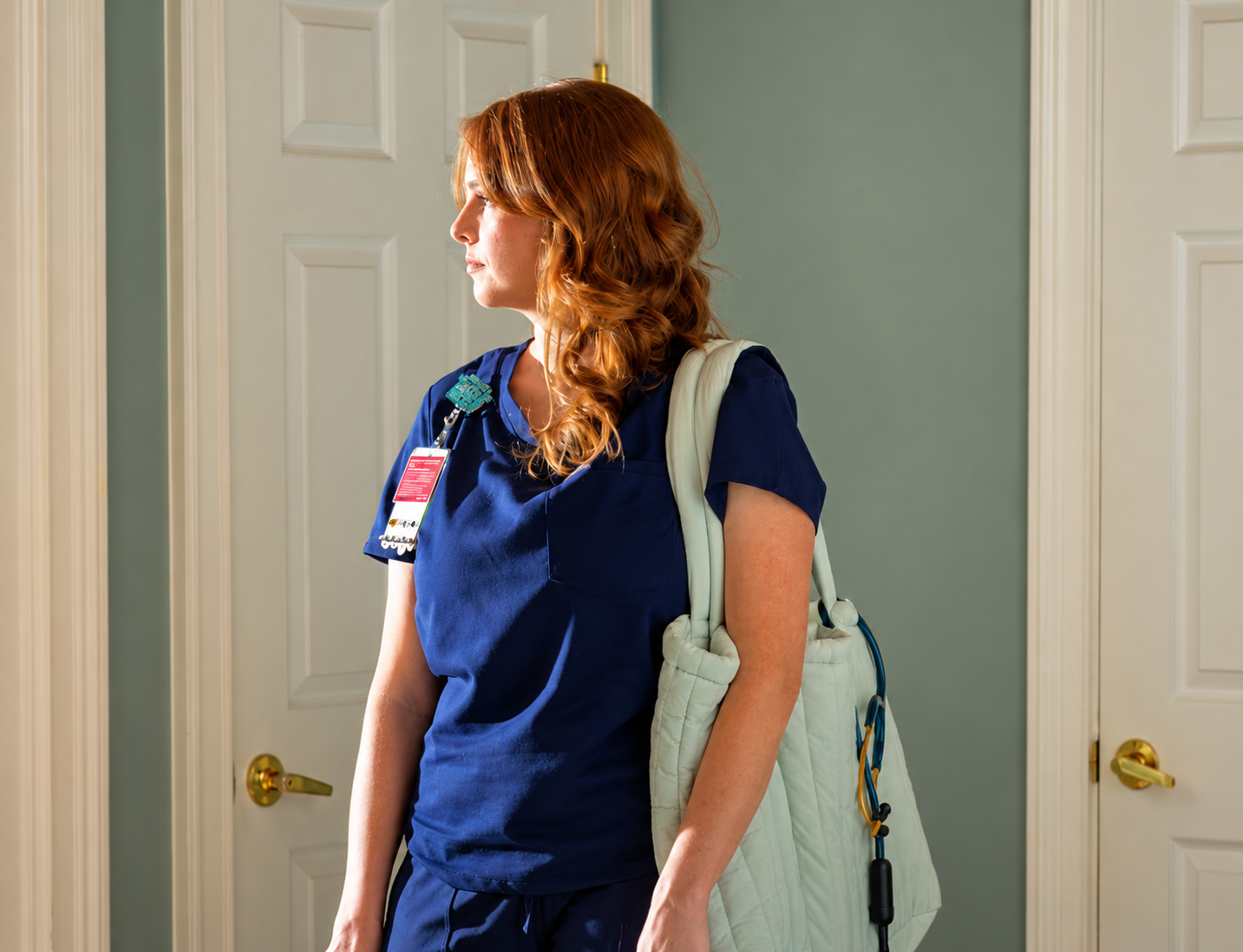
Paige Campbell became a nurse during the pandemic, wanting to make a difference. She landed a job after college working in the emergency department at a Fort Walton Beach, Fla., hospital.
Since then, she’s been kicked, spat on and shoved to the ground. Last year, after an emergency patient strangled her, she left for a role remotely monitoring patients. Front-line nurses are in high demand, but she needed a break.
“All I could think was, ‘I can’t breathe, I’m going to die here, and who’s going to tell my mom and dad?’” Campbell, 33, said. The incident unfolded after an ER patient she’d offered a blanket to became aggressive.
America’s nurses are more educated than ever and can command six-figure salaries. Most have their bachelor’s degree. Their income has boomed since the pandemic to a median $97,550 a year, and their hands-on work isn’t easily automated away. Nursing schools have seen their ranks swell, minting thousands of new graduates every year.
They’re also leaving the bedside in droves. Burnout and complaints about understaffing, verbal abuse and workplace violence are pushing many nurses off the front lines and into other careers where their skills are in high demand.
“There is no shortage of nurses in this country,” said Jeff Doucette, chief nursing officer at healthcare analytics firm Press Ganey. “There’s a shortage of nurses that want to work in the current environment.”
Fifteen years ago, bedside registered nurses had an 11% turnover rate, according to data from NSI Nursing Solutions, a nurse-placement firm. The percentage of nurses leaving their jobs every year began to tick up even before Covid, when it spiked further. In the pandemic’s aftermath, as more hospitals dangled salary increases, turnover eased. But last year, it rose again, hitting 18%.
One 2024 survey of 800,000 nurses found that roughly 40% said they planned to leave the workforce or retire in the next five years, with many citing stress, burnout and understaffing. In another survey this year, 43% said they were likely to leave bedside roles within the next year, up from 38% the prior year.
A recent University of Pennsylvania survey of 4,000 actively licensed nurses who’d left a job in the past five years found that while 56% are retired, 8% are working in other fields and the rest weren’t working.
The revolving door is driving up expenses for hospitals that spend millions to recruit staff and fill gaps, and increasing costs for patients.
Health executives say worker churn also jeopardizes patient safety, intensifying the risk of patient falls, medical errors and missed cues. Senior nurses, in particular, bring vast stores of clinical intuition and operational expertise that help ensure unit safety, mentor less-experienced staff and keep complex hospital floors running efficiently.
A decade ago when managing emergency departments, Dustin Bass said he was accustomed to tapping his most tenured nurses to run triage. With a decade or two on the job, they could look across a room and spot who was having a heart attack.
“Now you have nurses running massive emergency rooms with 133 care spaces, and they’ve only been working for two or three years,” said Bass, president of the Emergency Nurses Association.
Strained staff, rising violence
The American hospital system has grown more efficient, both in terms of footprint and staffing. There are fewer hospital beds, and the ones that remain are occupied on a more continuous basis. Hospitals have adopted software tools to optimize staffing, with nurses more regularly covering shifts on floors where they aren’t usually assigned, to meet patient ebbs and flows.
It’s a boon for productivity, health executives say. It’s also a considerable strain on workers, whose days are more intense and less predictable.
A generation ago, nurses might have worked in a ward of patients recovering from routine surgeries. Today, more patients are seen outpatient, and those who remain tend to be sicker and more medically complex, requiring intensive monitoring. With the growth of clinical testing, nurses are also coordinating care with a bevy of specialists and inputting electronic health records—often on 12-hour shifts with no more than a 30-minute break.
And they’re bearing the brunt of the system’s strains. Fewer hospital beds can jam up emergency departments with patients—some who grow irate waiting for beds. Many hospital emergency departments, meanwhile, have become catch basins for people with unmet mental-health challenges in full-blown crises.
Across all floors, nurses describe a coarsening in attitudes among patients that often leads to friction, if not outright violence.
“The nurse is the face of the hospital, and we’re constantly blamed for things outside our control,” said Juliet Etienne, 29.
Since starting a job as an emergency department nurse in New Orleans last year, she’s been kicked and spat on and had a patient throw a full dinner tray at her. Still, she said she can understand why emergency patients sometimes boil over. On occasion, she’s seen them wait more than 30 hours for care.
An analysis of records from 1,500 hospitals by the University of Michigan Medical School and the Beth Israel Deaconess Medical Center in Boston found ER wait times spiked during the pandemic and stayed high through 2024, the most recent data available. During the winter months, when hospitals are busiest, nearly 5% of patients wait over 24 hours for a hospital bed.
“You have people in their most vulnerable times of their life, and their call button’s not getting answered because the nurse is overworked, their loved one’s not being seen,” said Amy Stimpfel, associate professor at Villanova University’s M. Louise Fitzpatrick College of Nursing. “It’s bubbling up from a system that’s sort of broken.”
Press Ganey, which compiles reports from a large national hospital sample, found 2.4% of nursing staff were attacked in some manner last year. The rate is up 26% from 2017, the furthest back the survey data go, and amounts to well over 1,000 attacks a month.
This is likely an undercount, since many incidents are never reported, the company said. Assaults can run the gamut from common problems like getting shoved to, in rarer cases, severe attacks such as stabbings.
Surveys by nursing associations and unions peg rates significantly higher: A recent survey of 1,300 nurses by National Nurses United found 33% said they’d been slapped, punched or kicked in the past year, with another 12% reporting being groped or inappropriately touched.
Almost two out of five healthcare workers have considered leaving their jobs because of safety concerns, according to a Harris Poll survey last year commissioned by Verkada, a security-tech firm.
Holly Jazwinski, a 42-year-old emergency-room nurse in Danville, Pa., said she loves bedside nursing. But last summer, a patient punched her in the face, broke her glasses and attempted to stab her with them.
“Now I have this sense of anxiety every time I go to work,” Jazwinski said. “I started to feel a little defeated, like what am I even doing here?”
She’s currently getting her master’s in nursing, which will allow her to pursue other jobs, including in education.
Today’s bedside nurses have more career options than previous generations—an advantage for workers and a challenge for hospitals trying to keep them on the front lines.
Nurse practitioner roles, which require more advanced training and offer more pay, are mushrooming as more states have given them license to independently practice. Careers in virtual nursing and settings like urgent care are also growing.
One of its nurses recently quit to become a nurse practitioner, offering cosmetic treatments that patients often pay for in cash. “I can’t compete with that,” said Connolly.
The system is partnering with a local university to conduct research on why young nurses are leaving the profession early.
Christian Stone, a nurse in Washington, D.C., spent five years working in different emergency departments before leaving to join an urgent-care clinic. He said he wanted to help people and loved the department’s tempo, but he was routinely the target of screaming patients. One man bit him.
Wait times were often long and tempers short, he said, as patients without primary care showed up seeking help for minor ailments.
“I do miss it,” Stone said of bedside nursing. “But now I don’t hate coming to work every day.”
An expensive loss
Part of the challenge in fighting turnover is that, on a spreadsheet, nurses can look like a costly line item, said Omid Razmpour, a former ICU nurse and a researcher at Emory University. And many hospitals already face severe financial pressure, including higher operational costs and rising ranks of uninsured patients who still require care.
Nursing unions often complain that management staffing and pay decisions are driving nurses off the front lines.
“If you talk to the C Suite, it’s easy to say, ‘Hey, give us resources for a physician,’ because they’re going to generate X amount of revenue,” Razmpour said.
But losing a nurse is extremely expensive. Razmpour analyzed turnover costs at Emory Healthcare and found it costs the Atlanta-based health system around $78,000 anytime a nurse leaves. Costs can pile up as hospitals fill gaps with more expensive, often contract, workers and try to recruit and train full-time replacements, he’s found.
Emory recently gave out $150 million in raises to its staff, mostly nurses. The effort cut turnover rates and ultimately saved the system money, said Sharon Pappas, who recently retired as chief nurse executive at Emory Healthcare and worked with Razmpour to analyze the cost of the system’s nursing turnover.
Some hospitals have fewer resources and big problems.
Rome Health, a safety-net hospital in upstate New York that serves many elderly and uninsured patients, has struggled with high nurse turnover for years, with 50% of its staff leaving every year as of 2019.
The problem persisted during the pandemic and its aftermath, as some nurses left for more lucrative careers such as travel nursing or work as nurse practitioners, at times because they felt overwhelmed or fed up, said Ashley Edwards, the health system’s chief nursing officer.
For help, the hospital appealed in 2024 to the Mother Cabrini Health Foundation, last year winning a $5 million grant to help invest in its nursing workforce. It’s since used the money to support a residency program for new nurses and a coach who regularly meets one-on-one with nurses.
In one meeting with the foundation, Edwards recalled being asked how staff intended to carry out such programs, given the work they’d entail. “We were like, ‘We can’t afford not to,’” Edwards said. “It’s exhausting to the nurses to have that much turnover, not knowing what their day looks like. Are they going to come in three nurses short? Are they going to come in fully staffed? Are they going to come in with all new nurses?”
Rome Health still has a high turnover rate—28% as of last year—but the hospital said lowering that number is yielding results. Rates of falls and certain IV-associated infections have both declined.
Some hospitals have also boosted safety protocols to deal with the risk of serious violence. In some cases this means panic buttons and armed private security forces. The University of Pittsburgh Medical Center has added metal detectors across its 40 hospitals after a gunman shot multiple healthcare workers at its York, Pa., campus last year after a loved one died there.
“Everyone in the country is trying to roll these out as best and fast as they can,” said Maribeth McLaughlin, UPMC’s chief nurse executive.
Nurses say the safety measures are helpful but should be seen as one part of a tool kit, which also involves things like unit-specific safety plans and adequate staffing.
Campbell, the Florida nurse who was strangled, voted with fellow nurses last year to unionize over issues including safety and what they say is patient overcrowding. She’s currently serving as a nurse delegate in contract negotiations with the hospital, an HCA Healthcare facility. The company said workplace safety was a serious issue and that it is investing in security, technology and training to ensure the safety of its workers and patients.
Campbell is planning on returning to the emergency department later this year. While she has some trepidation, Campbell said she wants to keep caring for patients, as well as advocate for change and better safety.
“Everyone has a mom or dad or child they feel passionate about caring for,” she said. “I want to stay in the game.”

Queensland-based builder-developer MAYD has unveiled an exclusive first look at its anticipated ultra-luxury North Kirra mixed-use project as it lodges a minor amendment with the City of Gold Coast Council. The project sits across a 4,742sqm amalgamated landholding spanning seven parcels at 2–6 Pacific Parade and 27–33 Golden Four Drive, Bilinga, which MAYD secured in …
Continue reading “MAYD”s North Kirra Plans Unveiled Ahead of Early 2027 Launch”

Ophora Tallawong has launched its final release of quality apartments priced under $700,000.