





THE MOTHER’S DAY EDIT: GIFTS THAT FEEL PERSONAL, NOT PREDICTABLE
From elevated skincare to handcrafted home pieces, this year’s most thoughtful gifts go beyond the expected.
 3 min
3 min
Mother’s Day has quietly evolved. It’s no longer about last-minute flowers or safe department store buys. Instead, there’s a noticeable shift towards gifts that feel considered, personal and, increasingly, lasting.
This year’s edit leans into that idea, bringing together pieces that balance design, purpose and a sense of story.
At the more elevated end of beauty, Australian-founded skincare label Bon Elliot offers a future-facing approach grounded in dermatology.
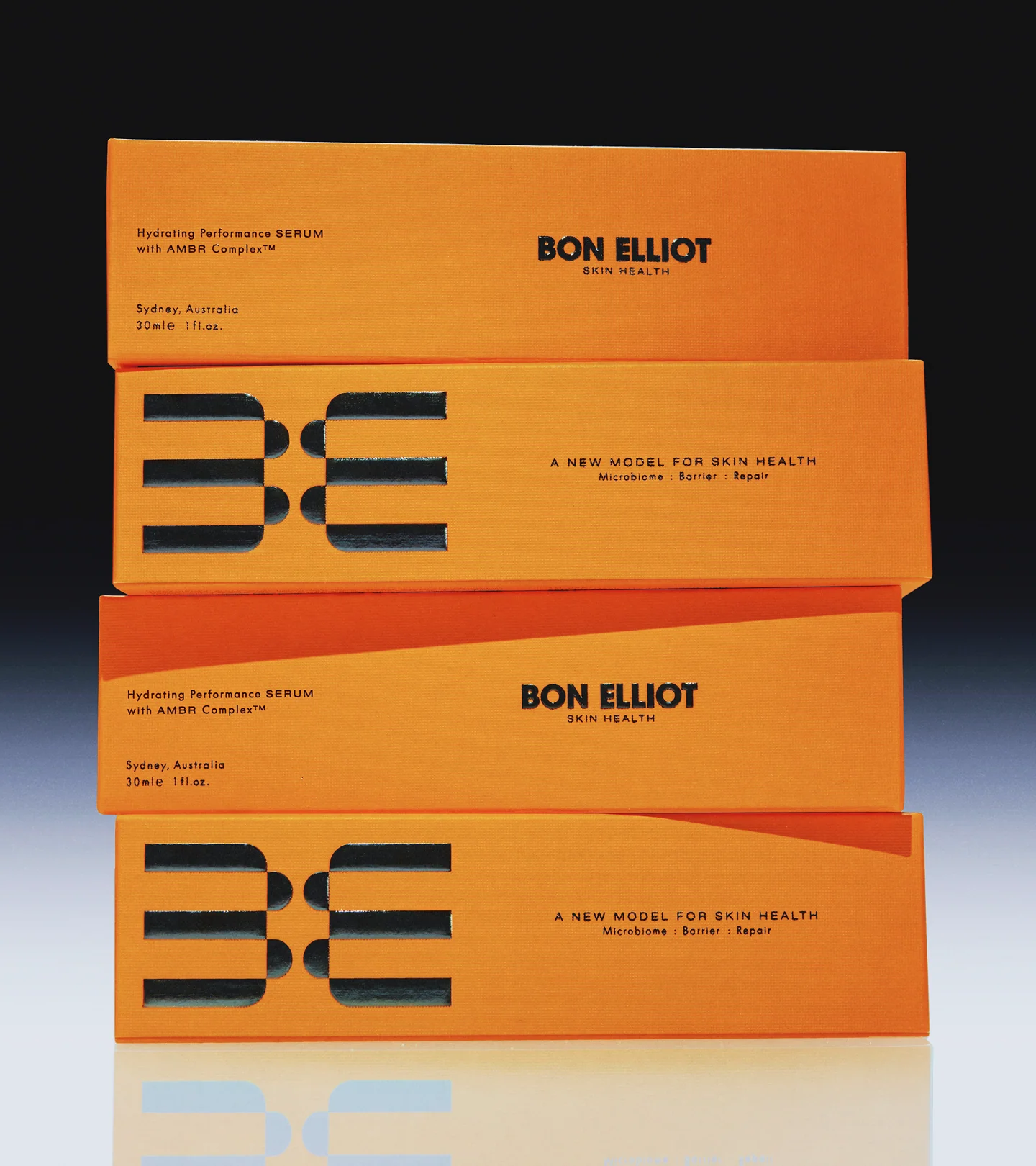
Its Hydrating Performance Serum, priced at $220, is designed to support the skin’s natural balance, working across the microbiome, barrier and repair response for a more refined, luminous finish.
It’s the kind of gift that feels indulgent, but also quietly practical.
For something less expected, there’s a playful turn in the form of Tinned Candle’s handcrafted pieces.

Inspired by tinned fish, the Atlanta-based studio has created candles that are as much design objects as they are functional.
Importantly, they smell nothing like sardines, leaning instead into ocean breeze or champagne notes, depending on the piece . It’s a small, clever way to bring personality into a space.
There’s also a growing appetite for gifts that give something back.
Coral adoption programs offer a more meaningful alternative, allowing you to adopt a coral in your mother’s name while supporting fragile marine ecosystems under threat from climate change.
It’s less about the object and more about the gesture, which, in many ways, feels more aligned with the moment.
Homewares continue to hold their place, particularly when craftsmanship is at the centre.
Tanora’s collection, handcrafted in Madagascar, blends traditional techniques with a modern coastal aesthetic, spanning everything from woven totes to placemats and cushions.

These are pieces that don’t just decorate a home, they add texture and narrative to it.
For something more personal, Australian lingerie label Cloud Blvd offers soft, wearable luxury in the form of robes and camisoles.
With options designed for comfort as much as elegance, they strike that rare balance between everyday use and quiet indulgence.

And for the mother who loves to host, Mesa Collections delivers a playful yet polished take on the table.
Think colourful linens, sculptural silverware and small details that turn a simple meal into something more considered.

What ties all of this together is a shift in mindset.
The best gifts this Mother’s Day aren’t necessarily the most expensive or the most obvious. They’re the ones that show thought, whether that’s through design, craftsmanship or meaning.
Which, if you think about it, is exactly the point.
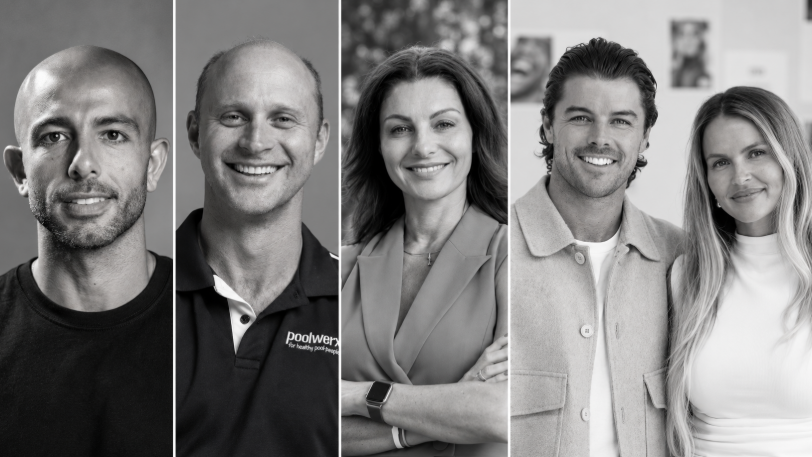
From making unpopular decisions to learning when to listen, leaders from five businesses reveal what nobody prepared them for — and how running a company has challenged their expectations.

Technology and semiconductor shares fell sharply as investors questioned the debt financing the AI infrastructure boom and confronted higher rates and Chinese competition.

From making unpopular decisions to learning when to listen, leaders from five businesses reveal what nobody prepared them for — and how running a company has challenged their expectations.
8 minLeaders from five businesses share what running a company has taught them — and why the reality hasn’t always matched their expectations.
Leadership can look very different from the outside. Behind the title are difficult decisions, competing demands and the challenge of knowing when to speak, when to listen and when to change course.
From digital marketing and wearable technology to property, pool care and dental technology, these business leaders share the lessons nobody prepared them for.
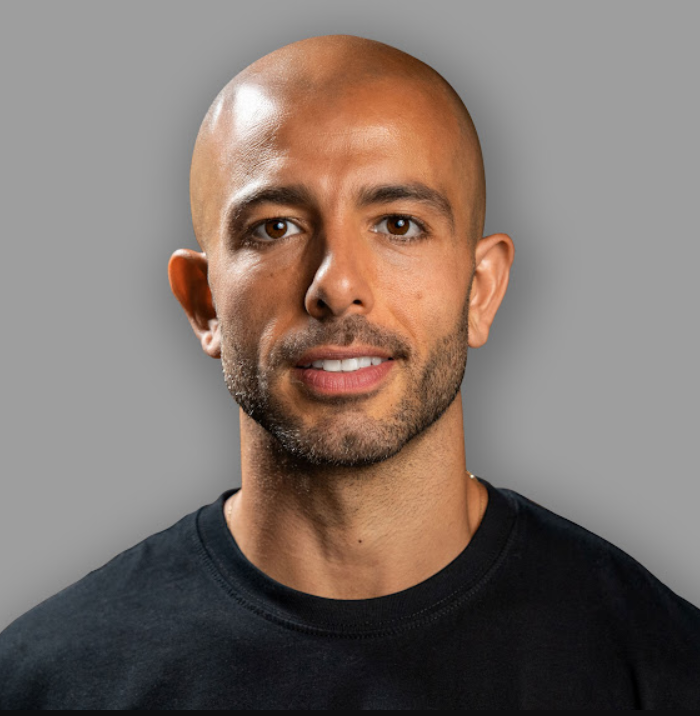
Sabri Suby, King Kong
Sabri Suby launched digital marketing agency King Kong in 2014 with $50 and a laptop, working from his home in Byron Bay. A regular on the Australian Financial Review’s Young Rich List, he is also a bestselling author, a former Shark Tank Australia investor and a father of three.
“The biggest misconception about being a CEO is that you won’t have a boss. People think, ‘I want to start my own company so I can be the CEO and be my own boss.’ Little do they know that you start working for 10, 20, sometimes hundreds of bosses. Nothing is more important than delivering for your client, and you’re held accountable to them every single day.
“With my team members, I never refer to them as employees. They don’t work for me; they work with me. The whole idea of the CEO as the big boss at the top is completely false.
“Company building is one of the most creative endeavours there is. If you’re a builder, and you love building systems, teams, products and services — all the things I love to do — then it’s the ultimate canvas.
“Great leaders think of their company as a living organism. You have to do what’s best for the whole organisation. That means making the hard, unpopular decisions. As a leader, you have to zoom out and optimise for the overall health of the organisation, and then sometimes carry the weight of being misunderstood while you do it.
“The lid on any organisation is the founder’s ability to think big. You can point to countless businesses in the smallest, boring niches that became enormous, billion-dollar companies purely because the founder was able to conceive it before they could achieve it.
“Early in my career, I had a bad case of shiny object syndrome. I was under the false belief that the more opportunities I pursued and said yes to, the more I’d increase my surface area of luck. It’s actually the opposite. Focus is what increases your luck: your ability to concentrate on the few things that really matter and say no to everything else.”
Nicky Zhu, Dymesty
Growing up, Nicky Zhu wanted to be an archaeologist. Instead, her career in wearable AI has involved digging through layers of technological complexity. At smart-glasses company Dymesty, she has learned that leadership requires conviction, honest feedback and the courage to be challenged.
“Nobody tells you that leadership at a startup means making decisions with conviction while privately questioning every single one of them. The hardest part of leadership isn’t the technology, the fundraising or the competition. It’s the loneliness of being the person who has to project certainty when certainty doesn’t exist.
“Your team doesn’t need you to be right. They need you to be decisive. I’ve made calls that turned out wrong — killing a product feature three weeks before launch, restructuring our supply chain partnership mid-production — and the team recovered. What they couldn’t recover from was the quarter I hesitated.
“I delayed a critical hiring decision for six weeks because I wasn’t sure we could afford the role. That hesitation cost us a product development cycle and sent a signal to the team that I didn’t trust our own trajectory. The damage from indecision was worse than any bad decision I’ve made.
“As CEO, you will often be the last person to hear the truth. The day you take on that role, the quality of honest feedback you receive drops by half. People filter. They soften. They tell you what’s working and route around what isn’t.
“I learned to build what I call ‘truth channels’ — one-on-one check-ins where I explicitly ask each team member to tell me one thing that’s broken and one thing I’m wrong about. The first two months, I got polite deflections. By month four, I was getting the kind of direct feedback that saved us from shipping a product with a critical UX flaw nobody had escalated.
“Your job isn’t to be the smartest person in the room. It’s to make the room safe enough for the smartest person to speak up. I’ve watched technically brilliant engineers sit silent in meetings because the culture rewarded agreement over dissent.
“The moment I started publicly rewarding the person who challenged my thinking — not just tolerating it, but thanking them in front of the team — the quality of our product decisions improved measurably.
“Leadership isn’t a skill you develop and then possess. It’s a practice you repeat daily while constantly discovering new ways you’re getting it wrong. I genuinely love that there’s no finish line. It keeps the work alive.”
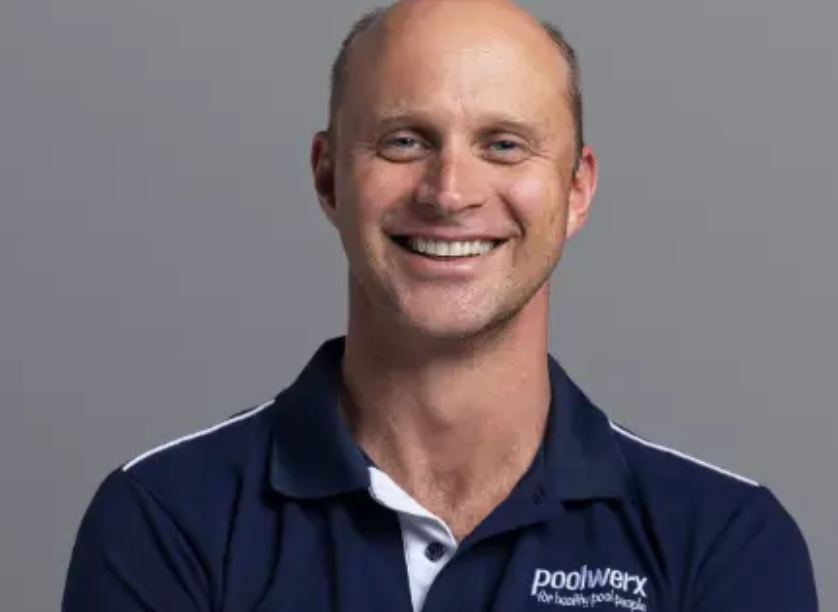
Nic Brill, Poolwerx
Nic Brill began competitive swimming at six in his home country of South Africa. Perhaps fittingly, his career eventually led him to Poolwerx, the pool and spa maintenance business founded in Queensland. He became its Australia and New Zealand CEO in 2022 and global CEO in October 2025.
“My background in swimming meant I learned early on that while individual discipline and pushing beyond your limits are essential, you cannot achieve sustainable global scale alone. One of the toughest lessons I’ve learned in business is that you can have the most brilliant strategy in the world, but if you don’t cultivate the right culture and build a capable, resilient team around you, execution will falter.
“Resilience isn’t just about enduring tough times — such as navigating pandemics or economic downturns — it’s about having the humility to listen to your network and the agility to pivot when necessary.
“People often assume a CEO has all the answers and makes every important decision. The reality is very different. My role isn’t to have all the answers. Leadership is about listening, learning and continually adapting, not having all the answers from day one.
“As a leader, particularly within a franchise model, my job is to clear the path for others to succeed. At Poolwerx, our number one KPI is franchisee profitability. The biggest misconception is that the CEO is at the centre of the business, when in truth, our franchise partners and clients are at the centre.
“I’ve never felt that people work for me — people work with me. And because they work with me, that doesn’t mean that I’m ultimately the person who makes the call. I genuinely want to hear their views because I do believe that if we’re in it together, everyone’s combined input will make for a better outcome.
“What I love most about what I do is the impact we get to have on people’s lives. On one hand, I get to see our franchise partners build thriving businesses, and on the other, we help families everywhere safely enjoy their backyards and create lifelong poolside memories together.
“Understanding your purpose in life — not just work — and genuinely knowing you’re not the star of the show are things I try to value every day.”
Nat Gordon, Propoholic
Nat Gordon co-founded her first real estate agency at 21 and owned and operated a boutique Sydney agency for two decades. Today, as founder and CEO of independent property advocacy business Propoholic, she guides clients through buying, selling and renovating.
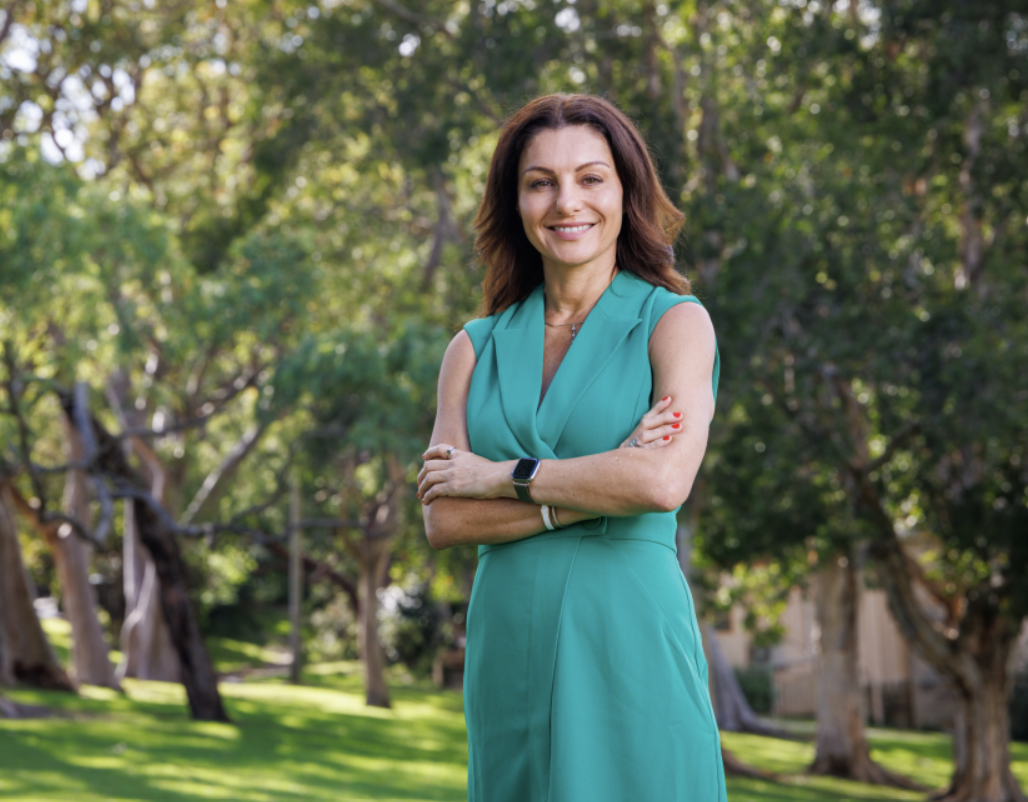
“I’ve owned real estate and construction businesses for 30 years, and I still make decisions every day without knowing how people will respond. In property, nothing is guaranteed, so you consider everything you know, trust your instinct and make the best decision you can.
“The hardest part of leading people is that no two people are wired the same way, so your approach is constantly changing. Every person — whether a team member or a client — is going through something different, even if the situation on paper looks the same. Listening well and genuinely caring change the quality of every conversation and always improve the outcome.
“The ideas that come to me in the peace of the night are often far better than those from the noise of the day. Our clients are trusting us with their biggest financial asset, and I don’t take that lightly. If lying awake thinking through another scenario helps them achieve a better outcome, I don’t see that as a bad thing.
“One lesson I’ve learned is that you won’t make everyone happy, and trying to do so will make you unhappy. Early on, I wanted every client to leave the conversation happy. Now I understand the right advice is sometimes advice nobody wants to hear.
“I think good leaders don’t pretend to know everything. It’s OK to admit that you aren’t sure about something, and people respect you more for acknowledging that. You have to seek answers and be willing to learn, often from the smart people you surround yourself with.”
Alexis and Luke Withers, Aalto
Husband-and-wife team Alexis and Luke Withers are co-CEOs of Australian dental technology company Aalto, whose clear aligners are manufactured in Sydney. They set out to make orthodontic treatment simpler and more accessible — and along the way discovered what it takes to lead a business together.
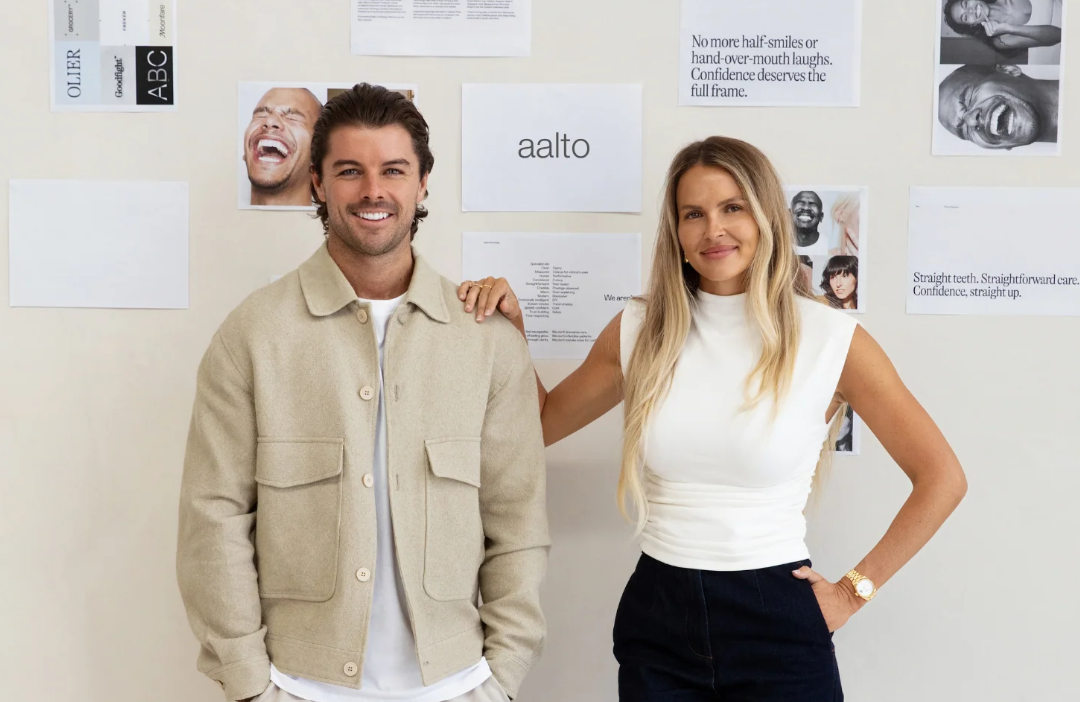
Alexis: “Nobody ever told me that leadership often means walking away from things that are working. One of the biggest decisions we made as founders was to step away from a successful business model despite achieving 312% revenue growth between 2020 and 2025.
“On paper, it made very little sense. But after thousands of patient interactions, we could see where customer expectations and the industry were heading. Leadership isn’t just protecting what you’ve built; sometimes it’s having the conviction to disrupt yourself before somebody else does.
“Another thing no one tells you is that being right matters less than listening. Some of our biggest strategic decisions came directly from customer feedback. Founders can become attached to their original vision, but customers often spot changes in the market before you do. Leadership is having the humility to listen when the evidence tells you your assumptions are wrong.”
Luke: “The traditional sole-CEO structure dominates the corporate landscape, so there weren’t many places to look for examples. What I have come to realise is that your co-founder should challenge you, not validate you.
“On paper, we probably shouldn’t work as founders. Alexis is analytical, methodical and naturally risk-aware. I am instinctive, ambitious and like to move quickly. We rarely approach problems the same way, but over time we’ve realised that tension is one of our biggest strengths. The best decisions usually happen somewhere in the middle of our opposing viewpoints.
“And nobody tells you that running a company with your spouse means there is no off switch! People love the idea of building a business with their partner, but nobody talks about the fact that board meetings happen over dinner and strategy conversations happen on holidays.
“We’ve had to become very intentional about separating founder time from husband-and-wife time, which we still struggle with to the detriment of our friends and family!”

MAISON de SABRÉ’s new Spring Harvest Collection turns everyday produce into collectible leather charms and introduces fresh silhouettes in its cult Bucket bag family.

As housing drives wealth and policy debate, the real risk is an economy hooked on growth without productivity to sustain it.

