Housing downturn deepens as RBA rate reversal hits buyers
 5 min
5 min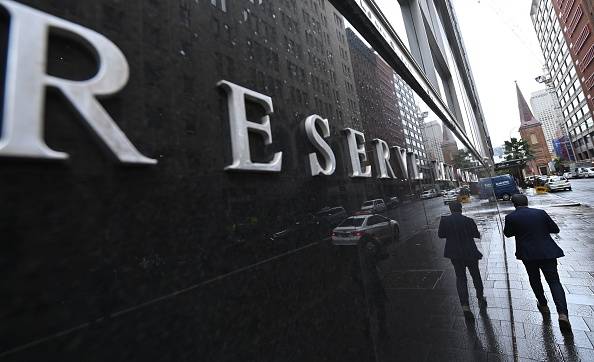
Australia’s housing market has weakened more sharply than the Reserve Bank anticipated, with higher interest rates, deteriorating sentiment and changing tax settings pushing the national market into reverse.
Reserve Bank governor Michele Bullock acknowledged the extent of the slowdown in a speech to the Anika Foundation Fundraising Lunch in Sydney on July 28.
Housing conditions had “eased by more than we had anticipated in May”, she said, after the Bank expected its interest-rate increases to take some heat out of the market.
Bullock attributed the larger-than-forecast slowdown to several forces, including recent housing policy developments and a broader deterioration in market sentiment.
The latest Cotality Home Value Index illustrates the change. National dwelling values fell 0.4% in June, the largest monthly decline since December 2022, taking values 0.7% lower over the June quarter.
The combined capital-city index fell more heavily, declining 0.6% in June and 1.3% over the quarter. Regional values continued to outperform, rising 0.3% for the month and 1.1% over the three months to June.
Sydney and Melbourne lead the falls
The downturn remains concentrated in the country’s two largest housing markets.
Sydney dwelling values fell 1.2% in June and 3.2% over the quarter. By the end of the month, values were 3.7% below their January 2026 peak.
Melbourne values declined 1% in June and 2.6% over the quarter, leaving the market 4% below its March 2022 peak. Melbourne was also the only capital to record an annual decline, with values down 0.9% over the year to June.
Canberra fell 0.6% for the month and 1.3% over the quarter, taking values 2.9% below their May 2022 high. Hobart, despite rising 0.6% in June, remained 0.7% below its March 2022 peak.
Conditions were markedly different elsewhere.
Brisbane values rose 0.3% in June, Adelaide was unchanged, Perth gained 0.7% and Darwin climbed 1.4%. All four remained at record highs at the end of June.
| Capital | June change | June-quarter change | Change from peak |
|---|---|---|---|
| Sydney | -1.2% | -3.2% | -3.7% |
| Melbourne | -1.0% | -2.6% | -4.0% |
| Brisbane | +0.3% | +1.3% | At peak |
| Adelaide | 0.0% | +1.3% | At peak |
| Perth | +0.7% | +2.0% | At peak |
| Hobart | +0.6% | +1.4% | -0.7% |
| Darwin | +1.4% | +5.0% | At peak |
| Canberra | -0.6% | -1.3% | -2.9% |
The figures reveal a divided national market rather than a uniform correction. Sydney and Melbourne are falling comparatively quickly, but strong annual gains remain intact in Brisbane, Perth, Darwin and Adelaide.
Perth values were still 23.9% higher over the year to June, while Darwin was up 19.8%, Brisbane 17.4% and Adelaide 11.6%.
Even Sydney remained 0.3% higher over the year despite its recent decline.
Bullock consequently characterised the pullback in established home prices as “modest” following a period of strong growth. She noted that Sydney and Melbourne values remained around the levels recorded before the RBA began raising rates again in February.
Buyers regain leverage
The weakness extends beyond headline prices.
Cotality estimated that capital-city sales over the three months to June were 16.2% lower than a year earlier and 14.5% below the five-year average for that time of year.
Advertised supply across the capitals was almost 11% higher than a year ago, while the combined capital-city auction clearance rate had remained below 50% since late May before falling into the low-40% range from late June.
Cotality research director Tim Lawless said the accumulation of available homes was primarily a symptom of weaker demand rather than a surge in new listings. Buyers had more properties to choose from, less urgency and greater negotiating power.
Affordability was already constraining demand before the latest interest-rate increases. Higher mortgage costs, cost-of-living pressures, pessimistic consumer sentiment and proposed federal changes affecting property investment have since added to the slowdown.
The result is likely to be a gradual decline rather than a severe national correction. Population growth, tight rental markets and limited new housing supply continue to support values, but they are increasingly being offset by weaker confidence and reduced borrowing capacity.
The RBA has erased all three of last year’s cuts
The speed of the housing slowdown becomes clearer when placed against the sharp reversal in monetary policy.
The RBA cut the cash rate three times in 2025:
- From 4.35% to 4.10% in February
- To 3.85% in May
- To 3.60% in August
Those reductions delivered 75 basis points of easing as inflation appeared to be returning sustainably to the Bank’s 2–3% target range.
The direction changed abruptly in 2026 after inflation accelerated and the economy was judged to be operating with greater capacity pressure than previously thought.
The RBA increased the cash rate by 25 basis points in February, March and May, lifting it from 3.60% to 4.35%. Those three increases have exactly reversed the 75 basis points of relief delivered last year.
The Board left the rate unchanged at its June 16 meeting, meaning the cash rate has been at 4.35% since May 5.
Higher mortgage rates and tighter lending assessments have reduced the amount many households can borrow, while also increasing repayments for existing variable-rate borrowers. The effect has been particularly visible in Sydney and Melbourne, where values are high and buyers are more sensitive to changes in borrowing capacity.
Bullock said the housing slowdown had gone further than the RBA forecast in May, but borrower distress remained contained. Fewer than 1% of borrowers were in negative equity, she said, and only a small proportion of that group was estimated to be experiencing severe repayment difficulty.
The labour market has also softened more than expected, with unemployment rising further than the Bank forecast. That creates a more complicated decision for the Board: inflation remains too high, but the effects of its previous tightening are becoming clearer across employment, household confidence and housing.
Bullock nevertheless reiterated that the Board was prepared to increase the cash rate again if required to meet its mandate.
The Big Four are divided over what comes next
The major banks agree that meaningful rate relief is unlikely in the immediate future, but they differ sharply over whether the RBA has finished raising rates.
Commonwealth Bank expects the cash rate to remain at 4.35% for the rest of 2026. Its economists have pencilled in the first cut for May 2027, followed by another in August, which would reduce the rate to 3.85%.
NAB also believes the next move is likely to be down, although it has expressed less confidence about the timing. Its forecast has the cash rate ending 2027 at 3.60%, implying three quarter-point cuts over the year.
ANZ’s July base case is for the RBA to remain at 4.35% until the second half of 2027. Its economists have not ruled out another increase in November if inflationary pressure intensifies. ANZ’s previously published central forecast included two cuts during 2027, taking the rate to 3.85%.
Westpac remains the outlier. Its July outlook anticipates two further rate increases during 2026, which would lift the cash rate to 4.85%, before an easing cycle begins later. This more hawkish view reflects concern that persistent inflation and energy-related cost pressures could require the RBA to tighten policy again.
| Bank | Expected 2026 direction | Expected easing |
| CBA | Hold at 4.35% | First cut forecast for May 2027; second in August |
| NAB | Hold; next move expected to be down | Cash rate forecast to end 2027 at 3.60% |
| ANZ | Hold at 4.35%, with a November hike risk | Base case has easing beginning in the second half of 2027 |
| Westpac | Two further hikes, potentially reaching 4.85% | Easing expected only after the additional tightening cycle |
These forecasts are highly conditional. Inflation, employment, household spending and the international energy outlook could all materially alter the timing.
The June-quarter Consumer Price Index, due on July 29, will be central to the RBA’s updated economic forecasts ahead of its August 11 meeting.
A softer inflation result, combined with weakening employment and housing, would support the case for an extended pause. A stronger result—particularly in underlying inflation—would keep another increase in play.
For the housing market, even an extended hold would mean borrowers receive no early relief from the 2026 increases. Cotality expects momentum to weaken further, with expensive markets, investor-heavy areas and locations carrying elevated advertised stock among those most exposed.
Australia is not yet experiencing a broad housing collapse. Prices remain at record highs in half of the capitals, negative equity is rare and national values are still 7.3% higher than a year ago.
But the direction has changed. The RBA has removed all of last year’s rate relief, buyers have regained leverage and the country’s largest housing markets are now leading a downturn that has already proved deeper than the central bank expected.
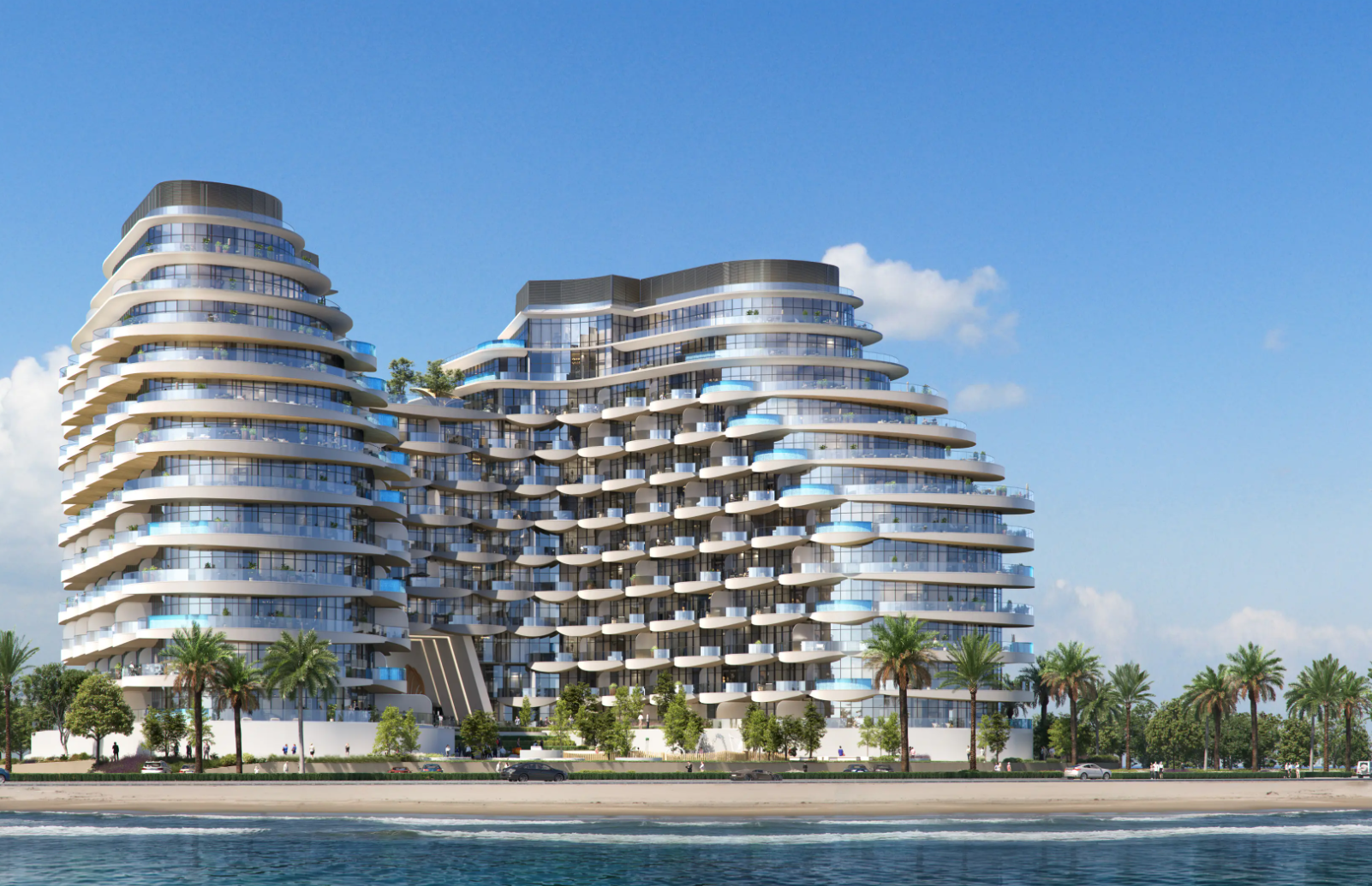
BNW Developments has established a Sydney presence, joining Arada and Sobha Realty among the growing number of UAE developers pursuing Australian buyers and development opportunities.

Australian shares fell on Thursday as Wall Street weakness, rising oil and persistent rate concerns weighed on most of the market. The S&P/ASX 200 declined 0.72 per cent to 8,702. The All Ordinaries lost 0.66 per cent to finish at 8,897. Mining stocks were hit particularly hard, while real estate also dragged on the index. …
Continue reading “ASX falls 0.7 per cent as miners and property stocks retreat”
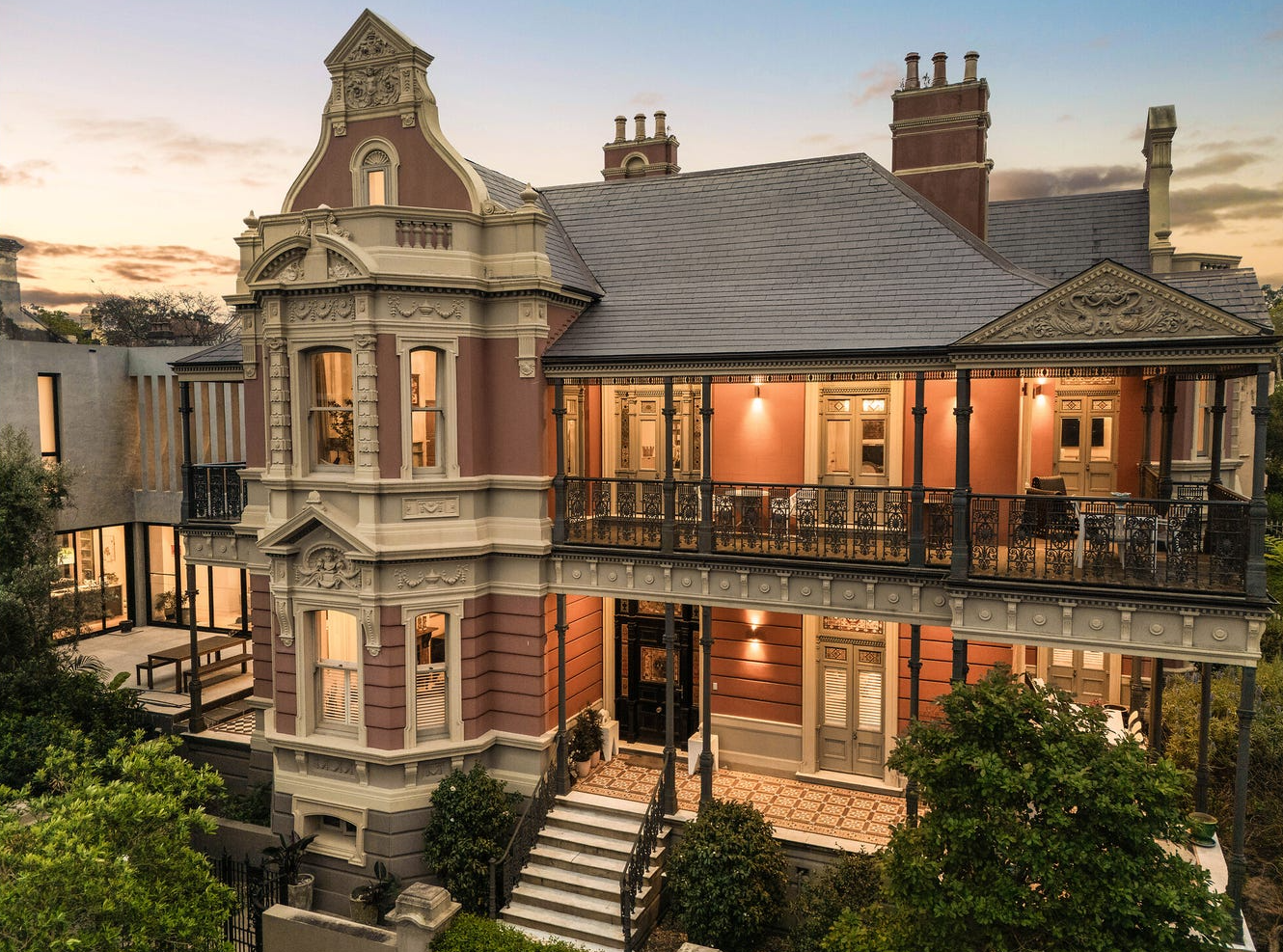
Restored Victorian Italianate manor Earlswood combines two substantial residences on 778sqm and leads the prestige offering from the newly established Ray White Phillips & Co.
3 min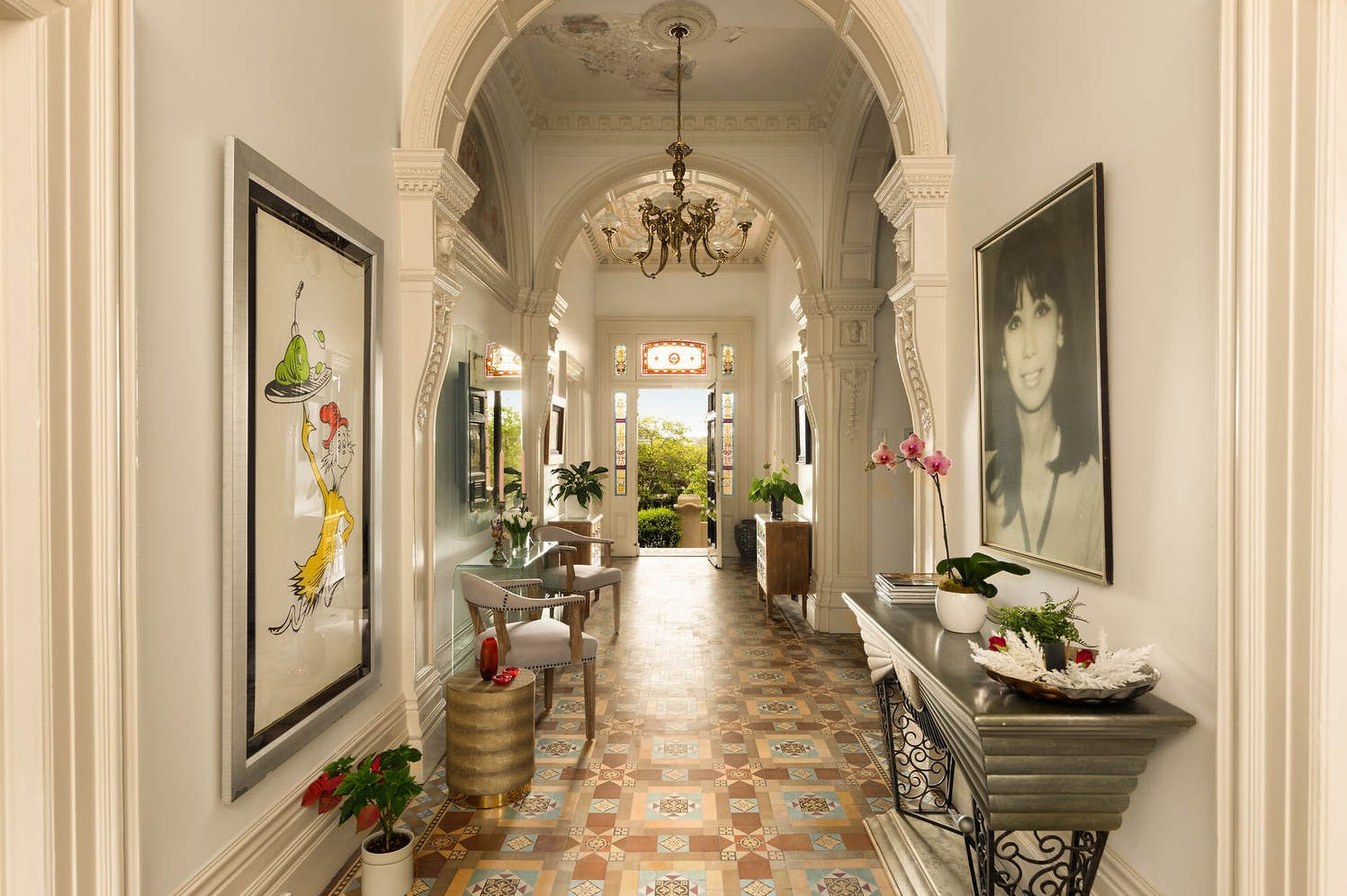
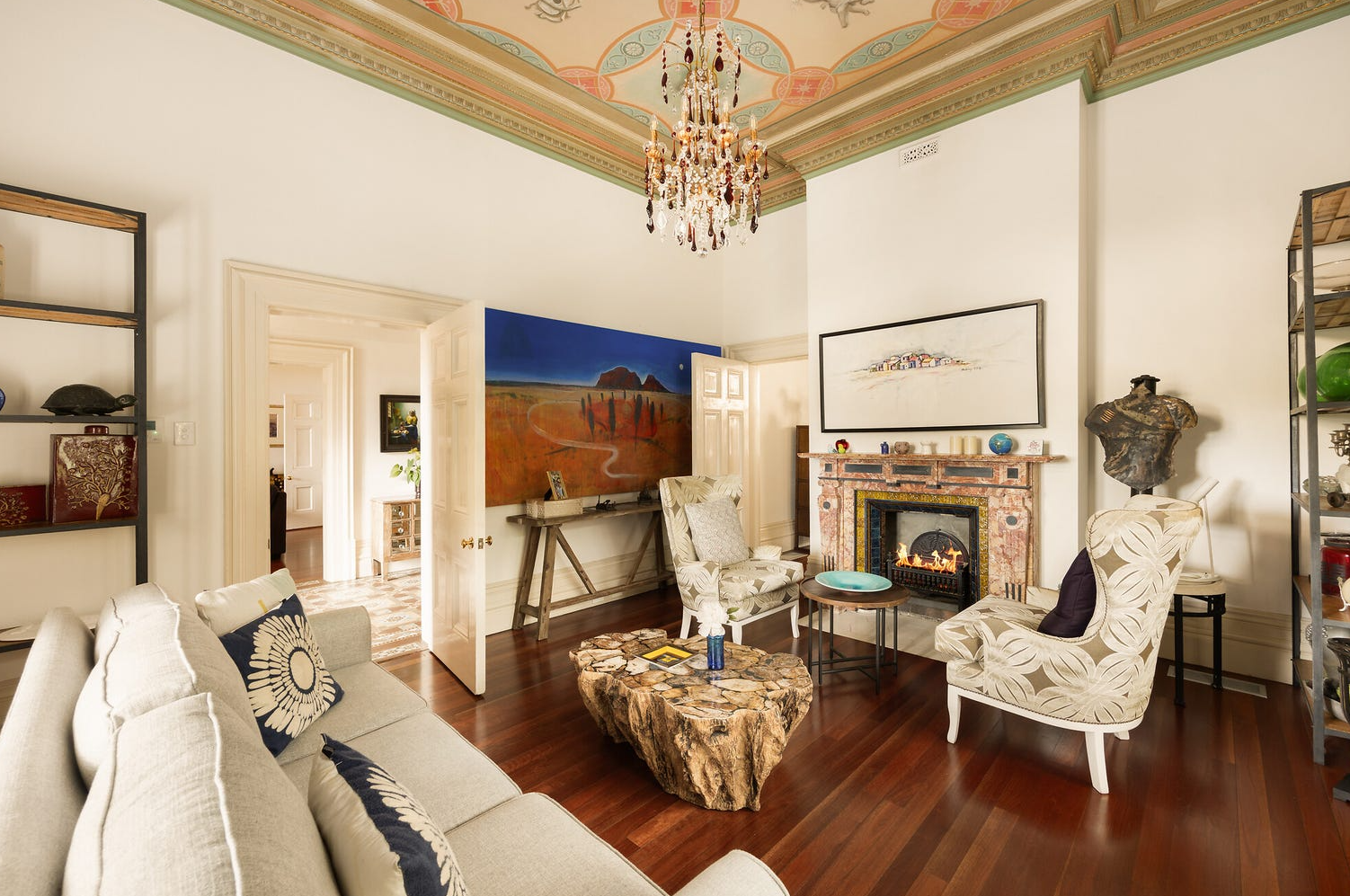
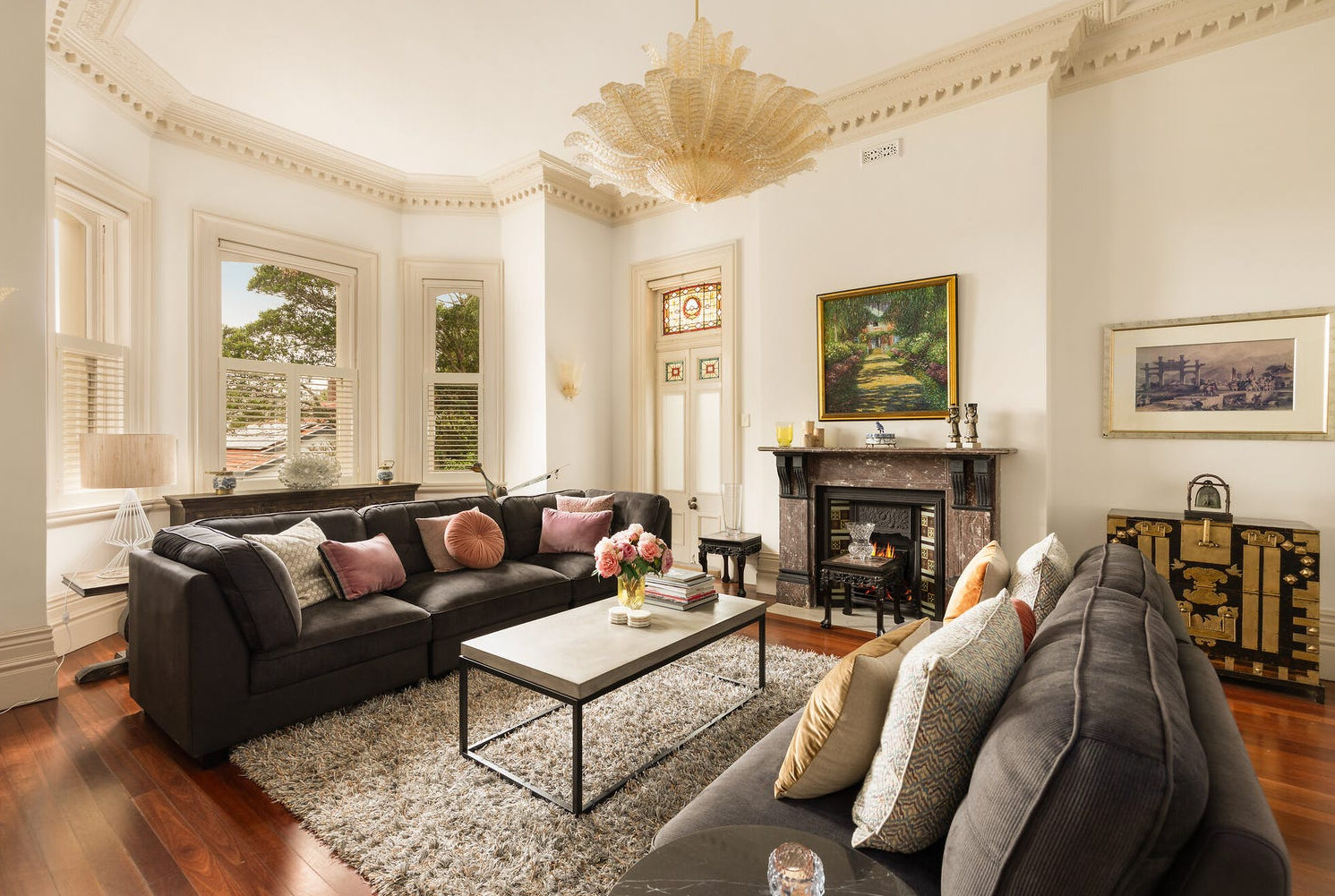
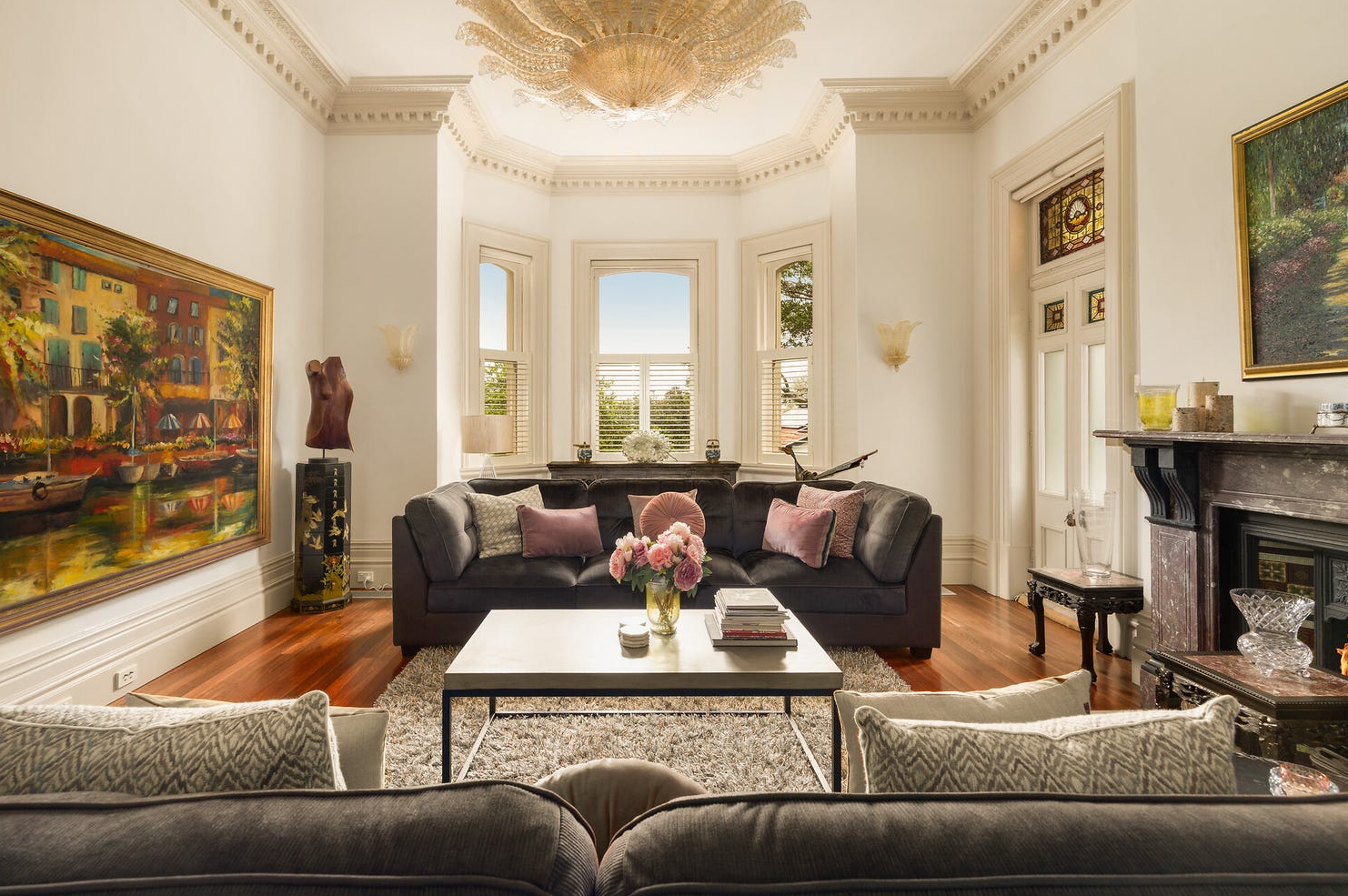
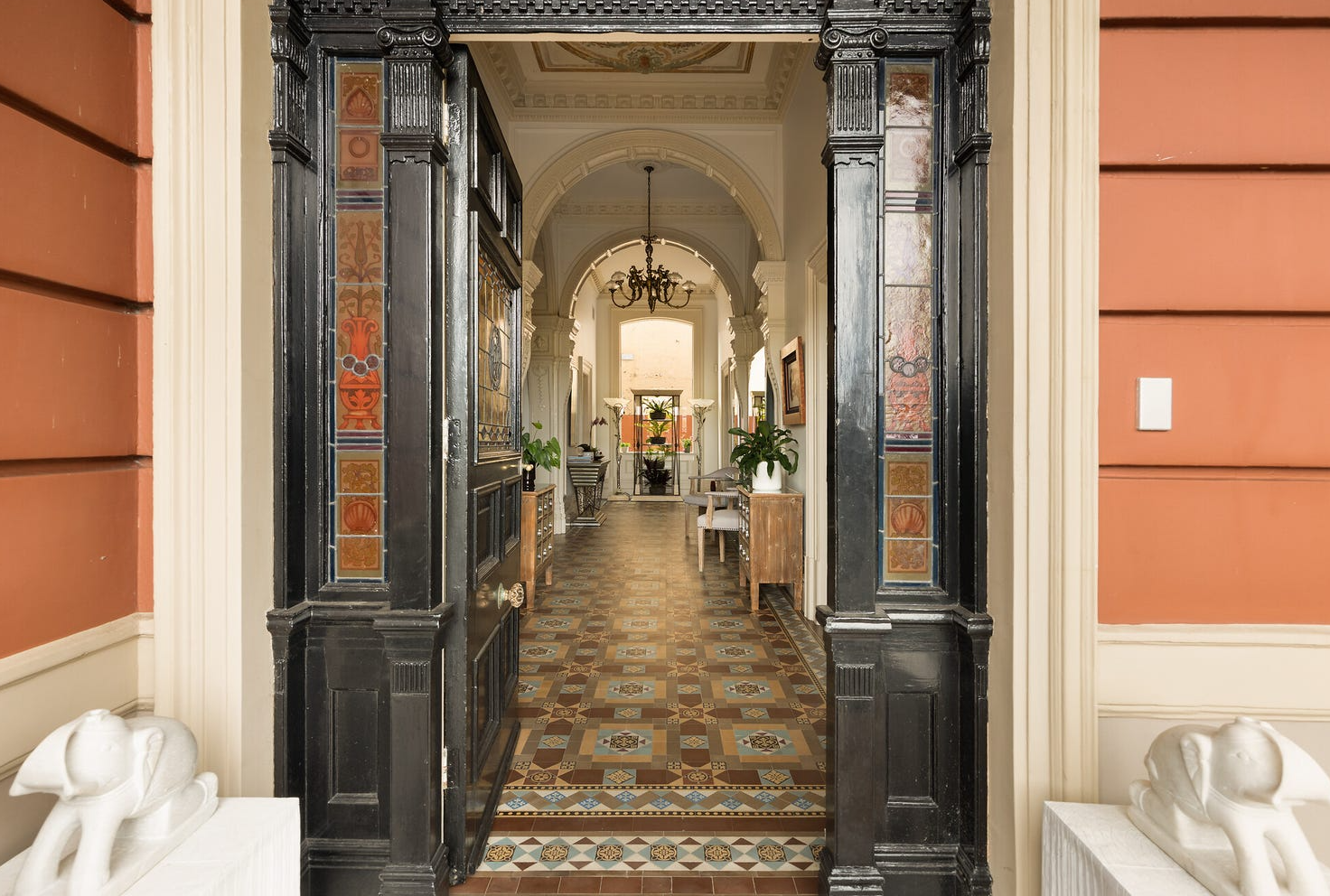
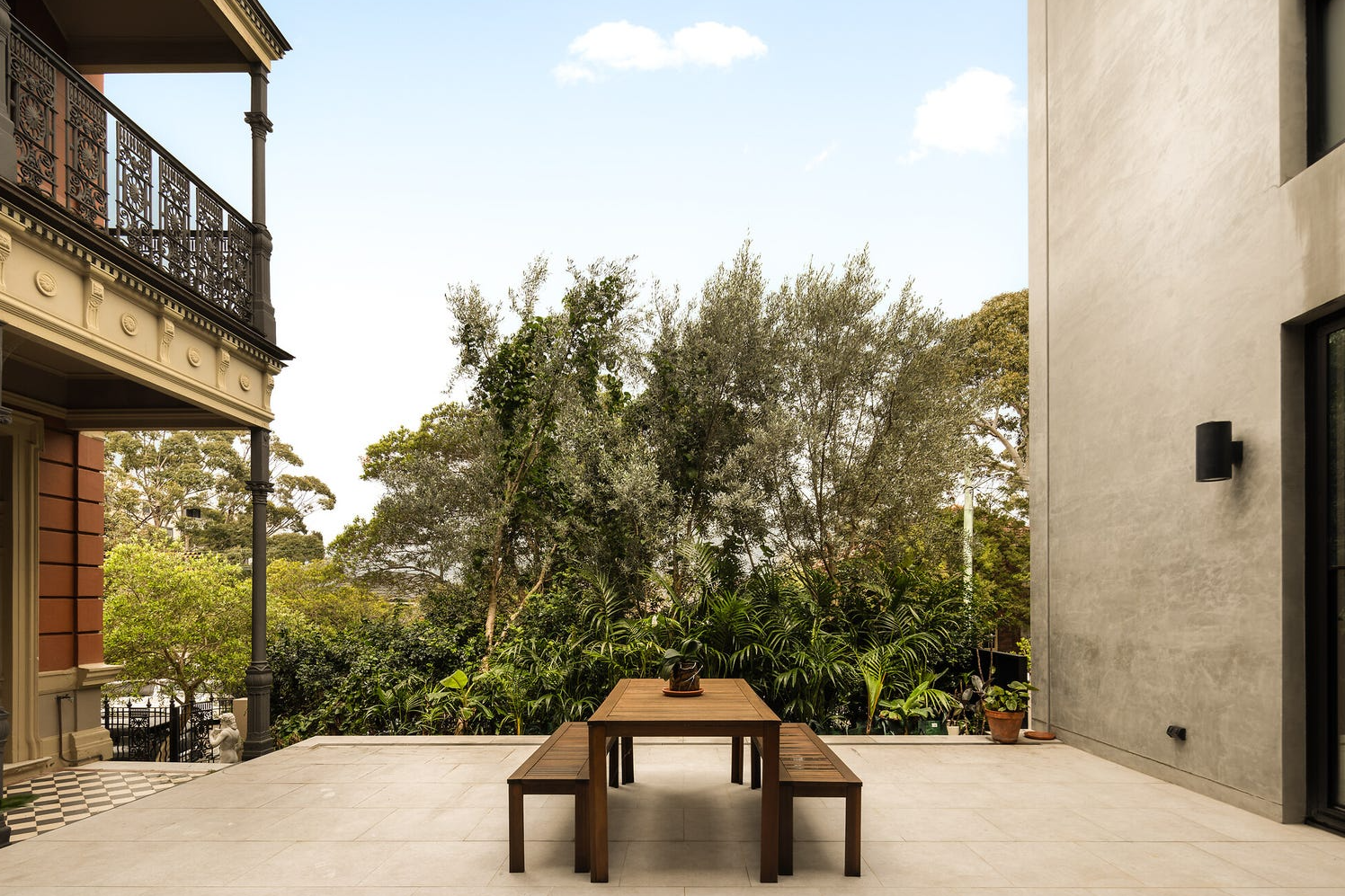
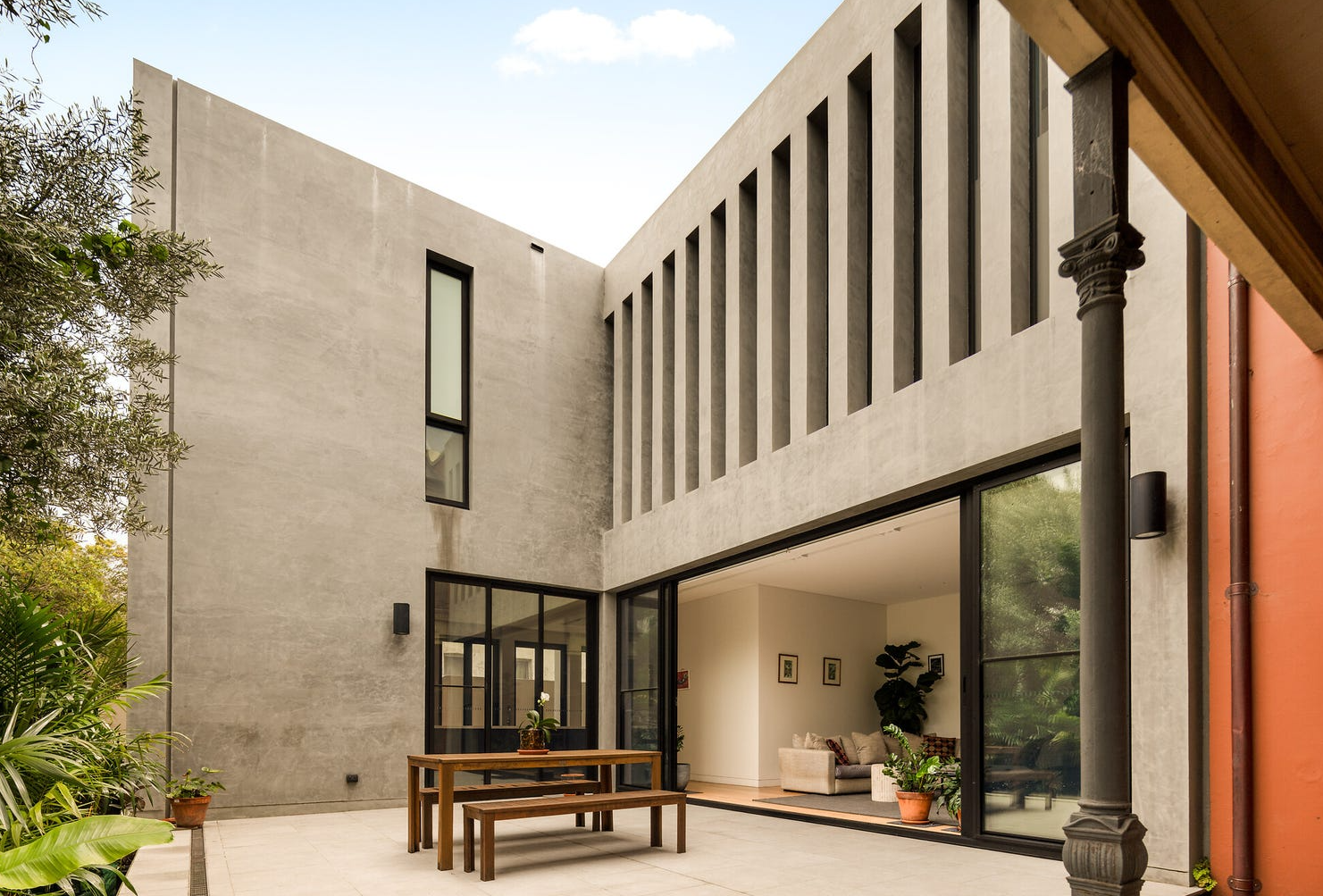
Alexander Phillips has unveiled his first newly launched trophy campaign since establishing Ray White Phillips & Co, with the landmark Randwick estate Earlswood being offered with a guide of $10.5 million.
The listing is an early statement for Phillips’ new Woollahra-based agency. Less than a month after opening, Ray White Phillips & Co had already secured more than $30 million across a series of booked auction campaigns, including the $9 million sale of 92 Ocean Street, Bondi, and sales in Waverley, Bronte, Clovelly, Paddington and Coogee.
Phillips also recently sold 9 Kenneth Street, Tamarama, for $20.25 million, the highest reported Eastern Beaches sale of 2026.
The latest addition to the agency’s books is one of the eastern suburbs’ more distinctive estates.
Occupying 778 sqm at 54 Dutruc Street, Earlswood pairs a restored Victorian Italianate manor with an adjoining two-storey contemporary residence designed by X-PACE Design Group.
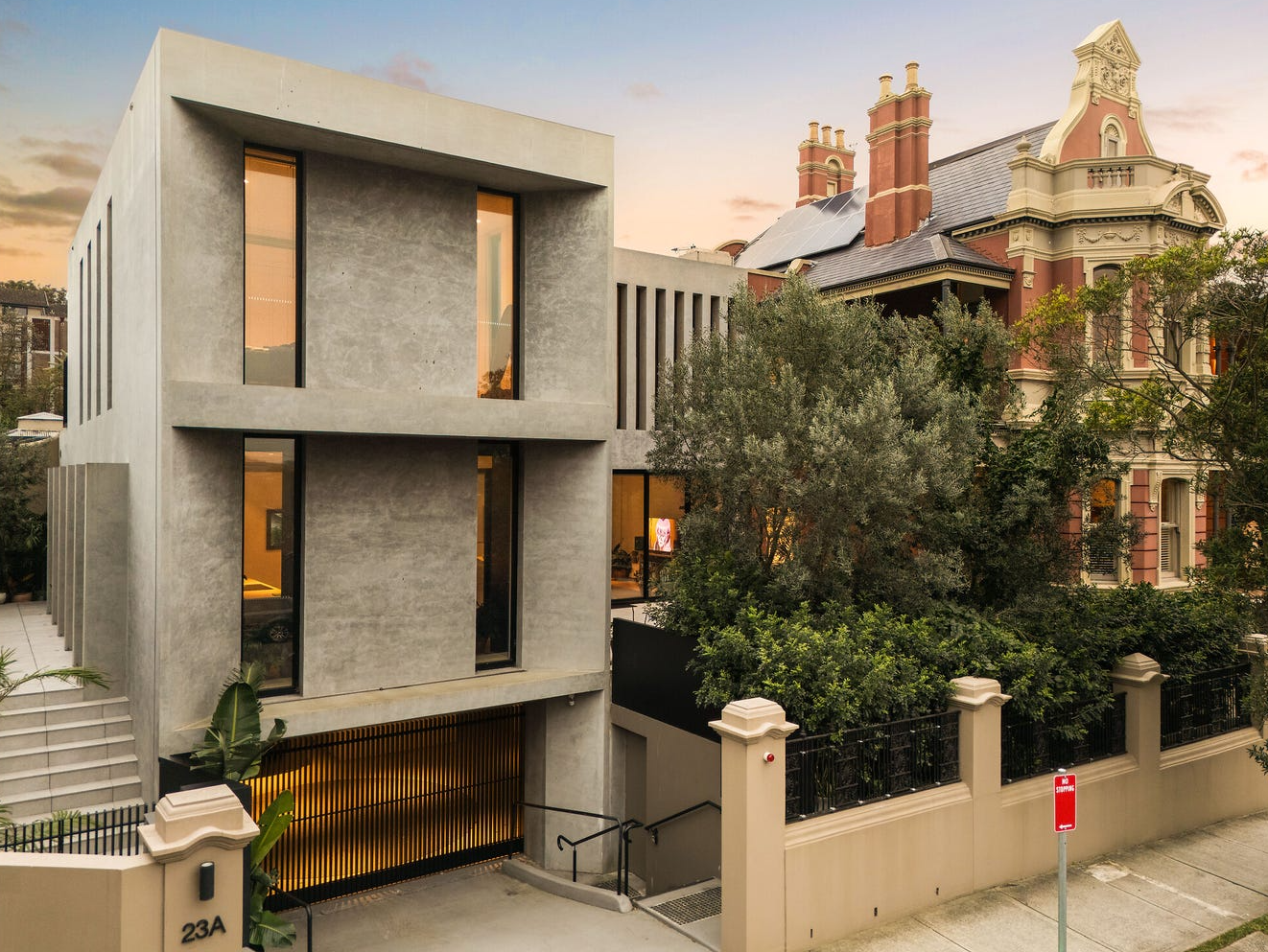
The original home was built in 1891 and is a locally listed heritage residence within Randwick’s St Marks conservation area. Its restoration retains much of the formality and detail expected of a grand Victorian property, including a substantial entrance foyer, frescoes by Augusto Lorenzini, four-metre ceilings, marble fireplaces and a series of reception and entertaining rooms.
Four king-sized bedrooms are arranged on one level, while an attic retreat captures views towards the ocean. More recent additions include a custom kitchen with Gaggenau appliances, a butler’s pantry, Spotted Gum floors and ducted air-conditioning.
Next door, the second residence takes a distinctly contemporary approach. Off-form concrete, wide oak floorboards and clean architectural lines establish a deliberate contrast with the ornate historic manor.
The modern home contains three upper-level ensuite bedrooms, two living areas, a designer kitchen, courtyard and north-facing rooftop terrace. Villeroy & Boch-appointed terrazzo bathrooms and Italian lighting continue the detailed finish found throughout the estate.
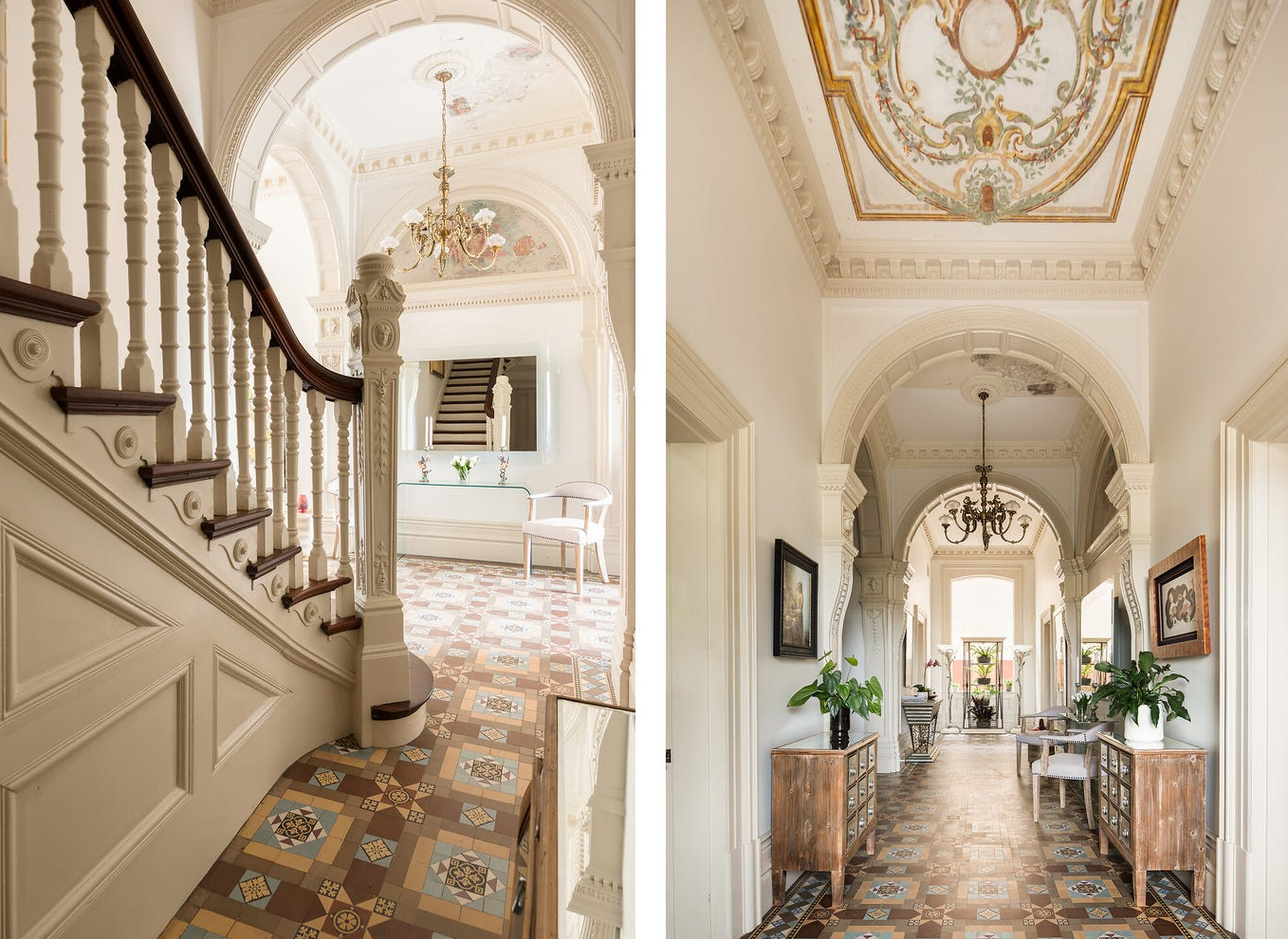
Although architecturally different, the two homes have been designed to operate together or independently. Each has its own entrance, while both connect to a four-car basement containing a vehicle turntable, wine cellar and internal lift access.
The configuration lends itself to multigenerational living, accommodation for adult children or extended family, or a principal residence with a separate income-producing home. The properties have also been prepared for possible future title subdivision, subject to council approval.
The estate spans approximately 717sqm of internal floor area and has a 39-metre frontage to Rae Street, as well as landscaped gardens and dual-street access. It last changed hands for $10.75 million in November 2023, according to publicly available property records.
Earlswood arrives as Phillips begins the next phase of a 24-year career in Sydney’s eastern suburbs. He has been ranked among Australia’s leading residential agents for more than a decade, with his team reported to transact more than $1 billion in property annually across more than 400 clients.
Phillips said his decision to launch Ray White Phillips & Co was driven by the industry’s increasing reliance on technology, data and network reach, while maintaining his team’s focus on the eastern suburbs.
For Ray White, Earlswood provides an appropriately high-profile introduction to its newest prestige operation: a rare dual-residence property that offers both a carefully preserved piece of Randwick’s history and a markedly contemporary way of living.
Earlswood at 54 Dutruc Street, Randwick, is being marketed by Alexander Phillips of Ray White Phillips & Co through expressions of interest closing November 5.

From mud baths to herbal massages, Fiji’s heat rituals turned one winter escape into a soul-deep reset.
Rising rates, construction inflation and shrinking investor confidence are pushing Australia deeper into a dangerous housing spiral that monetary policy alone cannot fix.