The Yuan and Yen Need the Fed’s Help. They Might Not Get It.
Being a loose monetary policy outlier is an uncomfortable place to be these days

 3 min
3 min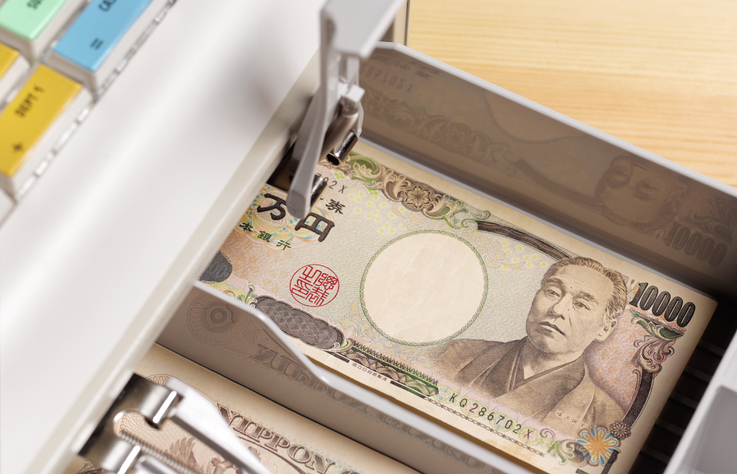
All eyes are on the Federal Reserve meeting this week. Central bankers at Asia’s two largest economies will be paying extra attention.
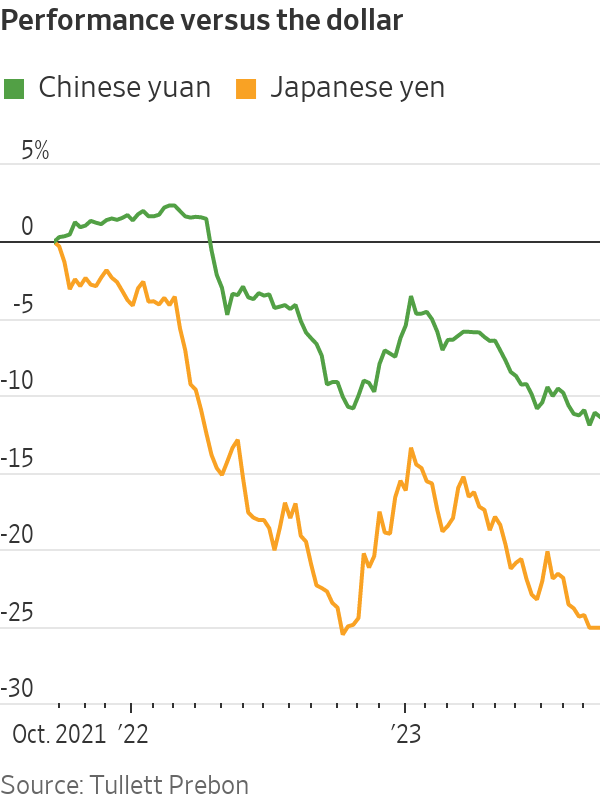
The Chinese yuan and Japanese yen are both hovering at their lowest levels against the dollar in more than a decade. The yuan has lost 13% versus the dollar since the beginning of 2022 while the yen has dropped 22%.
Both countries are grappling with weakening currencies—but their economies are in quite different situations. China must ward off deflation as its real estate implosion continues to weigh on industry and consumer sentiment. Japan, on the other hand, is contending with its highest inflation in decades.
Yet there are some important similarities too. Both countries’ central banks have pursued relatively loose monetary policies as growth challenges have mounted—in contrast with most other developed economies, which have been raising rates rapidly. China has been cutting interest rates and the amount of cash banks must hold in reserve to juice up its economy. Japan is hesitant to give up its longstanding policy of targeting ultra low interest rates in fear that the country could eventually slip back into deflation or near-deflation, too—a problem it wrestled with for years in the wake of its own burst asset bubble in the 1990s.
Widening interest rate differentials with the U.S. have put both currencies under pressure. Yields on Japan’s 10-year government bonds are 3.6 percentage points lower than on U.S. equivalents. The difference between Chinese and U.S. bonds is 1.7 points.
Both currencies have nonetheless staged a modest rebound from their lows lately. The People’s Bank of China warned speculators not to bet against the yuan earlier this month. Around the same time, Bank of Japan Gov. Kazuo Ueda told domestic media that an end to the BOJ’s negative rate policy could be in the cards if its 2% inflation target is sustained.
The risk of capital outflows probably makes China uneasy. It saw net outflows pick up to $42 billion in August, the fastest pace since 2016, according to Goldman Sachs. Given the country’s semi-closed capital account, there are many tools it can employ to slow the pace of depreciation. Borrowing costs for the offshore yuan have gone up, which could deter some short-term speculators.
Yet ultimately, economic fundamentals—and monetary policy—will still drive the yuan’s trend. While the Fed looks likely to pause its rate increases, a stronger-than-expected economy could keep U.S. rates higher for longer. To stabilise its economy, China will likely need more monetary and fiscal stimulus than has been unveiled so far—meaning an even higher interest rate differential and probably, higher imports once fiscal stimulus starts to kick in. Both of those will tend to weigh on the currency, especially if U.S. rates stay parked at their current high level in 2024.
In Japan, meanwhile, the central bank looks likely to tighten eventually as it becomes more confident that inflation—at a low level—has become more baked into households’ expectations. Japan’s core inflation, which excludes fresh food, has stayed above the central bank’s 2% target for more than a year already. Japan’s 10-year government bond yields rose to their highest level since 2014 recently.
China and Japan’s plunging currencies may chart different paths going forward—especially since the yen is already down so far against the dollar over the past two years. But they could both use an assist from the Fed, which may not be forthcoming for quite a while.
 Copyright 2020, Dow Jones & Company, Inc. All Rights Reserved Worldwide. LEARN MORE




Ophora Tallawong has launched its final release of quality apartments priced under $700,000.
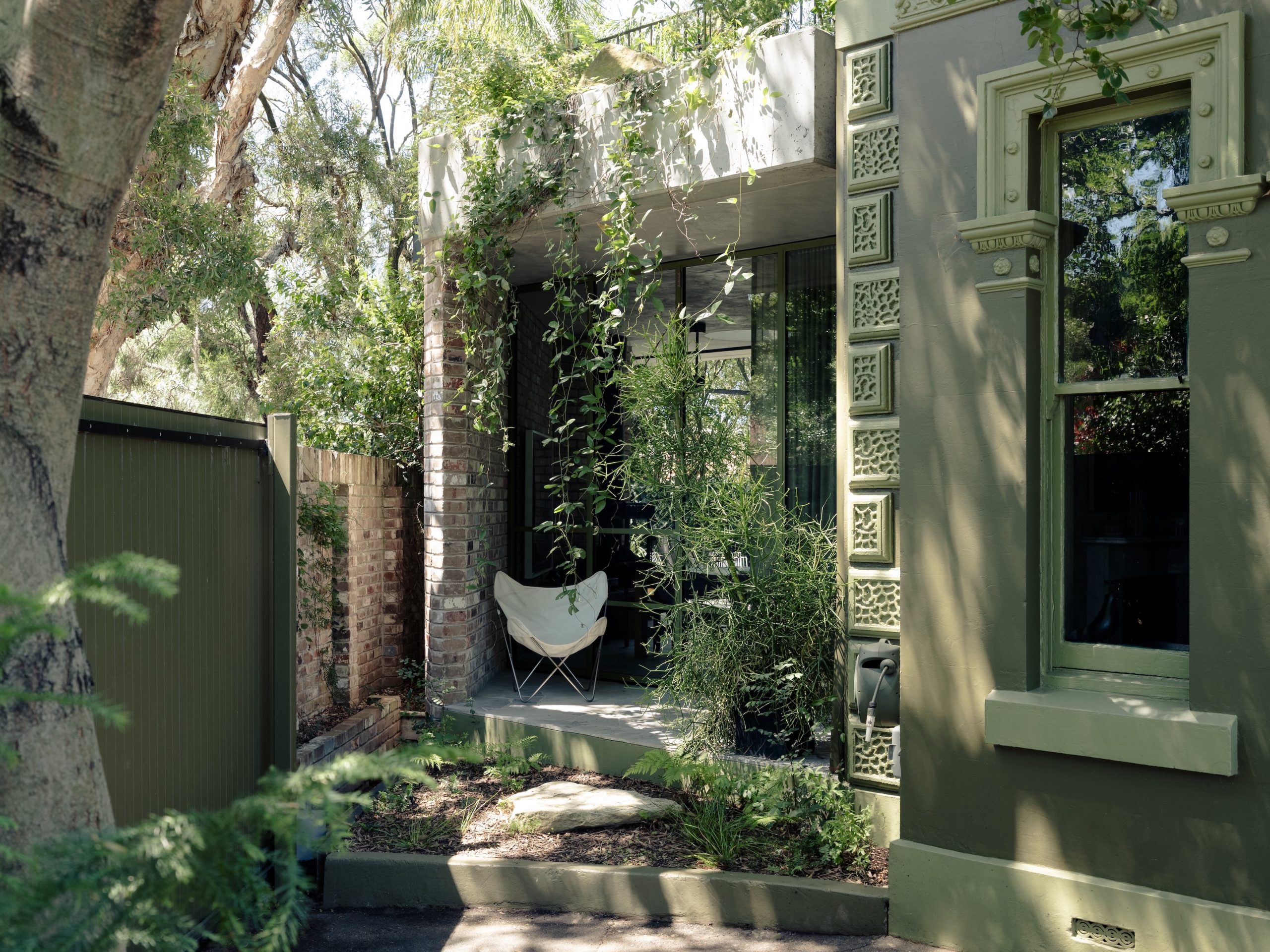
From bushland greens to valley reds, the country’s most awarded designers are proving that the best colour palette was never on a swatch card; it was outside the window all along.
 2 min
2 min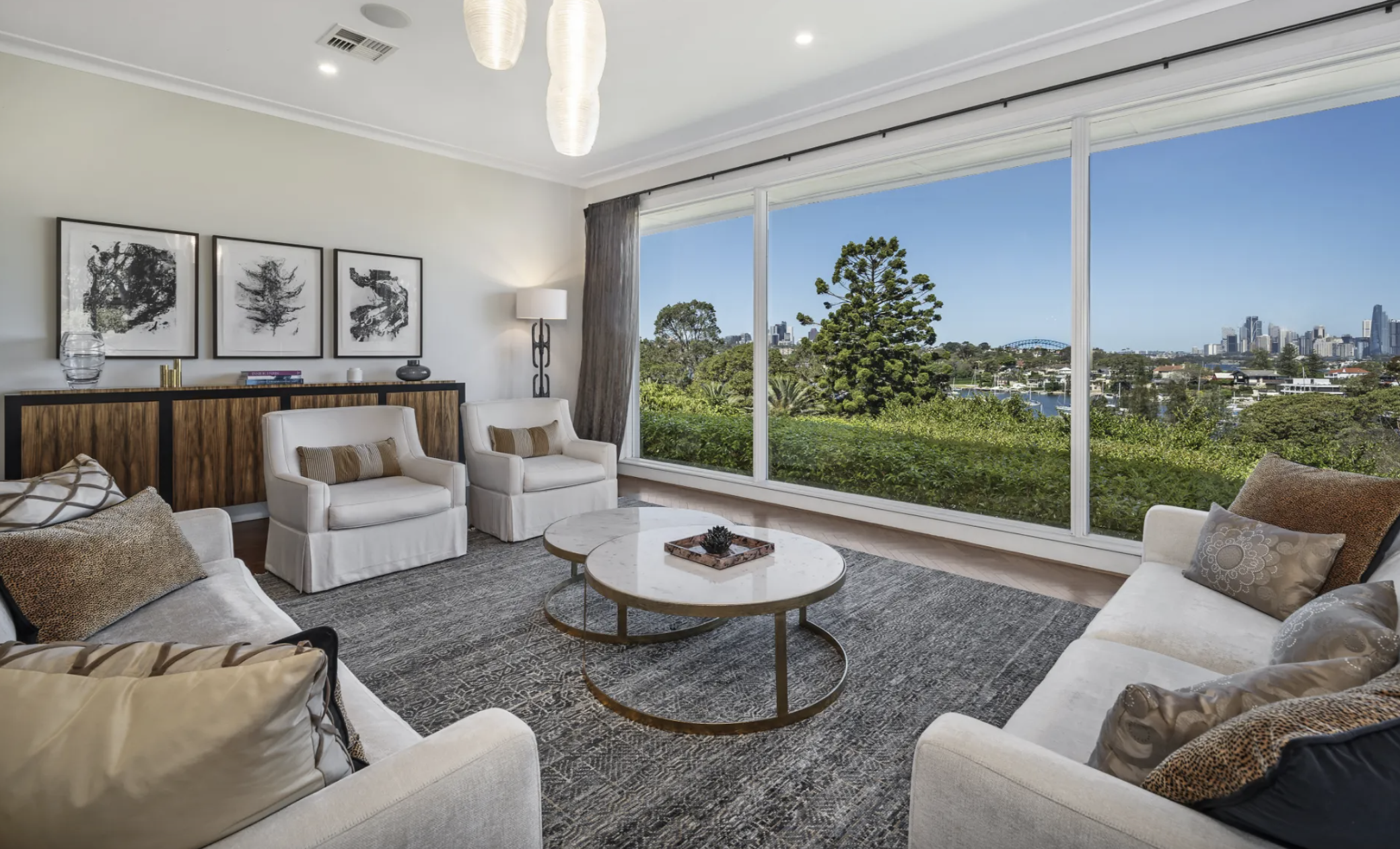
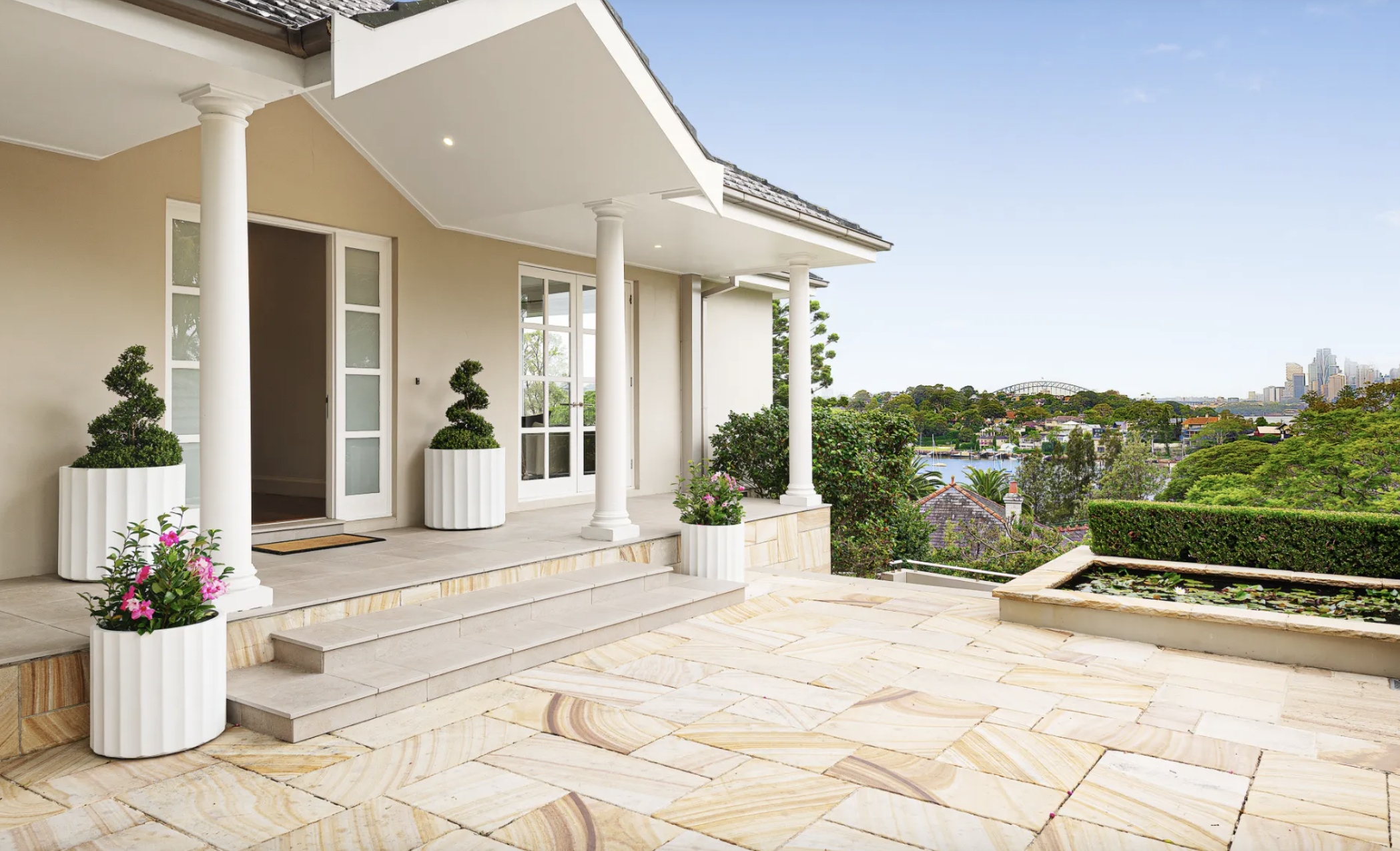
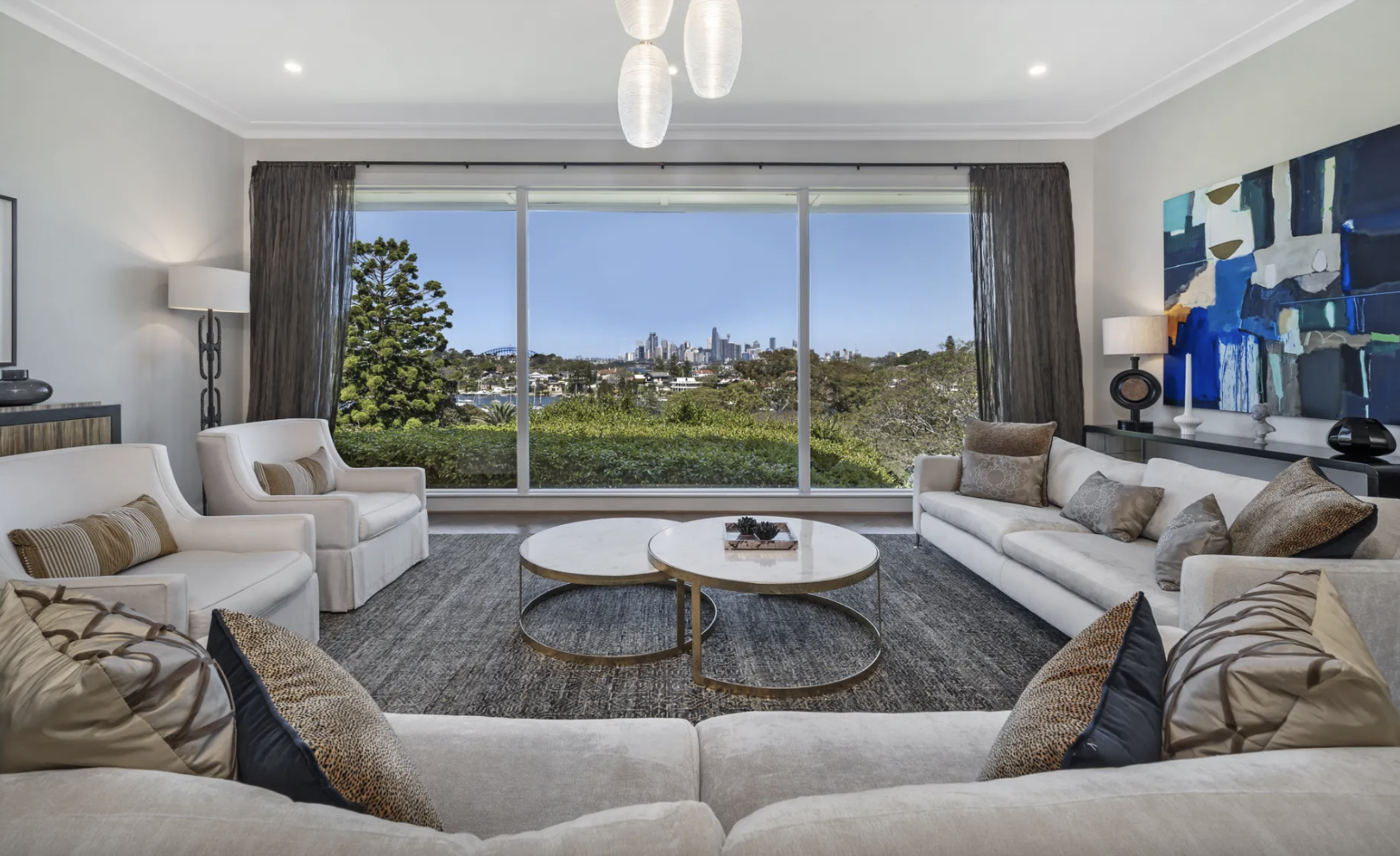
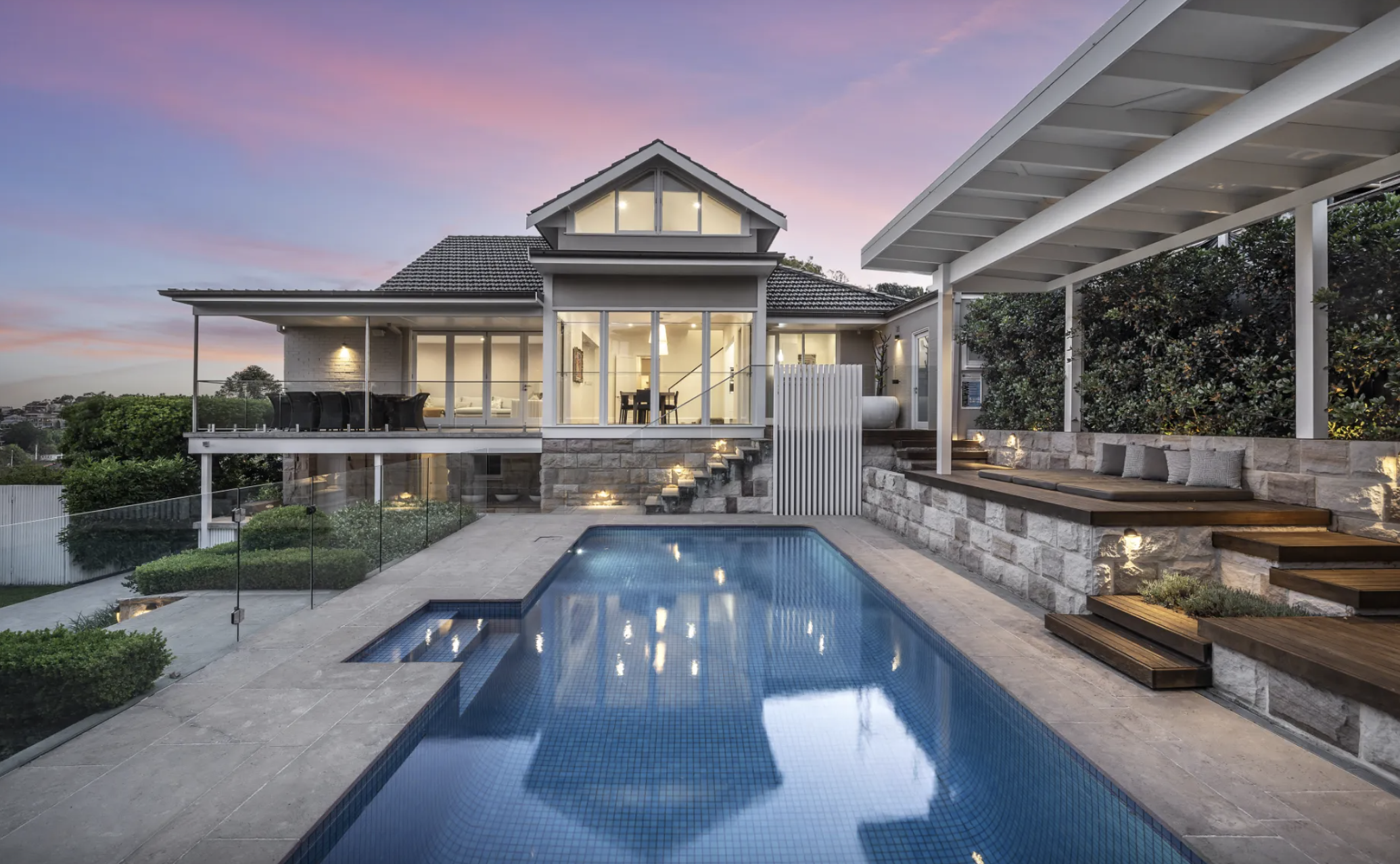
Held by the same family for 26 years, this Harbour Bridge-facing residence at Longueville is the type of property that rarely comes to market. Set on more than 1,100 sqm on one of Sydney’s most tightly held peninsulas, it combines complete privacy with uninterrupted views across the harbour to the city skyline.
It’s the sort of offering where the land is just as important as the home. Positioned directly opposite Aquatic Park with a prized northeast aspect, the residence captures sweeping harbour views from almost every main living space while remaining remarkably secluded from neighbouring properties.
Large picture windows frame the outlook throughout the home, flooding the interiors with natural light and making the harbour the centrepiece of everyday living.
Designed for family living
The home offers multiple living zones, including a formal lounge and dining rooms, a separate family room and an open-plan living and meals area. Blackbutt timber parquetry flooring, high ceilings and ducted reverse-cycle air conditioning feature throughout.
The kitchen sits at the heart of the home, with induction cooking, a generous island bench, and a walk-in pantry, connecting both the formal entertaining areas and the more casual family spaces.
A ground-floor master suite includes a walk-in robe, dressing area and ensuite, while upstairs are three additional bedrooms with built-in robes, together with a spacious home office or study.
The lower ground level adds another layer, with a temperature-controlled cellar and tasting room, plus a flexible gym, wellness or recreation space.
Resort-style setting overlooking Sydney Harbour
Outside, landscaped gardens wrap around a heated swimming pool, an expansive entertaining terrace, and a level lawn, creating a private resort-style setting against the backdrop of Sydney Harbour.
Additional features include a solar system with battery storage, remote lock-up garaging for three vehicles and generous storage throughout.
Beyond the home itself, the location remains one of Longueville’s biggest drawcards. Longueville Ferry Wharf sits around 150 metres away, providing direct access to the CBD while preserving the quiet character of one of Sydney’s most tightly held waterfront suburbs. The property is also within the catchments of Lane Cove Public School and Hunters Hill High School.
Simon Harrison and Kim Walters of Belle Property Lane Cove are marketing the property on a Contact Agent basis.
At a glance
Address: 3 Mary Street, Longueville NSW 2066
Configuration: 4 bedrooms | 3 bathrooms | 3-car garage
Land: Approximately 1,100 sqm
Highlights: Harbour Bridge and city skyline views, northeast aspect, heated pool, cellar, solar with battery storage
Held: First time offered in 26 years
Price: Contact Agent
Agents: Simon Harrison and Kim Walters, Belle Property Lane Cove
This article is produced by the Kanebridge Media editorial team. Property information has been supplied by the listing agent. Buyers should conduct their own due diligence before relying on any information contained in this article. Enquiries: propertyconcierge@kanebridge.com.au.

Rugged coastal drives and fireside drams define a slow, indulgent journey through Scotland’s far north.

On October 2, acclaimed chef Dan Arnold will host an exclusive evening, unveiling a Michelin-inspired menu in a rare masterclass of food, storytelling and flavour.