Australia in Global Top 10 for Ultra-Wealthy as Property Investment Grows
 3 min
3 min
Australia has cemented its place among the world’s wealthiest nations, ranking ninth globally for individuals with more than US$10 million in assets, according to Knight Frank’s newly released The Wealth Report 2025.
The report found that 1.8% of the global US$10m+ population resides in Australia, with 42,789 high-net-worth individuals (HNWIs). This places Australia ahead of Hong Kong SAR (42,715 HNWIs), Italy (41,080), South Korea (39,210), and Taiwan (28,391). The United States leads the rankings, accounting for nearly 39% of the world’s ultra-wealthy.
Knight Frank Chief Economist Ben Burston noted that while Australia faced economic headwinds in 2024 due to higher interest rates, global wealth creation remained strong.
“While several major economies, including Australia, saw sluggish growth in 2024 as higher interest rates took a toll on household incomes, robust growth in the United States supported the global economy and underpinned ongoing wealth creation,” Burston said.
Future Growth: Australia’s Wealthy Set to Expand Further
The report predicts continued growth in Australia’s ultra-wealthy population, with Australasia’s US$10m+ segment expected to rise by 5.3% by 2028. The number of individuals worth US$100 million or more in the region is also projected to grow by 4.8%, from 1,918 in 2024 to 2,010 by 2028.
Globally, the number of HNWIs increased by 4.4% in 2024, reaching 2.34 million. The trend is expected to continue, with a projected rise of 6.9% by 2028.
Real Estate Investment a Key Priority for the Wealthy
Property remains a crucial asset class for the world’s wealthiest, with a survey of 150 family offices revealing a strong appetite for real estate investment.
In Australia, 31% of family offices surveyed plan to increase their real estate holdings over the next 18 months, compared to 44% globally. The top three real estate sectors of interest for Australian investors are:
- Industrial properties (42%)
- Data centres (21%)
- Infrastructure (18%)
This contrasts with global preferences, where the leading investment sectors are living spaces (14%), industrial/logistics (13%), and luxury residential (12%).
Knight Frank CEO James Patterson highlighted the ongoing demand for real estate among ultra-wealthy investors, despite recent downturns in commercial property markets.
“More than 30 per cent of respondents expect to increase their exposure to real estate over the next 18 months,” Patterson said. “It’s evident investors are increasingly conscious that they can now acquire assets at an attractive entry point off the back of the downturn and with strong prospects of cyclical recovery in the medium term.”
Luxury Real Estate: A Top Choice for the Next Generation
The report also explored investment trends among younger high-net-worth individuals. Knight Frank’s Next Generation Survey, a global study of 1,788 wealthy individuals aged 18 to 35, found that real estate topped the list of luxury assets they aspire to own.
John McGrath, CEO of McGrath Estate Agents, Knight Frank’s Australian partner, noted that younger generations are drawn to real estate for both lifestyle and investment reasons.
“The next generation desires luxury real estate from a lifestyle point of view, but they can also see the strength of this asset class as an investment with continuing price growth around the world delivering ongoing capital gains,” McGrath said.
He added that Australia’s undersupply of luxury properties, combined with high demand, will continue to drive price appreciation in the sector.
“Australia is a particularly desirable market for luxury real estate due to its plentiful lifestyle locations, as well as being on the doorstep of all the global powerhouse nations within the Asian region.”
Wealth and Real Estate: A Lasting Connection
The findings reinforce the long-standing link between wealth accumulation and real estate investment. Family offices globally continue to allocate significant portions of their portfolios to property, seeing it as a hedge against inflation and a means of long-term wealth preservation.
As Australia’s ultra-wealthy population grows, so too does the demand for strategic real estate investment, with industrial, data centres, and infrastructure emerging as the preferred sectors.
With global wealth set to rise further, the Australian property market remains a key destination for high-net-worth individuals looking to expand their portfolios and secure long-term returns.
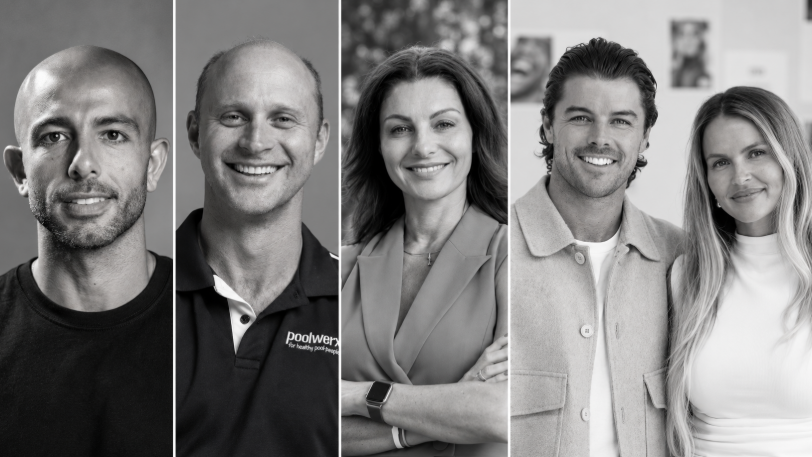
From making unpopular decisions to learning when to listen, leaders from five businesses reveal what nobody prepared them for — and how running a company has challenged their expectations.

Technology and semiconductor shares fell sharply as investors questioned the debt financing the AI infrastructure boom and confronted higher rates and Chinese competition.
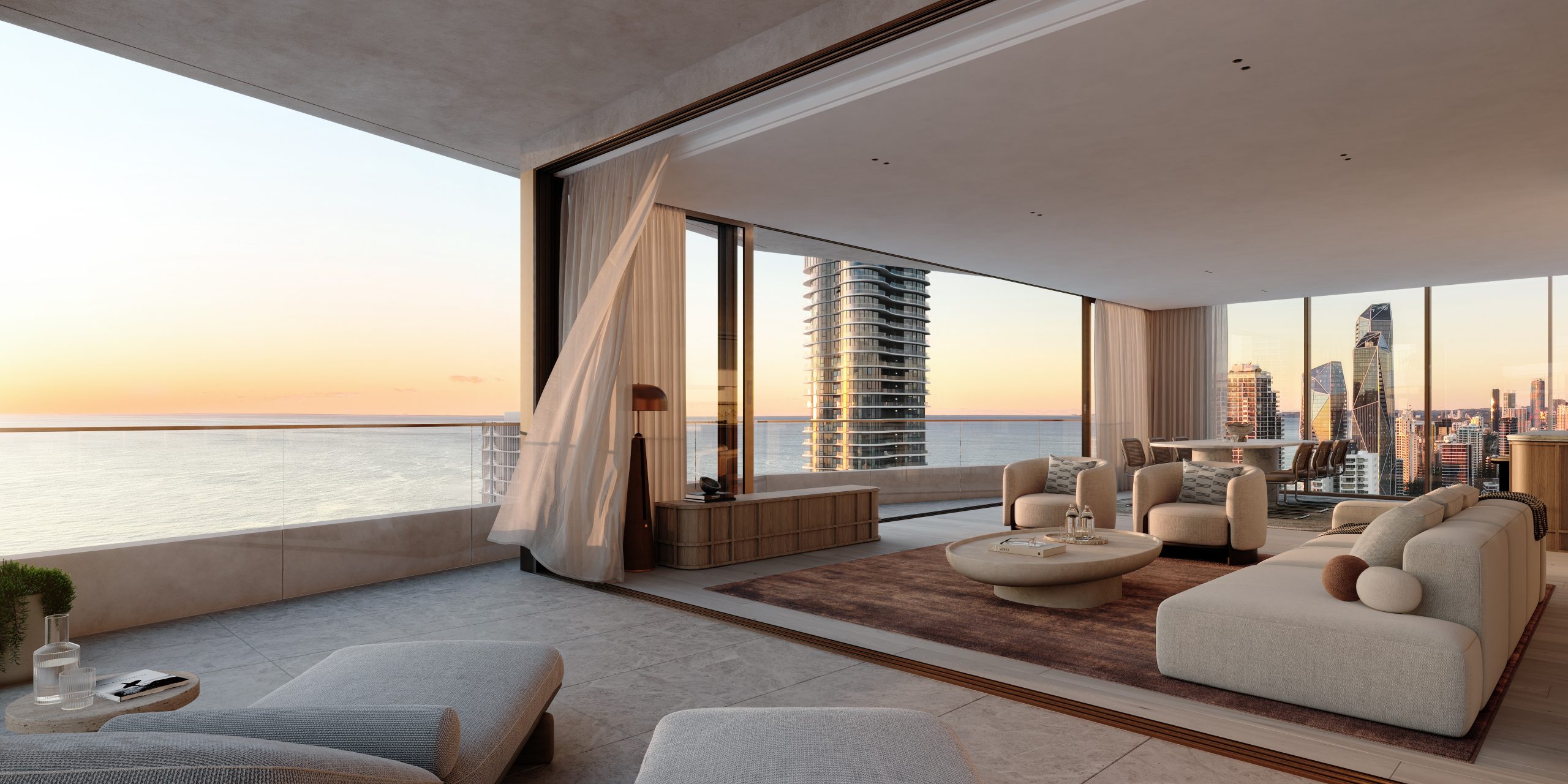
Mirvac’s 45-level Trielle has topped out at Yarra’s Edge, pairing riverfront apartments with wellness facilities, private dining and resident services.
3 min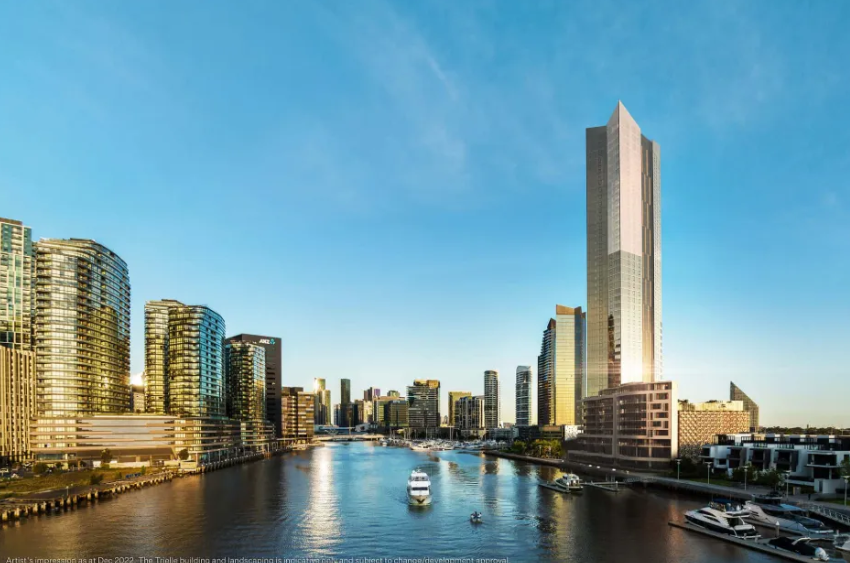
Mirvac has topped out Trielle at Melbourne’s Yarra’s Edge, with more than 70 per cent of the riverfront development sold and approximately 80 per cent of purchasers intending to make their apartment a home.
The figures, released on September 22, point to an owner-occupier audience for one of the precinct’s final residential towers. Mirvac began developing Yarra’s Edge in 2003, and its latest addition occupies one of the remaining absolute riverfront sites.
Mirvac CEO of Development Stuart Penklis said existing residents were among those moving up within the neighbourhood.
“Many purchasers already have a connection to Yarra’s Edge,” Mr Penklis said, describing buyers whose changing needs were encouraging an upgrade within the precinct.
“As one of the final residential towers within Yarra’s Edge, Trielle represents the culmination of more than two decades of creating one of Melbourne’s most established and sought-after waterfront communities,” Penklis said.
“Positioned on the Collins Street axis with absolute river frontage, Trielle offers residents a rare opportunity to enjoy sweeping views across the Yarra River, Melbourne skyline and Port Phillip Bay, while remaining seamlessly connected to the CBD. With Trielle now more than 70 per cent sold, we’re continuing to see strong demand from buyers seeking quality homes in established locations.”
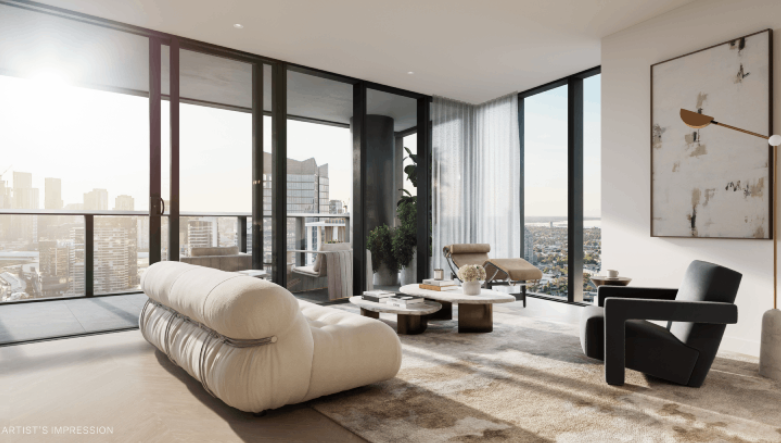
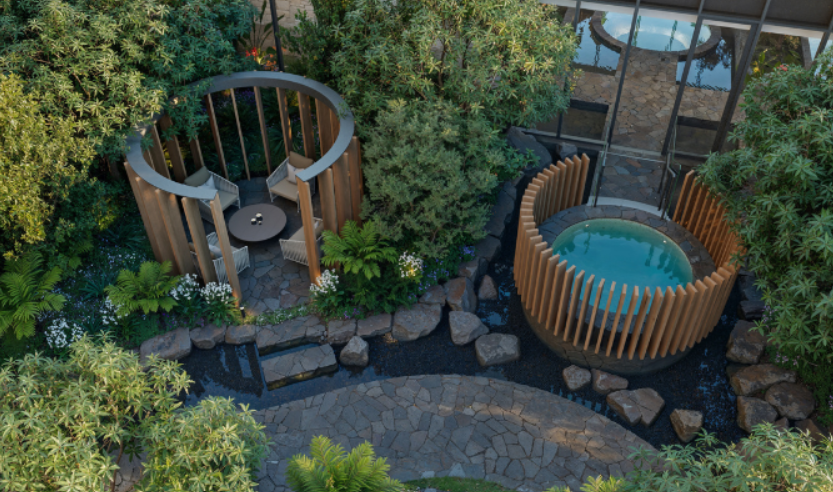
The developer also flagged a penthouse and sub-penthouse collection with larger layouts, premium finishes and broad outlooks. The planned wellness centrepiece, The Oasis, encompasses a 900-square-metre elevated urban rainforest.
Mirvac General Manager Residential Development Victoria Elysa Anderson said Trielle had resonated strongly with buyers seeking a rare lifestyle offering in Melbourne.
“Opportunities to secure a new luxury residence on a riverfront site of this calibre are incredibly rare, particularly within a community like Yarra’s Edge,” Anderson said.
“What makes Trielle unique is the combination of exceptional views, world-class residential facilities and the lifestyle that already exists around it. Residents are buying into a mature waterfront community with parks, promenades, dining, wellness and strong community connections already in place.”
The 45-level tower brings a substantial new presence to that waterfront. Its residential offering spans one-, two-, three- and four-bedroom apartments, with Signature, Prestige and Sub-Penthouse collections accommodating different household sizes. The north-facing position connects the apartments visually to the river and city beyond.
Seven storeys above the promenade, the planned Oasis combines planting and a running stream with a Scandinavian-inspired wellness club developed with spa specialist Naomi Gregory. Facilities include a 25-metre lap pool, hot magnesium pool, sauna, hydrotherapy, a gym, yoga and Pilates room, and treatment spaces.
The amenity extends beyond exercise. Residents will have access to The Biblioteca library and workspaces, ground-floor work pods, and The Salone piano lounge. A private Chef’s Table dining room offers a setting for larger gatherings, while a cinema, games room and sports lounge broaden the entertaining options. Concierge services and a dog-wash area support everyday routines.
Trielle comprises a collection of one, two, three and four-bedroom residences. Reflecting strong demand from owner occupiers, approximately 80 per cent of purchasers to date intend to live in their homes, highlighting the project’s appeal to those seeking a long-term waterfront lifestyle.
Mirvac has recently delivered The Albertine, a premium apartment development on the edge of Melbourne’s CBD, and is nearing completion of Prince & Parade in Brunswick, further strengthening its portfolio of thoughtfully designed apartment communities in some of Melbourne’s most sought-after urban locations.

From Italy’s $93,000-a-night villas to a $20,000 Bowral château, a new global ranking showcases the priciest Airbnbs available in 2026.
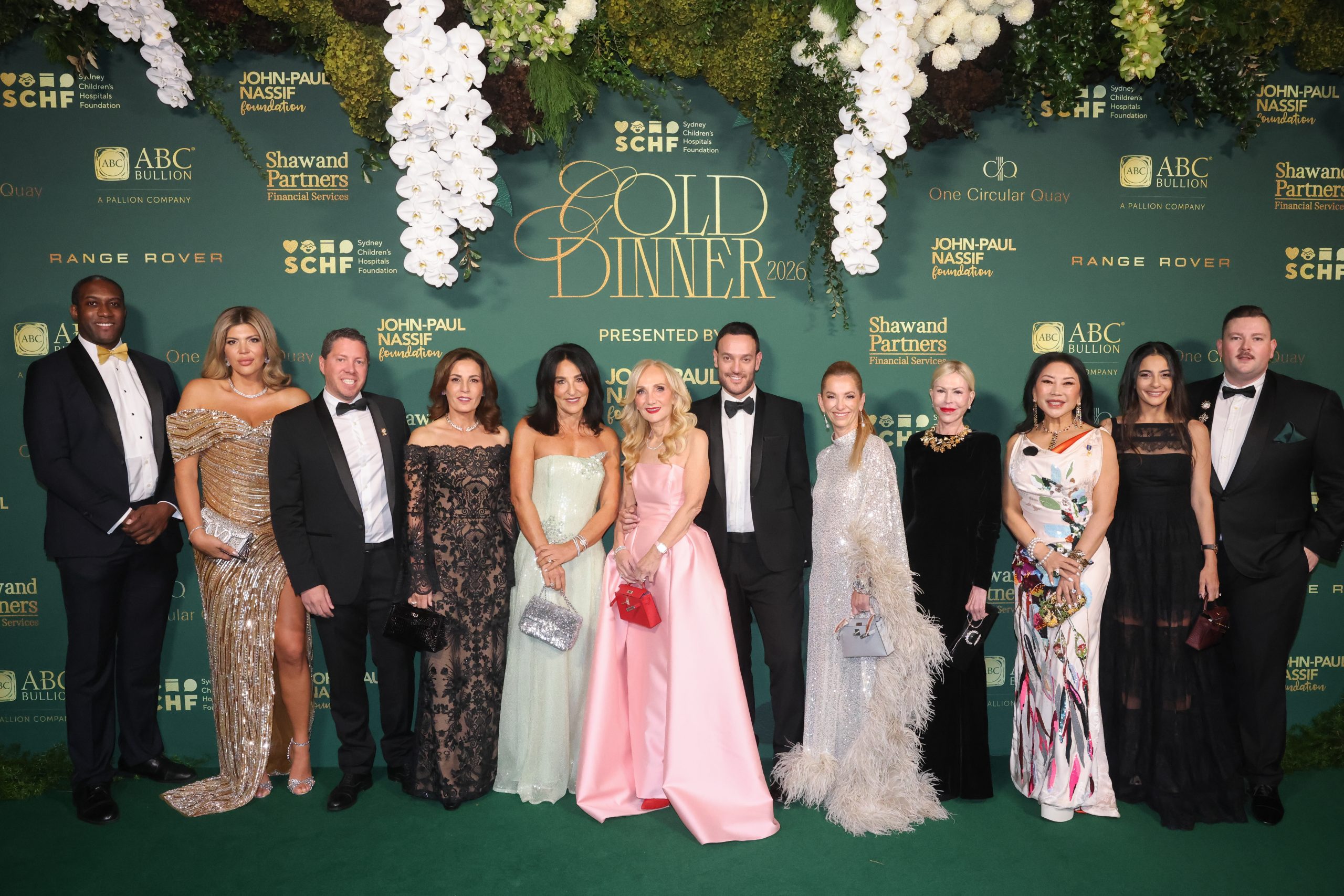
Sydney Children’s Hospitals Foundation CEO Kristina Keneally says Australia’s culture of large-scale philanthropy is becoming more sophisticated as Gold Dinner raises $75.5 million for children’s health, research and innovation.