Blueprint for living: Juliet Roseville by Hyecorp
A new boutique development promises convenience, customisation and contemporary living in the heart of Sydney’s Upper North Shore
 2 min
2 min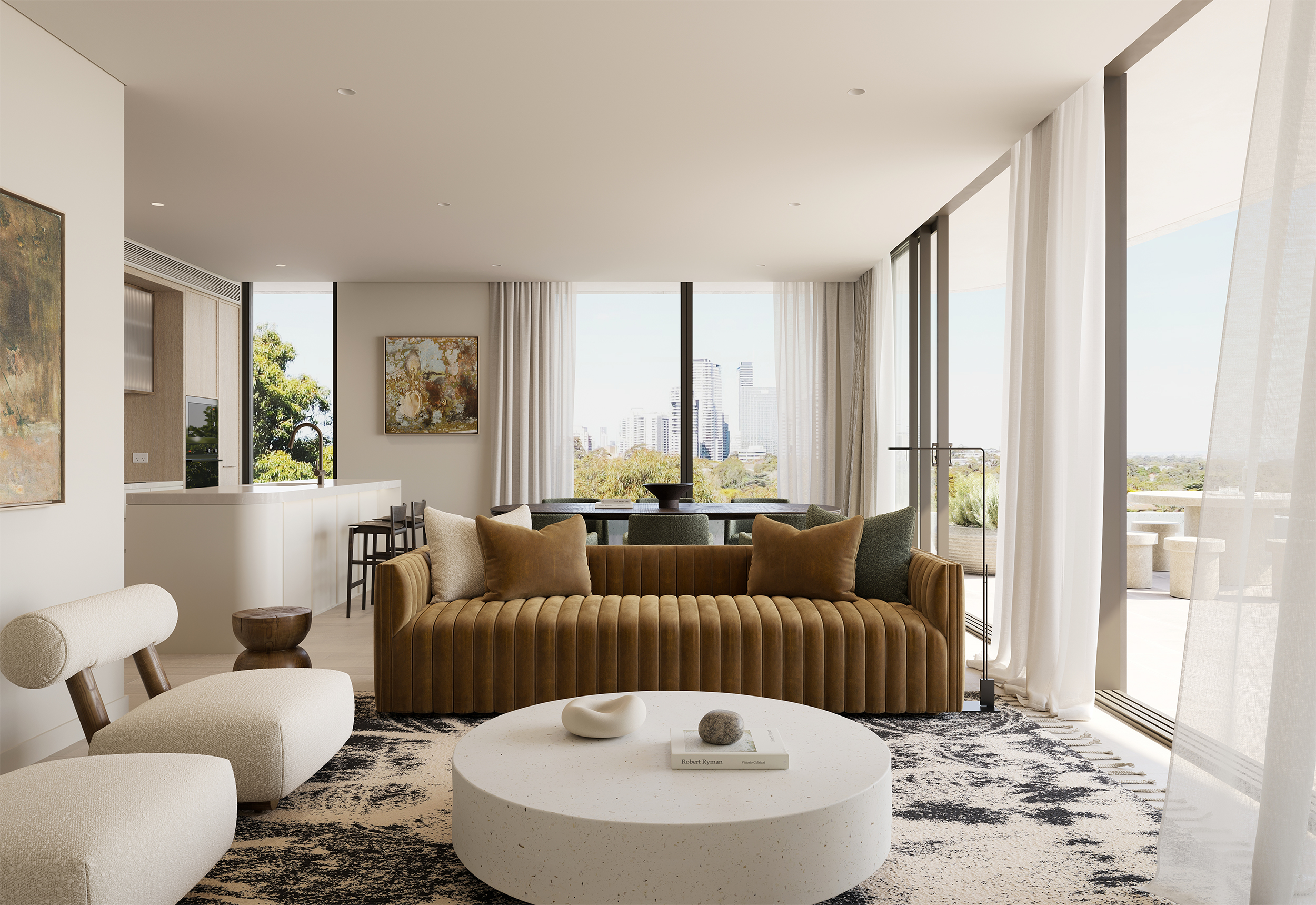
If there was a blueprint for how to do medium density housing in our major cities, Juliet Roseville could well be it. Located on Sydney’s Upper North Shore, close to some of the state’s most prestigious schools including Knox Grammar, Roseville College, Ravenswood Girls’ School and Pymble Ladies College, the residences are ideally positioned to encourage walking and public transport use while creating an enviable lifestyle of calm, comfort and relaxation.
Constructed above the reinvented Roseville Memorial Club — which itself is set to become a local architectural landmark — Juliet Roseville has been offered by award-winning, family owned developer Hyecorp which has been delivering homes in Sydney for more than 25 years.
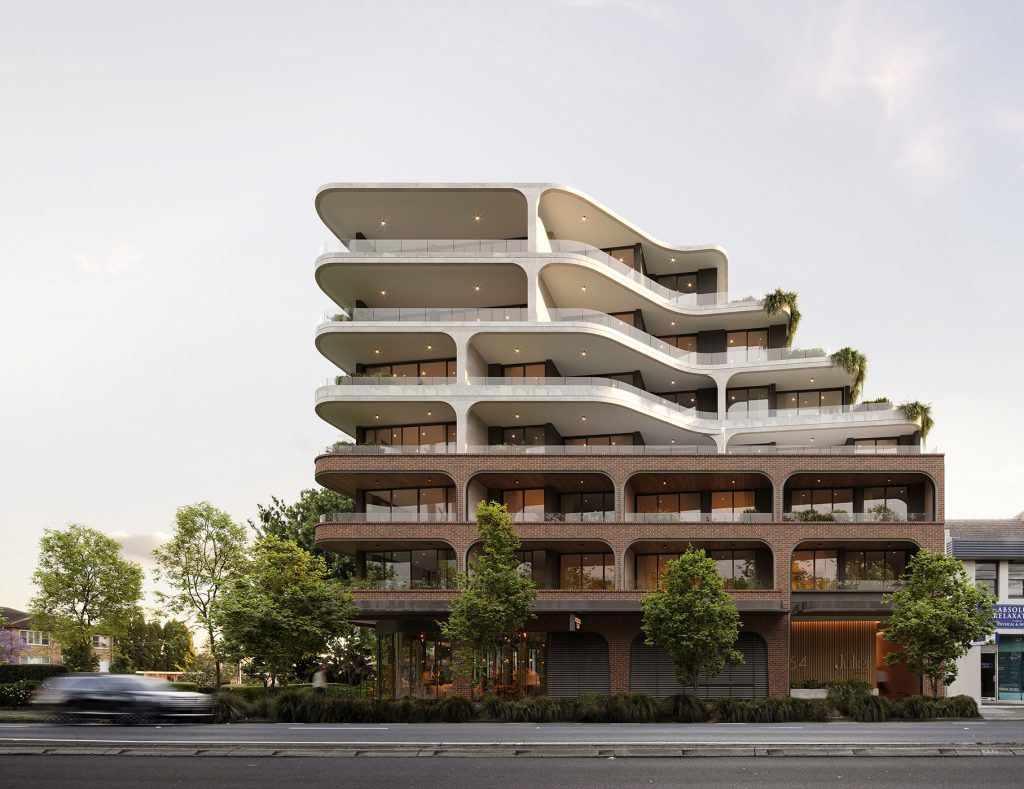
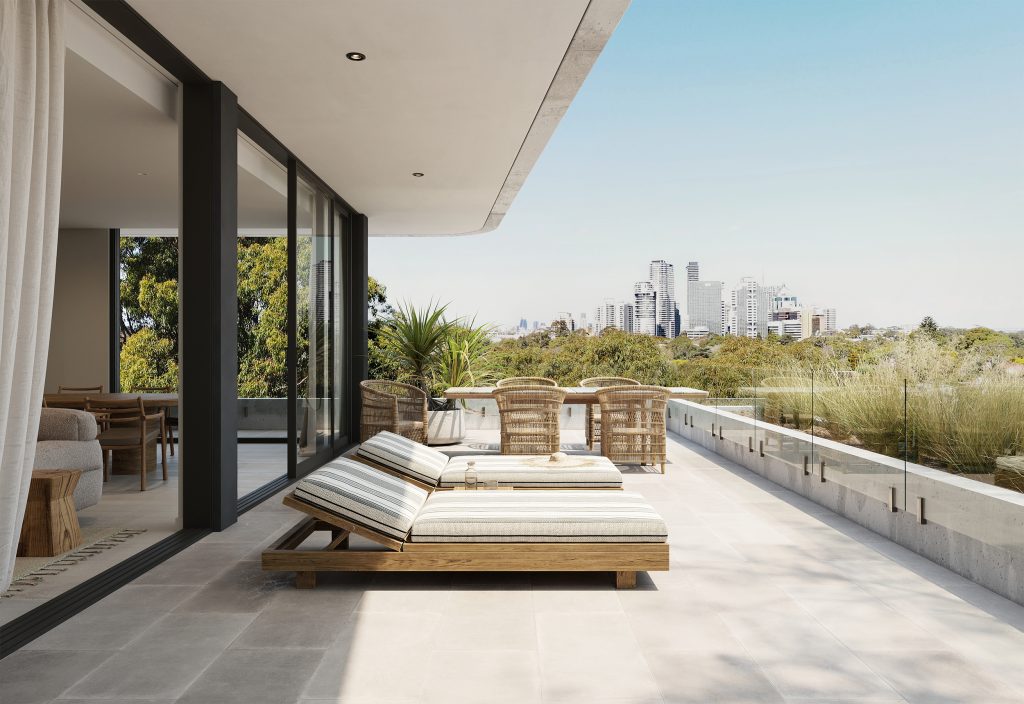
With just 35 apartments over seven levels, the house-like spaces at Juliet provide the amenity traditionally associated with on-ground accommodation but with all the convenience of en plein air living. Light-filled interiors are complemented by spacious balconies which effectively double the available living space.
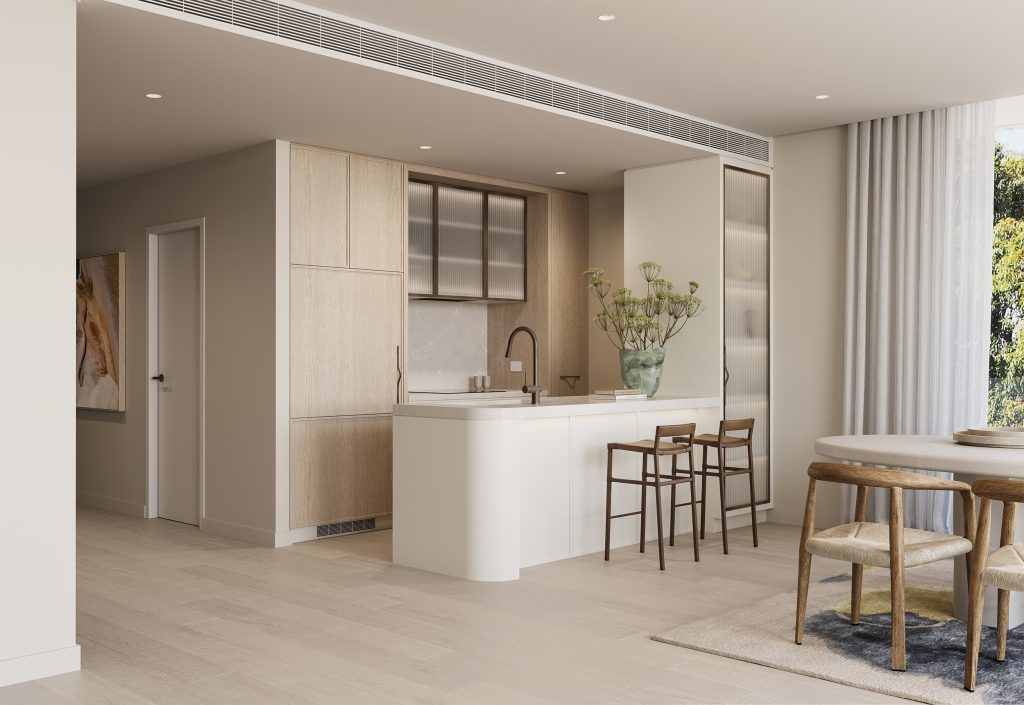
With one, two, three and four-bedroom apartments available, the boutique development is ideal for professional couples, families, downsizers and investors alike.
Central to Hyecorp’s interior design approach is the “Live Your Way” service, which allows prospective owners to customise their apartments to reflect their individual style. The bespoke service includes a studio appointment with an interior designer and the choice of two colour schemes for each apartment. For those with very discerning tastes, the bespoke upgrade packages offer buyers the chance to work with an interior designer to choose window coverings, lighting, underfloor bathroom heating and more.
Beyond the interiors, services at Juliet Roseville reflect the very best of contemporary living, with provision for everything from parcel lockers and dog washing bays to EV charging and car washing stations.
In keeping with its sustainability ethos, Juliet also enjoys an average NatHERS energy throughout the building.
While there is ample parking available, the site is conveniently placed near Roseville Village shops, just two minutes away, with Westfield Chatswood and The Concourse Chatswood less than 10 minutes down the road.
Families will enjoy the local parks and recreational facilities including Lane Cove National Park, Roseville Golf Club and Roseville Park Tennis Courts, while three of the city’s best hospitals are less than 20 minutes away.
From the sparkling new amenities to the well-serviced leafy surrounds, it’s hard to think of a better place to start your new life.
Expected completion date: 2026
…
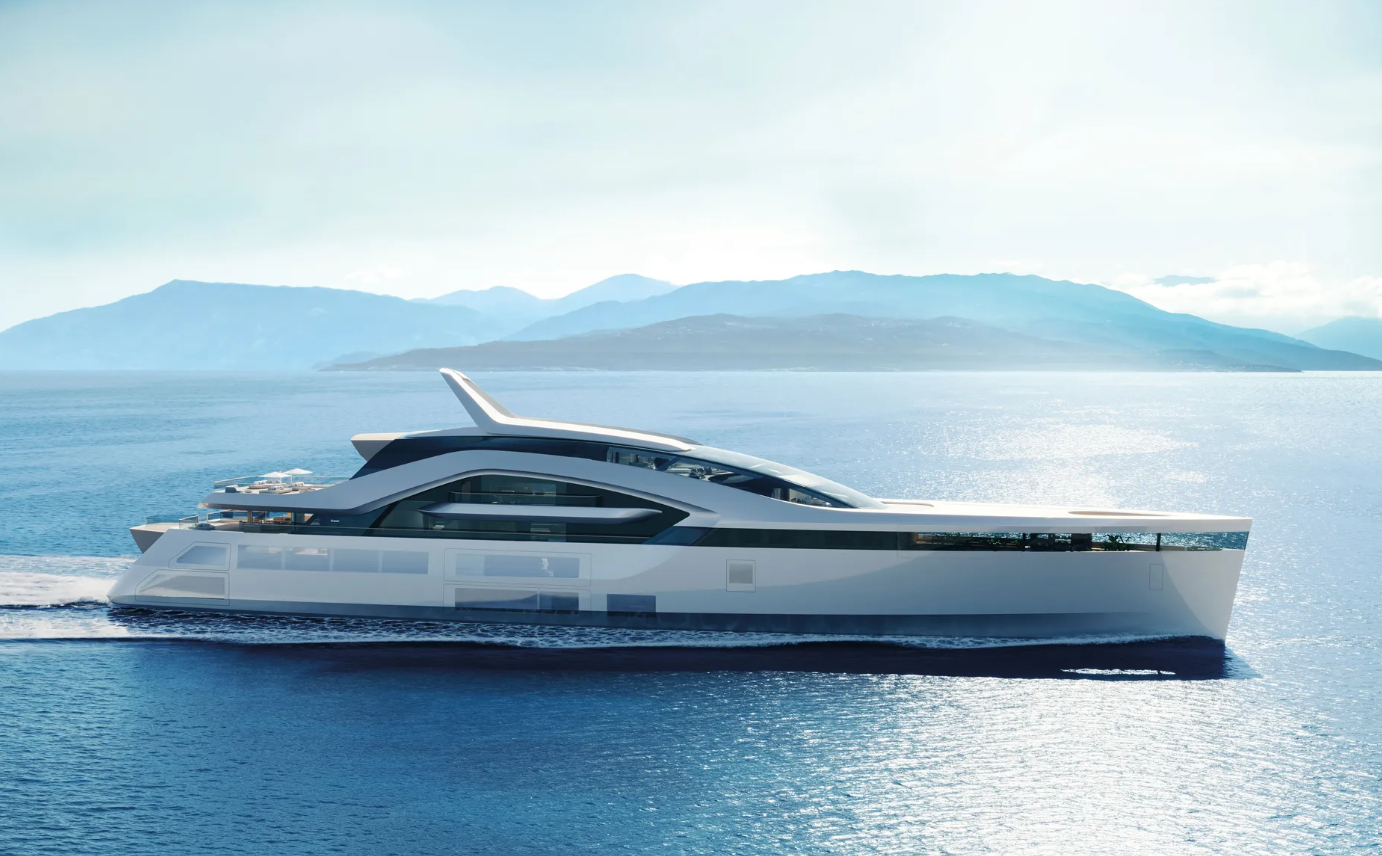
On the owner’s deck, a 20-metre swimming pool incorporates Feadship’s patented ContraWave technology and extends indoors as a suspended, glass-bottomed infinity pool.

Automobili Lamborghini is turning its attention to something considerably more difficult to define: what makes Italian excellence uniquely Italian?

Mirvac’s 45-level Trielle has topped out at Yarra’s Edge, pairing riverfront apartments with wellness facilities, private dining and resident services.
3 min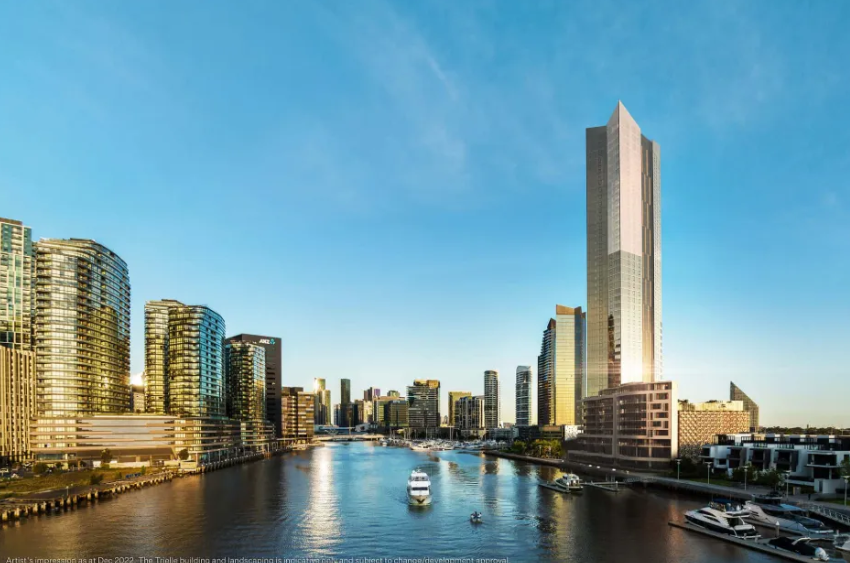
Mirvac has topped out Trielle at Melbourne’s Yarra’s Edge, with more than 70 per cent of the riverfront development sold and approximately 80 per cent of purchasers intending to make their apartment a home.
The figures, released on September 22, point to an owner-occupier audience for one of the precinct’s final residential towers. Mirvac began developing Yarra’s Edge in 2003, and its latest addition occupies one of the remaining absolute riverfront sites.
Mirvac CEO of Development Stuart Penklis said existing residents were among those moving up within the neighbourhood.
“Many purchasers already have a connection to Yarra’s Edge,” Mr Penklis said, describing buyers whose changing needs were encouraging an upgrade within the precinct.
“As one of the final residential towers within Yarra’s Edge, Trielle represents the culmination of more than two decades of creating one of Melbourne’s most established and sought-after waterfront communities,” Penklis said.
“Positioned on the Collins Street axis with absolute river frontage, Trielle offers residents a rare opportunity to enjoy sweeping views across the Yarra River, Melbourne skyline and Port Phillip Bay, while remaining seamlessly connected to the CBD. With Trielle now more than 70 per cent sold, we’re continuing to see strong demand from buyers seeking quality homes in established locations.”
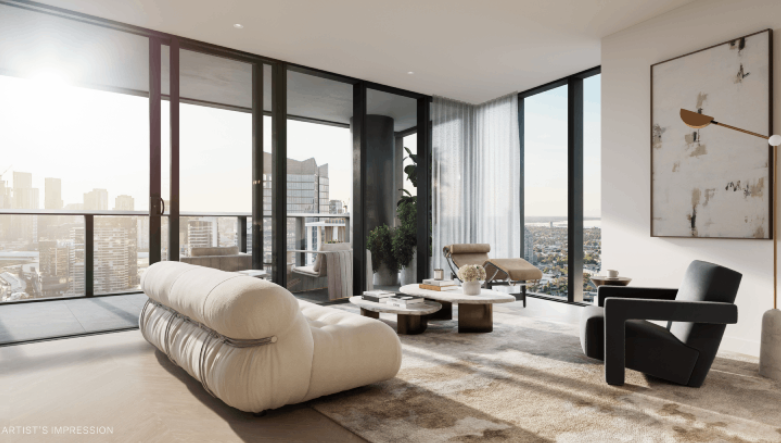
The developer also flagged a penthouse and sub-penthouse collection with larger layouts, premium finishes and broad outlooks. The planned wellness centrepiece, The Oasis, encompasses a 900-square-metre elevated urban rainforest.
Mirvac General Manager Residential Development Victoria Elysa Anderson said Trielle had resonated strongly with buyers seeking a rare lifestyle offering in Melbourne.
“Opportunities to secure a new luxury residence on a riverfront site of this calibre are incredibly rare, particularly within a community like Yarra’s Edge,” Anderson said.
“What makes Trielle unique is the combination of exceptional views, world-class residential facilities and the lifestyle that already exists around it. Residents are buying into a mature waterfront community with parks, promenades, dining, wellness and strong community connections already in place.”
The 45-level tower brings a substantial new presence to that waterfront. Its residential offering spans one-, two-, three- and four-bedroom apartments, with Signature, Prestige and Sub-Penthouse collections accommodating different household sizes. The north-facing position connects the apartments visually to the river and city beyond.
Seven storeys above the promenade, the planned Oasis combines planting and a running stream with a Scandinavian-inspired wellness club developed with spa specialist Naomi Gregory. Facilities include a 25-metre lap pool, hot magnesium pool, sauna, hydrotherapy, a gym, yoga and Pilates room, and treatment spaces.
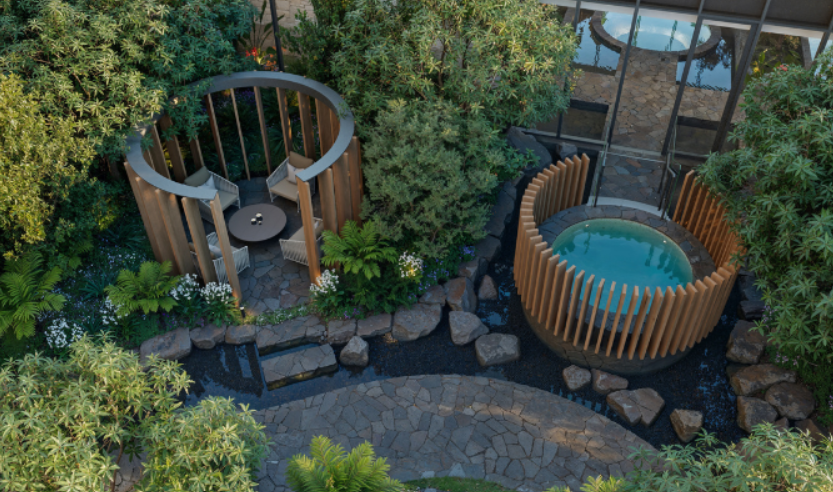
The amenity extends beyond exercise. Residents will have access to The Biblioteca library and workspaces, ground-floor work pods, and The Salone piano lounge. A private Chef’s Table dining room offers a setting for larger gatherings, while a cinema, games room and sports lounge broaden the entertaining options. Concierge services and a dog-wash area support everyday routines.
Trielle comprises a collection of one, two, three and four-bedroom residences. Reflecting strong demand from owner occupiers, approximately 80 per cent of purchasers to date intend to live in their homes, highlighting the project’s appeal to those seeking a long-term waterfront lifestyle.
Mirvac has recently delivered The Albertine, a premium apartment development on the edge of Melbourne’s CBD, and is nearing completion of Prince & Parade in Brunswick, further strengthening its portfolio of thoughtfully designed apartment communities in some of Melbourne’s most sought-after urban locations.
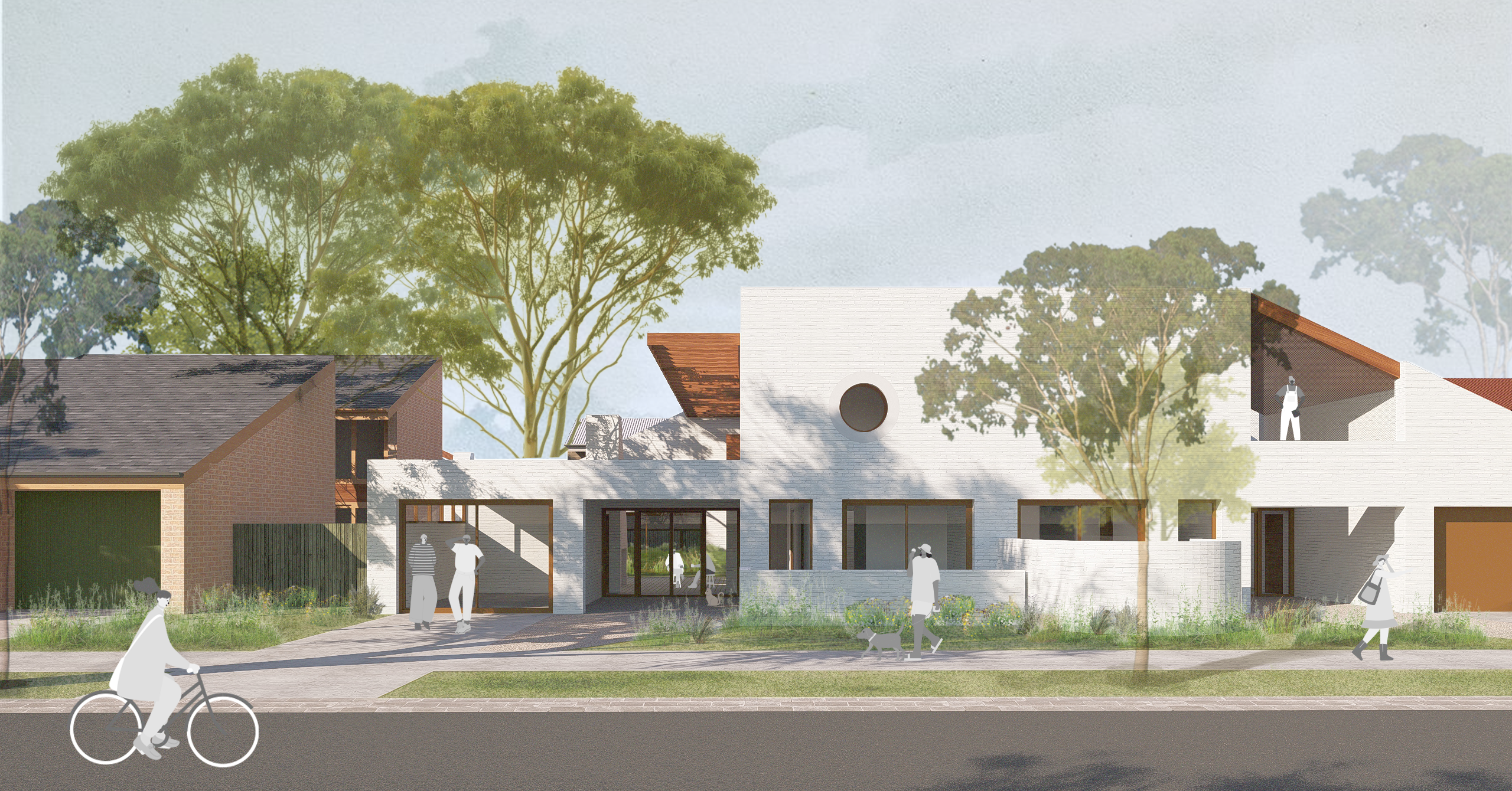
Brickworks has enlisted acclaimed architecture studio Kennedy Nolan to explore how homes could become more adaptable, energy-efficient and connected to community.
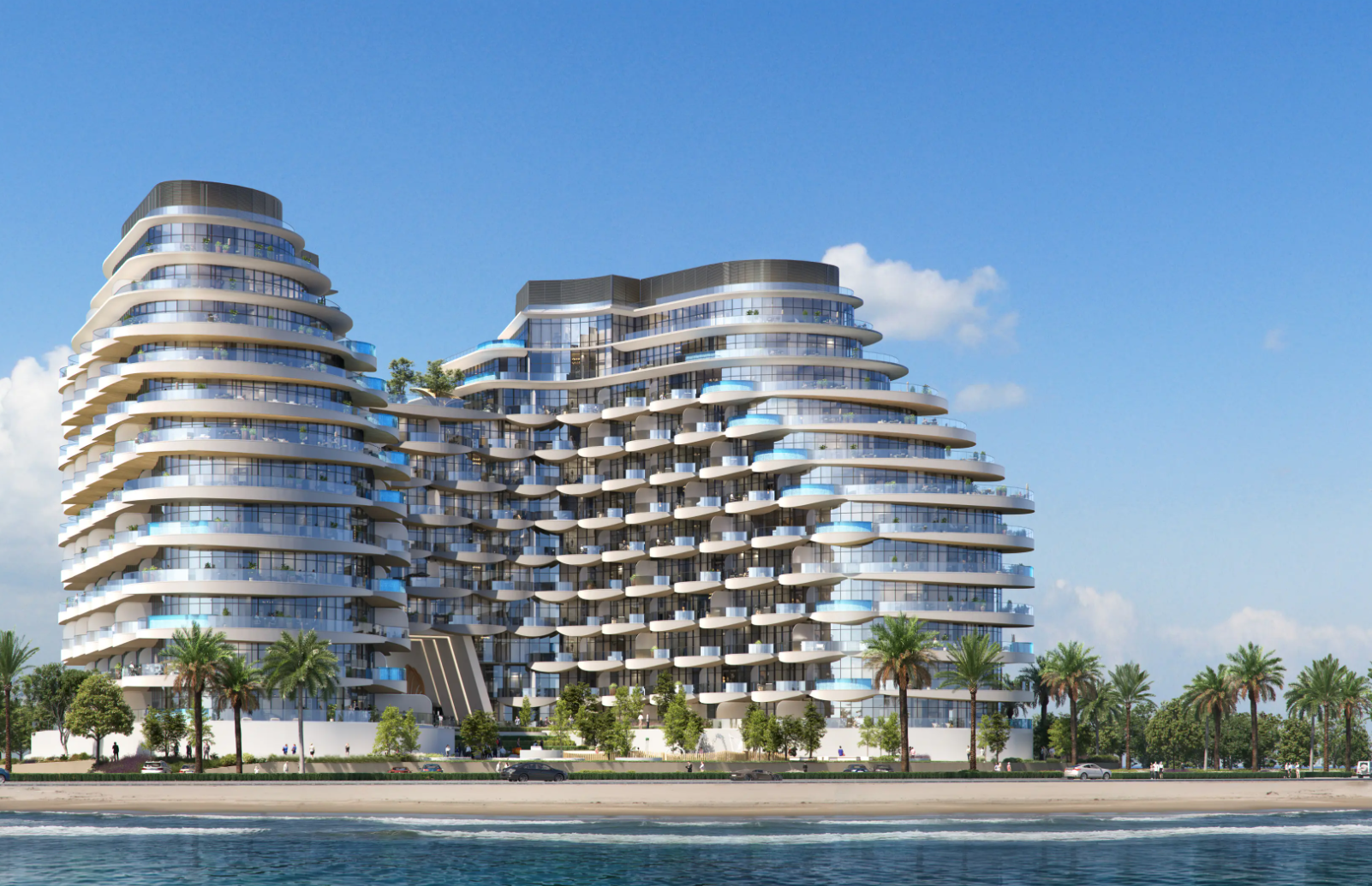
BNW Developments has established a Sydney presence, joining Arada and Sobha Realty among the growing number of UAE developers pursuing Australian buyers and development opportunities.