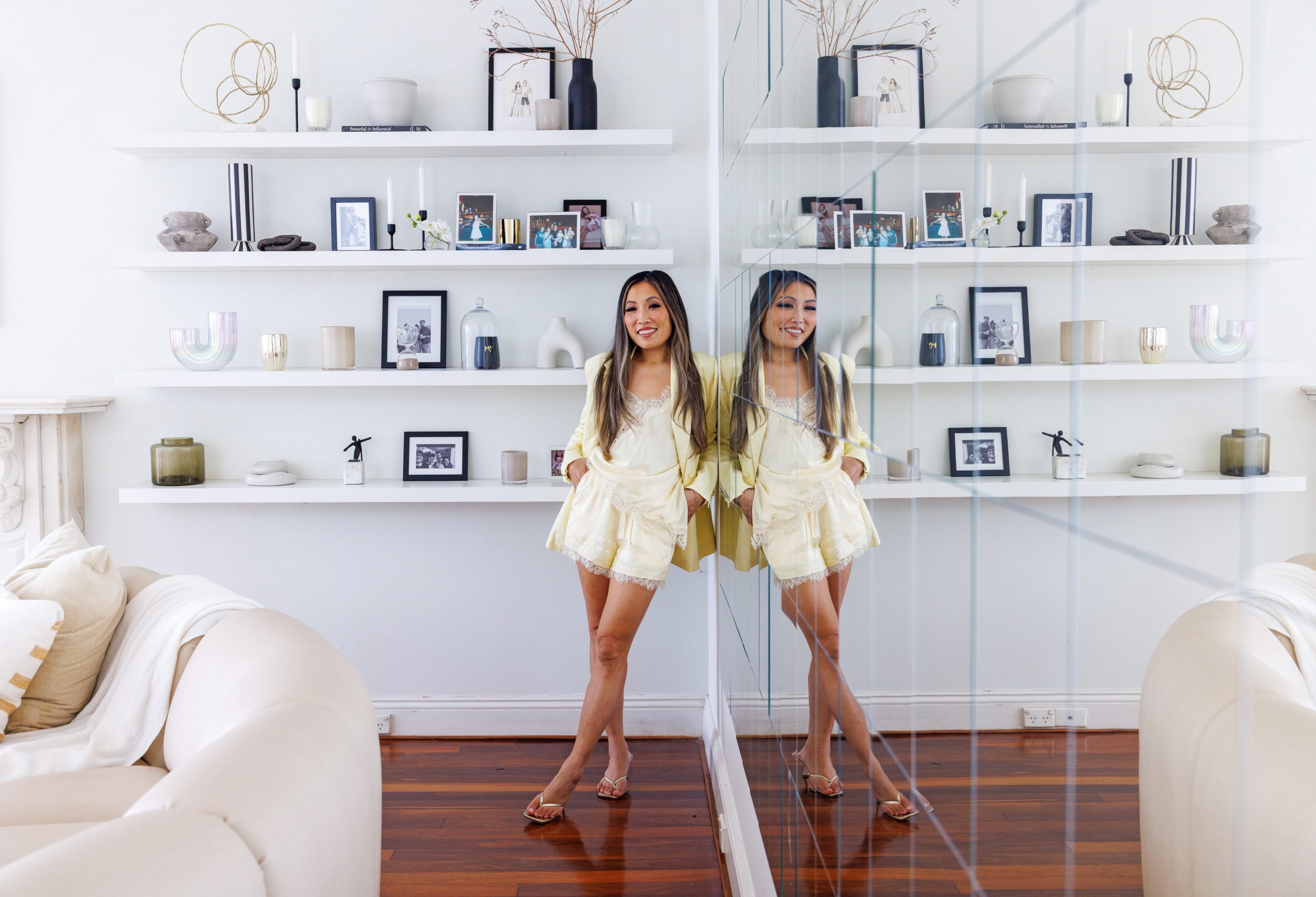
Mosaic Sets a New Benchmark for Queensland Luxury Living
The developer’s award-winning rise continues with two new coastal landmarks redefining prestige design and delivery.
 4 min
4 min
Mosaic Property Group is pushing Queensland’s prestige market into a new era, leveraging design excellence, construction certainty and a fully integrated operating model to deliver some of the most sought-after residences on the coast.
With its flagship Florence by Mosaic capturing the Urban Development Institute of Australia’s Queensland Project of the Year, and two new coastal projects, Madeline in Broadbeach and Josephine in Burleigh Heads, surpassing early sales expectations, Mosaic has cemented itself as one of the nation’s most consistent and compelling luxury developers.
For Mosaic, luxury isn’t about embellishment. It’s about precision—architectural, experiential and operational.
That philosophy has driven rapid evolution into the top tier of residential development, redefining how high-end buyers think about design, craftsmanship and developer reliability. As the market becomes increasingly selective, Mosaic’s approach has struck a powerful chord.

Florence: The Project That Rewrote Expectations
Florence by Mosaic marked a turning point for the company. Receiving the 2025 UDIA QLD Project of the Year and being recognised as Australia’s best mid-rise development at The Urban Developer Awards affirmed what industry insiders had already observed: Mosaic’s end-to-end business model is delivering residential outcomes of rare consistency and quality.
The project showcased the group’s signature methodology, from meticulous site selection and architecture-led planning to in-house construction and client care that continues long after settlement.

Madeline: Broadbeach Refined for A New Generation of Luxury Buyers
Madeline by Mosaic represents a confident expression of contemporary seaside prestige. Comprising a boutique collection of half-floor and full-floor residences, the project has been designed to maximise protected views of Broadbeach’s coastline—an increasingly rare commodity in the city’s accelerating development environment.
Each residence is shaped around privacy, spatial generosity and a seamless interplay between indoors and out. Interiors adopt a restrained, timeless material palette that favours longevity over decorative flourish, with bespoke detailing that signals the shift toward quiet luxury now dominating the upper end of the market.
The response has been emphatic. Madeline is approaching 90 percent sell-out within months, reflecting both deep demand for premium coastal residences and strong confidence in Mosaic’s delivery capabilities.
For buyers seeking security in a volatile market, Mosaic’s track record and disciplined processes have become a significant point of differentiation.

Josephine: A Boutique Icon for Burleigh Heads
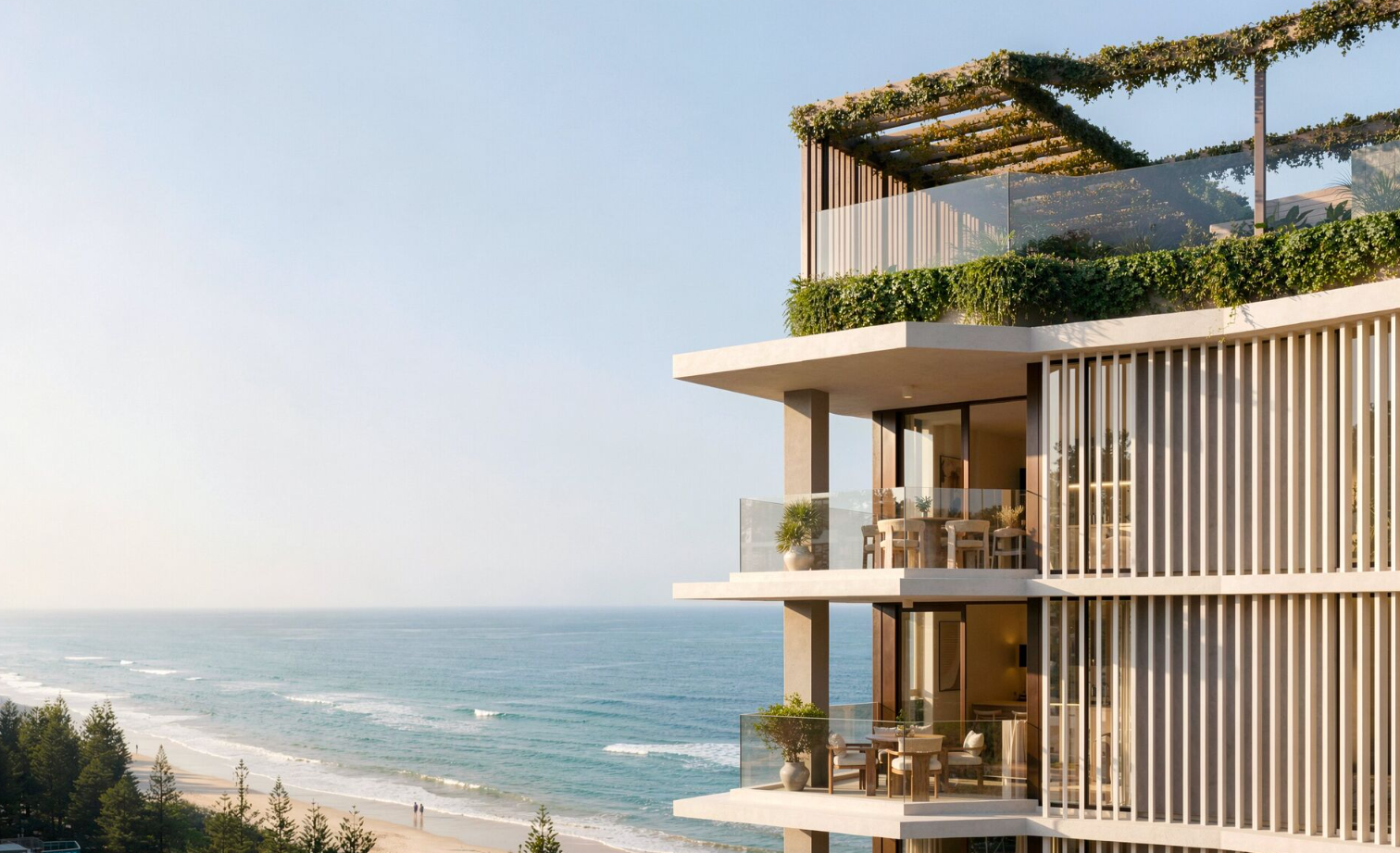
On the iconic Burleigh Heads Esplanade, Josephine by Mosaic takes a more intimate approach to prestige living.
Its limited collection of half-floor and full-floor residences places exclusivity at the centre of the experience, with uninterrupted ocean views on the very prestigious Burleigh Heads beachfront, and architecture that embraces the raw beauty of the coastline.
Josephine’s early release was met with intense buyer interest, resulting in sales exceeding 50 per cent within weeks.
This momentum reflects the broader shift among affluent purchasers toward boutique coastal buildings that deliver privacy, permanence and a strong sense of place—qualities that Josephine captures with clarity.
Mosaic’s founder and Managing Director, Brook Monahan, encapsulates the project ethos simply: “Josephine is the antithesis of the high-rise tower. It’s intimate, personal, highly considered and deeply connected to its coastal setting.”
The Power of an Integrated Model
Much of Mosaic’s success in the luxury segment stems from its atypical business structure.
While many developers outsource design, construction and even customer service, Mosaic retains full control of every component—from research and site acquisition to architecture, building and post-completion care.
This end-to-end model compresses risk, eliminates handoff errors and ensures accountability at every stage.
For high-net-worth purchasers, that reliability is invaluable. In a prestige market shaped increasingly by uncertainty, the assurance that a project will be delivered exactly as promised has become a decisive factor.
Mosaic complements this with a research-led approach to site selection, targeting high-demand lifestyle destinations with enduring capital growth prospects.
This discipline has created a consistent portfolio of developments aligned with long-term value creation, not short-term speculation.

A Design Philosophy Built to Last
Across Florence, Madeline and Josephine, Mosaic’s design principles remain constant: scale rooms for real life, not marketing imagery; choose natural finishes that age with beauty; prioritise privacy, acoustic performance and engineering excellence; and orientate homes to capture light, views and a strong emotional connection to place.
This is luxury as functionality—not spectacle. Mosaic’s homes feel composed rather than crowded, timeless rather than trendy. As Monahan puts it, “Our ambition is simple: to create homes that feel as exceptional in 20 years as they do on day one.”
A Brand Built on Trust
In the luxury sector, reputation is everything. Mosaic’s rapid absorption rates at Madeline and Josephine are less about hype and more about the trust it has earned. Buyers recognise the brand not just for design, but for delivery discipline and transparency—qualities often promised but rarely upheld.
Projects are documented, audited and communicated with unusual clarity, and Mosaic’s client-care program continues long after completion. This culture of accountability has become one of its most valuable brand assets.
A New Standard for Prestige Living
Florence set the tone. Madeline and Josephine extend it. Together, these projects illustrate an evolution that is reshaping Queensland’s prestige residential market.
Mosaic isn’t simply building luxury residences—it is redefining what luxury means. With its integrated model, design-led philosophy and award-winning execution, the developer has established a new benchmark for premium living in Australia’s fastest-growing coastal region.
This is the Mosaic standard: prestige, delivered.
Studio apartments have almost disappeared from new Australian developments. Lura is bringing them back to Burleigh Heads from $495,000.

Porsche’s Cayenne Turbo Electric produces up to 1,156PS and reaches 100km/h in a claimed 2.5 seconds.
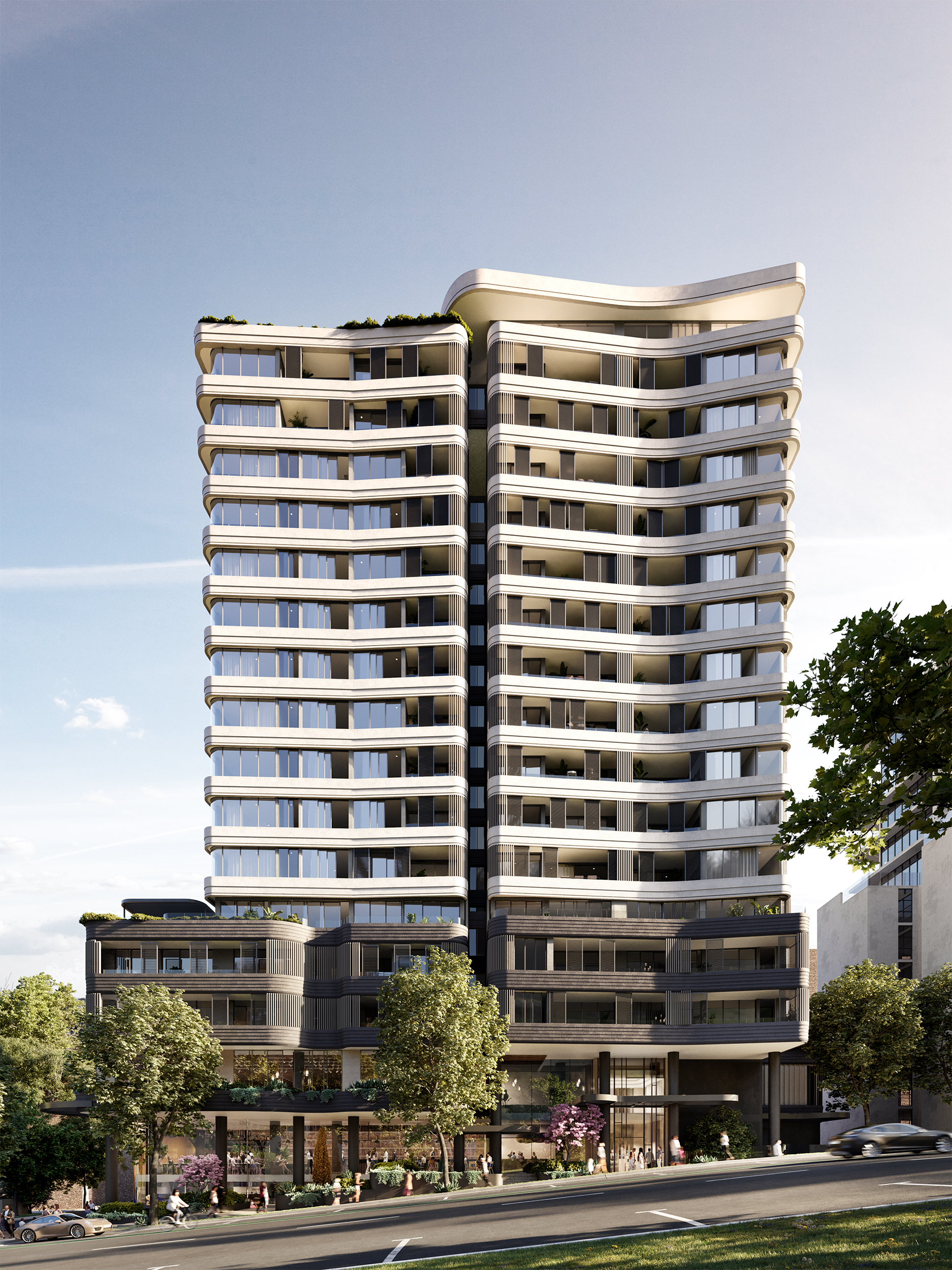
Bjorn Farrugia was named for Björn Borg, the ice-cool Swede who once ruled Wimbledon’s Centre Court, and for a long stretch of his young life the name felt like a mandate
3 min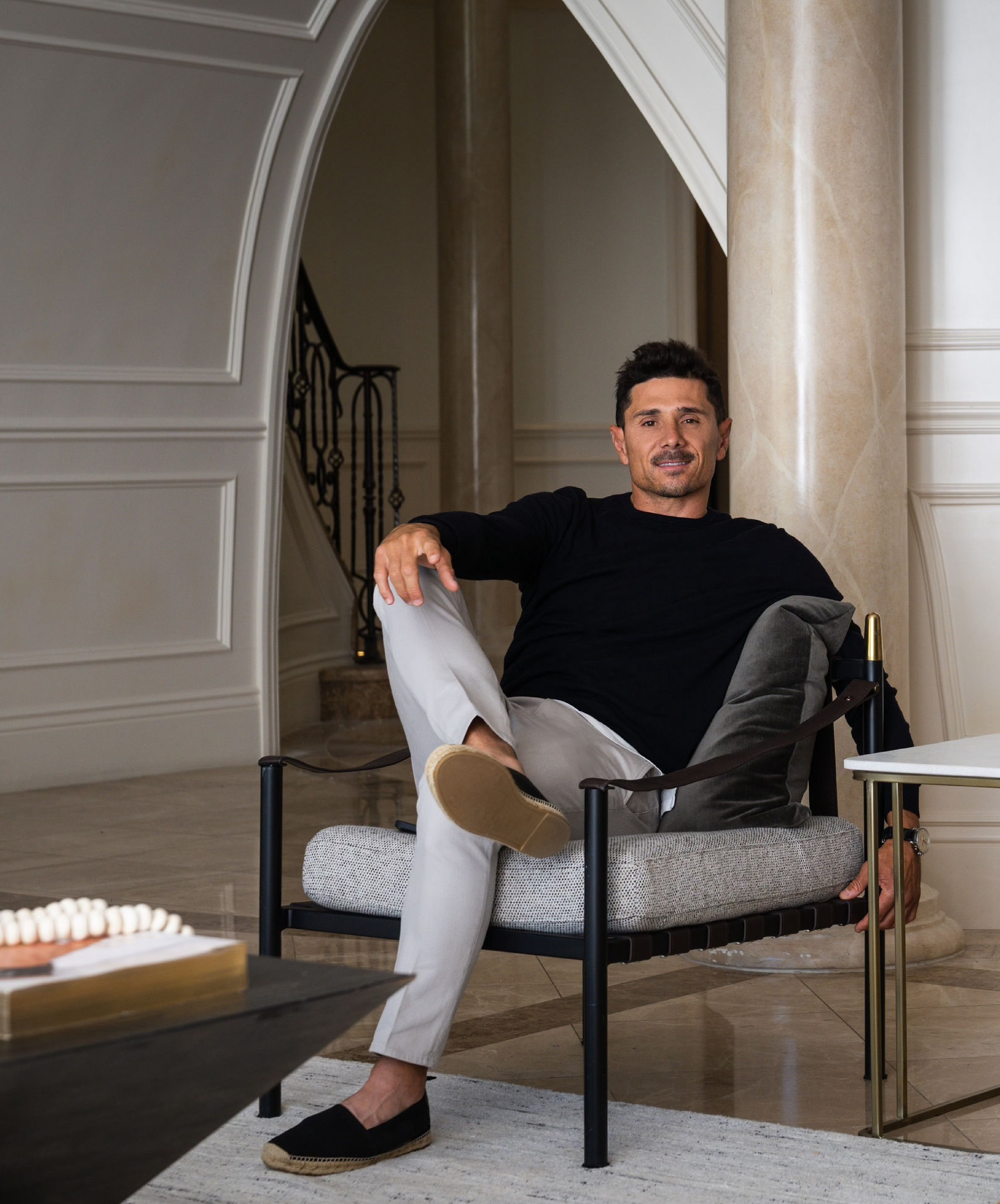
A tennis scholarship took him to America two decades ago with no return ticket in mind. Today the Melbourne-born, Beverly Hills-based agent is one of the most decorated names in Los Angeles luxury real estate — and still calls himself an Australian first.

A bold new era for Australian luxury: MAISON de SABRÉ launches The Palais, a flagship handbag eight years in the making.

Exclusive eco-conscious lodges are attracting wealthy travellers seeking immersive experiences that prioritise conservation, community and restraint over excess.