One of America’s Biggest Homes Hits the Market for $195 Million
The roughly 50,000-square-foot mansion in Los Angeles comes up for sale following the divorce of billionaire Tony Pritzker and philanthropist Jeanne Pritzker

 3 min
3 min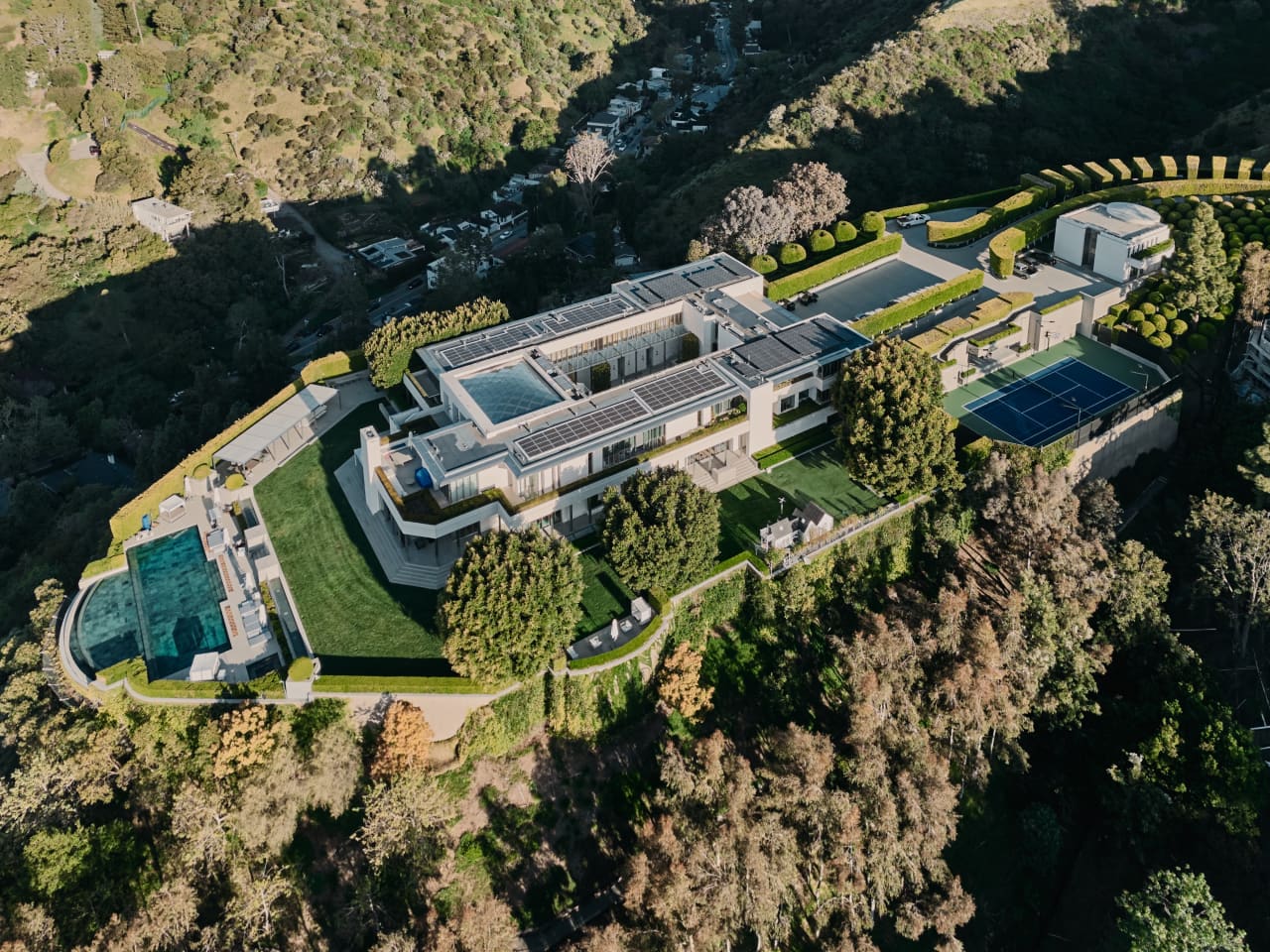
The Pritzker estate in Los Angeles, one of the largest homes in the country, is hitting the market for $195 million. If it sells for that price, it would set a record for the city, where the priciest home sale on record was Jeff Bezos’ $165 million purchase of the Warner Estate in 2020.
The Pritzker listing comes in the wake of a bitter divorce battle between billionaire Tony Pritzker and philanthropist Jeanne Pritzker. The former couple built the house, completing it in 2011.
The roughly 6-acre parcel is in the Beverly Hills Post Office area, just over a mile from Bezos’ home. Situated on a promontory overlooking the city, the home has 180-degree views of downtown L.A. and the ocean, according to Stephen Shapiro of Westside Estate Agency, who has the listing with colleague Kurt Rappaport .
Clad in imported white Italian limestone, the gated estate is about 50,000 square feet with 16 bedrooms, 27 bathrooms and 18 fireplaces. The primary suite has his and hers bathrooms and closets, as well as an indoor and outdoor fireplaces, a hairdressing area, a custom pop-up TV and a balcony.
The lower level of the house has a flower-prep room and a soundproofed bowling alley with custom cabinetry for the bowling balls and shoes. A large theatre has velvet curtains, stage lighting, stadium seating and a projector room. The kitchen has three Gaggenau ovens, two stainless-steel sinks and a dumbwaiter.
On the grounds, a detached two-bedroom guesthouse has a balcony, elevator and its own patio. The estate also has a lighted tennis court with a viewing pavilion. The 75-foot green marble infinity pool overlooks the city, and there is a nearby outdoor kitchen with two barbecues, a large pizza oven, and a custom swimsuit spinner.
In Los Angeles, these types of features are unusual for properties in the hills, Rappaport said. “It’s very rare to have this type of acreage with a view,” he said.
The property also has a detached two-bedroom staff apartment, multiple staff lounges and a staff kitchen.
The Pritzkers are major philanthropists and the home was designed to host large fundraisers, with a large walk-in refrigerator and an extensive underground parking structure.
Because of new restrictions on building, the estate couldn’t be recreated, Shapiro said. “You couldn’t build it today,” he said, adding: “This is the finest house I’ve ever seen.”
Tony and Jeanne Pritzker, who were married for more than 30 years and have six children, declined to comment. The son of Hyatt hotel chain co-founder Donald Pritzker, Tony is a member of one of the country’s wealthiest and more powerful families. He and his brother, J.B. Pritzker , co-founded the investment firm the Pritzker Group, with J.B. ceasing his involvement around the time he became governor of Illinois in 2019.
In 2001, Tony and Jeanne paid $9.5 million for a circa-1938 house in the Beverly Hills Post Office area, according to property records. Then, through LLCs, they purchased several parcels on a ridge adjacent to their previous home. It is unclear how much they paid for the land, but one batch of parcels was purchased in 2005 for $14.7 million, records show.
Once the land was assembled, the Pritzkers started building a new home designed by the late Ed Tuttle of Paris-based architecture firm Designrealization. The Pritzkers moved into the estate in 2011, selling their previous home to celebrity chef Wolfgang Puck for $14 million, property records show.
Jeanne and Tony separated in 2022. The Pritzkers reached a preliminary settlement in April 2024, and Jeanne moved out of the estate that month. The divorce was finalised in May 2024, according to court records. Tony has since paid $19.5 million for a penthouse at Westwood’s Beverly West condominium.
 Copyright 2020, Dow Jones & Company, Inc. All Rights Reserved Worldwide. LEARN MORE




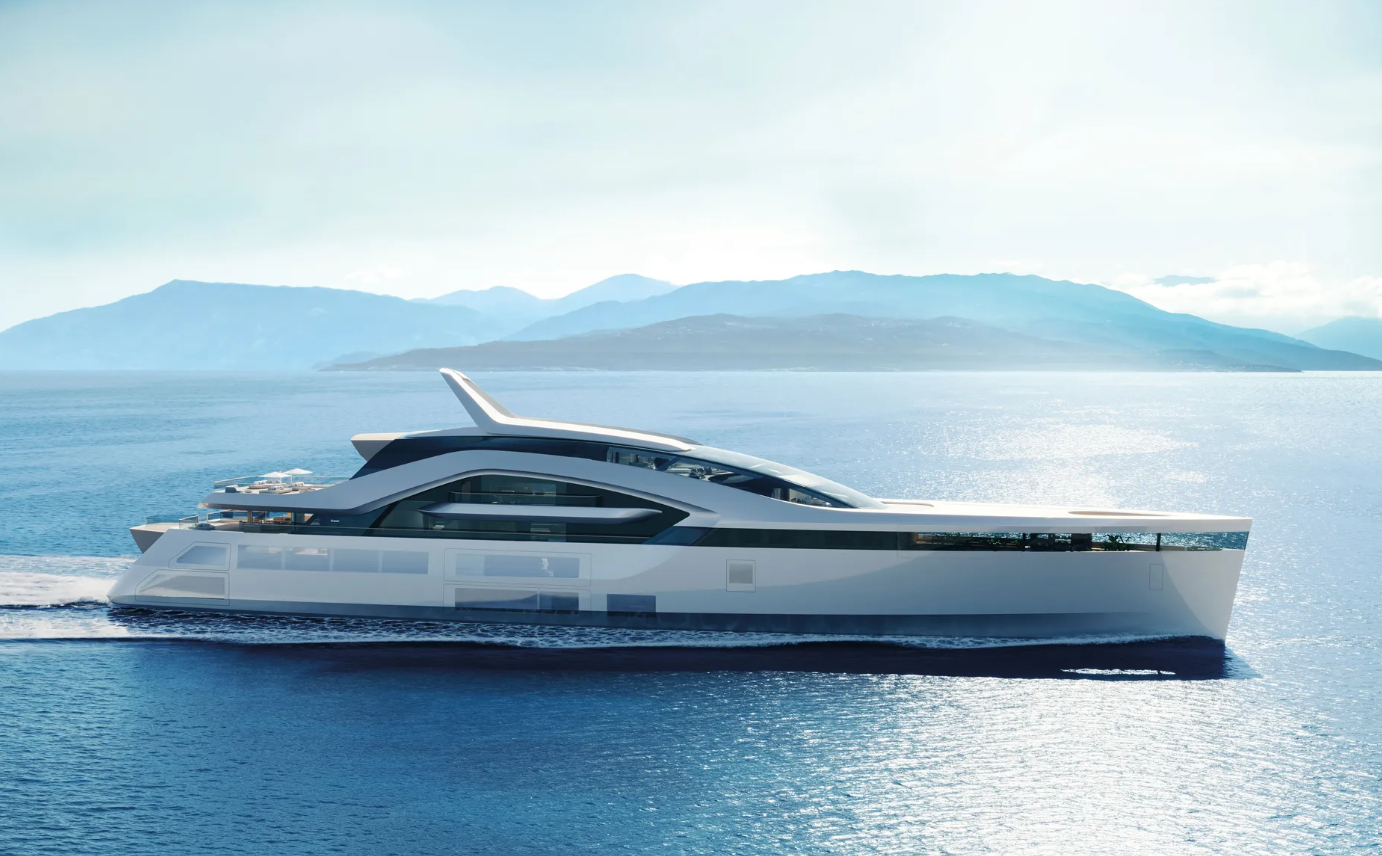
On the owner’s deck, a 20-metre swimming pool incorporates Feadship’s patented ContraWave technology and extends indoors as a suspended, glass-bottomed infinity pool.

Automobili Lamborghini is turning its attention to something considerably more difficult to define: what makes Italian excellence uniquely Italian?

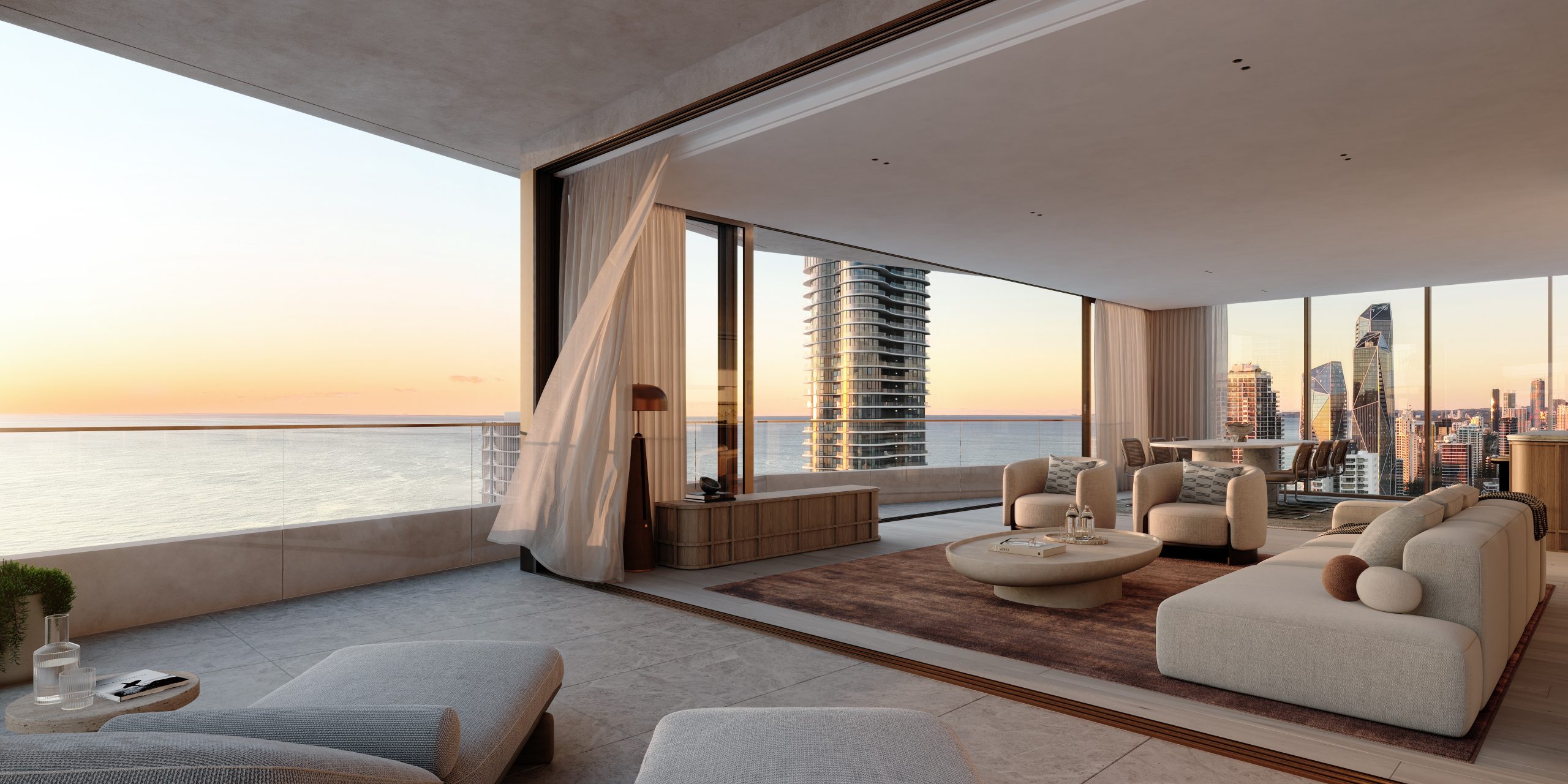
Mirvac’s 45-level Trielle has topped out at Yarra’s Edge, pairing riverfront apartments with wellness facilities, private dining and resident services.
3 min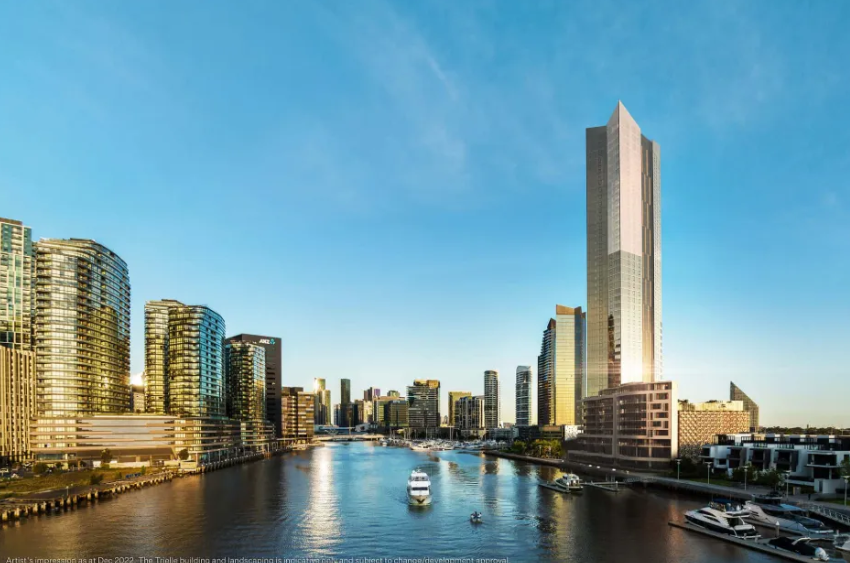
Mirvac has topped out Trielle at Melbourne’s Yarra’s Edge, with more than 70 per cent of the riverfront development sold and approximately 80 per cent of purchasers intending to make their apartment a home.
The figures, released on September 22, point to an owner-occupier audience for one of the precinct’s final residential towers. Mirvac began developing Yarra’s Edge in 2003, and its latest addition occupies one of the remaining absolute riverfront sites.
Mirvac CEO of Development Stuart Penklis said existing residents were among those moving up within the neighbourhood.
“Many purchasers already have a connection to Yarra’s Edge,” Mr Penklis said, describing buyers whose changing needs were encouraging an upgrade within the precinct.
“As one of the final residential towers within Yarra’s Edge, Trielle represents the culmination of more than two decades of creating one of Melbourne’s most established and sought-after waterfront communities,” Penklis said.
“Positioned on the Collins Street axis with absolute river frontage, Trielle offers residents a rare opportunity to enjoy sweeping views across the Yarra River, Melbourne skyline and Port Phillip Bay, while remaining seamlessly connected to the CBD. With Trielle now more than 70 per cent sold, we’re continuing to see strong demand from buyers seeking quality homes in established locations.”
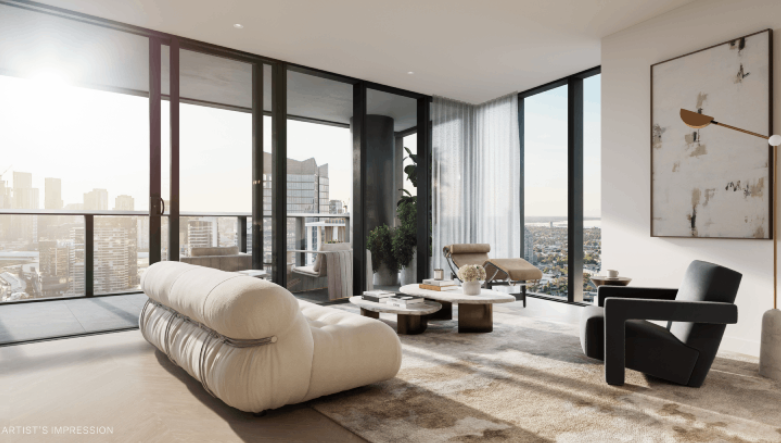
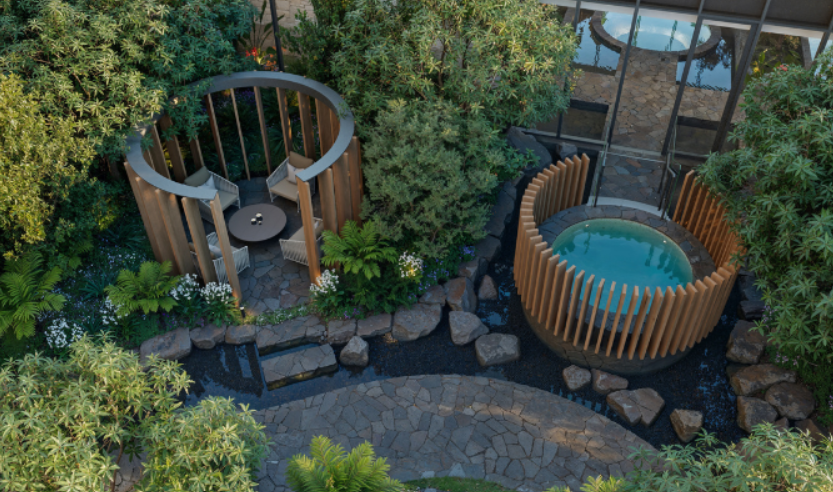
The developer also flagged a penthouse and sub-penthouse collection with larger layouts, premium finishes and broad outlooks. The planned wellness centrepiece, The Oasis, encompasses a 900-square-metre elevated urban rainforest.
Mirvac General Manager Residential Development Victoria Elysa Anderson said Trielle had resonated strongly with buyers seeking a rare lifestyle offering in Melbourne.
“Opportunities to secure a new luxury residence on a riverfront site of this calibre are incredibly rare, particularly within a community like Yarra’s Edge,” Anderson said.
“What makes Trielle unique is the combination of exceptional views, world-class residential facilities and the lifestyle that already exists around it. Residents are buying into a mature waterfront community with parks, promenades, dining, wellness and strong community connections already in place.”
The 45-level tower brings a substantial new presence to that waterfront. Its residential offering spans one-, two-, three- and four-bedroom apartments, with Signature, Prestige and Sub-Penthouse collections accommodating different household sizes. The north-facing position connects the apartments visually to the river and city beyond.
Seven storeys above the promenade, the planned Oasis combines planting and a running stream with a Scandinavian-inspired wellness club developed with spa specialist Naomi Gregory. Facilities include a 25-metre lap pool, hot magnesium pool, sauna, hydrotherapy, a gym, yoga and Pilates room, and treatment spaces.
The amenity extends beyond exercise. Residents will have access to The Biblioteca library and workspaces, ground-floor work pods, and The Salone piano lounge. A private Chef’s Table dining room offers a setting for larger gatherings, while a cinema, games room and sports lounge broaden the entertaining options. Concierge services and a dog-wash area support everyday routines.
Trielle comprises a collection of one, two, three and four-bedroom residences. Reflecting strong demand from owner occupiers, approximately 80 per cent of purchasers to date intend to live in their homes, highlighting the project’s appeal to those seeking a long-term waterfront lifestyle.
Mirvac has recently delivered The Albertine, a premium apartment development on the edge of Melbourne’s CBD, and is nearing completion of Prince & Parade in Brunswick, further strengthening its portfolio of thoughtfully designed apartment communities in some of Melbourne’s most sought-after urban locations.

Here’s how they are looking at artificial intelligence, interest rates and economic pressures.

International AI strategist Justin Kabbani will headline the Kanebridge Property Summit in Sydney on June 18, with tickets selling fast.