


One of L.A.’s Most Expensive Homes for Sale Just Got a $40 Million Price Cut
The megamansion was built for Tony Pritzker, heir to the Hyatt Hotel fortune and brother of Illinois Gov. JB Pritzker.

 2 min
2 min
One of the priciest homes for sale in the Los Angeles area just got $40 million knocked off its listing price.
The Beverly Hills megamansion is now listed for $135 million, the highest asking price on the open market in Los Angeles County.
One other property , in Bel-Air, is also asking $135 million after a similar-sized price cut last month.
“It’s time (for the sellers) to move to the next chapter…They’re ready to pass the torch,” said Kurt Rappaport of Westside Estate Agency, who shares the listing with his colleague Stephen Shapiro.
The home was built for Tony Pritzker—heir to the Hyatt Hotel fortune and brother of Illinois Gov. JB Pritzker—and Jeanne Pritzker, who listed the home for sale in October 2024 for $195 million after settling their divorce, The Wall Street Journal reported at the time. That price was lowered to $175 million in April.
The estate is made up of multiple parcels, and, under an LLC, they bought at least some underlying property in 2005 for about $14.7 million, according to records accessed via PropertyShark.
The Pritzkers hired architect Ed Tuttle to design their contemporary mansion, made of steel, glass and limestone and completed in 2011. At 50,000 square feet, it’s one of the largest homes in the U.S., and nearly as big as the White House.
It stands on a 6-acre promontory—an unusually large lot size for Beverly Hills—allowing for an unobstructed view that stretches across Los Angeles all the way to the ocean.
“It’s one of the best and largest view promontories in Los Angeles,” Rappaport said. “The architecture design and scale of the property are irreplaceable.”
The 16-bedroom, 27-bathroom home is filled with all the expected high-end amenities, including a theater, a game room, a bowling alley, a wellness centre, a gym and a wine cellar, according to the listing.
There’s also a security room, 18 fireplaces, solar panels, and a heating and cooling system powered by geothermal technology.
On the grounds, there’s a two-story, two-bedroom guest house; parking for up to 100 cars; a green marble infinity pool and hot tub; an outdoor kitchen; and a lighted tennis court with a pavilion, according to the listing.
The Pritzkers couldn’t be reached for comment.
 Copyright 2020, Dow Jones & Company, Inc. All Rights Reserved Worldwide. LEARN MORE





Exclusive eco-conscious lodges are attracting wealthy travellers seeking immersive experiences that prioritise conservation, community and restraint over excess.

Margot Robbie and Jacob Elordi star in an adaptation of the classic novel that respects the romance’s slow burn.
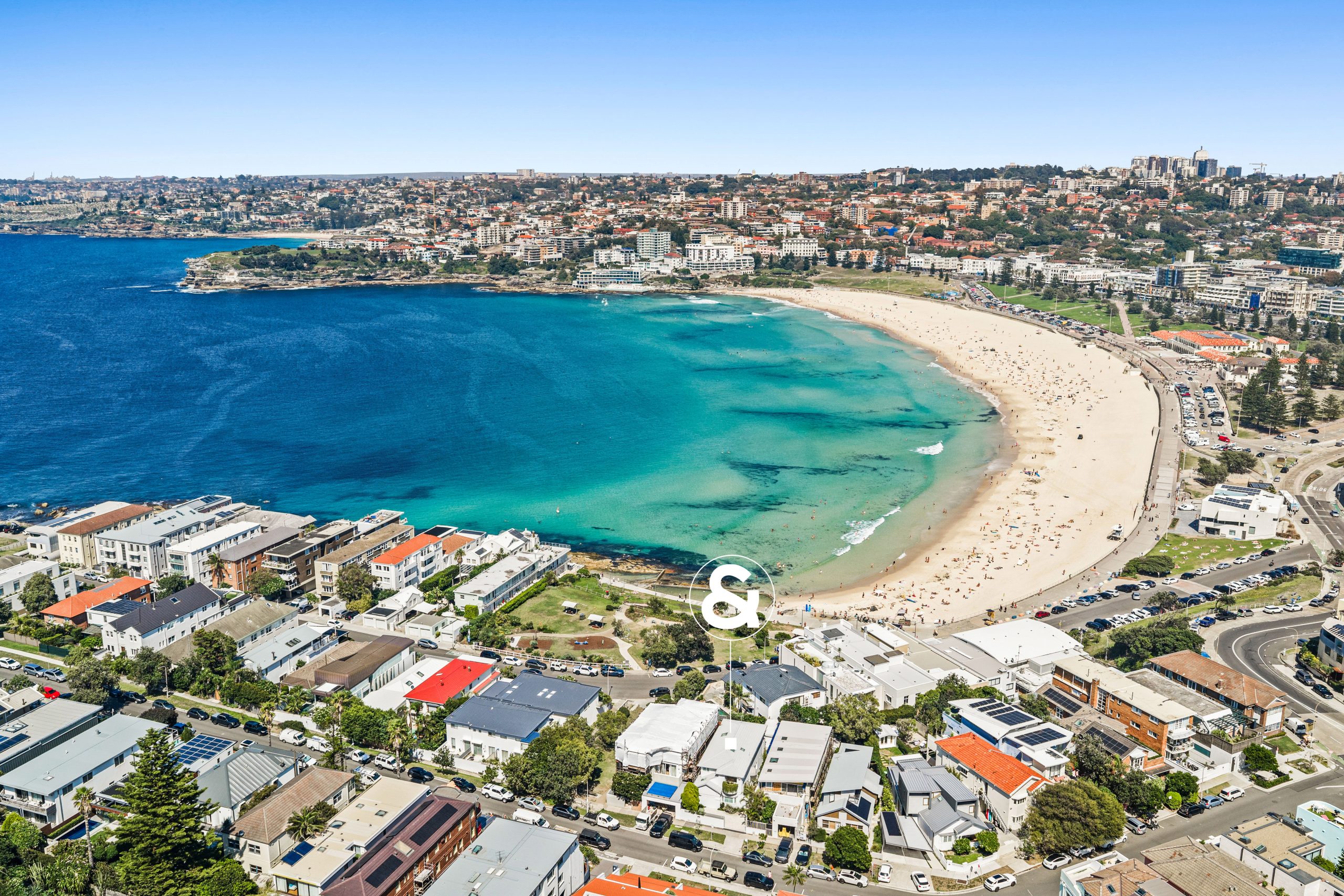

As Australia accelerates apartment construction, investors face a critical decision between high-rise living and land-backed homes.
3 min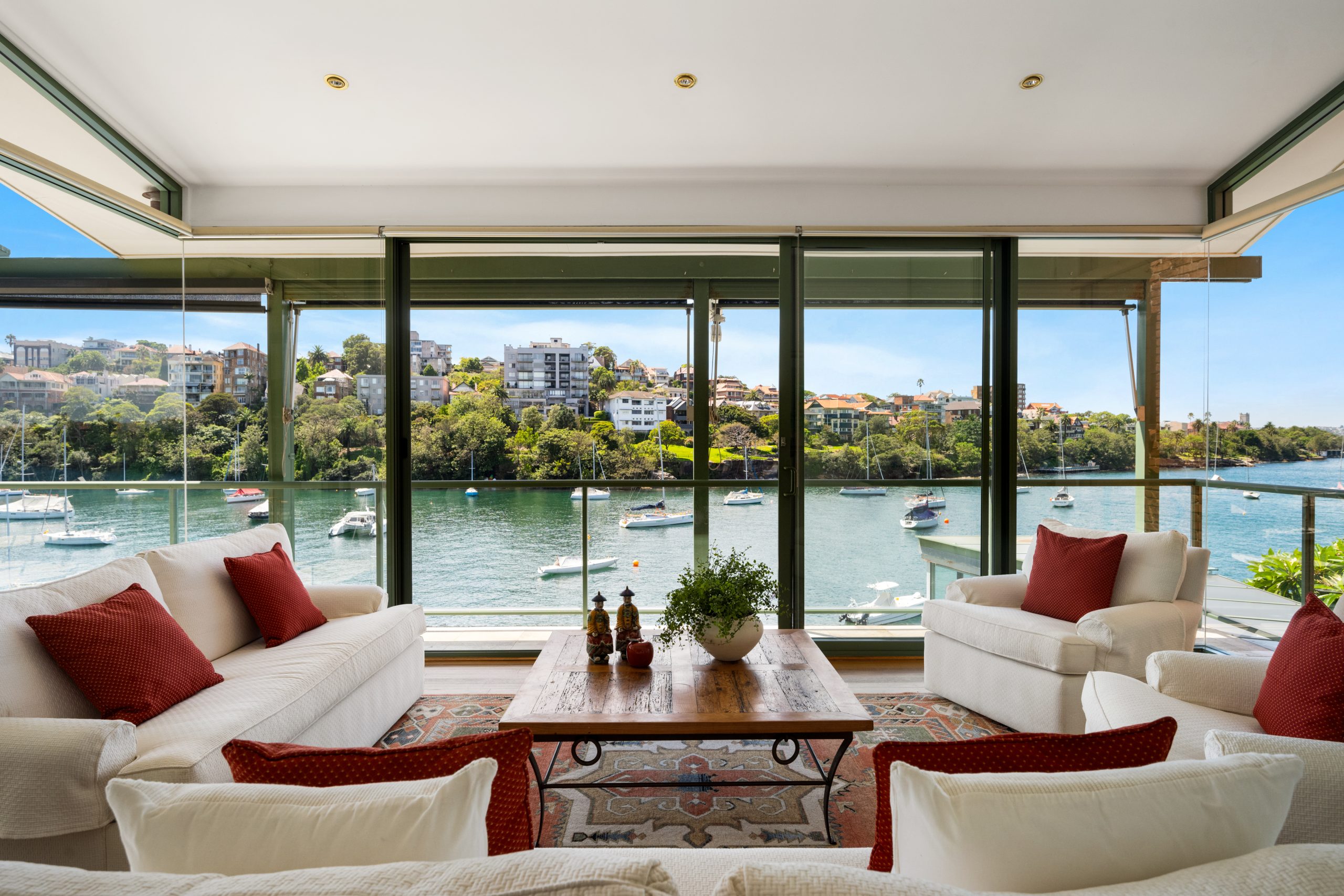
Australia’s housing shortage has long positioned real estate as a cornerstone of wealth creation. But as governments push to deliver 1.2 million new homes, many of them high-rise apartments, investors are increasingly weighing whether vertical living offers the same long-term returns as traditional houses.
While apartments offer lower entry prices and strong rental demand in key locations, critics warn that strata costs, oversupply and lack of land ownership can undermine long-term capital growth.
LOCATION AND LIFESTYLE DRIVE DEMAND
Company RE chief executive Marcus Buskey says thoughtfully designed high-rise developments in lifestyle precincts can deliver strong returns, particularly in premium coastal markets.
Demand remains robust across the Gold Coast and inner-city Brisbane, driven by downsizers, professionals and interstate buyers seeking convenience and lifestyle.
“Apartments in premium Gold Coast areas like Mermaid Beach, Broadbeach and Burleigh Heads have consistently demonstrated capital growth, driven by limited availability, desirability of location and ongoing demand from lifestyle-focused buyers,” Buskey says.
He adds that quality, exclusivity, views and proximity to amenities remain critical factors influencing performance.
MELBOURNE MARKET SHOWS MIXED SIGNALS
Melbourne project marketing specialist Jon Ellis, founder of The Move, says apartments continue to dominate transactions, accounting for 360 of his last 400 sales.
However, he warns not all developments perform equally.
“Some lower-grade apartments in Melbourne may never go back up to the sales price they were achieving a few years ago,” Ellis says.
He notes that construction costs have risen sharply, making it harder to deliver strong investment yields. Yet demand remains strong for well-executed developments.
“Investors purchasing an apartment for $600,000 need to get about $600 a week in rent. If you can get that right and prove it, demand for apartments certainly outstrips residential houses.”
THE LAND FACTOR REMAINS CRITICAL
Like all investment opportunities, others favour a freestanding home over a high-rise apartment.
“In my opinion, the only people who make money from high-rise apartments are the developers who build and sell them,” buyers’ agent Gianni Musumeci says.
For this reason, the Sydneysider steers investors away from high-rise apartments. “While they may appear to be an appealing investment on the surface with attractive guarantees, modern designs and convenient locations at somewhat lower entry points, high-rise apartments are, in my view, rarely a good investment,” Musumeci, of Leverage Property Advisers, says.
“This is especially the case when compared to standard residential homes in suburban markets, primarily due to the overwhelmingly high supply of apartments, the high level of cash flow expenses, the number of defects commonly found in high-rise buildings and the cost to remediate them, as well as the lack of land ownership, which is the primary driver of capital growth.”
“Economics 101 tells us that capital growth is achieved when diminishing supply meets increasing demand. The issue with high-rise apartments is that they’re typically built in areas with overwhelming supply, and often, that supply exceeds demand,” he says.
“These developments are usually located around major transport hubs, and as a result, if you’re looking to buy in one of these areas, you’re competing with dozens or even hundreds of similar listings.”
“Apartments are far easier to mass produce because the only restriction is how high you can build. You can’t expect strong growth in a market that’s saturated. In contrast, standalone residential homes are limited by land availability,” Musumeci says.
WEALTH CREATOR FAVOURS FREEHOLD PROPERTY
Entrepreneur and investor Scott O’Neill, who has amassed a combined net worth of $153 million with his wife Mina, says his personal experience has reinforced the benefits of freehold ownership.
He owned a high-rise apartment early in his investing journey but sold it after two years.
“The yields can vary significantly, ranging from four to seven per cent, but that’s before accounting for sinking funds and strata fees. Your net returns often drop to between one and two per cent,” O’Neill says.
He says oversupply and rising strata costs can further weaken performance.
“Most long-term property owners end up selling high-rise apartments in favour of freehold properties.”
INVESTMENT DECISION DEPENDS ON STRATEGY
Despite the risks, apartments can still deliver strong results when chosen carefully.
Experts agree that location, developer quality, supply levels and long-term demand are critical factors.
While houses continue to offer superior land value and long-term growth potential, apartments can provide attractive yields and accessibility for investors seeking exposure to high-demand urban markets.
Ultimately, the right investment depends on an investor’s strategy, time horizon and appetite for risk.

French luxury-goods giant’s results are a sign that shoppers weren’t splurging on its collections of high-end garments in the run-up to the holiday season.
When the Writers Festival was called off and the skies refused to clear, one weekend away turned into a rare lesson in slowing down, ice baths included.