Worried About a Stock-Market Correction? Here’s How to Lock in Recent Gains

The past five years have been good to stock-market investors. The S&P 500 index has climbed an annualised 12% during that period, outstripping the 9% annualised gain over the past 40 years. This year alone the index is up 6.9% as of April 26, tacking on to the 24% gain in 2023.

But signs are emerging that the stock market could be due for a breather. As of April 25, the S&P 500 went 133 trading days without a decline of at least 10%, according to PNC Institutional Asset Management. To be sure, that’s still short of the 172-day average since 1928. But the S&P 500 has jumped 24% in the past six months (about 180 days), which buttresses arguments for a correction.

What’s more, the multiyear ascent has arguably sent stocks to overvalued levels. The S&P 500’s forward price-to-earnings ratio—a gauge of market valuation based on earnings estimates for the next 12 months—registered 20 as of April 26, exceeding the five-year average of 19.1 and the 10-year average of 17.8, according to FactSet.

“A correction is certainly possible,” says Jack Ablin , chief investment officer at wealth-management firm Cresset Capital, pointing to the high valuations and the prospect that rate cuts will come later than expected thanks to inflation that has been higher than expected.

Given the danger of a stock-market correction, commonly defined as a 10% to 20% drop, how can investors guard the profits they have made in recent years?

Wait and see

Assuming you have a well-diversified portfolio and aren’t counting on the money from your stocks to finance an imminent expense, financial advisers say the best strategy is to hang tight.

Corrections generally don’t stick around long. Since 1985, declines between 10% and 20% for the S&P 500 have lasted only 97 days on average—three-plus months—according to a CFRA analysis of S&P data.

It then has taken the market an additional 101 days on average to recover the ground lost during the correction. So in about six months, investors tend to be back where they were before the correction.

“If there’s a shallow correction of 5% to 10%, we recommend riding it out,” says Karim Ahamed , an investment adviser at wealth-management firm Cerity Partners. “Eventually the market recovers. The idea of selling out and climbing back in is difficult to achieve. You’re more likely to stay on the sidelines with your losses crystallising.”

The S&P 500 did fall more than 5% in recent weeks, from March 28 to April 19.

Sell losers

Some people, though, simply find it impossible to do nothing if they fear a correction is looming. At the least, they want to protect the gains they have earned so far. What’s the most prudent way for them to reduce their market exposure?

Keep in mind that most actions you can take to guard your stock profits carry a cost. The easiest method, selling stocks, subjects you to capital-gains taxes unless you are selling from a tax-advantaged retirement account. That tax rate varies according to your income, but will likely be 15%.

One way to limit the burden is through tax-loss harvesting, says Amanda Agati , chief investment officer of PNC’s asset-management group. That is when you sell stocks at a loss, lowering your net capital gain. If you have any dogs in your portfolio—stocks with poor fundamentals—you can unload those.

If you do sell stocks, you could put the proceeds into a money-market fund for now, financial pros say. Many such funds yield 5% or more, far higher than rates over the past 15 years. Or if you want to increase the safety of your overall portfolio, you could put the money into safe government bonds. Three-year Treasury notes yield around 4.75%.

Play defence

If you are going to unload stocks, but don’t want to sell right away, you can put in a stop-limit sell order through your brokerage. That order can automatically sell your shares if they slide to a level you designate (they can go below it, too), protecting you from big drops.

Say you bought 100 shares of Tesla at $140, and they are now trading at $165. If you don’t want your profit to disappear in a downturn, you could enter a stop-limit sell order with your brokerage at $150 for some or all of your shares. Those shares can be sold if the price reaches $150, securing some of the gains.

You also might shift your holdings more toward defensive stocks, such as utilities and consumer-staple companies, which generally outperform during market downturns, says Michael Sheldon , executive director of wealth-management firm RDM Financial Group.

PNC’s Agati suggests an emphasis on quality stocks, those with high recurring revenues, strong and dependable profit margins, high cash flow and low debt. These stocks—such as AutoZone and Visa , she says—have lagged behind the leaders of the market’s surge over the past year.

Consider options

Advisers also suggest looking at “put” options to protect your stock gains. Puts give you the right but not the obligation to sell a security at a preset price by a preset deadline.

Note that we’re talking about a risk-reduction approach here, not the kind of risk-taking—to try to amplify returns— that has been rampant in the options market . The simplest strategy could be to purchase a put option on a market-index exchange-traded fund, such as one based on the S&P 500. You could buy puts on individual stocks rather than an index ETF, but that may get expensive and complicated as each option carries a purchase premium.

Here’s how the ETF strategy would work: First, buy an option that would let you sell the ETF at a price below the current one, protecting you from declines beneath that level. You wouldn’t have to sell the ETF, and you wouldn’t even have to own it. As the S&P 500 falls, the put option gains in value, and you can sell it.

Say on April 16 you wanted to protect 100 shares of SPDR S&P 500 ETF Trust (SPY) from a decline of more than 10%. With the ETF trading at $505 a share, you could buy an option that covers 100 shares for $1,050, or $10.50 a share. You’re paying a premium equal to 2% of your position.

The option’s expiration date is December, and its strike price is $455 a share, or 10% below the current value. The strike price is the price at which you could exercise the option. But generally you sell the option rather than exercising it, so you don’t have to dump any shares, especially if you don’t own them.

If the market doesn’t go down 10% by December, you let the option expire worthless, and you’re out the $1,050 you paid for it. If the market drops more than 10%, you can sell your option at a profit whenever you want until December.

While it might be more lucrative to sell it early, Ablin recommends holding until expiration if you’re using the option to protect your portfolio. “Think of it like homeowner insurance,” he says. “You pay a premium, like a deductible for insurance, and your coverage runs for a term.”

Keeping the option until expiration extends your coverage for the longest possible period.

By using options, you don’t have to sell any of your stocks, which are typically the best asset to generate strong long-term returns. “If you have the wherewithal to hold the S&P 500 for 10 years, your odds of making money are over 90%,” Ablin says.
10 Things That Will Instantly Add Value to Your Property

Shutterstock

Curb appeal—the attractiveness of one’s property—is everything when deciding to sell, rent, or simply add value to your home. That’s why Australians spend approximately $1 billion per year on property renovations.

“I am seeing smart investors and homebuyers now actively looking to upgrade, capitalising on opportunities in the market,” said Nunzio Bagnato, consultant at Homebuyers Centre Victoria. “It’s no longer just about looking for a specific price point; buyers are willing to pay extra for quality.”

From strategic renovations to expert upgrades, there are many ways in which you can add value to your property, no matter your budget. Whether you’re a seasoned investor looking to maximise returns, or a savvy homeowner wanting to spruce up your living space, look to these 10 ideas for maximising your home’s aesthetic and appeal…and in the process, add value to your property.

—

1). A fresh paint job goes a long way

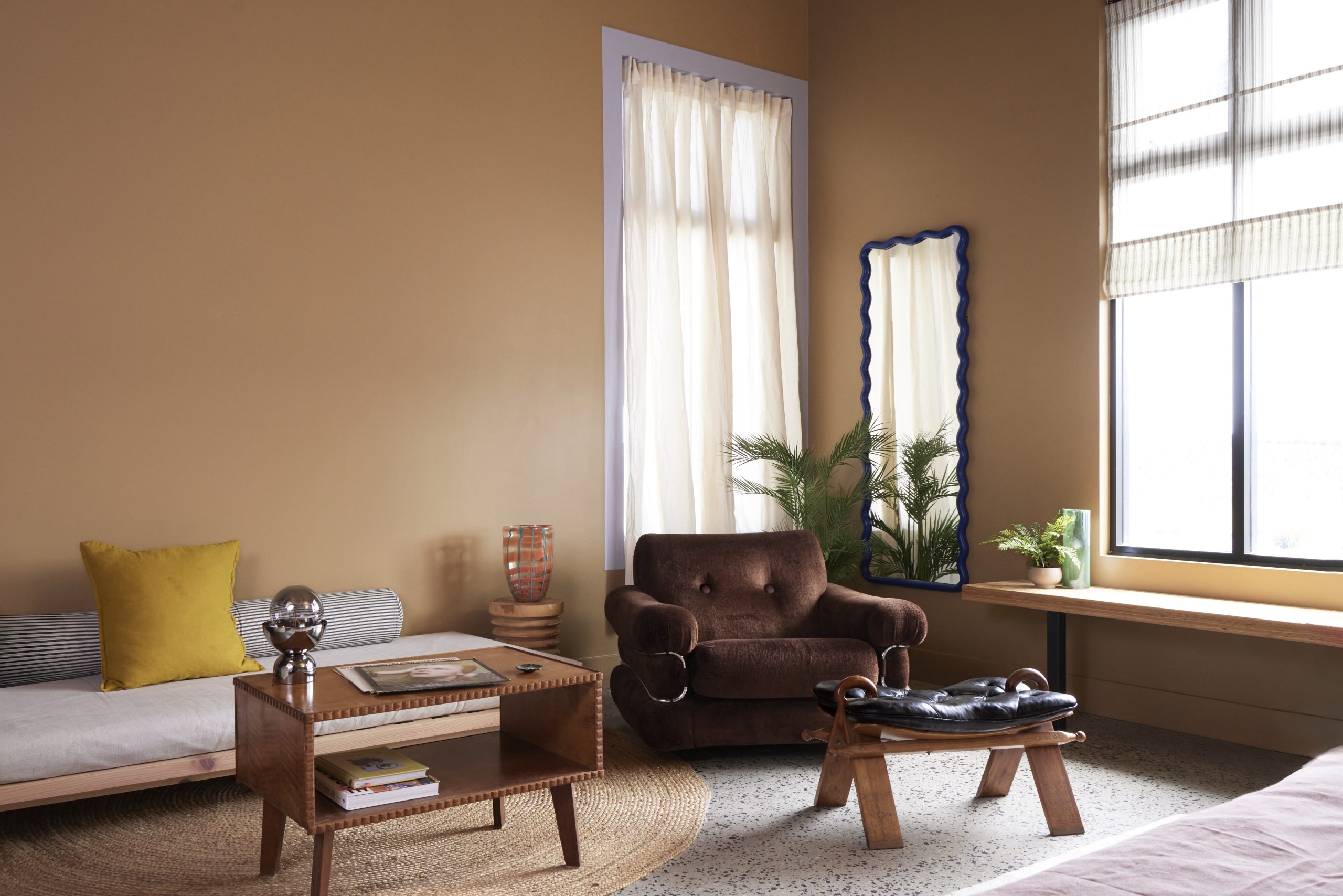
A fresh coat of paint applied to tired walls, whether on the exterior or interior, can do wonders for your home says interior designer and stylist, Jono Fleming.

“Give your space a makeover with paint to create a fresh and elevated look. This is an accessible tool to introduce colour into your home, which serves to transform the mood and feeling of a space,” he says.

“Colour is an incredibly powerful design tool, however itʼs incredibly important that the end result feels grounded and draws people into the space. I recently refreshed a bedroom in my family’s farmhouse using Fantan and Canyon Cloud from the 2024 Dulux Colour Forecast Muse palette, which has converted the space into a vibrant retreat filled with warmth and new life.”

Besides the obvious — paint acts as a protective barrier against the elements such as rain, UV rays, and moisture — a fresh paint job can immediately add value to your home. If you have some minor imperfections, such as cracks or dents, spend some time on prep before you paint for a better finish and a more durable result. For exteriors, lighter colours are a surefire winner.

“There’s a lot of interest generated from colours; a neutral palette appeals to a broader range of buyers,” says Mr Bagnato.

Jacqui Turk
Jacqui Turk


2). Landscape the garden 

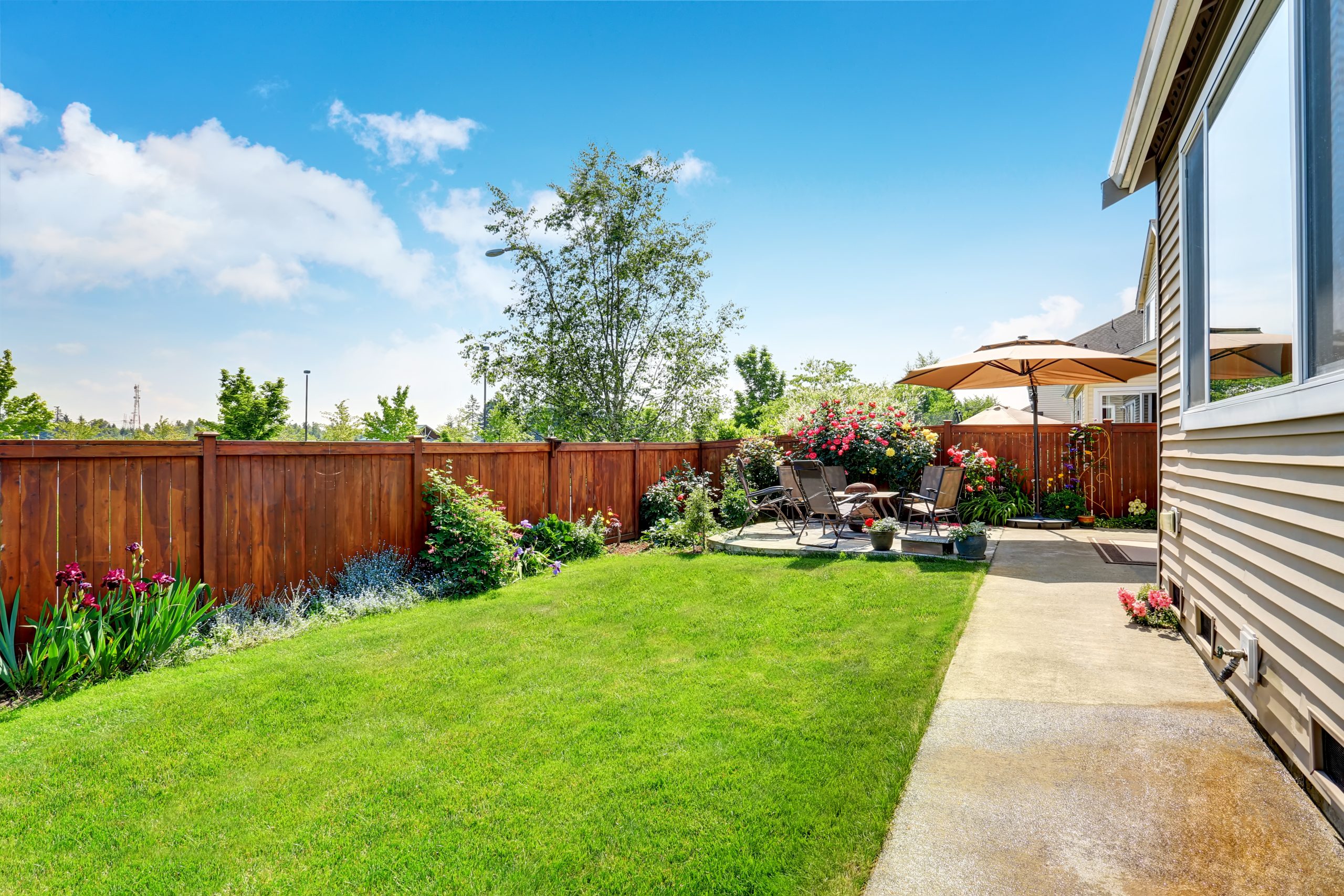
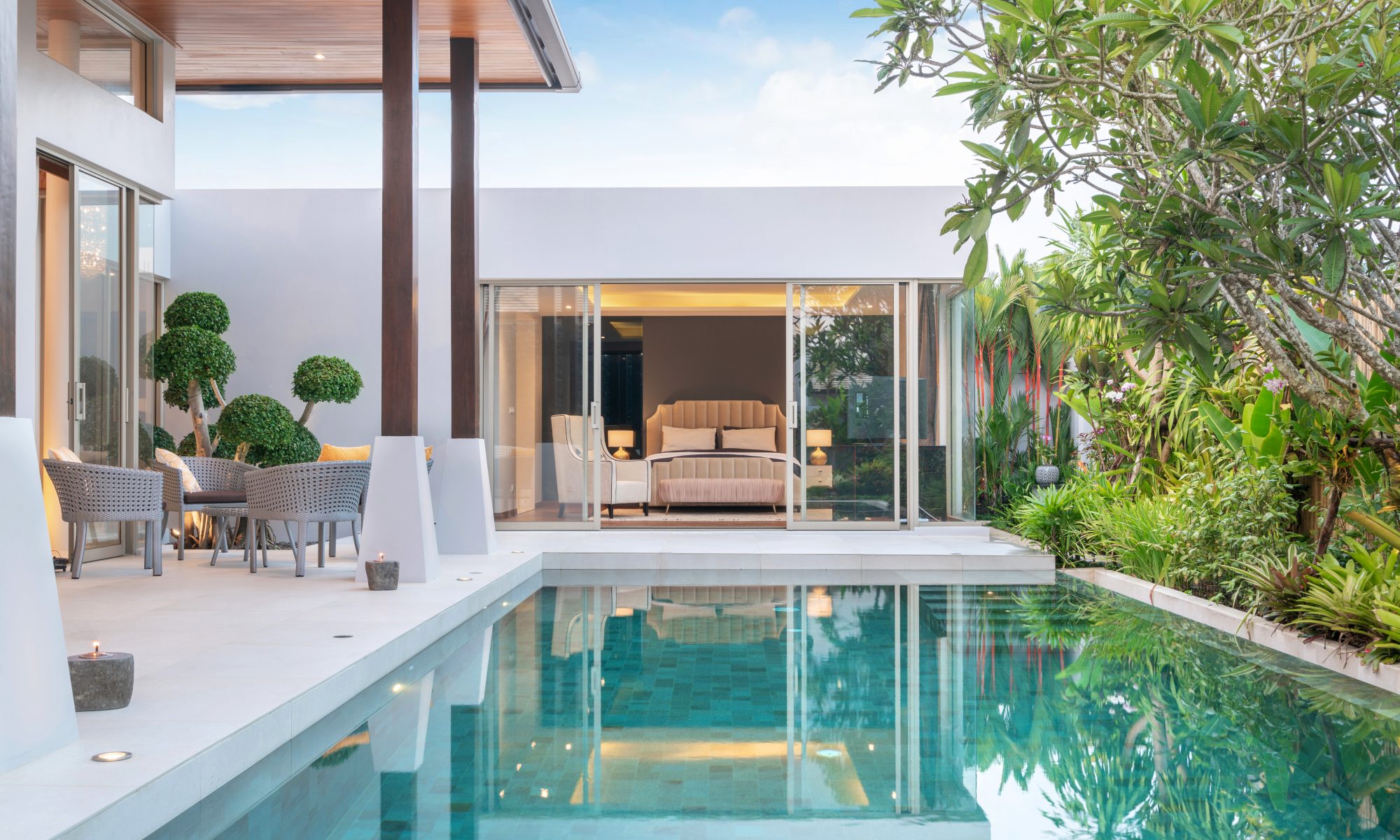
A well-kept, manicured garden can add thousands of dollars to the value of your home. If  we learned nothing from the pandemic, it’s the value of a private, well-designed outdoor area. Spending time on landscaping your front garden will not only enhance street appeal, but can also increase the functionality providing areas for relaxation, entertaining, and recreational purposes across the site.

A well-designed garden including green space, paved areas, room for entertaining and water features, can also increase your property value by up to 20 percent, according to a study conducted by the University of Western Australia. For smaller areas such as apartments or townhomes, consider seeking help from a gardening specialist who can advise on the best pots, plants and flowers depending on the orientation and soil type of your garden.

Landscaping
Shutterstock


3). Your home’s facade says a lot

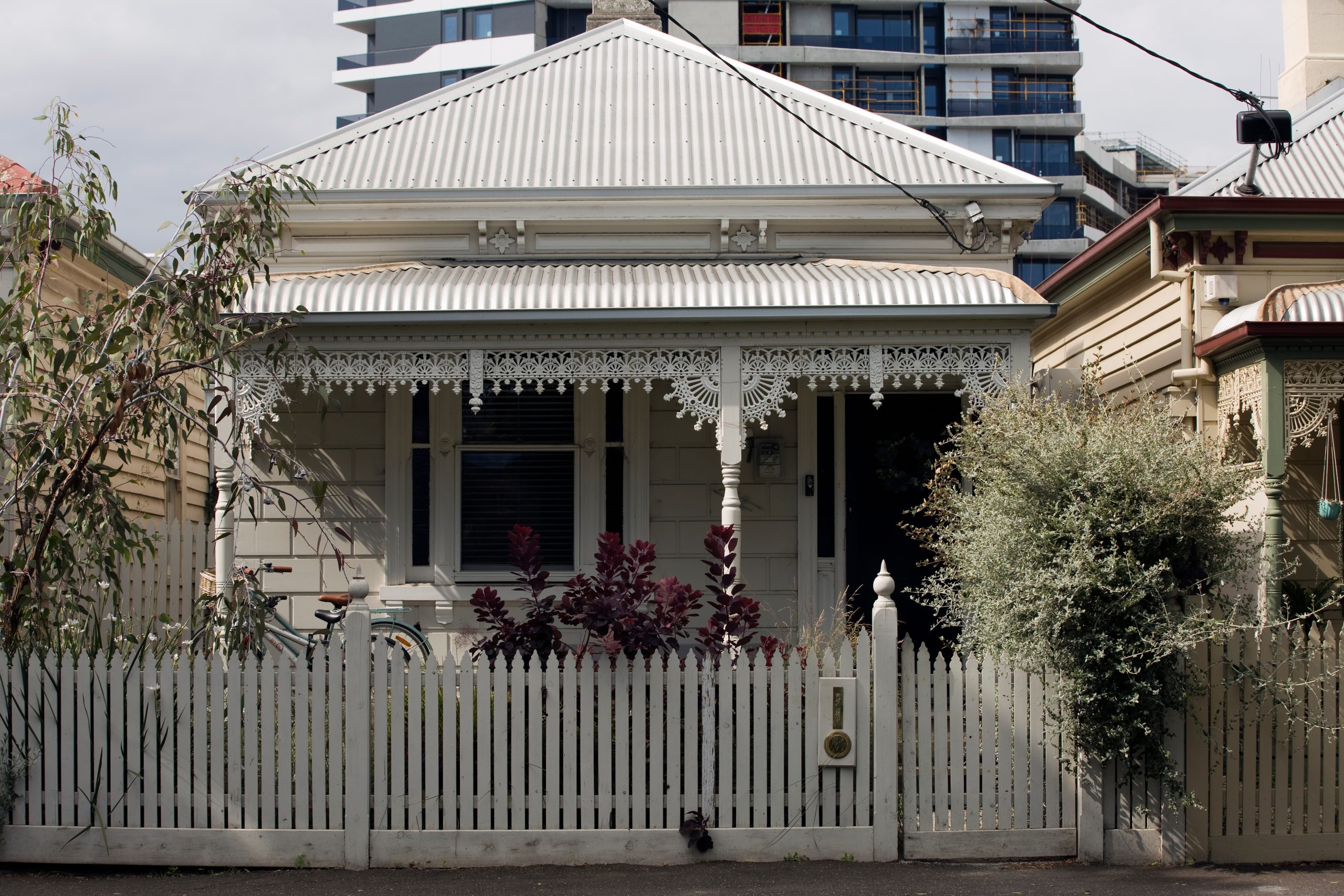
The very first thing that people will see when looking to purchase their next property is the facade. Even when people are searching online, it’s often the very first image shown on a listing, and one that can make or break a property in a matter of seconds.  A visually appealing frontage can set your home apart from neighbours, and can really set the tone for what visitors, future buyers, or investors can expect when they walk through the door.

Patrick Cooney, director of sales at Melbourne-based Milieu Property, agrees that the facade of a home leaves people wanting more.

“The vast majority of people only ever get to see and experience the exterior of a building,” he says. “This is an advertisement for those who walk and drive past. Having amazing architecture and landscaping leaves people wanting to know more.”

Shutterstock
Shutterstock


4). Who doesn’t love new flooring?

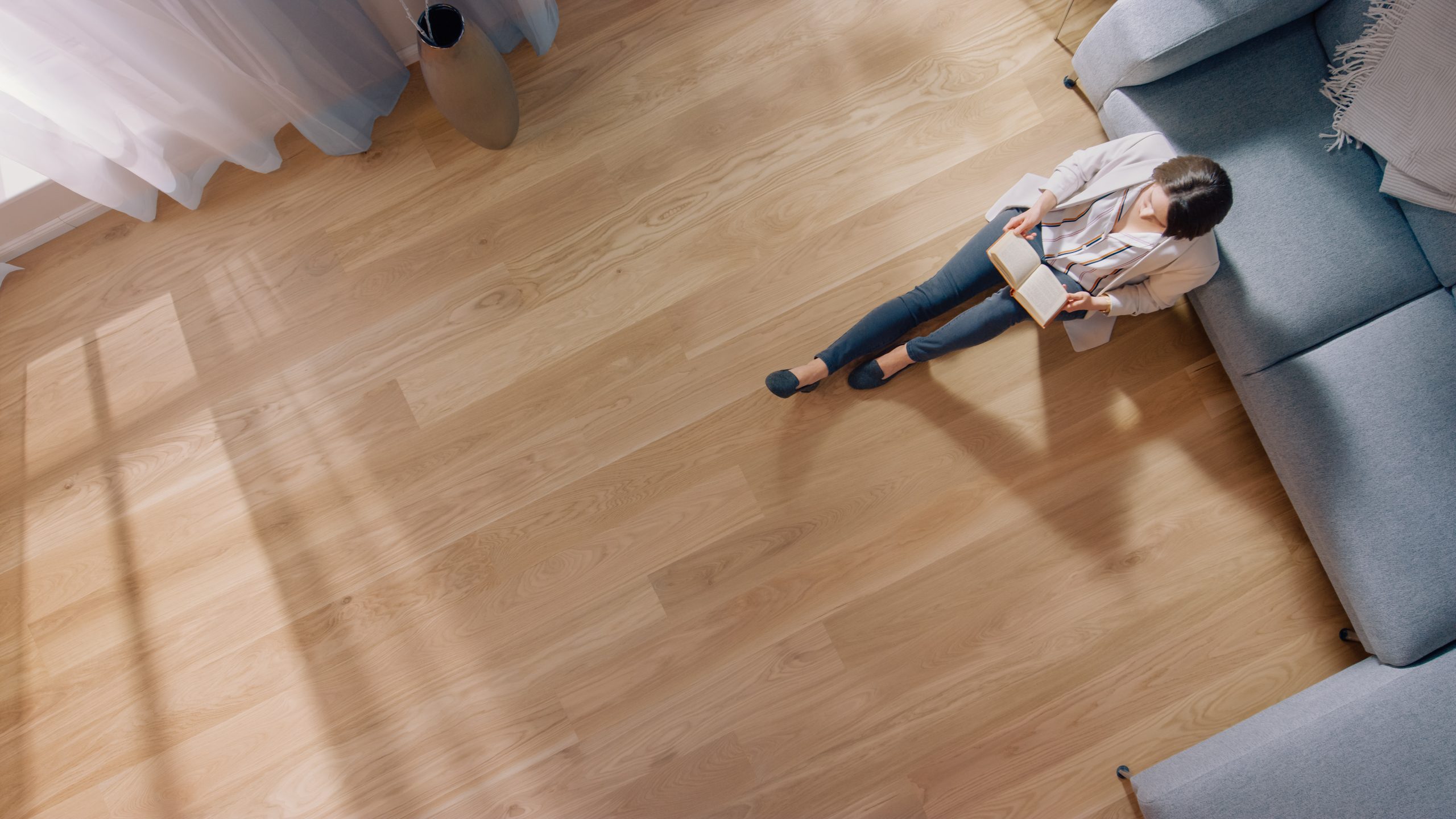
It’s always immediately apparent when a vendor has spent the time and money upgrading their home’s flooring. Besides changing the look and feel of your interiors, investing in high-quality flooring materials, such as sustainable wooden floorboards for common areas such as your living and dining space, and carpet for bedrooms, can immediately increase the perceived value of your home.

One factor to keep in mind is that upgrading your flooring is not only a costly exercise but a disruptive one at that, so careful planning is encouraged.

Shutterstock
Shutterstock


5). Add that new kitchen

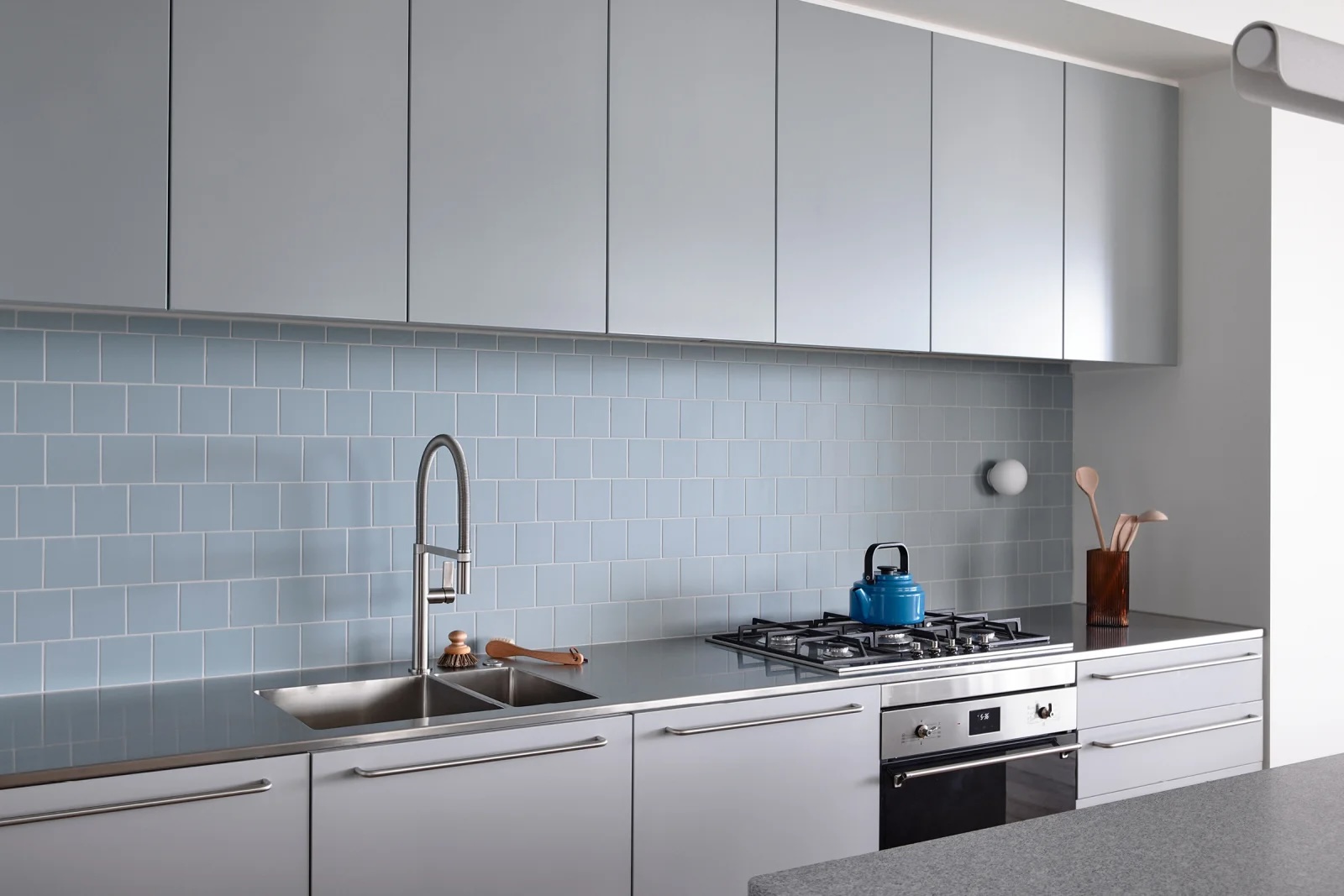
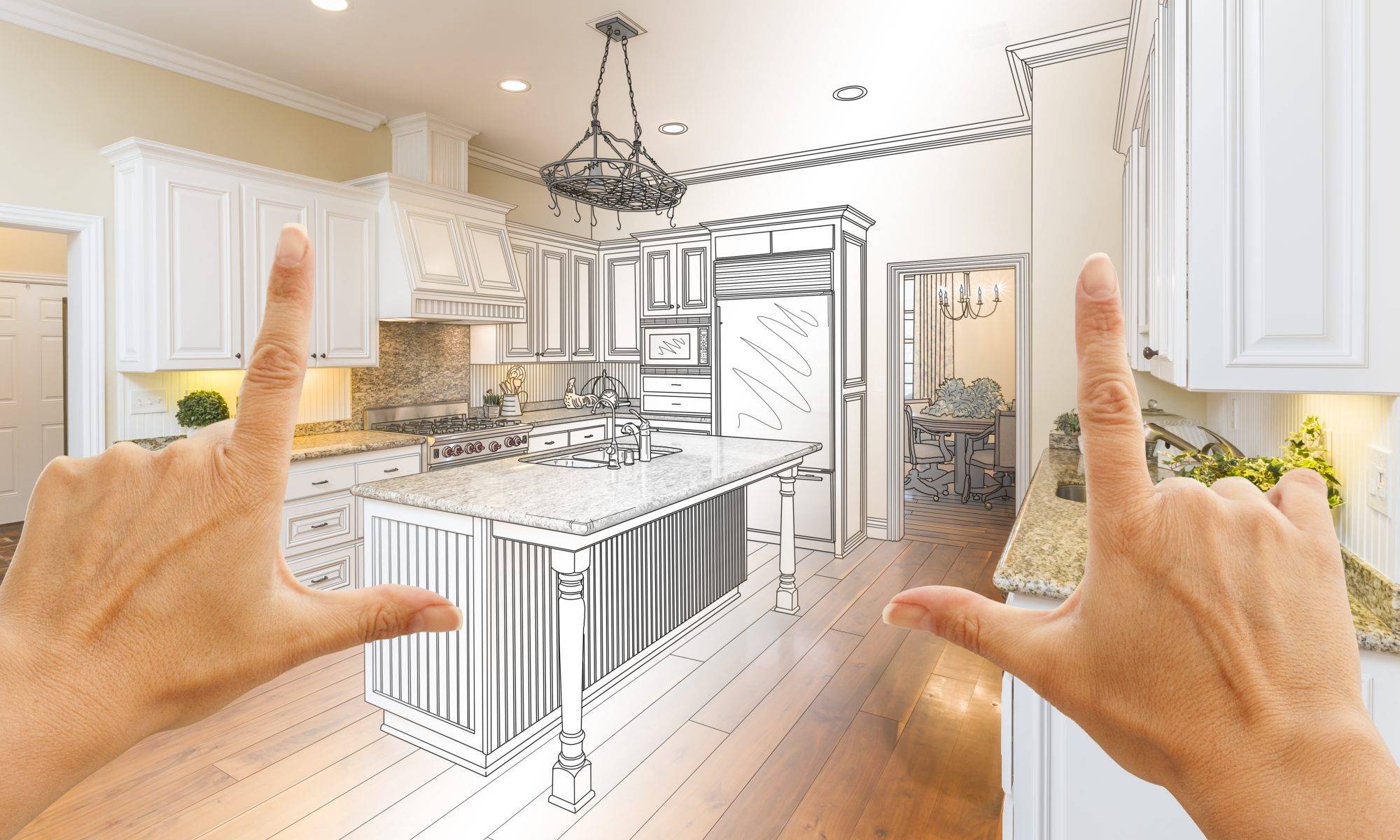
Should homeowners ever consider the need to renovate their homes, the kitchen is often top of the list. However small or large, adding a new kitchen to your home can do a lot for adding value to your home. Why? Recent studies conducted by OnePoll suggest that individuals spend over 1000 hours a year in their kitchen. Whether it’s preparing meals, eating meals, or working from the kitchen bench top, having a kitchen that is accessible, practical but also aesthetically pleasing is every home owner’s dream. Costs vary widely but be aware that there’s not a lot of economy of scale involved. Designing and installing a small kitchen often doesn’t cost significantly less than a larger one.

Milieu
Milieu


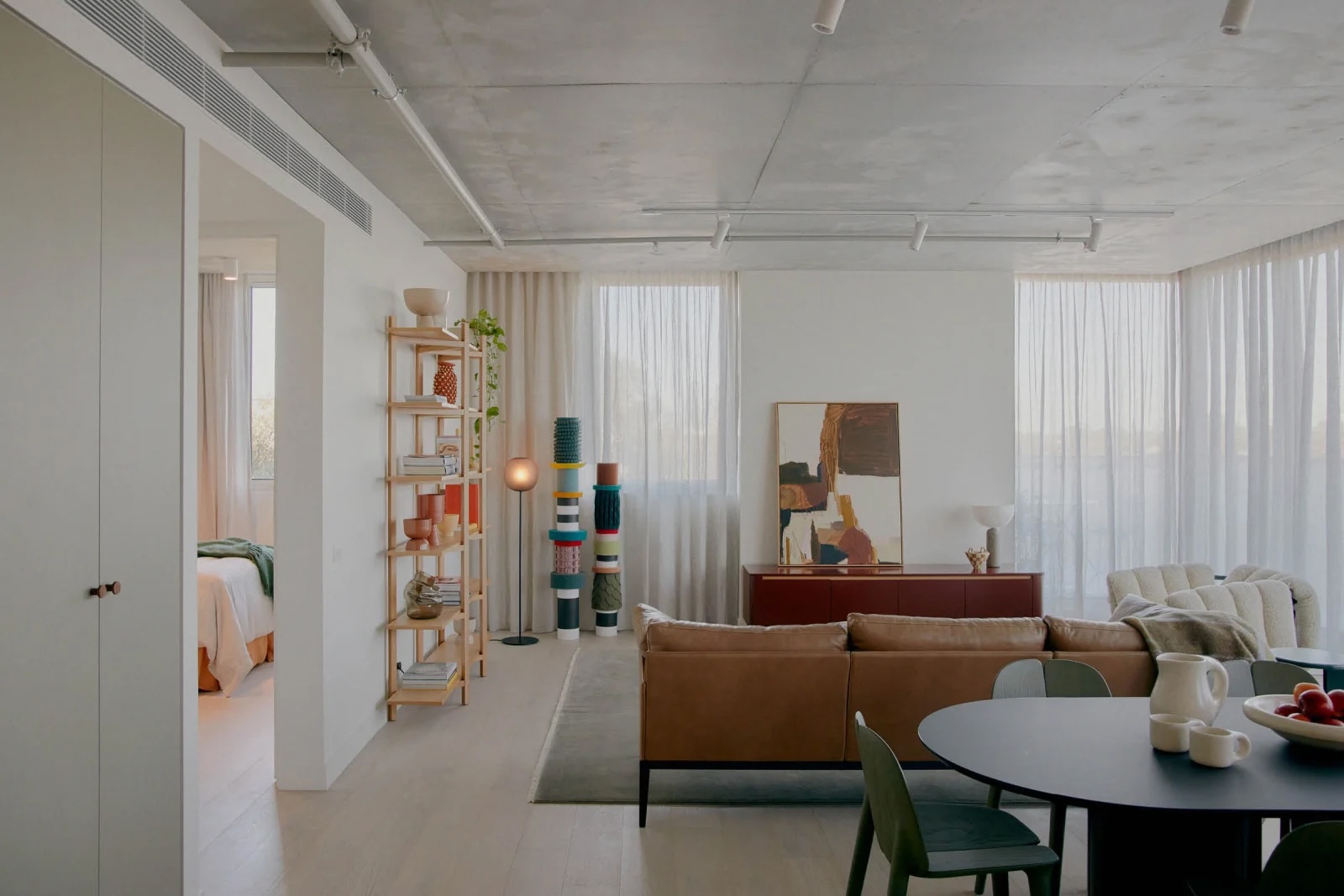
6). Consider art and furnishings

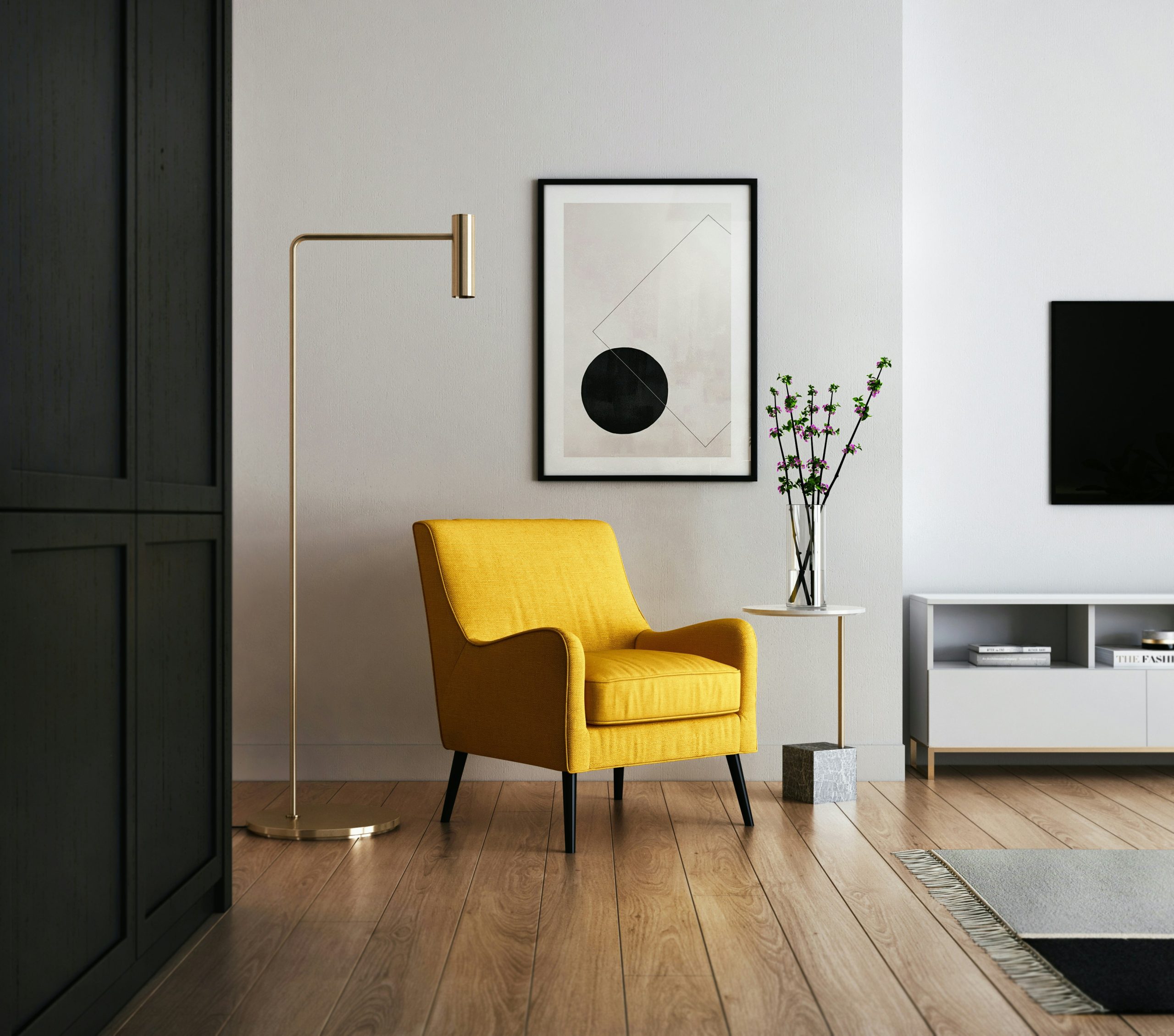
Another great way to elevate the look and feel of your home—and add value in the process—is through the addition of decorative pieces and furnishings.

“Art, display books and uniquely shaped vessels add interest and are an easy way to introduce colour, achieving a cohesive palette,” Mr Fleming says.

Avoid generic prints and go for something bolder, like vintage advertising posters to add personality to the room. Original art, sourced either directly from the artist, through galleries or at auction is a great way to add a luxe feel to a room. Beyond solid walls, Mr Fleming says window coverings can also benefit from the right dressing.

“Curtains, in particular, are often overlooked as an interior design tool, but theyʼre such an easy way to add colour to your space without it feeling too permanent and can completely change the ambiance or mood within a space.”

Milieu
Milieu


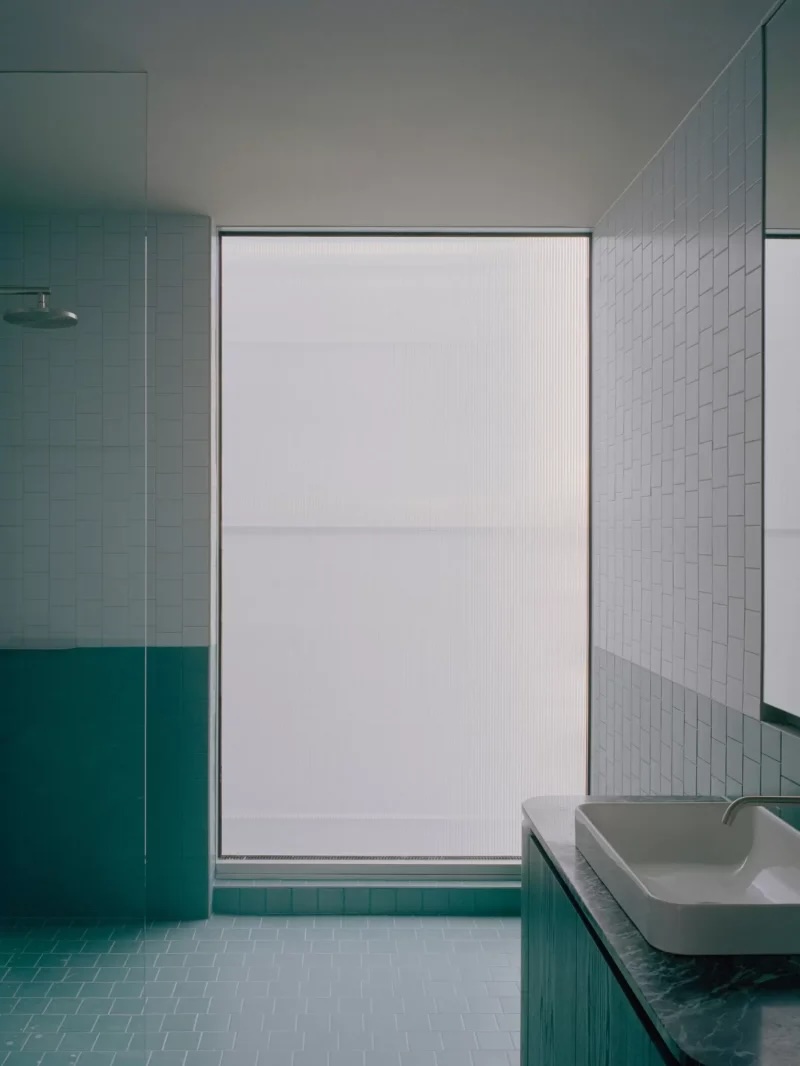
7). Upgrade your bathroom

After the kitchen, bathrooms are high on the priority list for buyers. If you’re planning on selling soon, you can make a considerable difference by taking small steps; replacing older sinks and toilets, upgraded hardware and new lighting can instantly transform your bathroom. If you’re planning to stay, or you’re keen to create that ‘wow’ factor for would-be buyers, opting for additions like a double vanity, walk-in shower, bathtub, or simply choosing premium materials such as marble or other natural stone, can all make a significant difference to the value of your home.

If you have more than one bathroom to renovate, consider mixing up materials and fittings while staying with the same colour palette for a cohesive look.

Milieu
Milieu


8). Be inventive, add storage 

Storage—or the lack thereof—is something all homeowners have to deal with. For many first homebuyers or renters, storage is likely one of those additions worth its weight in gold. So, as a homeowner, adding thoughtful and meaningful storage solutions can go a long way in adding appeal to prospective buyers.

“Smart storage solutions can change one’s home from a nice home to a great home. The majority of people have a plethora of ‘stuff’ and finding a place for these are key,” said Mr Cooney.

“Whether its dropping off your keys and a dog lead in your welcome station by the front door, to having an appliance nook for your coffee machine and toaster, or ensuing you have the basics like adequate bathroom storage that accommodate a hair dryer, these are all incredibly important considerations.”

9). Is your home ‘smart’? 

Integrating ‘smart’ technology is something we’re likely to see more homeowners do. While the outlay and time spent in setting up a smart home can deter some, considering things like integrated security systems, sensor blinds, keyless entry systems, smart lighting controlled via your phone, and indoor/outdoor entertainment systems can appeal to tech-savvy buyers (and ultimately increase your property’s value).

“Smart tech for the home can be pushed as far as people are wanting. At Milieu, we generally now include smart locks, smart parcel lockers, energy monitoring and number plate recognition access to basements to our new developments,” said Mr Cooney.

“In our last three projects, we have specified VZug appliances which can also be controlled from the touch of your phone.”

10). Sustainability is key

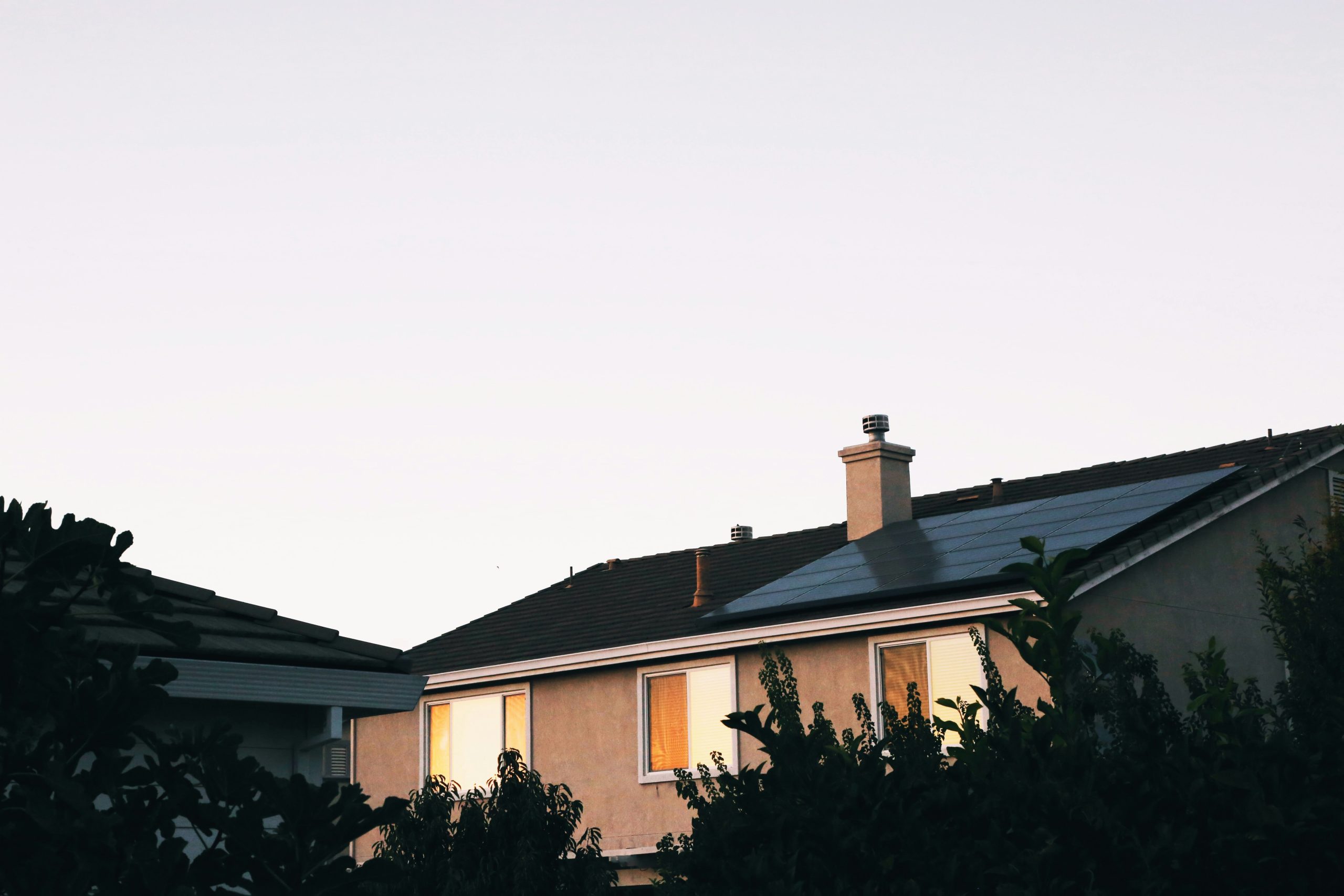
As we all look to add sustainable measures to our homes for a better, brighter, and greener future, energy efficiency in and around our homes will only become increasingly sought-after among home buyers. This can be done by installing solar panels or energy-efficient windows and doors, installing skylights, opting for appliances that save on power, and increasing ways that save on utility bills, like swapping gas for electric induction stovetops. 

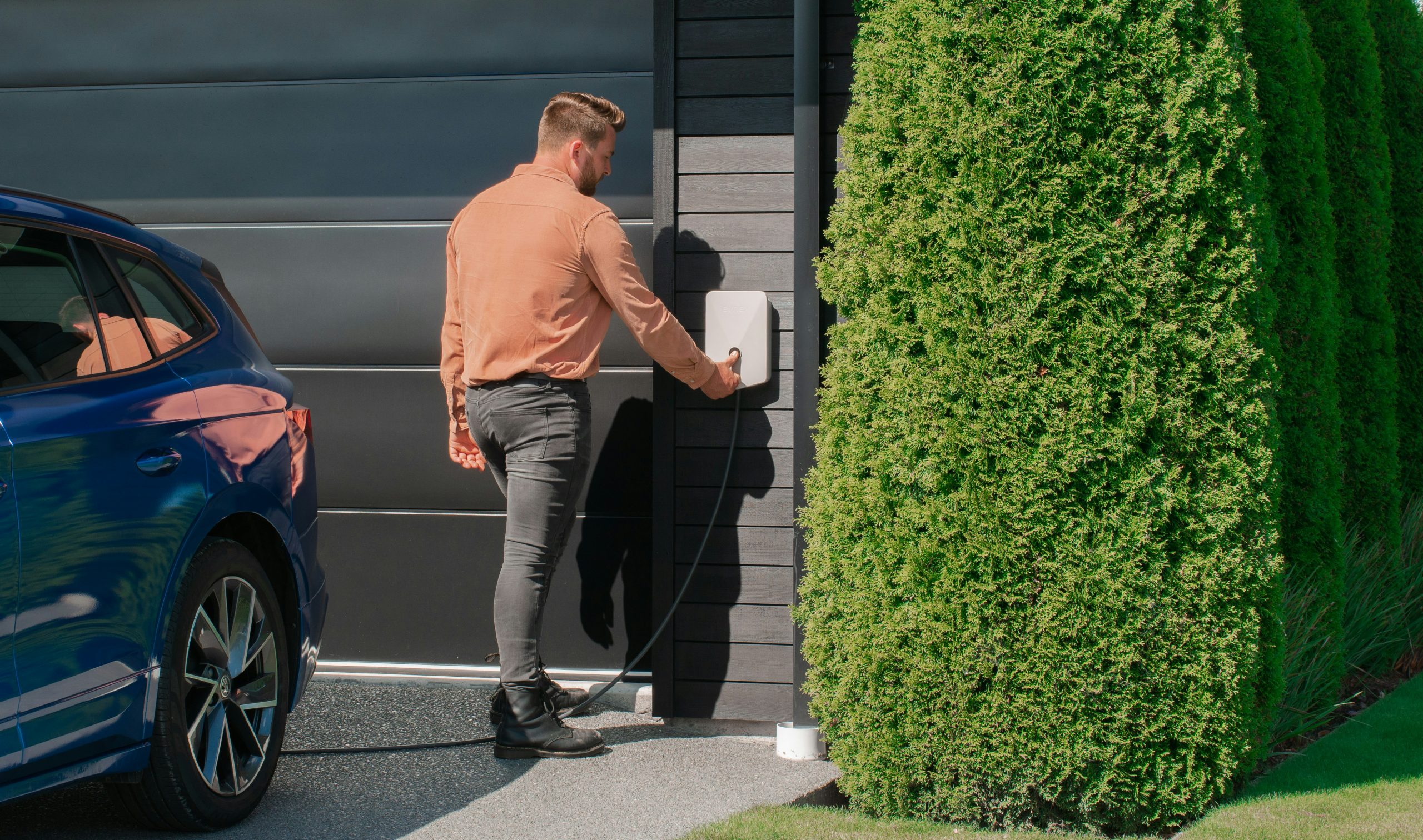
“Buyers are highly focused on sustainability and future-proofing their homes,” said Mr. Cooney. “Highly sustainable buildings, with EV provisions are key. People place a premium for sustainability and especially EV charging – the mindset has change from, ‘I may get an electric vehicle’ to ‘when I get an electric vehicle’.”

Adding an EV charging station, should you own a hybrid or electric vehicle, is a great initiative to consider for your home. Not only can an EV charging station power your vehicle, but its power can also be offset to power parts of your home.

Evnex Ltd // Unsplash

—


The Australian cities where luxury home values have more than doubled

Australia’s luxury home market is experiencing an “unprecedented surge in prices” due to a limited supply of large homes close to beaches, bays and rivers and strong demand from Australia’s growing high-net-worth population, according to Ray White senior data analyst Atom Go Tian.

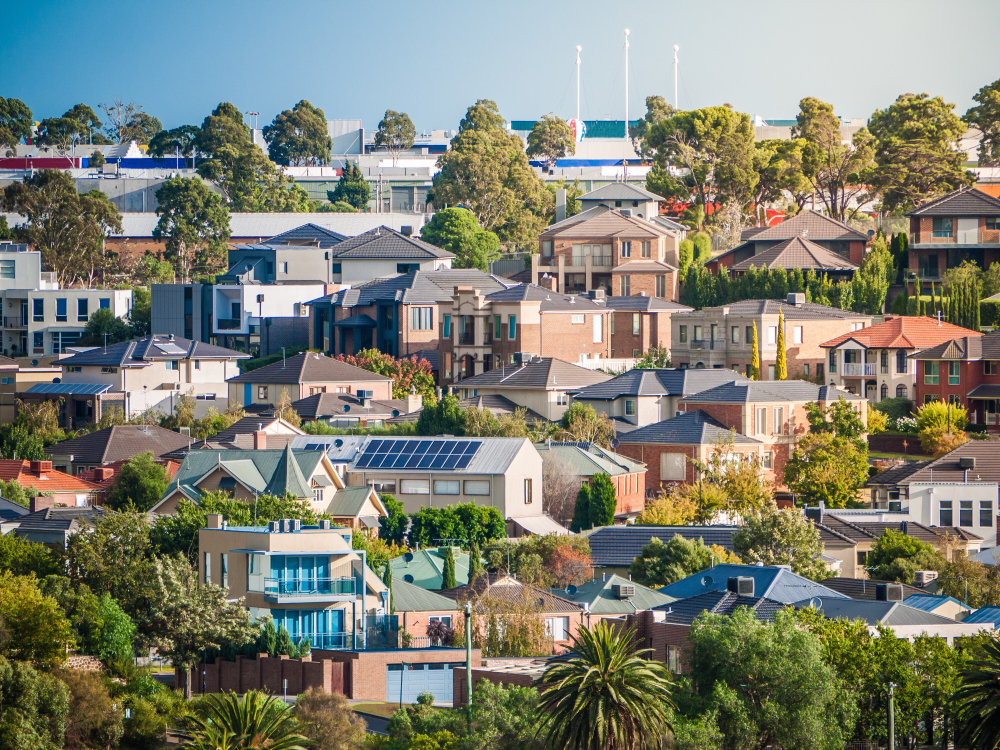
The inaugural Ray White Luxury Report reveals luxury homes have risen in value at a much faster rate than median-priced properties across the capital cities over the 10 years from 2014 to 2023. Luxury house prices rose by 84 percent over the decade compared to 70 percent for median-priced houses. Luxury apartment prices soared 58 percent while median apartment prices rose 31 percent.

However, there was a change last year when median prices grew faster than luxury prices for the first time in the decade. CoreLogic analysis shows higher interest rates, which limited people’s borrowing capacity, and rising prices appeared to turbocharge buyer demand in more affordable markets across Australia, with Perth experiencing the most growth among the capital cities in 2023.

Mr Go Tian said some key trends in Australia’s luxury market over the past decade included Brisbane booking the fastest rise in prestige transactions among the major cities, as well as the emergence of the Gold Coast as a “rapidly growing” luxury apartment market. Sydney is the largest prestige market, accounting for 64 percent of national luxury house sales and 51 percent of luxury unit sales.

Interestingly, Australia’s second-smallest capital city – Hobart – recorded the highest luxury house price growth over the decade at 122 percent and the highest luxury apartment price growth at 101 percent.

Here is a summary of the report’s findings on the price growth of Australia’s luxury homes.

Sydney

The luxury house price median is $3.9 million, up 93 percent over the decade, while the median house price is $1.4 million, up 72 percent. In 2023, the suburbs that recorded the most luxury house sales above $5 million were Mosman, Vaucluse and Bellevue Hill. The luxury apartment price median sits at $2.1 million, up 72 percent, while the median apartment price is $794,000, up 25 percent. The suburbs with the most luxury apartment sales above $3 million were Mosman, Darling Point and Pyrmont.

Melbourne

The luxury house price median is $2.5 million, up 71 percent over the decade, while the median house price is $933,000, also up 71 percent. In 2023, the suburbs that had the most luxury house sales above $5 million were Toorak, Brighton and Kew. The luxury apartment price median is $1.3 million, up 51 percent, while the median apartment price is $603,000, up 27 percent. The suburbs with the most luxury apartment sales above $3 million were Toorak, Melbourne CBD and Brighton.

Brisbane

The luxury house price median is $1.8 million, up 103 percent over the decade, while the median house price is $838,000, up 82 percent. In 2023, the suburbs that recorded the most luxury house sales above $5 million were Hamilton, Park Ridge and New Farm. The luxury apartment price median is $1.1 million, up 51 percent, while the median apartment price is $554,000, up 35 percent. The suburbs with the most luxury apartment sales above $3 million were New Farm, Newstead and Brisbane City.

Perth

The luxury house price median is $1.7 million, up 49 percent over the decade, while the median house price is $676,000, up 25 percent. In 2023, the suburbs that had the most luxury house sales above $5 million were Cottesloe, Dalkeith and Mosman Park. The luxury apartment price median sits at just over $1 million, up 15 percent, while the median apartment price is $453,000, up 0.7 percent. The suburbs with the most luxury apartment sales above $3 million were South Perth, North Fremantle and West Perth.

Adelaide

The luxury house price median is $1.6 million, 2.2 times higher than in 2014, while the median house price is over $700,000, up 78 percent. In 2023, the suburbs that had the most luxury house sales above $5 million were North Adelaide, St Peters and Medindie. The luxury apartment price median is $994,000, up 52 percent, while the median apartment price is just under $500,000, up 44 percent. The suburbs with the most luxury apartment sales above $3 million were Dulwich, Adelaide CBD and Glenelg.

Hobart

The luxury house price median is $1.5 million, up 122 percent over the decade, while the median house price is $742,000, up 112 percent. In 2023, the suburbs that recorded the most luxury house sales above $5 million were Sandy Bay, Old Beach and North Hobart. The luxury apartment price median sits at $1.04 million, up 100 percent, while the median apartment price is $564,000, up 102 percent. The suburbs with the most luxury apartment sales above $3 million were Sandy Bay, Battery Point and Hobart.

Darwin

The luxury house price median is just over $1 million, up 18 percent over the decade, while the median house price is just over $600,000, up 5 percent. In 2023, the suburbs that recorded the most luxury house sales above $5 million were Larrakeyah, Darwin City and Palmerton City. The luxury apartment price median is $724,000, down 0.6 percent, while the median apartment price is $388,000, down 12 percent. The suburbs that had the most luxury apartment sales above $3 million were Fannie Bay, Darwin City and Larrakeyah.

Less Is More: The Case for ‘Slow Productivity’ at Work

You’re oh so busy. You’re on Slack and email and back-to-back Zoom calls , sometimes all at once . Are you actually getting real work done?

Cal Newport doesn’t think so.

“It’s like, wait a second, none of this mattered,” says the Georgetown University computer science professor and crusader for focus in a distracted age.

Newport, 41, says we can accomplish more by shedding the overload. He calls his solution “slow productivity”—and has a book by the same name —a way for high achievers to say yes to fewer things, do them better and even slack off in strategic doses. Top-notch quality is the goal, and frenetic activity the enemy.

This, he told me, is the thing that can save our jobs from AI and layoffs, and even make shareholders happy.

I had questions. Can we really be less is more at work, or have we grown addicted to constantly crossing endless tasks off our to-do lists? What will our bosses think?

After all, so many of us yearn for a burnout cure-all that will preserve our high-achiever status, and this isn’t the first you-can-have-it-all proposition we’ve heard. Champions of the four-day workweek promise we can ditch an entire workday just by working smarter. Remote-work die-hards swear it’s a win for employers and employees. Few dreams are more seductive than bidding goodbye to hustle culture, while still reaping the benefits of said hustle.

Newport acknowledges that saying no to preserve our productivity can be a delicate act. He knows that entrepreneurs have more flexibility, but says those of us who answer to managers can carve this out too. We might even find we have more power and value to our employers.

“You should take that value out for a little bit of a spin,” he suggests. He offers some pointers.

Less is more

The way we work now is a “serious economic drag,” Newport says. Knowledge workers have devolved into a form of productivity that’s more about the vibes—stressed!—than actually making money for the company. Data from Microsoft finds that lots of us spend the equivalent of two workdays a week on meetings and email alone.

One mistake we make, Newport says, is taking on too many projects, then getting bogged down in the administrative overload—talking about the work, coordinating with others—that each requires. Work becomes a string of planning meetings, waiting on someone from another department to give us a go-ahead.

Newport recommends giving priority to a couple projects, then bumping the others to a waiting list in order of importance. Make that list public, say, in a Google doc you share with bosses and colleagues.

“When workloads are obfuscated behind black boxes, it’s just people throwing stuff at each other, it’s very dangerous to say no,” Newport says.

If someone comes to you with more work, have them consider where it should go on your list, Newport says.

When you do say yes, double the estimated timelines you set to complete a project. That’s how long it’ll take to do it well, he says. And try what he calls a “one for you, one for me strategy.” Every time you book an hour-long meeting, block an hour for independent work on your calendar.

Be the one to trust

It’s a foreign and bracing approach for those of us who reflexively say yes to work requests. Newport’s philosophy requires transparency and confidence. Instead of “let me see how fast I can turn that around!”, try, “This request will take six hours. I’ll have that time in three weeks.”

This could be heresy at some companies. The trick is in the delivery, he says. Never make it seem like work tasks are a burden you shouldn’t have to face. Instead, stress that you’re trying to be as effective as you can for the team and the company. Be positive, and deliver on the timelines you promise. You’ll be seen as someone who’s organised and on top of your game.

We think bosses want someone who’s always accessible—fast to respond, fast to jump into action, Newport says. But what bosses really want is to know that a project they hand you will get done.

Bite-size shirking

Quiet quitting permanently is a bad idea, Newport says, but a little bit is good.

Don’t feel guilty, he adds. You’re working under a new, better system. We weren’t meant to work all out , every day, without seasonal shifts and pauses.

Pick a time—say, the month of July—to slow down. Don’t volunteer for extra work. Don’t offer Mondays as a possibility for meetings. Take on an easier project for cover.

He also recommends taking yourself out to a monthly movie during the workday. Say it’s a personal appointment, and enjoy the sense of control and creativity it brings.

You don’t have to nail a manifesto to the wall, he adds, or try to change the whole company culture. Instead, quietly carve out change for yourself.

Coming into your power

The catch: You have to be really good at the part of your job that matters. And you have to get big stuff done. Remember, this is about being a happier high performer, not slacking.

“There’s no hiding,” Newport says.

I suspect this terrifies a lot of people. They’ve gotten good at being always on and typing up yet another meeting agenda. Tackling a major project or goal is often harder, and comes without a guarantee that you’re going to nail it.

Scary or not, real work is becoming imperative. AI is coming for the rote parts of our jobs. Leaders are sussing out the “nonsense” projects and roles in their ranks as they cut jobs, Newport says. No boss wants to be left with a team of people who are aces at responding to emails.

Mastering a valuable skill puts you in control. Newport writes of people who leave corporate America behind and move where they want , working remotely as contractors, charging wild fees for fewer hours of work. The more you shed the work that doesn’t matter, and spend that time getting better at the stuff that does, the more leeway you’ll get.

“The marketplace doesn’t care about your personal interest in slowing down,” Newport writes. “If you want more control over your schedule, you need something to offer in return.”

Figure that puzzle out, and you might just be able to have it all—high achievement, and your sanity.

Picasso Painting of Muse Dora Maar Comes to Auction for the First Time

A portrait by Pablo Picasso of his lover and muse Dora Maar will be sold at auction for the first time at a Phillips evening sale in May in New York and is estimated to realize as much as US$18 million.

Buste de femme au chapeau, 1939, depicts Maar, whom Picasso met in 1935 and remained with for a decade. Buste de femme remained in Picasso’s personal collection until he died in 1973, when Galerie Beyeler in Switzerland took ownership of the piece and kept it  alongside other works from the artist’s Femmes au chapeau series, according to Phillips.

The piece has been in the same collection for the last 30 years, according to Jean-Paul Engelen, president, Americas, and worldwide co-head of modern and contemporary art for Phillips.

According to Phillips, the painting, only 24 inches by 15 inches, employs techniques from Cubism, and contains elements familiar to Picasso’s paintings of Marr, “including his distinctive rendering of her eyes, strong line of her nose, and radical combinations of frontal and profile views.”

Untitled (ELMAR), 1982, by Jean-Michel Basquiat.
Phillips

Phillips’ modern and contemporary evening sale on May 14 will also include three previously announced works by Jean-Michel Basquiat, including a large painting from the early 1980s, Untitled (ELMAR) , 1982, that could sell for more than US$60 million.

Barclay L. Hendricks’ 1977 work, Vendetta.
Phillips

Also in the sale is Barclay L. Hendricks’ 1977 work, Vendetta, with an estimate between US$2.5 million and US$3.5 million. The painting was featured in the artist’s first career retrospective, and toured across the U.S. from 2008 to 2009. Hendricks’ works rarely come to auction, and Engelen expects increased interest given a recent exhibition of the artist’s works at the Frick Collection in New York.

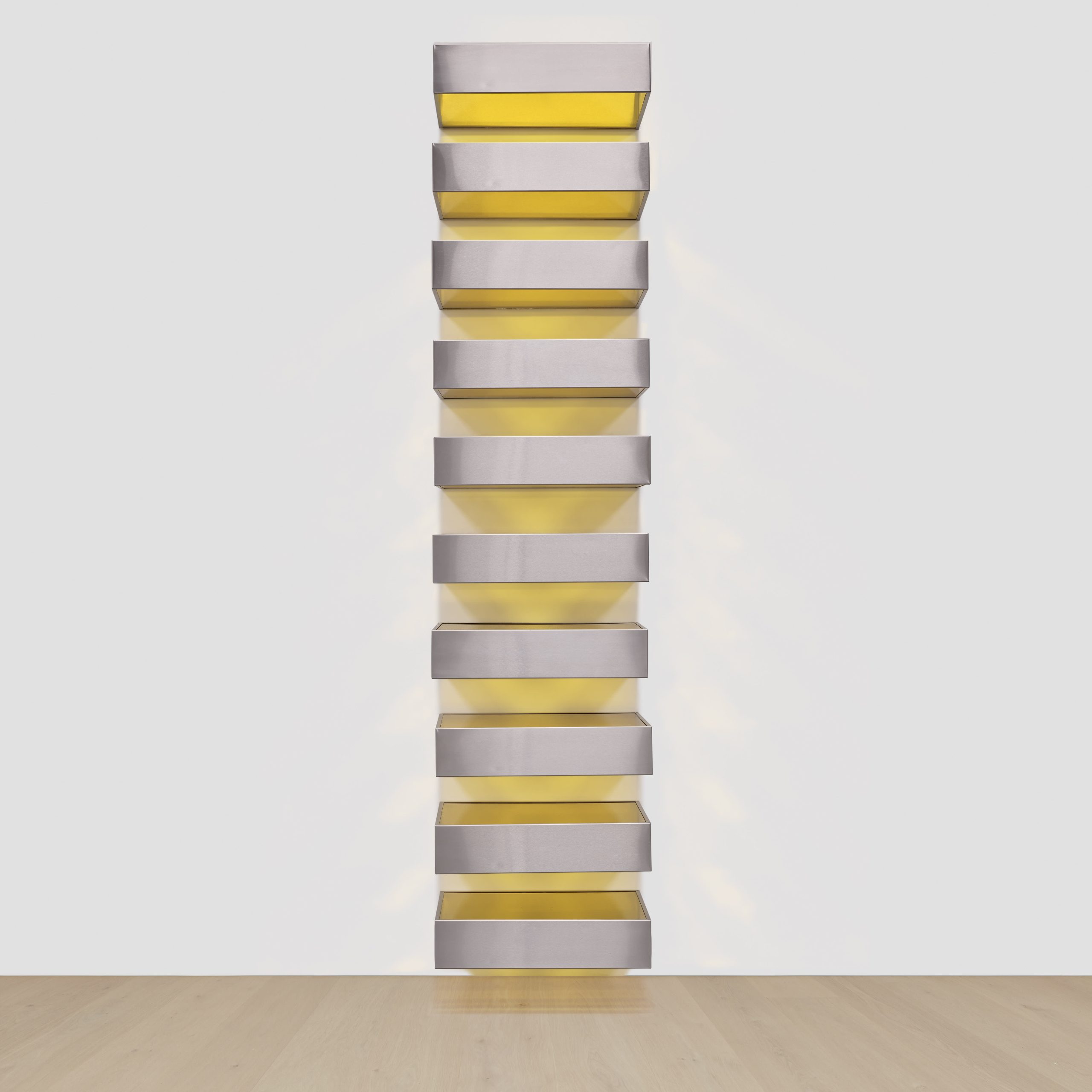
A 1978 Donald Judd “stacks” sculpture set in stainless steel and yellow fluorescent Plexiglas.
Phillips

Lastly, two sculpture “stacks” from Donald Judd will be sold. A 1978 set in stainless steel and yellow fluorescent Plexiglas, described as a “signature” piece by the artist completed when he was near the top of his career, is estimated to sell for between US$5.5 million and US$7.5 million. The second is a 1994 six-part set composed of Cor-ten steel and black Plexiglas finished just before the artist’s death early that year. It carries an estimate of US$2 million to US$3 million.

Before You Build: the 8 Architectural Design Trends You Should Know

Georgina Wilson

Looking to build, or renovate, a home in 2024? You’re not alone. According to a recent study from Resolve Finance, over a third of Australian homeowners are planning to renovate their current properties in the next 12 months. And if the Federal Government achieves its ambitious goal of delivering 1.2 million new dwellings over the next five years, there will be many new home owners looking to build their dream home in 2024 and beyond.

But before tackling such a behemoth task, considering all the latest—and future—architectural trends is pivotal in your new build’s success. Award-winning architect and interior designer, Georgina Wilson said sustainability will be at the forefront for many interested in energy efficiency and saving money on power bills.

“Elements of passive design are moving into the mainstream. Improvements in the technology with double glazing, building wrapping and insulation are meaning that more people have access to these materials,” Ms Wilson said. “Solar has proven itself and homeowners are now looking for other ways to make their home more efficient.”

The following eight trends reflect a growing emphasis on sustainability, flexibility, and wellbeing in residential architecture, catering to the evolving needs and preferences of homeowners in 2024.

—

1). Consider your colour palette  

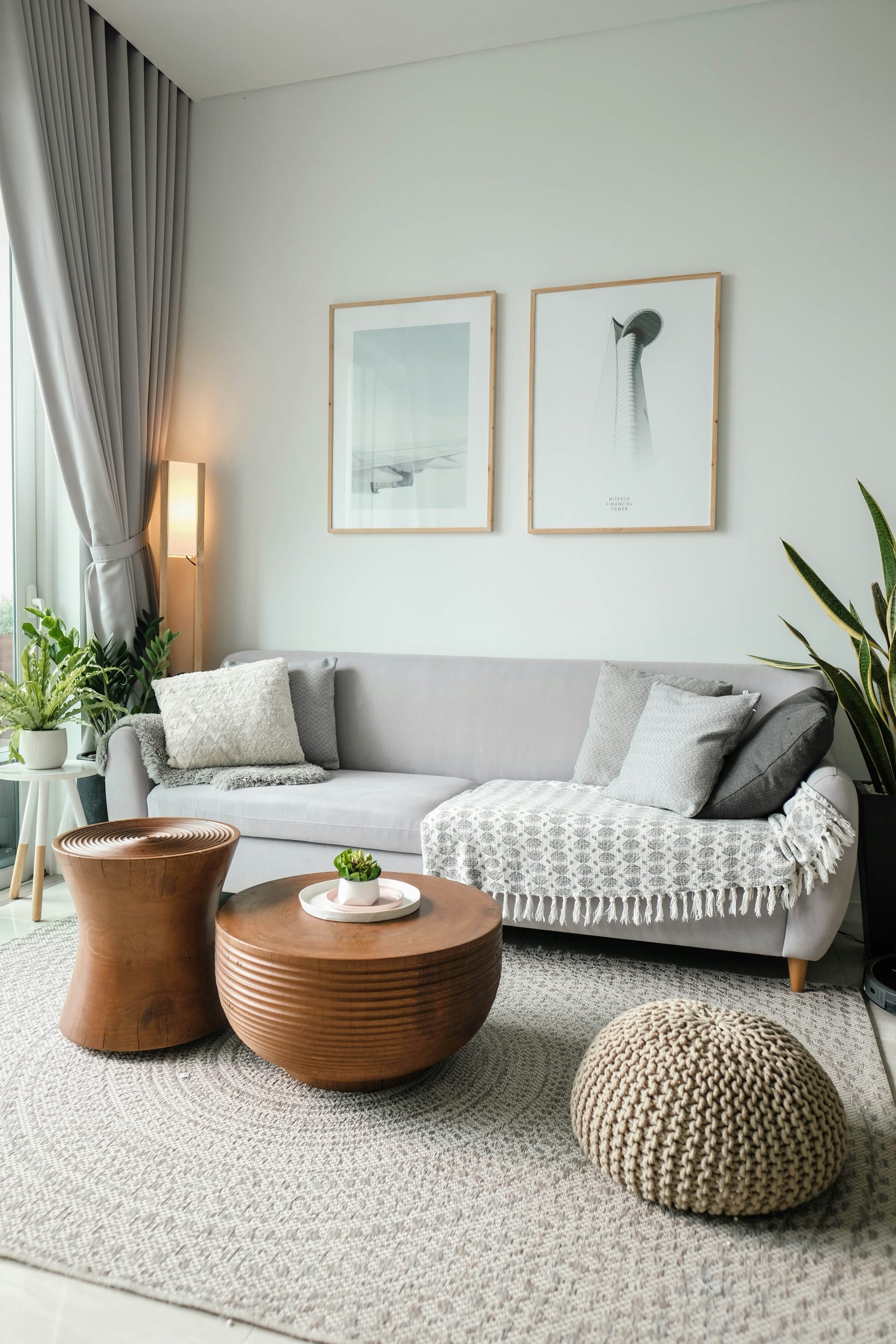
The colours you use say everything about the type of spaces you want to foster, whether they be bright and warm, dark and moody, neutral — the list goes on. If we’re looking to trends, earthy, calming neutrals are in — think brown, beige and eucalyptus green. Colours that feel natural and soft, but welcoming provide an inviting environment that’s easy to live with.

However, interior designer and stylist, Jono Fleming said contrast is important to create interest and one of the most powerful ways to do this is through colour.

“It doesn’t have to be a big splash of colour, it could be introduced through smaller decorative objects, a statement furniture piece or an artwork, but the colour should add balance to the space,” he said.

Unsplash
Unsplash


2). Modern, outdoor living areas

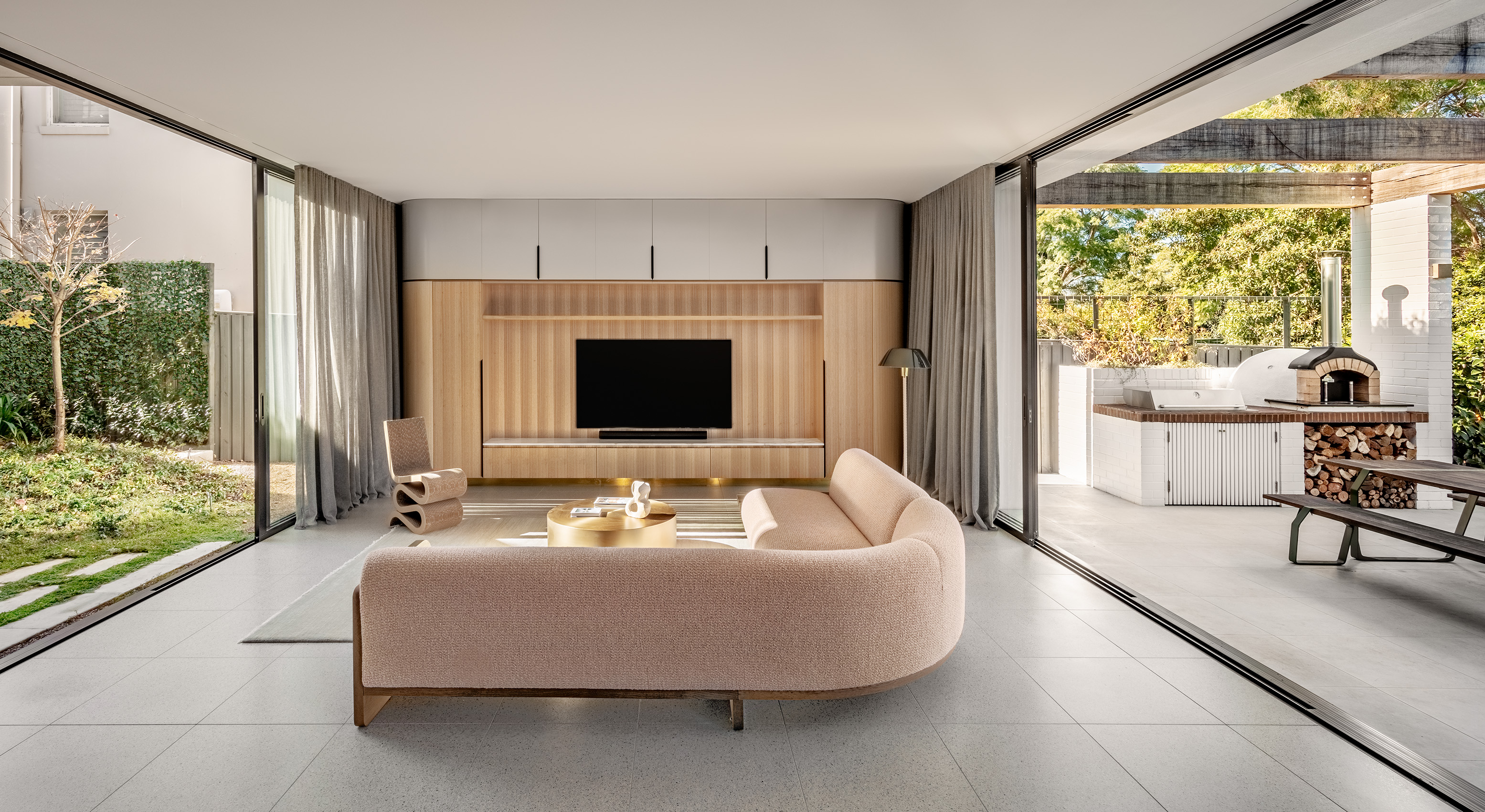
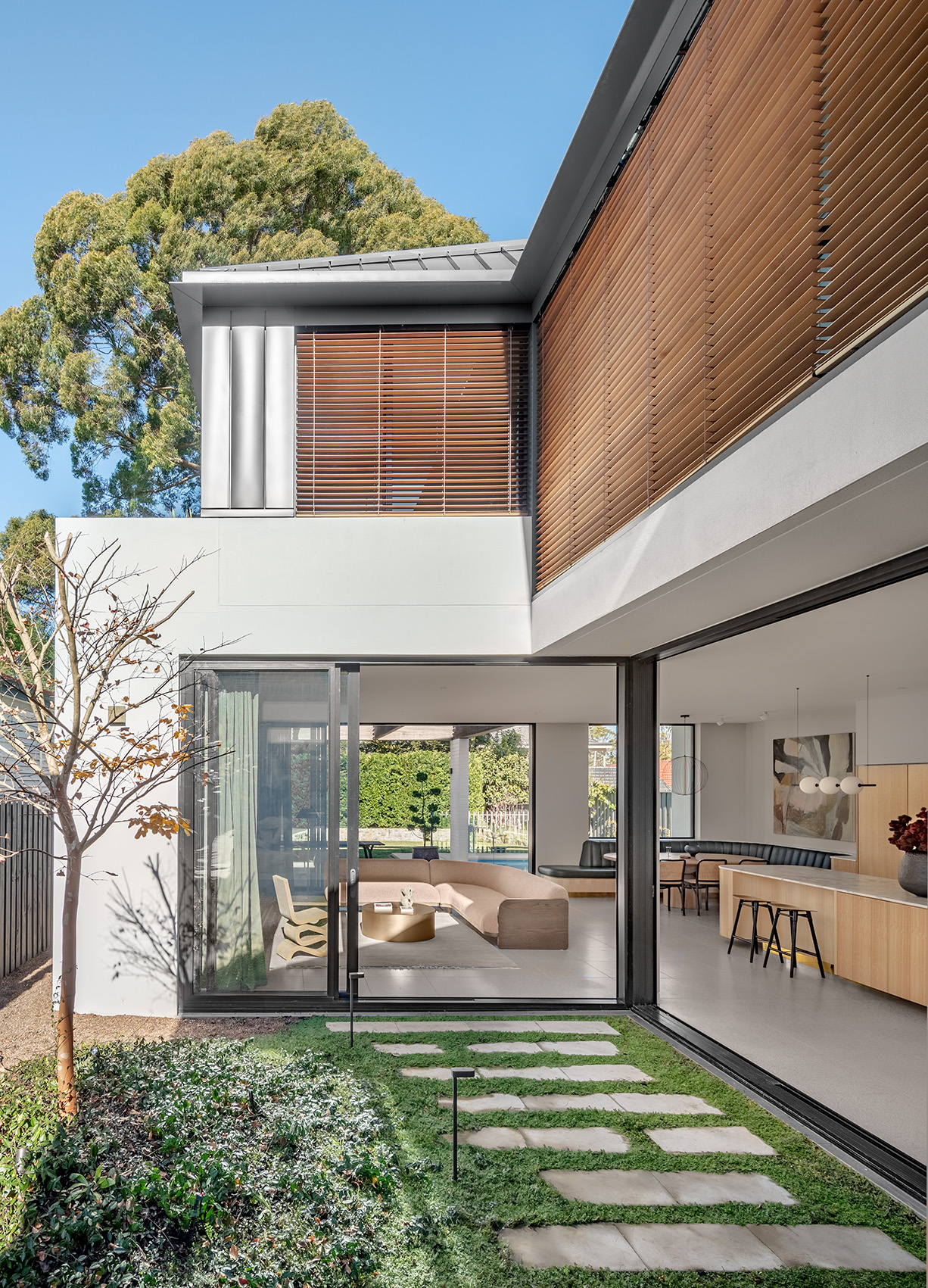
Ever since the COVID pandemic and subsequent lockdowns, expanding living spaces to the outdoors has gained in popularity. Features like plant-filled front porches, outdoor kitchens, fire pits, and cosy seating areas create inviting spaces for relaxation and entertainment for all family members.

“There has definitely been a greater appreciation for outdoor living spaces since COVID,” said Ms Wilson. “Outdoor fabrics and mechanisms for shading have greatly improved in recent years allowing people to fully embrace seamless indoor/outdoor living.”

Georgina Wilson
Georgina Wilson


3). The integration of smart technology 

Integrating smart home technology throughout your home continues to gain traction with homeowners. As we increasingly look to rely on technology to make our lives all the more seamless, smart technology throughout allows homeowners to control a variety of tasks and zones remotely, enhancing convenience, security, and even energy efficiency. This can include controlled heating and cooling from your phone, automatic lightning, voice control commands, and more.

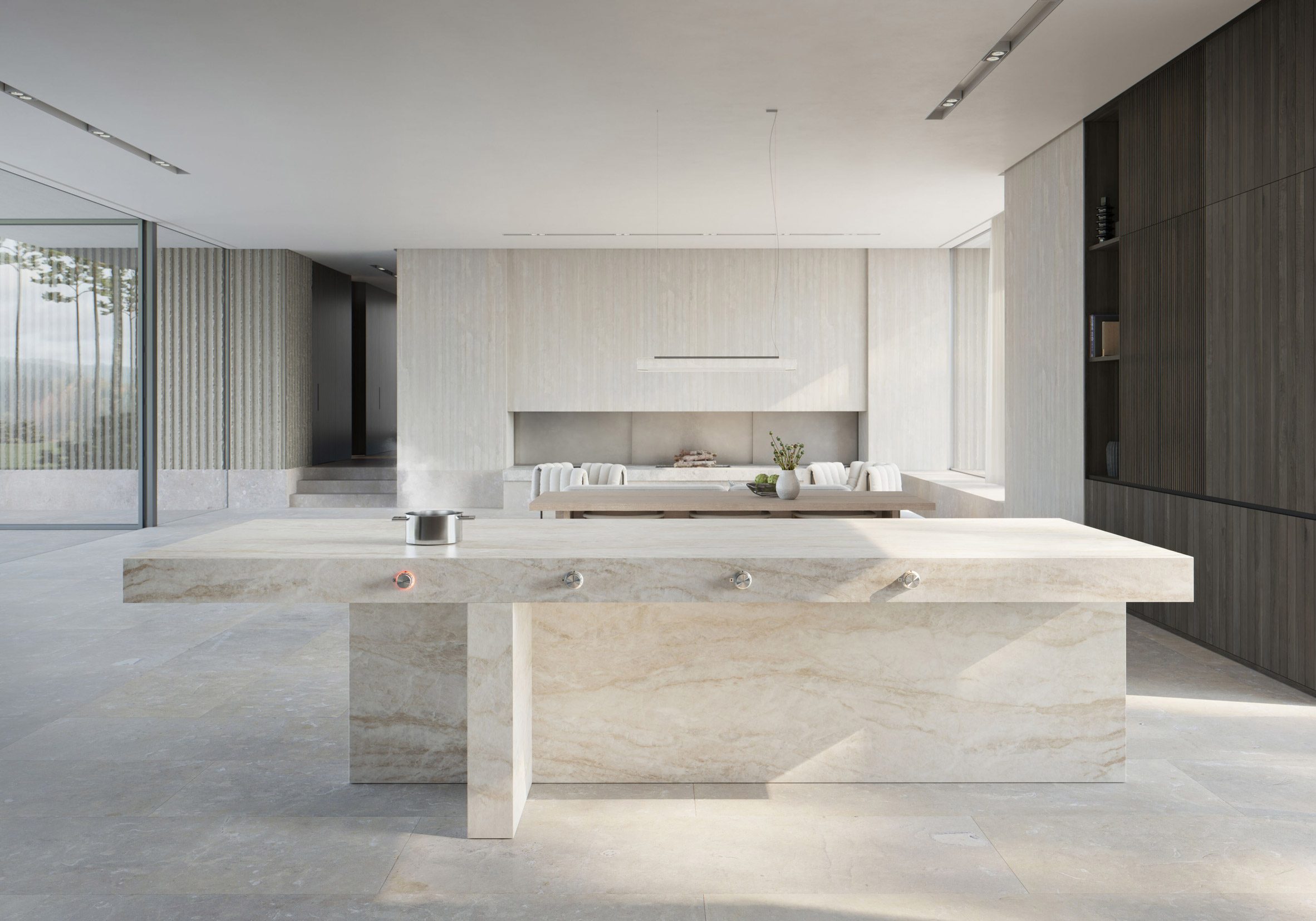
“The technology for seamless appliances has come a long way. At Salone del Mobile Milano this year, we experienced the new Gaggenau fully integrated induction bench top, which in terms of kitchen design, is a huge advancement,” said Ms Wilson.

Gaggenau, the German manufacturer of high-end home appliances, is at the forefront of smart home technology, paving the way for intelligent cooking appliances that learn and adapt to user preferences. Gaggenau’s essential induction cooktop, the functional and seamless  cooking surface Ms Wilson speaks of (pictured below), is designed to be “seamlessly integrated into a kitchen’s worktop”.

Gaggenau
Gaggenau


4). Health and wellness features

Prioritising health and wellness in 2024 is paramount, and home design that can include features like air purification systems, dedicated exercise spaces, recovering hubs—like saunas and ice baths—and relaxation areas to support physical and mental wellbeing will go a long way in not only adding value to your home, but providing a space that is architecturally on-trend and with the times.

“I’m seeing a lot of demand for in-built saunas, both traditional and infrared, particularly in the homes of our US clients,” said Ms Wilson.

“Bathroom suppliers such as Kohler, Duravit and Toto are offering increasingly sophisticated products that incorporate an almost spa-like experience in your at home bathroom. Examples of this are fantastic multi-nozzle showers and steam showers, Japanese toilets incorporating bidet technology, and elegant and serene bathroom furniture that can be fully customised for clients.”

HUUM / Unsplash
HUUM / Unsplash


5). Sustainability is key

A common goal among homeowners and future buyers alike is to own a property that is flexible enough grow with them. Futureproofing your home with sustainable measures will not only ensure its longevity, but it will help homeowners to play their part in addressing their carbon footprint.

“The current cost of living crisis is leading to a lot more multigenerational living, meaning families are prioritising durable materials and sustainable power sources, like solar,” said Ms Wilson.

Consider adding solar panels to your home, utilising sustainable materials in any upcoming renovations or builds, like recycled timber, and utilising energy-efficient lighting throughout your home.

Giorgio Trovato / Unsplash


6). Minimalist design

Do as the Scandinavians do – introduce minimalist design into your home. Embrace simplicity and clean lines with a focus on interior design. Decluttering in main living spaces is surprisingly effective. Adopting the approach of ‘Swedish Death Cleaning’, which essentially involves slowly ridding your house of unwanted or unused items once you reach the other side of 50, will also help you whittle your possessions down to the beautiful and the necessary.

Minimalist design in home appliances is also making a resurgence in 2024 according to Ms Wilson.

“What I’ve been interested to see at Salone del Mobile Milano in 2024 is a huge return to stainless steel finishes, and more and more seamless integration of appliances,” said Ms Wilson.

“We’re seeing timeless materials in reimagined applications: copper baths and stainless steel basins are emerging trends with the potential to be timeless. These materials are so practical, and pair beautifully with natural stone and timbers.”

Above all, maximising different spaces through efficient and effective storage options will also do wonders in achieving that minimal aesthetic.

Kam Idris / Unsplash


7). Multifunctional spaces 

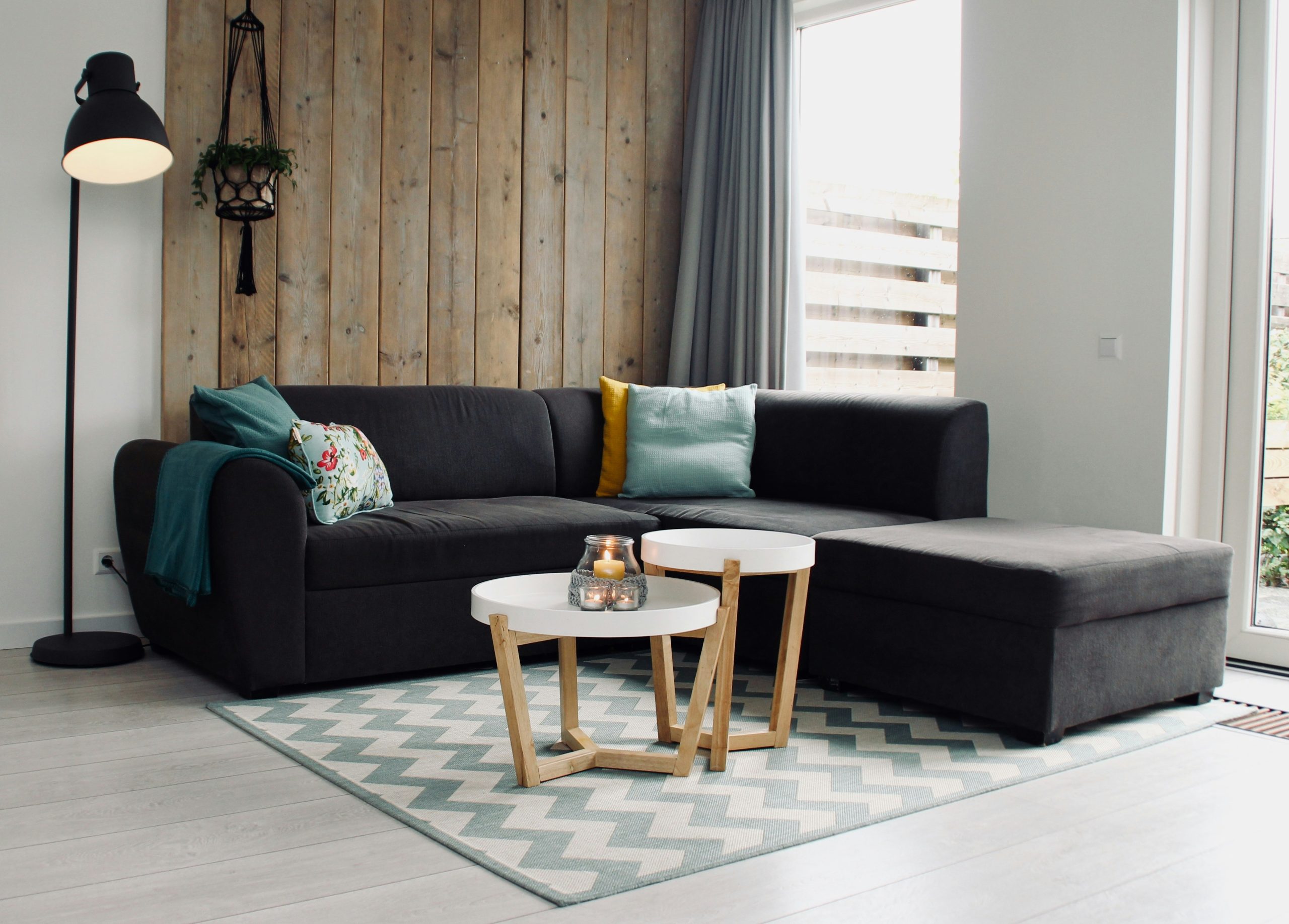
As we move towards greater efficiency of space, it’s useful to consider multifunctional spaces throughout your home.  In 2024, we are seeing more homes incorporate multifunctional spaces and trends. This includes using multifunctional furniture in main bedrooms or living spaces—furniture that can act as storage ottomans or convertible sofa beds—as well as transforming wasted space, and open up indoor to outdoor living.

“Multifunctional spaces in homes are a great idea. Particularly in small homes, it makes a lot of sense to achieve maximum value out of the limited space available. The way you use a space can change as your family evolves over time, so it’s always good to design in such a way that allows for flexibility,” said Ms Wilson. 

“Make sure that the functions you allocate to a single room are compatible with the space available and each other. For example, it works really well to combine a living room, a dining room and a kitchen in one open plan space because these are all public, lively spaces. It doesn’t work very well to combine, say a study, with these spaces because you will want control over the visual and acoustic privacy in a study.”

Sven Brandsma / Unsplash


8). Think about biophilic design

A buzz word among architects and interior designers, biophilic design is one of the strongest trends in 2024 thanks to its benefits in garnering a sense of harmony and connection between your home and the environment. Consider incorporating natural elements into home design, such as large windows to maximise natural light, indoor gardens, and natural materials like wood and stone.

“Biophilic design is a timeless principle, in that home design should connect people in a positive way with their natural environment by maximising access to, and the ability to control, natural light and ventilation, which really helps to create an enjoyable (and healthier) environment to live in,” said Ms Wilson.

“Increasingly, there is a demand for this positive relationship to the natural environment; by leaning on the principles of biophilic design, you can create a haven and retreat at home that can help with the daily stresses of life.”

Ways to foster that indoor-outdoor connection can be through the addition of smaller internal courtyard spaces filled with greenery, or incorporating indoor plants and adding greenery into different rooms throughout your home.

Georgina Wilson
Georgina Wilson

—

Anglo American Rejects $39 Billion BHP Bid, Setting Up Likely Bidding War

LONDON— Anglo American on Friday rejected a $39 billion takeover proposal from rival BHP, saying the bid “significantly undervalues” the company and setting the stage for a potential bidding war.

London-listed Anglo American said the unsolicited proposal, which was made earlier this month and which became public this week, features an unattractive structure that is too uncertain and complex .

Anglo American Chairman Stuart Chambers said the company stands to benefit from its portfolio of assets, including copper, that are likely to experience growth from trends around the energy transition. BHP’s bid, Chambers said, is opportunistic and dilutive for shareholders.

BHP’s all-share offer valued Anglo American at about $38.8 billion, and would have been contingent upon Anglo American spinning off shareholdings in two South African-listed units. The proposal represented a premium of about 31%, not including the South African-listed units, based on Tuesday’s closing prices.

Some analysts had predicted Anglo would find the bid too low and are expecting BHP to return with another. BHP has until May 22 to make a firm offer, though the deadline can be extended. Industry participants expect other large miners to also take a run at Anglo, whose share price has dropped since 2022 as lower commodity prices have ripped through the industry.

A tie-up between BHP and Anglo American, which would be the largest mining deal on record, would illustrate the growing importance of copper, a metal essential to clean-energy products , to a sector that has long relied on Chinese industrialisation to boost profits.

Copper represents some 30% of Anglo American’s output, while BHP counts a majority stake in Chile’s Escondida, the world’s biggest copper mine, among its assets. BHP bought Australian copper-and-gold miner Oz Minerals for $6.34 billion in May last year, representing its biggest acquisition since 2011.

Copper prices are up some 15% so far this year, reflecting expectations that demand for the metal will rise as the world decarbonises and supply will be constrained. Electric vehicles and wind farms use copper in much greater quantities than gasoline-powered cars and coal-fired power stations.

Anglo American has been reviewing its assets in recent months, and has held early conversations with potential buyers for its storied De Beers diamond unit, which it values at more than $7 billion, The Wall Street Journal reported Thursday.

Activist firm Elliott Investment Management holds a stake in Anglo American worth roughly $1 billion, accumulated over several months and before BHP’s move on the miner, according to a person familiar with the matter. The firm is widely known for its campaigns to push companies for change to boost their stock prices. Its view of the Anglo American holding couldn’t be learned.

That said, a jump in Anglo American’s share price following BHP’s takeover offer indicates Elliott has already profited from its holding, potentially reducing any incentive for it to take any action until the outcome of BHP’s bid becomes clearer.

Anglo’s stock on Friday traded above the implied value of BHP’s offer, indicating the market expects a higher bid to emerge.

Packard Foundation Pledges $480 Million to Ocean Conservation Over the Next Five Years

Over the next five years, the David and Lucile Packard Foundation will be committing US$480 million to an initiative dedicated to ocean conservation.

The foundation made the announcement on April 17 during the closing ceremony of the ninth Our Ocean Conference, held in Athens, Greece.

“Ocean science and conservation are core to the Packard Foundation’s DNA,” wrote Meg Caldwell, interim vice president of environment and science, in an email. “The next phase of the Packard Foundation’s commitment to ocean health, the 10-year (2023-33) Ocean Initiative, aims to protect and restore ocean ecosystems for people and nature, now and in the future.”

The support from the funding will be focused in four countries, Chile, China, the U.S., and Indonesia, which were selected because of their “biological significance, human dependence on ocean ecosystems, and opportunities to affect positive changes,” Caldwell says.

The foundation’s ocean initiative will specifically address three primary threats: climate change, unsustainable overfishing, and habitat loss. These issues not only harm ocean ecosystems, but also the countless people who rely on the ocean for “their livelihoods, nutrition, and cultural heritage, disproportionately impacting Indigenous peoples and coastal communities,” Caldwell says.

Caldwell emphasises the need to include these groups of people in the conversations and actions regarding ocean conservation.

“Weak governance and seafood supply chains that put profit ahead of people compound these threats, allowing human rights abuses and inequities to persist,” she says.

The foundation plans to address these threats by funding work within three systems: civil society, to strengthen “the engagement of ocean-reliant communities” to create more inclusive solutions; seafood supply chains, to end illegal fishing, overfishing, and human rights abuses; and governance, to enact reform that will protect both the ocean and the reliant communities.

The Packard Foundation is also a part of the Ocean Resilience and Climate Alliance, which is a philanthropic initiative working to address the climate crisis and its damage to the ocean. ORCA’s mission is “to provide a surge of more than US$250 million dollars in grants over four years to catalyze work across a handful of immediate ocean-climate priorities,” according to their website.

The Uglification of Everything

I wish to protest the current ugliness. I see it as a continuing trend, “the uglification of everything.” It is coming out of our culture with picked-up speed, and from many media silos, and I don’t like it.

You remember the 1999 movie “The Talented Mr. Ripley,” from the Patricia Highsmith novel. It was fabulous—mysteries, murders, a sociopath scheming his way among high-class expats on the Italian Riviera. The laid-back glamour of Jude Law, the Grace Kelly-ness of Gwyneth Paltrow, who looks like a Vogue magazine cover decided to take a stroll through the streets of 1950s Venice, the truly brilliant acting of Matt Damon, who is so well-liked by audiences I’m not sure we notice anymore what a great actor he is. The director, Anthony Minghella, deliberately showed you pretty shiny things while taking you on a journey to a heart of darkness.

There’s a new version, a streaming series from Netflix, called “Ripley.” I turned to it eagerly and watched with puzzlement. It is unrelievedly ugly. Grimy, gloomy, grim. Tom Ripley is now charmless, a pale and watchful slug slithering through ancient rooms. He isn’t bright, eager, endearing, only predatory. No one would want to know him! Which makes the story make no sense. Again, Ripley is a sociopath, but few could tell because he seemed so sweet and easy. In the original movie, Philip Seymour Hoffman has an unforgettable turn as a jazz-loving, prep-schooled, in-crowd snob. In this version that character is mirthless, genderless, hidden. No one would want to know him either. Marge, the Paltrow role in the movie, is ponderous and plain, like a lost 1970s hippie, which undercuts a small part of the tragedy: Why is the lovely woman so in love with a careless idler who loves no one?

The ugliness seemed a deliberate artistic decision, as did the air of constant menace, as if we all know life is never nice.

I go to the No. 1 program on Netflix this week, “Baby Reindeer.” People speak highly of it. It’s about a stalker and is based on a true story, but she’s stalking a comic so this might be fun. Oh dear, no. It is again unrelievedly bleak. Life is low, plain and homely. No one is ever nice or kind; all human conversation is opaque and halting; work colleagues are cruel and loud. Everyone is emotionally incapable and dumb. No one laughs except for the morbidly obese stalker, who cackles madly. The only attractive person is the transgender girlfriend, who has a pretty smile and smiles a lot, but cries a lot too and is vengeful.

Good drama always makes you think. I thought: Do I want to continue living?

I go to the Daily Mail website, once my guilty pleasure. High jinks of the rich and famous, randy royals, fast cars and movie stars, models and rock stars caught in the drug bust. It was great! But it seems to have taken a turn and is more about crime, grime, human sadness and degradation—child abuse, mothers drowning their babies, “Man murders family, self.” It is less a portal into life’s mindless, undeserved beauty, than a testimony to its horrors.

I go to the new “Cabaret.” Who doesn’t love “Cabaret”? It is dark, witty, painful, glamorous. The music and lyrics have stood the test of time. The story’s backdrop: The soft decadence of Weimar is being replaced by the hard decadence of Nazism.

It is Kander and Ebb’s masterpiece, revived again and again. And this revival is hideous. It is ugly, bizarre, inartistic, fundamentally stupid. Also obscene but in a purposeless way, without meaning.

I had the distinct feeling the producers take their audience to be distracted dopamine addicts with fractured attention spans and no ability to follow a story. They also seemed to have no faith in the story itself, so they went with endless pyrotechnics. This is “Cabaret” for the empty-headed. Everyone screams. The songs are slowed, because you might need a moment to take it in. Almost everyone on stage is weirdly hunched, like a gargoyle, everyone overacts, and all of it is without art.

On the way in, staffers put stickers on the cameras of your phone, “to protect our intellectual property,” as one said.

It isn’t an easy job to make the widely admired Eddie Redmayne unappealing, but by God they did it. As he’s a producer I guess he did it, too. He takes the stage as the Emcee in a purple leather skirt with a small green cone on his head and appears further on as a clown with a machine gun and a weird goth devil. It is all so childish, so plonkingly empty.

Here is something sad about modern artists: They are held back by a lack of limits.

Bob Fosse, the director of the classic 1972 movie version, got to push against society’s limits and Broadway’s and Hollywood’s prohibitions. He pushed hard against what was pushing him, which caused friction; in the heat of that came art. Directors and writers now have nothing to push against because there are no rules or cultural prohibitions, so there’s no friction, everything is left cold, and the art turns in on itself and becomes merely weird.

Fosse famously loved women. No one loves women in this show. When we meet Sally Bowles, in the kind of dress a little girl might put on a doll, with heavy leather boots and harsh, garish makeup, the character doesn’t flirt, doesn’t seduce or charm. She barks and screams, angrily.

Really it is harrowing. At one point Mr. Redmayne dances with a toilet plunger, and a loaf of Italian bread is inserted and removed from his anal cavity. I mentioned this to my friend, who asked if I saw the dancer in the corner masturbating with a copy of what appeared to be “Mein Kampf.”

That’s what I call intellectual property!

In previous iterations the Kit Kat Club was a hypocrisy-free zone, a place of no boundaries, until the bad guys came and it wasn’t. I’m sure the director and producers met in the planning stage and used words like “breakthrough” and “a ‘Cabaret’ for today,” and “we don’t hide the coming cruelty.” But they do hide it by making everything, beginning to end, lifeless and grotesque. No innocence is traduced because no innocence exists.

How could a show be so frantic and outlandish and still be so tedious? It’s almost an achievement.

And for all that there is something smug about it, as if they’re looking down from some great, unearned height.

I left thinking, as I often do now on seeing something made ugly: This is what purgatory is going to be like. And then, no, this is what hell is going to be like—the cackling stalker, the pale sociopath, Eddie Redmayne dancing with a plunger.

Why does it all bother me?

Because even though it isn’t new, uglification is rising and spreading as an artistic attitude, and it can’t be good for us. Because it speaks of self-hatred, and a society that hates itself, and hates life, won’t last. Because it gives those who are young nothing to love and feel soft about. Because we need beauty to keep our morale up.

Because life isn’t merde, in spite of what our entertainment geniuses say.


Why more Australians on high incomes are renting

There has been a substantial increase in the number of Australians earning high incomes who are renting their homes instead of owning them, and this may be another element contributing to higher market demand and continually rising rents, according to new research.

The portion of households with an annual income of $140,000 per year (in 2021 dollars), went from 8 percent of the private rental market in 1996 to 24 percent in 2021, according to research by the Australian Housing and Urban Research Institute (AHURI). The AHURI study highlights that longer-term declines in the rate of home ownership in Australia are likely the cause of this trend.

The biggest challenge this creates is the flow-on effect on lower-income households because they may face stronger competition for a limited supply of rental stock, and they also have less capacity to cope with rising rents that look likely to keep going up due to the entrenched undersupply.

The 2024 ANZ CoreLogic Housing Affordability Report notes that weekly rents have been rising strongly since the pandemic and are currently re-accelerating. “Nationally, annual rent growth has lifted from a recent low of 8.1 percent year-on-year in October 2023, to 8.6 percent year-on-year in March 2024,” according to the report. “The re-acceleration was particularly evident in house rents, where annual growth bottomed out at 6.8 percent in the year to September, and rose to 8.4 percent in the year to March 2024.”

Rents are also rising in markets that have experienced recent declines. “In Hobart, rent values saw a downturn of -6 percent between March and October 2023. Since bottoming out in October, rents have now moved 5 percent higher to the end of March, and are just 1 percent off the record highs in March 2023. The Canberra rental market was the only other capital city to see a decline in rents in recent years, where rent values fell -3.8 percent between June 2022 and September 2023. Since then, Canberra rents have risen 3.5 percent, and are 1 percent from the record high.”

The Productivity Commission’s review of the National Housing and Homelessness Agreement points out that high-income earners also have more capacity to relocate to cheaper markets when rents rise, which creates more competition for lower-income households competing for homes in those same areas.

ANZ CoreLogic notes that rents in lower-cost markets have risen the most in recent years, so much so that the portion of earnings that lower-income households have to dedicate to rent has reached a record high 54.3 percent. For middle-income households, it’s 32.2 percent and for high-income households, it’s just 22.9 percent. ‘Housing stress’ has long been defined as requiring more than 30 percent of income to put a roof over your head.

While some high-income households may aspire to own their own homes, rising property values have made that a difficult and long process given the years it takes to save a deposit. ANZ CoreLogic data shows it now takes a median 10.1 years in the capital cities and 9.9 years in regional areas to save a 20 percent deposit to buy a property.

It also takes 48.3 percent of income in the cities and 47.1 percent in the regions to cover mortgage repayments at today’s home loan interest rates, which is far greater than the portion of income required to service rents at a median 30.4 percent in cities and 33.3 percent in the regions.

How much income is required to service a mortgage? It depends on where you live

Requiring more than 30 percent of household income to service a home loan has long been considered the benchmark for ‘housing stress’. Yet research shows it is becoming the new normal. The 2024 ANZ CoreLogic Housing Affordability Report reveals home loans on only 17 percent of homes are ‘serviceable’ if serviceability is limited to 30 percent of the median national household income.

Based on 40 percent of household income, just 37 percent of properties would be serviceable on a mortgage covering 80 percent of the purchase price. ANZ CoreLogic suggest 40 may be the new 30 when it comes to home loan serviceability. “Looking ahead, there is little prospect for the mortgage serviceability indicator to move back into the 30 percent range any time soon,” says the report.

“This is because the cash rate is not expected to be cut until late 2024, and home values have continued to rise, even amid relatively high interest rate settings.” ANZ CoreLogic estimate that home loan rates would have to fall to about 4.7 percent to bring serviceability under 40 percent.

CoreLogic has broken down the actual household income required to service a home loan on a 6.27 percent interest rate for an 80 percent loan based on current median house and unit values in each capital city. As expected, affordability is worst in the most expensive property market, Sydney.

Sydney

Sydney’s median house price is $1,414,229 and the median unit price is $839,344.

Based on 40 percent serviceability, households need a total income of $211,456 to afford a home loan for a house and $125,499 for a unit. The city’s actual median household income is $120,554.

Melbourne

Melbourne’s median house price is $935,049 and the median apartment price is $612,906.

Based on 40 percent serviceability, households need a total income of $139,809 to afford a home loan for a house and $91,642 for a unit. The city’s actual median household income is $110,324.

Brisbane

Brisbane’s median house price is $909,988 and the median unit price is $587,793.

Based on 40 percent serviceability, households need a total income of $136,062 to afford a home loan for a house and $87,887 for a unit. The city’s actual median household income is $107,243.

Adelaide

Adelaide’s median house price is $785,971 and the median apartment price is $504,799.

Based on 40 percent serviceability, households need a total income of $117,519 to afford a home loan for a house and $75,478 for a unit. The city’s actual median household income is $89,806.

Perth

Perth’s median house price is $735,276 and the median unit price is $495,360.

Based on 40 percent serviceability, households need a total income of $109,939 to afford a home loan for a house and $74,066 for a unit. The city’s actual median household income is $108,057.

Hobart

Hobart’s median house price is $692,951 and the median apartment price is $522,258.

Based on 40 percent serviceability, households need a total income of $103,610 to afford a home loan for a house and $78,088 for a unit. The city’s actual median household income is $89,515.

Darwin

Darwin’s median house price is $573,498 and the median unit price is $367,716.

Based on 40 percent serviceability, households need a total income of $85,750 to afford a home loan for a house and $54,981 for a unit. The city’s actual median household income is $126,193.

Canberra

Canberra’s median house price is $964,136 and the median apartment price is $585,057.

Based on 40 percent serviceability, households need a total income of $144,158 to afford a home loan for a house and $87,478 for a unit. The city’s actual median household income is $137,760.


Australian Inflation Stays Strong, Highlighting Challenge Facing RBA

SYDNEY—Australian consumer price inflation remained strong in the latest quarter, illustrating the challenge the country’s central bank faces in bringing inflation back to target and adding uncertainty around the timing of interest-rate cuts.

The consumer-price index rose by 3.6% in the March quarter from a year earlier, meaning the annual inflation rate is now more than half of its peak at the end of 2022, data from the Australian Bureau of Statistics showed. Still, CPI rose by 1.0% on a quarterly basis, accelerating from the 0.6% increase recorded for the three months through December.

The ABS’s monthly CPI indicator rose 3.5% in the 12 months to March.

Housing and education were again among the main drivers of inflation in the March quarter. “Rents continue to increase at their fastest rate in 15 years,” Michelle Marquardt, head of price statistics at the ABS, said on Wednesday.

Central banks around the world are finding the last mile in their battle to tame inflation to be the hardest since they began raising interest rates at an unprecedented clip in the aftermath of the Covid-19 pandemic. That challenge has led to a redrawing of expectations around when central banks will start to loosen policy and provide borrowers with relief on debt costs.

In the U.S., stubborn inflation persisted in March, derailing the case for the Federal Reserve to begin reducing interest rates in June. Higher-than-expected CPI rattled asset classes, pushing stocks down on the day that the report was released and driving up bond yields.

Many of the drivers of inflation in the U.S. also confront the Reserve Bank of Australia in its deliberations around when to pivot toward a dovish stance on rates. Global energy prices are higher on geopolitical tensions, which is significant for Australia as a large importer of crude oil.

Still, Australia also faces domestic price pressures in areas such as healthcare and housing that complicate the RBA’s efforts to get inflation back into its 2% to 3% target band by the end of next year and muddy the outlook for interest rates.

The next few months are likely to witness such events as a reasonably big rise in the minimum wage of Australian workers and the delivery of generous income tax cuts midyear. These will coincide with a federal budget that is likely to include new spending measures designed to take the pain out of rising living costs.

As a result, economists are divided over whether the RBA will be confident enough that inflation is under control to cut interest rates this year, and some think it will be the last major central bank to loosen policy.

The Australian dollar strengthened against the greenback as investors bet on the RBA staying on hold for longer in the wake of the CPI data. Australian government bonds slumped in response to the strong inflation data, with both 2- and 10-year yields rising after the release.

Westpac on Wednesday scrubbed its call that the central bank would lower interest rates in September, instead seeing a maiden cut in November.

“All told, the data reinforce our conviction that the RBA is unlikely to cut rates before 4Q,” said Abhijit Surya, Australia and New Zealand economist at Capital Economics. “If anything, the slew of upside surprise raise the risk that the bank will feel the need to hike rates further.”

Personal Wardrobe of the Iconic Late Fashion Designer Vivienne Westwood Goes up for Auction

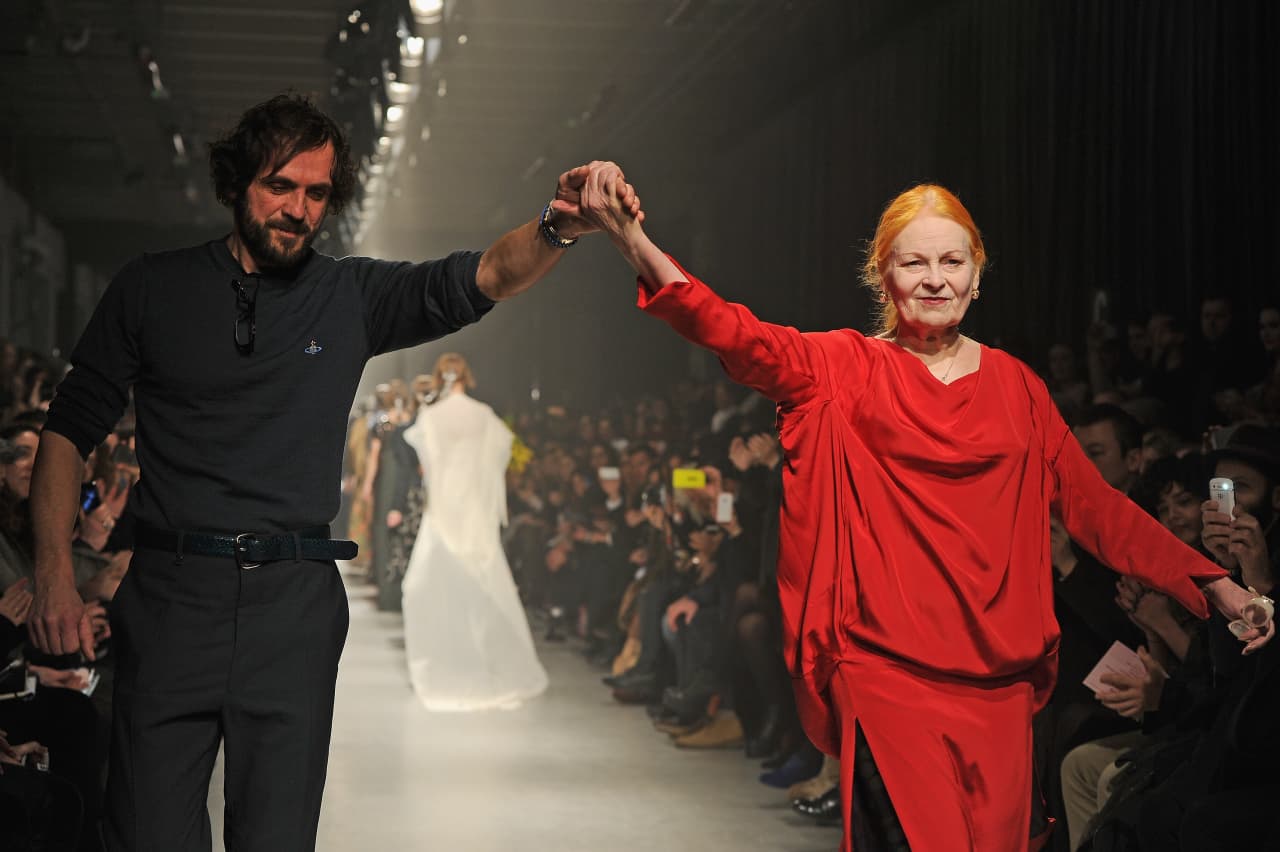
The personal wardrobe of the late fashion designer Vivienne Westwood, who is credited for introducing punk to fashion and further developing the style, is headed to auction in June.

Christie’s will hold the live sale in London on June 25, while some of the pieces will be available in an online auction from June 14-28, according to a news release from the auction house on Monday.

Andreas Kronthaler, Westwood’s husband and the creative director for her eponymous fashion company, selected the clothing, jewellery, and accessories for the sale, and the auction will benefit charitable organisations The Vivienne Foundation, Amnesty International, and Médecins Sans Frontières.

The more than 200 lots span four decades of Westwood’s fashion, dating to Autumn/Winter 1983-84, which was one of Westwood’s earliest collections. Titled “Witches,” the collection was inspired by witchcraft as well as Keith Haring’s “graphic code of magic symbols,” and the earliest piece being offered from it is a two-piece ensemble made of navy blue serge, according to the release.

“Vivienne Westwood’s sense of activism, art and style is embedded in each and every piece that she created,” said Adrian Hume-Sayer, the head of sale and director of Private & Iconic Collections at Christie’s.

A corset gown of taupe silk taffeta from “Dressed to Scale,” Autumn/Winter 1998-99, will also be included in the sale. The collection “referenced the fashions that were documented by the 18th century satirist James Gillray and were intended to attract as well as provoke thought and debate,” according to Christie’s.

Additionally, a dress with a blue and white striped blouse and a printed propaganda modesty panel and apron is a part of the wardrobe collection. The dress was a part of “Propaganda,” Autumn/Winter 2005-06, Westwood’s “most overtly political show” at the time. It referenced both her punk era and Aldous Huxley’s essay “Propaganda in a Democratic Society,” according to Christie’s.

The wardrobe collection will be publicly exhibited at Christie’s London from June 14-24.

“The pre-sale exhibition and auctions at Christie’s will celebrate her extraordinary vision with a selection of looks that mark significant moments not only in her career, but also in her personal life,” Hume-Sayer said. “This will be a unique opportunity for audiences to encounter both the public and the private world of the great Dame Vivienne Westwood and to raise funds for the causes in which she so ardently believed.”

Westwood died in December 2022 in London at the age of 81.

A Dramatic London Home in a Former Chapel That Starred in ‘Call the Midwife’ Is Renting for £39,000 per Month

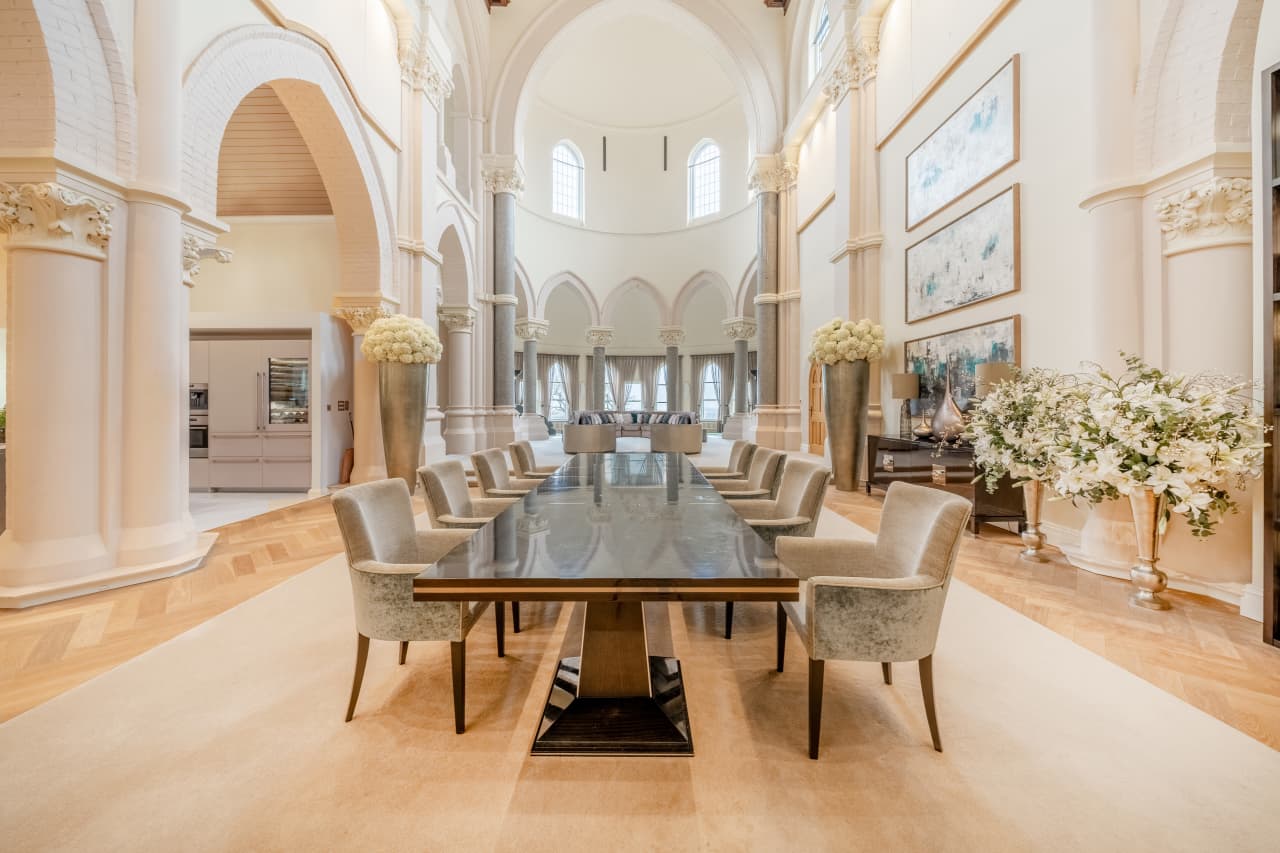
A unique home on the outskirts of London within a former chapel that had a starring role in the hit TV series “Call the Midwife” is on the rental market for £39,000 (US$48,568) per month.

The four-bedroom home was carved out of St Joseph’s Missionary College, which, founded in 1871, trained young Catholic priests to work as missionaries abroad, according to listing agency Dexters.

Before its conversion to a lavish private residence, the college’s chapel had a starring role as nursing convent Nonnatus House in the first two seasons of the feel-good BBC show, which focuses on a church-funded midwifery in the 1950s and 1960s, based on the bestselling memoirs of Jennifer Worth, a former London nurse.

When the historic college was sold for redevelopment in 2013, and production of “Call The Midwife” transferred to a studio set, the chapel—along with the rest of the building—was born again.

The home is part of the former St Joseph’s Missionary College, now a gated development.
Dexters

Still going by the apt moniker of the Chapel, the home is the centrepiece of the site, which is now a gated development known as St Joseph’s Gate, said Dexters, which brought the home to the market in late February.

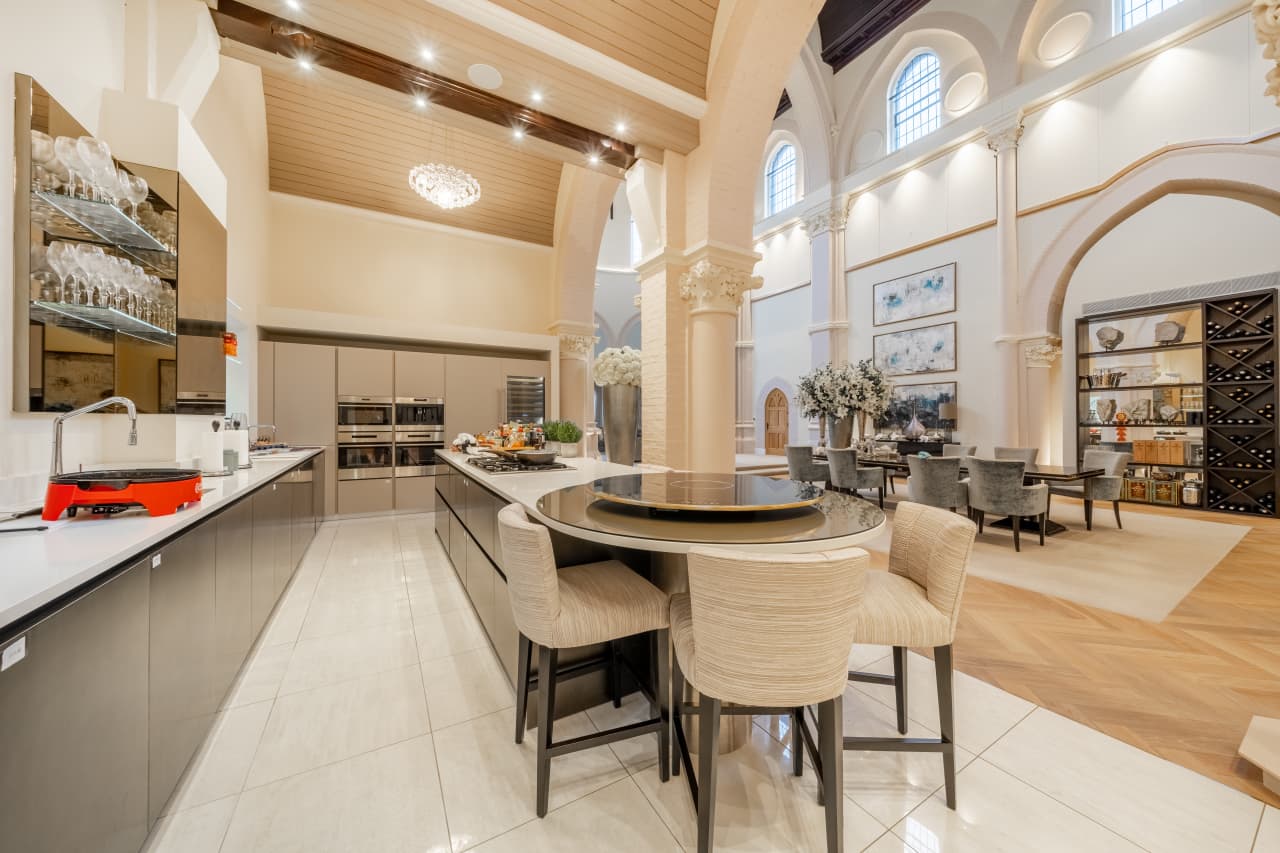
The home spans almost 10,000 square feet and “blends historic architecture, soaring open plan living spaces and every possible contemporary comfort,” said Andy Christophi, director of Dexters Finchley.

The chapel’s nave is now the dramatic heart of the home, complete with a 45-foot high vaulted timber ceiling.

Dexters

The vast open-plan area—which also has columns and gothic-style arches—has a handcrafted kitchen, temperature-controlled wine storage, a curved living area with Victorian windows and enough space to easily host 30 at a dinner table, the listing said.

Above, a mezzanine bedroom has been constructed to appear as though floating above the main living area below.

The home also has a gym, a spa area with a sauna and steam room, and a media room.

“Perfect for a family that loves to entertain, its use as a filming location…makes it particularly iconic, and means you’ll never run out of dinner party conversation,” Christophi said.

Rediscovered John Lennon Guitar Heads to Auction, Expected to Set Records

Lost for decades, an acoustic guitar John Lennon used at the height of the Beatles’ fame is going up for auction after being found in the attic of a home in the British countryside.

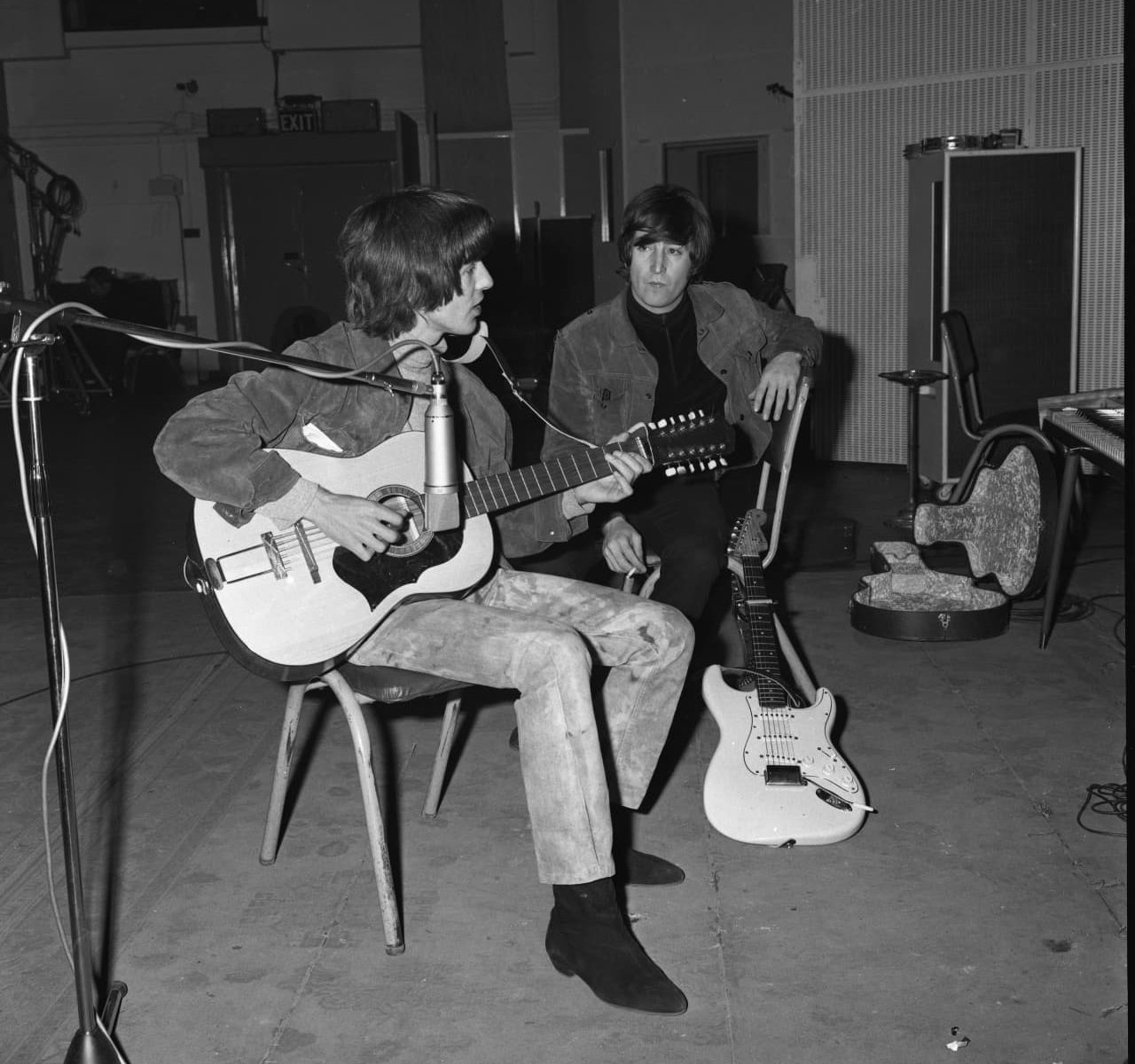
The 1965 Framus Hootenanny is arguably one of the most historically important guitars in the history of the Beatles, and was used on some of the group’s classic songs and played by Lennon in the movie Help! , released the same year.

The 12-string acoustic guitar will headline Julien’s Auctions Music Icons event on May 29 and 30 at the Hard Rock Cafe in New York, the auction house announced Tuesday morning in London.

Darren Julien, the firm’s co-founder and executive director, expects the Framus to exceed its presale estimate of between US$600,000 and US$800,000 and says it could set a new record for the highest-selling Beatles guitar, a record his auction house set nearly a decade ago.

The guitar was found earlier this year.
Rupert Hitchcox/Julien’s auctions

“Julien’s sold a John Lennon [Gibson J-160E] guitar in 2015 for US$2.4 million, and because this, historically speaking, is a more significant guitar, our expectation is that this guitar—played by John Lennon and George Harrison on the Help! album and other recordings—will be in the top five most expensive guitars ever sold at auction,” Julien says. “It’s likely the last chance for someone to buy and personally own an iconic John Lennon/George Harrison guitar.”

While equating its discovery to that of a “lost Rembrandt or Picasso,” Julien believes this is the greatest find of a Beatles guitar since Paul McCartney ’s lost 1961 Höfner bass, which was returned to him in February after it had been stolen in 1972.

The rediscovered Framus was famously seen in the 1965 film Help! , and was used in recording sessions for classics such as “You’ve Got To Hide Your Love Away,” “It’s Only Love” and “I’ve Just Seen A Face.” It was also played by George Harrison on the rhythm track for “Norwegian Wood” on the 1966 album Rubber Soul .

According to the auction house, by the late-1960s the guitar was in the possession of Gordon Waller of the British pop duo Peter & Gordon, who later gave it to their road managers. The instrument was recently discovered in an attic in rural Britain  where it sat forgotten and unplayed for more than 50 years. After finding the guitar in the midst of a move, the homeowners contacted Julien’s.

Along with co-founder Martin Nolan, Julien traveled to the U.K. and immediately recognised that it was the storied Help! guitar. While on the premises, they also discovered the original guitar case in the trash and rescued it. It’s an Australian-made Maton case that can be seen in photos taken of The Beatles in 1965  The sale of the guitar is accompanied by the case and a copy of the book The Beatles: Photographs From The Set of Help by Emilo Lari.

In addition to Lennon’s acoustic Gibson J-160E—which fetched three times its presale estimate—Julien’s has broken multiple Beatles records, including Ringo Starr’s Ludwig drum kit (which sold for US$2.2 million), the drumhead played on the Ed Sullivan Show (US$2.2 million), and a personal copy of the White Album , (US$790,000), all of which sold in 2015.

Julien’s also holds the record for the world’s most expensive guitar ever sold at auction: Kurt Cobain’s MTV Unplugged 1959 Martin D-18E acoustic electric guitar, which sold in 2020 for US$6 million.

More than 1,000 pieces of music memorabilia will also be part of the auction, including items used by the likes of AC/DC, Nirvana, Guns N’ Roses, Judas Priest, Heart, Queen, and Tupac Shakur.

Sartorial highlights include custom dresses worn by Tina Turner (Versace) and Amy Winehouse (Fendi), both of which are expected to sell for between US$4,000 and $6,000, and Michael Jackson’s stage-worn “Billie Jean” jacket from 1984’s Victory Tour (presale estimate: US$80,000 to $100,000).

Bidders will have the chance to buy items benefitting a pair of U.K. charities. Several collectibles from The Who and other British musicians will be sold to benefit the Teenage Cancer Trust, and an assortment of memorabilia—ranging from a Stella McCartney dress worn by Helen Mirren and an Armani jacket stage-worn by Phil Collins to artwork created and signed by Pierce Brosnan—will be offered to help fund the King’s Trust.

Rounding out the two-day auction is Randy Bachman’s collection of more than 200 museum-quality guitars. Known for his role in The Guess Who and Bachman-Turner Overdrive, the Canadian rock star used the instruments on hits such as “These Eyes,” “Takin’ Care of Business,” “You Ain’t Seen Nothin’ Yet,” and “American Woman.”

The public can view the Help! guitar and other auction highlights at Hard Rock Cafes in London (April 23-29) and New York City (May 22-28).