





Boutique mountain retreat loved by celebrities on the market
This award-winning retreat on Tamborine Mountain blends country-chic design, VIP pedigree and serious earning potential in Queensland’s Scenic Rim.
 2 min
2 min


A boutique mountain retreat that has welcomed a long list of VIP guests has come to market in Queensland’s pristine Scenic Rim.
The Tamborine Mountain property, known as Verandah House Country Estate, is owned by designer Judy and Lawrence Pereira.
The couple bought the rundown B&B compound in the Gold Coast hinterland back in 2022 for $2.5 million. It was then transformed into a secluded child-free holiday spot where the high-profile guests have included the extended Irwin family, Jude Law and a bevvy of sports stars.
Listed via an expressions-of-interest campaign through Sotheby’s International Realty Main Beach agent Blake McDonald, the vast 2ha property has no official price guide. Under Queensland real estate law, agents cannot publish price estimates.
Judy Pereira, co-founder of Verandah House Interiors, has more than three decades of experience as a designer styling homes across south east Queensland, and even a private super yacht. The Pereiras are reportedly travelling and seeking out their next renovation project.
Her creative stamp on the mountain-top getaway features country-chic interiors with eight Ralph Lauren-inspired guest rooms that have fireplaces, bespoke French oak furniture, private outdoor spaces, and panoramic district views that capture Springbrook, Beechmont, Mount Warning, and the Gold Coast skyline.
The award-winning resort is famed for its spa facilities, including a day spa, an infrared barrel sauna, an ice bath, an outdoor cinema, fire pits, and expansive landscaped gardens. There is also a large pool area with an additional fire-heated cedar spa and direct access to the mountain’s walking trails, waterfalls, and nature experiences.
Additionally, the private four-bedroom main residence has 236sq m of internal living space and a communal entertainment lounge in a purpose-built barn, which comes complete with a cocktail bar and covered barbecue area.
Beyond the guest and owner accommodation, added investment in hidden infrastructure includes new septic systems, upgraded water tanks and filtration, the planting of more than 60 trees and manicured lawns.
Verandah House Country Estate received an industry gong last year, winning the 2024 Travellers Awards and a Booking.com guest award for its consistent 9.8 rating.
The owners dish up a private chef, complimentary minibars, custom picnics, and high tea. It has also earned its stripes as a romantic venue for weddings and proposals. Nightly suite rates average more than $1000 in high season.
Positioned within the Scenic Rim – named by Lonely Planet as one of the world’s top destinations in 2022 – Verandah House Country Estate is approximately 30 minutes to the Gold Coast and is surrounded by a thriving food and wine scene.
Verandah House Country Estate at 13-17 Munro Court, Tambourine Mountain is listed with Blake McDonald of Sotheby’s International via an expressions of interest campaign.

Two coming 2027 models – the first of the “Neue Klasse” cars coming to the U.S. early next year – have been revealed.

A&K Sanctuary unveils Kitirua Plains Lodge, a sustainability-focused luxury property shaped by landscape, local craft and contemporary safari architecture.

After half a century in the same hands, The Palladium blends Art Deco heritage, cinematic history and beachfront living in one extraordinary offering.
3 min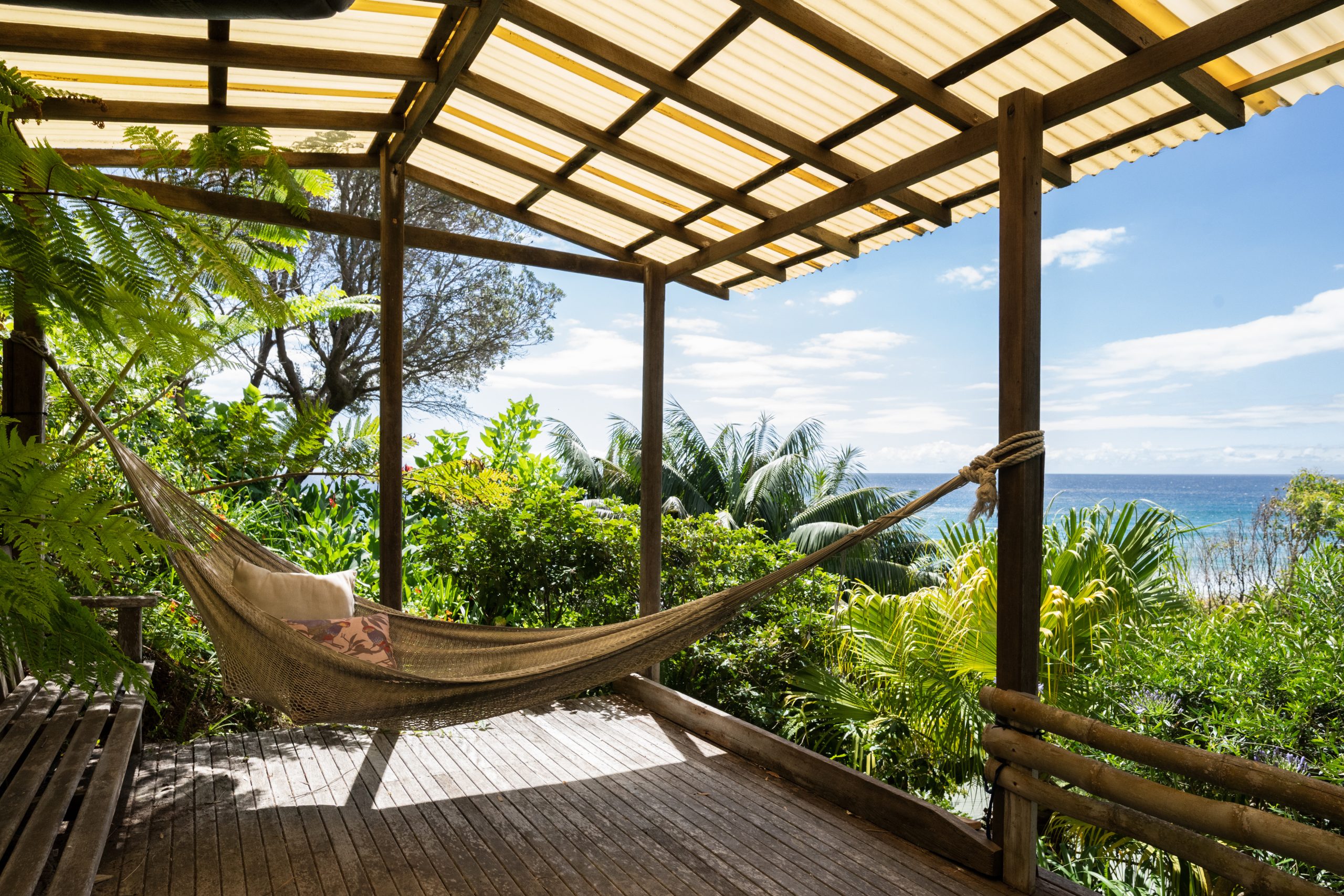
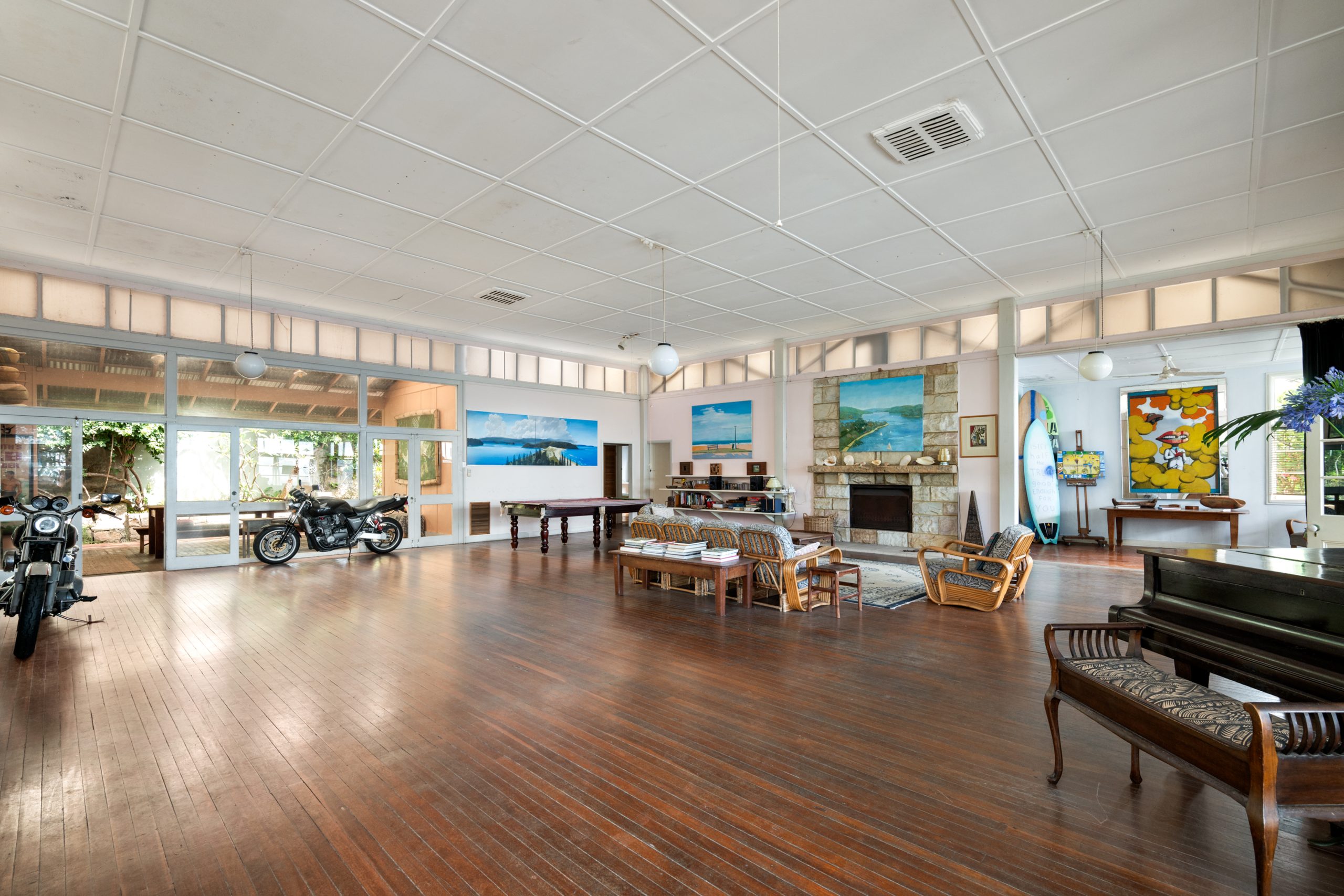
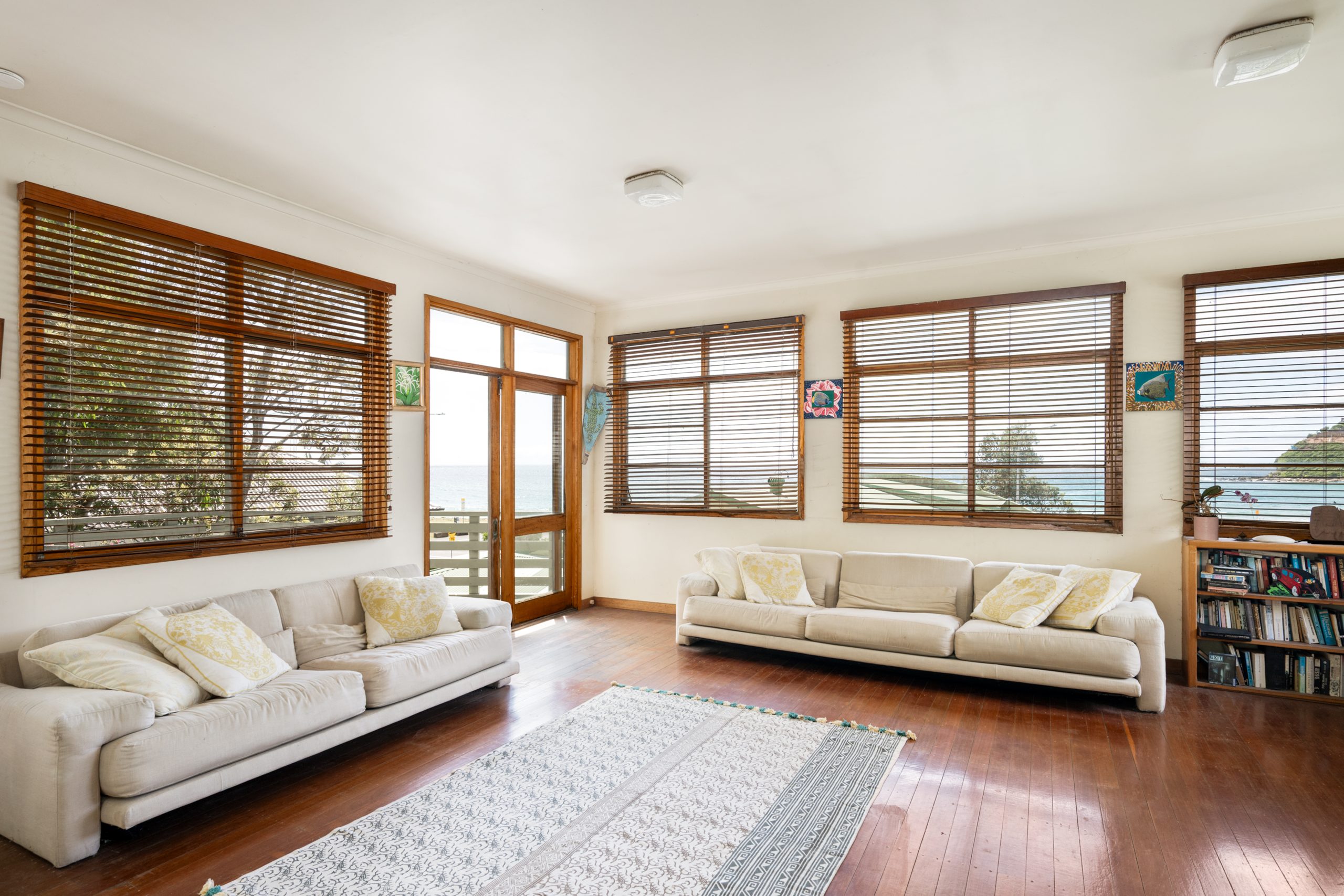
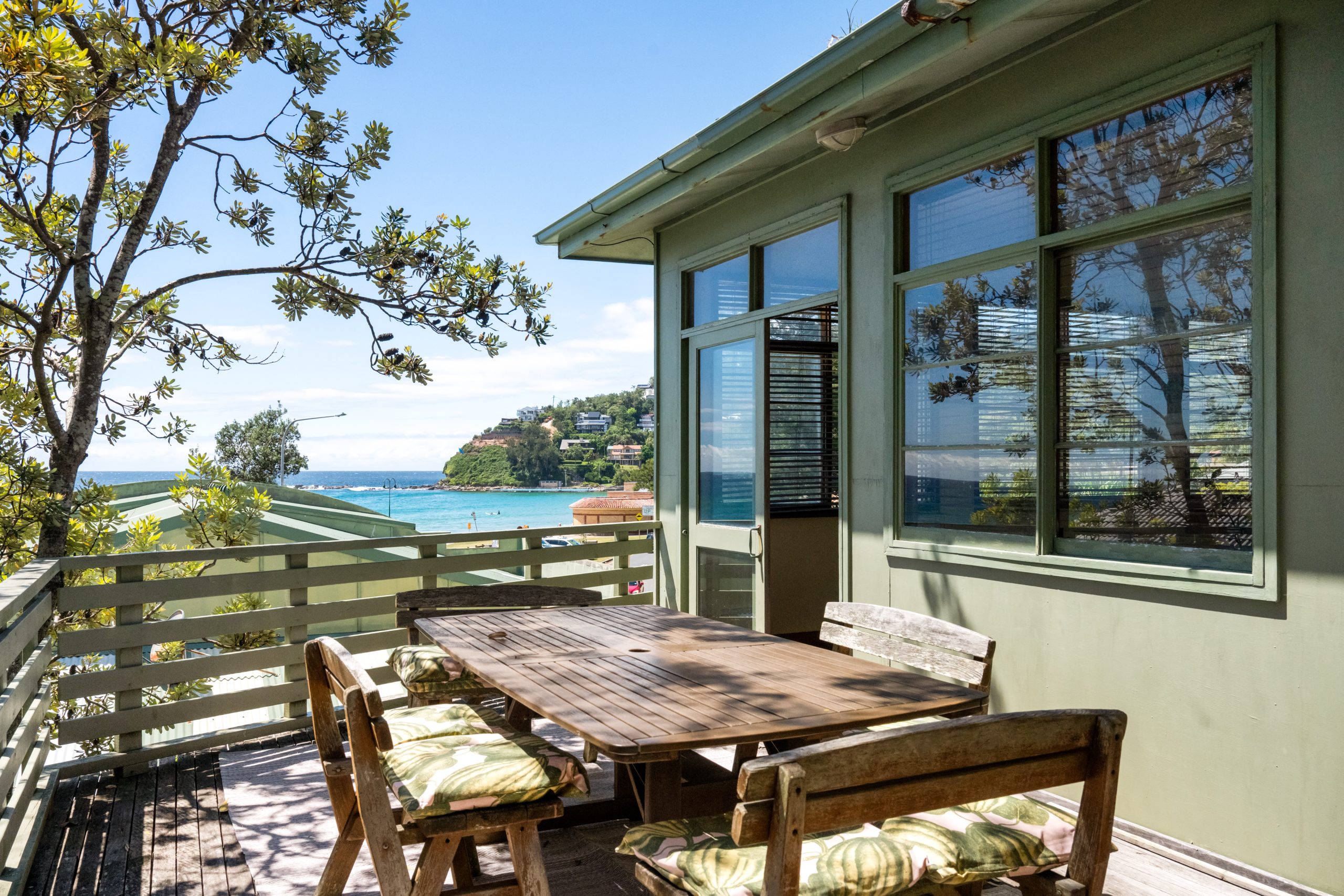
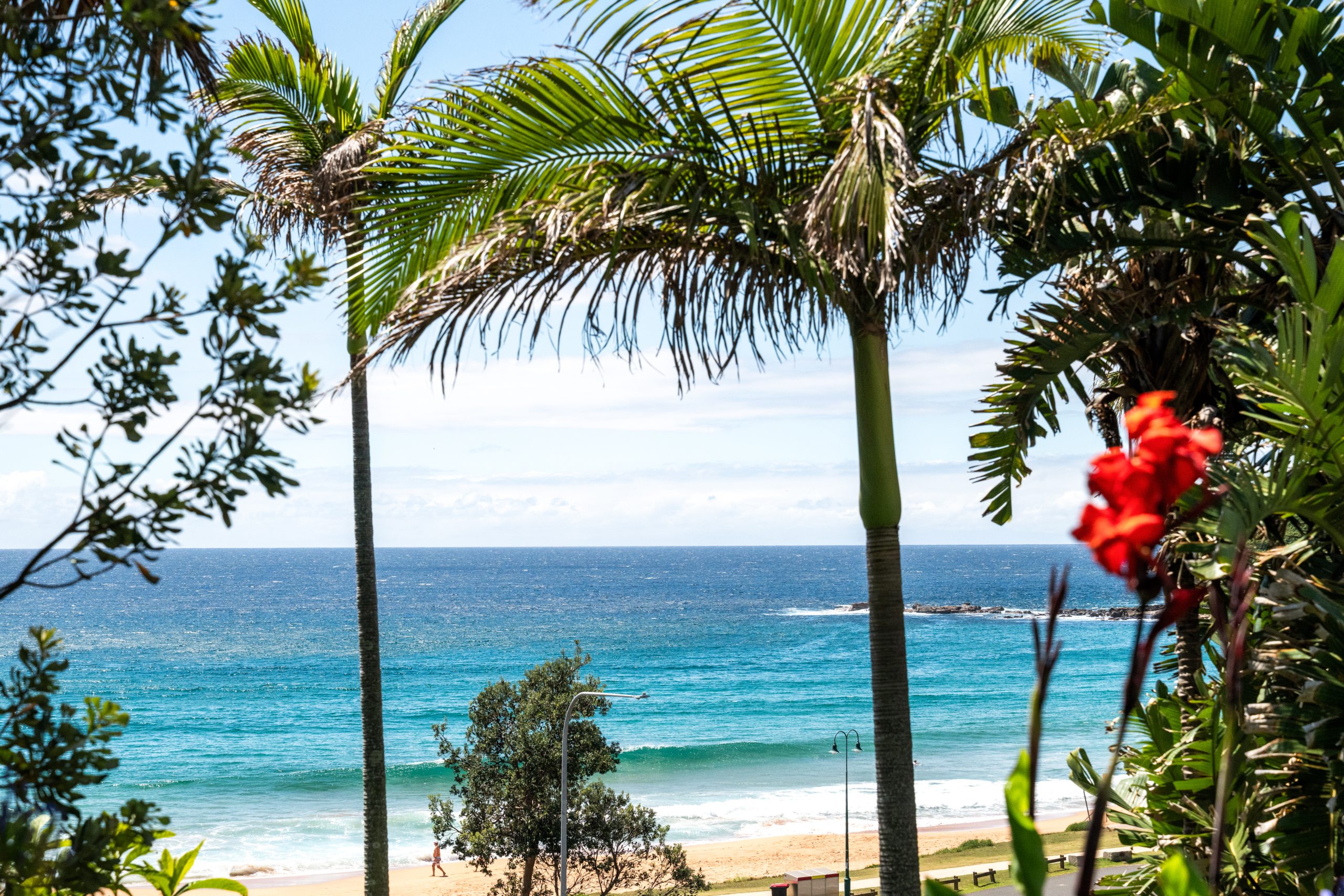
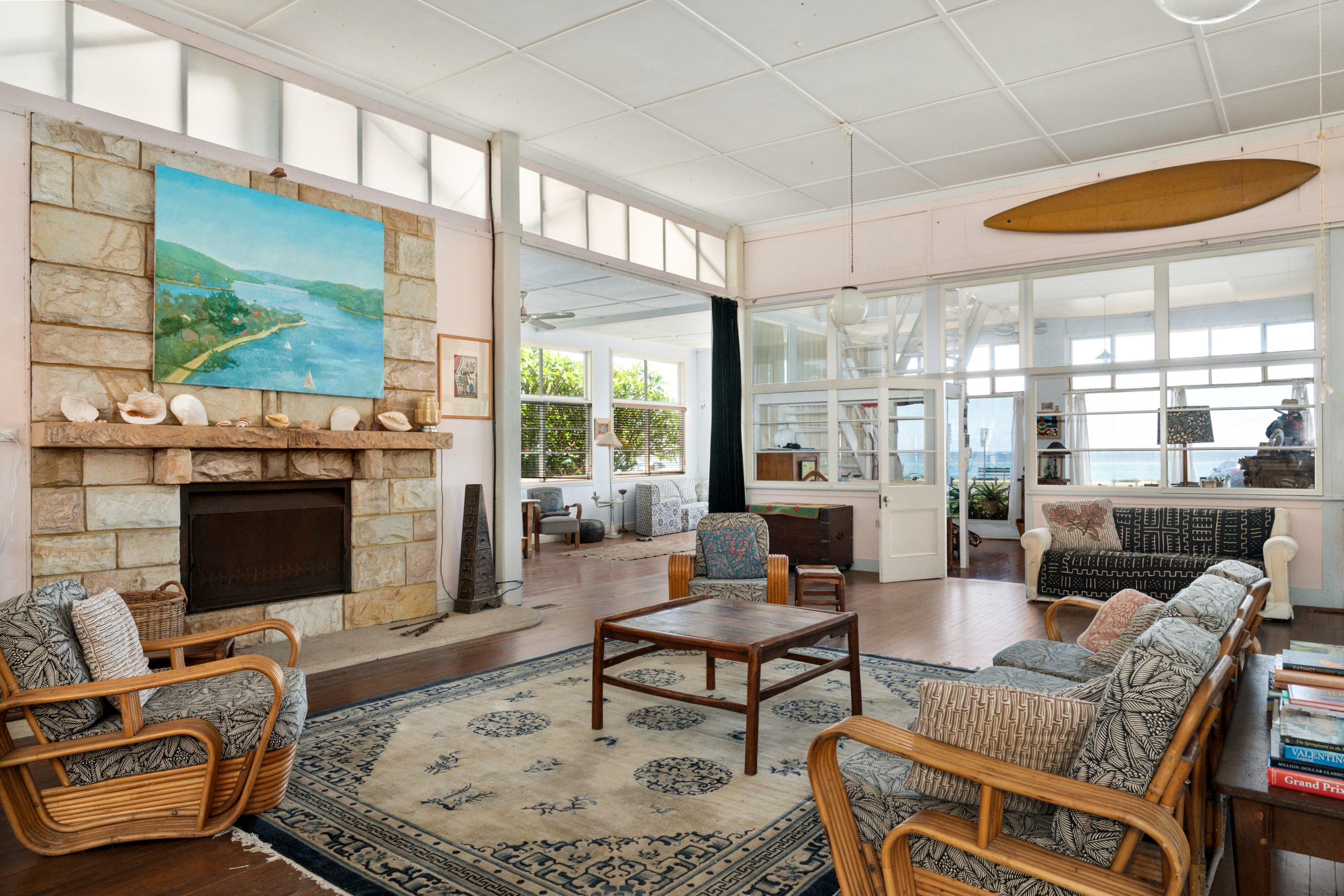
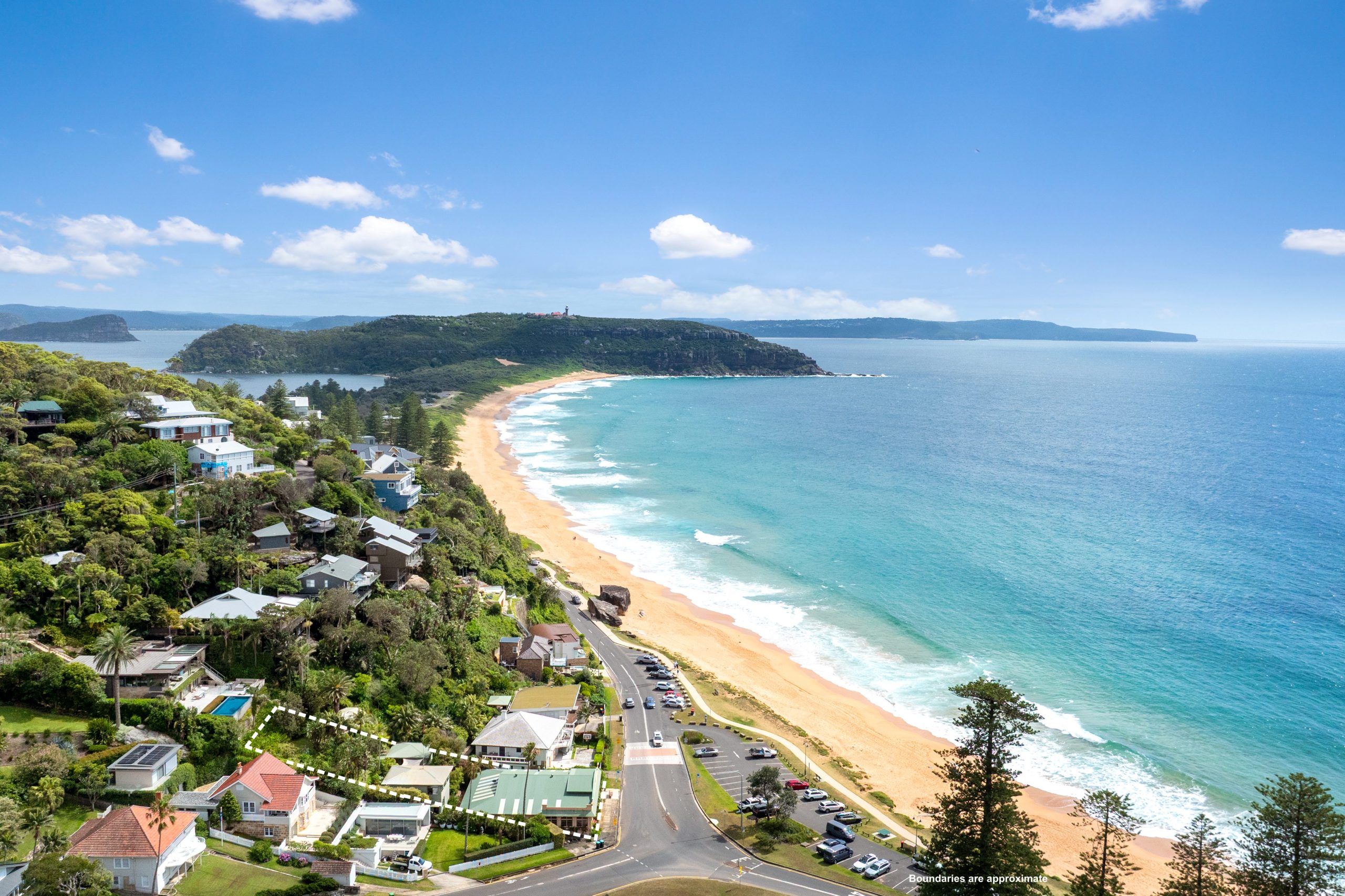
In Sydney’s Northern Beaches, there are plenty of homes with a multimillion-dollar view and an enviable position close to the sand.
This unique listing has all that, but it has also earned its page in the local history books.
After 50 years in the same hands, The Palladium in Palm Beach—once a famed dance hall, then a restaurant, a private residence, and an artists’ studio—is now back on the market with a price hopes of $13.5 million through BJ Edwards and David Edwards of LJ Hooker Palm Beach.
Positioned in a rare corner spot where Ocean Rd meets Palm Beach Rd, The Palladium has been front and centre observing the famous sandy stretch for almost a century.
Built in the early 1930s, the Art Deco building was originally conceived as a vibrant community dance hall; the “it” place to be for young folk during Sydney’s thriving interwar period.
Often the dances were held to raise money for the Palm Beach Surf Life Saving Club, and newspaper reports of the time told of rowdy parties lasting until the early hours, bootleg liquor arrests, and where shorts and sandals—or even pyjamas—were scandalously worn by “both sexes”.
Over the decades, The Palladium has worn many hats.
By 1943, the original owner, Joseph Henry Graham, had defaulted on his loan, and a mortgagee sale reportedly sold the building for £1550, which translates to about $137,000 today. It later became a dining space and a general store run by the Milton family. In the 1960s and early 1970s, the property was also home to the Blue Pacific Restaurant.
The current owners acquired the keys in 1976 when it began its next chapter as a creative hub. One of today’s vendors, filmmaker David Elfick, who has been a filmmaker and producer on such films as Newsfront and Rabbit-Proof Fence, has told stories of a free-spirited creative hub that has been used for film sets, to store numerous movie props, as editing rooms, to hold countless parties and has even hosted visiting members of the Royal Shakespeare Company.
From its famed beachside soirees to its grassroots film club nights, the venue has become woven into the cultural fabric of Palm Beach.
Today, that rich history has been reimagined into a coastal home that honours its past while embracing contemporary beachside living.
Built in a unique architectural style known as streamline moderne, the aeroplane hangar-like building reflects the era’s fascination with air travel, mass transport, and modernity. The facade is defined by a sweeping curved roofline and subtle nautical cues.
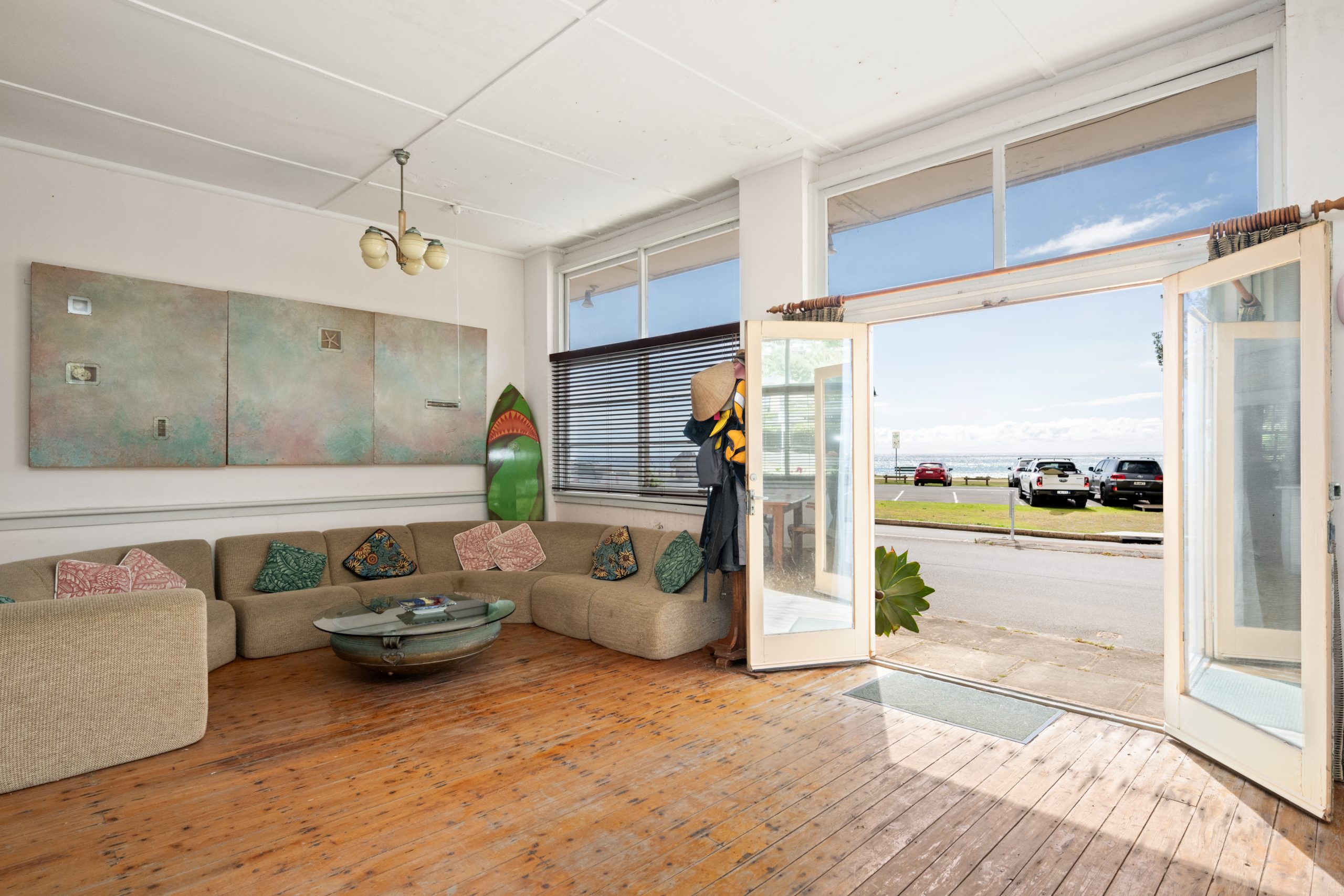
The main residence features a vast central living space framed by a number of bedrooms and sunrooms, as well as a front dining room and kitchen. In total, there are four to five bedrooms, three bathrooms and a powder room adjoining an upstairs loft space.
Big, broad windows draw in loads of natural light and provide iconic views, plus the sounds of the beach just across the road.
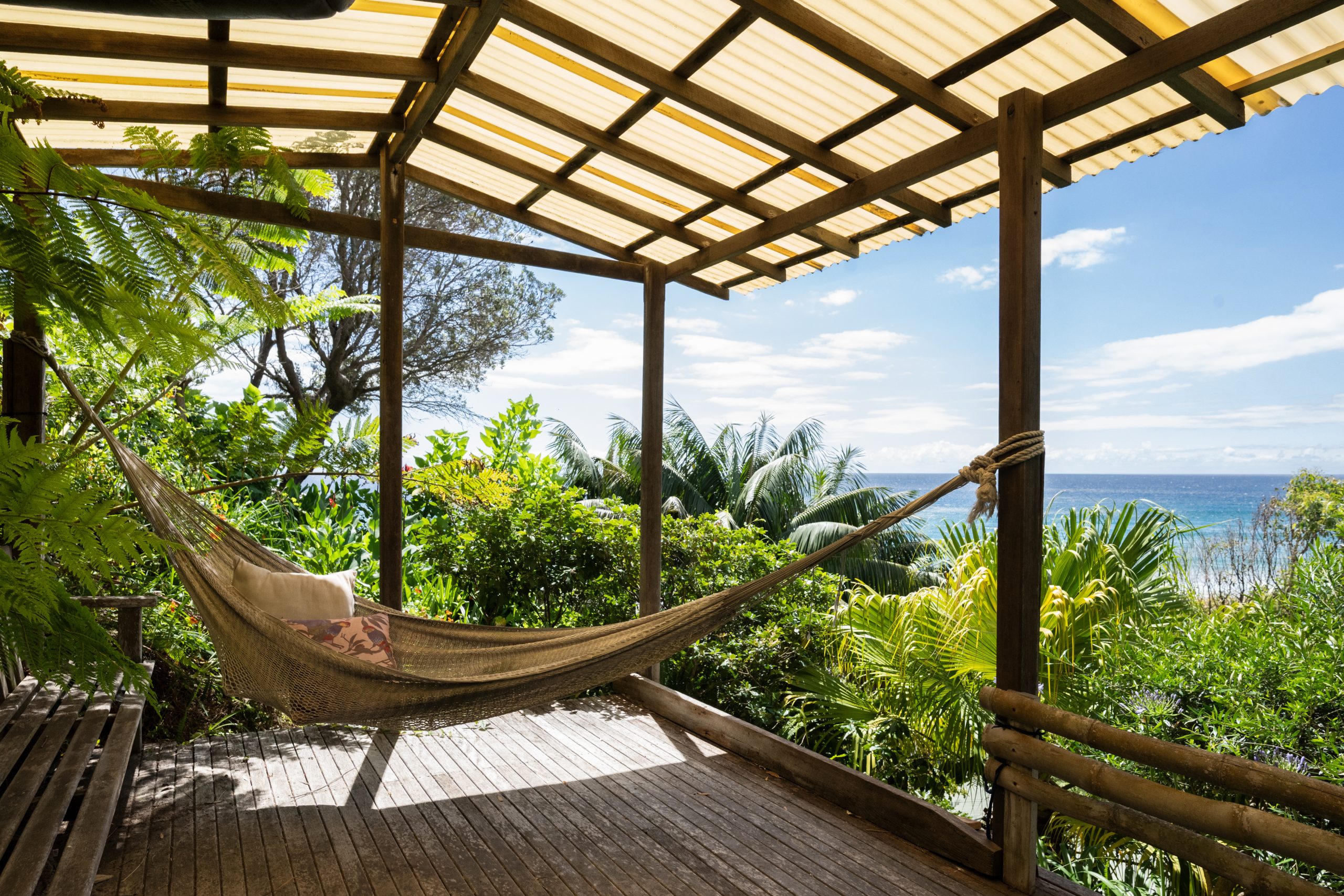
Many of the original elements remain, most fittingly the polished floors of the former dance hall. In the additional building at the back of the block, there is a separate, self-contained studio with its own bedroom, bathroom, kitchen and laundry. From its elevated deck, the outlook stretches across the full sweep of Palm Beach.
Outside, the expansive 1151sq m land parcel also features established gardens with veggie patches and standalone decks for quiet contemplation.
Sitting just across the road from the beach, the property is also within walking distance of local cafes and the surf club. Palm Beach Rock Pool is at one end of the beach, with the Palm Beach Golf Club and the water airport at the other end of the peninsula.
The Palladium and Palm Beach Studio at 16 Ocean Rd, Palm Beach are listed with BJ Edwards and David Edwards of LJ Hooker Palm Beach via a private treaty campaign with a price guide of $13.5 million.

Once a sleepy surf town, Noosa has become Australia’s prestige property hotspot, where multi-million dollar knockdowns, architectural showpieces and record-setting sales are the new normal.

Here’s how they are looking at artificial intelligence, interest rates and economic pressures.


