When art meets architecture in Tasmania
A rare design trilogy on Tasmania’s Grooms Hill Road, Triptych blends architecture, nature and privacy across two titles with sweeping water views and serious creative soul.
 2 min
2 min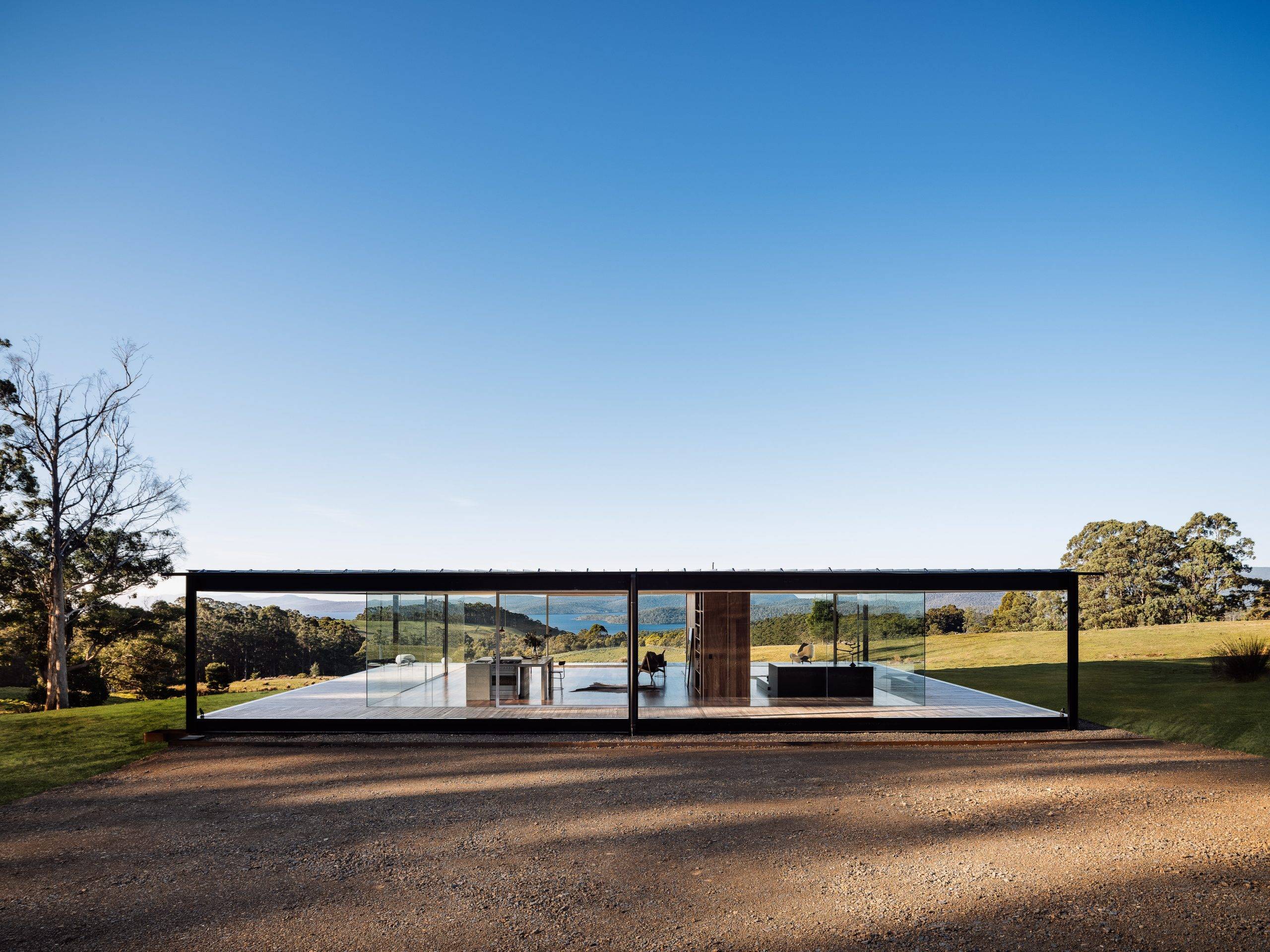
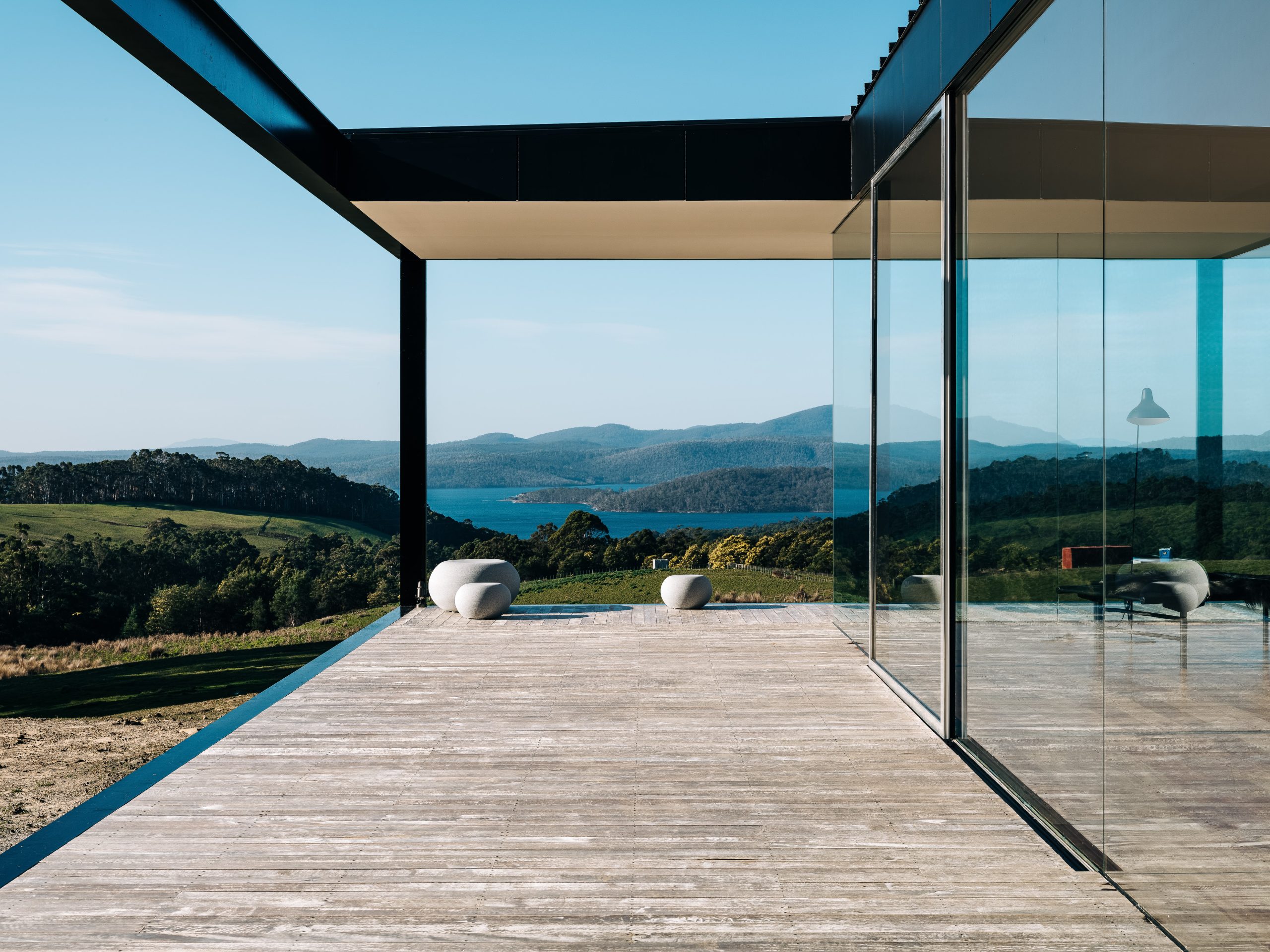
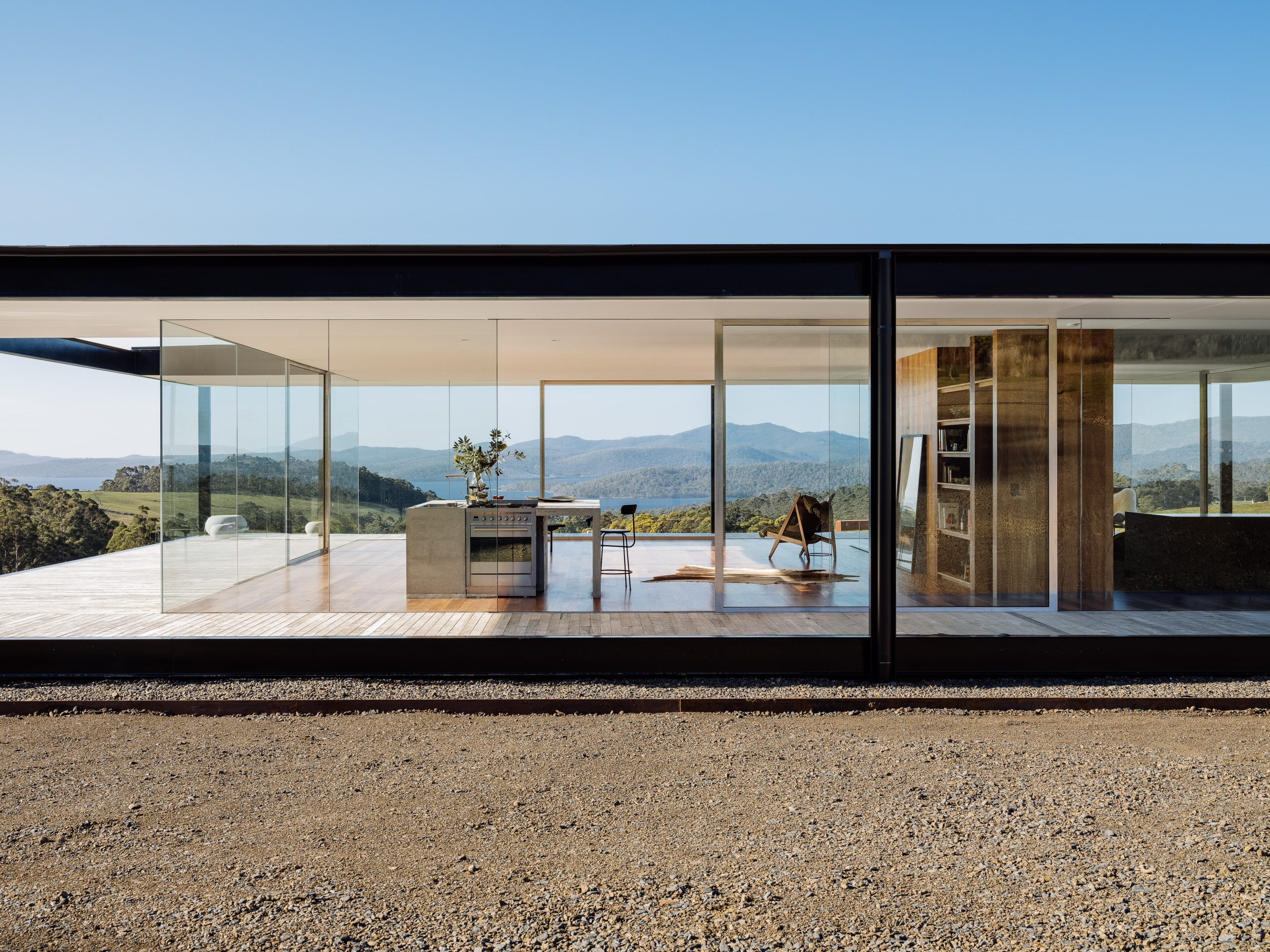
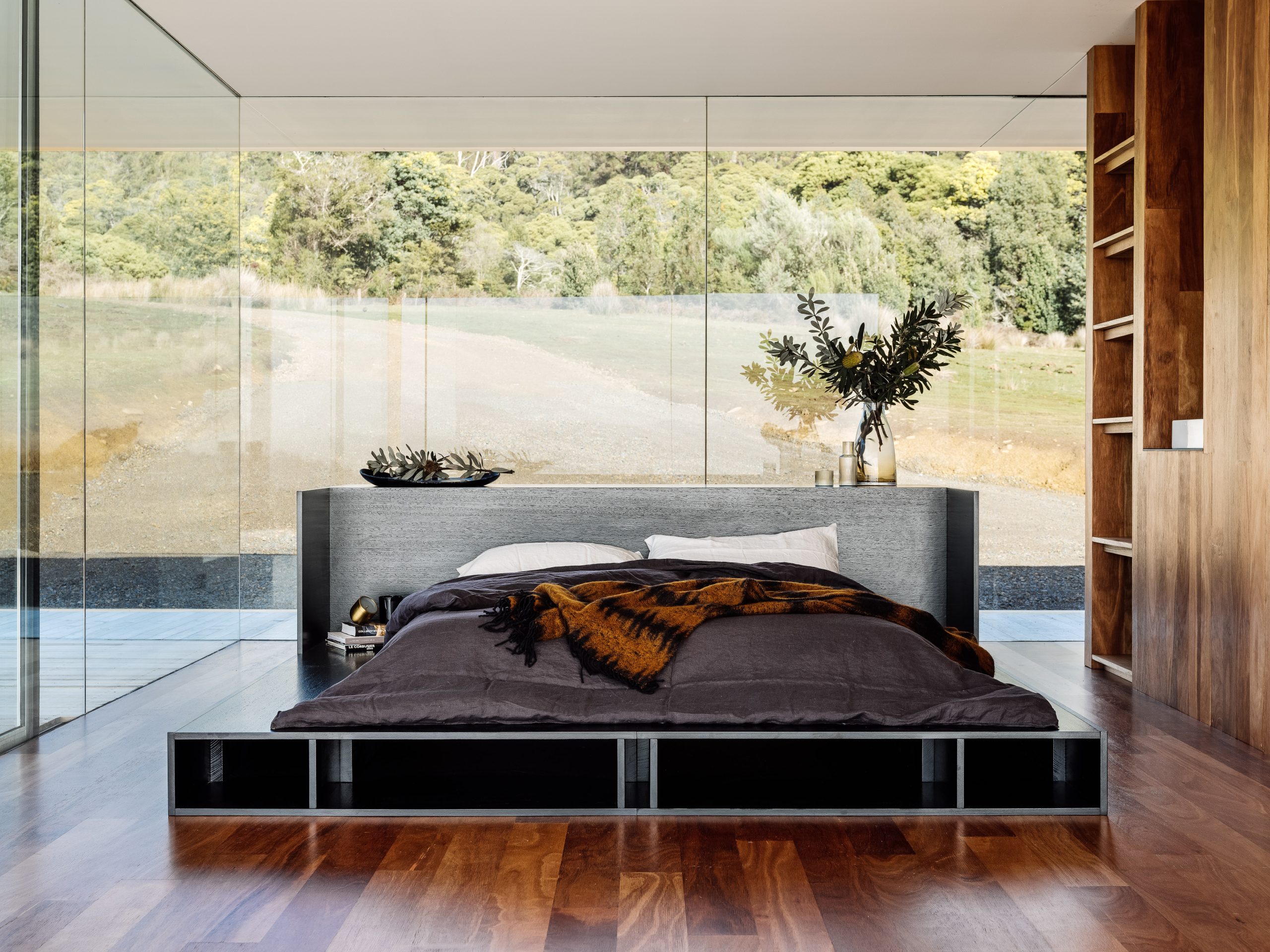
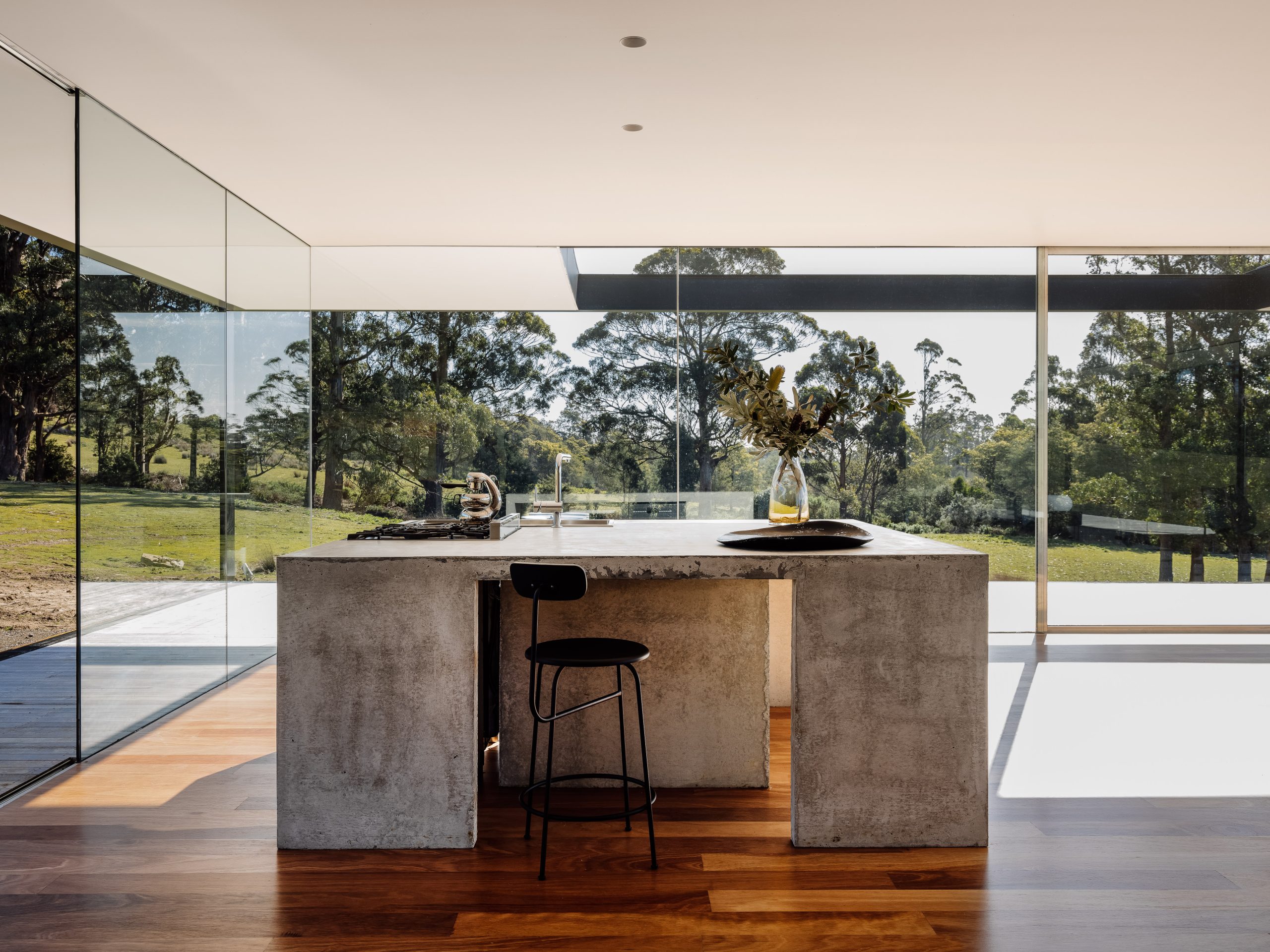
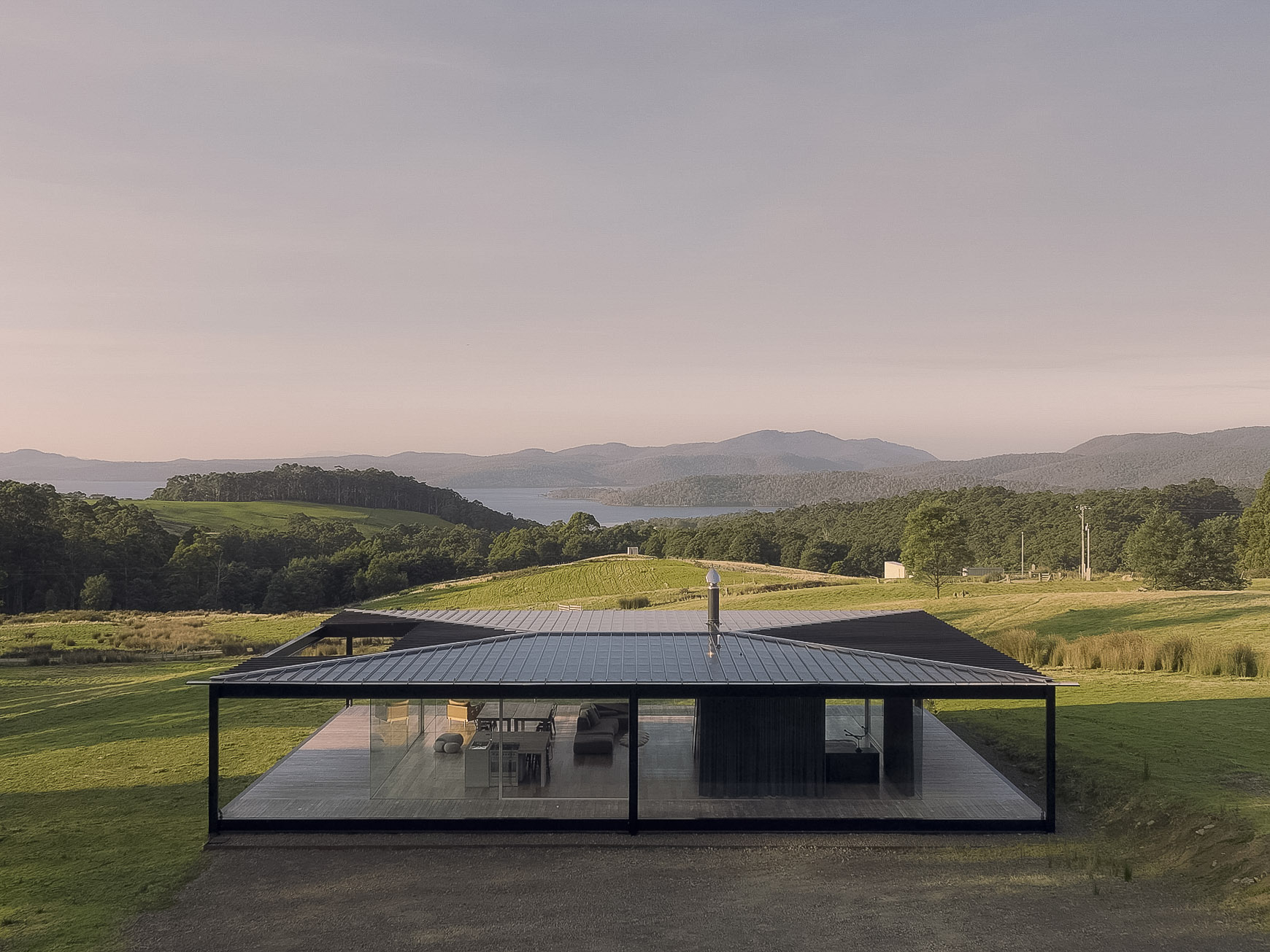
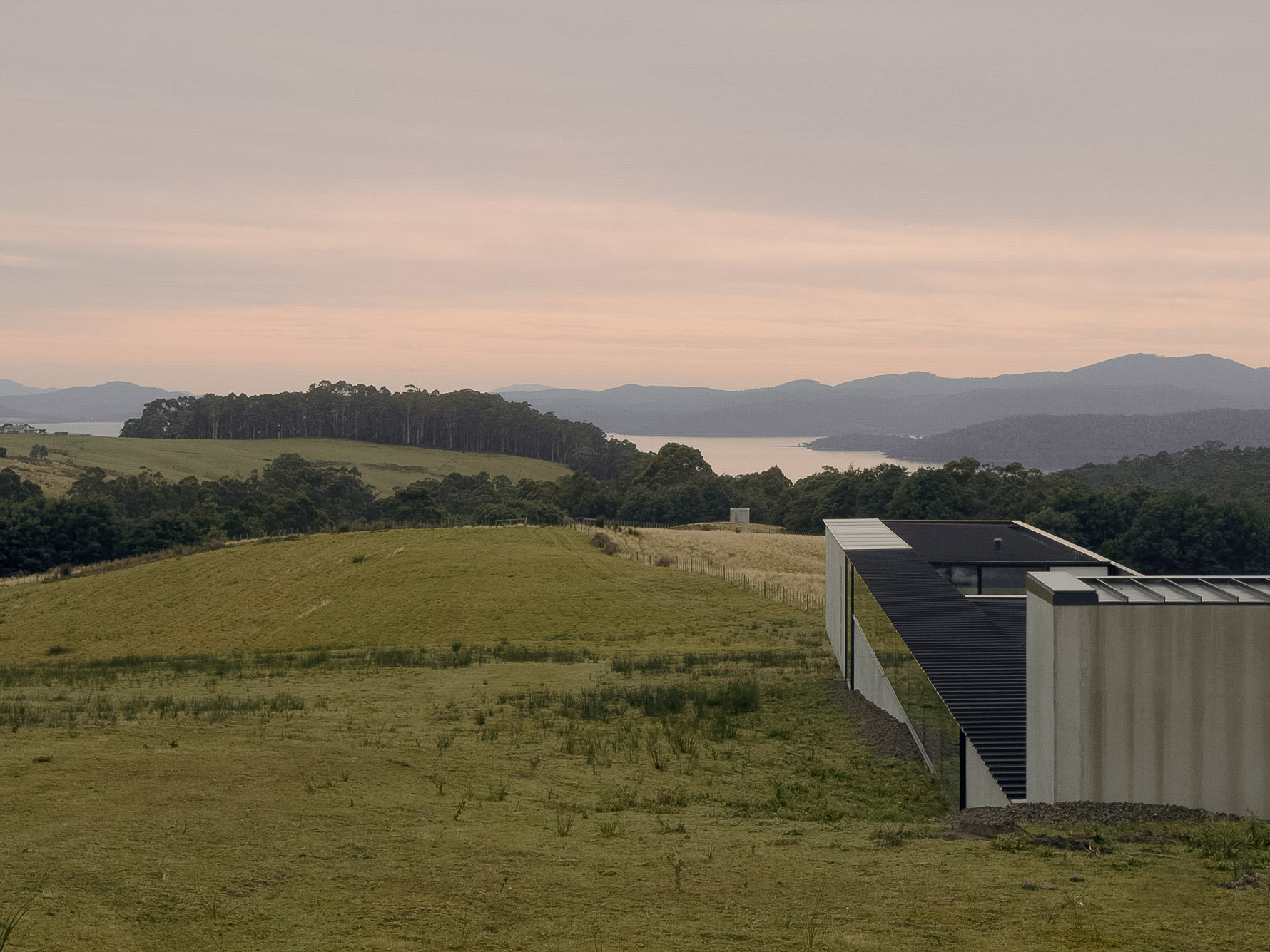
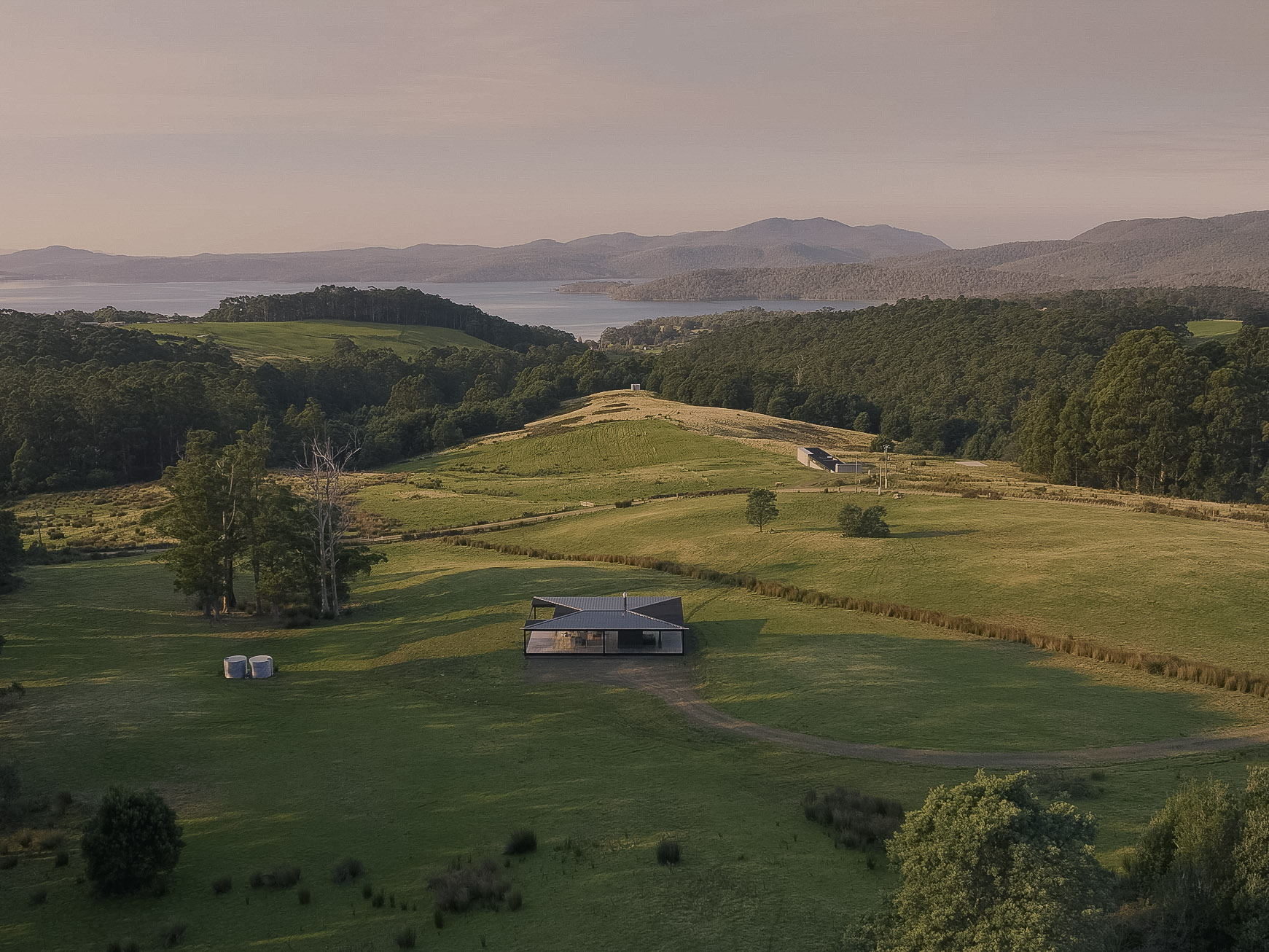
On Tasmania’s dramatic Tasman Peninsula, near Koonya, three strikingly different buildings emerge from the rugged landscape, forming a trio of structures that demonstrate how art meets architecture.
Known collectively as Triptych, this ambitious project by Room 11 Architects is more than just a contemporary residence and a guest house – it’s a conversation piece and experience rolled into one.
The unrivalled property was showcased on Season 11, Episode 1 of Grand Designs Australia and has graced the cover of Tasmania Living magazine. Triptych is fun, a little bit quirky, and a big helping of eccentric.
Completed in 2023, this rare slice of real estate, spanning more than 40 hectares in a remote part of the Apple Isle, has now come to market with price expectations of $3.5 million. It will go under the hammer on June 15, marketed through Georgie Rayner of The Agency Hobart and David Medina of Sotheby’s International Realty NSW.
Crafted by Room 11’s design duo, Thomas and Kate Bailey, Triptych was commissioned by Sydney-based art director and writer Jonathan Kneebone. He wanted a regional retreat that would not only pay homage to the land but also push boundaries and the expectations of what a country house should be.
The result is a trio of individual buildings – each with its own distinct design, offering separate purposes surrounded by the pristine wilderness.
Blunt House, the main three-bedroom residence, is almost invisible at first glance. The low-lying structure is seemingly embedded in the hillside, a concrete construction disappearing into the earth, then cantilevered out towards the horizon.
In a bold decision by the architects, the long rectangular floor plan only allows one room – the main living space – to capture the stunning ocean backdrop overlooking Norfolk Bay.
The gun barrel view of the bay beyond the rolling hills was the inspiration for the architects, who have admitted that they began with the grand window snapshot in mind and then designed “backwards”.
Upon arrival, visitors descend via a dark, leather-lined corridor before entering the iconic lounge area, which offers unparalleled views.
Each bedroom is unique, with one featuring sheep skin-lined walls, while another has “upside down” windows best experienced when lying down on the bed.
The primary bathroom features a bath that is recessed into the floor, with mirrors embedded under the vanity for a distinctive perspective on the landscape, while soaking in the tub.
Packed with bespoke design elements created to withstand the elements, the main house’s brutalist concrete walls are punctuated by a custom ventilation system that harnesses the cross-flow from prevailing northerly and southerly winds, without interrupting the aesthetic.
A second building, known as The Glass House, is a one-bedroom guest pavilion perched higher on the sloping block, offering an entirely different experience to the main house. It has 360-degree views and walls of glass with almost nowhere to hide.
Finally, the third structure is The Folly, a mysterious cube with a rust-like Corten steel door opening to reveal what appears to be an old silo, but in actual fact, is a purpose-built contemplative space hiding a shallow reflective pool that simply mirrors the sky above.
The two designer residences on separate 20ha titles are 3.5 km from the coastal town of Koonya, 18 km from Port Arthur and 90 km from Hobart.
Triptych at 67 & 75 Grooms Hill Rd, Koonya is listed for sale with Georgie Rayner from The Agency Hobart and David Medina of Sotheby’s International Realty. The price guide is “more than” $3.5 million, and the auction is scheduled for July 14.
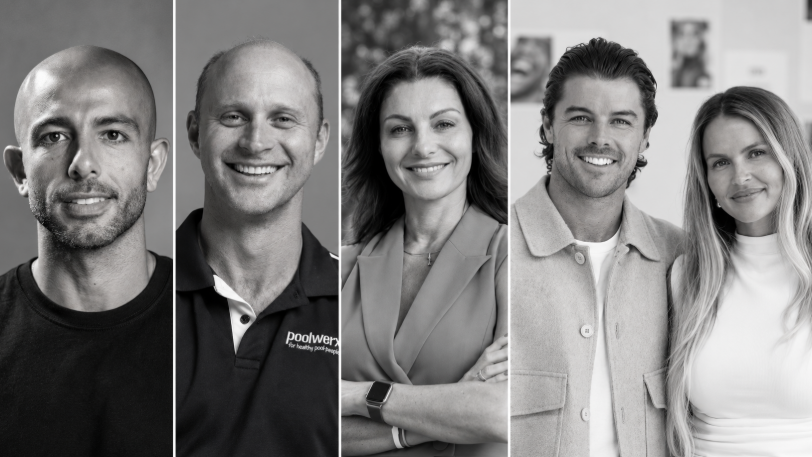
From making unpopular decisions to learning when to listen, leaders from five businesses reveal what nobody prepared them for — and how running a company has challenged their expectations.

Technology and semiconductor shares fell sharply as investors questioned the debt financing the AI infrastructure boom and confronted higher rates and Chinese competition.

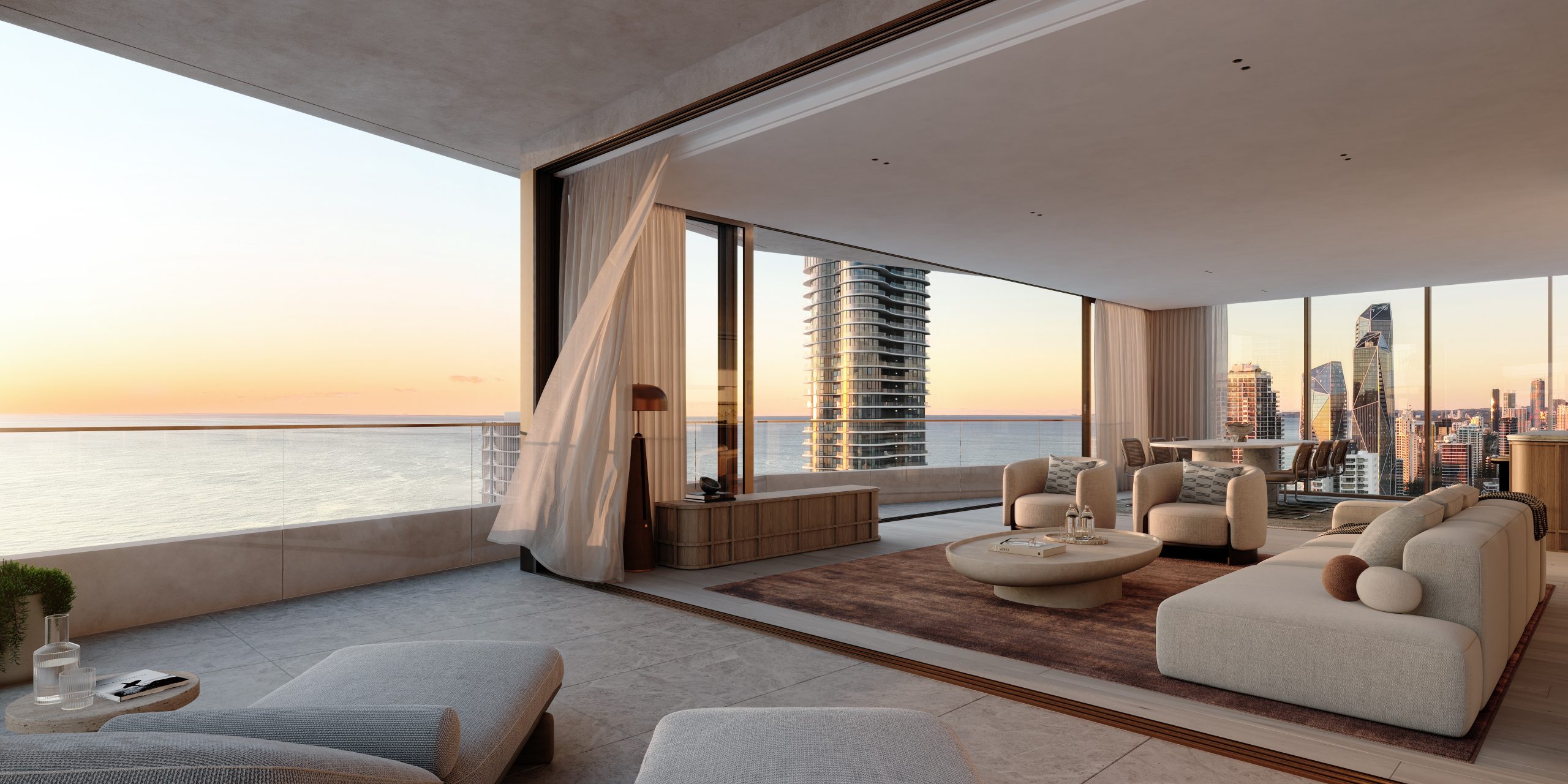
Mirvac’s 45-level Trielle has topped out at Yarra’s Edge, pairing riverfront apartments with wellness facilities, private dining and resident services.
3 min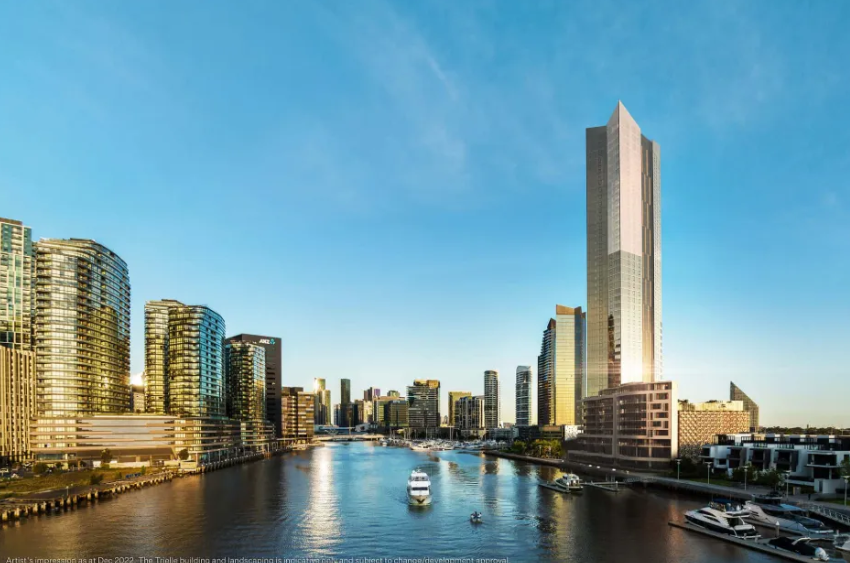
Mirvac has topped out Trielle at Melbourne’s Yarra’s Edge, with more than 70 per cent of the riverfront development sold and approximately 80 per cent of purchasers intending to make their apartment a home.
The figures, released on September 22, point to an owner-occupier audience for one of the precinct’s final residential towers. Mirvac began developing Yarra’s Edge in 2003, and its latest addition occupies one of the remaining absolute riverfront sites.
Mirvac CEO of Development Stuart Penklis said existing residents were among those moving up within the neighbourhood.
“Many purchasers already have a connection to Yarra’s Edge,” Mr Penklis said, describing buyers whose changing needs were encouraging an upgrade within the precinct.
“As one of the final residential towers within Yarra’s Edge, Trielle represents the culmination of more than two decades of creating one of Melbourne’s most established and sought-after waterfront communities,” Penklis said.
“Positioned on the Collins Street axis with absolute river frontage, Trielle offers residents a rare opportunity to enjoy sweeping views across the Yarra River, Melbourne skyline and Port Phillip Bay, while remaining seamlessly connected to the CBD. With Trielle now more than 70 per cent sold, we’re continuing to see strong demand from buyers seeking quality homes in established locations.”
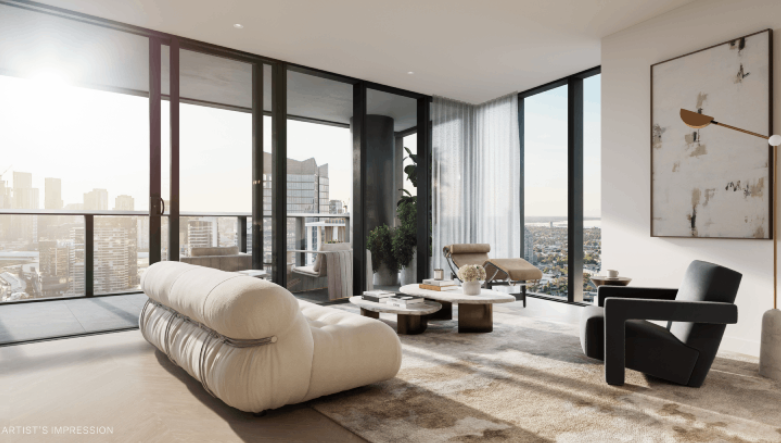
The developer also flagged a penthouse and sub-penthouse collection with larger layouts, premium finishes and broad outlooks. The planned wellness centrepiece, The Oasis, encompasses a 900-square-metre elevated urban rainforest.
Mirvac General Manager Residential Development Victoria Elysa Anderson said Trielle had resonated strongly with buyers seeking a rare lifestyle offering in Melbourne.
“Opportunities to secure a new luxury residence on a riverfront site of this calibre are incredibly rare, particularly within a community like Yarra’s Edge,” Anderson said.
“What makes Trielle unique is the combination of exceptional views, world-class residential facilities and the lifestyle that already exists around it. Residents are buying into a mature waterfront community with parks, promenades, dining, wellness and strong community connections already in place.”
The 45-level tower brings a substantial new presence to that waterfront. Its residential offering spans one-, two-, three- and four-bedroom apartments, with Signature, Prestige and Sub-Penthouse collections accommodating different household sizes. The north-facing position connects the apartments visually to the river and city beyond.
Seven storeys above the promenade, the planned Oasis combines planting and a running stream with a Scandinavian-inspired wellness club developed with spa specialist Naomi Gregory. Facilities include a 25-metre lap pool, hot magnesium pool, sauna, hydrotherapy, a gym, yoga and Pilates room, and treatment spaces.
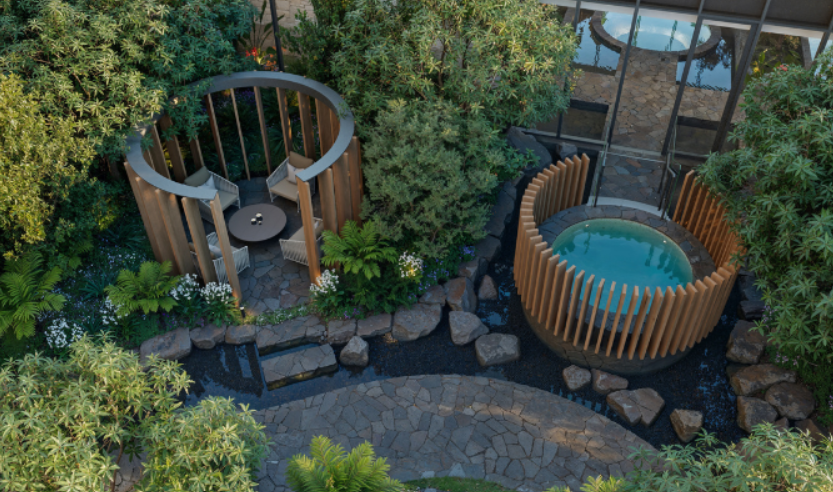
The amenity extends beyond exercise. Residents will have access to The Biblioteca library and workspaces, ground-floor work pods, and The Salone piano lounge. A private Chef’s Table dining room offers a setting for larger gatherings, while a cinema, games room and sports lounge broaden the entertaining options. Concierge services and a dog-wash area support everyday routines.
Trielle comprises a collection of one, two, three and four-bedroom residences. Reflecting strong demand from owner occupiers, approximately 80 per cent of purchasers to date intend to live in their homes, highlighting the project’s appeal to those seeking a long-term waterfront lifestyle.
Mirvac has recently delivered The Albertine, a premium apartment development on the edge of Melbourne’s CBD, and is nearing completion of Prince & Parade in Brunswick, further strengthening its portfolio of thoughtfully designed apartment communities in some of Melbourne’s most sought-after urban locations.

From Italy’s $93,000-a-night villas to a $20,000 Bowral château, a new global ranking showcases the priciest Airbnbs available in 2026.
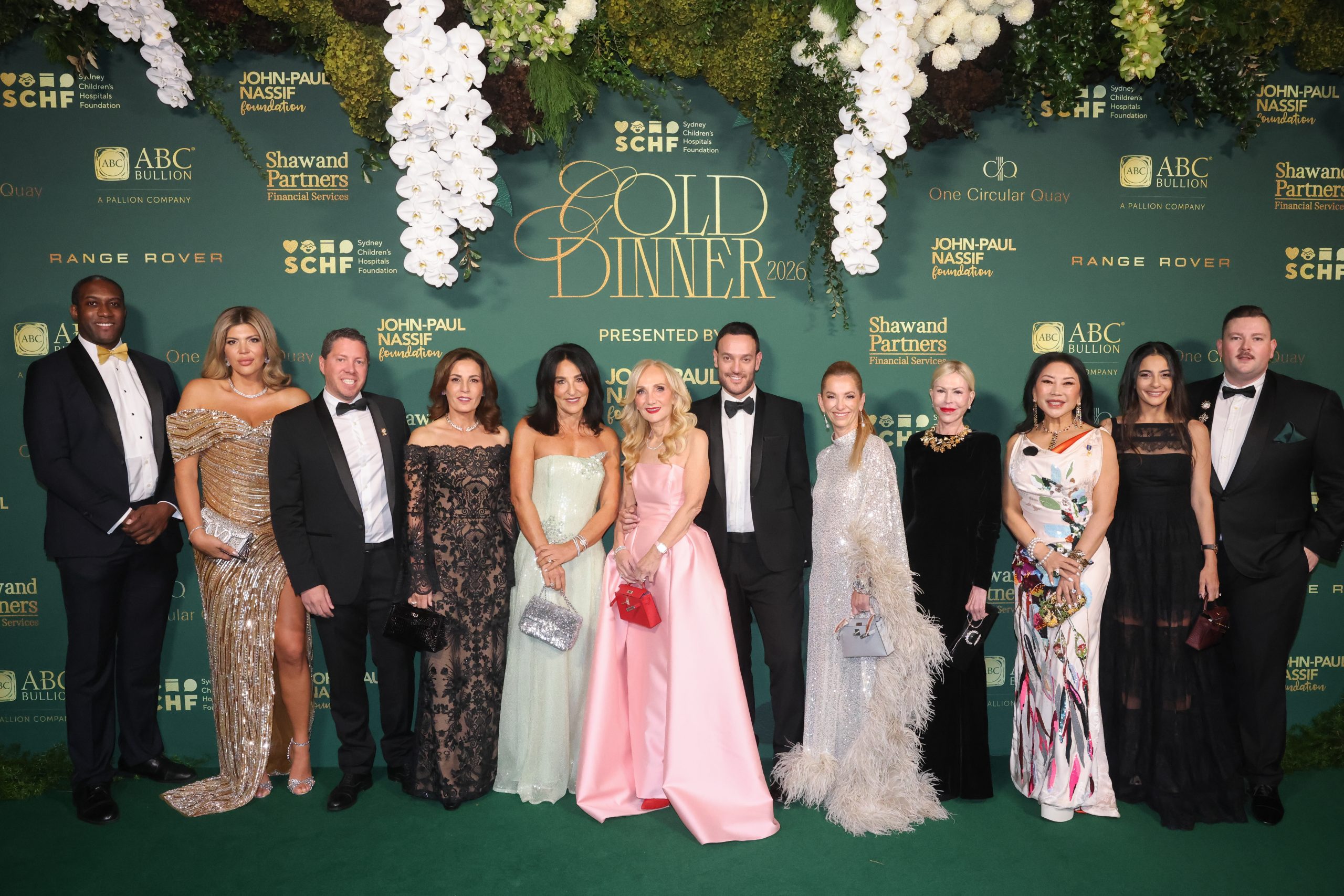
Sydney Children’s Hospitals Foundation CEO Kristina Keneally says Australia’s culture of large-scale philanthropy is becoming more sophisticated as Gold Dinner raises $75.5 million for children’s health, research and innovation.