The insurance product giving Australian property buyers surety
Property is a key pathway to wealth. A new product ensures you get what you paid for.
 4 min
4 min
Following significant building industry reforms in NSW in recent years, the insurance industry has entered the apartment sector, offering insurance on quality building projects, for quality trustworthy producers. As the NSW Government under the administration of the Office of NSW Building Commissioner leads building regulatory change, the need for commercial solutions supporting consumers and those trusted building practitioners could not be timelier. Enter Latent Defects Insurance (LDI). Here’s what you need to know about this game changing product.
For more stories like this, order the latest issue of Kanebridge Quarterly magazine here.
What is Latent Defects Insurance?
Latent Defects Insurance (LDI)is an insurance product available around the world for decades but only now available in Australia. It provides insurance protection for structural defects and waterproofing defects in apartment buildings for a period of 10 years after completion of construction. This is a protection unavailable to consumers or industry previously, and it provides unequalled consumer confidence in the quality of building for purchasers while eliminating the destructive and growing litigation business model operating across the construction industry.
Why would an insurer offer this cover given the stories of poor building?
LDI changes the way building insurance is offered. Rather than reliance on history and in house certification, LDI requires a developer and builder to employ an independent inspection service all the way through construction. This inspection service must be approved by the insurer and the scope of inspections agreed before construction commences. The inspection program is detailed and includes design review, construction inspection, waterproofing inspection and testing among many aspects of assurance. This gives the insurer, the construction participants, and consumers much greater surety of compliance with standards and codes, safety, and delivery, enabling an insurance security to be offered after completion of the building project.
Won’t this insurance only add to the already strained affordability pressures?
No. In NSW, a developer is required to provide a 2 percent financial bond to NSW Fair Trading at completion securing the quality of building for a period of two years. This cost, the 2 percent bond is charged to the construction cost and therefore onto the purchaser of units. If that bond is returned to the developer at the end of two years, it is rarely if ever passed back to those purchasers. LDI is an alternative to the Strata Bond, meaning that the developer has a choice of providing the two-year bond or a 10-year insurance policy. The current experience for the cost of the LDI product is it is priced at approximately 1.5 percent. This means LDI is in fact cheaper than the current bond and reduces the impost on purchasers.
How does this benefit consumers and the building industry?
Latent Defects is a 10-year insurance cover with cover at the building value or $50 million. The strata bond is a two-year protection valued at 2 percent of the cost of building. The limitations on the value and time offered by the strata bond are and have been catastrophic for many consumers. It also brings about significant litigation risk for developers, builders, and financiers. Latent Defects Insurance is offered on a strict liability basis. That means there is no need to find fault to enable a claim, eradicating the litigation business model that costs all participants tens and often hundreds of thousands of dollars and many years of time and frustration.
Why would a developer not elect to purchase Latent Defects Insurance?
The product is only new to Australia, being offered in the open market in the past 12-months. Resilience Insurance is the first to offer this product. The insurance is offered selectively to developers and builders with quality building histories meaning those with a history of association to consumer harms or poor quality outputs will either not be able to obtain the cover. Other developers have relied on the return of the 2 percent bond in their own profitability models, taking that benefit to their business returns over tangible, transparent delivery and security in favour of their clients.
How do you ensure your property is protected by Latent Defects Insurance
Prospective purchasers should be asking their developer in the sales display suite if their property will have Latent Defects Insurance. There is already strong evidence and media reporting of consumers moving purchase decisions on this exact point. Ask your developer and their agents if you are getting a property with two years limited protection or 10 years full insurance protection. For developers, the security provided means that the risk of litigation is eliminated.

CEO of Resilience Insurance, Corey Nugent says:
Latent Defects Insurance is a vital protection for consumers and building practitioners changing the way building outputs are overseen and delivered. Ensuring quality and backing that product with full insurance protection enables apartment buyers to have confidence in their investment, without the fear of catastrophic future exposures.
Supporting the significant and necessary regulatory reform in NSW, Resilience Insurance has been able to offer this product benefiting confidence, transparency and trust in quality building product. Providing insurance protection for the benefit of apartment owners, removing the litigation risk for building industry participants and ensuring our apartment buildings are delivered to a quality benchmark are just some of the benefits of Latent Defects Insurance.

Two coming 2027 models – the first of the “Neue Klasse” cars coming to the U.S. early next year – have been revealed.

A&K Sanctuary unveils Kitirua Plains Lodge, a sustainability-focused luxury property shaped by landscape, local craft and contemporary safari architecture.

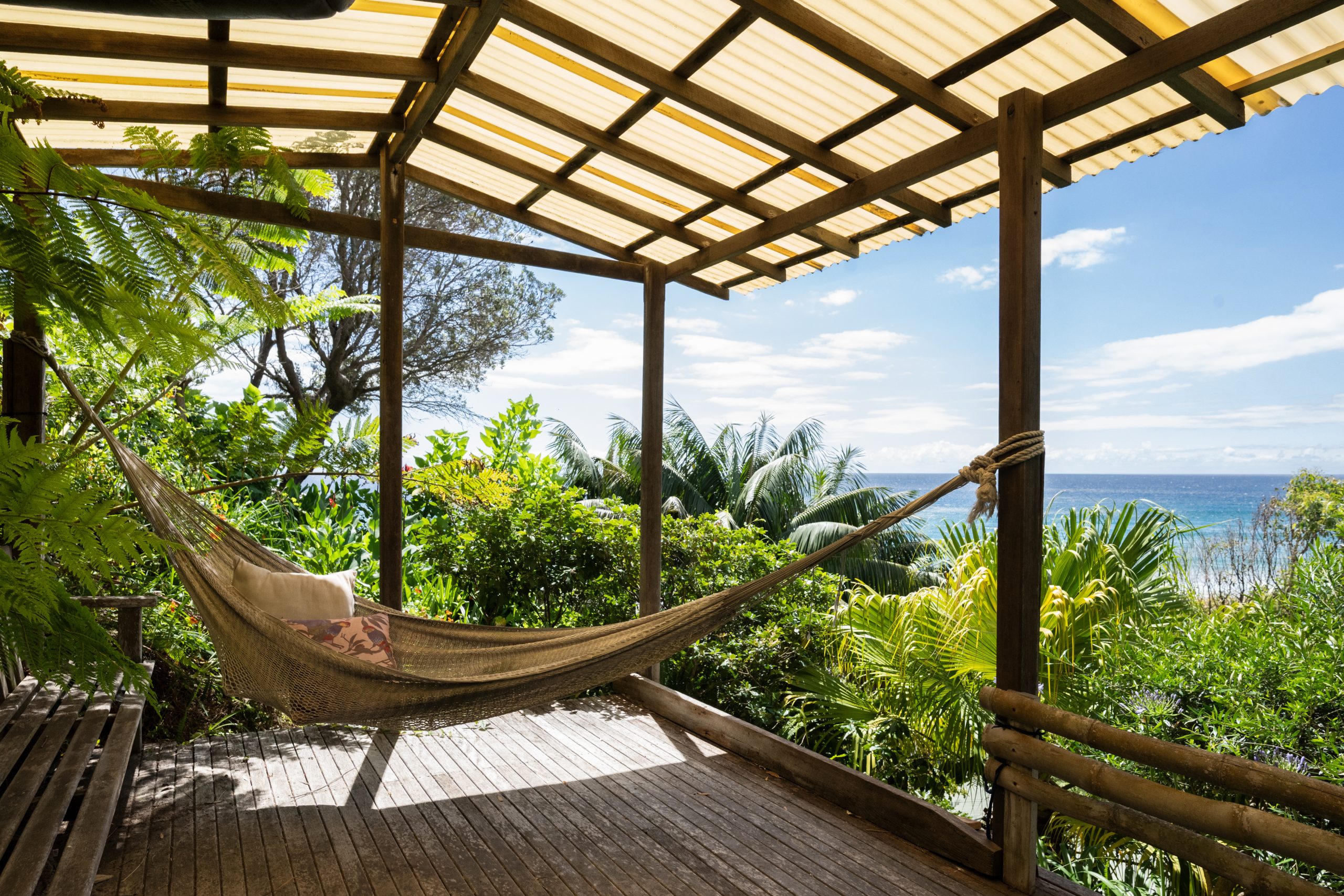
After half a century in the same hands, The Palladium blends Art Deco heritage, cinematic history and beachfront living in one extraordinary offering.
3 min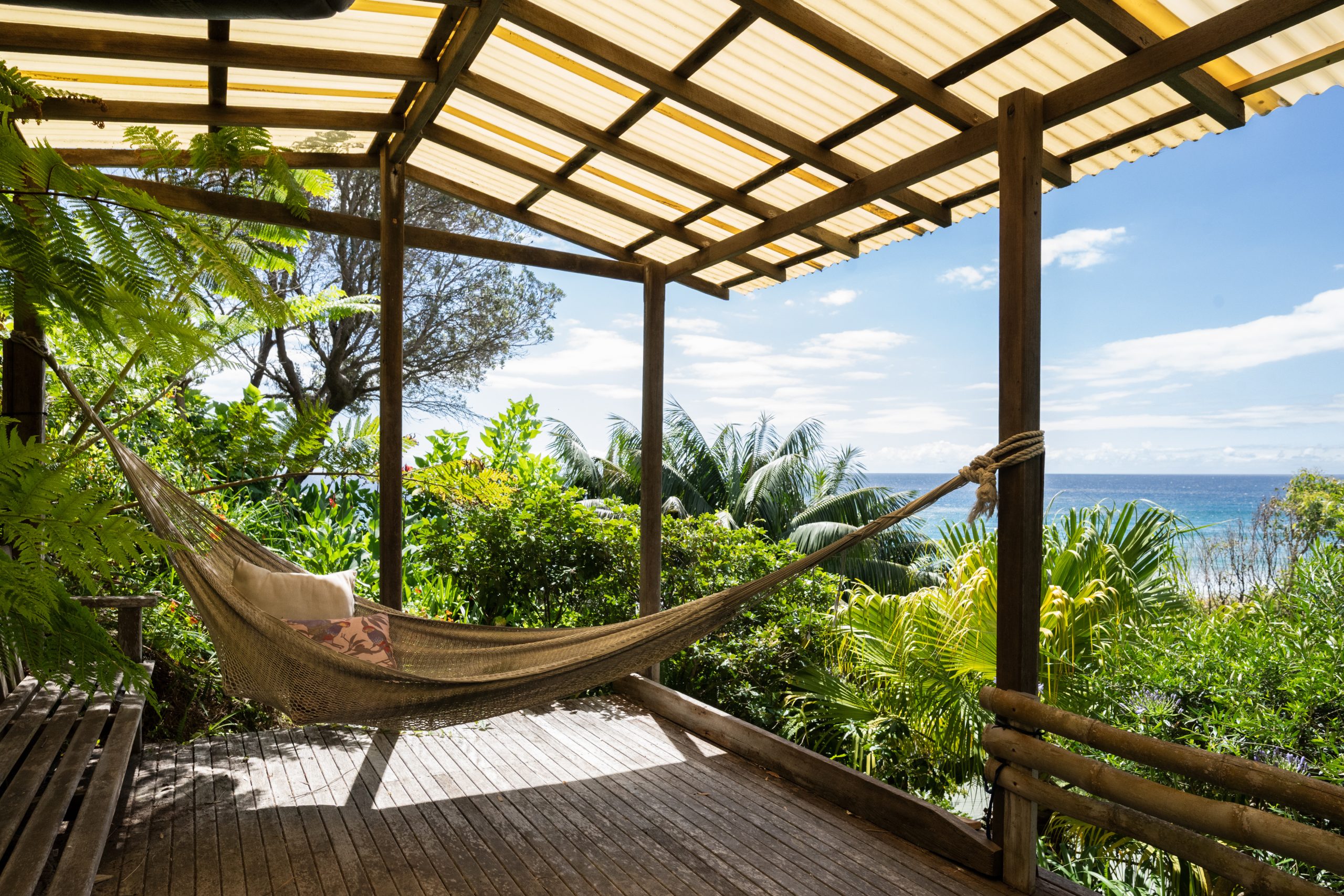
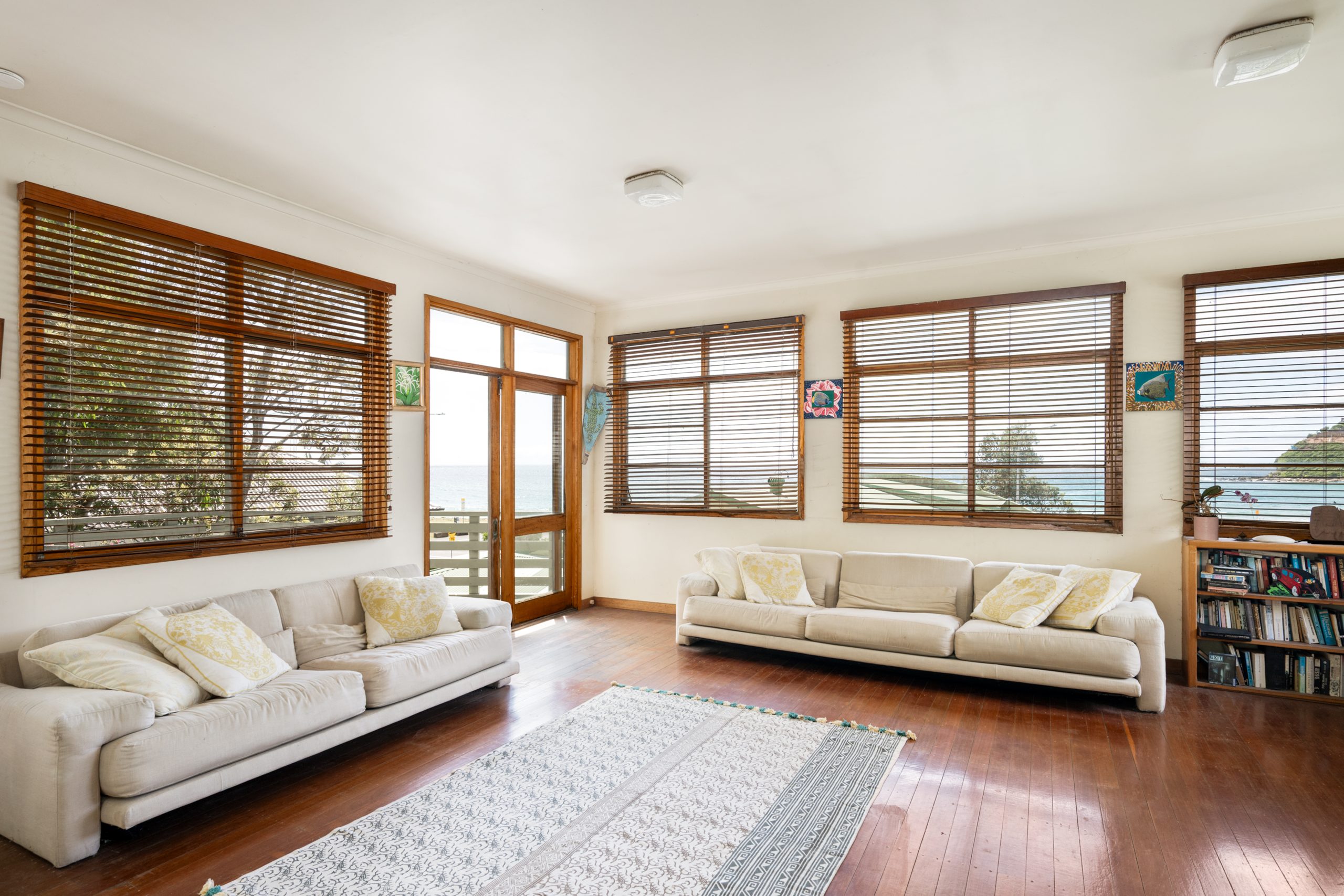
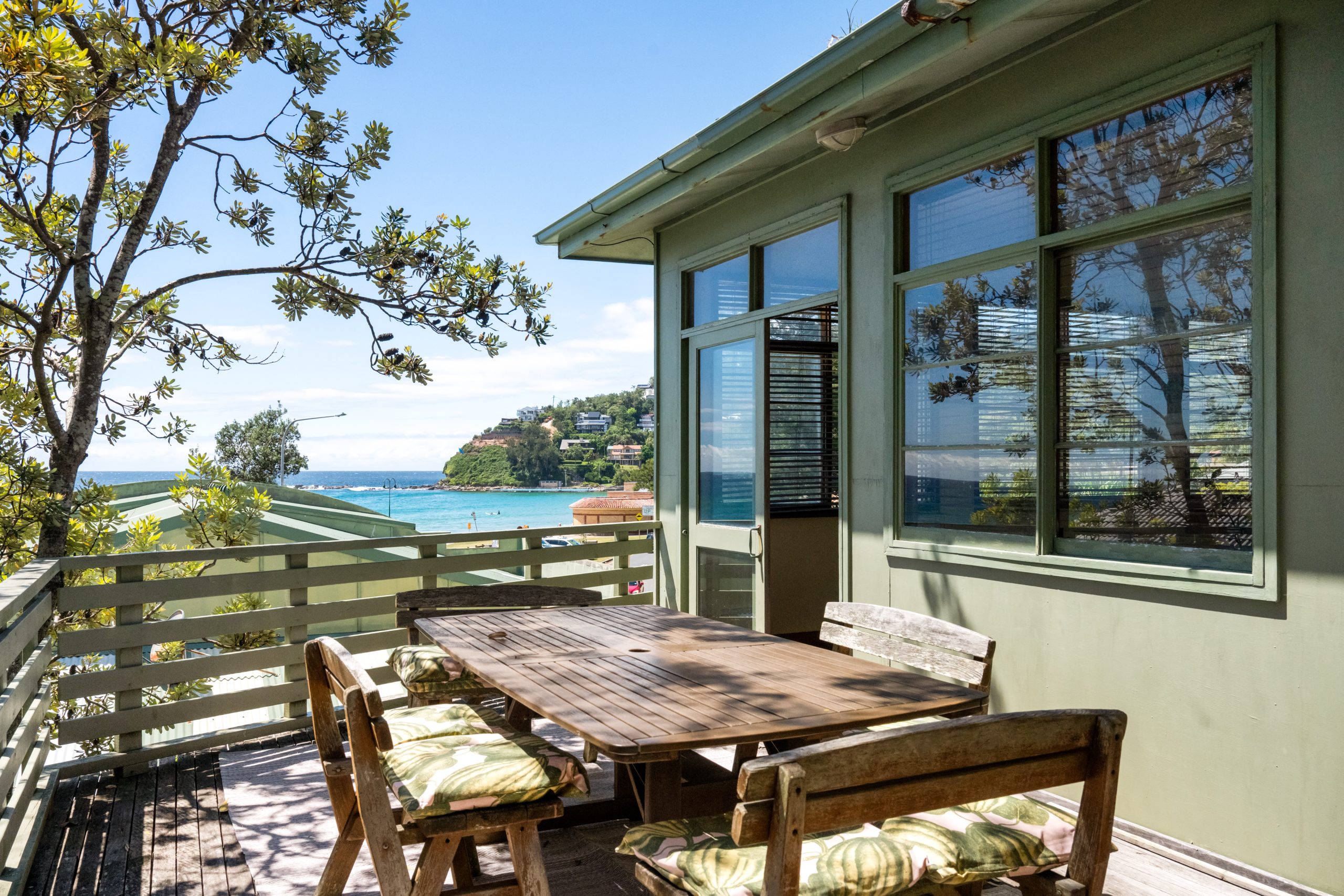
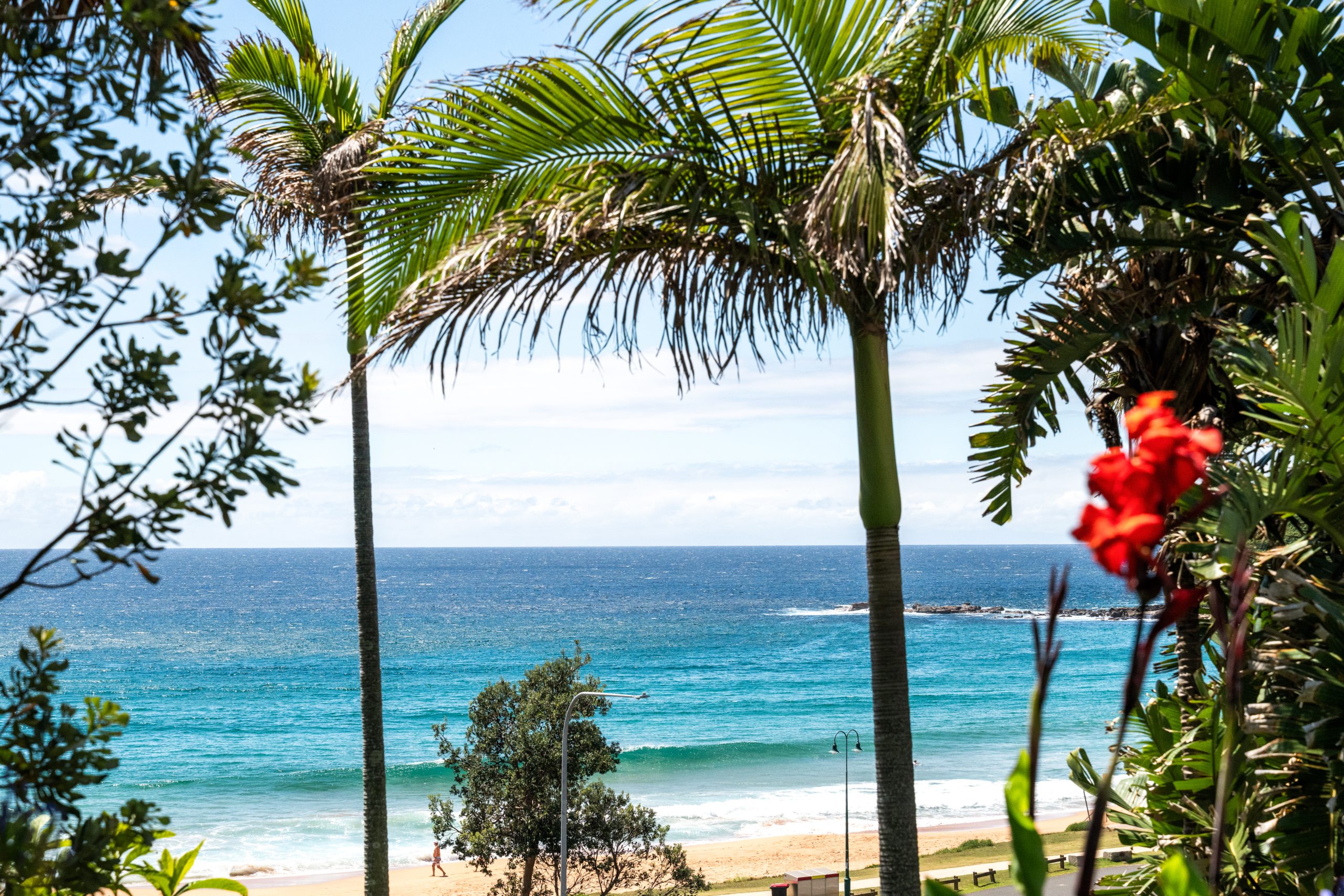
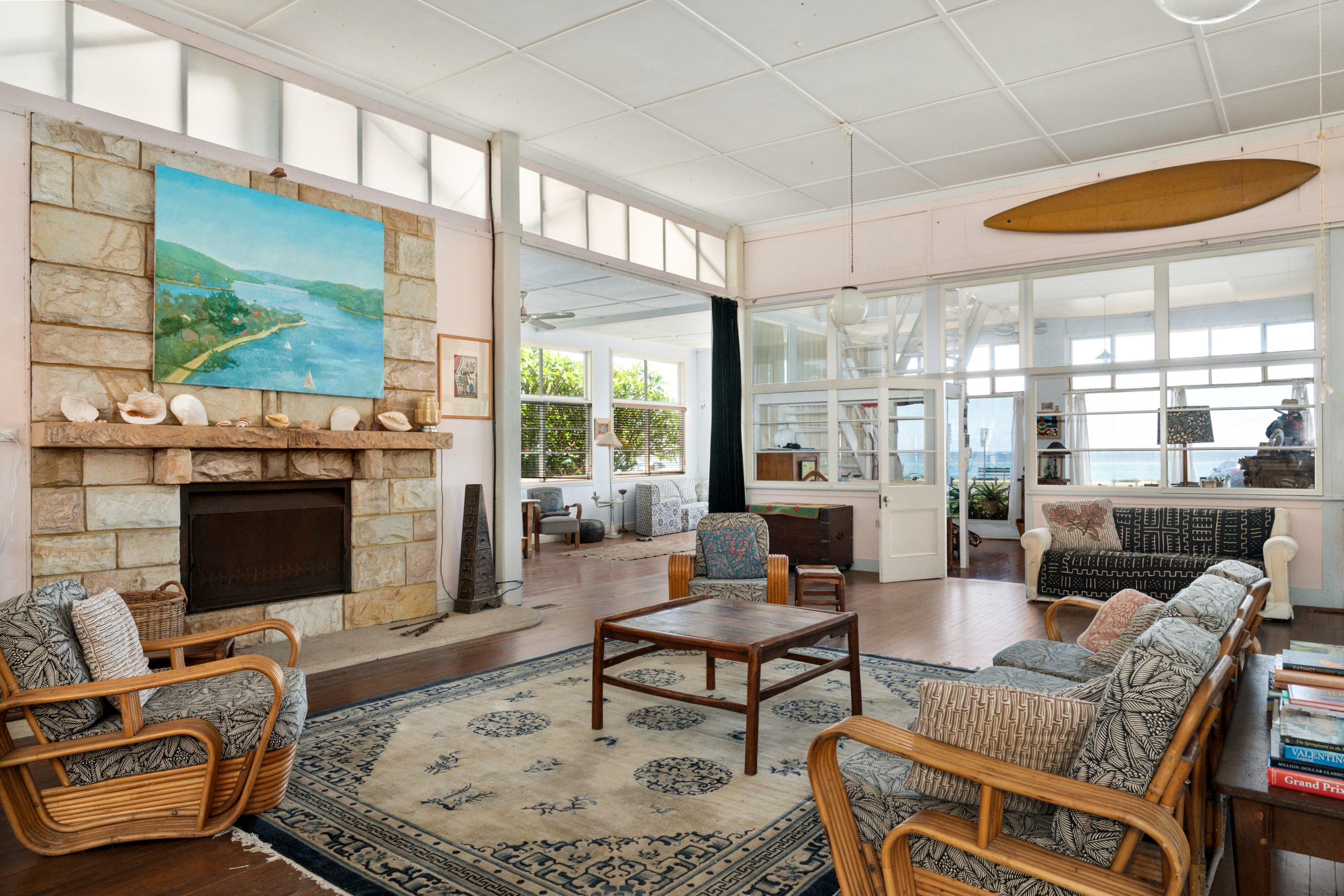
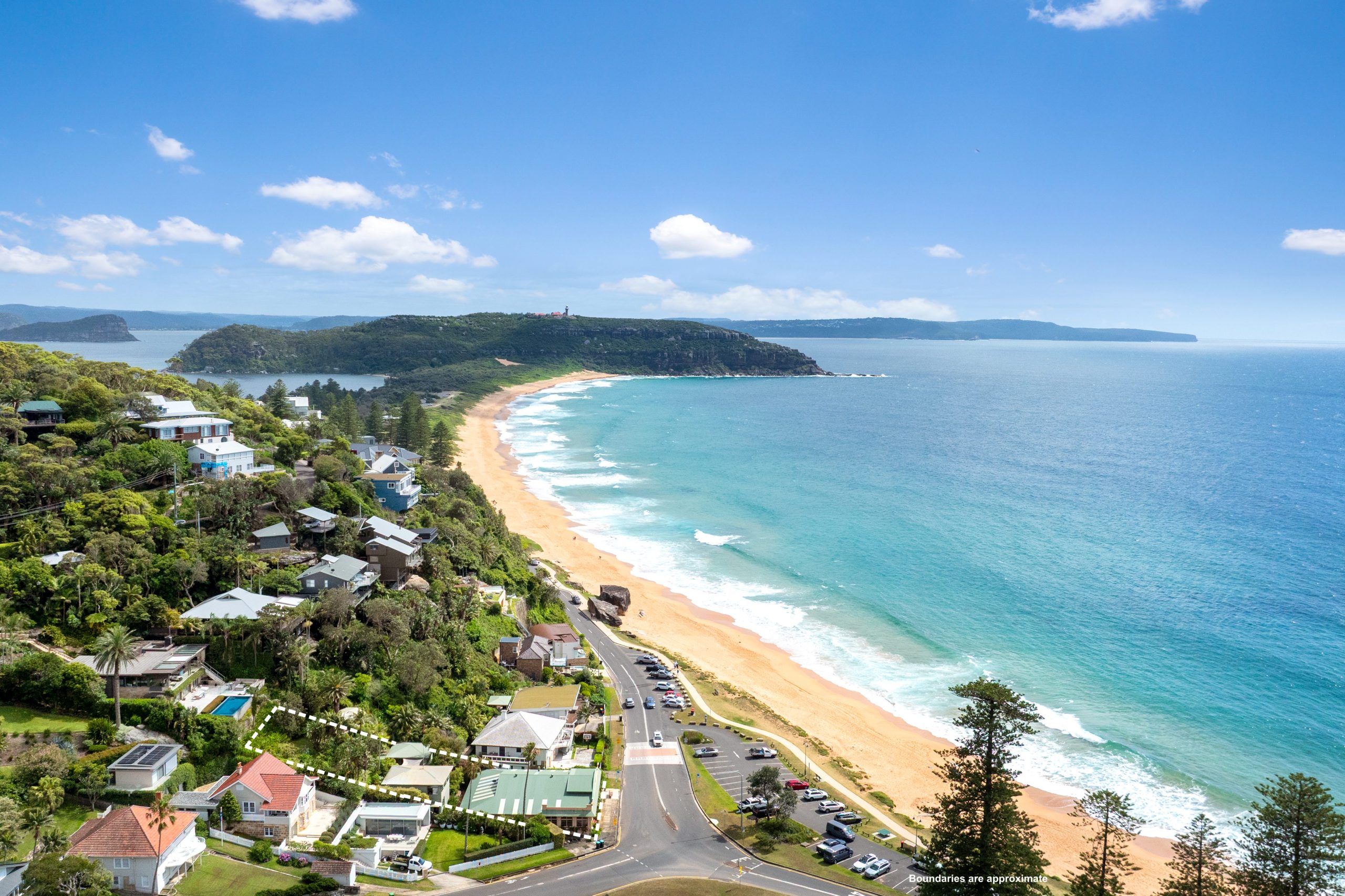
In Sydney’s Northern Beaches, there are plenty of homes with a multimillion-dollar view and an enviable position close to the sand.
This unique listing has all that, but it has also earned its page in the local history books.
After 50 years in the same hands, The Palladium in Palm Beach—once a famed dance hall, then a restaurant, a private residence, and an artists’ studio—is now back on the market with a price hopes of $13.5 million through BJ Edwards and David Edwards of LJ Hooker Palm Beach.
Positioned in a rare corner spot where Ocean Rd meets Palm Beach Rd, The Palladium has been front and centre observing the famous sandy stretch for almost a century.
Built in the early 1930s, the Art Deco building was originally conceived as a vibrant community dance hall; the “it” place to be for young folk during Sydney’s thriving interwar period.
Often the dances were held to raise money for the Palm Beach Surf Life Saving Club, and newspaper reports of the time told of rowdy parties lasting until the early hours, bootleg liquor arrests, and where shorts and sandals—or even pyjamas—were scandalously worn by “both sexes”.
Over the decades, The Palladium has worn many hats.
By 1943, the original owner, Joseph Henry Graham, had defaulted on his loan, and a mortgagee sale reportedly sold the building for £1550, which translates to about $137,000 today. It later became a dining space and a general store run by the Milton family. In the 1960s and early 1970s, the property was also home to the Blue Pacific Restaurant.
The current owners acquired the keys in 1976 when it began its next chapter as a creative hub. One of today’s vendors, filmmaker David Elfick, who has been a filmmaker and producer on such films as Newsfront and Rabbit-Proof Fence, has told stories of a free-spirited creative hub that has been used for film sets, to store numerous movie props, as editing rooms, to hold countless parties and has even hosted visiting members of the Royal Shakespeare Company.
From its famed beachside soirees to its grassroots film club nights, the venue has become woven into the cultural fabric of Palm Beach.
Today, that rich history has been reimagined into a coastal home that honours its past while embracing contemporary beachside living.
Built in a unique architectural style known as streamline moderne, the aeroplane hangar-like building reflects the era’s fascination with air travel, mass transport, and modernity. The facade is defined by a sweeping curved roofline and subtle nautical cues.
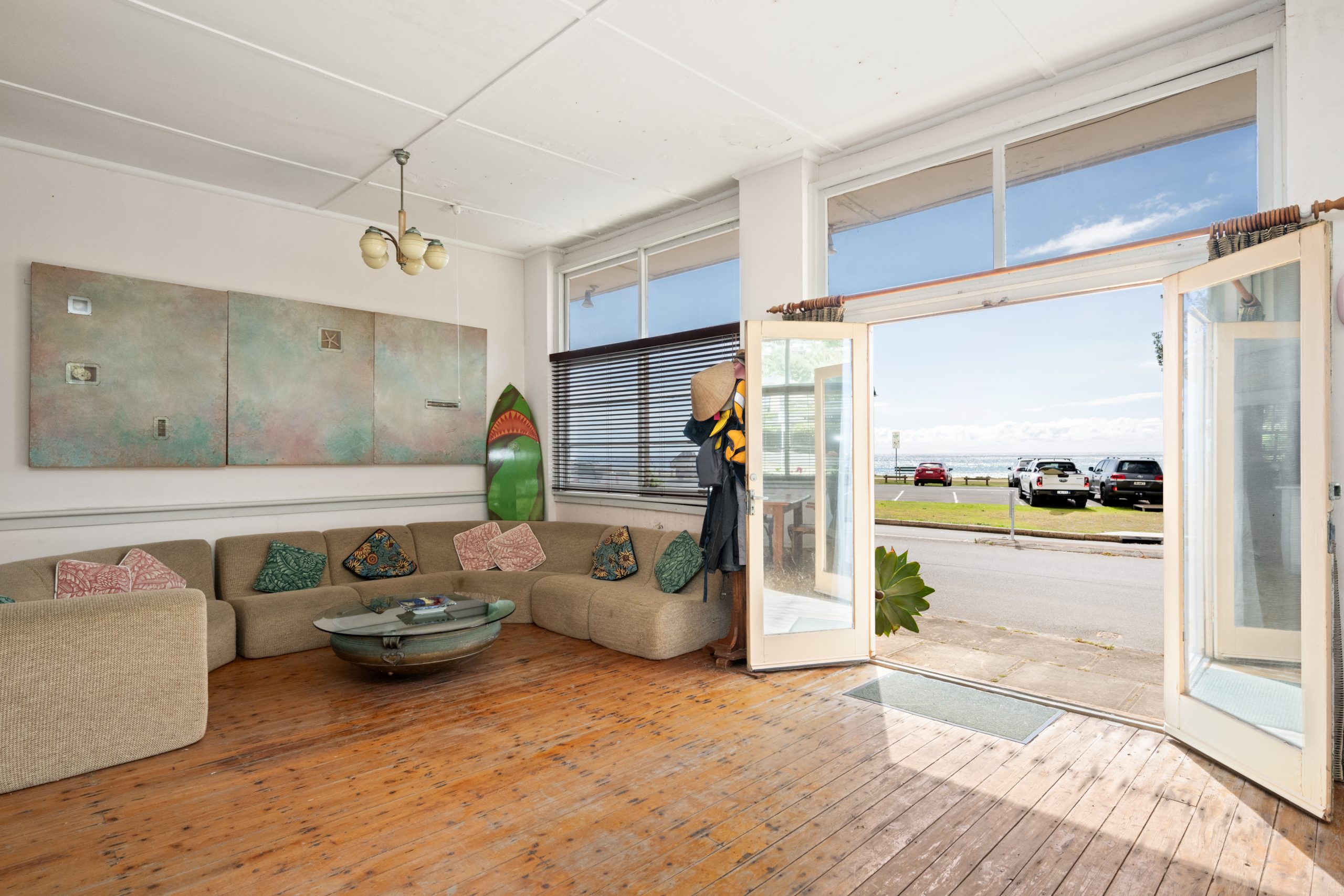
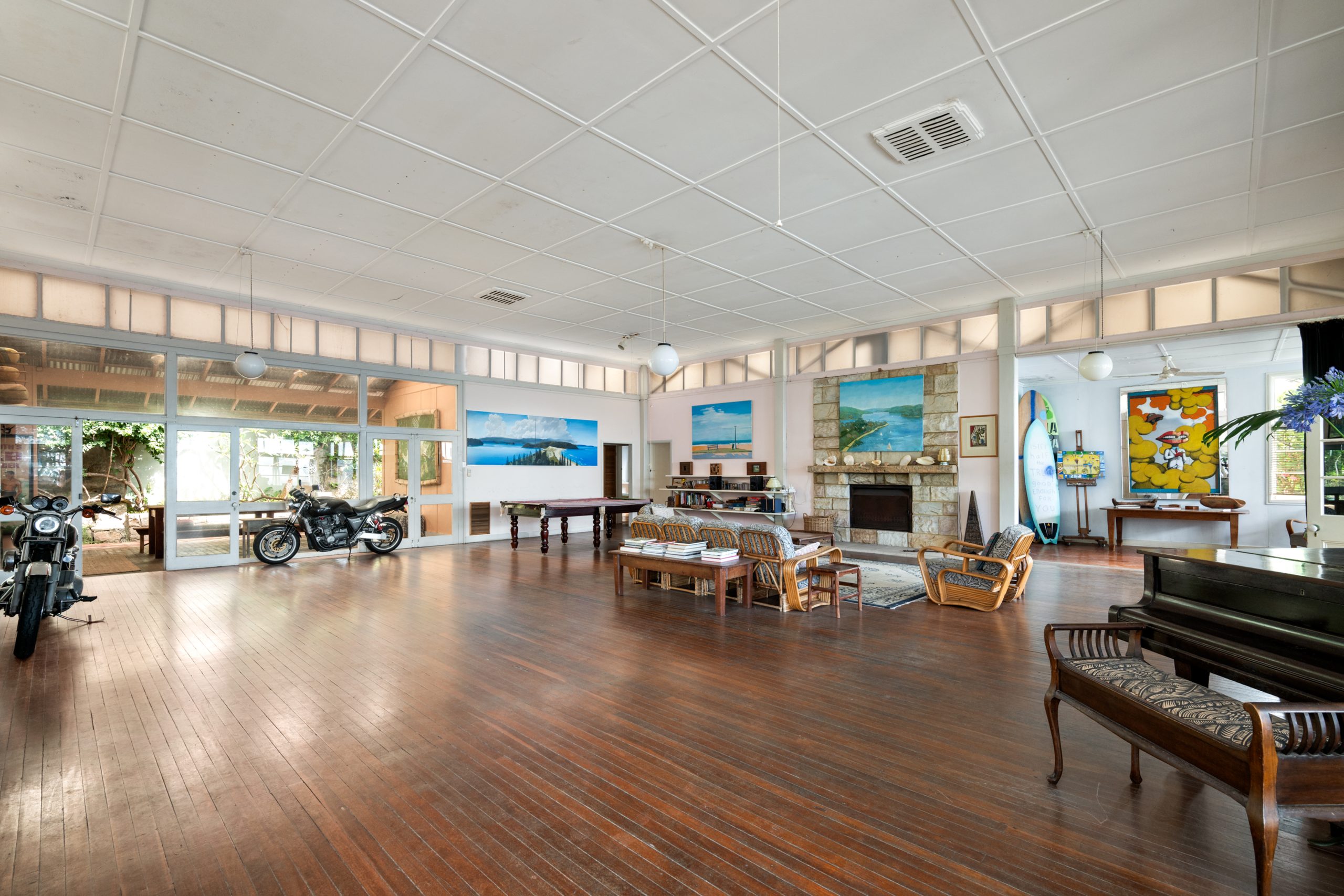
The main residence features a vast central living space framed by a number of bedrooms and sunrooms, as well as a front dining room and kitchen. In total, there are four to five bedrooms, three bathrooms and a powder room adjoining an upstairs loft space.
Big, broad windows draw in loads of natural light and provide iconic views, plus the sounds of the beach just across the road.
Many of the original elements remain, most fittingly the polished floors of the former dance hall. In the additional building at the back of the block, there is a separate, self-contained studio with its own bedroom, bathroom, kitchen and laundry. From its elevated deck, the outlook stretches across the full sweep of Palm Beach.
Outside, the expansive 1151sq m land parcel also features established gardens with veggie patches and standalone decks for quiet contemplation.
Sitting just across the road from the beach, the property is also within walking distance of local cafes and the surf club. Palm Beach Rock Pool is at one end of the beach, with the Palm Beach Golf Club and the water airport at the other end of the peninsula.
The Palladium and Palm Beach Studio at 16 Ocean Rd, Palm Beach are listed with BJ Edwards and David Edwards of LJ Hooker Palm Beach via a private treaty campaign with a price guide of $13.5 million.

Barnet, in North London, lays claim to two of the country’s most expensive roads to own a home.
Australia’s housing market defies forecasts as prices surge past pandemic-era benchmarks.