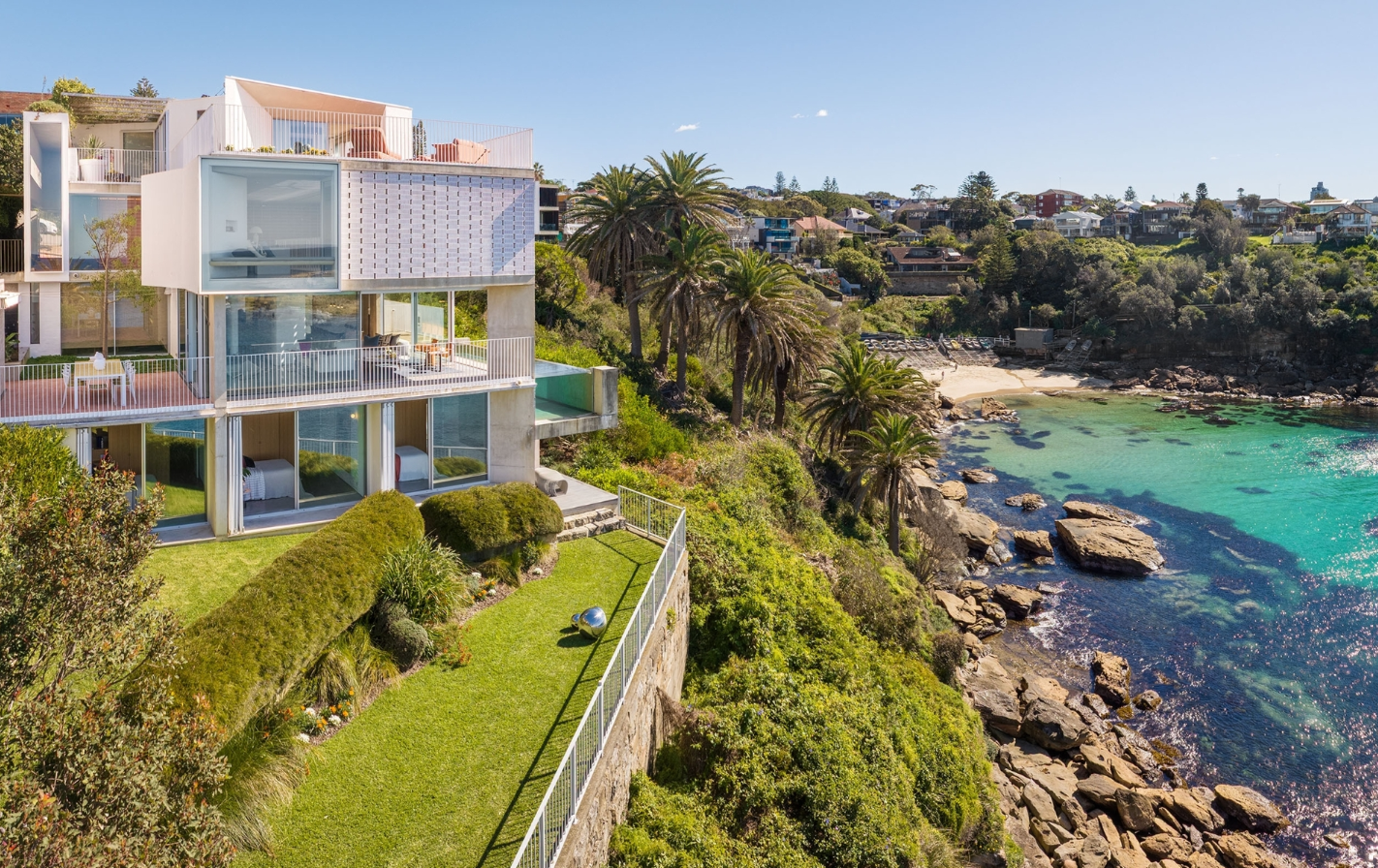
The real reason Australian apartment prices are surging
Units have outperformed houses in every capital city except Darwin and Canberra over the past three months
 2 min
2 min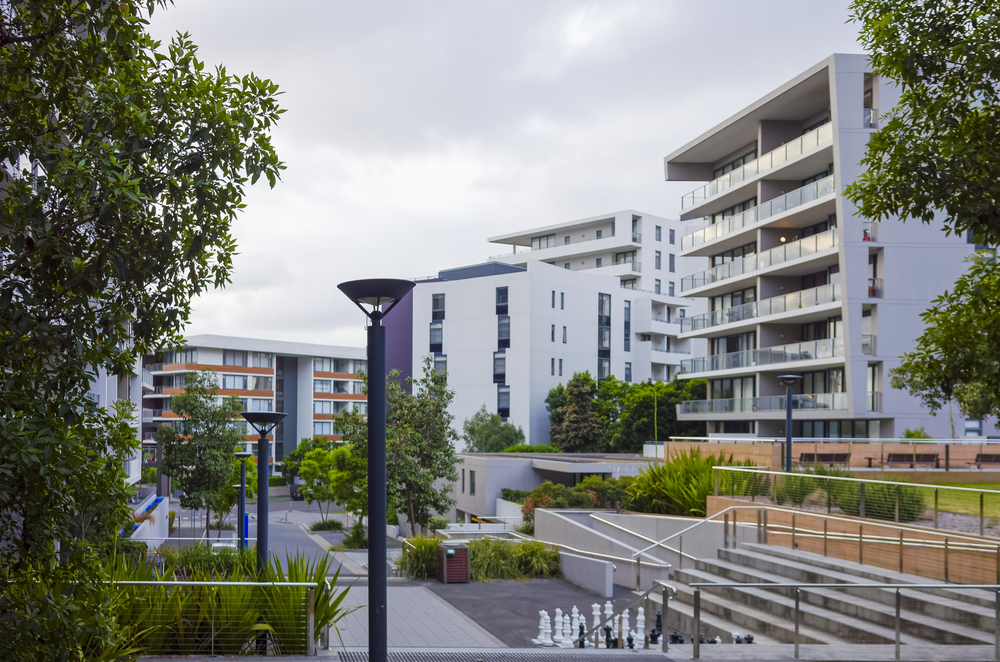
Apartment prices are rising faster than house prices in most capital cities as more home buyers are forced to compromise on the type of property they purchase due to affordability constraints and restricted borrowing capacity. More owner-occupiers are deciding their budgets are too stretched and they would rather buy a high–quality strata home instead of a house requiring renovations.
Additionally, growing demand from investors due to rising rents, low vacancy rates and ongoing capital growth is also pushing up apartment prices. Investors now represent 37.1 percent of the value of new loans to property buyers, according to the Australian Bureau of Statistics (ABS). This is the highest level in eight years. The number of loans issued to investors has increased by almost 25 percent over the past year.
First home buyers are also adding to demand for units, with support from the Bank of Mum and Dad a key factor allowing some young buyers to purchase their first homes when, historically, higher interest rates would normally dampen demand from starter buyers on strict budgets.
CoreLogic’s research director, Tim Lawless, said units had outperformed in every capital city over the past three months except Darwin and Canberra, where greater supply of medium to high–density housing meant less competition per property and a reduction in median prices over the period.
“With stretched housing affordability, lower borrowing capacity and a lift in both investor and first home buyer activity, it’s not surprising to see the unit sector outperforming for a change,” he said.
Mr Lawless explained that most cities now have a median house value that is at least 1.5 times that of apartments. Choosing apartments over houses means buyers may have more choice over how much debt they are willing to take on and could also buy in more attractive lifestyle locations.
Increasing demand for apartments is being met with ongoing restricted supply in the new apartment market. In its latest monthly market report, CoreLogic said the supply of newly built homes remained insufficient relative to population growth. ABS data shows approvals for strata-title properties have fallen 22.1 percent over the 12 months to June.
Over the three months to July 31, CoreLogic data shows apartment values grew by 1.4 percent in Sydney vs. 1.1 percent for houses. Units rose 5.8 percent in Brisbane vs. 3.4 percent for houses. In Adelaide, unit values rose 7.1 percent vs. 4.7 percent for houses. In Perth, apartment prices rose 6.4 percent vs. 6.2 percent for houses. Hobart apartment prices rose 2.2 percent while house prices fell 1.5 percent. In Melbourne, apartments outperformed houses but the median values of both fell. Unit prices fell 0.2 percent while house prices fell 1.2 percent.
Overall, the national median dwelling price lifted 0.5 percent in June, which was the 18th consecutive month of growth. However, CoreLogic noted in its report that “it is clear momentum is leaving the cycle and conditions are becoming more diverse”. The market is very strong in Perth, Brisbane and Adelaide and weak in Melbourne, Hobart and Darwin, where overall median dwelling values fell over the past three months. The pace of property price growth has also “slowed markedly” in Sydney as the number of listings for sale returns to normal levels.
Mr Lawless said supply was the key differentiating factor in the performance of Australia’s capital city markets. “The number of homes for sale in Brisbane, Adelaide and Perth is more than 30 percent below average for this time of the year, while weaker markets like Melbourne and Hobart are recording advertised supply well above average levels,” he said.
Australian shares fell on Thursday as Wall Street weakness, rising oil and persistent rate concerns weighed on most of the market. The S&P/ASX 200 declined 0.72 per cent to 8,702. The All Ordinaries lost 0.66 per cent to finish at 8,897. Mining stocks were hit particularly hard, while real estate also dragged on the index. …
Continue reading “ASX falls 0.7 per cent as miners and property stocks retreat”

Borrowers cannot control the Reserve Bank, but they can control how exposed their household budget is to its next decision. The RBA meets on 29 September with inflation concerns still elevated and major-bank economists increasingly bringing forward their rate-rise calls. Fixed mortgage rates have also been moving, reducing the value of waiting for perfect certainty. …
Continue reading “What mortgage holders should do before the next RBA decision”
A five-bedroom Palo Alto home designed by Steven Ehrlich is listed for $44 million, making it the city’s most expensive listing. Built around a dramatic concrete spine, the home features four courtyards and a pool.
3 min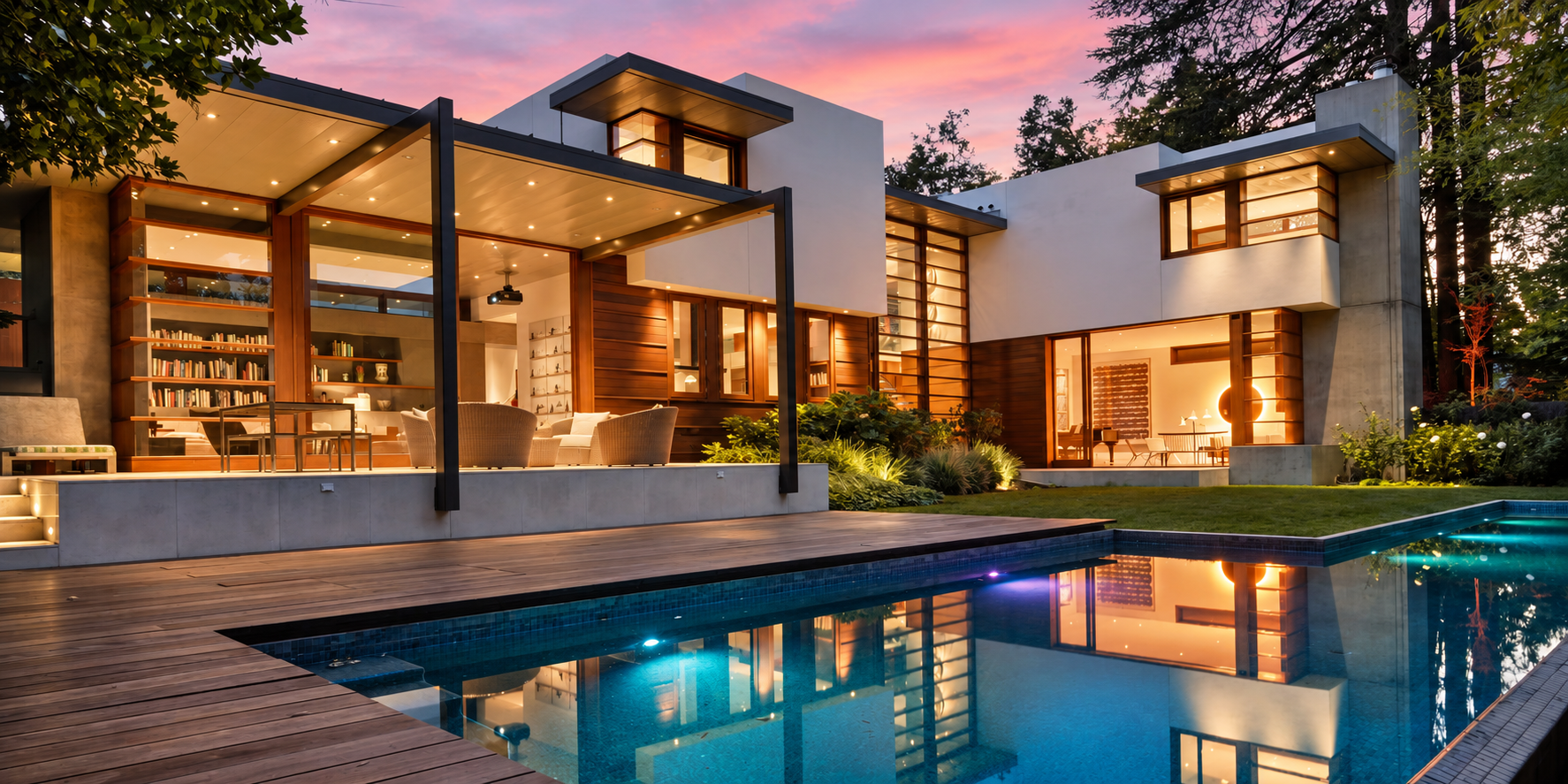
For years, tech entrepreneur Asher Waldfogel and his wife, Helyn MacLean, dreamed of building a modern house in Palo Alto, Calif.
The couple, however, worried about clashing with the Mediterranean-style architecture typically associated with their neighborhood of Old Palo Alto.
So they tapped architect Steven Ehrlich to create a design that paid homage to its surroundings with stucco, mahogany and titanium zinc cladding. They spent $20 million over several years building the house, completed in 2005.
Now looking to be closer to their adult daughter on the East Coast, they are putting the five-bedroom home on the market for $44 million—the most expensive listing in Palo Alto.
Waldfogel is an angel investor who co-founded Redback Networks, a telecommunications-equipment company. MacLean previously had a career in fundraising.
The couple purchased the roughly 0.4-acre site for $7.1 million in 2000 and demolished a circa-1930s Spanish Colonial home. The house they built pinwheels around a central staircase. It has 7,900 square feet of livable space, with four distinct courtyards and a pool.
A key feature of the home is a cast-in-place concrete wall, or spine, that is two stories high and about 80 feet long. “There’s a little bit of controlled chaos in what comes out of the form,” unlike a perfectly uniform surface, Waldfogel said. “If you want that, you do it in plastic.”
Waldfogel said he and his wife are thinking about the next phase of life now that their daughter is grown, although they have not decided where they will move. They also have a home in Sun Valley, Idaho.
“Right now we’re just trying to emotionally let go and decide what to do next,” he said.
Palo Alto, an epicenter of venture capital and tech startups in Silicon Valley, is home to some of the country’s biggest tech titans. Sales volume and prices are rising, with a median sale price of $3.5 million for the three months ending in August, up 5.8% year-over-year, according to real-estate brokerage Redfin.
Arthur Sharif of Sotheby’s International Realty—San Francisco Brokerage has the listing.

A cluster of century-old warehouses beneath the Harbour Bridge has been transformed into a modern workplace hub, now home to more than 100 businesses.
Australia’s market is on the move again, and not always where you’d expect. We’ve found the surprise suburbs where prices are climbing fastest.