Canadian Property Market Hurt by Tariff Concerns
Early indications from several big regional real-estate boards suggest March was overall another down month.

 3 min
3 min
OTTAWA–The nascent recovery in Canada’s housing market has become a casualty of the trade dispute with the U.S.
The latest national home-resale data are due out Tuesday, but early indications from several big regional real-estate boards suggest March was overall another down month as many prospective buyers exercised caution.
The recent weakness in home sales has dimmed the previously brighter outlook for the property market coming into 2025, when buyers were encouraged by the Bank of Canada’s aggressive interest-rate cuts.
“The chills the U.S. trade war has sent through participants in the housing market are getting frostier,” said Robert Hogue , assistant chief economist at Royal Bank of Canada.
Hogue said resales are down materially in a number of markets two months running, and home prices in several markets are coming under pressure as inventories rise. And although Canada was spared additional levies when President Trump unveiled so-called reciprocal tariffs on dozens of countries earlier this month, no meaningful rebound is likely so long as trade uncertainty lingers, he said.
Home buyers in Toronto, Canada’s most populous city and the country’s financial hub, aren’t turning up for the usual spring pickup in property-market activity.
Sales in the Greater Toronto Area slumped 23.1% in March from a year earlier, as new listings for the region jumped close to 29%, according to the Toronto Regional Real Estate Board. That marked the worst month of resales since 1998.
The board’s chief information officer, Jason Mercer , said many potential home buyers were likely taking a wait-and-see approach given the economic worries as well as a pending federal election. “Homebuyers need to feel their employment situation is solid before committing to monthly mortgage payments over the long term,” he said, adding that ownership has become more affordable and prices in the area fell about 3.8% year on year in March.
Uncertainty is also weighing on the housing market in Calgary, the biggest city in oil-rich Alberta. The city’s real-estate board said realtors reported a 19% drop in sales of existing homes from last year, with a similar trend of improving supply and a sharp increase in the average number of days that homes were on the market.
On the West Coast, home sales registered in the metro Vancouver area of British Columbia were the lowest for March since 2019, falling 13.4% on a year earlier and coming in close to 37% below the 10-year seasonal average, while active listings continued to rise.
There are some areas of resilience. The Quebec Professional Association of Real Estate Brokers said total sales in the province were up 9% year on year in March. Still, RBC’s Hogue estimated Montreal sales in March were down about 15% from December seasonally adjusted, effectively rolling back the advance since the end of last summer.
The most recent national data for the country, from the Canadian Real Estate Association, showed resales dropped 9.8% month over month in February, when homebuyers may also have been put off by harsh winter storms in parts of the country. That marked the sharpest fall since May 2022 and brought the level of sales to their lowest level since November 2023, snapping signs that activity had been picking up in recent months.
Rishi Sondhi , an economist at Toronto-Dominion Bank, in a recent report estimated the country was tracking toward a double-digit quarterly decline in Canadian home sales and a mid-single-digit drop in Canadian average home prices for the first three months of 2025. That is much weaker than a pre-Trump inauguration forecast made in December that projected a loosening in federal mortgage rules, lower interest rates and continued economic growth would fuel a modest gain in sales and prices.
Central-bank officials are set to decide Wednesday on monetary policy, but they have signaled a cautious approach to rates as they balance the prospect of tariffs stoking price pressures against the likelihood that they will dampen demand and weigh on the economy. That could mean the Bank of Canada will pause after seven straight cuts to its policy rate.
Housing is a hot topic for party leaders campaigning ahead of the April 28 election, with both the incumbent Liberal Party and opposition Conservatives proposing tax cuts and incentives to encourage buyers and builders.
The outlook for new homes has also dimmed with the tariff threat. The value of residential-building permits issued in February fell 2.9% from a month prior, adding to a retreat in January that took back some of the surge in intentions in the final month of last year, Statistics Canada data last week showed.
 Copyright 2020, Dow Jones & Company, Inc. All Rights Reserved Worldwide. LEARN MORE





Australian shares fell on Thursday as Wall Street weakness, rising oil and persistent rate concerns weighed on most of the market. The S&P/ASX 200 declined 0.72 per cent to 8,702. The All Ordinaries lost 0.66 per cent to finish at 8,897. Mining stocks were hit particularly hard, while real estate also dragged on the index. …
Continue reading “ASX falls 0.7 per cent as miners and property stocks retreat”

Borrowers cannot control the Reserve Bank, but they can control how exposed their household budget is to its next decision. The RBA meets on 29 September with inflation concerns still elevated and major-bank economists increasingly bringing forward their rate-rise calls. Fixed mortgage rates have also been moving, reducing the value of waiting for perfect certainty. …
Continue reading “What mortgage holders should do before the next RBA decision”

A five-bedroom Palo Alto home designed by Steven Ehrlich is listed for $44 million, making it the city’s most expensive listing. Built around a dramatic concrete spine, the home features four courtyards and a pool.
3 min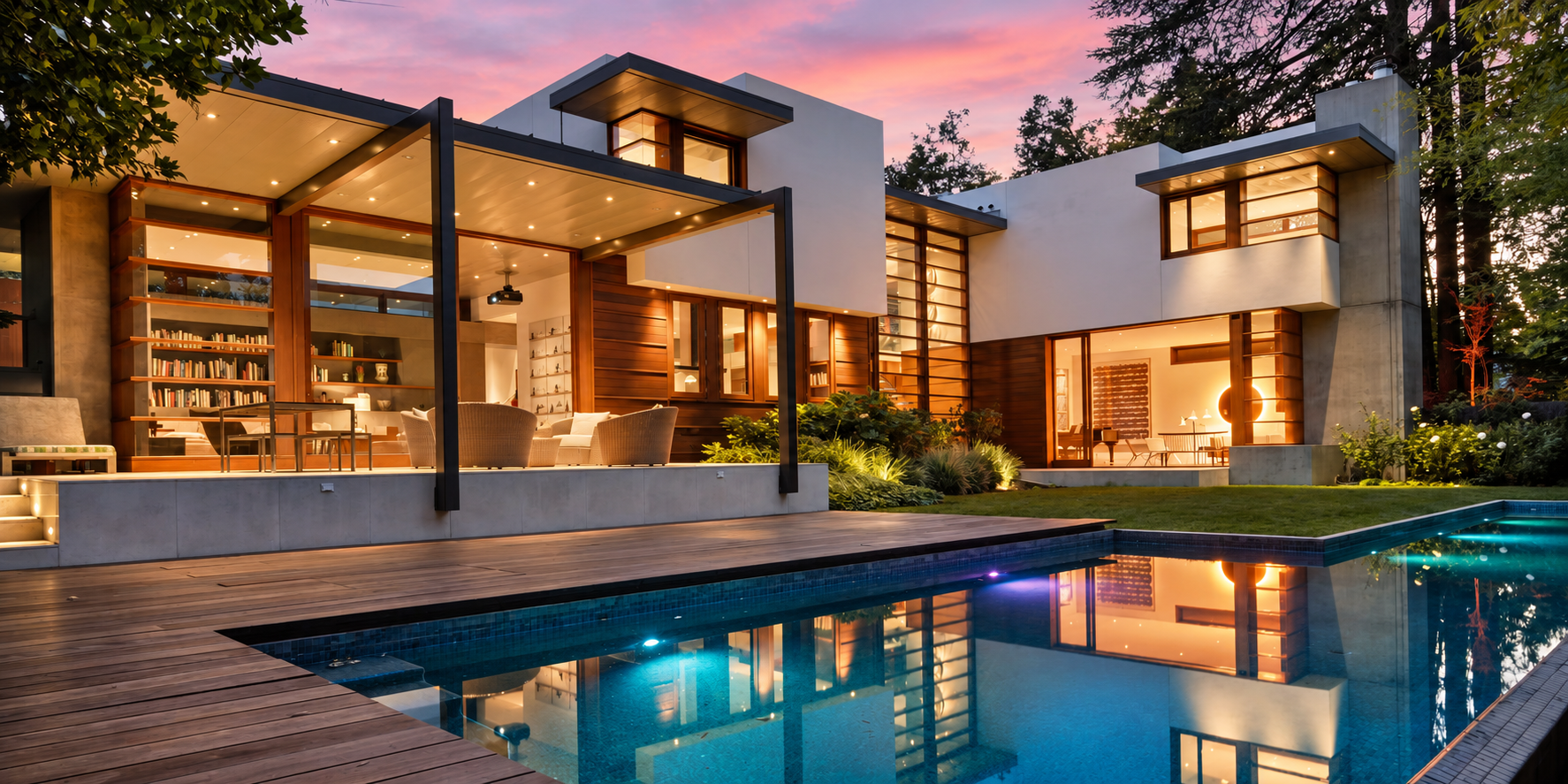
For years, tech entrepreneur Asher Waldfogel and his wife, Helyn MacLean, dreamed of building a modern house in Palo Alto, Calif.
The couple, however, worried about clashing with the Mediterranean-style architecture typically associated with their neighborhood of Old Palo Alto.
So they tapped architect Steven Ehrlich to create a design that paid homage to its surroundings with stucco, mahogany and titanium zinc cladding. They spent $20 million over several years building the house, completed in 2005.
Now looking to be closer to their adult daughter on the East Coast, they are putting the five-bedroom home on the market for $44 million—the most expensive listing in Palo Alto.
Waldfogel is an angel investor who co-founded Redback Networks, a telecommunications-equipment company. MacLean previously had a career in fundraising.
The couple purchased the roughly 0.4-acre site for $7.1 million in 2000 and demolished a circa-1930s Spanish Colonial home. The house they built pinwheels around a central staircase. It has 7,900 square feet of livable space, with four distinct courtyards and a pool.
A key feature of the home is a cast-in-place concrete wall, or spine, that is two stories high and about 80 feet long. “There’s a little bit of controlled chaos in what comes out of the form,” unlike a perfectly uniform surface, Waldfogel said. “If you want that, you do it in plastic.”
Waldfogel said he and his wife are thinking about the next phase of life now that their daughter is grown, although they have not decided where they will move. They also have a home in Sun Valley, Idaho.
“Right now we’re just trying to emotionally let go and decide what to do next,” he said.
Palo Alto, an epicenter of venture capital and tech startups in Silicon Valley, is home to some of the country’s biggest tech titans. Sales volume and prices are rising, with a median sale price of $3.5 million for the three months ending in August, up 5.8% year-over-year, according to real-estate brokerage Redfin.
Arthur Sharif of Sotheby’s International Realty—San Francisco Brokerage has the listing.
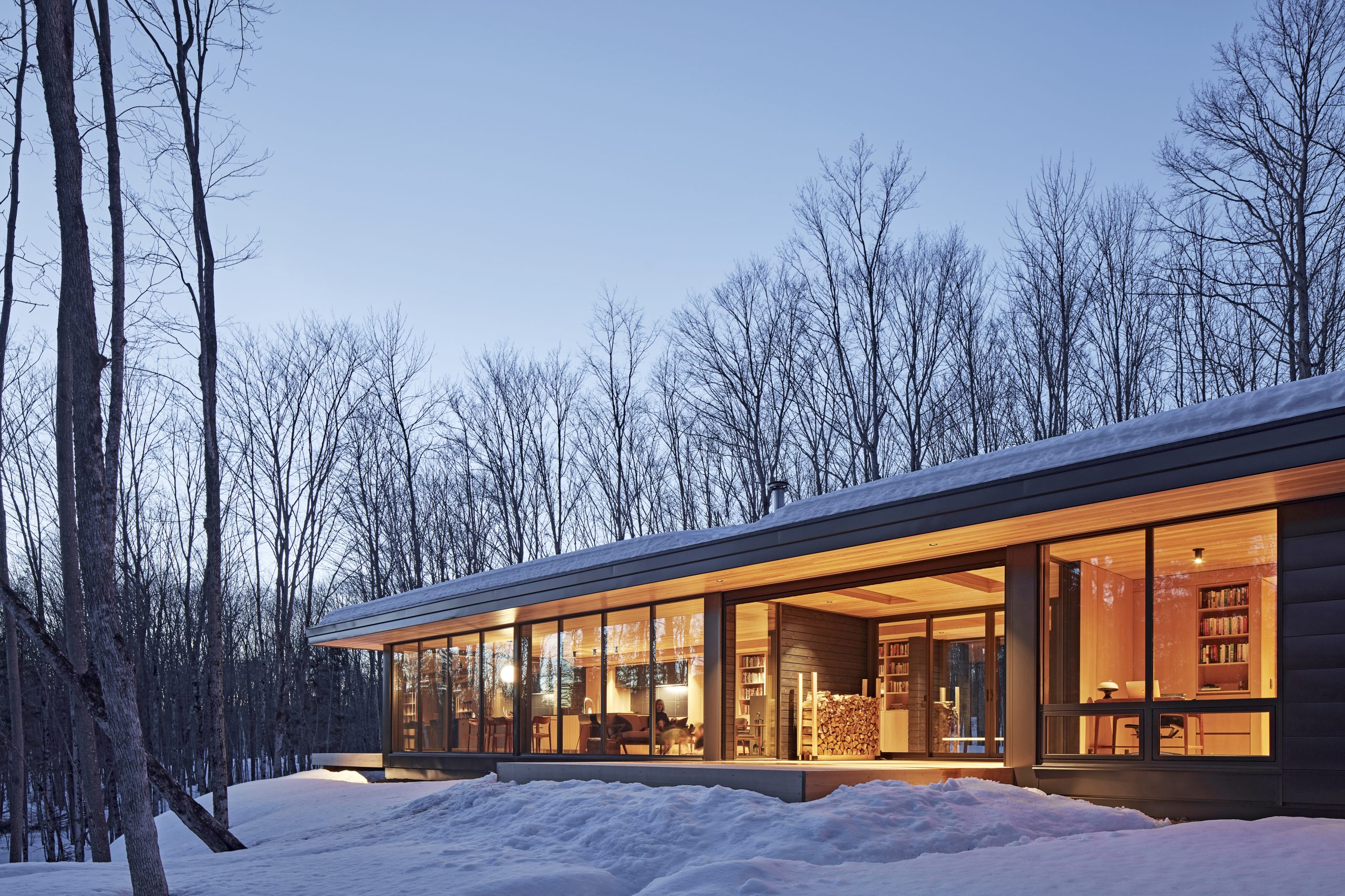
From reworked homes to remote retreats, designers are prioritising warmth and a deeper connection to landscape.
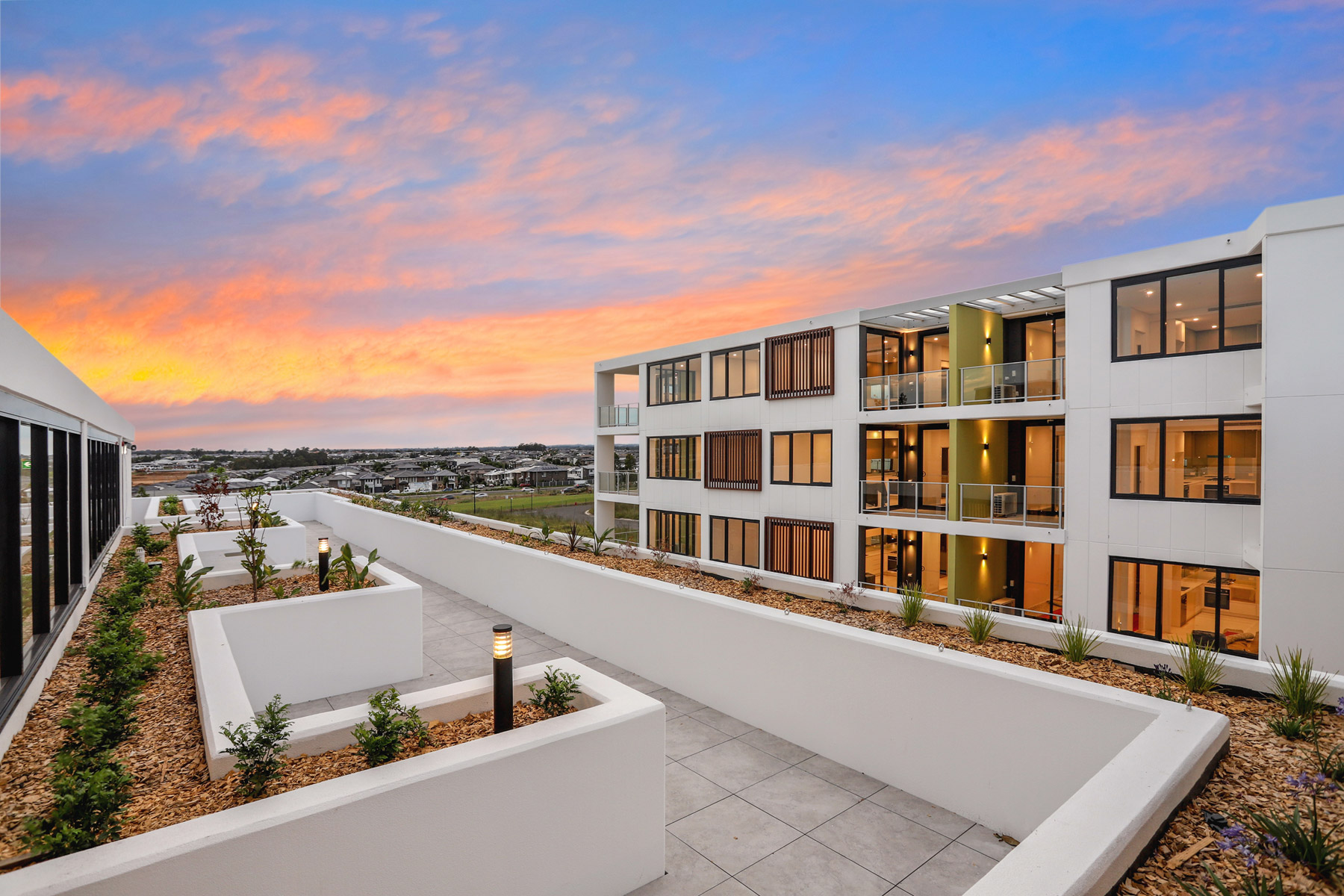
Ophora Tallawong has launched its final release of quality apartments priced under $700,000.