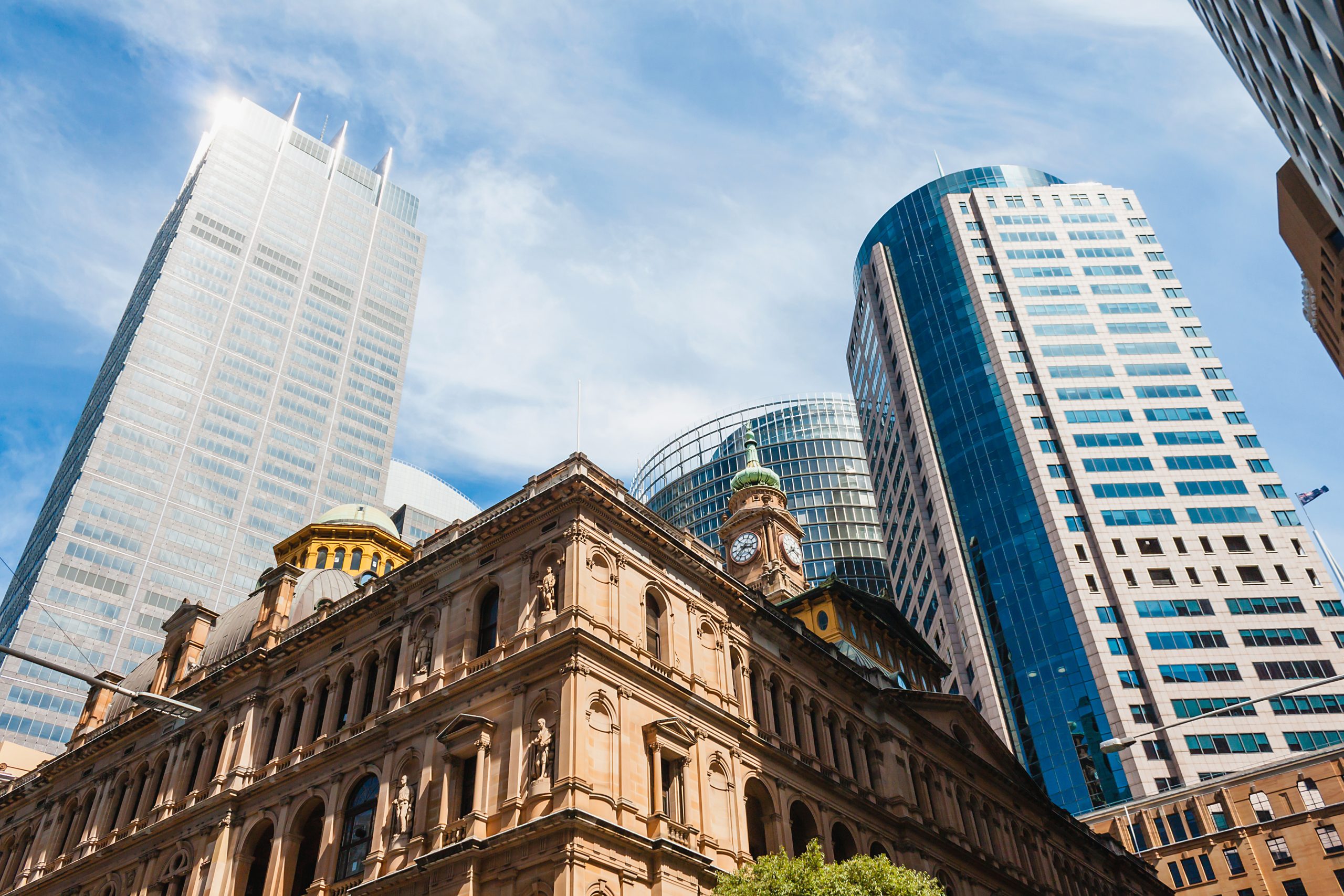
REVEALED: Brisbane’s Most Expensive Suburbs To Rent
As Brisbane’s rental market continues to surge, new data reveals the city’s most expensive suburbs to rent a house — and six of them now command over $1,000 a week.
 5 min
5 min
The Brisbane rental market has surged in recent years, and the city’s most prestigious postcodes are now commanding eye-watering prices for houses.
Data commissioned by Kanebridge News from property data analytics firm Cotality (formerly CoreLogic) reveals that renters are forking out more than $1,000 a week in six of Brisbane’s most expensive suburbs — a threshold that reflects the strength of the city’s prestige housing market and growing interstate demand.
Below, we reveal the most expensive suburbs in Brisbane right now for renting a house, with a breakdown of median house prices, weekly rents, and what makes each neighbourhood so desirable.
*Cotality only includes suburbs where there have been 20 or more houses for rent over a single year. Prices are accurate as of May 2025.
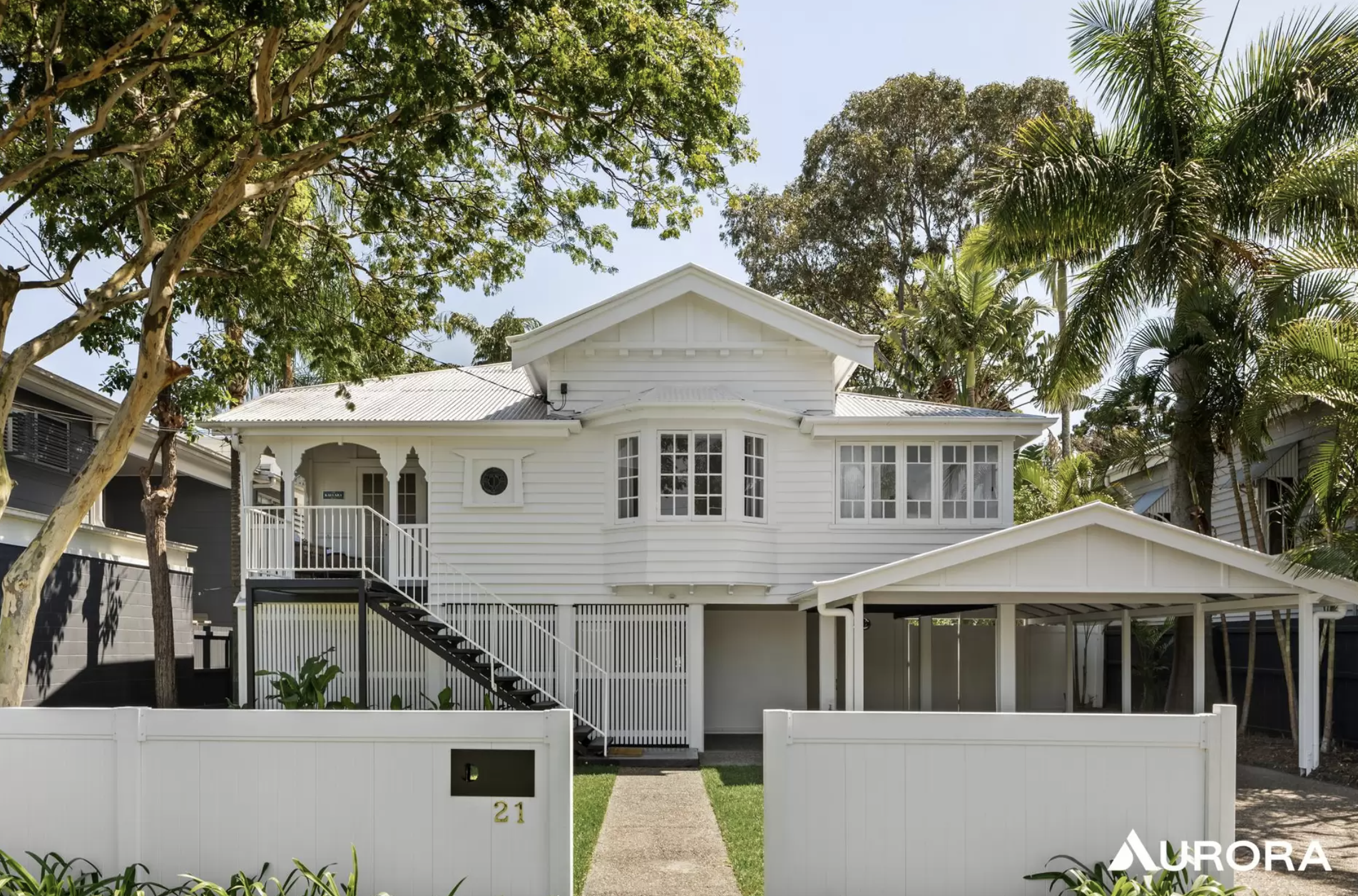
Hawthorne
Median house value: $2.16m
Median weekly house rent: $1,083
The Neighbourhood
Hawthorne is one of Brisbane’s premier riverfront suburbs. On the southern side of the Brisbane River, around six kilometres from the CBD, Hawthorne is characterised by its wide, tree-lined streets, a mix of heritage and restored Queenslanders, and new architect-designed modern homes. Residents enjoy proximity to the Brisbane River, boutique cafes, the historic Hawthorne Cinema, and excellent ferry links. The area’s village-style atmosphere and strong school zoning make it a magnet for high-income families and professionals.
The Homes
The priciest home for lease in Hawthorne is a fully renovated Queenslander on Mullens Street, one of the best streets in the suburb. The $1,400 a week rental has four bedrooms and last sold for $2.6 million late last year.
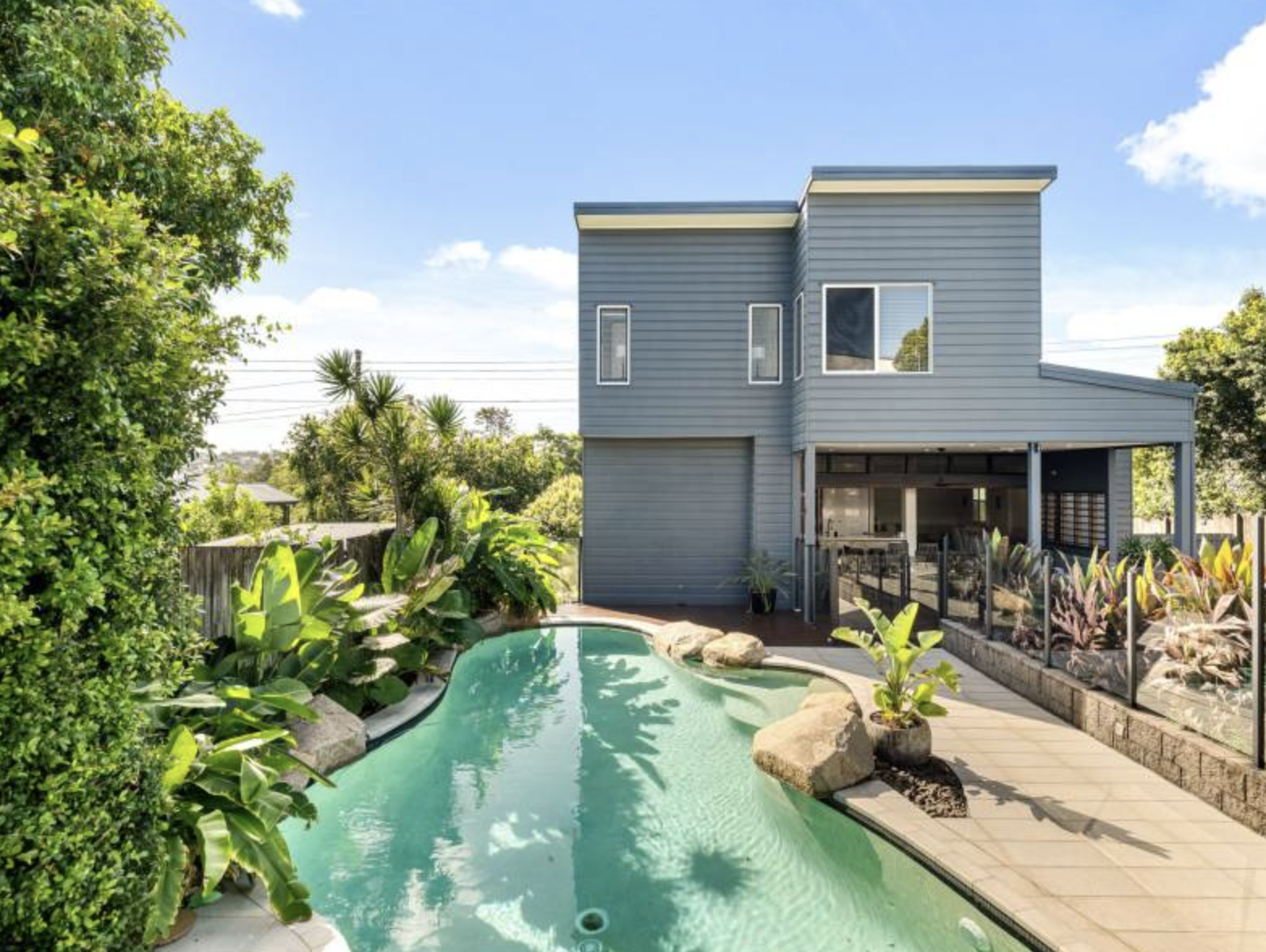
Bulimba
Median house value: $2.05m
Median weekly house rent: $1,079
The Neighbourhood
Next door to Hawthorne, Bulimba is also one of Brisbane’s most sought-after lifestyle suburbs. Its Oxford Street precinct is a major drawcard, filled with cafés, restaurants, boutiques, and a vibrant community atmosphere. The houses are also very similar to those of its neighbouring suburb, classic Queenslanders and contemporary builds.
The Homes
The most expensive rental on the market in Bulimba is a five-bedroom renovated Queenslander on over 1,000 sqm. It has an outdoor lounge area, a swimming pool, and a gym. It is seeking a tenant at $2,250 a week.
Brookfield
Median house value: $2.02m
Median weekly house rent: $1,064
The Neighbourhood
Brookfield in Brisbane’s western suburbs is the answer for those seeking space, privacy, and a touch of country living within city limits. Located around 13km from the CBD, Brookfield is renowned for its large homes on expansive blocks, leafy surrounds, and strong community feel.
The area’s semi-rural charm is paired with proximity to excellent private schools and natural attractions like Mount Coot-tha. High demand for acreage homes in a prestige setting has pushed median weekly rents to $1,064 — making it one of the most exclusive outer suburbs for renting a house in Brisbane.
The Homes
There are just two homes for rent in Brookfield currently, one a five-bedroom home asking $1,300 a week.
Chelmer
Median house value: $1.91m
Median weekly house rent: $1,053
The Neighbourhood
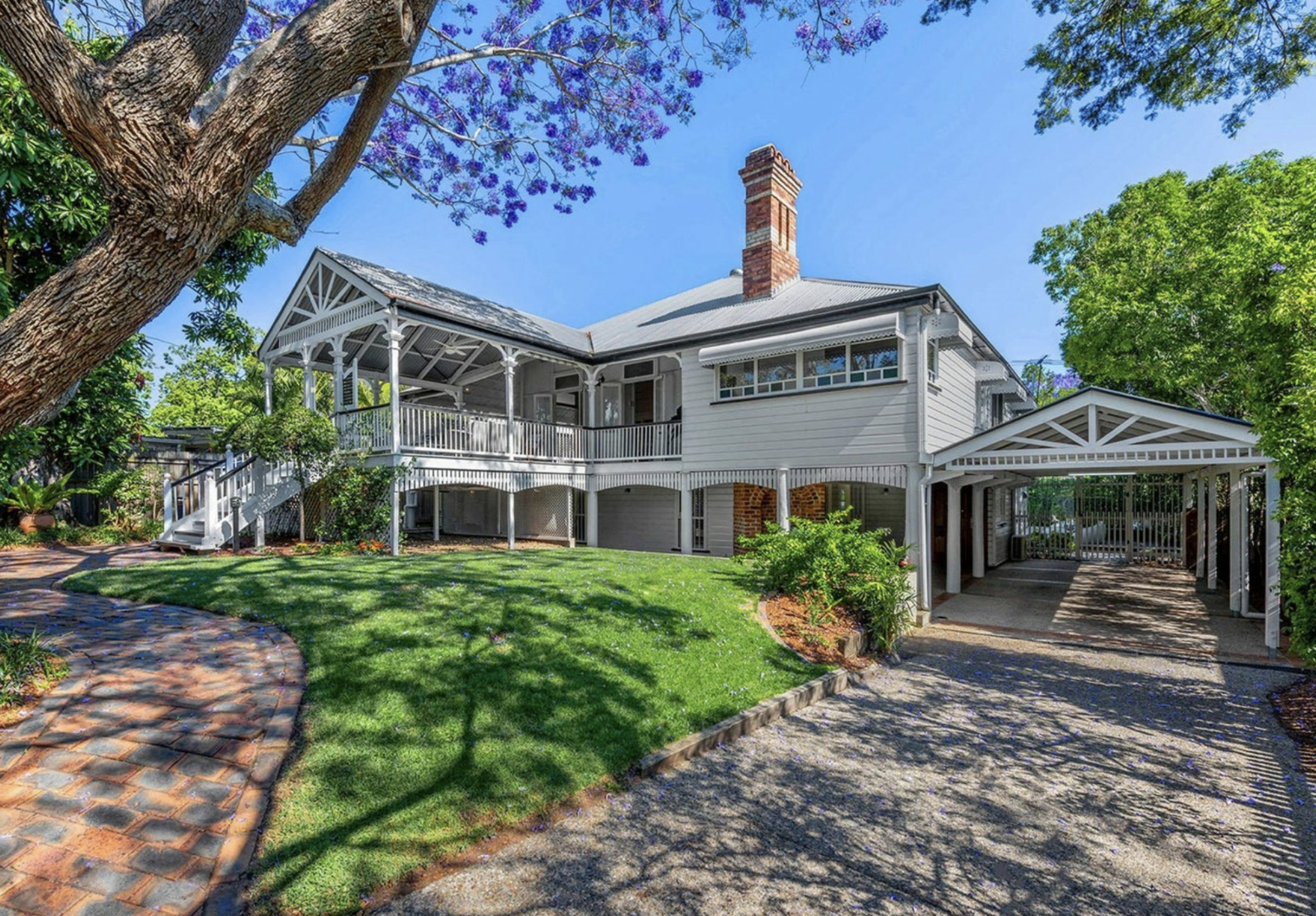
Situated on a bend of the Brisbane River, Chelmer offers peaceful, upmarket living less than 10km from the CBD. The suburb is known for its character homes, riverside views, and wide, leafy streets lined with jacarandas.
Chelmer has long attracted well-heeled families drawn to its excellent school catchments, village charm, and easy train access to the city.
The Homes
A four-bedroom Queenslander with a pool on Jarrot Street is the priciest in Chelmer. It is seeking a $1,425 a week tenant.
Ascot
Median house value: $2.47m
Median weekly house rent: $1,025
The Neighbourhood
An icon of Brisbane’s prestige property market, Ascot is synonymous with elegance, history, and high-end living. The suburb is famous for its heritage-listed homes, proximity to the racecourses at Eagle Farm and Doomben, and the elite private schools that attract families from across the city.
Ascot is just 7km from the CBD and offers a refined, well-connected lifestyle with some of Brisbane’s most prestigious real estate. With a median weekly rent of $1,025 and the highest median house value on the list, it remains a flagship suburb in Brisbane’s luxury rental market.
The Homes
A four-bedroom Queenslander with a pool on Jarrot Street is the priciest in Chelmer. It is seeking a $1,425 a week tenant.
Pullenvale
Median house value: $2.02m
Median weekly house rent: $1,020
The Neighbourhood
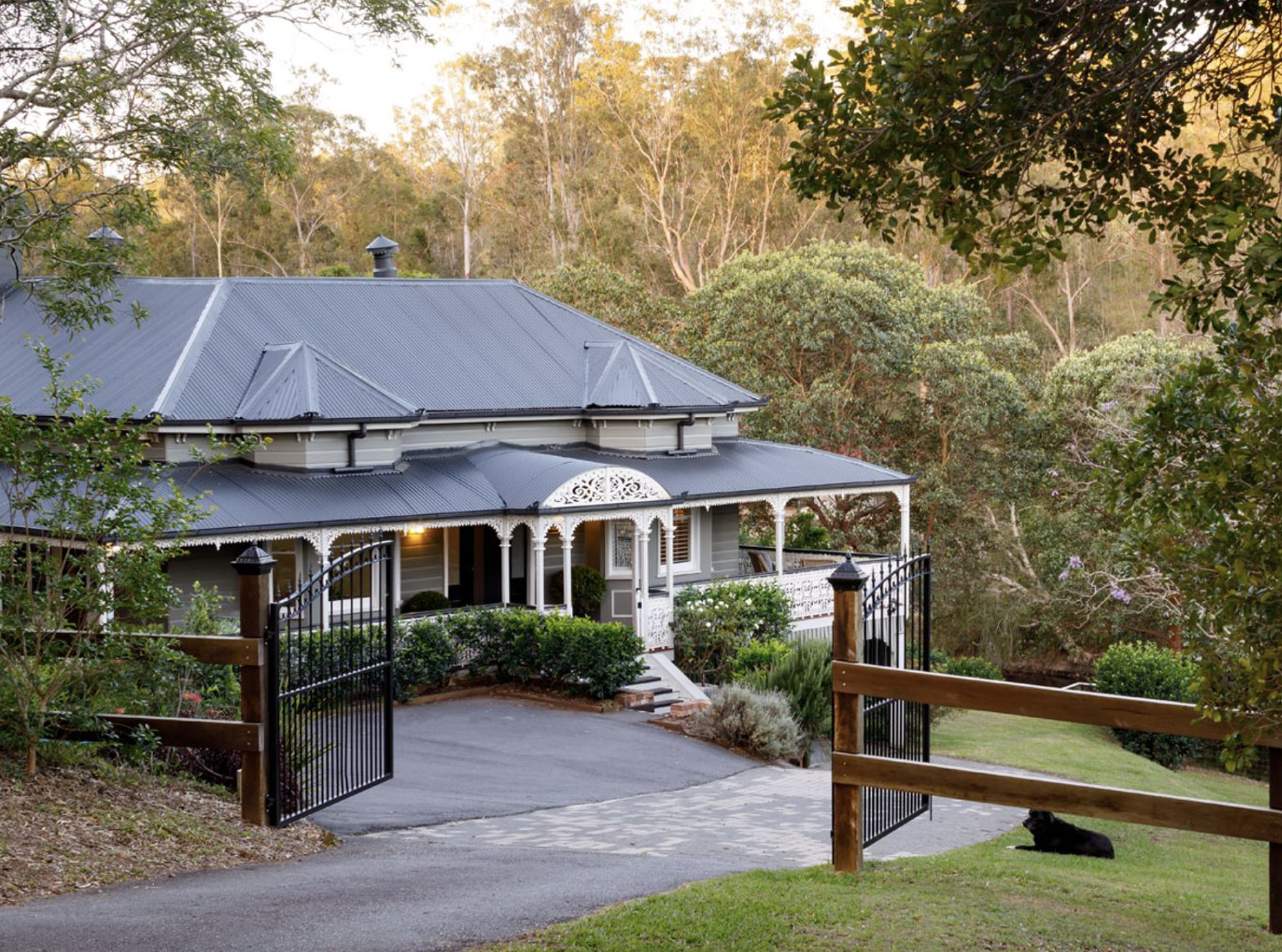
Set against a backdrop of rolling hills and native bushland, Pullenvale offers an acreage lifestyle just 20km from the city. The suburb is known for its spacious estates, peaceful atmosphere, and strong appeal to families who want both luxury and seclusion.
Despite its tranquil setting, Pullenvale is still within reach of top private schools and shopping hubs like Indooroopilly. With demand for large homes on generous land rising, the suburb has hit a median rent of $1,020 — placing it firmly within Brisbane’s most exclusive rental enclaves.
The Homes
One of the most expensive homes in Pullenvale on the rental market is Lynwood, a $1,200 a week rental. Set on 10,000 sqm, the 1940s-built home features a fireplace, 12ft ceilings, timber floor and VJ walls. It has four bedrooms and is wrapped in verandahs that overlook the surrounding manicured gardens.
Brisbane’s Cheapest Suburb: Russell Island
Median purchase: $454,000
Median rent: $461
Russell Island is the most affordable suburb within Greater Brisbane. Deemed as East Brisbane, Russell Island is in the City of Redland, 20 minutes by passenger ferry from Redland Bay.
The large 1,700-hectare island has a permanent population of 4,000 people and has everything from a medical centre and supermarket to an RSL, library, and museum.
Brisbane’s Best Suburb: Kangaroo Point
Kangaroo Point is the most consistently expensive suburb in Brisbane due to its tight supply of houses. According to the last census, just 10 percent of dwellings in the suburb are houses, given its proximity to the CBD.
The riverfront suburb is the closest to the Story Bridge on the south side, and has set records for the most expensive houses in the capital, which hug the cliff face. The suburb is home to Kangaroo Point Cliffs Park, The Cliffs Boardwalk, and popular Italian restaurant Joey’s that serves morning coffees all the way through to fine dining at night, with a terrace that takes in the best views in Brisbane.
The Holman Street Ferry Terminal connects Kangaroo Point to the city in minutes.
What is Brisbane’s most expensive suburb to rent a house?
As of May 2025, Hawthorne is Brisbane’s most expensive suburb to rent a house.
What is Brisbane’s cheapest suburb to rent a unit?
As of May 2025, Russell Island is Brisbane’s most expensive suburb to rent a house.
What is Brisbane’s most expensive suburb to buy a house?
As of May 2025, New Farm is Brisbane’s most expensive suburb to buy a house.
What is Brisbane’s most expensive suburb to buy a unit?
As of May 2025, Point Lookout is Brisbane’s most expensive suburb to buy a unit.
Australian shares fell on Thursday as Wall Street weakness, rising oil and persistent rate concerns weighed on most of the market. The S&P/ASX 200 declined 0.72 per cent to 8,702. The All Ordinaries lost 0.66 per cent to finish at 8,897. Mining stocks were hit particularly hard, while real estate also dragged on the index. …
Continue reading “ASX falls 0.7 per cent as miners and property stocks retreat”

Borrowers cannot control the Reserve Bank, but they can control how exposed their household budget is to its next decision. The RBA meets on 29 September with inflation concerns still elevated and major-bank economists increasingly bringing forward their rate-rise calls. Fixed mortgage rates have also been moving, reducing the value of waiting for perfect certainty. …
Continue reading “What mortgage holders should do before the next RBA decision”
A five-bedroom Palo Alto home designed by Steven Ehrlich is listed for $44 million, making it the city’s most expensive listing. Built around a dramatic concrete spine, the home features four courtyards and a pool.
3 min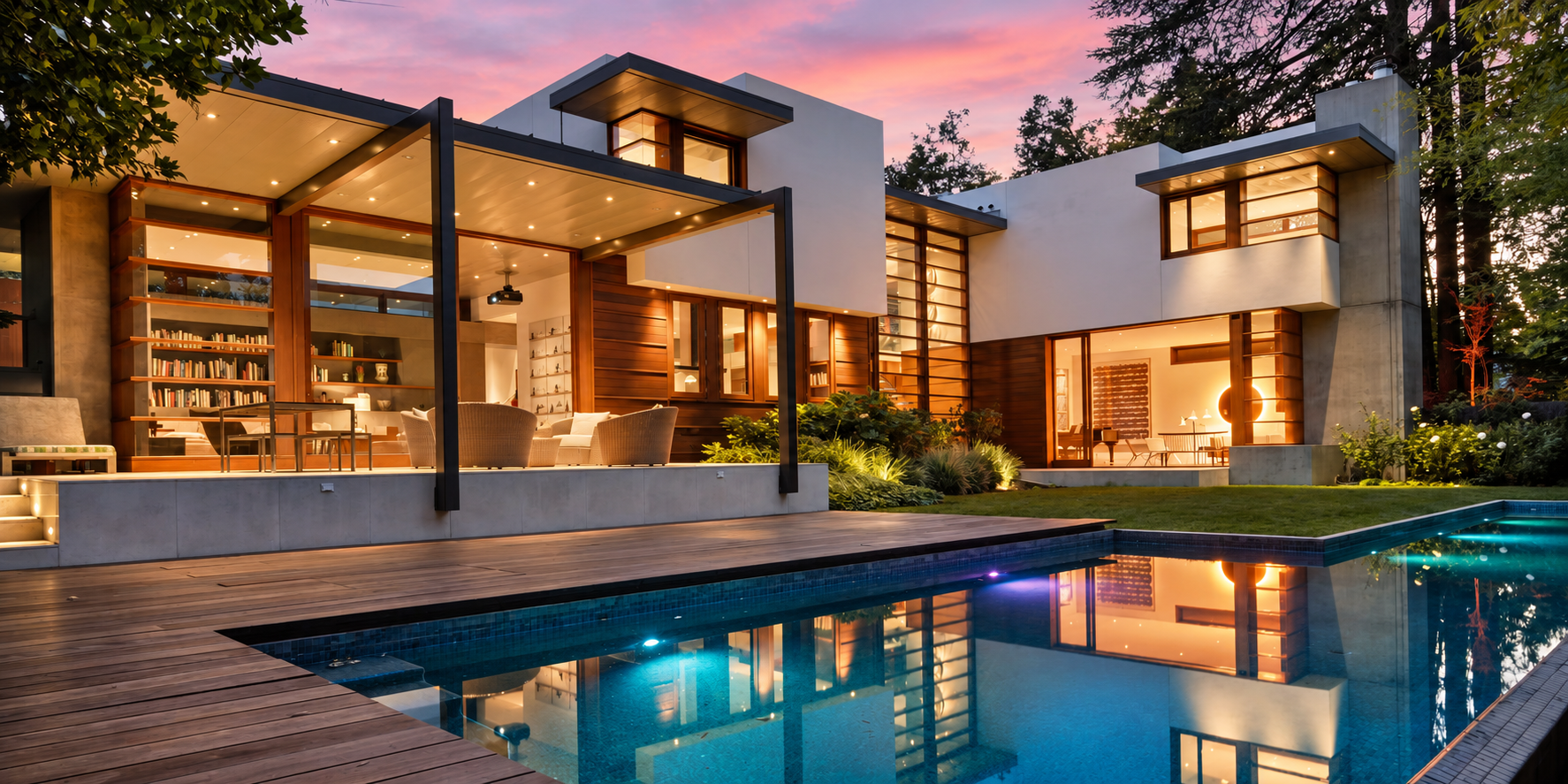
For years, tech entrepreneur Asher Waldfogel and his wife, Helyn MacLean, dreamed of building a modern house in Palo Alto, Calif.
The couple, however, worried about clashing with the Mediterranean-style architecture typically associated with their neighborhood of Old Palo Alto.
So they tapped architect Steven Ehrlich to create a design that paid homage to its surroundings with stucco, mahogany and titanium zinc cladding. They spent $20 million over several years building the house, completed in 2005.
Now looking to be closer to their adult daughter on the East Coast, they are putting the five-bedroom home on the market for $44 million—the most expensive listing in Palo Alto.
Waldfogel is an angel investor who co-founded Redback Networks, a telecommunications-equipment company. MacLean previously had a career in fundraising.
The couple purchased the roughly 0.4-acre site for $7.1 million in 2000 and demolished a circa-1930s Spanish Colonial home. The house they built pinwheels around a central staircase. It has 7,900 square feet of livable space, with four distinct courtyards and a pool.
A key feature of the home is a cast-in-place concrete wall, or spine, that is two stories high and about 80 feet long. “There’s a little bit of controlled chaos in what comes out of the form,” unlike a perfectly uniform surface, Waldfogel said. “If you want that, you do it in plastic.”
Waldfogel said he and his wife are thinking about the next phase of life now that their daughter is grown, although they have not decided where they will move. They also have a home in Sun Valley, Idaho.
“Right now we’re just trying to emotionally let go and decide what to do next,” he said.
Palo Alto, an epicenter of venture capital and tech startups in Silicon Valley, is home to some of the country’s biggest tech titans. Sales volume and prices are rising, with a median sale price of $3.5 million for the three months ending in August, up 5.8% year-over-year, according to real-estate brokerage Redfin.
Arthur Sharif of Sotheby’s International Realty—San Francisco Brokerage has the listing.
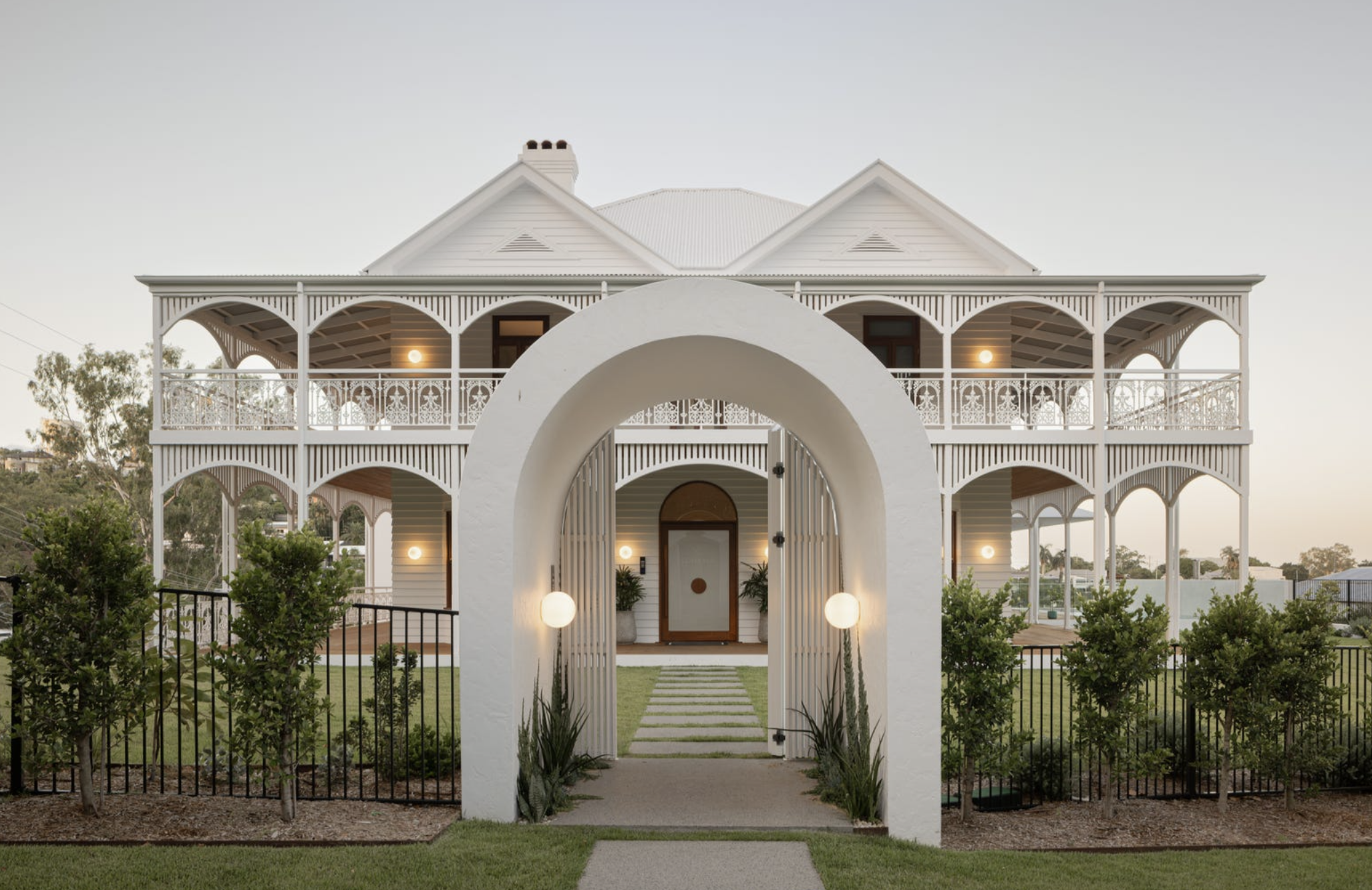
A restored 1860s Brisbane residence transformed by GRAYA has smashed Paddington’s house price record, selling for more than $12 million.
When the Writers Festival was called off and the skies refused to clear, one weekend away turned into a rare lesson in slowing down, ice baths included.