Four Ways To Feel the Glow With Heat Therapy
From mud baths to herbal massages, Fiji’s heat rituals turned one winter escape into a soul-deep reset.
 4 min
4 min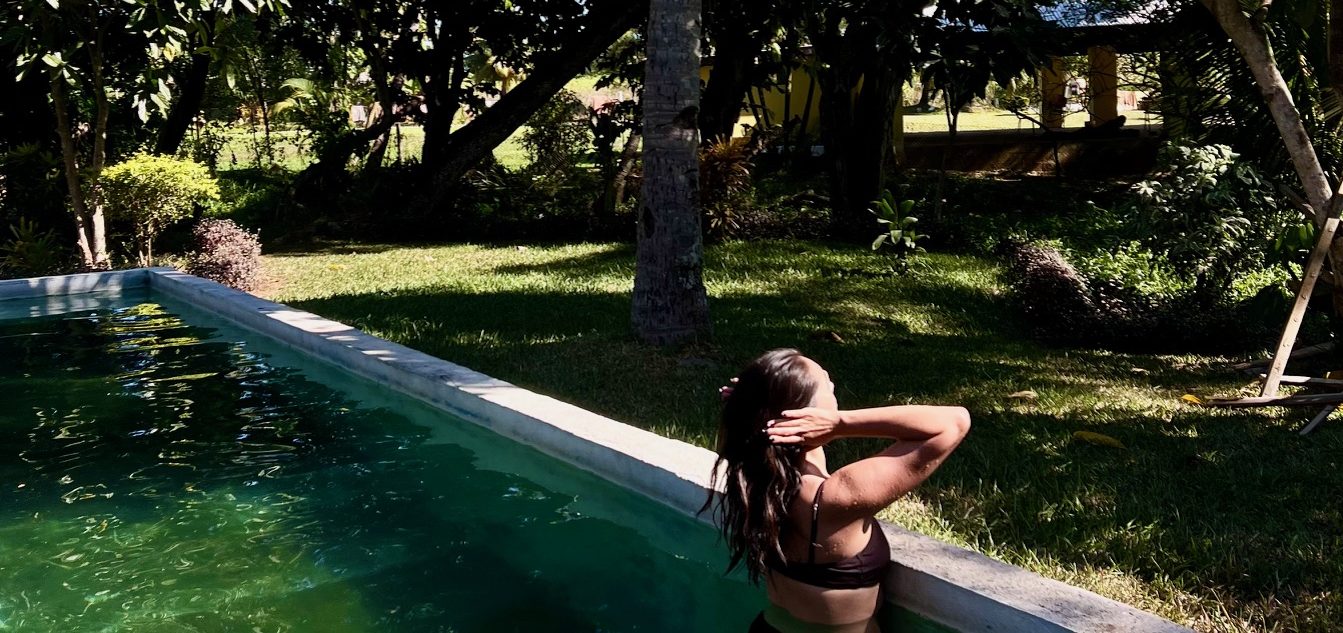
As someone who grew up in the endless sun of Southern California, I’ve never quite adjusted to the concept of winter. My threshold for “cold” is embarrassingly low – anything below 20°C sends me into survival mode. And living in Sydney now, every time the calendar tips toward June, my instinct kicks in: seek warmth. Any warmth. Immediately.
In years past, my winter ritual involved locking myself in a Bikram yoga studio in Darlinghurst, sweating through 90 minutes of stillness, fire, and surrender.
But this year, the craving ran deeper. I wasn’t just in search of heat; I needed something restorative. Something sun-drenched, soul-soothing, and slightly off-grid. I didn’t just want to survive winter; I wanted to reset.
So, I did what any sun-seeking woman with a wild heart and a family of six might do: I packed our bags and booked a trip to Fiji. What started as a seasonal escape turned into a deep, healing experience centred around one of the most ancient, powerful forces in the world: heat.
The Mud Baths & Thermal Pools: Earth-Generated Magic
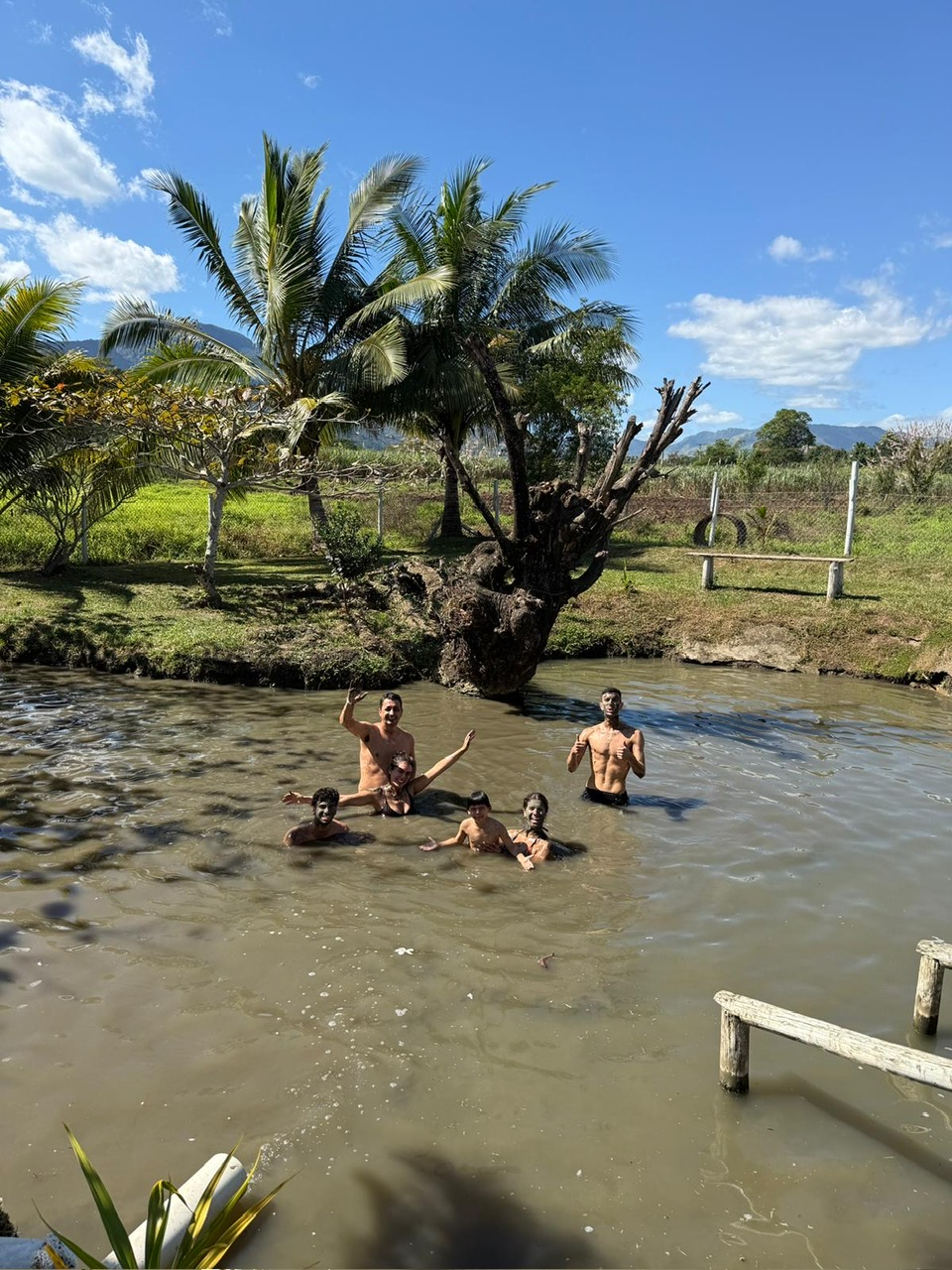
There’s something undeniably grounding about smearing warm volcanic mud across your skin in the heart of Fiji. And no, you’re not wading into a bubbling mud pit like some prehistoric spa-goer. Instead, you’re handed the rich, mineral-loaded mud in buckets – thick, cool to the touch, and dark as wet clay—and encouraged to paint it onto your body. It’s part ritual, part play.
My youngest dove in without hesitation, streaking mud across his cheeks like a mini warrior, giggling as the clay dried into a cracking shell. My older kids, on the other hand, stood back at first, clearly hesitant to get dirty.
But the more they watched everyone embracing the mess, the more they softened. One by one, they joined in, eventually laughing and covering themselves head to toe. Later, they admitted they were glad they did it – that it was way more fun (and relaxing) than they’d expected.
Once the mud dries and begins to flake off under the sun, the real magic begins. You move through a series of naturally heated thermal pools, each one warmer than the last. It’s not just about rinsing off – it’s about surrender. The heat seeps into your muscles, quieting your mind, easing your body into stillness. You feel the tension lift, the weight of the everyday loosen.
Barefoot Movement Under the Sun: Grounding Through Heat and Earth
One of the simplest yet most powerful rituals I practised in Fiji was also the most natural—walking barefoot under the sun. No shoes, no schedule. Just me, warm sand, and the soft rhythm of movement.
Each morning or late afternoon, I’d wander along the beach, letting the tropical sun heat my skin and the golden sand press into the soles of my feet. This wasn’t just a walk—it was heat therapy in motion. The sensation of sun-warmed earth beneath me felt primal and deeply grounding. With every step, I could feel my body recalibrating, my nervous system softening, my mind unclenching.
Walking barefoot in a warm climate activates something ancient in us. It combines the benefits of heat, natural reflexology and earthing – a practice that connects your body directly to the electromagnetic frequency of the planet. In wellness circles, it’s believed to reduce inflammation, balance cortisol levels, and even improve sleep.
But I wasn’t thinking about the science at the time. I was just feeling. I was present. I was soaking in the warmth, both from above and below. And in those moments—between steps, between breaths—I felt a kind of wholeness I didn’t know I’d lost.
The Fijian Hot Herbal Poultice: A Tropical Embrace
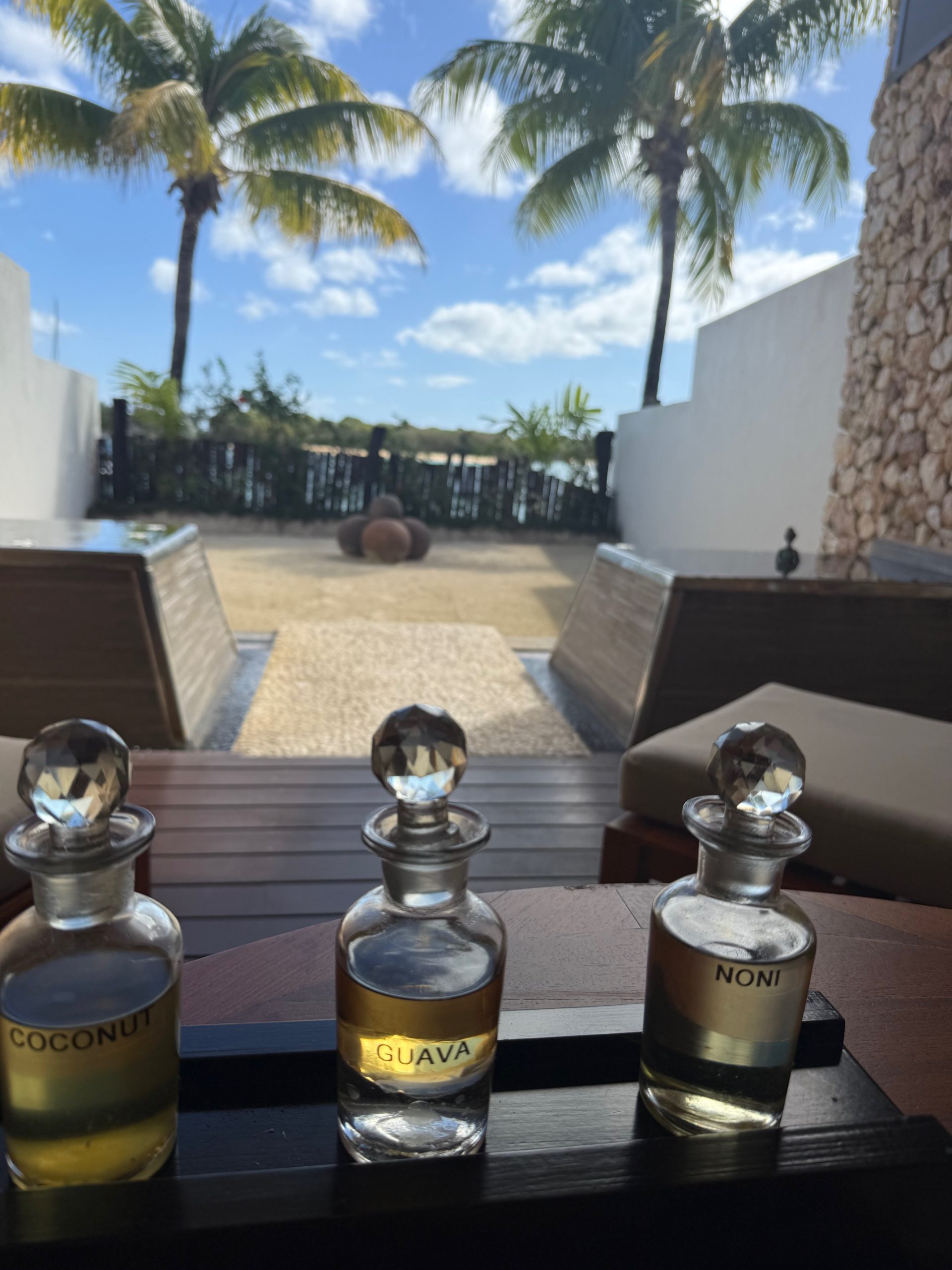
If you’ve never experienced a hot herbal poultice massage, allow me to set the scene: bundles of freshly picked island herbs—wrapped in cloth, steeped in coconut oil, and steamed until they’re nearly too hot to touch. Then, slowly, rhythmically, they’re pressed into your skin.
It’s not just a massage. It’s a ceremony. The heat from the compresses reaches deep into the muscle tissue, melting away months of stress, while the scent of local botanicals lingers in the air—think ginger, lemongrass, wild mint. I could feel my nervous system recalibrating with each press.
This was the treatment I didn’t know I needed—the one that reminded me what deep exhale feels like. It was luxurious, yes, but also humbling. Rooted in Fijian tradition, the experience felt like being held by the island itself.
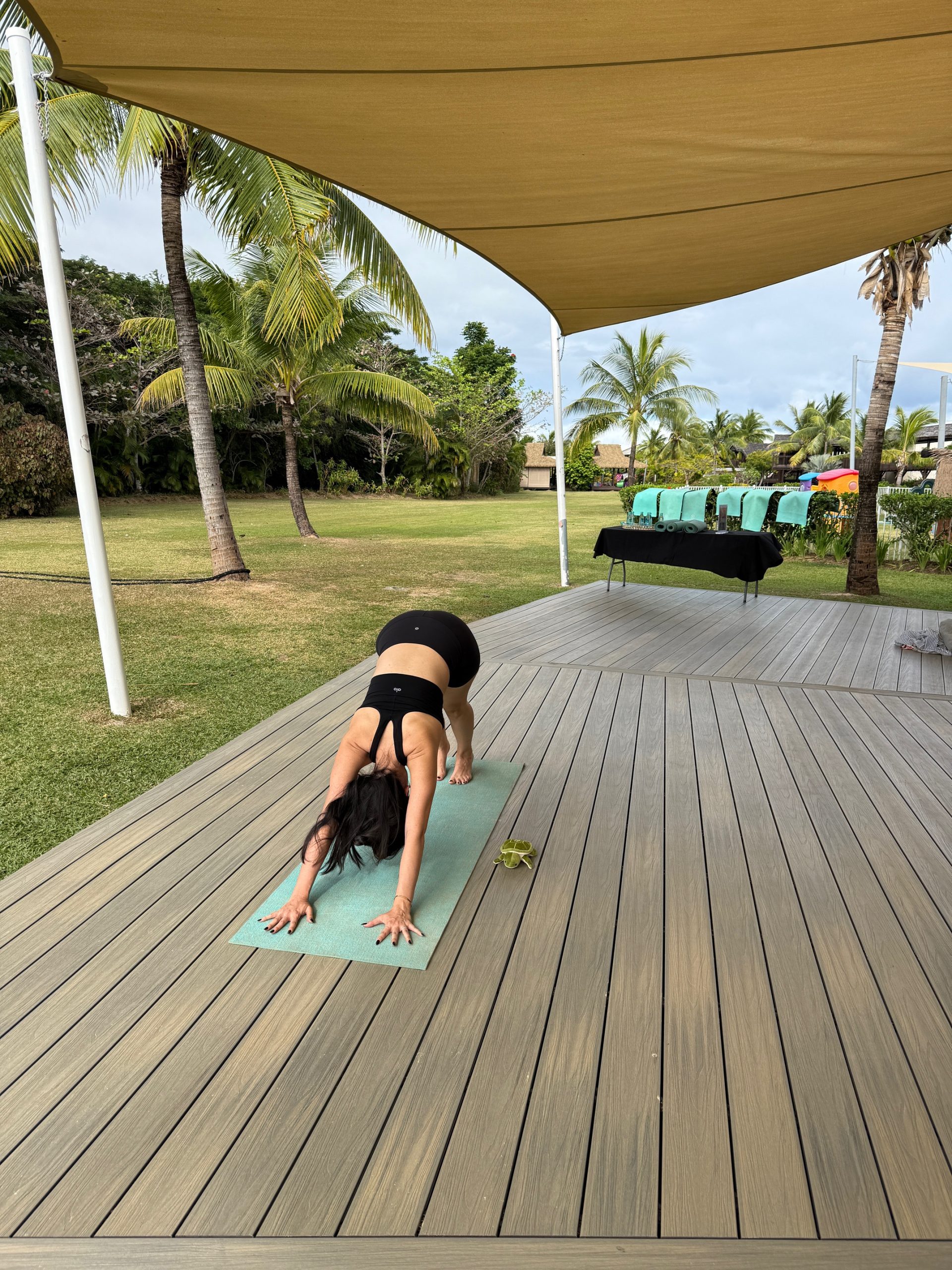
Yoga in the Morning Sun: Building the Fire Within
Every morning, while the rest of my family eased into the day, I claimed a quiet corner of the resort gym deck overlooking the ocean. No complex flows, no pressure to “perform”—just me, my mat, and the rising sun.
The warmth on my skin as I moved slowly—stretching, breathing, simply existing—was its own kind of therapy. On some days, I followed a downloaded 20-minute flow; on others, I let my body decide what it needed. But every session had the same goal: to build internal heat. To ignite my energy from the inside out.
That, I realised, is the essence of heat wellness. It’s not always about stepping into something hot. Sometimes, it’s about letting the warmth within you rise up and take over.
Why We Chase the Heat
There’s a reason cultures across the globe have long incorporated heat into their wellness rituals—from Turkish hammams to Finnish saunas to Japanese onsens. Heat cleanses, softens, recalibrates. It strips away layers—literal and emotional—and brings you back to your most essential self.
Physiologically, it improves circulation, reduces inflammation and eases muscle pain. But emotionally, heat provides something even deeper: a sense of surrender. A return to presence. A softness in a world that often feels far too sharp.
For me, Fiji wasn’t just about escaping winter – it was about remembering that heat is medicine. It’s a ritual. It’s connection. And it’s something we can carry with us, even when we return home.
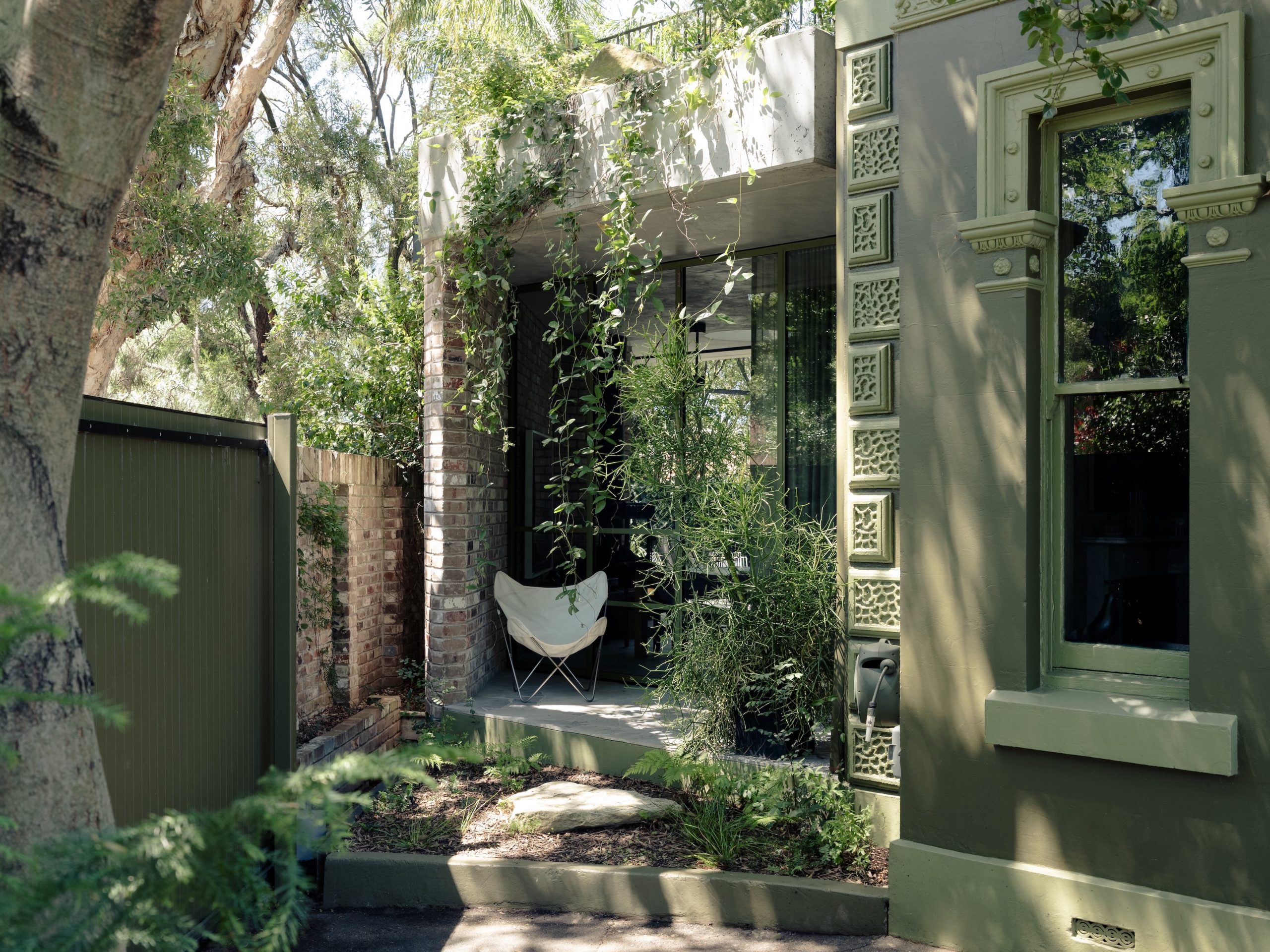
From bushland greens to valley reds, the country’s most awarded designers are proving that the best colour palette was never on a swatch card; it was outside the window all along.
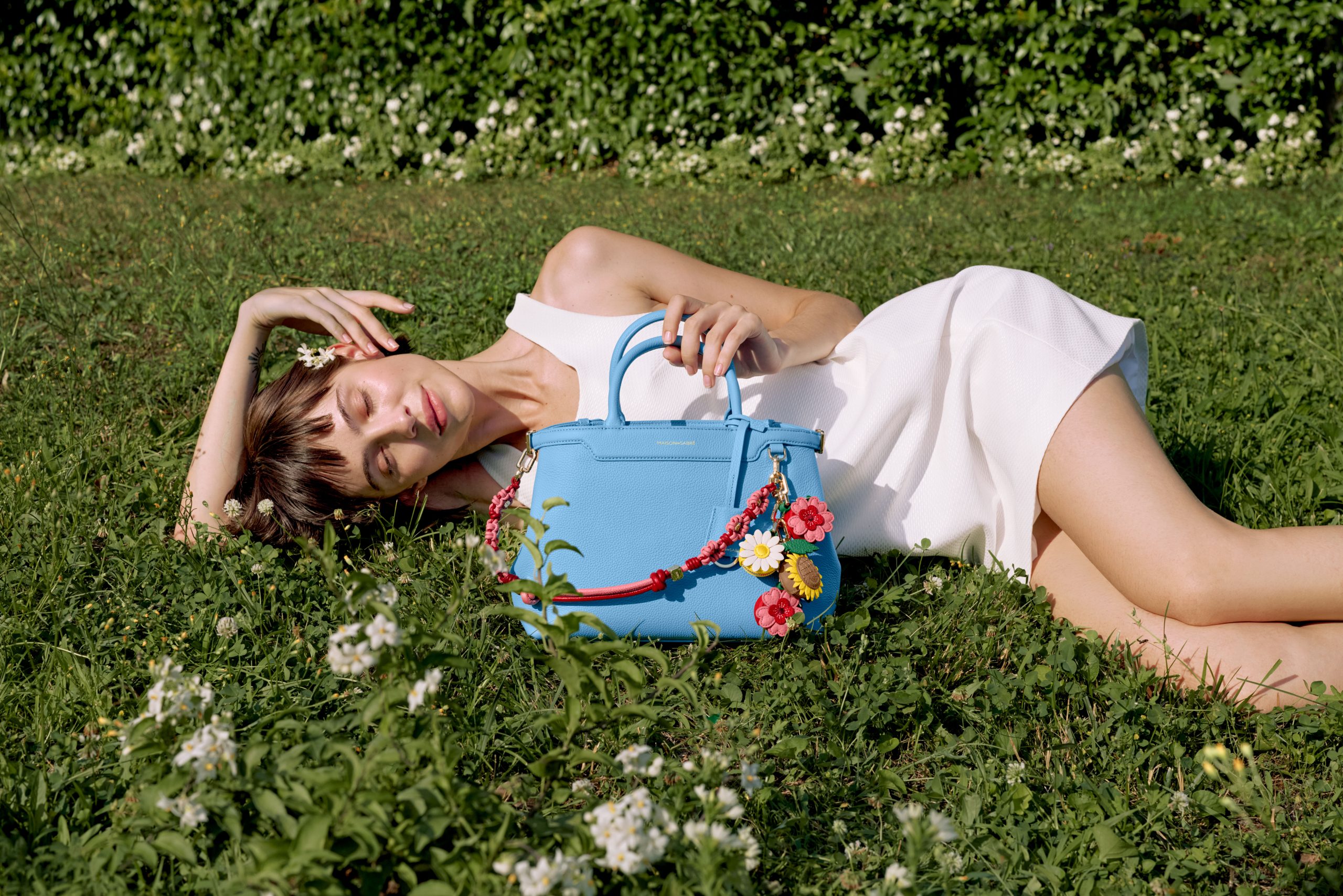
The Australian leather house has opened an immersive four-day pop-up in Manhattan, unveiling its Bloom Collection and redefining what a product launch can look like.
 2 min
2 min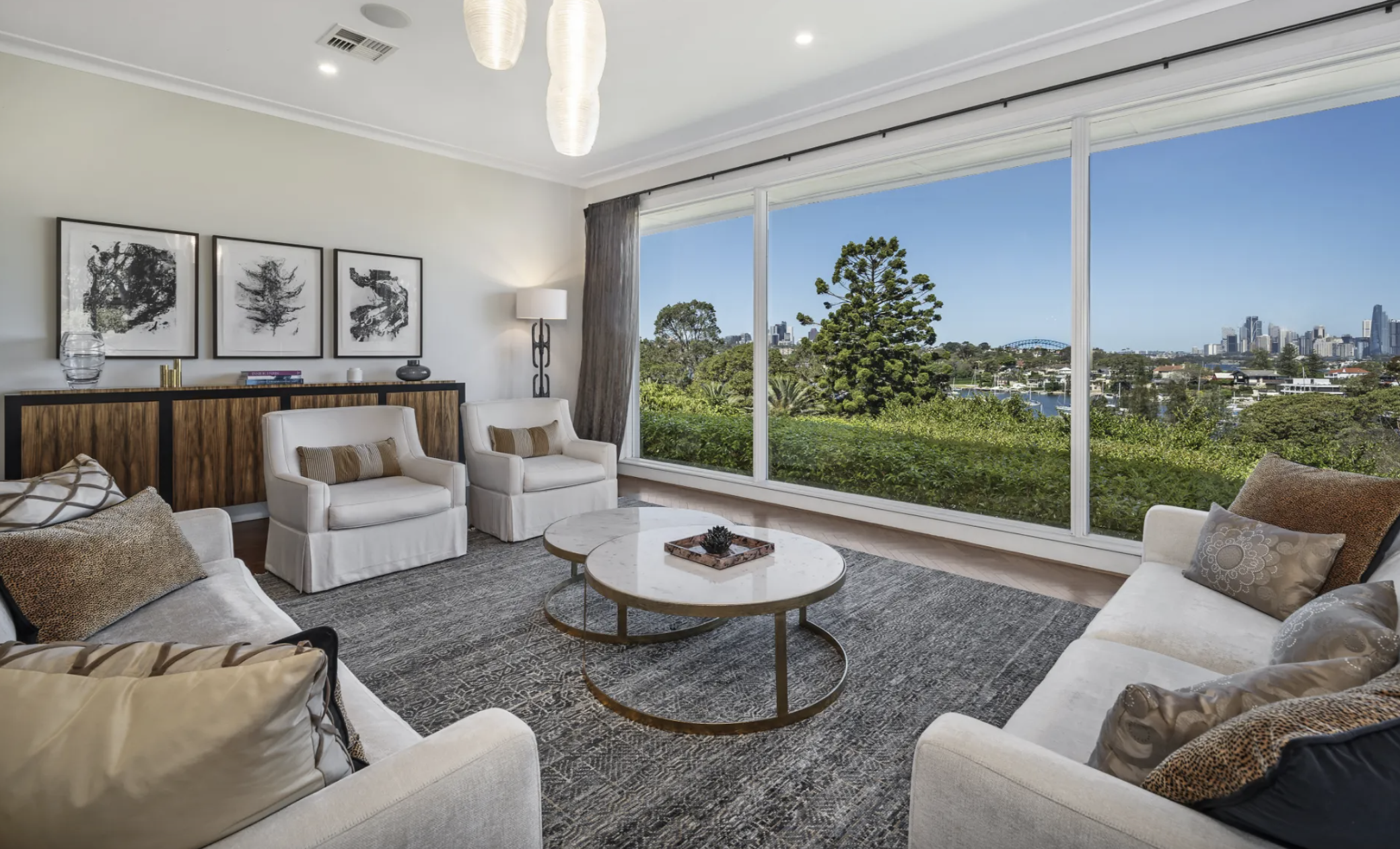
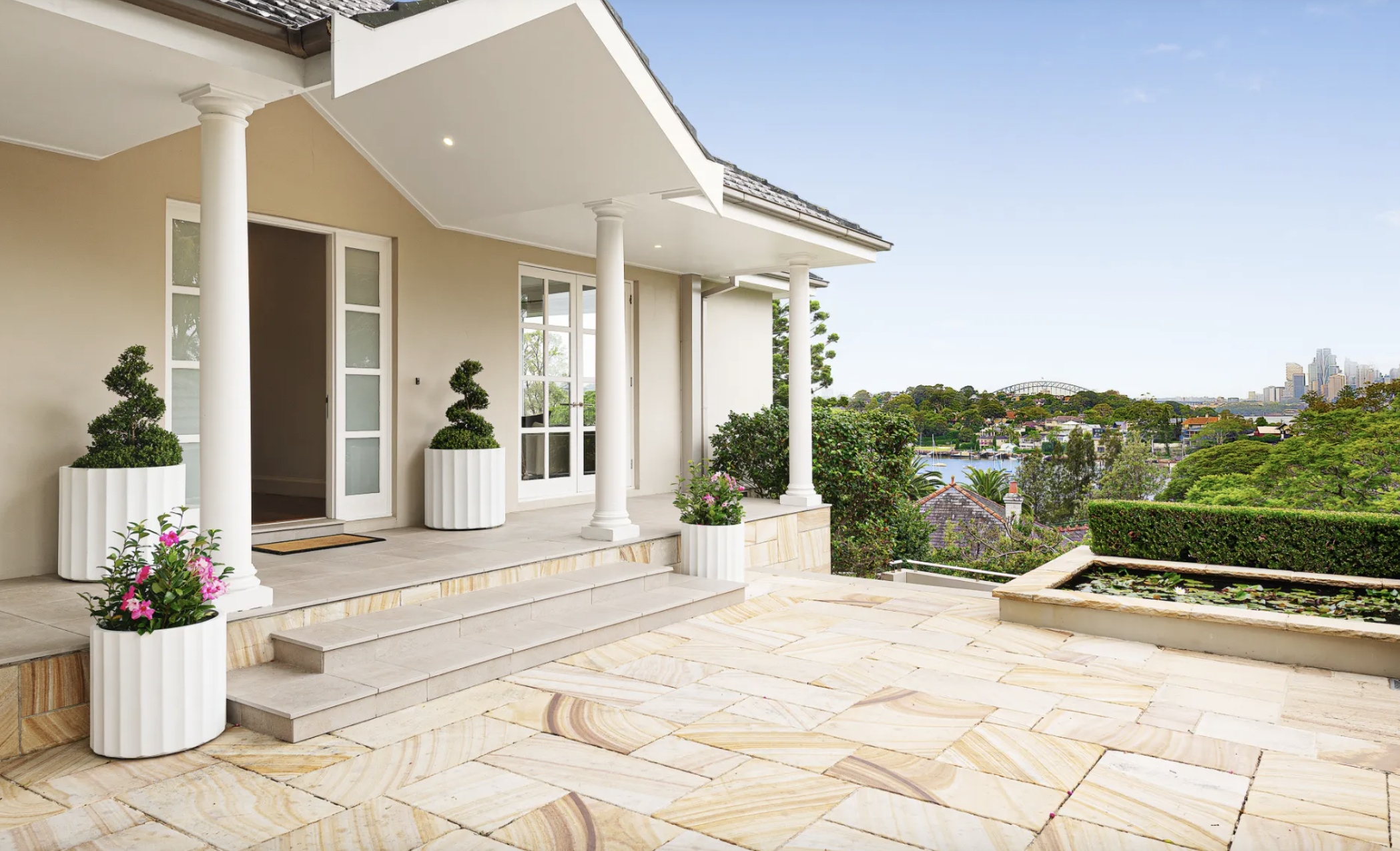
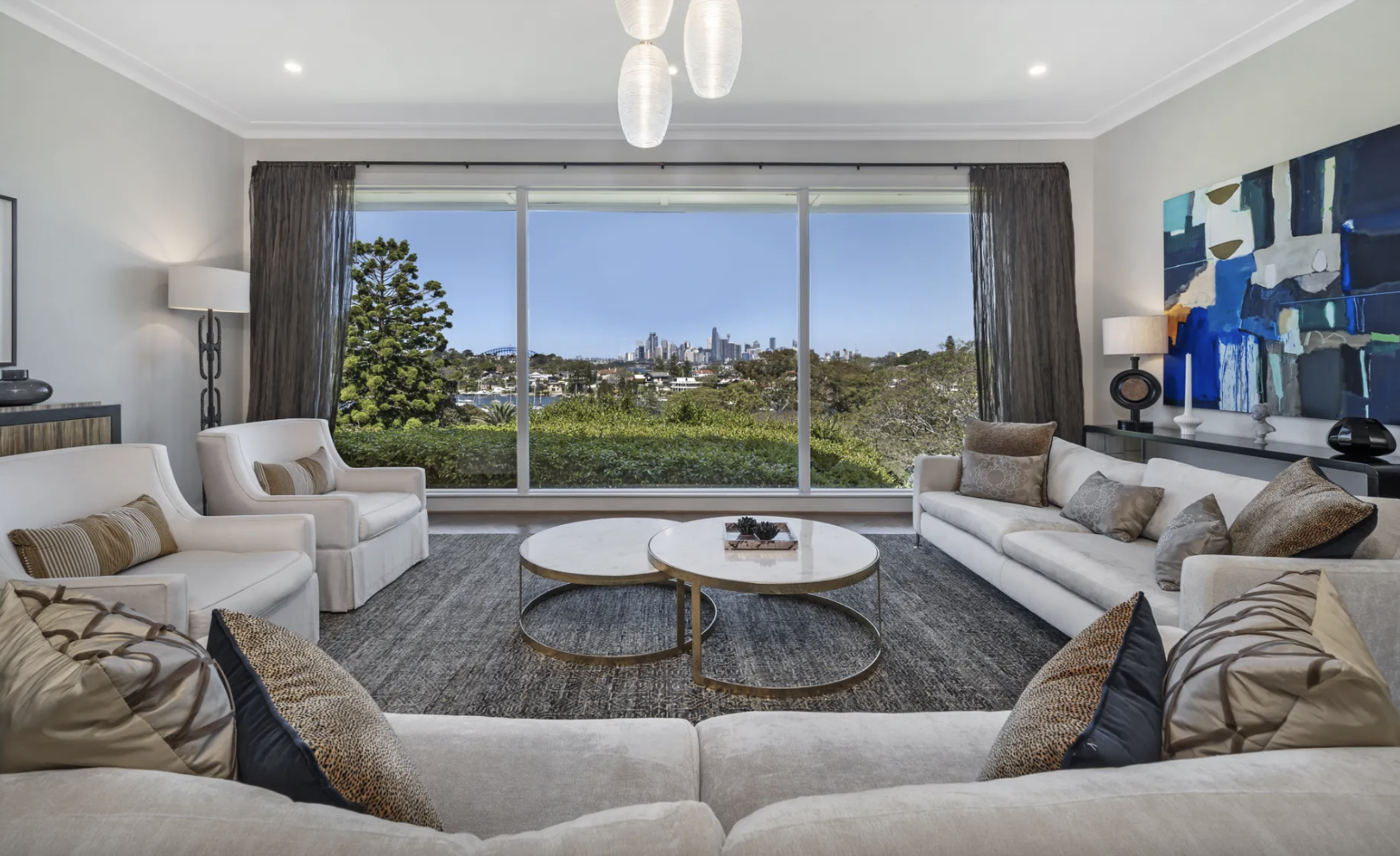
Held by the same family for 26 years, this Harbour Bridge-facing residence at Longueville is the type of property that rarely comes to market. Set on more than 1,100 sqm on one of Sydney’s most tightly held peninsulas, it combines complete privacy with uninterrupted views across the harbour to the city skyline.
It’s the sort of offering where the land is just as important as the home. Positioned directly opposite Aquatic Park with a prized northeast aspect, the residence captures sweeping harbour views from almost every main living space while remaining remarkably secluded from neighbouring properties.
Large picture windows frame the outlook throughout the home, flooding the interiors with natural light and making the harbour the centrepiece of everyday living.
Designed for family living
The home offers multiple living zones, including a formal lounge and dining rooms, a separate family room and an open-plan living and meals area. Blackbutt timber parquetry flooring, high ceilings and ducted reverse-cycle air conditioning feature throughout.
The kitchen sits at the heart of the home, with induction cooking, a generous island bench, and a walk-in pantry, connecting both the formal entertaining areas and the more casual family spaces.
A ground-floor master suite includes a walk-in robe, dressing area and ensuite, while upstairs are three additional bedrooms with built-in robes, together with a spacious home office or study.
The lower ground level adds another layer, with a temperature-controlled cellar and tasting room, plus a flexible gym, wellness or recreation space.
Resort-style setting overlooking Sydney Harbour
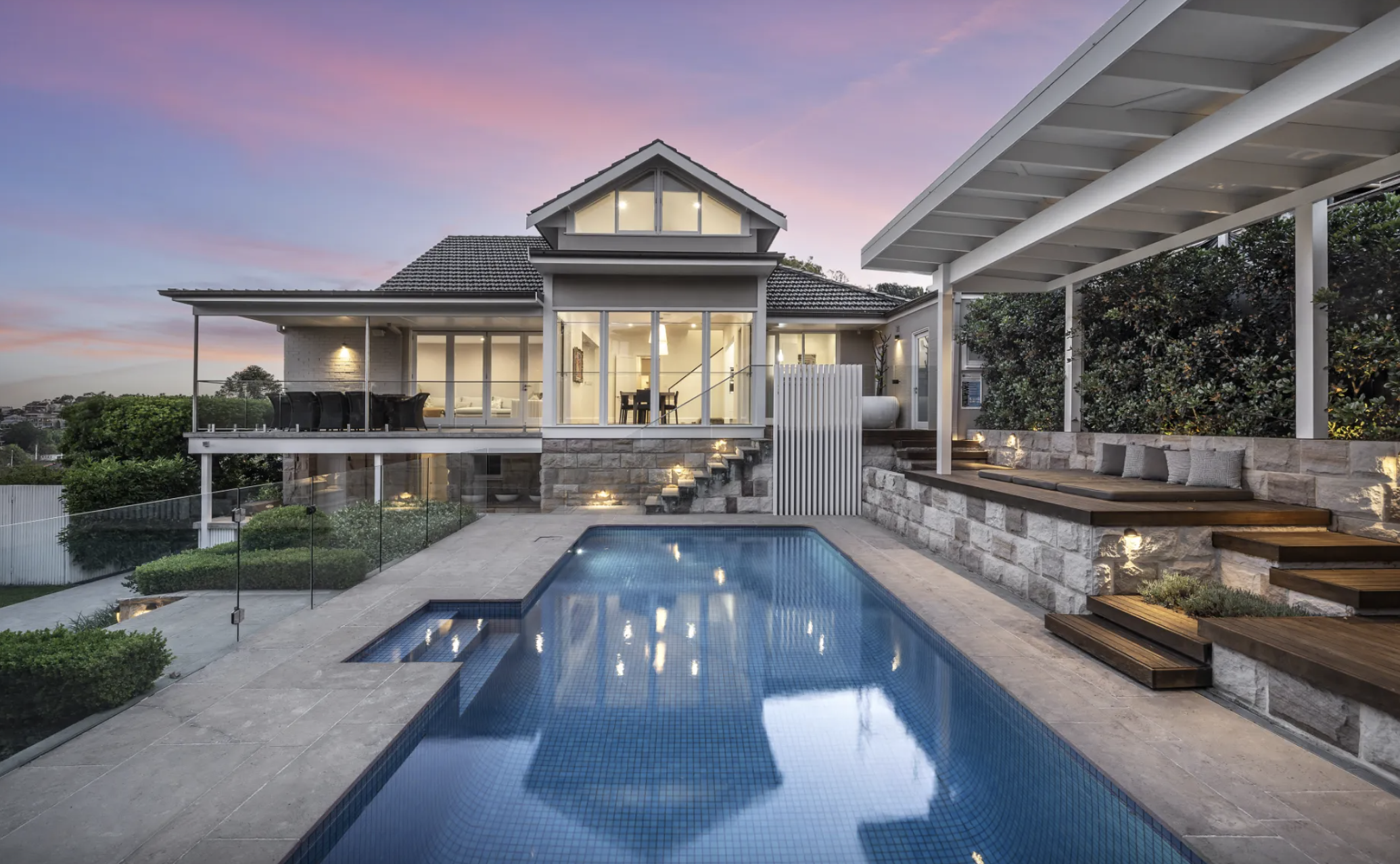
Outside, landscaped gardens wrap around a heated swimming pool, an expansive entertaining terrace, and a level lawn, creating a private resort-style setting against the backdrop of Sydney Harbour.
Additional features include a solar system with battery storage, remote lock-up garaging for three vehicles and generous storage throughout.
Beyond the home itself, the location remains one of Longueville’s biggest drawcards. Longueville Ferry Wharf sits around 150 metres away, providing direct access to the CBD while preserving the quiet character of one of Sydney’s most tightly held waterfront suburbs. The property is also within the catchments of Lane Cove Public School and Hunters Hill High School.
Simon Harrison and Kim Walters of Belle Property Lane Cove are marketing the property on a Contact Agent basis.
At a glance
Address: 3 Mary Street, Longueville NSW 2066
Configuration: 4 bedrooms | 3 bathrooms | 3-car garage
Land: Approximately 1,100 sqm
Highlights: Harbour Bridge and city skyline views, northeast aspect, heated pool, cellar, solar with battery storage
Held: First time offered in 26 years
Price: Contact Agent
Agents: Simon Harrison and Kim Walters, Belle Property Lane Cove
This article is produced by the Kanebridge Media editorial team. Property information has been supplied by the listing agent. Buyers should conduct their own due diligence before relying on any information contained in this article. Enquiries: propertyconcierge@kanebridge.com.au.

As interest rates, inflation and market sentiment fluctuate, investors are being urged to focus on data, not panic.

Travellers are swapping traditional sightseeing for immersive experiences, with Africa emerging as a must-visit destination.