LOW-FOOTPRINT LUXURY REDEFINES SOUTHERN AFRICA’S SAFARI EXPERIENCE
Exclusive eco-conscious lodges are attracting wealthy travellers seeking immersive experiences that prioritise conservation, community and restraint over excess.
 2 min
2 min
Luxury travel in Southern Africa is undergoing a quiet but profound transformation. Where sprawling resorts and visible opulence once defined status, a new generation of high-end travellers is gravitating towards smaller, low-footprint lodges that deliver exceptional experiences while preserving the environment around them.
This shift reflects a broader recalibration of priorities among affluent travellers, who are increasingly placing sustainability alongside comfort and exclusivity when selecting destinations.
Industry reports from Virtuoso and American Express Travel highlight growing demand for accommodation that supports conservation, limits environmental impact and contributes meaningfully to local communities.
For operators such as Isibindi Africa, this approach has long been central to their philosophy. Its flagship properties, Thonga Beach Lodge in South Africa and Tsowa Safari Island on the Zambezi River, demonstrate how thoughtful design and operational restraint can enhance rather than diminish the luxury experience.
DESIGNED TO DISAPPEAR INTO THE LANDSCAPE
Set within the UNESCO-listed iSimangaliso Wetland Park, Thonga Beach Lodge is defined by its deliberate invisibility. Guest numbers are strictly capped, and the lodge’s timber structures are elevated on stilts to minimise disruption to the fragile dune ecosystem.
Lighting is carefully controlled to avoid interfering with turtle nesting along the coastline, ensuring wildlife encounters remain entirely natural.
“Low-footprint luxury starts with knowing when to stop,” says Lucy Cooke, Group Marketing Manager at Isibindi Africa. “Guests notice when a place feels considered rather than overbuilt, and many now expect that.”
That same restraint extends to construction and daily operations. Traditional thatched roofs and local building techniques allow the lodge to blend seamlessly into its surroundings, while refillable amenities, reusable containers and the elimination of single-use plastics reduce waste.
POWERED BY NATURE, NOT EXCESS
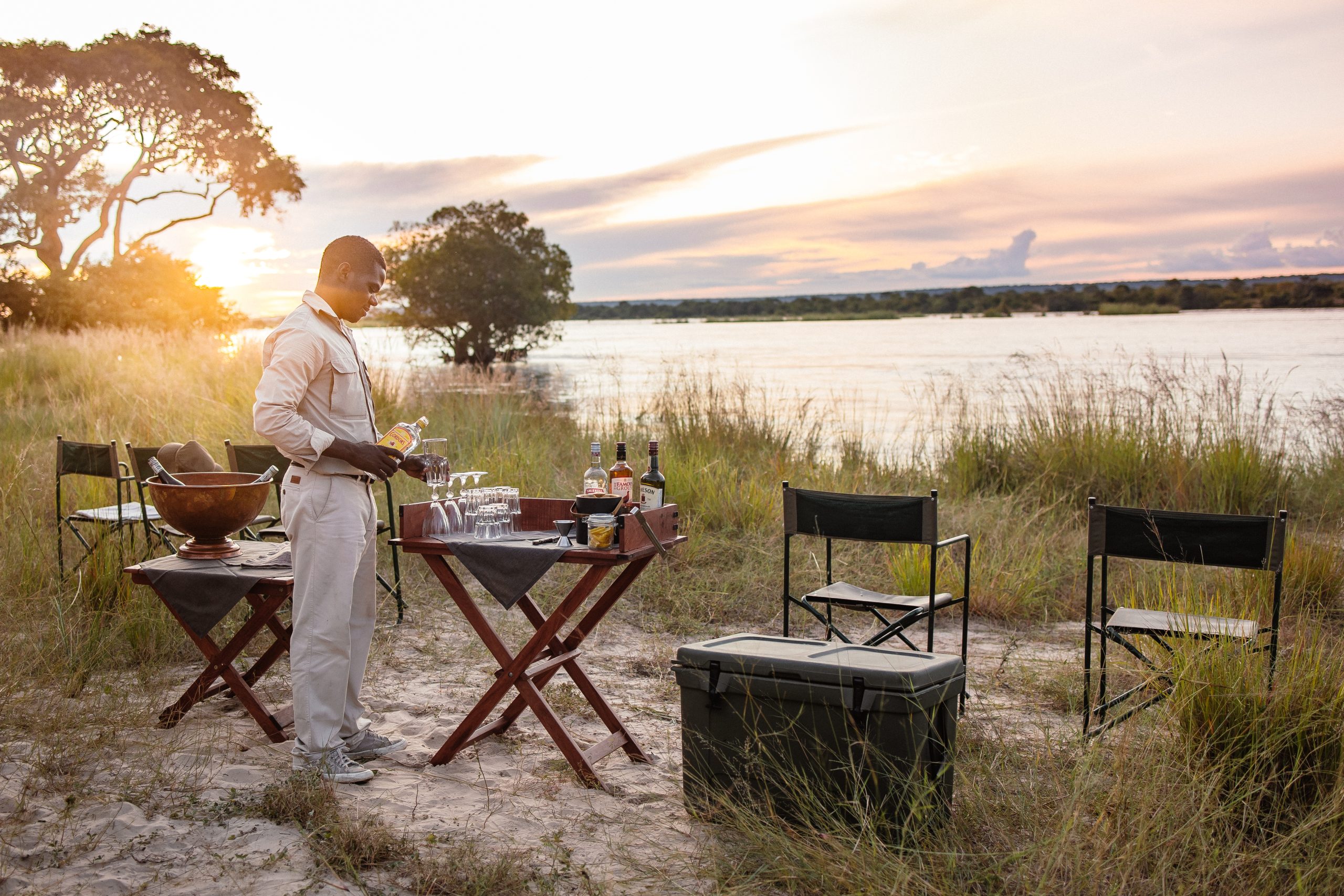
On the Zambezi River, Tsowa Safari Island offers an equally refined yet restrained experience. Limited to just nine safari tents and a maximum of 18 guests, the camp operates entirely on solar power, with water sourced from the river, filtered onsite and returned through environmentally sensitive systems.
The lodge was built without removing a single tree, with structures carefully positioned around existing vegetation to preserve the island’s natural character.
This intentional scarcity enhances the sense of exclusivity while ensuring the environmental footprint remains minimal.
COMMUNITY AND CONSERVATION AT THE CORE
Beyond environmental sensitivity, these lodges also reflect a deeper integration with local communities. At Thonga Beach Lodge, more than 90 per cent of staff come from the nearby Mabibi community, supported through training and long-term employment opportunities.
The lodge also supplies clean water to approximately 800 households each month, alongside investment in local schools, infrastructure and conservation initiatives.
Tsowa Safari Island similarly supports surrounding communities through water access programmes, agricultural support and anti-poaching partnerships with park authorities.
THE FUTURE OF LUXURY IS LESS, NOT MORE
As luxury travellers become more discerning about the true impact of their journeys, exclusivity is increasingly defined by authenticity, privacy and environmental sensitivity rather than scale.
These new-generation lodges demonstrate that luxury no longer requires excess. Instead, the most desirable experiences are those that tread lightly, preserve what makes a place special and offer guests a deeper connection to the natural world.
In Southern Africa, restraint has become the ultimate luxury.

Australian shares fell on Thursday as Wall Street weakness, rising oil and persistent rate concerns weighed on most of the market. The S&P/ASX 200 declined 0.72 per cent to 8,702. The All Ordinaries lost 0.66 per cent to finish at 8,897. Mining stocks were hit particularly hard, while real estate also dragged on the index. …
Continue reading “ASX falls 0.7 per cent as miners and property stocks retreat”

Borrowers cannot control the Reserve Bank, but they can control how exposed their household budget is to its next decision. The RBA meets on 29 September with inflation concerns still elevated and major-bank economists increasingly bringing forward their rate-rise calls. Fixed mortgage rates have also been moving, reducing the value of waiting for perfect certainty. …
Continue reading “What mortgage holders should do before the next RBA decision”

Employers are rethinking performance reviews as Gen Z workers seek more frequent, clear and actionable feedback.
4 min
Bosses are getting no shortage of feedback on how to give their youngest staffers…well, feedback: Do ask how they are doing first. Don’t criticize a personality trait. Do give them concrete direction, and a lot of it.
And whatever you do, call a performance discussion a check-in, not a review.
The oldest members of Gen Z are about to turn 30, yet companies are devoting more time and resources than ever to figuring out how to give this manager-befuddling generation better direction. For help, they are turning to a cottage industry of multigeneration-workplace consultants and even artificial-intelligence bots, while ripping up the script for what used to be once-a-year evaluations.
All of it is a departure for leaders who rose through the ranks in an era devoid of so much thought to effective coaching and criticism. “When I started my first job, I got a performance review a year later, and that was just expected,” said Adam Coyne, chief administrative officer at research and analytics firm Mathematica, which has shifted from annual reviews to quarterly, two-way check-ins for new junior hires.
“This is a group that wants a lot more real-time feedback,” added Coyne, 55.
It is a message managers say they are getting nonstop from surveys and all-hands meetings, not to mention the universities and colleges preparing graduates for the white-collar world of work: Used to the immediate validation of social-media likes and comments, even instantly posted grades, this generation of workers craves clear, frequent direction—and they feel disoriented and anxious when they don’t get it.
Gallup data suggest companies are still struggling to get the hang of it. Younger workers report some of the biggest drops in engagement at work over the past five years. Not knowing where they stand appears to be a big factor. The share of Gen Z and younger millennials who strongly agreed with the statement, “I know what is expected of me at work,” fell 9 points to 42% in surveys between 2020 and 2025.
That doesn’t mean they need the effusive praise that many managers claim they do, some 20-something workers say. “I personally dislike this style,” said Nathan Luckock, a 20-year-old engineer at an AI startup. More effective, he said, is just “pointing out mistakes and then offering a solution.”
That sounds familiar to Lindsey Pollak, a multigenerational workforce expert and executive coach, who says she coaches bosses to be as specific as possible. Instead of “be more responsive,” for instance, she suggests “need to hear from you within an hour of receiving an instruction.”
At Mathematica, Chief Executive Paul Decker said the firm switched to more frequent check-ins in part because so many new entry-level hires were peppering supervisors with questions like: “How am I doing?” and “What does the next level require?” At staff meetings, younger workers often questioned why things were done the way they had always been done.
That included things like “waiting months to learn whether you’re meeting expectations,” he said.
KPMG executives said they, too, began giving their younger workers more frequent assessments on skills like critical thinking and adaptability last year after interns said they wanted to hear more often how their skills were coming along. The firm wanted to “make sure that we scratch the itch,” said Jason LaRue, vice chair of talent and culture at KPMG’s U.S. practice.
Some managers are getting feedback on giving feedback from bots.
Joe Hirsch, a corporate speaker and author of “The Feedback Fix,” recently used an AI coaching platform to work with a tech-company manager on her delivery. She had been frustrated that one of her junior reports wasn’t grasping her pointers on pitching clients, so she role-played the conversation with the AI coach.
The problem, the bot advised, was that she wasn’t giving the employee enough context for why she wanted things done a certain way. “Let’s connect so I can share more about our approach and get your take on it,” it suggested she say.
That did the trick when she tried the approach in real life. “The advice finally landed,” Hirsch said.
Even a few, clear bullet points work, said Valerie Chapman, the 27-year-old founder and CEO of Ruth AI, a career strategist platform for women. “My generation likes to get feedback so that they know how they should adjust.”
She recalls getting bullet-pointed direction when she worked as a strategic growth partner at real-estate company Compass a few years ago. The feedback started with praise before offering pointers.
“It would be, ‘Great job. Here are some things that you could do next week,’” she said. “If that comes in on a Friday, then my Gen Z brain knows exactly what I need to do on a Monday.”
Mike Ekbundit, director of GE Appliances’ engineering programs, said he has tried to make performance discussions with younger workers in rotational programs two-way dialogues rather than top-down critiques. So he revised online evaluations to include prompts for managers to ask questions like “Did you like the assignment leader?” and “Was it too much work?”
Managers are also asked to assess the program participants on nine different categories, like innovation and resilience, while employees are prompted to list their top strengths and weaknesses.
“I need high customer satisfaction to retain this highly sought-after talent, and this is part of how I get it,” he said.
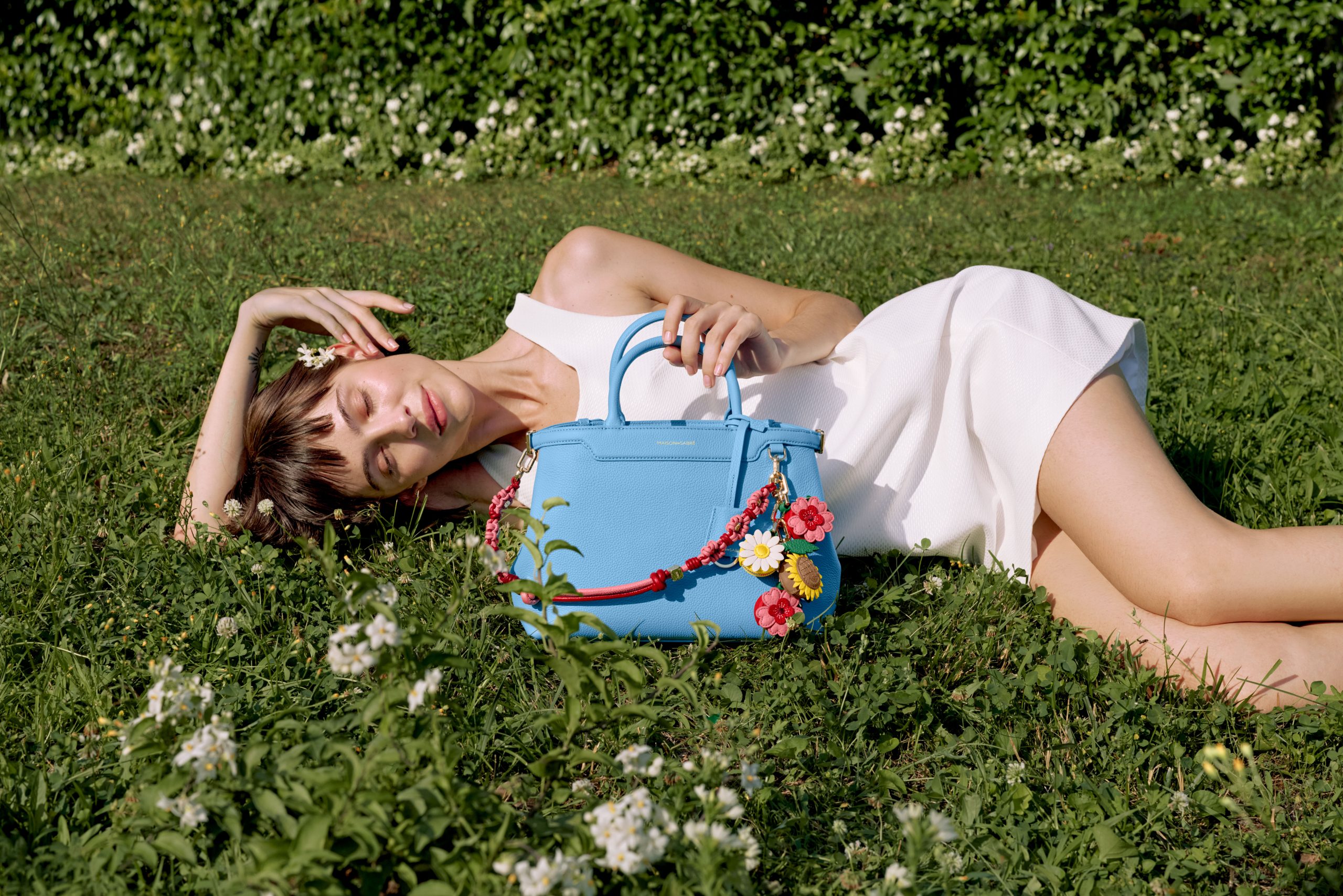
The Australian leather house has opened an immersive four-day pop-up in Manhattan, unveiling its Bloom Collection and redefining what a product launch can look like.
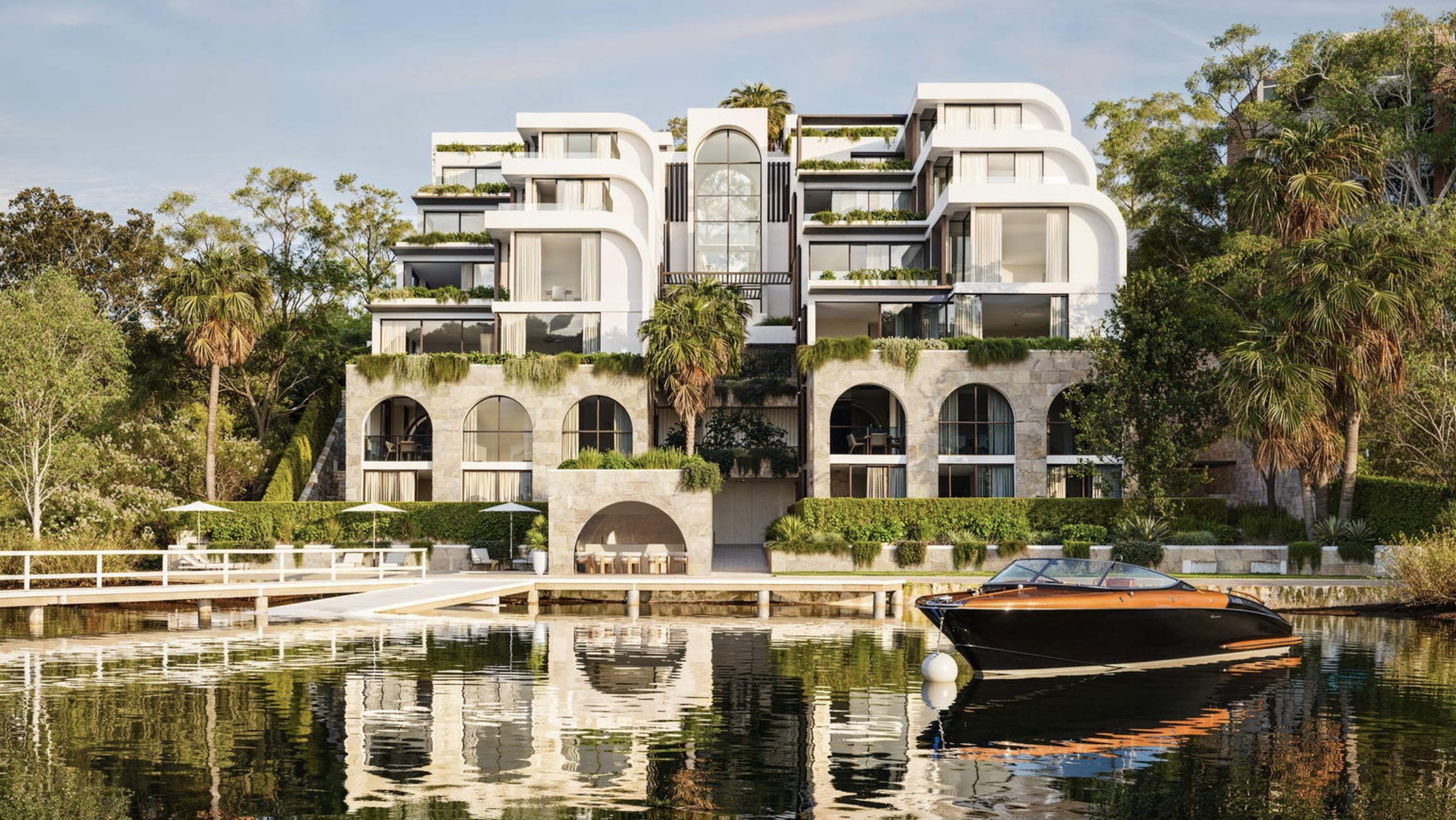
Advertising legend John Singleton unveils an exclusive 16-residence Caroline Bay development, marking his latest high-end property play on the Central Coast.