Would You Spend $1,000 a Month on Supplements?
Over-the-top regimens have become bragging rights—and revenue streams—for the health-conscious and wellness-obsessed.

 4 min
4 min
Kristin Leite, 38, spends about an hour organising her “stack” for the week.
“In the morning, I take four powders and about five capsules,” said Leite, an esthetician who lives in Tampa, Fla. She pops around five more in the afternoon, and at night she swallows six or seven capsules.
“I’m talking probably like over 20 different supplements throughout the day,” she said, making adjustments based on how she feels.
That’s on top of the injections Leite gives herself regularly: NAD+, which she says makes her feel energised and alleviates her brain fog, and glutathione, which is marketed for antioxidant and immune support.
“It’s very painful, and it stings and it’s horrible,” Leite said of the latter. The Food and Drug Administration has warned that both can cause health problems in injectable form.
On TikTok, where she has more than 615,000 followers, Leite talks about the products she’s using. She links to them on ShopMy and Amazon, where she earns affiliate revenue from sales.
Over-the-top supplement regimens have become bragging rights for the health-conscious and wellness-obsessed.
From beauty lovers to masculinity influencers, everyone is boasting about their “stacks”—the numerous capsules, powders and injections they take regularly in the hopes of achieving a cumulative, self-optimizing effect.
They’re spending over $1,000 a month in some cases on products that purport to improve their sleep, mental health, fertility, appearance and longevity, but often aren’t approved for those purposes. Some are making money from their endorsements.
Influencers and other public figures are driving the frenzy. “I do 150 supplements a day, and I have for 20 years,” biohacker Dave Asprey said on a podcast last year .
Bryan Johnson, the tech entrepreneur and longevity enthusiast, said in a 2023 YouTube video that he took 111 supplements daily.
“A lot of people are pretty confused that I can take this many supplements in a given day,” he said in the video, posted the year before his company Blueprint commercialised multi-nutrient products. (He said in an email that he now takes fewer than 30.)
Health Secretary Robert F. Kennedy Jr., who has vowed to “end the war on vitamins,” has said in interviews that he takes “a ton” of them.
“Supplements aren’t a silver bullet, and they don’t override poor lifestyle choices,” Asprey said in a statement.
He said that the ones he takes aren’t necessarily for everyone. “That’s why I never share my exact supplement stack. Experiment, test, and find out what works for you personally.”
Supplements went from a means of treating diseases caused by nutritional deficiencies in the 1900s to lifestyle products that are now the backbone of a $70 billion industry.
Because they do not undergo approval by the FDA, they aren’t reviewed for safety or efficacy before coming to market.
Some have lots of scientific research backing their use, while others have very limited support.
Manufacturers are prohibited from making claims about treating or preventing disease, but influencers have sold the idea that buying the right products can fend off or cure almost any ailment.
Their videos draw on popular TikTok formats like shopping “hauls” and “get ready with me” routines, making supplements seem like a step toward pleasure or self-actualisation.
“Here are all the supplements I take as a 22-year-old, 125-pound girl in college who prioritises protein, slow movement and a healthy, active lifestyle,” one creator says in a video before filling a pale-pink mirrored pill case with a week’s worth of capsules.
“Rate my stack” is a common prompt in the Reddit forum r/Supplements, where posters share photos of the copious supplement bottles on their shelves.
Dylan Amble, a 28-year-old in North Carolina’s Outer Banks, recently filmed himself taking creatine and electrolytes, an NAC capsule, black seed oil, a saffron capsule and a supplement called Mojo that says it supports the production of testosterone.
“I don’t feel like I’m low-testosterone,” he said in an interview, “but I’ve seen a lot of podcasts where they talk about how it’s a gradual decline for males, so my mindset is, Why don’t I hedge myself as much as possible? ”
He’d been leading a self-described “degenerate lifestyle” that included drinking frequently and vaping before resolving to optimise his health and improve his appearance along the lines of so-called looksmaxxers—young men whose relentless pursuit of a physical ideal can include dangerous behaviours like injecting unknown substances and breaking their own facial bones.
(He considers himself a “softmaxxer,” meaning he doesn’t take things that far.)
To assemble his stack, which costs an average of $115 a month, he followed information shared by podcasters, including Andrew Huberman as well as models on social media.
“I always make sure to emphasise the importance of getting behaviours right first,” Huberman said in an email.
“While I personally have had great benefit from taking certain supplements, the topic of supplementation is a very small fraction of what I discuss on the podcast and social media.”
SuppCo, an app with 675,000 users, helps people track their stacks and assess the quality of certain supplement products.
CEO Steve Martocci, who previously co-founded messaging platform GroupMe and the Uber-for-helicopters company Blade, said he spends $1,114 a month on 28 supplements he takes daily to address nutrient deficiencies and, hopefully, increase his longevity.
The top 20% of SuppCo users spend $479 a month on supplements, according to the company, and the average SuppCo user spends $168 a month.
Nutritionists generally recommend filling nutrient gaps through food rather than supplements when possible. Some supplements can actually introduce or exacerbate health issues.
“It’s a new addiction that people have,” said Mona Sharma, a celebrity nutritionist in Los Angeles. She said many of her clients take upward of 15 supplements a day.
One female client, she said, was taking 70 of them, following guidance she’d seen online, without feeling any positive effect on her well-being.
“We hear that [Andrew] Huberman is taking something, and we all jump on the bandwagon thinking it’s good for us,” Sharma said, “when that’s not the case.”
 Copyright 2020, Dow Jones & Company, Inc. All Rights Reserved Worldwide. LEARN MORE




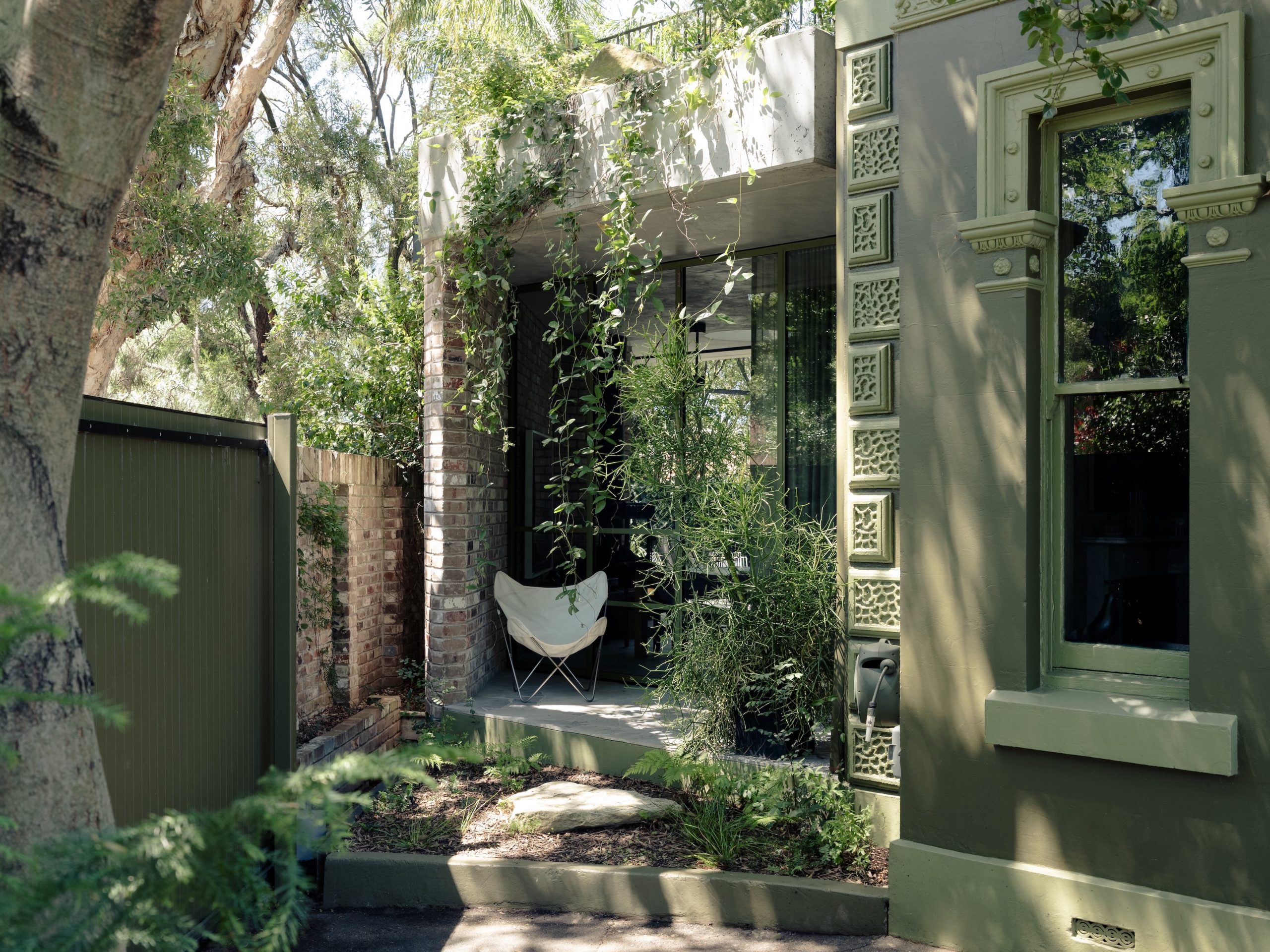
From bushland greens to valley reds, the country’s most awarded designers are proving that the best colour palette was never on a swatch card; it was outside the window all along.

The Australian leather house has opened an immersive four-day pop-up in Manhattan, unveiling its Bloom Collection and redefining what a product launch can look like.
 2 min
2 min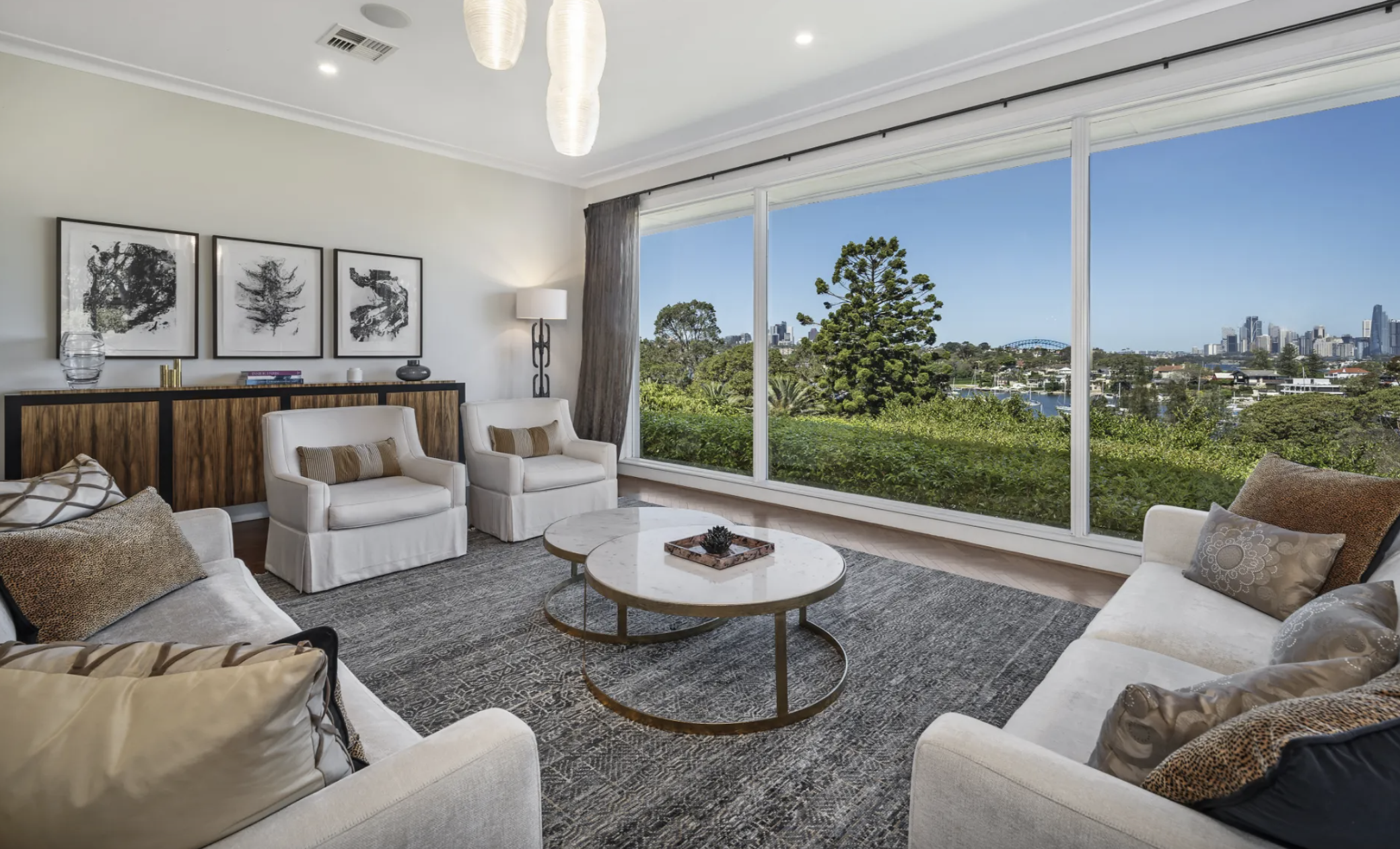


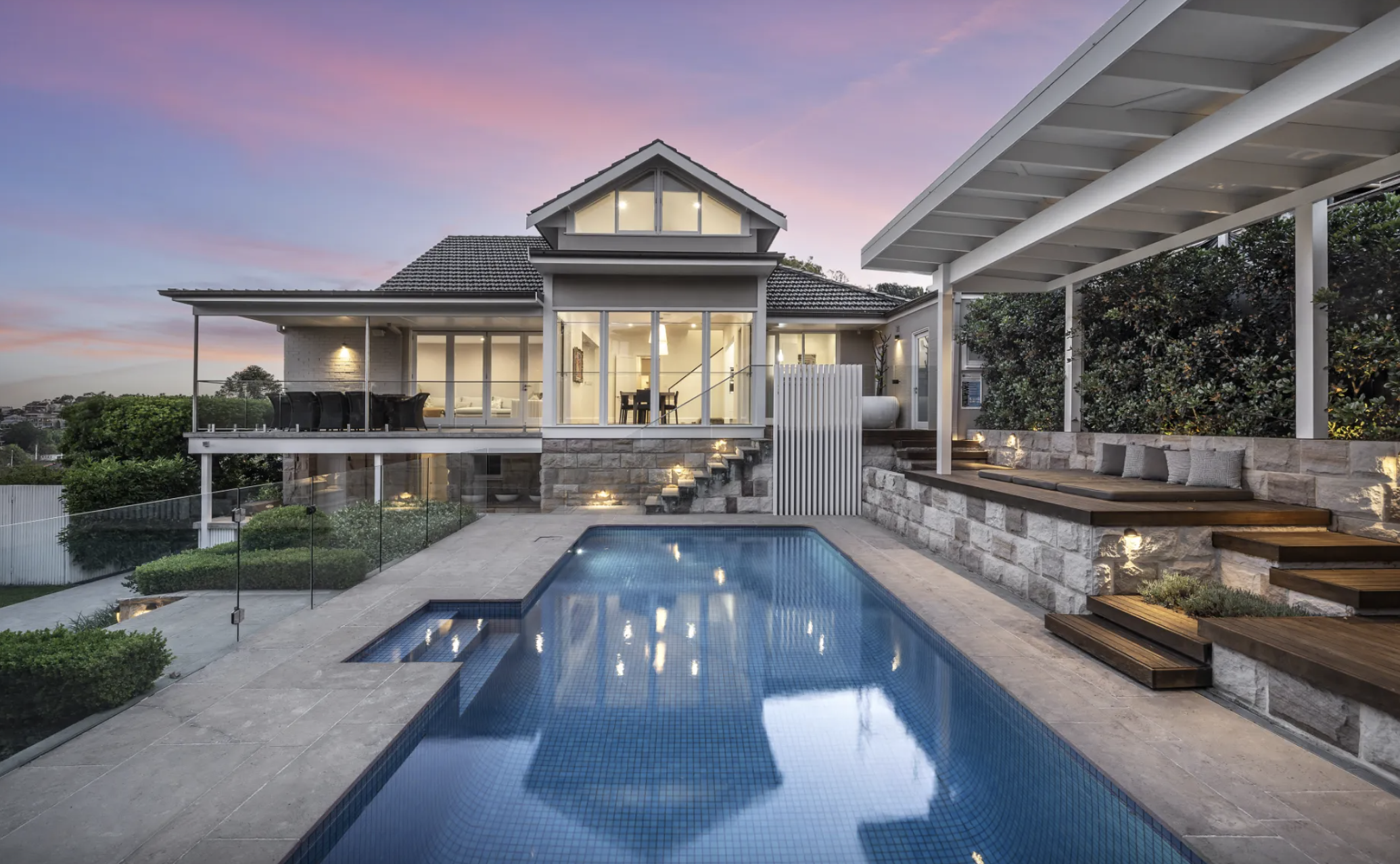
Held by the same family for 26 years, this Harbour Bridge-facing residence at Longueville is the type of property that rarely comes to market. Set on more than 1,100 sqm on one of Sydney’s most tightly held peninsulas, it combines complete privacy with uninterrupted views across the harbour to the city skyline.
It’s the sort of offering where the land is just as important as the home. Positioned directly opposite Aquatic Park with a prized northeast aspect, the residence captures sweeping harbour views from almost every main living space while remaining remarkably secluded from neighbouring properties.
Large picture windows frame the outlook throughout the home, flooding the interiors with natural light and making the harbour the centrepiece of everyday living.
Designed for family living
The home offers multiple living zones, including a formal lounge and dining rooms, a separate family room and an open-plan living and meals area. Blackbutt timber parquetry flooring, high ceilings and ducted reverse-cycle air conditioning feature throughout.
The kitchen sits at the heart of the home, with induction cooking, a generous island bench, and a walk-in pantry, connecting both the formal entertaining areas and the more casual family spaces.
A ground-floor master suite includes a walk-in robe, dressing area and ensuite, while upstairs are three additional bedrooms with built-in robes, together with a spacious home office or study.
The lower ground level adds another layer, with a temperature-controlled cellar and tasting room, plus a flexible gym, wellness or recreation space.
Resort-style setting overlooking Sydney Harbour
Outside, landscaped gardens wrap around a heated swimming pool, an expansive entertaining terrace, and a level lawn, creating a private resort-style setting against the backdrop of Sydney Harbour.
Additional features include a solar system with battery storage, remote lock-up garaging for three vehicles and generous storage throughout.
Beyond the home itself, the location remains one of Longueville’s biggest drawcards. Longueville Ferry Wharf sits around 150 metres away, providing direct access to the CBD while preserving the quiet character of one of Sydney’s most tightly held waterfront suburbs. The property is also within the catchments of Lane Cove Public School and Hunters Hill High School.
Simon Harrison and Kim Walters of Belle Property Lane Cove are marketing the property on a Contact Agent basis.
At a glance
Address: 3 Mary Street, Longueville NSW 2066
Configuration: 4 bedrooms | 3 bathrooms | 3-car garage
Land: Approximately 1,100 sqm
Highlights: Harbour Bridge and city skyline views, northeast aspect, heated pool, cellar, solar with battery storage
Held: First time offered in 26 years
Price: Contact Agent
Agents: Simon Harrison and Kim Walters, Belle Property Lane Cove
This article is produced by the Kanebridge Media editorial team. Property information has been supplied by the listing agent. Buyers should conduct their own due diligence before relying on any information contained in this article. Enquiries: propertyconcierge@kanebridge.com.au.

BMW has unveiled the Neue Klasse in Munich, marking its biggest investment to date and a new era of electrification, digitalisation and sustainable design.

In the lead-up to the country’s biggest dog show, a third-generation handler prepares a gaggle of premier canines vying for the top prize.