It’s buyer beware in Australia’s croc country
Dreaming of a move to Queensland to escape the winter chill? Property in the far north comes with its own challenges
 5 min
5 min
“A large crocodile has been spotted across the road from Warri Park Wetland (near Lakes Estate) today. The Department of Environment and Science has been notified. There will be a staff member at the site this afternoon to ensure student safety.”
This was the message posted on the Port Douglas primary school’s Facebook page in February this year. Just off the main road into town, the 2ha beauty spot is popular with dog walkers, bird watchers, joggers and kids playing after school. It’s also a desirable place to live, with about 50 homes circling the park. So why would anyone build family homes so close to a crocodile-infested swamp?
Put simply, they didn’t.
Despite having survived for an estimated 200 million years, the estuarine crocodile very nearly didn’t see out the 20th century.
Looking for more stories like this? Order your copy of the latest issue of Kanebridge Quarterly magazine here.
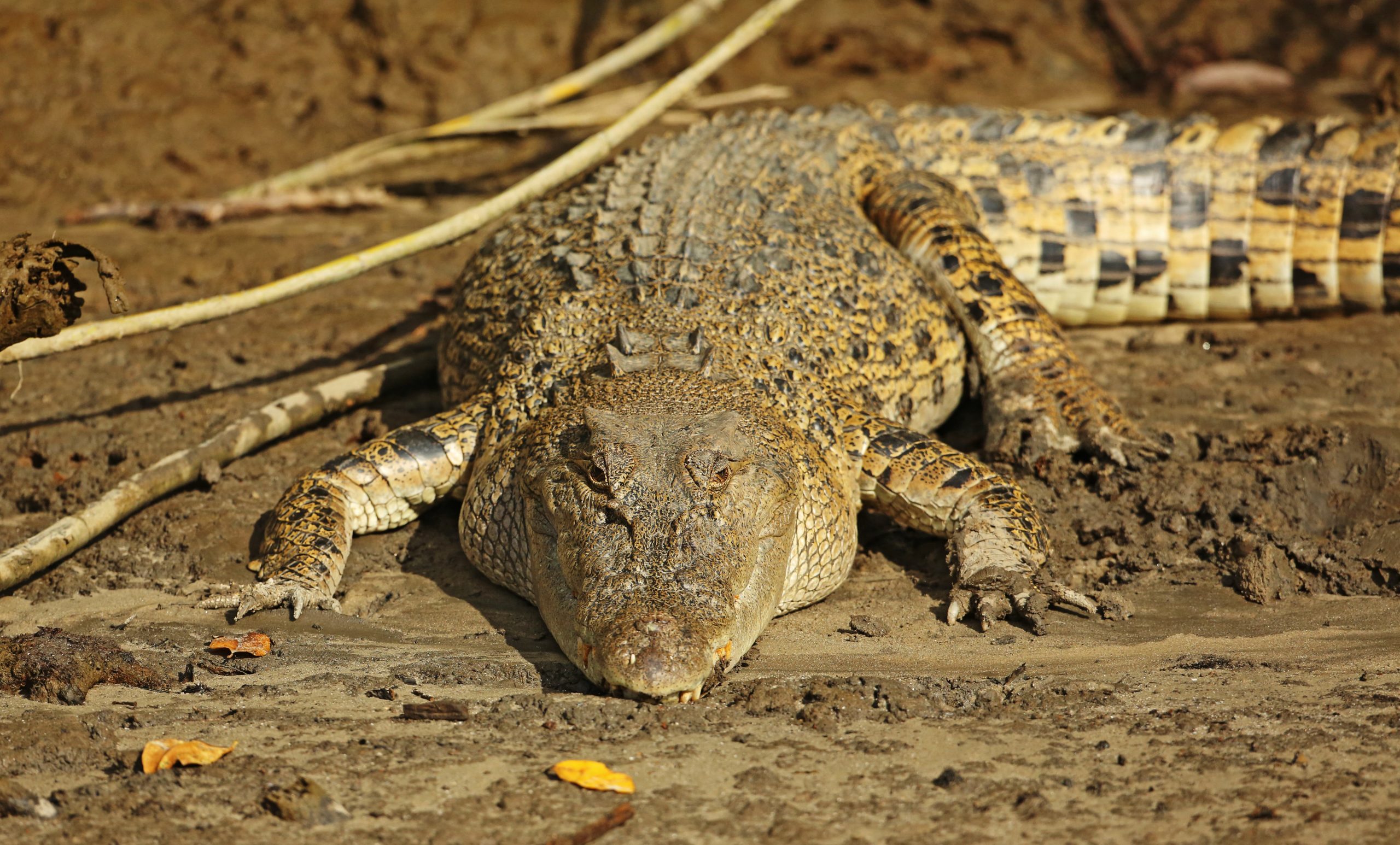
Unregulated hunting in the 1940s, ’50s and ’60s saw crocodile numbers drop by 95 percent, and by the ’70s they were critically endangered. Crocs were belatedly afforded protection, and since then the numbers have steadily risen back up to pre-hunting levels. Salties haven’t moved into our habitat — we moved into theirs, while they were away.
Soula Kazakis from Ray White Port Douglas (pictured) has been working this patch of real estate for the past two decades.
“Croc sightings in Warri Park don’t surprise me,” she says. “I’ve seen them there multiple times. The council is aware, and there’s a history of having traps in the lakes to catch them.”
Like many who live around Port Douglas, Kazakis has her own near-miss story. Back in 2015, on a sunny winter’s day, she was showing a family from Melbourne a house on a street that backs onto the lake.
“They asked me what was behind the house, so I took them for a walk,” she says. “Their four-year-old boy was running ahead of us, jumping and laughing. I was following behind with the parents, chatting all things real estate, when I looked up and saw a big croc sunbaking with its mouth open on the grassed area directly in the pathway of their child. I’ve never run so fast in high heels! I grabbed his arm, and he was airborne just in the nick of time. Needless to say, they didn’t buy in Port Douglas.”

Far North Queensland has been experiencing a property boom in the post-COVID era, with interstate buyers lured by the promise of a sea-change to year-round sunshine and greater value for money.
“I would say half the interstate buyers are aware of our wildlife and the other half oblivious,” says Kazakis. “Some are more paranoid than others and think crocs get into everyone’s backyard. But given the volume of migration we’ve seen to the Douglas Shire, I would say it’s not putting people off.”
Croc country begins just south of Gladstone and extends up the east coast and across Far North Queensland.
In the summer, during very high tides and periods of flooding, crocodiles move further upstream and may appear in areas where they’ve not been seen for decades.
On February 22 in Ingham, 113km north of Townsville, a 2.5 metre saltwater crocodile was sighted on a road behind a childcare centre in the CBD. The town’s mayor commented: “We don’t expect to come across crocodiles in the middle of our town, but what I am noticing is that the crocodiles are coming closer and closer to us.”
On January 23, a huge 3.9m saltwater crocodile was removed from the Barron River in the Cairns suburb of Caravonica and relocated to a nearby crocodile farm. (That came too late for the 40kg labrador taken from the adjoining footpath.)
On January 16, swimmers were asked to leave the netted area of Four Mile Beach in Port Douglas when a lifeguard spotted a small croc trying to get back out to the open ocean. On December 27 2022, residents of Blacks Beach in Mackay put up signs to warn the public of crocodiles after one was seen metres from dozens of homes.
“I’ll be giving that end of the beach a wide berth for a while,” said one local resident. “I want my puppy to reach his second birthday.”
As with sharks and other predators, there is lively debate between those who want to protect these awe-inspiring creatures, and those who think they should be culled. As our territories become ever-more entwined, the Queensland Crocodile Management Plan (QCMP) aims for a balanced approach between crocodile conservation and public safety. There are six zones (A to F) that apply throughout the state, and each zone has rules around when crocodiles are removed, based on their size, behaviour, location and proximity to urban populations.
Active Removal Zones are defined as ‘rivers, creeks and wetlands where crocodiles are frequently in close proximity to large urban populations’. All crocodiles in ARZs, regardless of size or behaviour, are targeted for removal. In total, the Department of Environment and Science (DES) removes about 50 ‘problem’ crocodiles a year, and most people are pretty OK with that.
“In the whole time I’ve been selling real estate, I’ve only come across one crocodile enthusiast,” says Kazakis. “That person ended up buying a house from me and getting a job at Hartley’s Crocodile Adventures near Palm Cove. She went from working at Myer in the big smoke to holding baby crocs and showing them off to the tourists. That was one very happy client.”
Meet the neighbours
Crocodiles are a fact of life in all far north waterways. A local agent will be able to tell you about any recent sightings in your favoured area, but at the end of the day, it’s buyer beware. If you’re wondering whether a pest inspection might cover you, the answer is “absolutely not”.
“No pest inspection will cover evidence of crocodiles,” says Chris Boswell, director of Arrow Building and Pest Inspection in Cairns. “And even if it did, it wouldn’t provide an option to withdraw from a sale, because a crocodile is neither a building defect nor a wood-destroying pest.”
Chris’s advice to anyone thinking about buying a home in croc territory?
“Don’t go in or near the water.”
To expand on that, the DES tips on being
crocwise in croc country are:
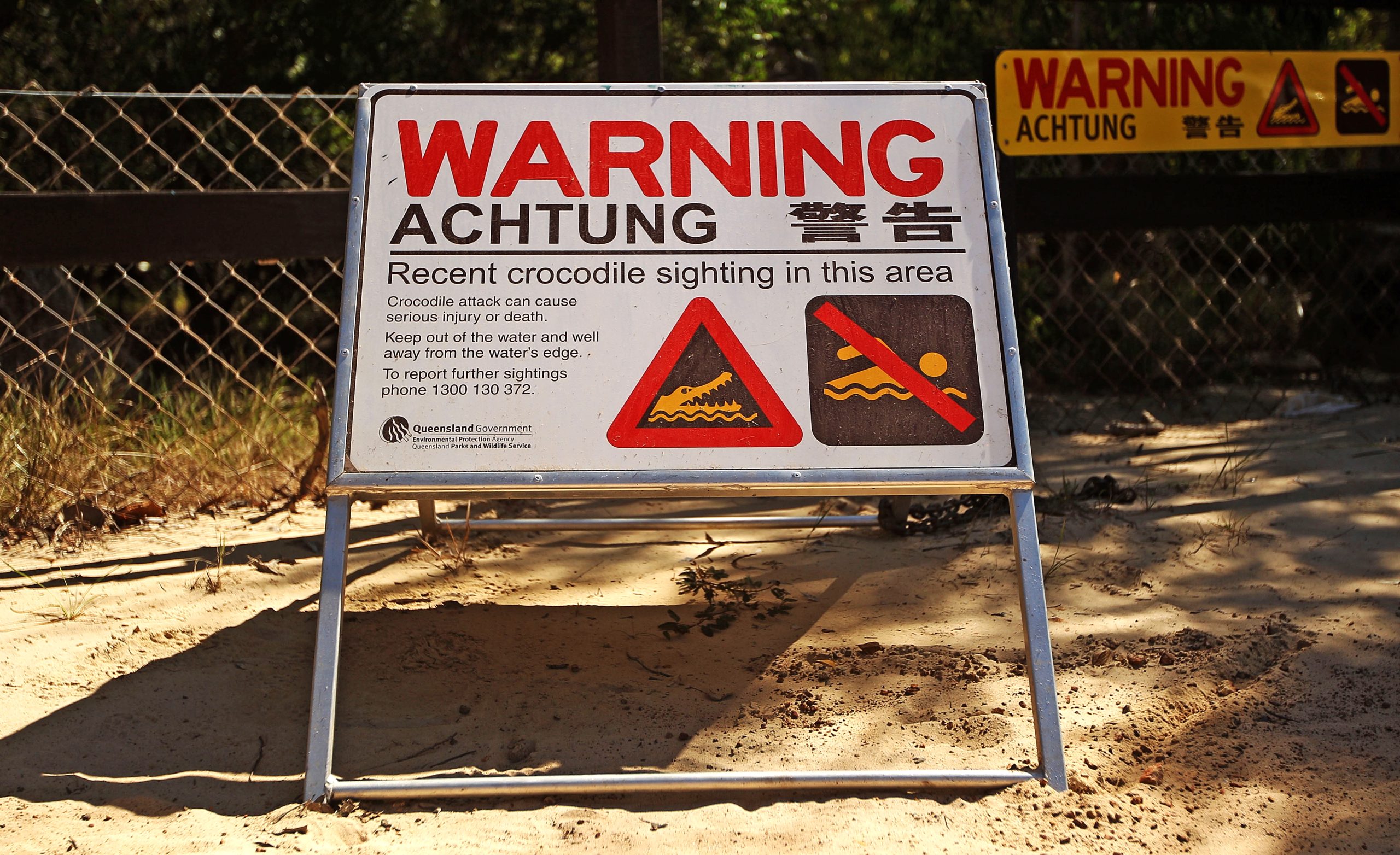
• Obey all crocodile warning signs.
• Never swim in water where crocodiles may live, even if there is no obvious warning sign.
• Stay at least five metres from the water’s edge.
• Don’t leave food, fish scraps or bait near the water.
• Be extra cautious at night, dusk and dawn when crocodiles are most active.
• Do not use kayaks, paddle boards and other small craft in and around crocodile habitat.
• Be extra vigilant during the breeding season, which runs from September to April.
• Keep dogs on a lead and away from the water’s edge.
From making unpopular decisions to learning when to listen, leaders from five businesses reveal what nobody prepared them for — and how running a company has challenged their expectations.

Technology and semiconductor shares fell sharply as investors questioned the debt financing the AI infrastructure boom and confronted higher rates and Chinese competition.

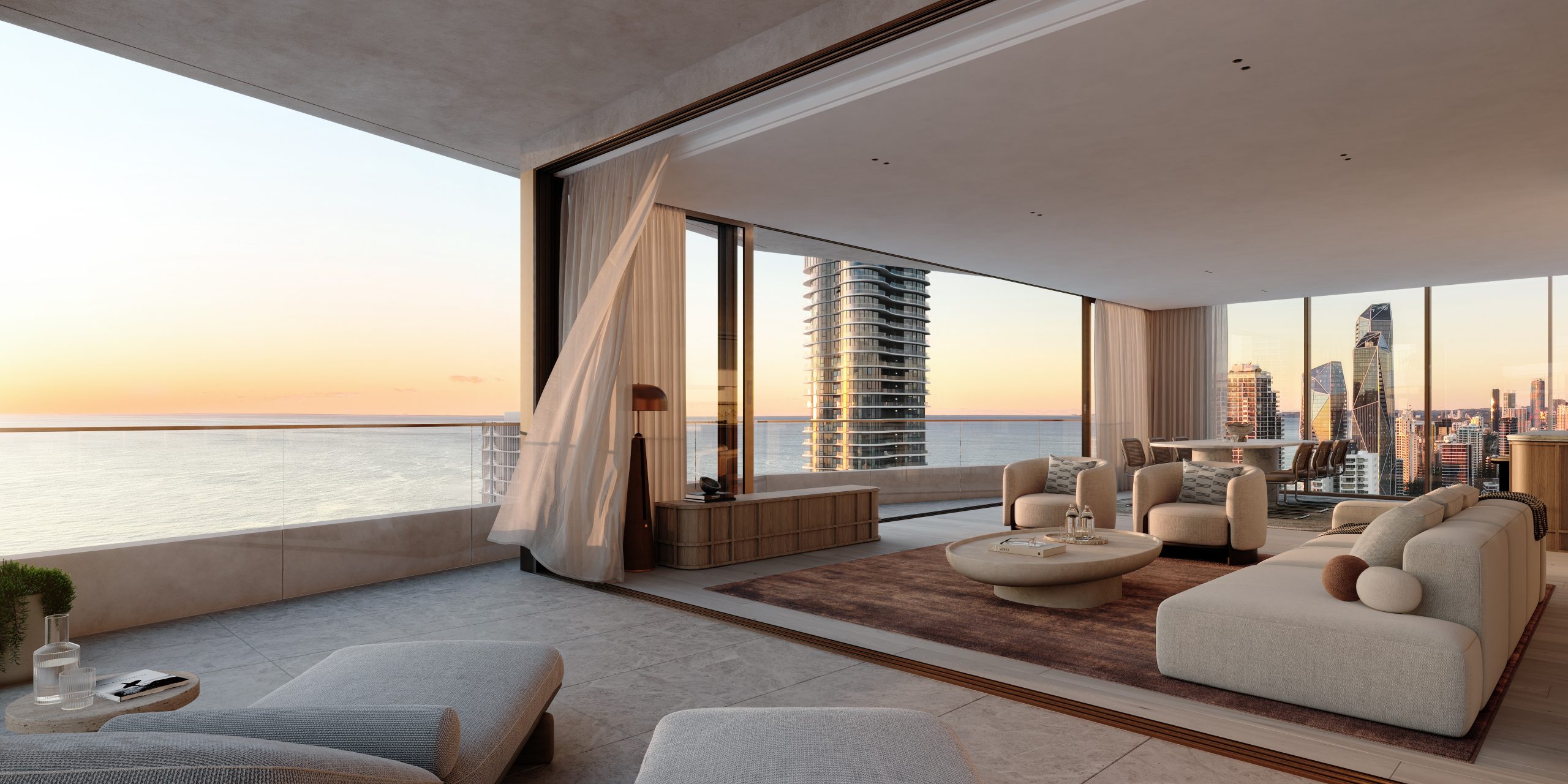
Mirvac’s 45-level Trielle has topped out at Yarra’s Edge, pairing riverfront apartments with wellness facilities, private dining and resident services.
3 min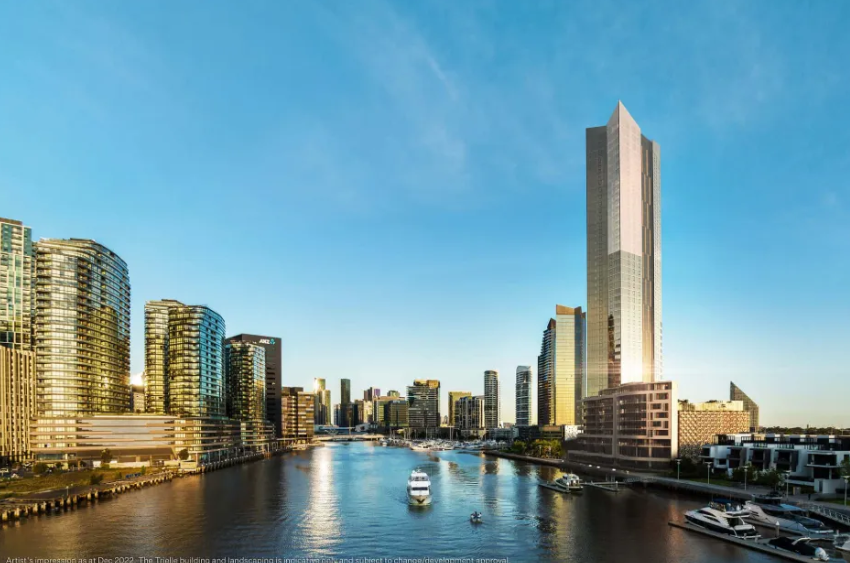
Mirvac has topped out Trielle at Melbourne’s Yarra’s Edge, with more than 70 per cent of the riverfront development sold and approximately 80 per cent of purchasers intending to make their apartment a home.
The figures, released on September 22, point to an owner-occupier audience for one of the precinct’s final residential towers. Mirvac began developing Yarra’s Edge in 2003, and its latest addition occupies one of the remaining absolute riverfront sites.
Mirvac CEO of Development Stuart Penklis said existing residents were among those moving up within the neighbourhood.
“Many purchasers already have a connection to Yarra’s Edge,” Mr Penklis said, describing buyers whose changing needs were encouraging an upgrade within the precinct.
“As one of the final residential towers within Yarra’s Edge, Trielle represents the culmination of more than two decades of creating one of Melbourne’s most established and sought-after waterfront communities,” Penklis said.
“Positioned on the Collins Street axis with absolute river frontage, Trielle offers residents a rare opportunity to enjoy sweeping views across the Yarra River, Melbourne skyline and Port Phillip Bay, while remaining seamlessly connected to the CBD. With Trielle now more than 70 per cent sold, we’re continuing to see strong demand from buyers seeking quality homes in established locations.”
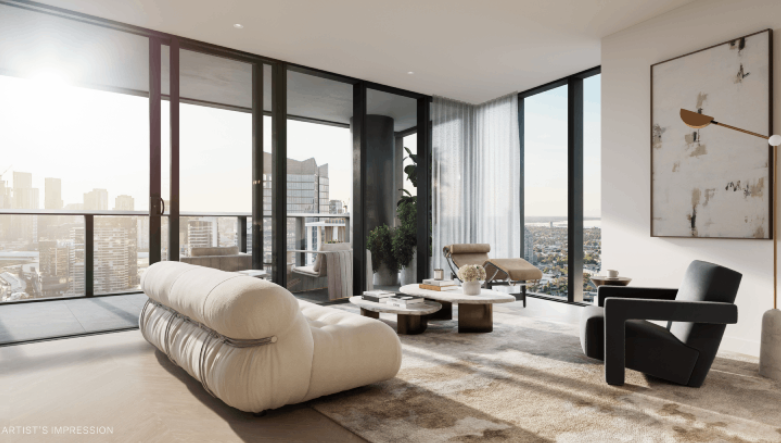
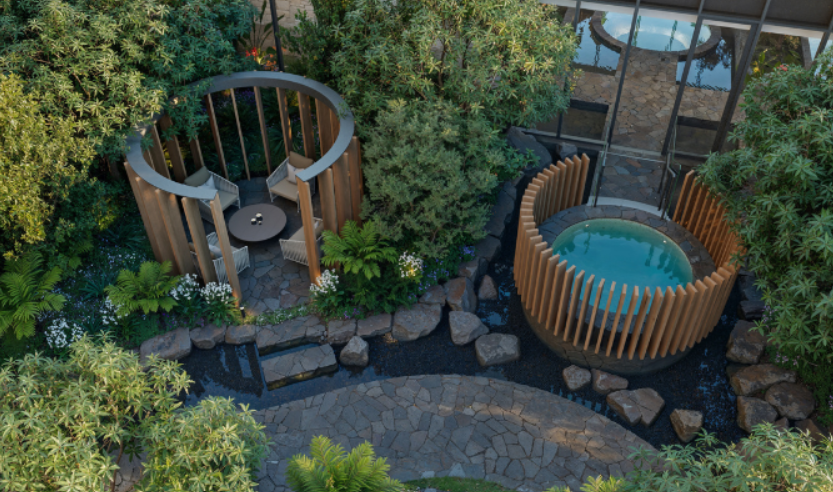
The developer also flagged a penthouse and sub-penthouse collection with larger layouts, premium finishes and broad outlooks. The planned wellness centrepiece, The Oasis, encompasses a 900-square-metre elevated urban rainforest.
Mirvac General Manager Residential Development Victoria Elysa Anderson said Trielle had resonated strongly with buyers seeking a rare lifestyle offering in Melbourne.
“Opportunities to secure a new luxury residence on a riverfront site of this calibre are incredibly rare, particularly within a community like Yarra’s Edge,” Anderson said.
“What makes Trielle unique is the combination of exceptional views, world-class residential facilities and the lifestyle that already exists around it. Residents are buying into a mature waterfront community with parks, promenades, dining, wellness and strong community connections already in place.”
The 45-level tower brings a substantial new presence to that waterfront. Its residential offering spans one-, two-, three- and four-bedroom apartments, with Signature, Prestige and Sub-Penthouse collections accommodating different household sizes. The north-facing position connects the apartments visually to the river and city beyond.
Seven storeys above the promenade, the planned Oasis combines planting and a running stream with a Scandinavian-inspired wellness club developed with spa specialist Naomi Gregory. Facilities include a 25-metre lap pool, hot magnesium pool, sauna, hydrotherapy, a gym, yoga and Pilates room, and treatment spaces.
The amenity extends beyond exercise. Residents will have access to The Biblioteca library and workspaces, ground-floor work pods, and The Salone piano lounge. A private Chef’s Table dining room offers a setting for larger gatherings, while a cinema, games room and sports lounge broaden the entertaining options. Concierge services and a dog-wash area support everyday routines.
Trielle comprises a collection of one, two, three and four-bedroom residences. Reflecting strong demand from owner occupiers, approximately 80 per cent of purchasers to date intend to live in their homes, highlighting the project’s appeal to those seeking a long-term waterfront lifestyle.
Mirvac has recently delivered The Albertine, a premium apartment development on the edge of Melbourne’s CBD, and is nearing completion of Prince & Parade in Brunswick, further strengthening its portfolio of thoughtfully designed apartment communities in some of Melbourne’s most sought-after urban locations.
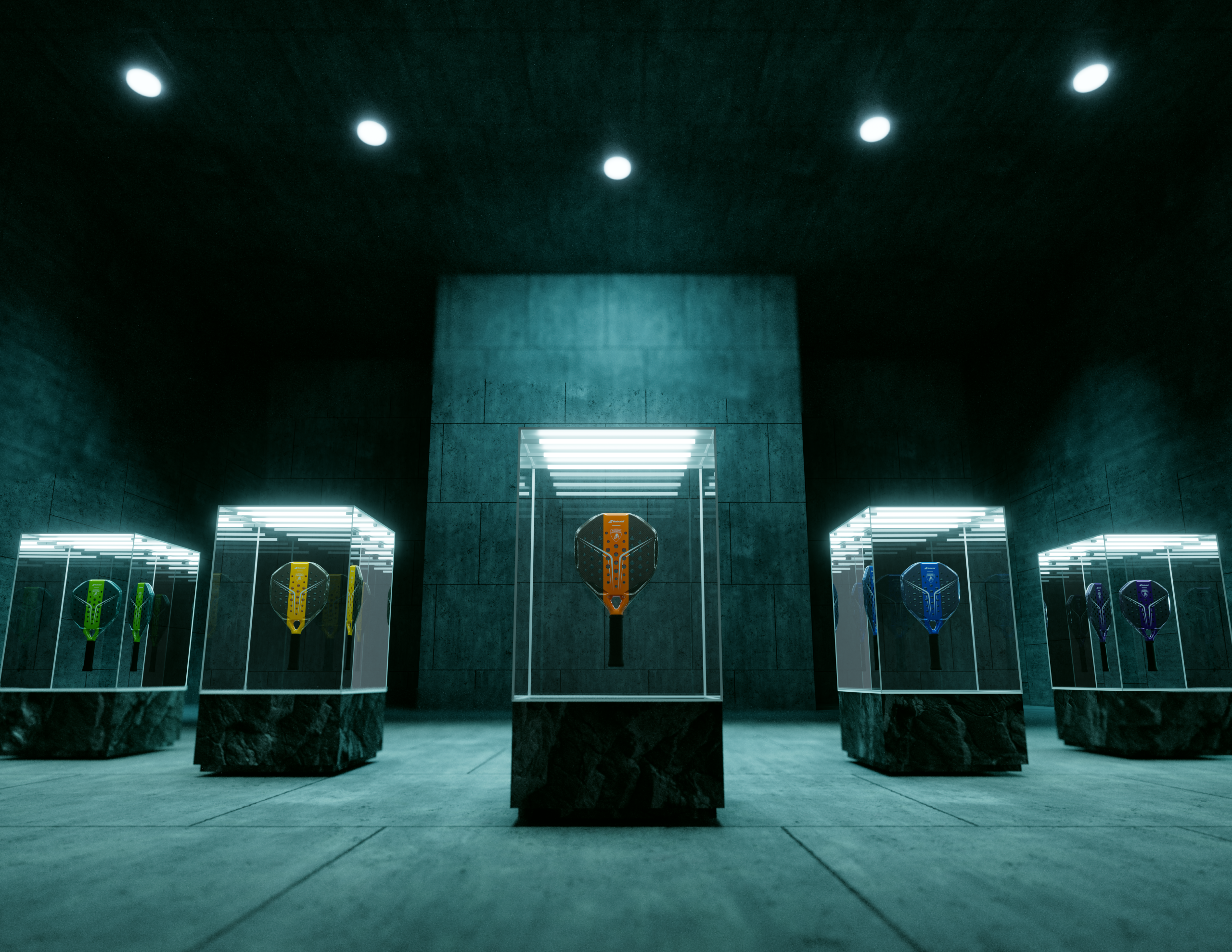
Automobili Lamborghini and Babolat have expanded their collaboration with five new colourways for the ultra-exclusive BL.001 racket, limited to just 50 pieces worldwide.

Parts for iPhones to cost more owing to surging demand from AI companies.