ABADEEN ADVANCES BOUTIQUE WOOLLAHRA PROJECT
Developer lodges plans for a $36 million, design-led apartment building on Edgecliff Road, reinforcing confidence in Sydney’s tightly held eastern suburbs.
 2 min
2 min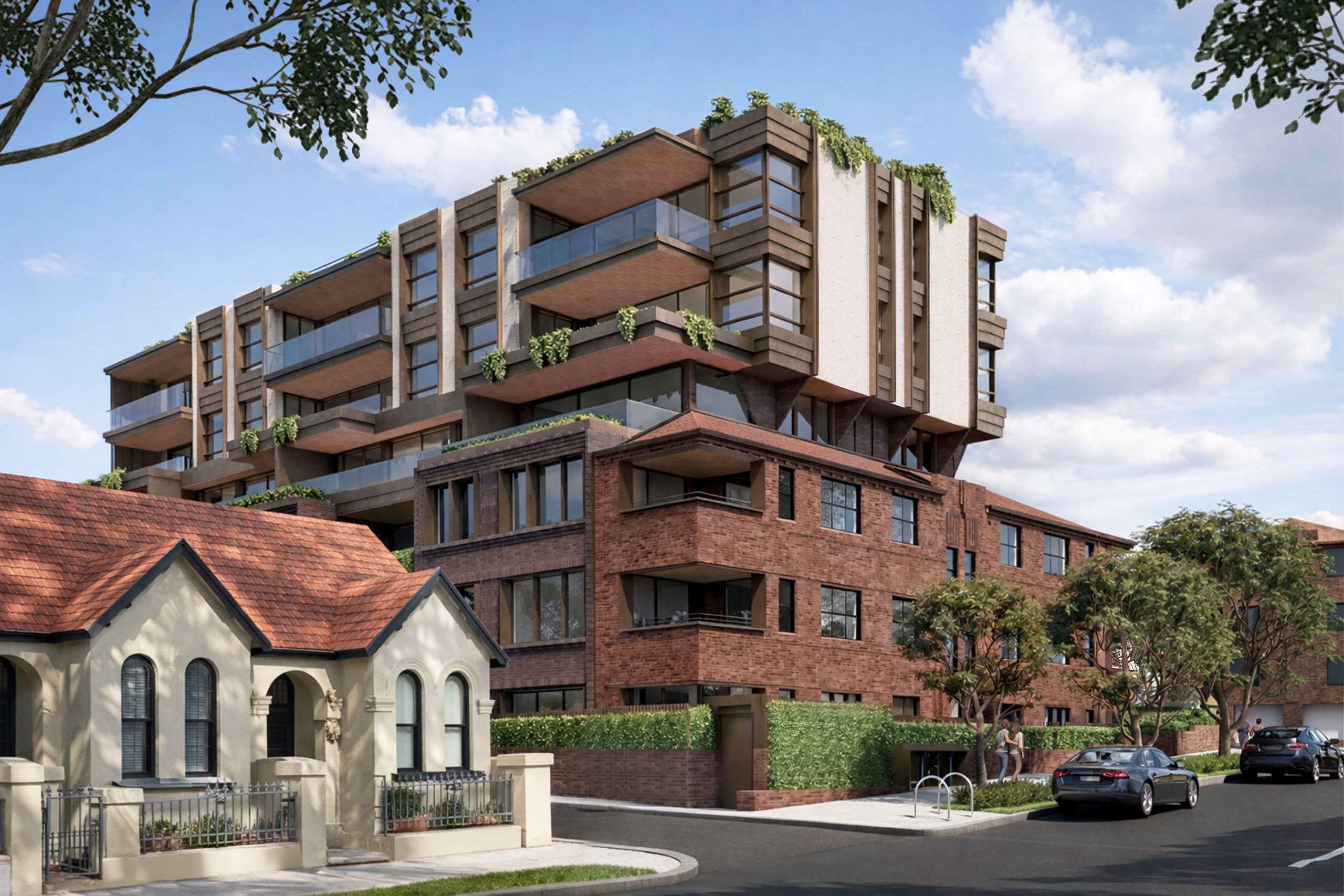
Abadeen has lodged plans for a $36 million boutique residential development in Woollahra, marking the next phase of its expansion across Sydney’s most tightly held eastern suburbs.
The proposal, submitted for 101 to 115 Edgecliff Road, would deliver a six-storey building comprising 29 apartments and 50 car spaces on a prominent corner site bounded by Australia Lane and Adelaide Street.
Positioned within walking distance of Woollahra Village and Bondi Junction, the project aims to combine architectural distinction with the convenience of one of the city’s most connected lifestyle precincts.
The development responds to the NSW Government’s low and mid-rise housing reforms, which allow apartment buildings of up to six storeys within close proximity to major transport and retail hubs.
Abadeen said the design incorporates upper-level setbacks and a carefully articulated form to ensure the building remains sensitive to Woollahra’s established character.
Executive Chairman and founder Justin Brown described the site as a natural fit for the company’s long-term strategy.
“Edgecliff Road is a remarkable site close to Woollahra Village and Bondi Junction and exactly the type of well located, tightly held opportunity we seek,” Brown said.
“Our focus has always been to identify, secure and progress sites that deliver enduring value for residents, communities and our investors.”
The proposal follows the successful launch of Abadeen’s Henri House development in nearby Darlinghurst, where construction is now underway.
Chief executive Joe Tack said the strong response to that project reinforced demand for design-led apartments in the eastern suburbs.
“Woollahra is defined by heritage, lifestyle and connectivity, and the Edgecliff Road proposal presents an opportunity to contribute thoughtfully to the suburb’s evolution,” Tack said.
Established in 2000, Abadeen has built a reputation for premium residential and mixed-use developments, with recent projects including KOYO in Crows Nest, ENSO in Neutral Bay and Hampden in Mosman.
The company currently has more than 20 projects in delivery nationwide and a development pipeline exceeding $3.5 billion.
If approved, the Woollahra project would add to a growing wave of boutique developments reshaping Sydney’s eastern suburbs, where limited supply and enduring lifestyle appeal continue to underpin demand.
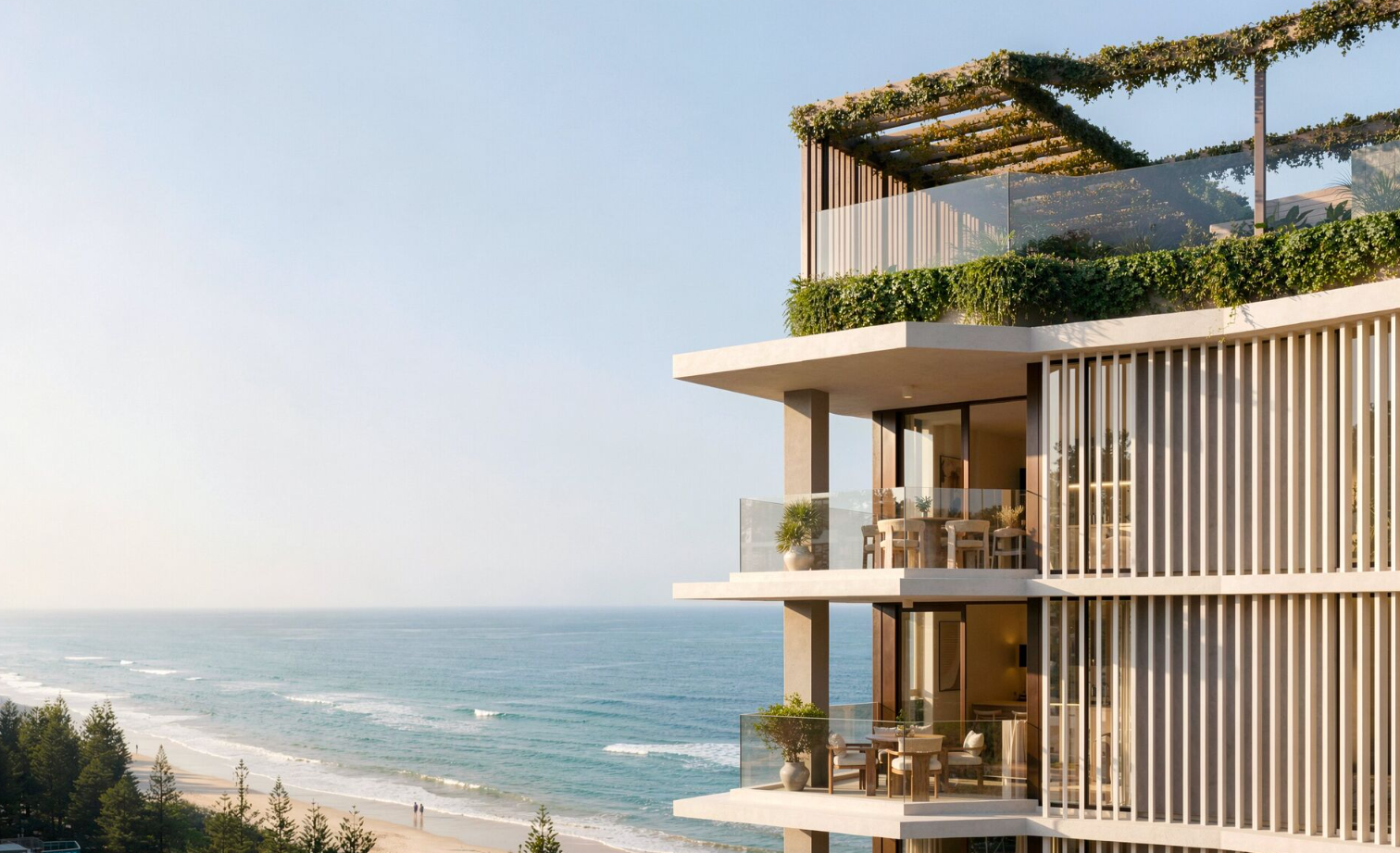
Studio apartments have almost disappeared from new Australian developments. Lura is bringing them back to Burleigh Heads from $495,000.

Porsche’s Cayenne Turbo Electric produces up to 1,156PS and reaches 100km/h in a claimed 2.5 seconds.
Bjorn Farrugia was named for Björn Borg, the ice-cool Swede who once ruled Wimbledon’s Centre Court, and for a long stretch of his young life the name felt like a mandate
3 min
A tennis scholarship took him to America two decades ago with no return ticket in mind. Today the Melbourne-born, Beverly Hills-based agent is one of the most decorated names in Los Angeles luxury real estate — and still calls himself an Australian first.

Australian shares finished higher on Tuesday, September 22, as a technology rally and lower oil prices outweighed weakness in energy companies and continued anxiety about domestic interest rates. The S&P/ASX 200 closed 25.9 points, or 0.30 per cent, higher at 8,757.8. The All Ordinaries gained 0.36 per cent to 8,951.0, while the All Technology index …
Continue reading “ASX Wrap: Technology lifts the ASX as falling oil relieves inflation pressure”

Following the successful launch of its Palais Collection, MAISON de SABRÉ has unveiled a new modular handbag system offering more than 720 styling combinations.