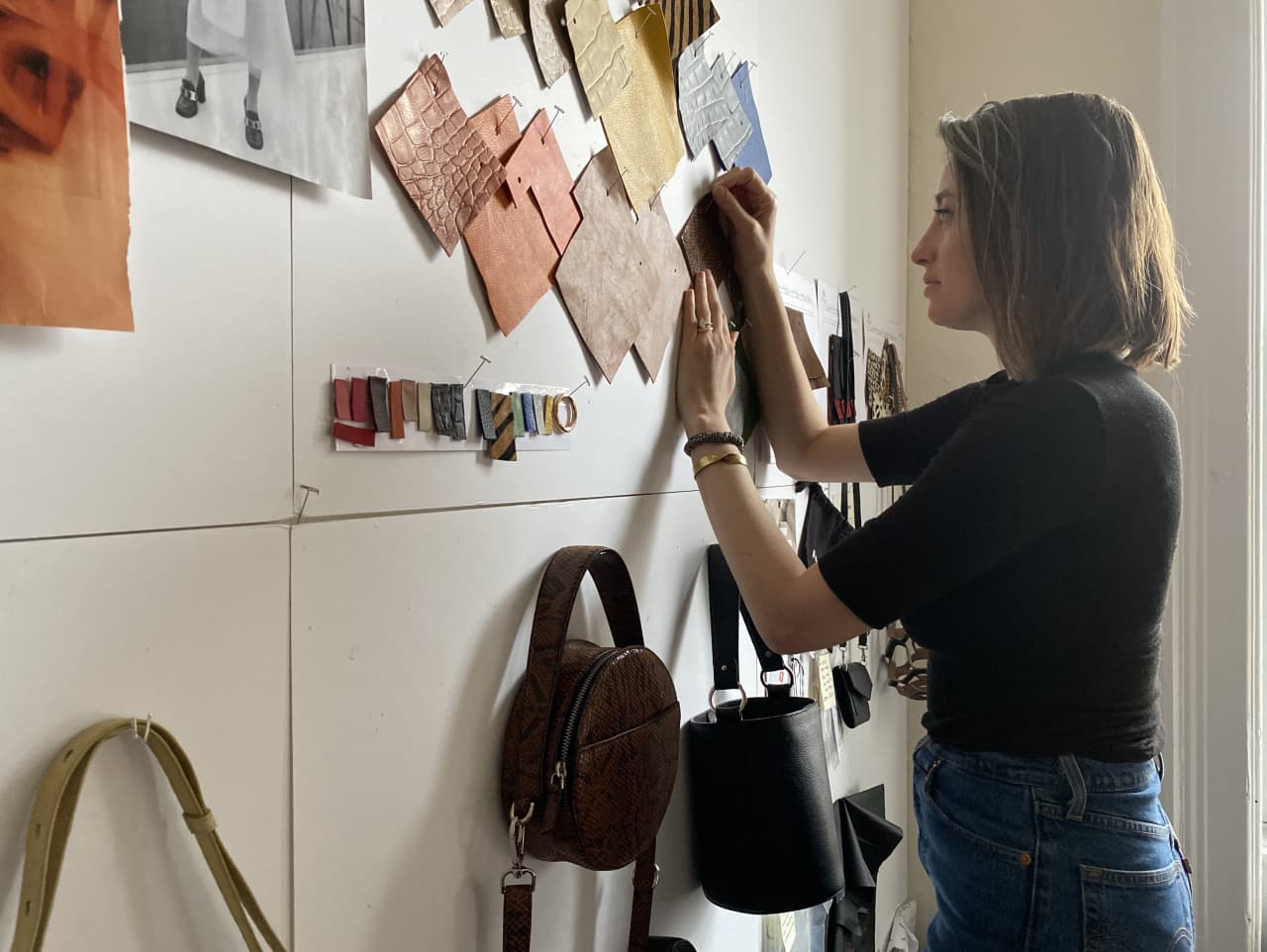
Dana Cohen witnessed the meteoric, and frightening, rise of fast fashion working for apparel companies in New York City for over a decade.
“We went from designing unique, thoughtful products to chasing trends and everything started to look the same,” recalls Cohen, 41, who was born and raised in Florida but now lives in Brooklyn with her family. “I watched fabrics get ordered and never be used and garments piling up on sales racks. We were drowning in fashion excess.”
It was then Cohen realised that she could do something to help while remaining in an industry she loved. “I couldn’t be complicit in the destruction of the planet and knew there had to be a better way to design,” she says.
undefined In November 2019, just a few months before the pandemic, Cohen launched Hyer Goods, a leather accessories company that uses the waste created by other brands—with fabric sourced from deadstock and factory scraps—to make bags, wallets, keychains, and blazers. The name Hyer is a riff on “higher,” or better, design.
Cohen’s mission is simple: to use scrap waste and “turn it into something beautiful.”
THE ITEMS
Hyer Goods focuses on leather because it is “high-quality, durable and can last for generations. The last thing we’d want to do is create more things that just end up in a landfill,” Cohen says. She launched an accessories brand, meanwhile, because accessories are small. “Focusing on small goods enables us to maximise the waste available. We even use the cutting waste to make our small leather goods, like card wallets and watch bands.”
Items include the ’90s-style luxe medium shoulder bag, which comes in colours like white and bright red and crocodile texture. There is also the luxe camera bag—available in a bright pop of fuschia pink and more neutral tones, such as camel—and the pocket cube bag, an everyday satchel with a canvas front pocket.
Hyer Goods also sells a deadstock leather blazer in a relaxed fit in black, chocolate and camel, and phone slings and wallets, as well as a handful of knitwear items, including the “salvaged angora scarf” and “a better beanie,” both created using leftover materials such as angora and merino yarn.
Cohen’s favorite style, however, is the luxe mini bucket bag, which comes with two different removable straps.
“It’s both classic and iconic in design,” she says. “I love that it converts from a crossbody to a handheld bag which enables me to wear it anywhere from errands to a wedding.”
Hyer Goods is currently selling a limited-edition, made-to-order Hello Adrianne hand-painted canvas bucket bag, featuring either a pair of tomatoes or a piece of farfalle pasta. A collaboration with the American artist Adrianne, dubbed “the tomato girl” for her depictions of canned tomatoes and other Italian foods, each bag is hand-painted in New Jersey.
Hyer Goods uses deadstock materials, discarded by luxury brands, which reduces the energy footprint needed to breed livestock Lena Shkoda
“A good-quality bag can last for generations. I love the idea of creating heirloom products that can be handed down,” explains Cohen. “It’s the antithesis to fast fashion. I cherish some of my mom’s old bags, and I hope these bags have a similar future.”
THE PRICE
Many of the bags mentioned are priced around US$300, give or take. The deadstock leather blazer is US$375. The salvaged angora scarf is US$120, and the better beanie is US$75.
Besides shopping online, customers can also pop into the Hyer Goods store located on a quaint street in New York’s West Village.
WHAT’S THE GOOD?
Each year, 6.3 million tons of textiles are discarded in the fashion industry; in accessories, up to 15% of leather can be wasted due to the material’s natural defects, according to the Hyer Goods website. Most bag brands use either new leather, whose harvesting is bad for the environment, or vegan leather. Vegan leather may be animal-free, but it contains substantial amounts of plastic, does not wear well, and can take centuries to degrade.
By contrast, Hyer Goods uses deadstock materials, discarded by luxury brands, which reduces the energy footprint needed to breed livestock, as well as the waste sent to landfills. “In addition to using upcycled materials, every decision we make is made with the planet in mind, from our packaging choices to our designs,” says Cohen.
The company uses veg-tanned leather skins and tries to source leather made in Italy, directly from factories. Any canvas used, meanwhile, is deadstock, while the knits are made from luxury yarn leftovers, sourced locally in New York. Every supplier, meanwhile, must agree to the Hyer Goods Supplier Manual, which includes compliance with human rights laws.
WHAT’S NEXT?
Cohen says her goal from the start was to create the highest-quality goods out of waste.
“While we’re already using incredible Italian leathers and other luxury leftovers, I’m excited to announce some new sources of waste that are coming from the most exclusive, high-end brands in the world,” says Cohen. “In order to keep emissions as low as possible, we’ve developed an entire new supply chain in Italy, where the waste exists, and will be debuting a Made in Italy collection utilizing the world’s best leftover leathers soon.”
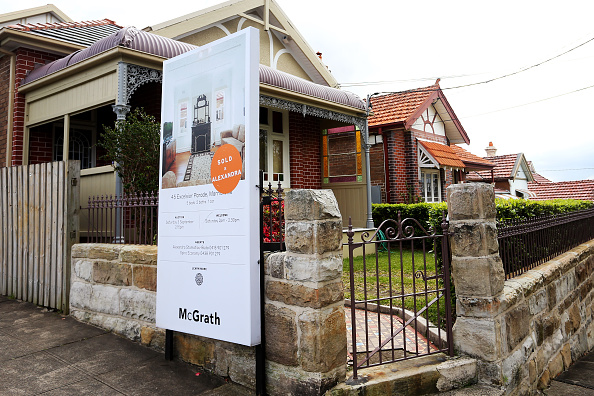
Knight Frank and Bayleys has completed its acquisition of leading Australian real estate firm, McGrath Limited, it was announced today.
The news follows regulatory and shareholder approval, with the Scheme of Arrangement coming into effect on June 17 and implemented on June 27.
McGrath Limited is the third largest real estate group in the country, according the data from CoreLogic, behind behemoth Ray White and stalwart LJ Hooker.
McGrath founder and CEO John McGrath said in a statement that he welcomed the move.
“We are delighted to be joining forces with two of the greatest real estate brands in the world,” Mr McGrath said. “Knight Frank is the most prestigious residential agency globally and provides us and our customers with instant access to the best global network and the most sophisticated international buyers in the world.
“Our goal is to build Australia’s leading and finest real estate brand over the next few years and this new partnership and network puts us in an extraordinarily strong position to do just that.”
John McGrath will stay on as CEO and managing director under the new terms of the agreement with Knight Frank and Bayleys.
Between them, Knight Frank and McGrath have 171 offices across Australia and Knight Frank is the largest privately owned real estate agency in the world with more than 740 offices worldwide.
Mr McGrath will remain at McGrath Limited as chief executive and managing director and retain his 23.3 percent shareholding in the company. Mr McGrath will also be on the new board of directors, along with Knight Frank Australia CEO James Patterson, Knight Frank Global head of residential Rupert Dawes, Bayleys managing director Mike Bayley and Bayleys finance director Ken MacRae.
Mr Patterson, CEO at Knight Frank Australia, said the acquisition represented a significant milestone in the company’s international expansion.
“McGrath is a great fit culturally,” he said. “We are aligned on many areas including our values, how we operate and our brand positioning. The Knight Frank, Bayleys and McGrath teams will continue to operate on a ” business as usual” basis, but with each party gaining access to vastly broadened networks, stretching across multiple borders, unlocking greater opportunities for our clients.”
The benchmark index of the Australian share market, the ASX 200, is up by 7.72 percent at 7,759.6 points in the financial year-to-date as the final day of trading gets underway. Following a positive trading session on Wall Street overnight, the ASX 200was expected to open higher today.
FY24 has been a tale of two halves, with the ASX 200 drifting down from July to October and hitting a 52-week low of 6,751.3 points on 30 October. A rally began in November as speculation of interest rate cuts in the United States and Australia began following substantial falls in inflation and growing excitement over artificial intelligence and its potential to meaningfully raise productivity worldwide.
The ASX 200 ascended to an all-time high of 7,910.5 points in April, following new records also set in the United States for the S&P 500 and NASDAQ Composite indexesat the time (these US market records have since been superseded). The S&P 500 and NASDAQ Composite have outperformed the Australian sharemarket by more than 3:1 in FY24. The S&P 500 is up 23.2 percent and the NASDAQ is up 29.5 percent in the financial year-to-date.
Powering the NASDAQ’s performance has been the ‘Magnificent Seven’ stocks of Alphabet, Amazon, Meta Platforms, Apple, Nvidia, Microsoft, and Tesla. Nvidia is the leader of the pack for share price growth, having revolutionised the global IT industry with its graphics processing units (GPUs) that accelerate computing and have become essential insupporting artificial intelligence. Its GPU chips power programs like ChatGPT. Nvidia stock is up 193 percent in FY24 due to sensational earnings growth.
On the ASX 200, the stocks that have risen the most over FY24 are cancer radiopharmaceutical companyClarity Pharmaceuticals (up 624 percent), buy now, pay later provider Zip Co (up 265 percent), social networking app developer Life360 (up 113 percent), medical imaging software developer Pro Medicus (up 113 percent) and gold miner Red 5 (up 95 percent).
All of the ASX 200 bank shares except Bank of Queensland hit multi-year high share prices in FY24, with National Australia Bank leading the pack with a 37 percent gain. Top broker Goldman Sachs has described Australian banks as the most expensive bank stocks in the worldand “in uncharted valuation territory”at today’s share prices. This week, the Commonwealth Bank came very close to overtaking mining behemoth BHP as Australia’s most valuable company by market capitalisation, after reaching a 52-week high of $128.68per share on Tuesday.
MONACO—With a budget of $30,000 a month, a Manhattan couple looking for a luxury rental apartment could afford a 3,100-square-foot Central Park West corner apartment, with three bedrooms, 9-foot beamed ceilings and picture windows overlooking the park.
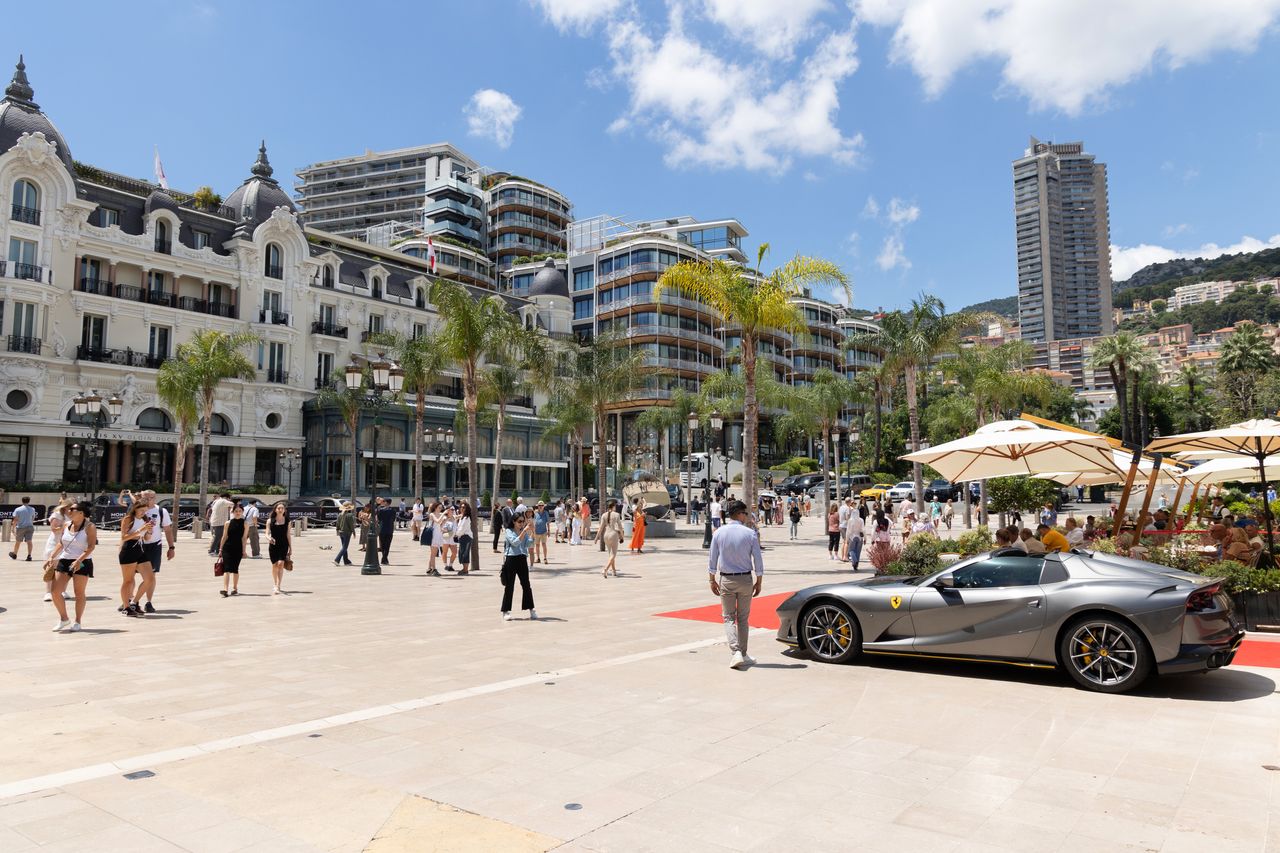
Take that same rental budget to tiny, glamorous Monaco, and they could expect to spend that much on a modest two-bedroom apartment of less than 1,200 square feet, with a small kitchen and windowless bathroom but a nice waterfront location near the Casino de Monte-Carlo.
Hugging a steep stretch of Mediterranean coast between the French city of Nice and the France-Italy border, the principality of Monaco is among the world’s smallest sovereign states. With a footprint of just under 1 square mile, it is smaller than New York’s Central Park. But as one of the most appealing tax havens, it has created a rental market like no other, with international residents willing to pay millions of dollars in annual rent for the chance to live in style while benefiting from the lack of personal-income and capital-gains taxes.
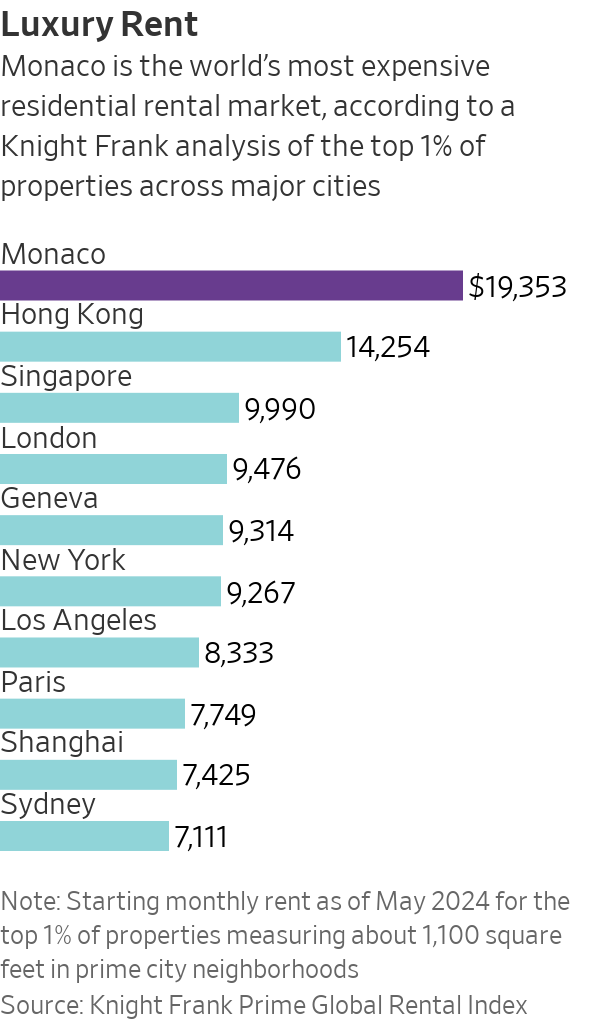
Monaco tops the list of the world’s most expensive residential rental markets, according to a May analysis provided to The Wall Street Journal by Knight Frank, a real-estate company that analyzes international trends. Knight Frank looked at the top 1% of properties measuring about 1,100 square feet across different cities. Monaco’s luxury rentals in this category start at more than $19,000 a month, 36% higher than in Hong Kong, which comes in second, and twice as much as in Singapore and London. In New York and Los Angeles, such prime rentals start at about $9,200 and $8,300 a month, respectively.
And that’s just for 1,100 square feet.
The concentration of wealth in Monaco means there is plenty of demand for larger luxury rentals, with concierge service and hotel-level amenities, which can easily exceed $100,000 a month. Rent prices are as high as $280,000 a month for some of the triplex penthouses at One Monte-Carlo, a multi-building commercial and all-rental residential complex completed in 2019, located a few minutes’ walk from the casino. Penthouses come with their own outdoor pools and an in-house landscaping team that looks after terrace trees.
Crisscrossed by winding roads, pristine Monaco stands in contrast to the rest of the French Riviera, which can be rundown or rustic by turns. Favourable tax policies may be the main draw, but One Monte-Carlo residents also praise the lack of crime and the exclusive shopping, with Louis Vuitton, Saint Laurent and Bulgari boutiques as neighbors.
Whether they are renting a one-bedroom for $150,000 a year or a luxurious penthouse for millions, Monaco renters must pay quarterly, a quarter in advance, along with a three-month security deposit.
Why would someone plop down more than $1.5 million on signing a lease—plus over $120,000 in additional annual service charges—rather than invest by buying outright?
Renting an apartment is often an initial key step in acquiring residency, explains Alexis Madier, a partner at the century-old Monaco law firm Gordon S. Blair, who specialises in seeing his clients through the application process. Tax benefits can kick in after one year, he says, and proof of at least a one-year rental agreement and a minimum 500,000 euro (about $535,000) deposit in a local bank are needed before that process can even begin. There is no guarantee the application will be accepted or renewed in the future, and renting is simply easier, faster and less risky than buying.
In 2023, Monaco had a permanent population of 38,367, and only about a quarter of those were actual citizens. The number of foreigners seeking residency has been generally rising since 2000, according to the government agency Monaco Statistics, and in the last few years, the luxury rental market has expanded to meet that demand. Applicants must commit to spending more time in Monaco than anywhere else, with renewals hinging on relevant authorities going through credit-card receipts and even chatting up doormen to verify applicant claims. It would be very difficult to fake your way into a residency, says Madier, so a Monaco base needs to serve as a real home.
Madier says that Northern Europeans, whose status as European Union or Schengen-zone citizens allows them a visa-free faster track to residency, have a standout presence among new arrivals. Notably near the bottom of the list are French nationals, who must still pay income tax in France regardless of a Monaco address. Some French families do relocate to take advantage of inheritance tax benefits, he says.
Americans owe U.S. tax on worldwide income regardless of where they live, so Madier says they stand to gain the least from acquiring residency.
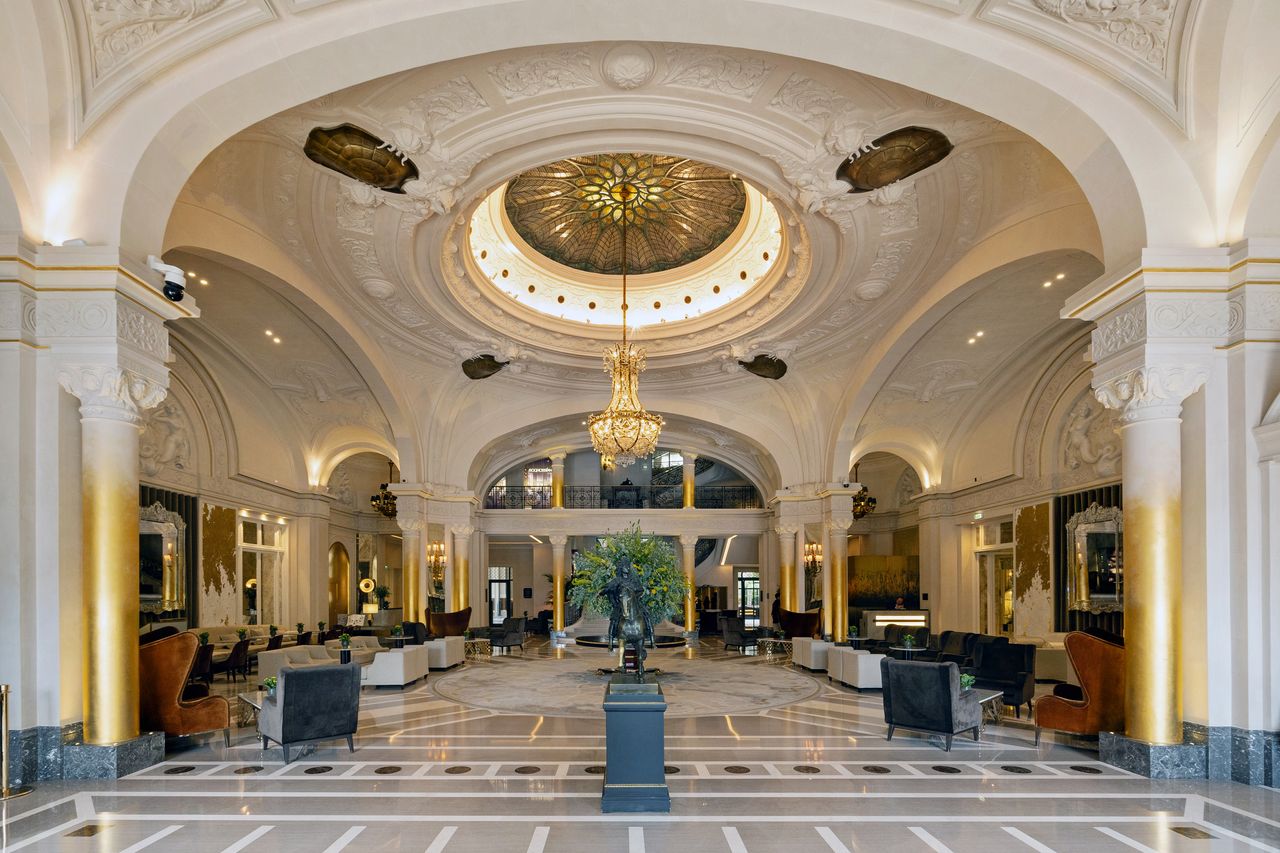
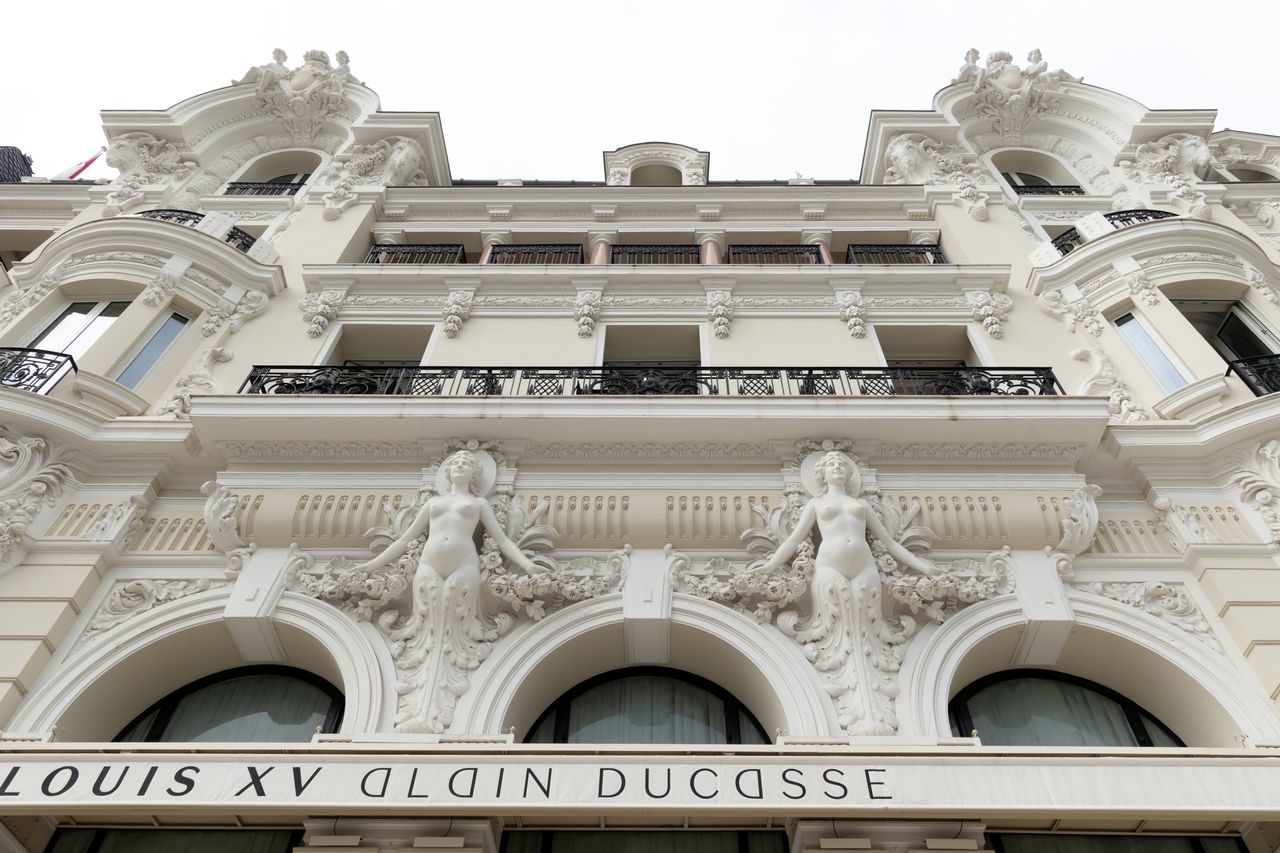
Tenants at the One Monte-Carlo rental complex can access amenities at the nearby Hôtel de Paris Monte-Carlo. PHOTO: EMILIE MALCORPS FOR WSJThe staff at One Monte-Carlo can help tenants secure a hard-to-get reservation at Le Louis XV-Alain Ducasse à l’Hôtel de Paris, a three-star Michelin restaurant at a neighboring hotel, where a set menu can cost $450. PHOTO: EMILIE MALCORPS FOR WSJ
The one thing that just about all new Monaco residents have in common is wealth, says Madier. The lawyer, who commutes daily from Nice, estimates that his foreign clients seeking residency have a minimum net worth of $30 million.
“Most residents adopt a low profile,” he says, contrasting his clientele with the day trippers and vacationers dressed to the nines. “When you see them on the street, they’re not showing off.”
A question hanging over the Monaco market—particularly when it comes to foreign investors and its banking sector—is whether a global watchdog may soon add the principality to a financial “gray list,” which would deem its anti-money-laundering efforts deficient and require increased monitoring from the group. But agents in Monaco say they expect little impact on the residential real-estate market, if that happens.
New residents may sleep in Monaco, but they take advantage of the south of France, known for its idyllic hinterland and excellent food, and the closeness of northern Italy, where they might go grocery shopping—if they go grocery shopping. One couple, who are in the process of acquiring Monaco residency, say they hire a chef to live in nearby France rather than bother with shopping and cooking. A pair of One Monte-Carlo residents treat nearby luxury hotels as watering holes, ordering room service or popping over for a meal at restaurants where a cup of coffee can cost $15.
Residency-seeking arrivals increasingly want ever grander domiciles, and the principality’s highest prices are found at new complexes or renovated historic buildings. Monaco agent Caroline Olds has a listing for a 3,450-square-foot, three-bedroom apartment located in a grand 1880s building, last renovated in 2021, with a monthly rent of $99,000. She also has a 2,750-square-foot, four-bedroom unit on the 31st floor of the Tour Odéon, a luxury residential skyscraper finished in 2015, asking $48,000 a month. Is that price rather low, considering the prestige of the building? “Well, it’s not the penthouse,” says Olds.
A longtime Monaco resident, Olds says that new arrivals are sometimes in for a shock. “People who come from outside Monaco are accustomed to big homes,” she says. For clients who can afford a mansion-size apartment, she has a penthouse listing, spread over four stories, with four bedrooms and some 8,300 square feet of terraces. The price: $268,000 a month.
Irene Luke, who runs the Monaco office of U.K. real-estate company Savills, says the new wave of luxury complexes like One Monte-Carlo have convinced some residents to stay put in rentals rather than buy. The Tour Odéon, for instance, offers residents a chauffeur on call, says Olds. And staff at One Monte-Carlo say they help residents with requests such as ordering bed-linen changes for last-minute return trips home from abroad and booking helicopters for quick jaunts to restaurants up the coast in France.
“They get used to the services,” says Luke, who handles both rentals and sales. Finding a comparable apartment to buy in this small area with precious few single-family homes, she adds, can cost upward of $50 million.
Starting down the path to residency creates a particular rhythm of tenancy and ownership, says Bjarni Breidfjord, the Paris- and Nice-based managing and creative director of Luxoria, an international interior-design studio with a Monaco clientele. Renting in the densely urban, high-rise microstate can quickly lead to buying in nearby France, he says. Clients “get a little claustrophobic, and then they need a country residence—anything that gets them a little garden space,” he says.
With a few notable exceptions, Monaco rentals are unfurnished and must be returned to their original condition after tenancy. “What is so weird about Monaco,” says Breidfjord, “is that even if you do an improvement, the owners want it back to the original state.”
He is often called upon to come up with solutions for wealthy clients used to sumptuous mansions who now plan to put down roots in boxy, low-ceiling apartments, where they may only stay for a few years. His solution: transform spaces with wall coverings and paint jobs, while leaving the floors as they are. “We refer to it as a ‘cosmetic renovation,’” he says.
This summer, Breidfjord says he will complete work on furnishing a 1,300-square-foot rental for a couple who are relocating to Monaco. With a monthly rent of $15,000—reasonable by Monaco standards—the couple are instilling a dose of luxury with a $375,000 budget, including Italian designer furniture and a $96,000 custom-built wine refrigerator.
Luke says the market for furnished apartments is starting to grow. Savills handles long-term, furnished units at the Columbus Hotel, near Monaco’s southern tip, where the 1,350-square-foot penthouse with an even-larger terrace rents for $37,500 a month. Miells, Monaco’s Christie’s affiliate, has a furnished rental at the opposite end of the principality also listed for $37,500 a month. The 2,450-square-foot three-bedroom, located on the 15th floor of a 1980s high-rise, has dramatic Mediterranean views.
People relocating “think they have enough to do moving here,” says Luke. With a laundry list that may include obtaining a visa, getting a residence card and moving children into schools, a turnkey home means “your accommodation is sorted immediately.”
One Monte-Carlo, where tenants are expected to sign at least a two-year lease, is a prime example of the investment being put into Monaco rentals. It is the brainchild of the Monte-Carlo Société des Bains de Mer, the state-controlled entity known as SBM, which owns a large chunk of the principality, including the casino, the opera house and the Hôtel de Paris Monte-Carlo, a 19th-century trophy property. Over the last few decades, SBM has gone all-in on luxury rentals, and its portfolio now includes 71 units, including three rare waterfront villas, where the rent is $280,000 a month.
In a market where luxury properties can sell for tens of millions, why is SBM emphasising residential rentals? “Very high rental fees,” says SBM Chairman and Chief Executive Stéphane Valeri, “represent very profitable long-term revenue.”
Valeri says the occupancy rate at One Monte-Carlo is close to 100%. Usually the only vacancy at any given time is a unit being renovated for the next tenant, he says.
SBM also now owns Villa La Vigie, an early 20th-century mansion just over the border in France that was long the Riviera base of late fashion designer Karl Lagerfeld. Costing up to $160,000 a week in high season, it is also available for longer-term rentals of up to two months for more than $1.18 million.
SBM’s One Monte-Carlo is set to get a run for its money with Mareterra, a new $2 billion waterfront luxury complex and neighborhood built on land reclaimed from the sea. Some of the world’s best-known architects, including Renzo Piano and Tadao Ando, are involved, and residents will have access to a private marina.
Comprising 134 large units, some up to 16,000 square feet, sale prices are hovering at almost $10,000 a square foot, with rental units in the 10,000-square-foot range going for around $160,000 a month, according to Stéphane Brianti, managing director of Ageprim, a Monaco real-estate agency handling both sales and rentals at the development. Occupancy for buyers and renters alike is set to start in late 2024, he says.
The original watercolour illustration for Harry Potter and the Philosopher’s Stone sold for a record-breaking US$1.9 million on Wednesday, becoming the most valuable Harry Potter item ever sold at auction.
Thomas Taylor’s artwork, which sold at Sotheby’s in New York, was featured on the covers of the first edition of the 1997 novel. Prior to the auction, its price estimate was between US$400,000 and US$600,000—the highest pre-sale estimate ever placed on a Harry Potter-related item.
The illustration was first offered at auction in 2001 at Sotheby’s in London, where it sold for a then-record £85,750 (US$121,431 at the time).
Taylor was just 23 and working in a bookshop when he received his first professional commission to create a cover for J.K. Rowling ’s first novel. Taylor came up with the first-ever depiction of Harry Potter, which has now become the universal image for the iconic character.
The previous record for a Harry Potter auction item was set in 2021 when an unsigned first edition of Harry Potter and the Philosopher’s Stone sold for US$421,000 at Heritage Auctions in Dallas. A handwritten copy of The Tales of Beedle the Bard by Rowling sold in a charity auction at Sotheby’s in 2007 for £1.95 million, however the copy had been produced specifically to raise money for the author’s charity, Lumos, which supports the end of the institutionalisation of children worldwide.
The cover art sold as part of the library of Dr. Rodney P. Swantko, a significant collection of 19th- and 20th-century English and American literature, according to Sotheby’s.
If you’ve ever marvelled at Sydney’s natural landscape and built environment, from its iconic landmarks to its vibrant culture, you’re not alone. But for diehard golfers, there’s something to be said about the luscious greens of the exquisite golf courses that are scattered throughout Sydney and its surrounding suburbs. While Tasmania lays claim to the oldest golf course in Australia at Ratho Farm, established in 1822, Sydney has gained a reputation for world-class courses that are as demanding as they are picturesque .
From cliff-side holes offering sweeping ocean views, to lush inland greens surrounded by native wildlife and bushland, Sydney’s golfing landscape presents as both beautiful yet incredibly challenging for all those who dare to play the great Scottish game.
Among the myriad of options, we’ve narrowed down some of the best golf courses in and around Sydney. Now’s the time to work on your backswing, adjust your alignment and prepare to yell ‘fore’.
But first…
—
Where is the most expensive golf course to play?
One of the most expensive golf clubs to play in Sydney is arguably The Australian Golf Club. While this remains a private golf course reserved for members and their guests only, it costs upward of $8000 per year to play at The Australian, with a joining fee in excess of $50,000 (depending on age).
How many golf courses are there in Sydney Australia?
Across metropolitan Sydney, there is an abundance of courses ready for you to tee off. According to Golf NSW, there are 83 golf clubs that make up the Sydney Metropolitan area including clubs from Palm Beach to Cronulla. State-wide, there’s a total of 238 golf courses in NSW. The eastern suburbs provides the greatest density of golf courses, with 13 golf courses occupying about 7.5 per cent of the eastern suburbs in total.
What are the best golf courses in Sydney?
Here is a list of some of the very best golf courses to play in and around Sydney…
—
New South Wales Golf Club
Jacob Sjöman
This is perhaps one of the most spectacular links-style golf courses in Australia (and an inevitable challenge for those prepared to tackle its greens, particularly on a windy day). With mesmerising views that overlook Botany Bay, the course provides an unforgettable playing experience, whether you score an eagle or a double bogey. Designed by Dr Alister MacKenzie in 1926, the New South Wales Golf Club has remained one of this country’s finest golf courses.
—
Ellerston
Ellerston
A little further out from the Sydney metro area, the story goes that Ellerston in the Hunter Valley was exclusively built by Greg Norman for his Australian media mogul mate Kerry Packer, who at the time was the country’s wealthiest individual. The course, which Norman executed to Packer’s specifications—”build a golf course that penalises poor shots, and makes the golfer think and play hard,” was Packer’s directive—is undoubtedly one of his finest designs (and stands as one of the best courses in Australia). Keen golf enthusiasts may be disappointed to learn Ellerston and its undulating greens remain largely a private preserve of the Packer family.
—
The Lakes Golf Club
The Lakes
The Lakes Golf Club at Eastlakes has long been one of Sydney’s premier golf clubs; it has played host to a number of historic championships, like the Australian Open, and it sits as one of the country’s oldest venues for golf, first designed in 1928. While lakes are one part of the hazards to expect at this golf course, upon arriving at the back nine holes, you will also be presented with some of Australia’s toughest bunkers, as well as an abundance of trees that have claimed many a golf ball. Players, you’ve been warned.
—
The Australian Golf Club
The Australian Golf Club
Founded in 1882, The Australian Golf Club at nearby Rosebery is one of the oldest golf clubs in Australia and is another of Dr Alister MacKenzie’s designs (until Kerry Packer commissioned golfing great Jack Nicklaus to completely redesign the course in 1976). Today, The Australian GC is a championship course, with many great golfing battles played out at this spectacular course. For those lucky to get a chance to get into the swing here, while an absolute pleasure, it will also prove a strong test of your game.
—
Bonnie Doon
Bonnie Doon
With what is the third oldest club in Sydney, Bonnie Doon at Pagewood is designed to “mimic the work of nature with a mix of irregular undulations, wispy roughs and rugged bunker lips that appear to have been formed from years of wind and rain,” Bonnie Doon’s design architects, Ogilvy Clayton Cocking and Mead, said upon the course’s redevelopment in 2011.
Playing at Bonnie Doon is a fun, but trying, experience for many golfers. There is an abundance of undulating sandy ground and some deceptively difficult vegetation which makes precision a key prerequisite of playing this course.
—
Royal Sydney Golf Club
Royal Sydney
Not only one of the country’s finest golf courses, but Royal Sydney at Rose Bay is one of the leading social clubs in all of New South Wales, boasting a strong membership of more than 5,000 golfers of all abilities. While sign up fees aren’t easy on the pocket, in return members and their guests are able to bask in a championship golf course with one of the nicest harbour-side clubhouse facilities you’re likely to find. Celebrating its 120th anniversary last year, this iconic golf course is a must-play for anyone serious about their golf.
—
Bonville Golf Resort
Bonville
Ok, technically, this golf course is a bit of a drive from the Emerald City but we couldn’t resist. South of Coffs Harbour in New South Wales lies Bonville Golf Resort, one of the most picturesque golf courses in the country—so much so that it is often considered Australia’s “Augusta National” by golfing enthusiasts. Made up of an 18-hole championship course that meanders through rainforests and is renowned for its isolation, Bonville is a dream course for golfer looking to challenge themselves.
—
Monash Country Club
Monash
A course lauded for its slick greens and incomparable bushland setting, the Monash Country Club at Ingleside is renowned for more than just its star-studded member base of ex-footballers and politicians. Monash Country Club is, in fact, one of Sydney’s most difficult courses, where the formula is simple: you must hit fairways to score. Be sure to be on your game when playing here, for Monash takes many prisoners. It’s said that Monash has the fewest plus-handicappers in Australia among its membership base.
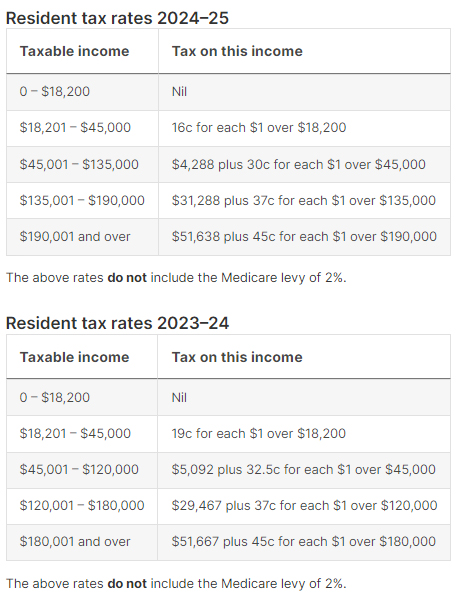
Stage 3 tax cuts will commence on Monday, providing 13.6 million workers with tax savings that they will see in their first pay packets of FY25. The average Australian wage earner on $74,500 per year will receive a $1,540 tax saving over the new financial year. The Superannuation Guarantee is also going up from 11 percent to 11.5 percent from Monday, providing the same worker with a $372 bump per annum to the superannuation payments they receive from their employer.
The Albanese Government amended the Stage 3 tax cuts in January to give every taxpayer a tax cut rather than only those on higher incomes. Many economists have argued the tax cuts will add to inflation, which is proving to be remarkably sticky. Yesterday, the Australian Bureau of Statistics released the May inflation figures showing a 4 percent annual increase in inflation, up from 3.6 percent in April.
The Federal Government decided to amend the legislated tax cuts in January to help more Australians with rising cost of living pressures. Official advice from the Federal Treasury said the amendments were “broadly revenue neutral” because they would cost almost the same amount as the original Stage 3 plan, which had already been factored into inflation forecasts. The amendments reduced the tax break for earners at the top end to enable tax relief for everyone. A Treasury document said the changes “will not add to inflationary pressures and will support labour supply”.
The tables below outline how the tax rates and tax brackets will change from Monday.
Source: Australian Taxation Office
At a press conference after the Reserve Bank announced interest rates would remain on hold last week, Governor Michele Bullock said she expects some people would use their tax cuts to cover everyday expenses while others would save it.
“What we do observe in the data is that people who have mortgages – on average, not all – but people on average who have mortgages tend to try and put more into their offset accounts and their redraw facilities because they’re paying quite a high interest rate now on their mortgage and so they want to offset it,” she said.
A Westpac survey foundAustralians planned to save up to 80 cents for every $1 of tax savings.
“The results suggest consumers will use tax relief as an opportunity to repair their finances and rebuild saving buffers rather than spend,” said senior Westpac economist Matthew Hassan.
If taxpayers followed through on this plan, Mr Hassan said only $4.7 billion of the $23.3 billion in tax relief would be spent, equating to a spending boost of 35 basis points.
Ben Cohen and Jerry Greenfield are about as well known for their progressive politics as they are for quirky ice cream flavors like Chunky Monkey and Phish Food.
Their experiment in melding business with social justice for years seemed like a model that many in the corporate world were warming up to. And then attitudes cooled.
Some businesses have started to put less emphasis on the kinds of social and political issues that Ben & Jerry’s has championed. Certain investors have urged corporations to stick with what they know best.
For their part, the lifelong friends, both now 73 years old, say their style of corporate activism isn’t bad for business—just the opposite.
Most companies aren’t comfortable engaging with social issues because “they don’t want to potentially alienate customers,” says Greenfield. “The irony is for Ben & Jerry’s, that is what makes the company successful.”
Cohen and Greenfield say the brand is now at a crossroads after parent company Unilever said in March that it would spin off or sell its ice cream division , a move interpreted by some as the culmination of a failed experiment in mixing progressive politics with big business.
While Ben & Jerry’s has for decades worn its heart on its sleeve, some of the brand’s political pronouncements in recent years have angered certain consumers and investors. Cohen believes this is at least partly the reason for its owner’s decision to part ways. For Unilever, “Ben & Jerry’s creates a lot of problems,” he says.
Cohen and Greenfield, who still count as Unilever employees, say the upset is worth it.
The founders shared internal sales data with The Wall Street Journal that showed the brand had logged stronger sales growth than its parent’s broader ice cream business in three of the past five years. Neither side disclosed profit figures.
Unilever’s ice cream head, Peter ter Kulve , says that, “whilst we don’t always agree” with Ben & Jerry’s, the combination of the company’s leadership, the brand’s board and founders’ involvement has been successful.
Do Cohen and Greenfield think the brand could be better off with a new owner? “To have a values-aligned owner of Ben & Jerry’s would be a beautiful thing,” says Cohen.
Of all the multinationals that could have bought Ben & Jerry’s, Unilever—given its historic focus on sustainability—was seen as perhaps the best fit. But in recent years a marketing strategy aimed at imbuing all of Unilever’s brands with a social or environmental purpose fell flat . Unilever has since narrowed the strategy to a few big brands.
Both men earned millions from Unilever’s $326 million purchase of their ice cream brand and say the deal hasn’t been all bad. Unilever helped Ben & Jerry’s expand internationally—it is now sold in 43 countries—and figure out the nuts and bolts of building new factories. It also gave the brand a bigger platform to push its social mission, albeit less aggressively than the founders would have liked.
In recent years a handful of prominent brands have been hit by consumer boycotts after wading into the culture wars. Companies are also being presented with more investor proposals against environmental and social initiatives while some activists are taking companies to court over their diversity and inclusion pledges. The upshot is that companies, particularly in the U.S., are talking less about their ESG efforts.
Cohen and Greenfield say they understand the pressure public companies—including Unilever—are under to avoid thorny issues but think this limits their growth prospects. Consumers, particularly younger ones, expect brands to speak out about issues like war, racism and climate change, they say.
Frosty relations
Ben & Jerry’s began in 1978, when Cohen and Greenfield started selling ice cream out of a gas station in Burlington, Vt. They threw chunks of candy and nuts into partially frozen smooth ice cream largely because the heavily textured result appealed to Cohen, whose poor sense of smell impedes his ability to taste.
Alongside whimsically named flavours, social activism became a part of the brand’s identity early on. In 1988, Cohen and Greenfield launched Peace Pops, a chocolate-covered ice cream on a stick that advocated for cuts to U.S. military spending.
By the 90s, the brand had become one of America’s most recognisable brands, later that decade attracting takeover interest. Cohen and Greenfield say they didn’t want to sell but, as a public company, had to put Unilever’s offer to shareholders.
To keep the founders happy, Unilever agreed to let Ben & Jerry’s retain an independent board that would dictate the company’s social mission.
Despite this, “the first few years were rough,” remembers Cohen.
Unilever cut costs, making pints with less butterfat and using smaller, cheaper chunks. A proposed new flavor intended to celebrate Vermont’s law legalising civil unions for same-sex couples was scrapped.
Over the years, “the social mission rose or fell based on who the CEO was,” says Cohen. “If the CEO was into it, it prospered and if the CEO wasn’t it didn’t.”
Unilever preferred to attach its brands to more neutral causes , like reducing food waste or improving sanitation. Ben & Jerry’s, by contrast, publicly opposed what it described as Donald Trump’s “regressive agenda” by launching a flavour called Pecan Resist. It accused President Biden on social media of fanning the flames of war by sending troops to Europe after Russia’s invasion of Ukraine.
Tensions between the brand and its parent burst into public view soon after Ben & Jerry’s said it would halt sales in Jewish settlements in the Israeli-occupied West Bank and contested East Jerusalem in July 2021. It said selling in those settlements, considered illegal by much of the international community , was inconsistent with its values.
The move prompted some consumers to boycott Unilever’s brands, and U.S. pension funds to sell shares in the company.
Unilever tried to quell the furor by selling Ben & Jerry’s business in Israel without its permission. The brand then sued its parent , saying it had violated the acquisition agreement. The two sides eventually settled, but tensions persist.
“There is no other entity like Ben & Jerry’s at Unilever,” says Cohen. “They don’t understand it, they don’t really know how to deal with it and they want to run it like any other brand that they own.”
In January, Unilever prevented Ben & Jerry’s from calling for a cease-fire in Gaza, the founders say. The brand circumvented its parent by issuing a statement via its independent board.
How involved Cohen and Greenfield remain depends on to what extent any new owner permits the brand’s board to continue to pursue its social mission.
If bought by a finance-focused entity, Ben & Jerry’s will suffer, Cohen says. “They don’t realize the intangibles that are behind the numbers.”
Still eating ice cream
Born four days apart, Cohen and Greenfield have been best friends since seventh grade.
They live 2 miles from each other near Ben & Jerry’s headquarters in Vermont, and hang out regularly. “It’s more fun to do things together,” says Greenfield.
The pair have dabbled in various construction projects together, building a gazebo, cabin and bench in their free time. “It’s much more beautiful than your usual park bench,” qualifies Cohen. “We didn’t buy any lumber, we just cut down trees.”
They also get together to do physical therapy exercises to help their bad backs but dislike the dead bug, which involves lying on your back and raising and lowering opposite arms and legs.
Both men have remained involved with Ben & Jerry’s and get a salary from Unilever although they have no managerial or operational role at the company. They show up to franchisee meetings, scoop-shop openings and employee training sessions to shake hands and offer encouragement.
They see their main role as bringing visibility to causes the Ben & Jerry’s brand supports. They are currently lobbying to end qualified immunity , the controversial doctrine that says police officers and other officials can’t be sued for misconduct unless they have violated “clearly established” rights.
Recently, Unilever’s new chief executive, Hein Schumacher , visited Vermont, where he met the founders. Cohen describes him as a “nice guy” but says they didn’t spend a lot of time together. “I assume he’s a very good executive,” he says. “Business executive.”
The pair’s favourite flavours—Coconut Almond Fudge Chip for Greenfield and Mocha Walnut for Cohen—have long since hit “the flavour graveyard.” The coconut flavour wasn’t selling well enough while the mocha one drew lots of consumer complaints. “Half of them would say it had too much chocolate in it and the other half would say it had too much coffee,” says Cohen.
How worried are the founders that in an era of weight-loss drugs people could eat less ice cream?
Not at all, they say. Greenfield says people’s relationship with ice cream is about enjoyment or celebration, not nutrition. Still, people should eat ice cream in moderation. “You’re not supposed to eat a whole tub at once,” he says primly.
“I think you can eat a whole tub at once,” interjects Cohen. “You’re just not supposed to do it every day.”
From the Winter issue of Kanebridge Quarterly magazine, on sale now.
It never used to be this complicated to order a drink. Less than 10 years ago, requesting a whisky, a gin and tonic or even a vodka martini was a fairly straightforward affair with a choice of international brands, from Glenfiddich single malt whisky to Absolut vodka and Bombay Sapphire gin.
Now, the drinking landscape is somewhat more complicated — and that’s good news for locals who like a dram of whisky or a cocktail or two.
The Australian distillery industry has gone through rapid growth in recent years, from 30 distilleries nationally less than 10 years ago to more than 600 now. And that’s despite the overall levels of alcohol consumption falling over time across Australia.
CEO of the Australian Distillers Association, Paul McLeay, has a simple explanation.
“Australians are drinking less, but better — and patterns are changing,” he says. “Cask wine sales are down. They’re drinking less boring beer and more interesting products.”
While the distillery industry was already growing, McLeay points to COVID as the impetus for the increasing appetite for flavourful spirits.
“Tastes changed after COVID,” he says. “That home cocktail culture took off as people realised they could make interesting drinks at home — and post photos of them on Instagram.
“That notion of drinking less but better, the idea of fewer drinks on fewer occasions made it feel more special.”
While the Australian wine industry was valued at $5.7b last year, the distillery market is making headway, coming in at $2.5b. However, McLeay says it differs from the wine market, especially in terms of production profiles. For starters, without the need for vineyards, he says the distilleries are equally split between city and regional areas. This is a key advantage for small craft distilleries looking to connect with their local market.
“If you live in Marrickville (in Sydney), you’ll be proud to be drinking a local gin,” he says. “When someone comes to visit, you want to give them something to take home. Spirits allow you to give them a taste of the locality — you can buy it in a bottle.
“For travellers, if people remember the Hellfire Bluff Gin they had on a night out in Hobart, that’s a positive association with the area as well.”
At the moment, he says there are about 500 gin and vodka distilleries around the country, about 100 whisky producers and 50 making rum. With each product having its own flavour profile influenced by local conditions, from the region’s botanicals to its barley, the quality of its rainwater and even the way it is aged, it is good news for consumers seeking variety. McLeay says most distilleries are making multiple spirits to increase commercial opportunity and get product to market quickly.
“The ‘brown’ spirits have had more time,” he says. “Whisky looks clear like gin and vodka initially but over three or four years of maturation, it turns brown. It only takes about a month to make gin, which is why a bottle of gin is generally less expensive than whisky.”
While it might seem as though the homegrown whisky, gin and vodka market has appeared out of nowhere, credit for the modern distillery industry in Australia largely falls to Bill and Lyn Lark from Tasmania who lobbied their local MP in 1990 to change antiquated federal laws that outlawed distilleries that were smaller than 2,700L.
Following the change, LARK Distillery opened in Tasmania in 1992, capitalising on the state’s reputation for growing high quality barley, its clean water, as well as providing the perfect climate for ageing single malt whisky. Support for the Larks’ efforts also followed fromgovernment, as well as mentorship from John Grant from Scottish label Glenfarclas, with their first whisky sent to market in 1998.
Bill Lark says while he knew it was a delicious drop, it wasn’t until the early 2000s that the business kicked up a gear.
“The early 2000s was a period where we and the few other distilleries had to prove their credibility to the market,” he says. “When LARK first won a major award in the World Whisky Awards in 2009 I think it gave the confidence in others to get involved. From day one, inspired by such greats as John Grant from Scotland, I encouraged as many new distillers as possible to become a family of distillers where hopefully we would all be producing a world class product in sufficient numbers for eventually Tasmania and Australia to be recognised as a significant whisky producing region.”
In March this year, LARK was recognised by the World Whiskies Awards in London for crafting Australia’s Best Single Malt and Best Blended Malt.
Bill Lark says the local market really started to accelerate when Australian whiskies began winning awards.
In the intervening years, Australian distillers far and wide have heeded the Larks’ call to create their own spirits, from small family operations focusing on a single product to larger businesses with their eyes firmly set on the world stage.
Fellow Tasmanians Suzy and Cam Brett from Spring Bay Distillery share a passion for whisky and were inspired by their travels and the Larks’ example to start their own business.
“We remember very clearly being told by Bill Lark to make sure you make bloody good whisky!” says Cam. “I think there has definitely been a change in consumer habits.
“People are more engaged with what they are drinking, how it is made, where it comes from and that has increased the popularity of all spirits.”
Suzy says she first experienced whisky while working in Edinburgh in the 1980s. She’s been a fan ever since.
“Whisky is the king of drinks because of the complexity, the ageing and the romance,” says Suzy. “The time it takes the whisky to mature is influenced by barrel size, bond store, location and climate. The larger the barrel, the longer the maturation.
“Some of our large barrels may take 10 years or more to mature and it is a case of ‘it’s ready when it’s ready’ and won’t be rushed.”
Suzy Brett from Spring Bay Distillery says she was inspired by Bill and Lyn Lark to produce an exceptional whisky. Image: Joe Chelkowski
Jake and Tess Eagleton started their Wagga Wagga label, Riverina Gin, in February 2023, after years of discussions, as well as travelling around gin distilleries in the Scottish Highlands, where Jake grew up.
“There are lots of gin distilleries popping up in the Scottish Highlands — I was surprised to see so many,” Jake says. “We started visiting them and often they were on people’s farms and you’d get the chance to meet the maker.”
The couple, who now have three children, were inspired by the notion of a family-run business and, with the help of local winery, Borambola Wines, who offered them a shed, focused on a one-shot distillation method. They have a simple philosophy of making one product really well.
“We try to stand out by not standing out too much — we use fresh organic oranges from the local region so the flavour is citrus forward,” says Jake.
They have also called on connections in their local community, partnering with Paper Pear Gallery in Wagga Wagga to host the Riverina Gin Club events. Expansion will be slow but steady.
“We made sure people knew we were a family-forward business,” says Jake. “We have seen a lot of peaks and troughs with the economy and we have been adaptable because we do a lot of the work ourselves. We have one gin that has been well received.”
Brand director and co-founder of Never Never Distilling Co Sean Baxter has bigger ideas for the business he started with friends George and Tim, with plans to further its expansion into Asia and Europe. Unlike other distilleries that sell via bottle shops as well as online, Never Never is focusing on the hospitality industry to reach bars and hotels. It’s not a surprising strategy given Sean’s former life at Diageo, the peak company for brands such as Johnnie Walker, Tanqueray, Guinness and more.
“I worked as a contractor for Sweet&Chilli as a national brand ambassador for Johnny Walker,” Sean says.
“That gave me access to so many amazing venues and bars and I met a lot of people. I was standing in front of so many people telling incredible brand stories and it sunk in — I wanted to do my own.”
The Adelaide-based business now offers more than a dozen gins and sees the relationships with bartenders and hospitality providers as key to their success.
Co-founder of Never Never Gin, Sean Baxter
“We collaborate with international bartenders to promote the brand in Hong Kong and Singapore, and over the past 12 months we have moved into France,” he says. “That’s been a real eye opener, taking our oyster shell gin to the French — it’s an exciting push.”
The ultimate goal is to create a global brand.
“We didn’t build Never Never Distilling to be small.”
While nearly half of U.S. investors surveyed by Morgan Stanley want to invest in companies led by or making products and services for the LGBTQ community, these investments are difficult to find unless you know where to look.
Several LGBTQ-focused ETFs failed in recent years due to lack of investment, though stock investors can still put money in firms with openly queer leadership, such as Tim Cook at Apple. While opportunities for LGBTQ investments stretch across asset classes—startups attract the most attention.
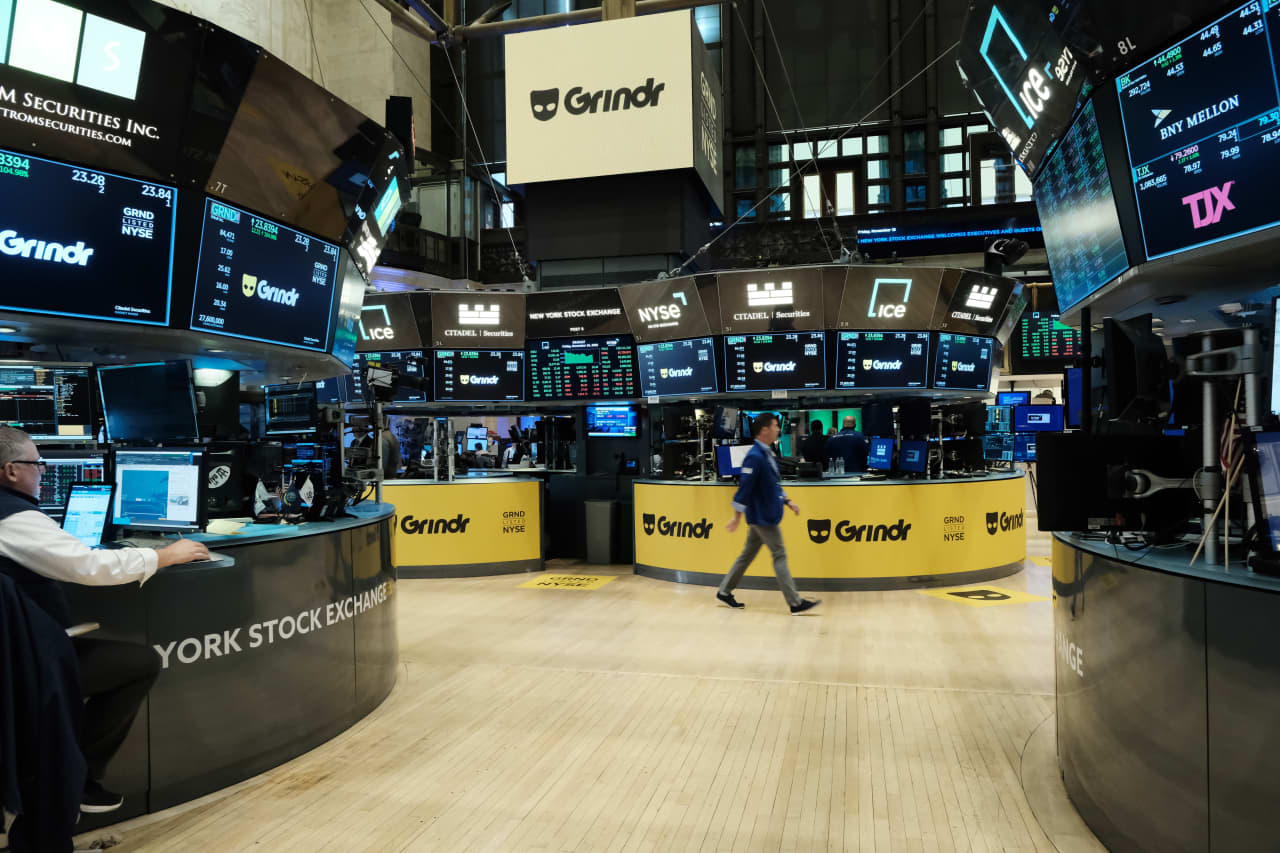
For an answer as to whether this strategy can be successful, look at Grindr. One of the most prominent LGBTQ startups, the social networking app went public in 2022 and has a US$1.78 billion market cap today.
“Almost in every industry that exists, there is an LGBTQ person building [a company],” says Jackson Block, CEO of New York-based LGBT+ VC, a nonprofit addressing investment in the LGBTQ community. This means wide-ranging opportunities to invest in privately-held LGBTQ companies.
Identifying such investments often centres on two key criteria, says William Burckart, co-founder of Colorful Capital, a venture capital firm that invests in early-stage LGBTQ startups: Investors want to know whether someone in the community leads the company or if they are the target market for products and services.
Individuals and families can invest directly in companies getting off the ground or in a growing number of niche funds. Colorful Capital and Gaingels are among several firms that have formed specifically to address a longstanding lack of opportunities for LGBTQ startup founders. Others, like Backstage Capital or Elevate Capital, focus on underserved founders more broadly, including those who are LGBTQ.
According to research from StartOut, a San Francisco-headquartered LGBTQ entrepreneurship nonprofit, only 0.5% of venture funding goes to LGBTQ founders, yet they create 44% more exits, where equity investors earn capital gains through the sale or stock listing of the company, and 114% more patents than the average founder.
Colorful Capital chose to invest in seed- and early-stage funding after determining it was the “glaring gap” that needed to be filled based on conversations with LGBTQ founders, says Burckart.
Backstage Capital and Gaingels, which are syndicates with multiple investors, will support companies at several stages of development. Meanwhile, Elevate Capital, which counts 7% of founders it supports as LGBTQ, offers three funds for investors depending on what stage of investment and type of business they are interested in.
There are economic reasons to consider LGBTQ investments: Multiple studies show correlations between diversity among firm leadership and company performance as measured by internal rates of return, risk management factors, and firm valuations. “From a purely financial benefits perspective, there’s real value in beginning to embrace and integrate that kind of diverse thinking,” Burckart says.
Gaingels, whose members have invested more than US$800 million since 2019, principally invests in health, fintech, and enterprise software, according to Dealroom.co. Recent deals include taking part in a post-seed, series A funding round for San Francisco-based social care platform Grayce and a seed-funding round for Menlo Park, Calif.-based financial community platform AfterHour.
More than 70 unicorns—firms that have reached US$1 billion valuations—have been funded at different stages by Gaingels. These include Seattle-based, goal-oriented telehealth platform Ro and Dapper Labs, a Vancouver-based digital games and entertainment firm.
Block, whose organisation has a mission to educate, train, and mobilise 10,000 LGBTQ and ally investors by 2030, suggests wealthy investors enter the venture capital fray by becoming a limited partner in a fund. This allows investors to get involved with less risk and comparatively steady return expectations compared to angel investing.
Geographically, many LGBTQ companies attracting investment are North American, though regional funds exist in Europe and Latin America, Block says.
For wealthy families, investing in LGBTQ-related businesses can be a strategy to engage the next generation, as products and investment strategies that advance LGBTQ equity and inclusion are in high demand among younger investors (56% of millennials and 67% of Gen Z, according to Morgan Stanley). This is unsurprising, given that Gallup polling suggests more than one in five Gen Z adults and one in 10 millennials identify as LGBTQ.
Morgan Stanley’s Institute for Sustainable Investing estimates that those interested in LGBTQ investments control about one-third, or US$20 trillion of U.S. wealth managers’ assets under management. With the impending generational wealth transfer, the bank says control of interested investors could grow to nearly half of the assets under management at all wealth managers. Block expects that creating opportunities for LGBTQ fund managers will also help grow LGBTQ investments, and will create a “natural pipeline” for them to find roles with major investment banks.
In identifying investments, Morgan Stanley offers strategies that screen-out certain companies, says Emily Thomas, head of Investing with Impact, Morgan Stanley Wealth Management, the bank’s platform featuring funds and other investment vehicles for values-based investing.
“Per our survey, 76% of investors interested in LGBTQ impact objectives are also interested in the ability to exclude companies that don’t explicitly include protections for LGBTQ people in their labour rights policies,” Thomas says.
Grindr, one of the most prominent LGBTQ startups, went public in 2022 and has a US$1.78 billion market cap today. Getty Images
There are also companies owned or run by individuals with family and friends who are LGBTQ and want to make sure their company helps support and gives back to the community.
Recently, a banking executive spoke about their experience being raised by lesbian parents at an LGBT+ VC ally event. Morgan Stanley reports 76% of heterosexual investors with an LGBTQ household member want such investment options, more than the general population.
The biggest barrier to finding LGBTQ investment strategies is being able to gather data on the community, Thomas says.
Individuals can have reservations about sharing information regarding sexual orientation or gender identity—54% of LGBTQ individuals in the U.S. live in areas without state-level protections. Ongoing stigma against the community also prevents some people from openly identifying as LGBTQ.
“Only with more data can we know the extent of inclusion in, and exclusion from, the structures that make up the foundation upon which the U.S. economy is built,” Colorful Capital said in a May report.
(There are forces trying to change this. Earlier this year, the U.S. Census Bureau’s monthly American Community Survey announced it is looking into asking about sexual orientation and gender identity.)
Because of the sensitive nature of data and laws around personally identifiable information, there isn’t readily available data on the percent of employees who identify as LGBTQ or what representation looks like at senior levels, unlike for gender diversity. Comparably more data is available on corporate policies on LGBTQ matters, so some asset managers use that to identify companies as investments, Thomas says.
“For example, [an] asset manager can tilt portfolios toward companies that offer domestic partner benefits to same-sex couples,” she says. Other strategies could include screening for companies that offer LGBTQ diversity training or have not faced Equal Employment Opportunity Commission disciplinary actions. Investors can also use benchmarks such as the Human Rights Campaign Corporate Equality Index, which scores about 1,400 publicly and privately held firms on several areas of LGBTQ policies and practices, including whether they offer domestic partner and transgender-inclusive benefits,
Institutional Allocators for Diversity, Equity, & Inclusion, a nonprofit group of asset owners aiming to promote those principles within investment management, has a publicly available diverse manager database, which allows funds to self-report LGBTQ affiliation, Thomas says.
Though golf courses offer long acres of lush grass, tall trees and rippling ponds, they’re not the most popular venues among environmentalists. Citing their effect on wildlife and the potential impact on a venue’s water table, those worried about conservation and sustainability find much to dislike on any 18-hole tract.
For more than a decade, 1995 U.S. Open champion Corey Pavin has worked to improve golf’s relationships with the world hosting it. Known as one of the more amiable and self-effacing players on the PGA Tour (and, currently, the Champions Tour), the 64-year-old native of Southern California remains one of the leading proponents of sustainability in golf.
During preparations to play the 2024 Senior PGA Championship at Michigan’s Harbor Shores—a course built on a reclaimed industrial dumping ground in Benton Harbor—Pavin explored what brought him into the sustainability movement and why he continues to push more environmentally responsible golf courses.
Penta: You claimed a Major Championship, won 15 times on the PGA Tour and captained a Ryder Cup team during four decades of professional golf. How did you find an interest in sustainability along the way?
Corey Pavin: I grew up in California, so recycling was always a big deal there before the movement expanded across the United States and around the world. So, I came into golf already aware of the need to recycle and look after the environment.
What brought you into a leadership position working toward environmental sustainability in golf?
I do most of this work due to my association with Dow Chemical. I’ve been with them for 15 years now, and they started a big program for sustainability and recycling. They’ve done a lot to make me aware of what needs to be done and helped me to reduce my own carbon footprint. … I also worked with the nonprofit GEO Foundation for Sustainable Golf, which is dedicated to making golf and the golf community ecologically friendly.
Have you found there to be tension between the sport of golf and the environmentalist movement?
I knew growing up the environmental effects of golf and golf courses was a huge concern and a cause of a lot of conversation. There were debates over the chemicals used on a course and how they can affect groundwater and other elements.
I think a lot of strides are being made with what materials get used on a golf course with an eye toward what effect they could have on the environment. There’s been a lot of work in the last two decades to make courses less harmful.
What advancements have golf operations made in course design, building, and management?
First of all, there’s been a push for years now with course designers to avoid bringing in any outside species such as grass or other plants that could change the ecology of an area. You’re seeing so many more courses now that use only native elements. There’s also been a lot of strides made on how courses are maintained, what grasses they use, and how the greens crews treat the grasses.
Is it difficult to balance environmental factors with efforts to provide a quality golf course?
You want to design and build a quality course and keep it in good shape, but we have the means now to eliminate negative environmental impact from a golf course being built or operating. For example, concepts such as using recycled, non-potable water for the grass or choosing salt-resistant grasses that can be fed with brackish seawater keep fresh water preserved and entirely off the course.
Beyond water usage, what positive effects can a modern golf course have on the environment?
You also have to consider the adjacent land near a course. The presence of golf near a forest or marshland can lead to an effort to preserve that space that wasn’t a priority earlier.
Are you seeing efforts to update or reimagine golf courses built before the environmental movement came to the fore?
Yes, there are so many modification ideas a golf course can use to limit or reduce the amount of grass that needs to be watered. I’m seeing courses add natural waste areas of plants that require very little water or more sandy areas that require no water at all. Over the last decade, I’ve seen courses all around the world shifting to those designs. Beyond saving water, those ideas also reduce the amount of necessary maintenance and save energy.
Way back when, crews used to just bulldoze everything and transform an area into a course without giving thought of what that could do. Once it became clear that we could build golf courses that can involve more of the natural habitat and disturb much less of the natural environment that was already in place, I think it became obvious there was no reason to design or build courses any other way.
As a player, does it just make you happy seeing these sustainable changes?
I love seeing it, not just because I’m aware of how important clean water is, but because I’ve always liked golf courses that have a natural look to them.
The 2024 Senior PGA Championship was at Harbor Shores this year—a course developed on wetlands reclaimed from an industrial waste site. Could we see golf actually restoring the environment in cases like we find in Benton Harbor, Mich.?
I think that’s a great example of responsible course building and management. Initially, [Harbor Shores] was more a case of recycling and reclamation, but it operates now within those wetlands as a sustainable model. We can see more cases of dump sites becoming courses because you’re dealing with land that can’t really be used for much else. Once the ground is cleaned and treated, I can’t think of any better place to build a golf course because just the act of creating the venue cleans that garbage from the land.
We can now make golf courses that look like they were always supposed to be there from the beginning.
This interview has been edited for length and clarity.
In recent years, Potts Point in inner-city Sydney has established itself as one of the premium dining destinations in the city. Less than 2km from the CBD, it was once better known for its colourful nightlife, thanks to its proximity to Kings Cross. These days, however, the leafy locale has become popular with the well-heeled who enjoy its proximity to amenities, the array of well-preserved Art Deco apartment buildings, as well as an increasingly diverse culinary scene.
Whether you’re looking for a quick mid-week bite, a celebratory feast, or simply a delicious late night snack and a drink, Potts Point boasts a range of unique dining options, from casual eats to delectable dining.
Here are our favourites venues to visit in 2024.
—
Fratelli Paradiso
Swillhouse
Regarded as one of Sydney’s first truly ground-breaking dining venues, Fratelli Paradiso has become a dining institution in the leafy Paris quarter of Potts Point, where it has remained since its opening in 2001. You come to Fratelli Paradiso—or “Frat Paz”, as it’s colloquially known—for a vibrant ambiance, unparalleled hospitality service, and a true taste of Italy.
Be sure to order classics like the calamari Sant’ Andrea (fried calamari with a special paradiso sauce); lasagna al forno; and of course, the tiramisu.
—
Franca
Franca
A local’s favourite— and an institution in the making—Franca is the quintessential French-style brasserie that every notable suburb should have. Here at Franca, where its owners have “created an atmosphere built around a sense of belonging”, its soul lies in the exceptional menu that boats French classics with a modern twist.
Meat lovers, rejoice in classics like steak frites, or the equally-impressive, lunch-only Franca Burger with frites. Don’t miss out on the Sunday roast, either; the Plat du Jour is a generous 600g Chateaubriand Tenderloin paired with Sauce Diane, accompanied by a rotating selection of seasonal side dishes…delicious!
—
The Apollo
The Apollo
Another stalwart among Potts Point foodies, The Apollo is inspired by the ease and simplicity of Mediterranean hospitality, with a strong focus on community and shared food experiences. The menu, which highlights predominantly Greek classics, is as good as you’ll find anywhere outside of Greece. Start with the taramasalata dip with warm homemade pita bread, and saganaki cheese with oregano and honey. For mains, you can’t go past the oven baked lamb shoulder with tzatziki. Don’t leave without trying the traditional honey donuts, either!
—
Cho Cho San
Cho Cho San
The cuisine that you can expect to find at the popular Cho Cho San would not be out of place in downtown Tokyo. This modern interpretation of traditional Japanese cuisine calls for inventive Izakaya-inspired dishes that, as the restaurant proclaims, delivers “maximum enjoyment”.
Whether you’re looking to enjoy an assortment of snacks paired with Sake, or looking to feast on banquets that include mouth-watering pork katsu steam buns, fried soy rice with shiitake and egg, and stockyard striploin, it’s hard to go wrong.
—
Yellow
Yellow
By now, it’s becoming clear that as a dining destination, Potts Point caters for everyone. Yellow is testament to this statement. From the team behind celebrated venues in Bentley Restaurant & Bar and Monopole comes Sydney’s first fine-dining vegetarian and vegan restaurant. That was 2016. Today, Yellow is a favourite for those seeking the finest—and tastiest—vegan cuisine.
Co-owner and chef Brent Savage is behind the success of its inventive menu, which centres around a famed six-course set menu, built around seasonal fresh produce that is brimming with colour, texture and flavour. Even if you’re not vegetarian or vegan-inclined, Yellow comes highly recommended as a true culinary experience.
—
Ezra
Ezra
For co-owners Nick and Kirk Mathews Bowden, opening Ezra—their take on Tel Aviv’s cosmopolitan dining scene—in the heart of Potts Point was a non-negotiable. As Potts Point locals, and former co-owners of French brasserie Bistro Rex, their time and effort is now dedicated to Ezra, the quaint 90-seater bar and restaurant with a clear dedication—and celebration—of Ashkenazi, Mediterranean and Middle Eastern flavours, and Jewish culinary staples alike.
—
Dear Sainte Éloise
Dear Sainte Éloise
If you’re after a quaint wine bar-vibe for that low-key midweek dining experience, it’s very likely that Dear Sainte Éloise will become a favourite. Like its name—a reference from the George Orwell book, Down and Out in Paris and London—this restaurant and wine bar is heavily focused on curating one of the best wine lists in Sydney. The 400-strong wine list might intimidate some, but let the very capable team guide you along the way. Of course, be sure to enjoy a tipple with tasty plates of anchovies on brioche, burrata with salsa verde, and tuna crudo with yuzu sesame.
—
Ms G’s
Ms G’s
From the team behind some of Sydney’s most frequented dining destinations (like Mimi’s, Huberts, and Totti’s), Justin Hemme’s formidable Merivale outfit brings an authentic yet playful approach to various Asian cuisines to Potts Point (but they prefer you don’t use the word ‘fusion’). Led by executive chef Dan Hong, you can expect a wide-roaming menu that serves a side of the unpredictable; cheeseburger spring rolls, anyone?
Advertised rents on houses and apartments have risen by more than 40 percent nationwide since the pre-pandemic period, with a shortage of rental homes and record levels of net overseas migration pushing weekly rents higher and reducing vacancy rates to historical lows, said Proptrack senior economist Eleanor Creagh.
However, Ms Creagh said the pressure in Australia’s rental market should ease over the next year as overseas migration falls, with the Federal Government expecting it to halve from here. Meantime, home values have continued to lift because the supply versus demand imbalance is now so great it is trumping the traditional dampening effect of rising interest rates on prices. Proptrack data showed the national median value lifted for the 17th consecutive month in May.
“Despite a rise in the number of homes for sale this year, strong population growth, tight rental markets, and home equity gains are all contributing to demand, while the supply side of the housing market has fallen short and as a result, home prices reached a fresh peak in May as robust demand has continued to push prices upwards,” Ms Creagh said.
More investors are in the property market this year due to strong rental yields and continually rising values. Ms Creagh said lending to investors had reached record levels in Queensland, South Australia and Western Australia, which are the strongest states at the moment for capital city price growth and rental demand.
Proptrack has published data showing the top suburbs for rental yields in both the capital cities and regional areas of each state, as well as the suburbs with the highest capital growth over five years.
Here are the results for the five mainland states.
NSW
The suburbs with the highest rental yields for houses in Greater Sydney are Killarney Vale 4.2 percent, Watanobbi 4.1 percent, Blue Haven 4.1 percent, Woongarrah 4.1 percent and Airds 4.1 percent.
In the regions, the top rental yields can be found in Broken Hill 9 percent, Cobar 8.5 percent, South Lismore 8.3 percent, Boggabri 7.5 percent and Moree 7.2 percent. The top suburbs across NSW for capital growth over the past five years are Finley 126 percent, Culcairn 123 percent, Hay 108 percent, Broulee 106 percent and West Wyalong 105 percent.
Victoria
In Greater Melbourne, the suburbs with the highest rental house yields are Wollert 4.4 percent, Coolaroo 4.3 percent, Dallas 4.3 percent, Koo Wee Rup 4.2 percent and Roxburgh Park 4.2 percent. In the regions, the best rental yields for houses can be found in Red Cliffs 6 percent, Mooroopna 5.9 percent, Numurkah 5.9 percent, Stawell 5.8 percent and Morwell 5.6 percent.
The top Victorian suburbs for five-year capital growth are Warracknabeal 119 percent, Orbost 108 percent, Beechworth 102 percent, Myrtleford 100 percent and Euroa 99 percent.
Queensland
The suburbs with the highest rental house yields in Greater Brisbane are Laidley North 6.1 percent, Laidley 5.6 percent, Churchill 5.5 percent, North Booval 5.5 percent and Russell Island 5.4 percent. In the regions, the top rental-yielding suburbs are Collinsville 10.4 percent, Moura 10.1 percent, Moranbah 9.7 percent, Pioneer 9.6 percent and Blackwater 9.5 percent.
The Sunshine State’s fastest-growing suburbs for home values over five years are Mount Morgan 157 percent, Woodford 126 percent, Dysart 122 percent, Mount Coolum 121 percent and Worongary 114 percent.
South Australia
The suburbs with the highest rental yields for houses in Greater Adelaide are Eyre 5.6 percent, Elizabeth North 5.6 percent, Smithfield Plains 5.6 percent, Munno Para 5.4 percent and Salisbury North 5.4 percent. The best rental yields in regional South Australia can be found in Whyalla Norrie 7.9 percent, Risdon Park 7.8 percent, Port Pirie South 7.8 percent, Whyalla Stuart 7.7 percent and Port Augusta 7.6 percent.
The top South Australian suburbs for five-year capital growth are Elizabeth Downs and Elizabeth North – both at 135 percent, Elizabeth South 127 percent, Elizabeth East 123 percent and Hackham West 117 percent.
Western Australia
The suburbs with the highest rental yields for houses in Greater Perth are Hilbert 6.4 percent, Medina 6.3 percent, Stratton 6.3 percent, Balga 6.3 percent and Dayton 6.2 percent. The best rental yields across regional areas can be found in Kambalda East 12.2 percent, Kambalda West 11.2 percent, Nickol 11 percent, South Headland 10.9 percent and Newman 10.7 percent.
The top West Australian suburbs for capital growth over the past five years are South Hedland 135 percent, Rangeway 116 percent, Darlington 115 percent, Cooloongup 114 percent and Spalding 113 percent.
As online-dating apps court new and younger audiences, some of their marketing efforts are turning off daters instead.
Bumble last month apologised for ads making light of women so frustrated with online dating that they would consider celibacy. The League, a dating app targeting “the overly ambitious,” was called “ick-inducing” for its recent ad campaign, which included taglines like “Date someone with a 5-year-plan that makes you want to ovulate.” And Hinge’s years-long “Designed to Be Deleted” campaign has started to fall flat for longtime users still looking for love on their phones.
Online dating continues to play a lead role in the romantic lives of millions of Americans. Around half of all U.S. adults under 30 have used a dating site or app at some point in their lives, and one in 10 adults with partners say they met their significant other by dating online, according to Pew Research Center data. And the industry’s biggest players, Match Group and Bumble, now generate annual revenues north of $3.4 billion and $1.1 billion, respectively.
But the ad campaigns have high stakes for online dating companies trying to achieve the right mix of user acquisition and pricing power to re-interest Wall Street in a saturated sector.
Online-dating growth has been slowing. Paying users declined 6% in the first quarter of the year at Match Group, whose portfolio includes the League, Tinder and Hinge, compared with a 3% dip in the first quarter of 2023. The Bumble app grew paying users 18% in the first quarter, compared with 31% growth in the period a year earlier.
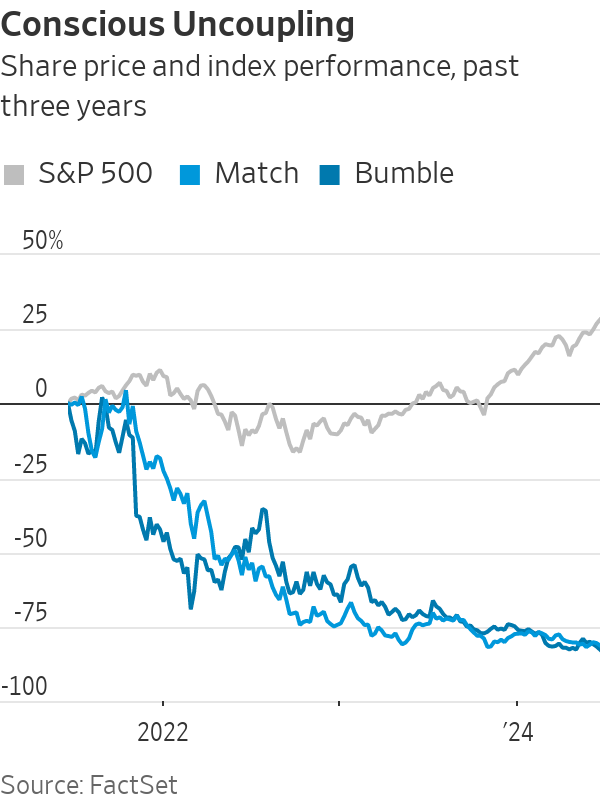
Shares in both have fallen this year even as the S&P 500 rose. And some singles have become perhaps as wary as investors.
Nearly half of all online daters and more than half of female daters say their experiences have been negative, according to Pew , and a growing tide of users are sharing their dissatisfaction in popular Facebook forums and on TikTok. People bemoan a perceived rise in bad dating etiquette such as “ghosting” and the sending of unsolicited sexual messages, and blame the way online romance makes it easier to discard potential partners at a touch of a button. “Hacks,” or tricks designed to game the apps for better dates, abound, demonstrating the shortcomings of their designs.
And the companies’ growing emphasis on pricier premium services is giving users new reasons to scrutinise the algorithmically driven path to romance.
Bumble made its name as a free app that only let women make the first move, for example. But since 2016, it has charged for advantages such as unlimited “swipes” to connect with prospects. The most expensive plan today costs $80 a month. Nonpaying users on Bumble and other apps can hit a limit, which some say leaves them taunted by the nagging fear that their perfect partners are hidden just on the other side of a paywall.
In this environment, new ad campaigns have become a release valve for the tension.
Lidiane Jones, CEO, Bumble, at The Wall Street Journal’s Future of Everything Festival in New York on May 21. PHOTO: GARY HE FOR THE WALL STREET JOURNAL
Failure to launch
Bumble users had hoped change was on the way after a teaser campaign depicted a discouraged dater joining a convent but happily leaving after being handed the Bumble app. “We’ve changed so you don’t have to,” one of the ads promised.
“At this point, it’s the app’s responsibility not to rebrand, but to pivot technologically,” said Michelle Khouri , the founder of creator platform Recordical , who has been using dating apps on and off for 10 years following her divorce from a man she met through online dating service eHarmony.
But Bumble’s big move wasn’t a fundamental overhaul: The company was letting women put questions on their profiles to which men they matched with could respond without a specific invitation.
Disappointment became backlash when the full ad campaign included billboards that declared, “Thou shalt not give up on dating and become a nun” and “You know full well a vow of celibacy is not the answer.”
Female daters often thinly disguise their dissatisfaction with modern dating by joking about giving it up for a life of spinsterhood, and Bumble had done what all marketers try to do—joined the conversation .
The problem for many was that Bumble’s quips about nunneries located the problem in daters’ resilience, as opposed to the dating apps themselves, and the unfavourable dating culture some users say the apps’ owners have been complicit in fuelling.
“Bumble was a brand that built its identity on empowering women and then they absolutely laughed in our faces,” said Michelle Wintersteen, the founder and chief executive of branding and marketing agency MKW Creative and a former Bumble user who grew frustrated by its paywalls.
Bumble took down the billboards and made several public apologies.
“We just made a mistake in how that landed. It was not good and we felt really terrible about it,” Bumble CEO Lidiane Jones said at a Wall Street Journal event last month.
Jones added in an emailed statement that the company is enhancing its internal and external review processes, and “actively engaging in conversations to ensure our marketing tone matches the 10 years Bumble has dedicated to championing women and creating safe, respectful, and empowering spaces for connection.”
Some online-dating executives and observers think the gripes with dating apps are largely an extension of age-old ennui over the search for lasting love.
“This is not a new phenomenon, and I think that dating apps have crystallised and brought those concerns to the fore, primarily because the prior institutions that were responsible for connecting individuals—such as family, friends, churches, other homes of worship—were not able to assume blame in the same way,” said Jess Carbino, a sociologist who has worked as a consultant for Bumble and Tinder.
Pickup lines
When the League introduced its “Be a GoalDigger” brand campaign in 2023, its first big marketing effort since being acquired by Match Group in 2022, some had visceral reactions.
“Whoever is behind this truly thought they were like, hitting Gen -Z, being super edgy and cool,” said the TikTok user who reported getting the “ick” from its campaign. “In reality, it is the most millennial, cringy thing that makes you want to actually convulse.”
The app has “never been afraid of speaking up or speaking out about the kind of people that The League attracts,” said Lisa Kraynak, senior vice president of marketing for the League, in a statement. In addition to its ad mentioning ovulation, others read: “Find Your Goal Mate” and “Date Someone With Big Goal Energy.”
“We know that we aren’t for everyone, and that is a core part of our value proposition,” Kraynak added, noting that a number of people responded well to it.
Unlike apps such as Tinder and Bumble, the League requires profile approval to join. On the app, users get three to five prospects a day unless they upgrade to become a paying member, which runs $99 a week or $399 for a three-month subscription. Once a match is made in the app, users have 14 days to initiate a conversation before the matches expire.
Fighting flakes
These components, as well as features such as a “flakiness score” indicating which users have a habit of matching but not chatting, are why Kraynak said the League is “designed to combat the dissatisfaction with apps today .”
Tinder has leaned away from the celebration of singledom that it embraced in a 2018 brand campaign that called single “a terrible thing to waste.” While the app has long been associated with hookups, the company has more recently emphasised the various relationships that can result from its app. Its marketing now romanticizes “a toothbrush at their place” and “comfortable silences,” all while it seeks to upsell users.
“It was about shedding a perception that was too narrow and not accurate,” said Melissa Hobley, chief marketing officer at Tinder.
Hinge, the Match Group brand that has long positioned itself as an app for finding relationships rather than hookups, continues to iterate on its “Designed to Be Deleted” campaign launched in 2019. The company has refreshed the campaign every year since then with the same tagline.
On social media, some dissatisfied users say they have deleted the app—not because they found love but because the app didn’t work for them. Hinge said every feature is designed to help daters be intentional and that it is looking for ways to address dating burnout.
Chief Marketing Officer Jackie Jantos said Hinge is the fastest-growing major dating app.
“‘Designed to Be Deleted,’ as an idea and a marketing program, continues to help us build our base of users,” Jantos said.
Match Group said Hinge’s direct revenue grew 50% in the first quarter of the year as paying members increased 31% and revenue per payer rose 14%. It offers two types of subscriptions, Hinge+ and HingeX, which start at $14.99 and $24.99, respectively, a week.
More recently, the company partnered with a social-media brand that interviews couples on the street, to circulate their love stories that involve Hinge.
“We know that our best growth comes from organic success stories of people meeting on Hinge,” added Jantos.
Who’s headed to Europe this summer? You and everybody else.
This year is shaping up to be a record one for American tourism to the Continent. The first five months of this year saw nearly 7% more trips by U.S. citizens to Europe compared with 2023, according to air traffic data from the International Trade Administration.
The crowds have continued as summer has officially kicked off. The top destinations from the U.S. to Europe this season are London, Rome, Paris, Athens and Amsterdam, according to ticket-sale data from Airlines Reporting Corp.
The European leg of Taylor Swift’s Eras tour and the Summer Olympics in Paris have given U.S. travellers extra reasons to visit. And airlines have added dozens of nonstop flights as travellers prioritise vacations abroad.
Travel executives and advisers gave the following tips to save money and headaches this summer:
Forget spontaneity
To combat the influx of visitors, major attractions like the Louvre museum have set daily visitor limits. Venice charges a five-euro fee for day-trippers on certain days through July 14, and the Acropolis in Athens now requires travellers to purchase tickets with predetermined entry times.
Travellers who don’t plan ahead can miss out on these sites, says Nora Blum, vice president at Travel Leaders in Maple Grove, Minn. “People love thinking they want to be free and to go with the flow,” but that’s inadvisable, she says.
While you’re purchasing ahead of time, Blum suggests looking into skip-the-line passes for popular attractions. They cost more but save time.
Don’t give up if the biggest draws are sold out. Instead, check for promotions from the city. In Spain, passes to the Alhambra fortress in Granada sell out quickly. But the city sells a tourist pass that guarantees entry to some of the most popular monuments, as well as trips on public transit.
Barcelona, Rome and the Greek island of Santorini are among the destinations with popular cruise ports. They list scheduled cruise arrivals and the number of passengers on board. Checking the schedule, even if you’re not on a cruise, can help you plan your day to avoid long waits and big crowds, says Margi Arnold, owner of Creative Travel Adventures in Denver.
She suggests getting up early to visit the most popular attractions or traveling to areas that are harder to reach during day trips.
Dinner reservations often make sense in crowded tourist cities, especially for families or larger groups. Some veteran travelers recommend downloading WhatsApp. Many restaurants will correspond over the free messaging app regarding reservations.
Prep for disruptions
It’s common for rail and airport workers to strike . These actions are announced in advance, so travel advisers suggest checking schedules ahead of time to see how you might be affected.
Regardless of strikes, delays can occur because of air-traffic control, weather or other scheduling issues. Before you depart, download relevant apps for flights and trains and sign up for alerts so schedule changes don’t catch you off-guard.
International airports are no place for cutting it close, since options for expedited security screening are limited. Travellers can reserve a time to go through security at six international airports through Clear Reserve , a free service. London Heathrow and Frankfurt Airport in Germany are some of the airports that take reservations.
And read up on rules for liquids. Heathrow requires travellers to remove liquids and put them in clear, resealable bags provided at the checkpoint.
When you return to the U.S., try using mobile passport control , a free app that lets you speed up entry into the country. Travel advisers also recommend taking photos of your passport in case it gets lost.
Keep the heat in mind
Europe is facing another scorching summer. Check whether your lodging has air conditioning—it isn’t a standard offering in many regions, says Arnold, the travel adviser.
Travellers should also bring water bottles and plan breaks indoors during the hottest parts of the day, she says.
Check your health insurance policy
Medicare and Medicaid don’t cover international medical bills. Some private insurances won’t cover all expenses, either.
Before you depart, check your policy and consider buying travel health insurance to avoid pricey charges in a medical emergency.
Bring the right credit card
Travel with a credit card that doesn’t charge foreign transaction fees. Many cards can add charges of 3% or 4% per transaction.
Not every vendor accepts American Express , though it is becoming more available in Europe.
Consider the Olympics
It isn’t too late to attend the Paris Olympics, though it’s not necessarily a cheap ticket. About 30% of hotel rooms in Paris are still available, according to Hotels.com, with the average rate of $455 a night during the Olympics. In Paris, available nightly rates for short-term rentals are averaging $481 a night during that stretch, according to AirDNA, a market-research firm.
Each Thursday, new Olympics event tickets go on sale at 10 a.m. local time—yes, that’s 4 a.m. Eastern—as part of a promotion called Ticketing Thursday. There are also official resale tickets available .