

Whitsundays’ Most Exclusive Home Lists for Sale
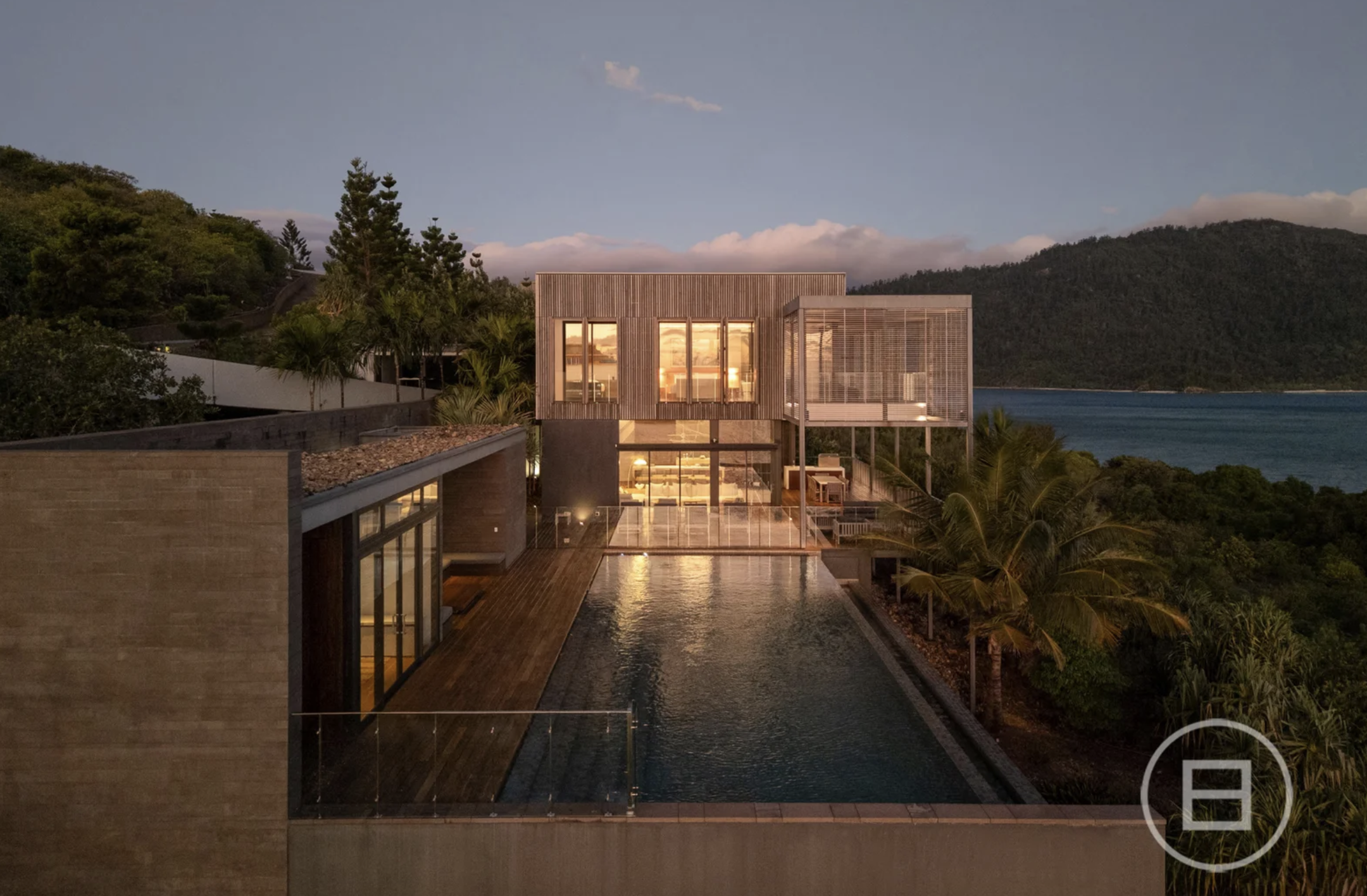
Designed by the late Kerry Hill and built by Hutchinson Builders, The Residence at Hayman Island blends tropical modernism with absolute waterfront luxury.
 2 min
2 min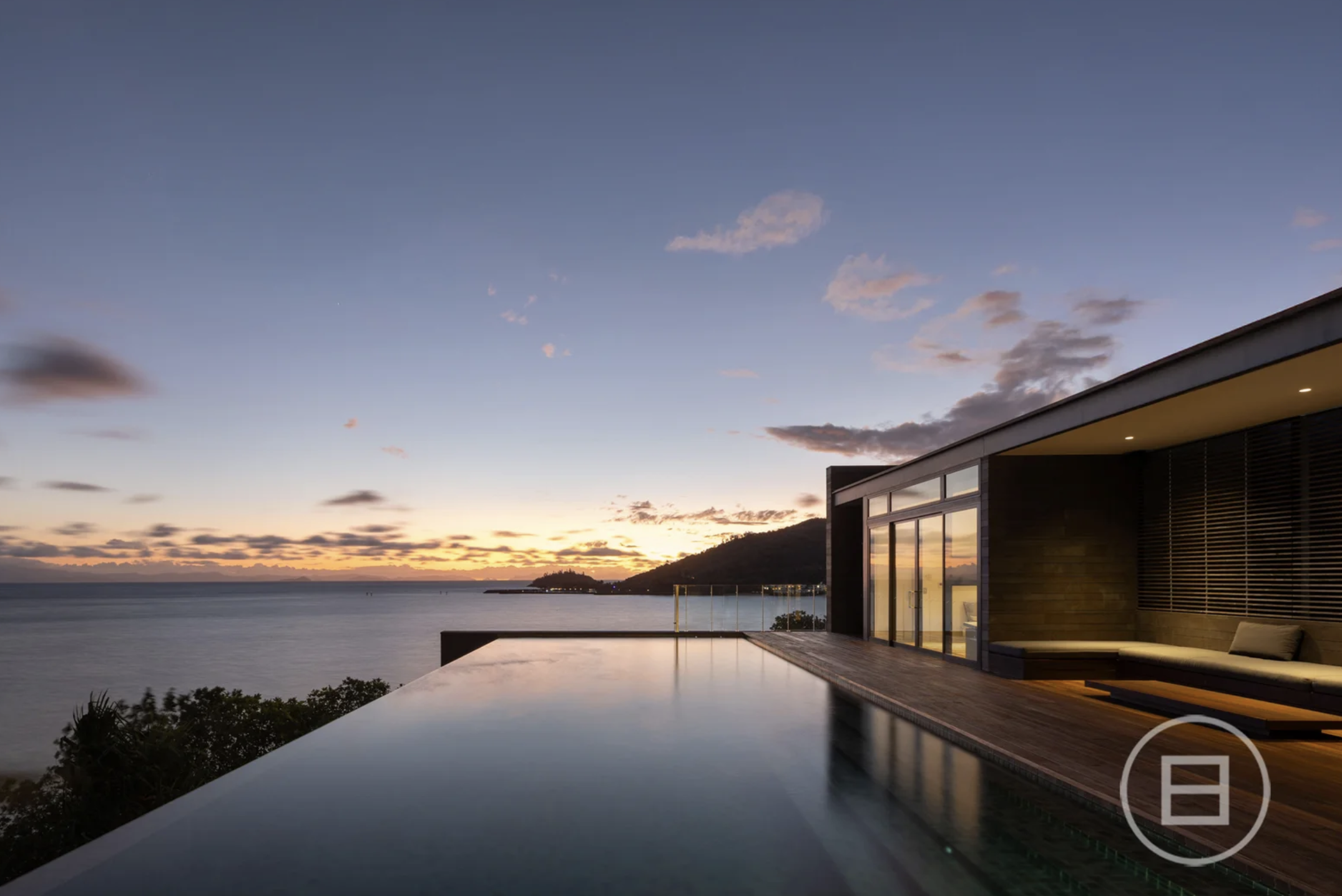
Is this Whitsunday’s best home?
Hayman Island may have been ravaged by Cyclone Debbie in 2017, which saw the island, one of the smallest of the major Whitsunday islands, all but shut down, but the 390-hectare paradise has made an extraordinary comeback.
The InterContinental brand took over the island’s only resort, which was completely devastated by the Category 4 cyclone. The same year the cyclone hit, The Residence at Hayman was built, one of just two private residences on the island.
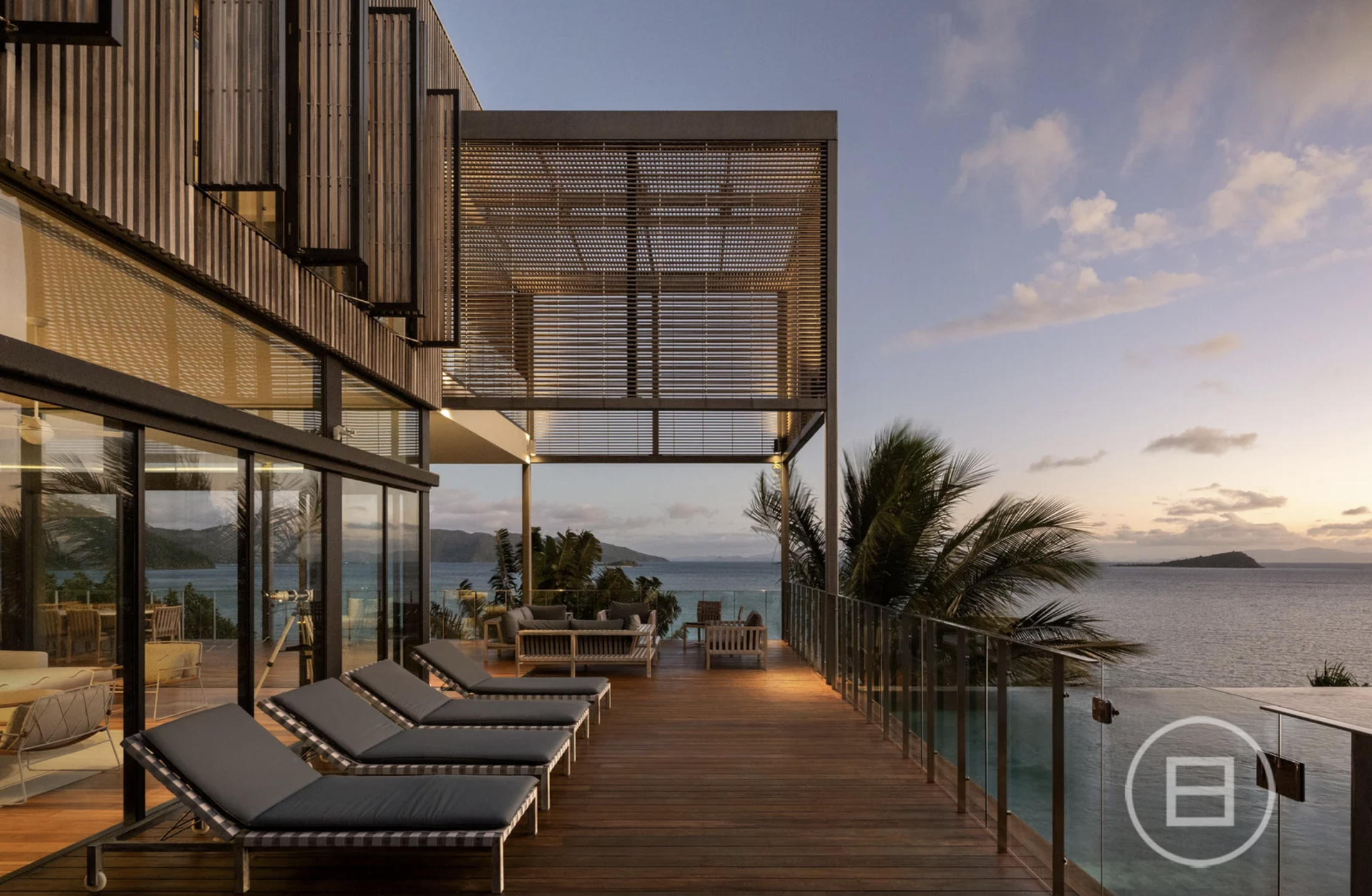
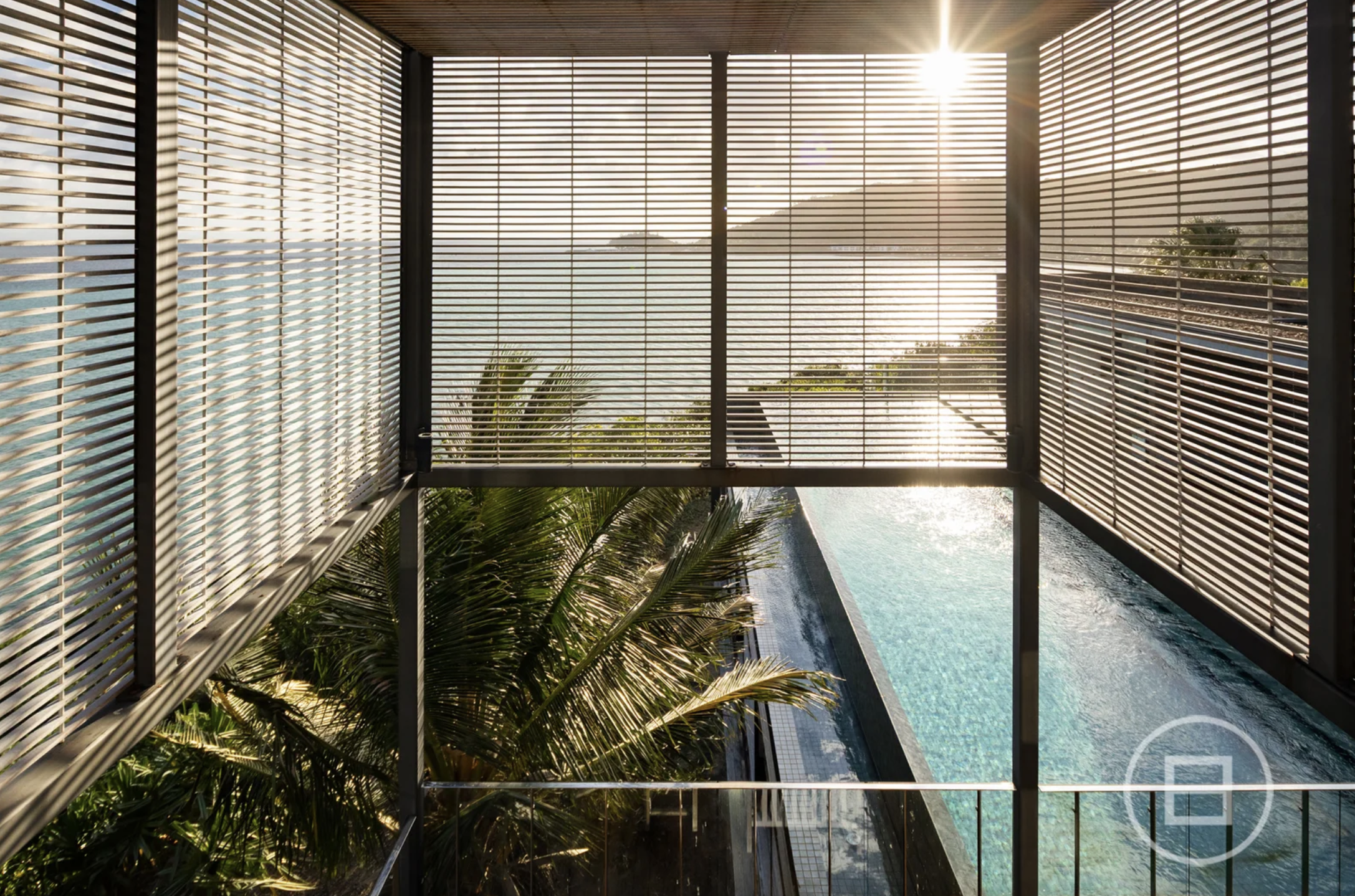
Constructed by Hutchinson Builders, a Tier 1 builder better known for delivering some of South East Queensland’s finest multi-residential developments, the lavish home is made from reinforced concrete with a blend of glass and timber battening.
It was designed by the late, internationally renowned architect Kerry Hill, widely regarded as a key figure in refining tropical modernist architecture. Hill was an island specialist, having designed several major resorts in Bali.
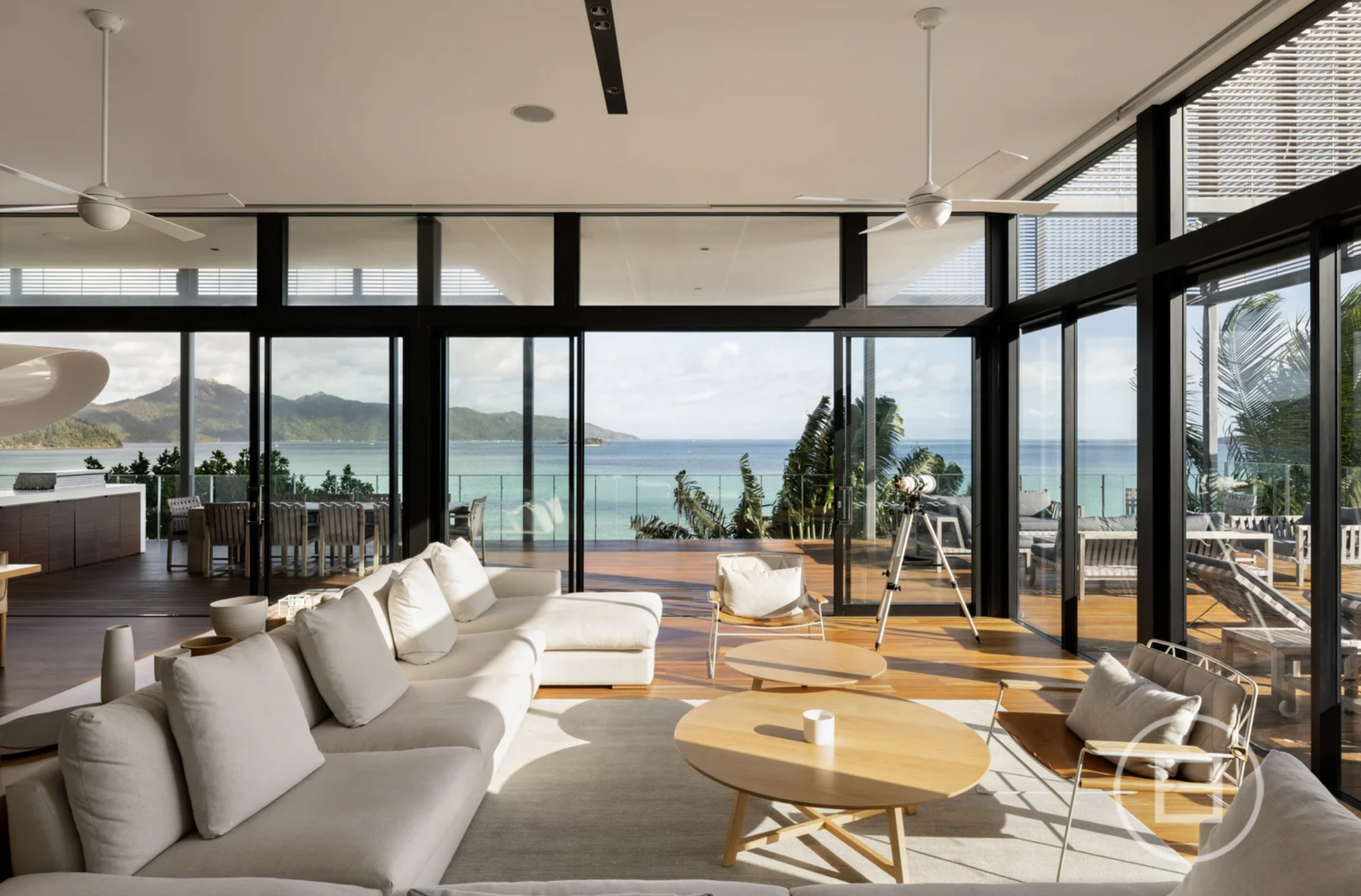
The Residence at Hayman spans three levels and offers over 1,400 sqm of living space, including around 580 sqm of internal living areas. The remainder comprises breezeways, terraces, and balconies designed to embrace the island’s subtropical climate.
Entry to the home is via the upper level, as the property tiers down the site with direct access to the beach. The top and lower levels accommodate most of the home’s eight bedrooms, as well as a study and a double garage with buggy parking, the preferred mode of transport throughout the Whitsundays.
The middle level is home to the main kitchen, living, and dining areas, complete with a full butler’s pantry. It opens to a large, L-shaped terrace featuring an outdoor kitchen, alfresco dining and lounge zones, and a sundeck. The terrace flows to the basalt-clad infinity swimming pool, deck, and cabana with integrated seating, as well as a pool house.
Owners or guests of The Residence also have access to the InterContinental Hayman Island Resort facilities, including 24-hour room service, butler assistance, private chefs, and the resort’s wellness centre.
Whitefox agents Cheyne Fox and Nic Whitehead are marketing The Residence as “a rare and extraordinary find.”
“This is more than just a home, it’s an opportunity to own a piece of paradise, a legacy to share with family and friends for generations to come,” Fox said.
The only other private residence on Hayman Island, Hayman House, is also on the market. Commissioned by Terry Peabody, former billionaire and Transpacific Industries founder, Hayman House was first listed last year with hopes of $27 million, later reportedly reduced to $20 million in early 2025.
Designed by Kerry Hill and also built by Hutchies (in 2010), Hayman House shares a similar design ethos to The Residence, albeit on a smaller scale. Its 18-week construction endured three cyclones, with all site access via the beach, which had to be reinforced to prevent heavy vehicles from sinking into the sand.
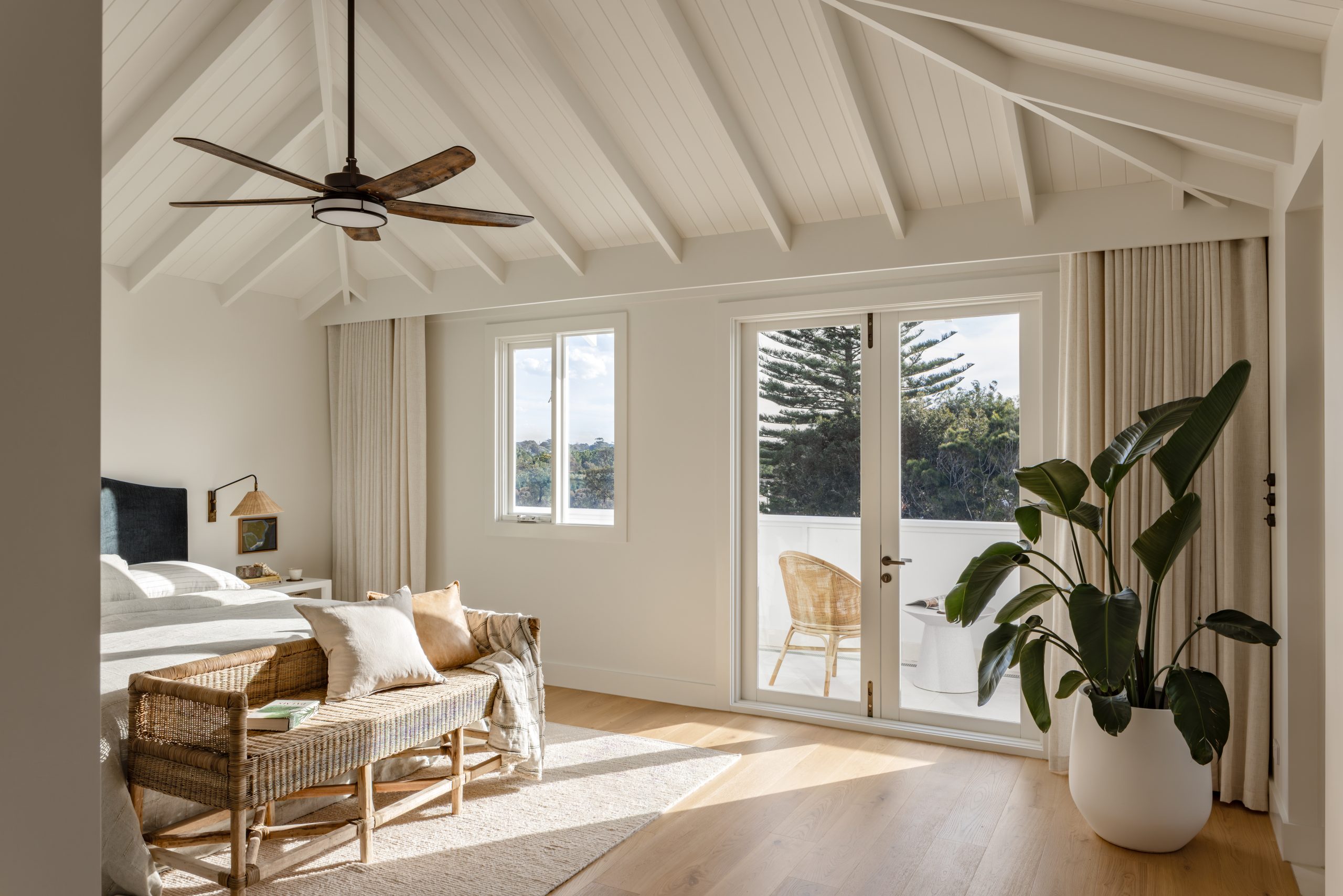
From warmer neutrals to tactile finishes, Australian homes are moving away from stark minimalism and towards spaces that feel more human.

French luxury-goods giant’s results are a sign that shoppers weren’t splurging on its collections of high-end garments in the run-up to the holiday season.

Australia’s housing market is expected to keep rising in 2026, but new research shows growth will increasingly depend on postcode, not postcode averages.
3 min
Confidence across Australia’s housing market remains firm heading into 2026, but momentum is expected to diverge sharply by state as affordability ceilings, interest rate uncertainty and local supply constraints reshape conditions, according to new research from Cotality and a broad range of market forecasters.
Findings from Cotality’s Decoding 2026 report, based on responses from real estate agents and finance professionals nationwide, show 87% of respondents expect dwelling values to rise over the year ahead, while just 3.5% anticipate prices will fall.
Almost half forecast price growth of more than 5%, highlighting ongoing optimism following widespread gains through 2025.
That outlook broadly aligns with forecasts from major banks and property research groups, including ANZ, Domain, PropTrack and SQM Research, with the majority of forecasters expecting national home values to rise again in 2026, albeit at a more moderate and uneven pace than in recent years.
Cotality’s December Home Value Index recorded price growth across every capital city and regional market in 2025, with national dwelling values rising 8.6%, adding around $71,400 to the median home value.
Cotality Australia Research Director Tim Lawless said conditions softened toward the end of the year as affordability pressures intensified and expectations around interest rates shifted.
“Housing conditions were strong for most of 2025, which explains the broadly positive sentiment,” Lawless said.
“However, national averages mask increasingly wide variation at the local level, and it’s those differences that are becoming more important as affordability constraints and policy settings diverge.”
Smaller States tipped to outperform
Queensland, Western Australia and South Australia continue to stand out as the most positively viewed markets entering 2026, both among industry respondents and external forecasters.
Cotality survey results show 89% of Queensland respondents expect prices to rise, with more than half anticipating growth above 5%.
That optimism is echoed by forecasts from ANZ, Domain and SQM, which expect Queensland to remain one of the stronger-performing markets nationally, supported by population growth, tight rental conditions and ongoing housing shortages.
Western Australia also features prominently in forecasts, with SQM Research projecting some of the strongest percentage gains nationally, while Domain and ANZ expect Perth prices to continue rising, albeit at a steadier pace than in 2025.
Broad-based demand across price points and relatively affordable entry levels are expected to support further growth.
South Australia’s outlook remains underpinned by relative affordability and limited new supply. Most major forecasters expect Adelaide dwelling values to rise again in 2026, though generally at a more moderate pace compared with Queensland and Western Australia.
“Strong internal migration, tight rental markets and a persistent undersupply of housing continue to support these markets,” Lawless said.
“Those fundamentals largely remain in place, which helps explain why both agents and forecasters remain optimistic about price growth across much of the country outside the east coast’s largest cities.”
NSW and Victoria face tighter constraints
While sentiment in New South Wales remains positive, expectations are increasingly conditional. High dwelling values, stretched borrowing capacity and sensitivity to interest rate movements are expected to limit the pace of growth.
ANZ, Domain and PropTrack all forecast continued price increases in Sydney in 2026, though at a more moderate pace than recent years, reflecting affordability ceilings and rising listings.
Victoria continues to lag national performance after recording the weakest growth among the states in 2025. Although most forecasters still expect Melbourne home values to rise in 2026, expectations remain subdued relative to other capitals.
Higher property taxes, reduced investor participation and softer population growth continue to weigh on confidence, despite first home buyers accounting for a larger share of lending.
“Victoria stands out for the scale of investor selling, policy settings and higher holding costs, all of which have dampened activity,” Lawless said.
“While prices are still expected to trend higher, most forecasters see Victoria underperforming the national average again in 2026.”
First home buyer support lifts activity, but affordability bites
More than 75% of real estate agents reported increased activity following the expansion of the First Home Guarantee, with competition intensifying around scheme price thresholds.
Federal Treasury data shows more than 21,000 first home buyers have accessed the expanded 5% deposit scheme since October*.
However, affordability remains a key constraint, with fewer than half of Australian suburbs now priced below First Home Guarantee caps, a sharp decline from a year earlier.
Confidence holds, but risks are building
While expectations for price growth remain broadly positive across most forecasts, confidence is becoming more conditional as affordability ceilings, interest rate uncertainty and uneven regional dynamics shape the outlook.
“The market enters 2026 from a position of strength, and the majority of forecasters still expect dwelling values to rise,” Lawless said.
“However, affordability challenges, interest rate uncertainty and policy settings are likely to cap the pace of growth, particularly in higher-priced markets.
“With no material supply response expected in 2026, tight housing conditions should help offset downside risks, but outcomes will increasingly depend on local market dynamics rather than national trends.”

An opulent Ryde home, packed with cinema, pool, sauna and more, is hitting the auction block with a $1 reserve.
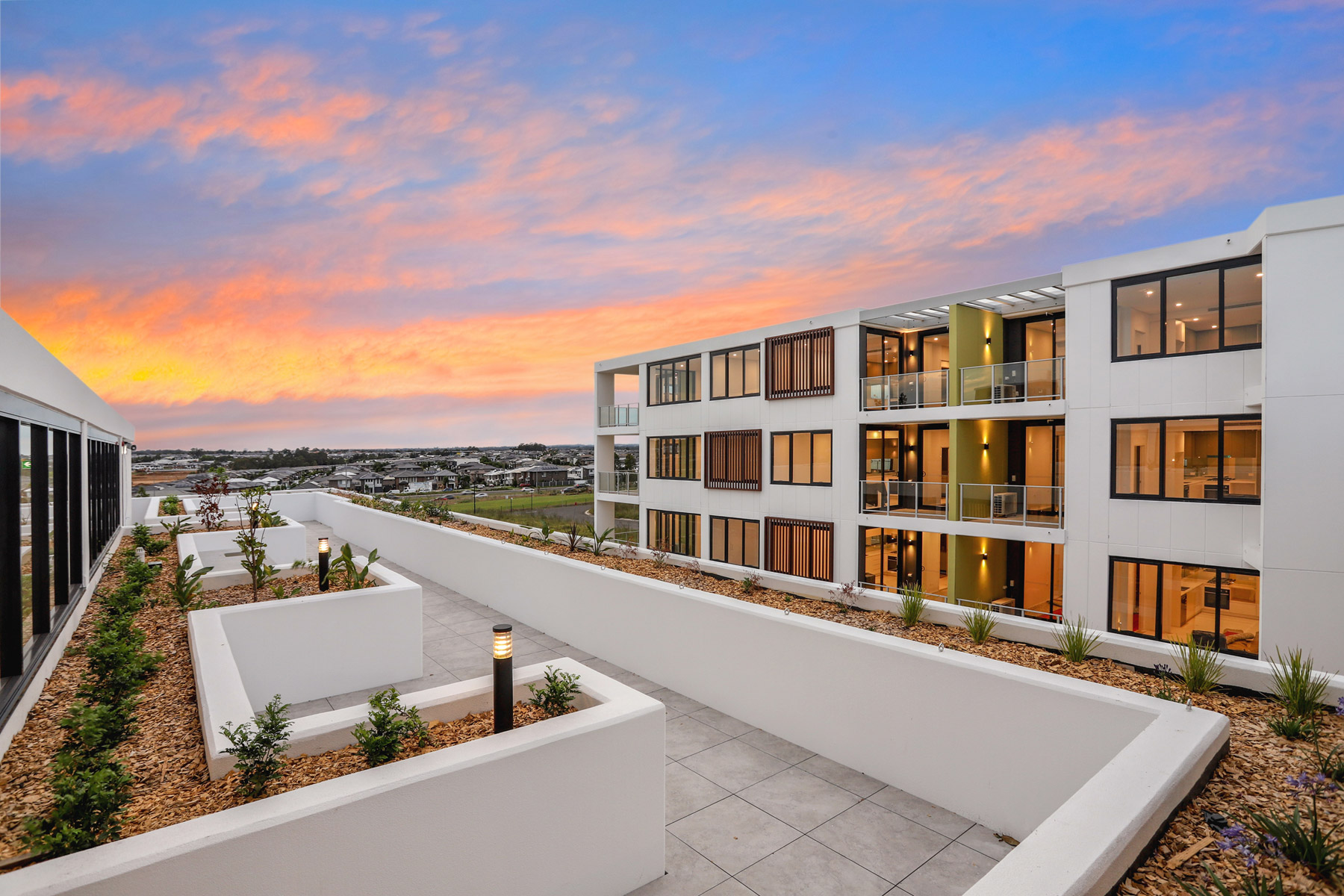
Ophora Tallawong has launched its final release of quality apartments priced under $700,000.