Glamorous Garages and Beautiful Barns: The New Must-Have Amenities

 4 min
4 min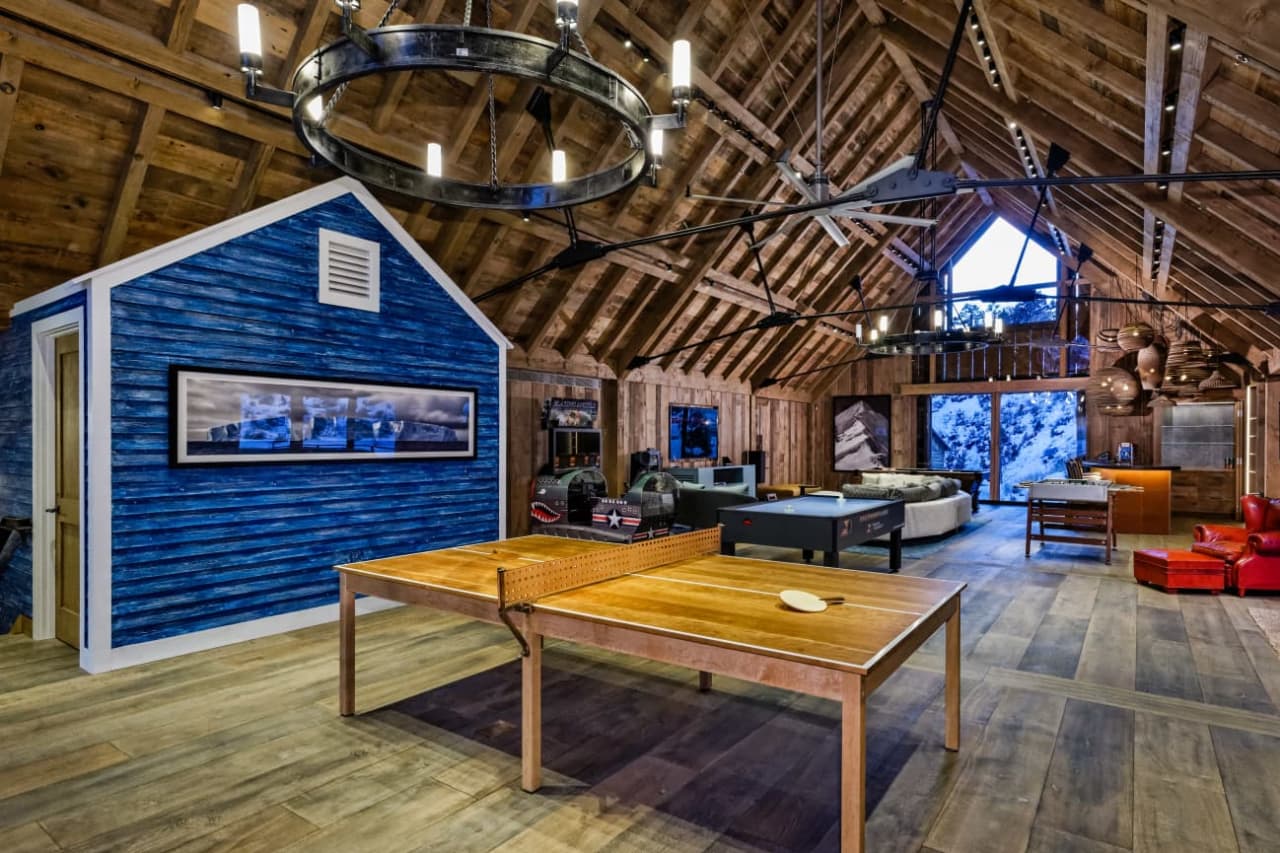
Luxury homes with decked-out family rooms, kitchens, primary bedrooms and bathrooms are standard today and practically a given. The latest mania, however, has owners glamming up their often overlooked garages and barns.
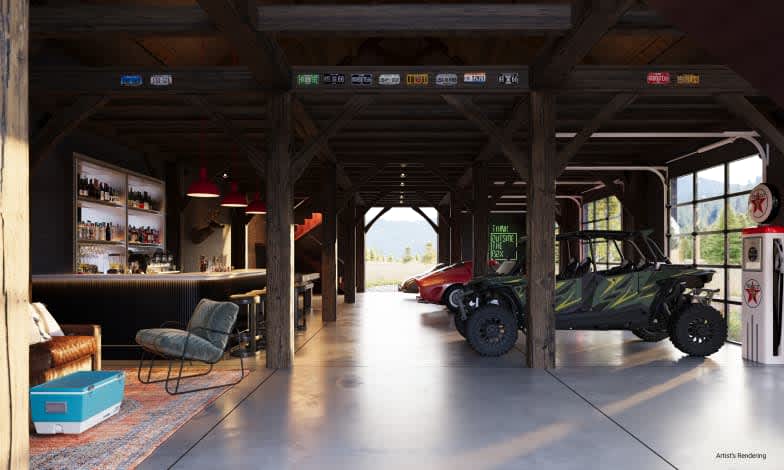
Called “toy barns,” “barndominiums” and “toy garages” in real estate circles and by the amenity-obsessed set, these functional spaces are being repurposed into gleaming showrooms filled with pricey outdoor gear—think ATVs, snowmobiles, electric bikes, boats and more.
Sitting areas, bars and diversions such as pool tables also figure in and turn barns and garages into entertainment venues that become a hub for owners to socialise with family and friends.
Take Jeff Collins, founder of Glennwood Custom Builders in Charlevoix, Michigan, for example. His lakefront home features a 2,500-square-foot barn with a lounging space, sleds, dirt bikes, a card table and a basketball hoop. The back doors open into a yard with a shooting range. “My friends come over a lot, and we hang the whole time in the barn,” Collins said. “We drink beers, play around with the equipment and shoot hoops. I can’t remember the last time we actually went into the house.”
Courtesy Whitetail Club
Barndominiums like his are the craze in his town, according to Collins.
“They’re what everyone wants,” he said. “I’m building two for homes in my neighborhood and have inquiries for more.”
An Amenity That’s Gaining Popularity
Real estate agents and brokers who focus on upscale homes also report an increasing interest in toy barns and say that a property that offers one can attract more buyers than a listing with typical amenities such as swimming pools and wine cellars.
Timothy Di Prizito, the CEO of The Di Prizito Group & DPG Estates at Christie’s International Real Estate/AKG in Los Angeles, for instance, said that showpiece barns and garages are becoming a more popular feature in luxury homes, particularly in new construction properties.
“Wealthy owners are investing in turning their homes into resorts. It started with building commercial-sized gyms and onsite spa facilities,” he said. “Today, it’s all about having onsite entertainment annexes and auto galleries. They give a property a distinct edge.”
Di Prizito is currently selling a property called Bella Vista in Montecito for $70 million that features an estimated 32-car collection garage. Originally designed as a helicopter hangar, the space has vaulted ceilings, epoxy flooring and a second level with two studio apartments.
Patrick Nesbitt, the CEO and chairman of the real estate development company Windsor Capital Group, owns the estate with his wife, Ursula, and said his family regularly uses the space. “We’ll have friends over for dinner there and loan it to charities to host events. We even had my son’s wedding party in the garage and transformed it into a beautiful reception ballroom,” he said.
Courtesy Aspen Valley Ranch
Nesbitt is selling Bella Vista, he said, because his children have moved out, and he wants to downsize.
Another home with a toy space is currently for sale in Honokaa, Hawaii, asking $7.4 million. Its 3,300-square-foot freestanding barn is solar-powered and is where owners Matthew and Susan Russell display their stash of luxury gear such as life-size model airplanes, ATVs and motorcycles.
“We had many happy memories in the barn spending time with our grandchildren and friends,” Matthew said. The couple is selling the home, he said, to settle full-time in Sedona.
A Perk Not Reserved For Houses
Eye-candy barns and garages are also becoming more common in upscale residential developments.
Martis Camp, set on 2,177 acres in Truckee, California, in North Lake Tahoe, has several homes with what Brian Hull, president and broker at Martis Camp Realty, refers to as “activity garages.” They typically house snowmobiles, ATVs, motorcycles, boats and ski equipment. “Our community has access to a 26-mile trail network through national forest land and the mountains, so owners amass a lot of gear,” Hull said.
More developments are highlighting their toy storage areas as an amenity for all residents to enjoy, in the same vein as a fitness center or clubhouse.
Tributary, a private club community in Teton Valley, Idaho, offers a recreation barn stocked with gear like paddleboards, fishing gear, rafts and snowshoes. And in McCall, Idaho, the still-in-construction Legacy Ranch, set within the existing Whitetail Club, hopes to entice potential buyers by giving them the option and the designs to build homes with toy barns.
“The lots at Whitetail Club are less than two acres, and owners don’t have space on their properties to store all their outdoor equipment, which they are asking for more and more,” said Whitetail Club’s head of development Dan Scott. “Several have told me that they want to upgrade to Legacy Club for the sole purpose of having a toy barn.”
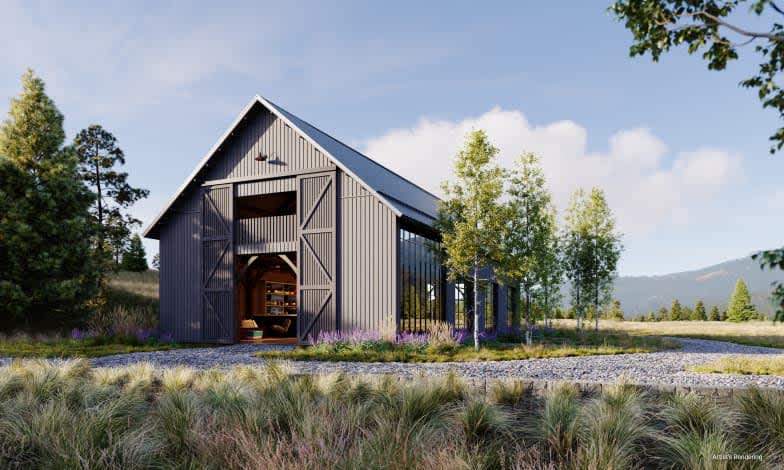
Then there’s Aspen Valley Ranch in Aspen, Colorado, a development with homes starting at $15 million. According to vice president Simon Chen, the 5,000-square-foot two-story toy barn is the heart of the community’s action.
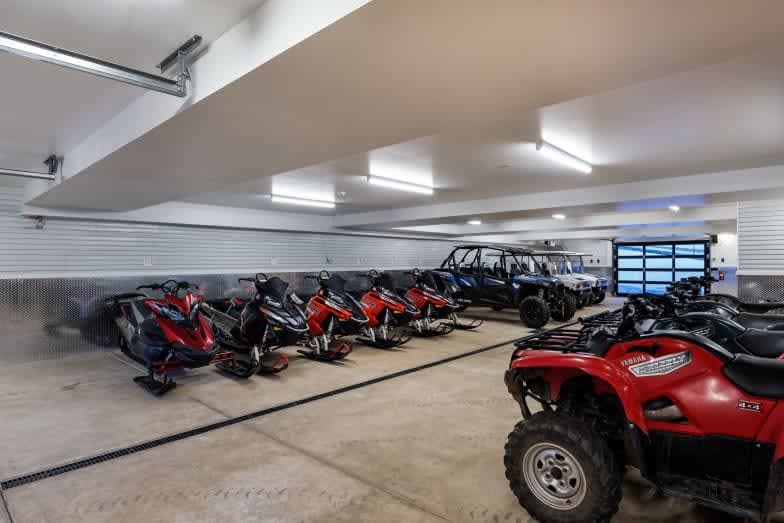
The equipment in the building changes seasonally. During warmer months, that means top-of-the-line dirt bikes, four-wheelers and a fleet of regular and e-mountain bikes. Come winter, the barn is stocked with six snowmobiles, four-wheelers with tracks to navigate through snow, snowshoes and sleds.
Courtesy Aspen Valley Ranch
Residents can also avail of the barn’s second floor, featuring a games area with ping-pong and pool tables and classic arcade games such as Pac-Man and Skee-Ball. The adjoining bar, lined with premium wine, and spirits such as Macallan 18-year scotch and Clase Azul Ultra tequila, retailing for close to $2,000 a bottle, is a big attraction for residents, Chen said. “Our owners are welcome to enjoy the alcohol for no charge,” he said. “Our development has a gorgeous swimming pool and spa and a massive gym, but the barn is where they most want to be.”
This article originally appeared on Mansion Global .
 Copyright 2020, Dow Jones & Company, Inc. All Rights Reserved Worldwide. LEARN MORE





From making unpopular decisions to learning when to listen, leaders from five businesses reveal what nobody prepared them for — and how running a company has challenged their expectations.

Technology and semiconductor shares fell sharply as investors questioned the debt financing the AI infrastructure boom and confronted higher rates and Chinese competition.
Mirvac’s 45-level Trielle has topped out at Yarra’s Edge, pairing riverfront apartments with wellness facilities, private dining and resident services.
3 min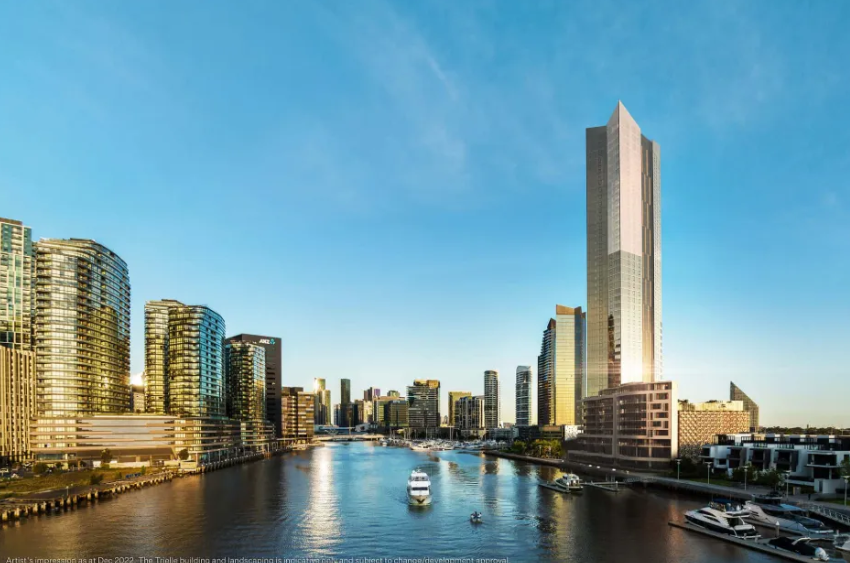
Mirvac has topped out Trielle at Melbourne’s Yarra’s Edge, with more than 70 per cent of the riverfront development sold and approximately 80 per cent of purchasers intending to make their apartment a home.
The figures, released on September 22, point to an owner-occupier audience for one of the precinct’s final residential towers. Mirvac began developing Yarra’s Edge in 2003, and its latest addition occupies one of the remaining absolute riverfront sites.
Mirvac CEO of Development Stuart Penklis said existing residents were among those moving up within the neighbourhood.
“Many purchasers already have a connection to Yarra’s Edge,” Mr Penklis said, describing buyers whose changing needs were encouraging an upgrade within the precinct.
“As one of the final residential towers within Yarra’s Edge, Trielle represents the culmination of more than two decades of creating one of Melbourne’s most established and sought-after waterfront communities,” Penklis said.
“Positioned on the Collins Street axis with absolute river frontage, Trielle offers residents a rare opportunity to enjoy sweeping views across the Yarra River, Melbourne skyline and Port Phillip Bay, while remaining seamlessly connected to the CBD. With Trielle now more than 70 per cent sold, we’re continuing to see strong demand from buyers seeking quality homes in established locations.”
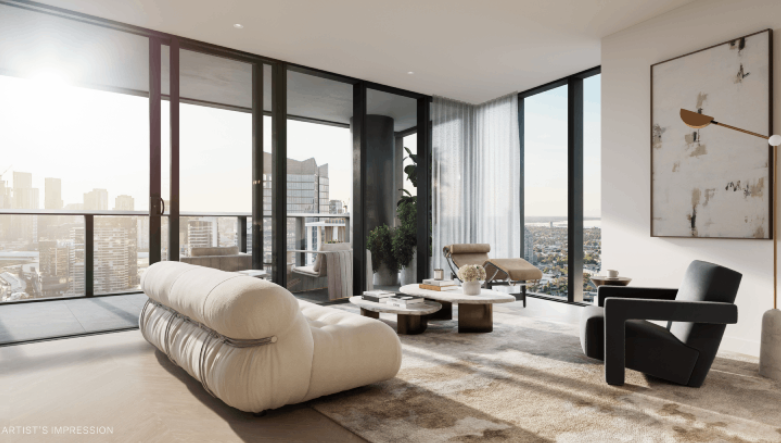
The developer also flagged a penthouse and sub-penthouse collection with larger layouts, premium finishes and broad outlooks. The planned wellness centrepiece, The Oasis, encompasses a 900-square-metre elevated urban rainforest.
Mirvac General Manager Residential Development Victoria Elysa Anderson said Trielle had resonated strongly with buyers seeking a rare lifestyle offering in Melbourne.
“Opportunities to secure a new luxury residence on a riverfront site of this calibre are incredibly rare, particularly within a community like Yarra’s Edge,” Anderson said.
“What makes Trielle unique is the combination of exceptional views, world-class residential facilities and the lifestyle that already exists around it. Residents are buying into a mature waterfront community with parks, promenades, dining, wellness and strong community connections already in place.”
The 45-level tower brings a substantial new presence to that waterfront. Its residential offering spans one-, two-, three- and four-bedroom apartments, with Signature, Prestige and Sub-Penthouse collections accommodating different household sizes. The north-facing position connects the apartments visually to the river and city beyond.
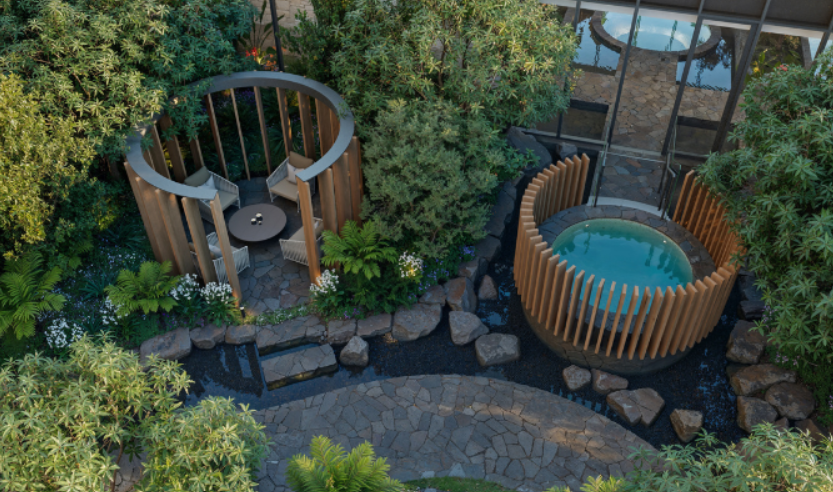
Seven storeys above the promenade, the planned Oasis combines planting and a running stream with a Scandinavian-inspired wellness club developed with spa specialist Naomi Gregory. Facilities include a 25-metre lap pool, hot magnesium pool, sauna, hydrotherapy, a gym, yoga and Pilates room, and treatment spaces.
The amenity extends beyond exercise. Residents will have access to The Biblioteca library and workspaces, ground-floor work pods, and The Salone piano lounge. A private Chef’s Table dining room offers a setting for larger gatherings, while a cinema, games room and sports lounge broaden the entertaining options. Concierge services and a dog-wash area support everyday routines.
Trielle comprises a collection of one, two, three and four-bedroom residences. Reflecting strong demand from owner occupiers, approximately 80 per cent of purchasers to date intend to live in their homes, highlighting the project’s appeal to those seeking a long-term waterfront lifestyle.
Mirvac has recently delivered The Albertine, a premium apartment development on the edge of Melbourne’s CBD, and is nearing completion of Prince & Parade in Brunswick, further strengthening its portfolio of thoughtfully designed apartment communities in some of Melbourne’s most sought-after urban locations.

Warmer minimalism, tactile materials and wellness focused layouts are redefining luxury interiors as homeowners design for comfort, connection and lasting appeal.
For Central Element, the start of work at Pearl represents another step in the company’s growing eastern suburbs pipeline.