Italian Automaker Pininfarina’s Future Luxury SUV Will Likely Have Hybrid Power

 3 min
3 min
Italian carmaker Automobili Pininfarina’s next production car, a luxury SUV based on the radical Pura Vision concept shown at the Pebble Beach concours event in California last year, will likely not be a battery EV, but is envisioned with plug-in hybrid power.
“We’re looking at all technologies,” CEO Paolo Dellachà tells Penta . “Our commitment to electric will stay—it’s the future—but we’re also investigating hybrid power.”
The CEO won’t yet comment on which internal-combustion engine might reside under the hood of the new SUV, but he says such a luxury car would ideally have up to 50 miles of EV-only range. “We want to maximise the range, but we also don’t want the battery to take up too much interior space or add too much weight,” he says.
Pininfarina Photo
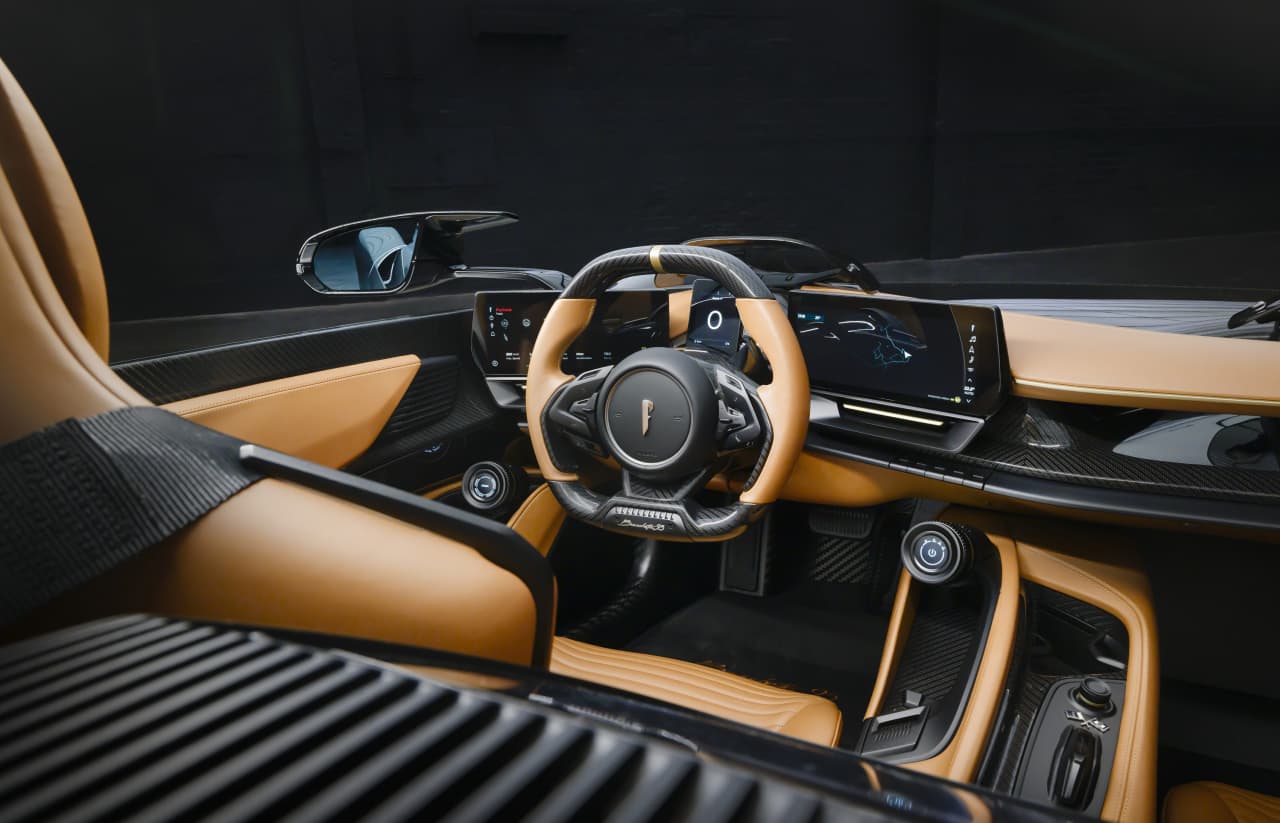
The Pura Vision SUV could be toned down by the time it morphs into a production car, but in concept form, it displays a wide range of design innovation—and is as visually striking as the Tesla Cybertruck.
Dellachà has been in the lead role for a year and a half. But before that he was the company’s chief product and engineering officer, deeply involved in the building of the flagship Battista EV, and had previous appointments at Ferrari and Maserati. He is, in short, a very hands-on CEO.
Pininfarina Photo
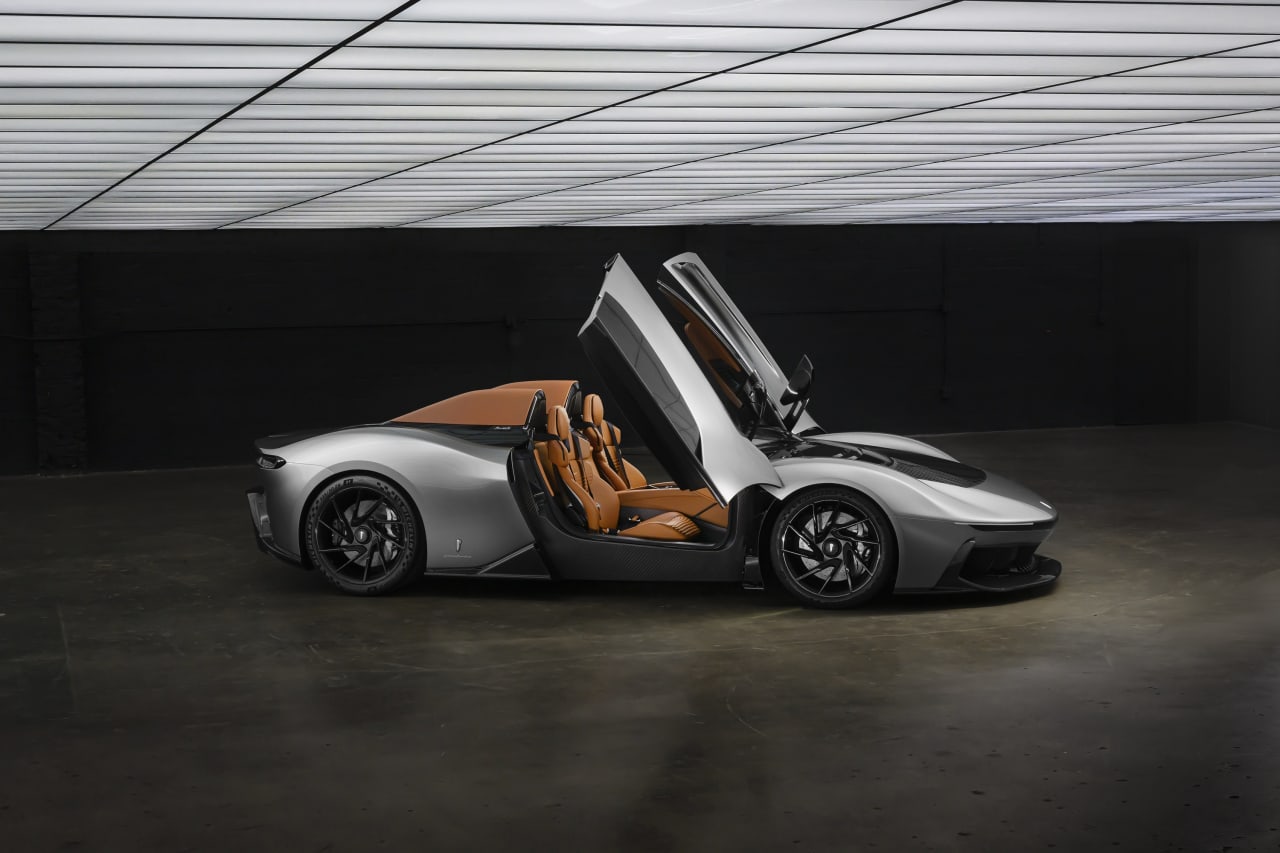
The brief for the Battista, he says, was “to create the most powerful car ever built, with great handling that ensured it could do more than accelerate in a straight line. Reaching that goal was only possible with an electric powertrain—we showed what the Battista could do with four electric motors.” The US$2.2 million Battista supercar, featuring an electric powertrain developed with Croatia-based Rimac, achieved its brief—with up to 1,900 horsepower on tap.
There’s no date on the SUV yet, and Dellachà declines to comment on how many Battistas have been delivered, but the U.S. remains the company’s biggest market. And Pininfarina should be very visible during Monterey Car Week, with a rally planned that will feature at least 10 of the company’s Battistas (including all five of the special-edition Anniversario anniversary cars).
Pininfarina Photo
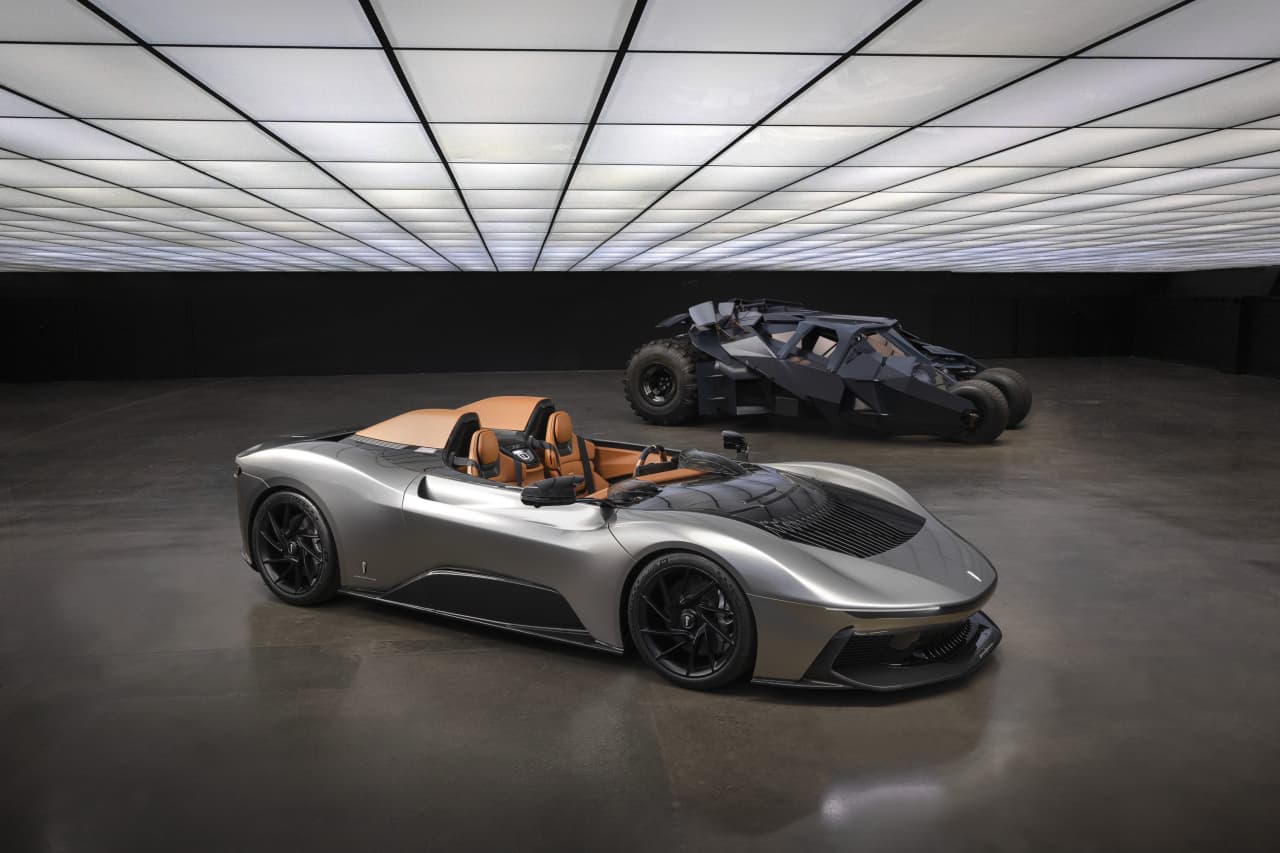
On Pininfarina’s stand at the Quail: A Motorsports Gathering on Aug. 16 will be the world debut of a concept for the one-of-a-kind Pininfarina B95 Gotham, one of four cars being built in collaboration with Warner Brothers Discovery Global Consumer Products’ Wayne Enterprises Experience, which develops curated luxury products. Warner Bros. works with DC Entertainment on Batman films, and Dellachà says the B95 Gotham is “something Bruce Wayne [Batman’s civilian persona] would want to have in his garage. It’s as if he were one of our clients asking us to build a unique project.”
The actual finished B95 Gotham, a variation on the open electric €4.4 million (about US$4.8 million) B95 Barchetta shown last year in an edition of 10, will be delivered to a customer by the end of 2025, Dellachà says. The other three cars in the Warner/Bruce Wayne series, all one-offs, are the Battista Gotham, the Battista Dark Knight, and the B95 Dark Knight.
Dellachà says that the creation of unique cars like the Batman-themed vehicles “will always be part of our business model.”
 Copyright 2020, Dow Jones & Company, Inc. All Rights Reserved Worldwide. LEARN MORE




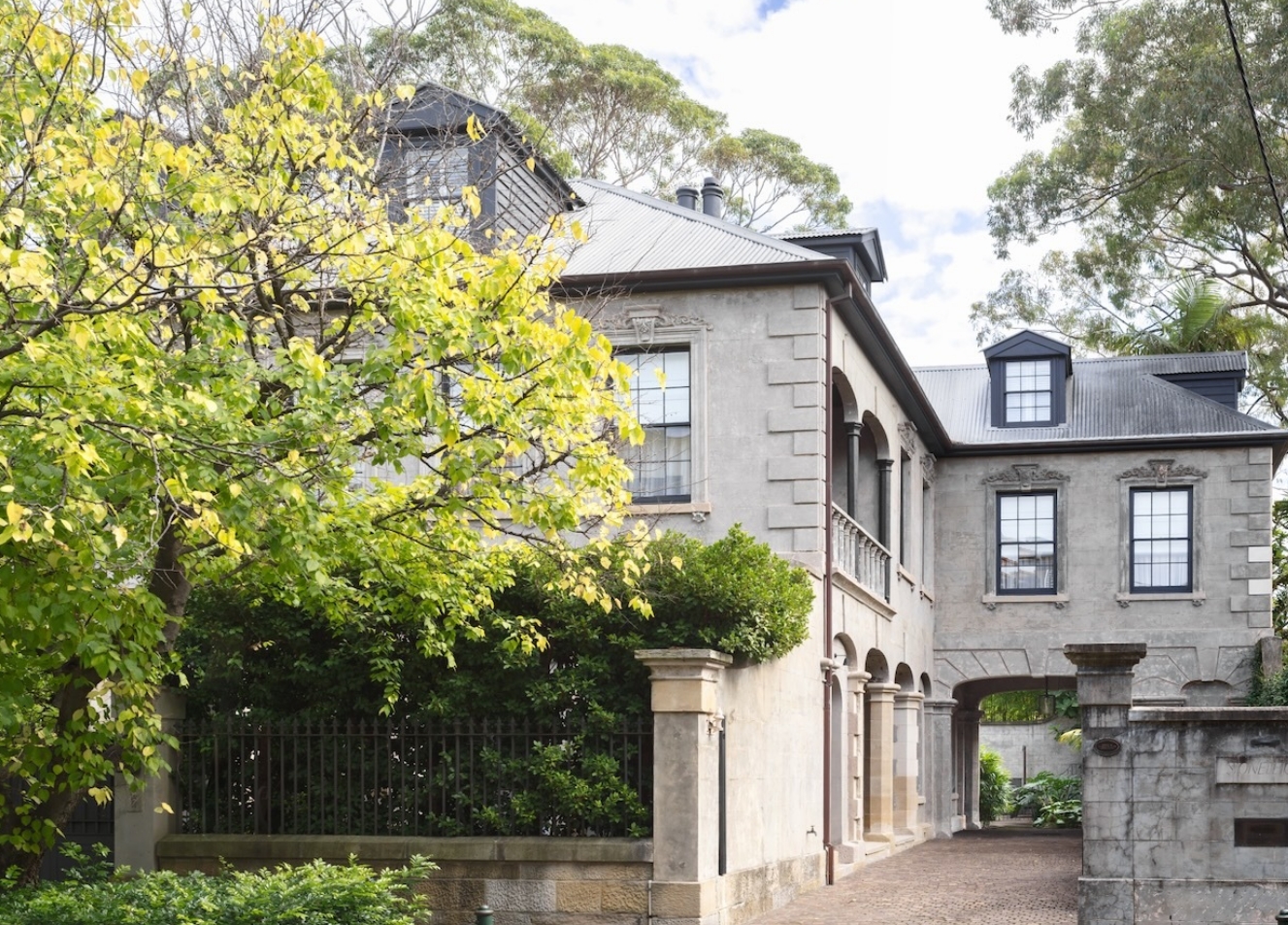
The 1860s Darlinghurst mansion Stoneleigh could become Sydney’s most expensive home ever sold under the hammer when it goes to auction. Clint Ballard is giving buyers a $28 million guide for the heritage-listed mansion on Darley Street, opposite Iona, the former home of Hollywood royalty Baz Luhrmann. Stoneleigh is being offered for sale for the …

Set on one of the city’s last absolute riverfront sites, The Riversdale by Mosaic combines irreplaceable waterfront ownership with one of Brisbane’s most significant residential opportunities.


As AI productivity trackers reshape workplace evaluations, employees are learning how to manage calendars, activity levels and AI usage to ensure their contributions are recognized.
4 min
What’s more important than being a good employee right now? Looking like a good employee in the eyes of AI productivity trackers that more managers are using to evaluate their teams.
Employee-monitoring systems are especially popular at tech companies and are also used by other white-collar firms that want to probe how people spend company time. The scary thing: You might not even know you’re being watched because many states don’t require disclosure.
Metrics can include performance data that is undoubtedly relevant, such as sales results. But it also can employ dubious proxies like keyboard strokes and how often your computer screen goes into sleep mode.
We generally accepted, or at least understood, heightened surveillance during the work-from-home era. Back then it seemed reasonable for bosses to keep tabs on employees they couldn’t see.
Yet the oversight has only escalated, and tensions are rising, too.
A group of former Meta Platforms employees alleges in a lawsuit that the company used a “constellation of internal artificial-intelligence systems” when it began laying off about 10% of its workforce in May. Meta says humans make termination calls.
However that case shakes out, a couple of things are clear. Companies eager to gauge which employees are locked in now have sophisticated AI monitoring systems at their disposal. And they believe they have leverage in a tepid labor market.
So while we may chafe at having our worth reduced to numbers on the boss’s productivity dashboard, we have to play the game as it’s being played. Here are some tips, based on conversations with people who make employee monitoring systems—and others who game the systems.
Be meticulous about your calendar
Calendar integration is one way that productivity trackers have gotten more advanced and, ostensibly, fairer.
Let’s say you make an old-fashioned phone call or attend an in-person meeting. Your Outlook or Slack status may switch to “away,” making you appear as inactive as if you were taking an extended coffee break.
Employee monitors like one made by a company called Insightful cross-check your online status with your calendar to see whether there is a valid reason for your apparent inactivity. If that call or meeting is on your schedule, then the system will recognize that you are busy offline. If nothing is on the books, it could look like you’re slacking off.
Hit the activity sweet spot, around 80%
Let’s not go any further without addressing the underlying question: How much downtime is permissible during the workday? After all, people have been scared to let managers see anything non-work-related on their screens since personal computers first arrived in offices.
No one knows this better than Roger Wagner, who is widely credited with creating the first “boss button” in the early 1980s. He designed a keyboard shortcut to instantly display a spreadsheet if the boss walked by your cubicle while you were playing a computer game. Boss buttons have been features of countless diversions since. (I confess to using one built into a March Madness streaming app.)
Wagner, the founder of computer-education company 1010 Technologies, says his original design was a joke—more of a commentary on overbearing managers than a cover for lazy employees. Good bosses understand workers need mental breaks throughout the day, he says.
This matches what I heard from Insightful Chief Executive Ivan Petrovic. He says customers that use his company’s workforce-management platform don’t expect employees to stay on task 100% of the time.
“On average companies are aiming for 60% to 80% of your time being utilized for work during the day,” he says.
Go ahead and exhale. It’s probably OK to watch an occasional YouTube video at your desk.
And if you’re going to artificially inflate your activity level, be careful. Hitting 90% could look suspicious.
Get physical
So don’t leave your mouse jiggler on all day. Choose the right one if you must resort to shenanigans.
There are lots of software applications that mimic the movements of a computer mouse, so you can appear to be working while away from your desk. There are also devices that plug into computer ports and do the same thing.
Corporate cybersecurity systems increasingly block these apps and devices, and productivity trackers claim to be able to detect them. But some workers swear by mouse docks, like one made by Tech8 USA, that keep cursors moving. The company originally made mouse-moving software but now focuses on physical jigglers.
“People are drawn to mechanical solutions because they’re so simple and don’t require software,” says Tech8 Marketing Director Sam Matthews. “As monitoring technology becomes more sophisticated, that distinction has become even more relevant.”
Use AI, but not too much
Another popular metric for employee-monitoring systems is AI usage. Companies want to know who is embracing new tools, and it can be tempting to think more is better.
“There’s a performative aspect where employees overblow their usage of AI so that they appear relevant in the organization,” says Andrea Derler, principal researcher at Visier, which helps companies track and analyze employee work habits.
In a recent Visier survey of 1,000 U.S. workers, 48% admitted to exaggerating their AI usage.
This is already an outdated strategy. Using AI for everything used to score points for experimentation. Now it can seem wasteful because many companies are watching AI token spending more carefully.
Look, productivity theater has always been part of work. Most of us aren’t trying to cheat the system, but expectations are changing so quickly that we need to be savvy about what the latest employee trackers are looking for.
Sometimes it takes a little gamesmanship to get full credit for our contributions.

The pandemic-fuelled love affair with casual footwear is fading, with Bank of America warning the downturn shows no sign of easing.

A restored 1860s Brisbane residence transformed by GRAYA has smashed Paddington’s house price record, selling for more than $12 million.