Sydney’s five standout penthouses for 2025
Sydney’s most jaw-dropping penthouses are hitting the market in 2025, combining world-class design, elite amenities and views worth every cent.
 4 min
4 min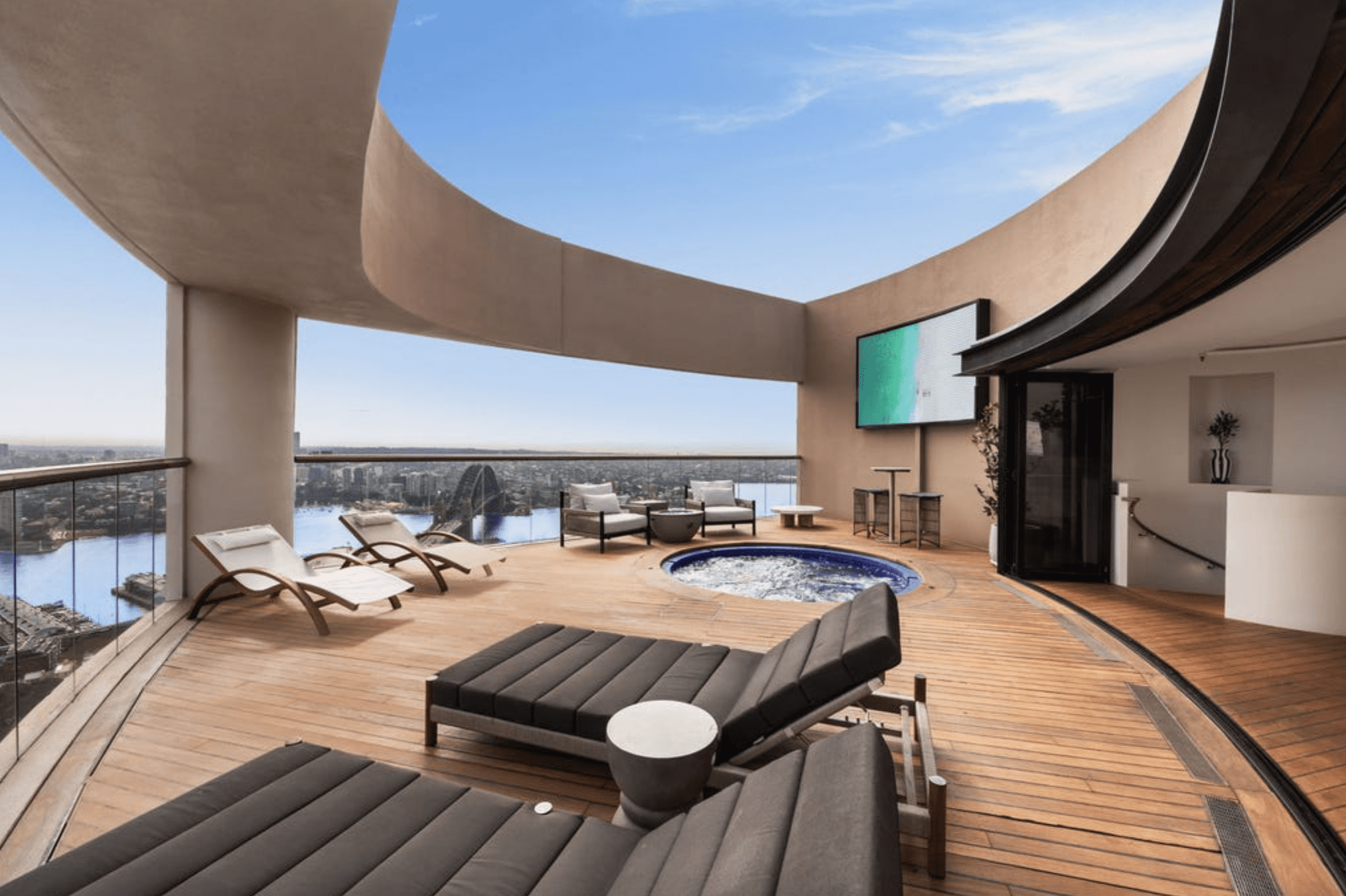
Sydney’s top end of town is experiencing a wave of new luxury penthouses, and there’s no shortage of buyers willing to pay top dollar for them.
The must-haves? Unobstructed views, preferably of the Harbour; multiple levels with several living areas; enough bedrooms to accommodate the Brady Bunch; and cutting-edge technology that seamlessly integrates into everyday living.
Fresh off the heels of the near $80 million sale of the three-level penthouse atop the Crown Towers building in Barangaroo, we’ve curated a list of the five best new penthouses currently on the market across Sydney.
Origami, Bondi Junction
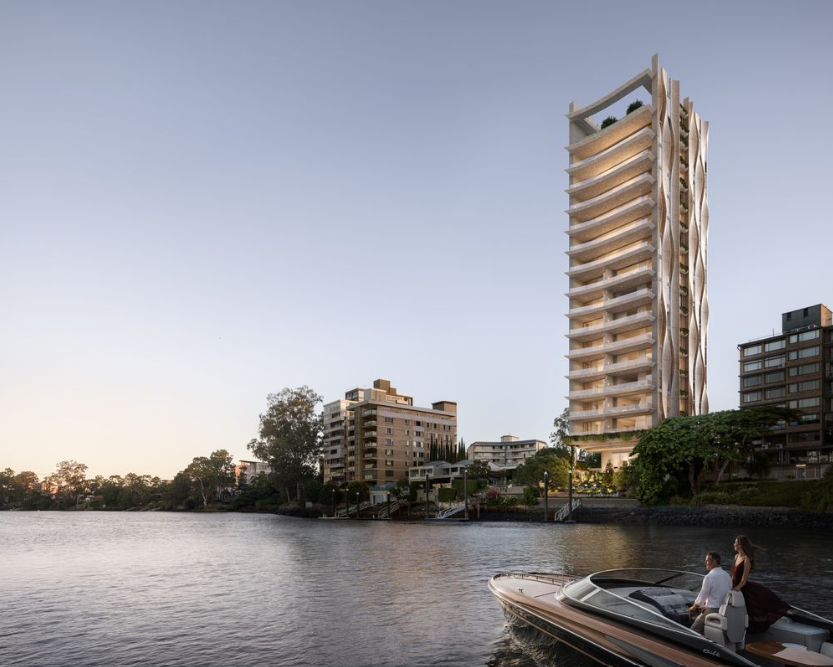
Origami is the highest-end new development in Bondi Junction, featuring a range of penthouses to match.
The 19-level tower, developed by JQZ, has been designed by legendary Japanese architect Koichi Takada, renowned for his award-winning, cutting-edge designs that have shaped the skylines of Sydney and the Gold Coast.
The 88 apartments have been split into three separate residences: Podium, Tower, and Signature, ranging from $1.5m one-beds (without parking) to the two 320 sqm-plus penthouses.
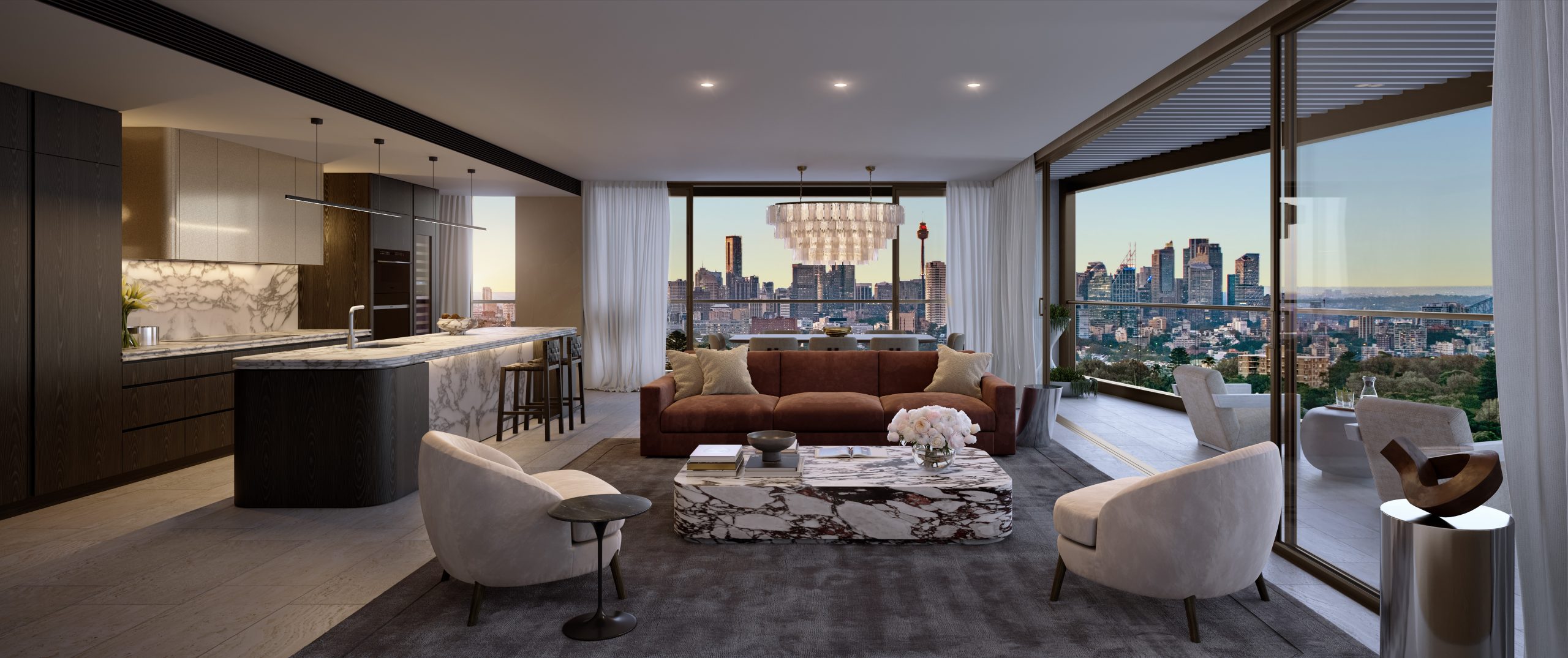
The penthouses boast premium finishes including imported marble (Arabescato and Travertine), bespoke joinery, ultra-premium Wolf and Sub-Zero appliances, wine cellars, and the best views of the city and Harbour.
Internationally renowned interior designer David Hicks, known for his work on ultra-high-end residences globally, has crafted opulent living spaces with signature details, including custom marble benchtop edging, atmospheric lighting, and sumptuous bathrooms described as “sanctuary within a sea of spa-like space.”
“I wanted to create the same standard of sophistication and lavishness that people have come to expect from the houses I have worked on,” said Hicks.
Residents will enjoy luxury amenities, including a heated rooftop pool with panoramic views, BBQ facilities, a wellness room, a gym, and a 24-hour hotel-style concierge service.
1st City agents Brad Caldwell-Eyles and Yaron Foghel are marketing Origami.
Sirius, The Rocks
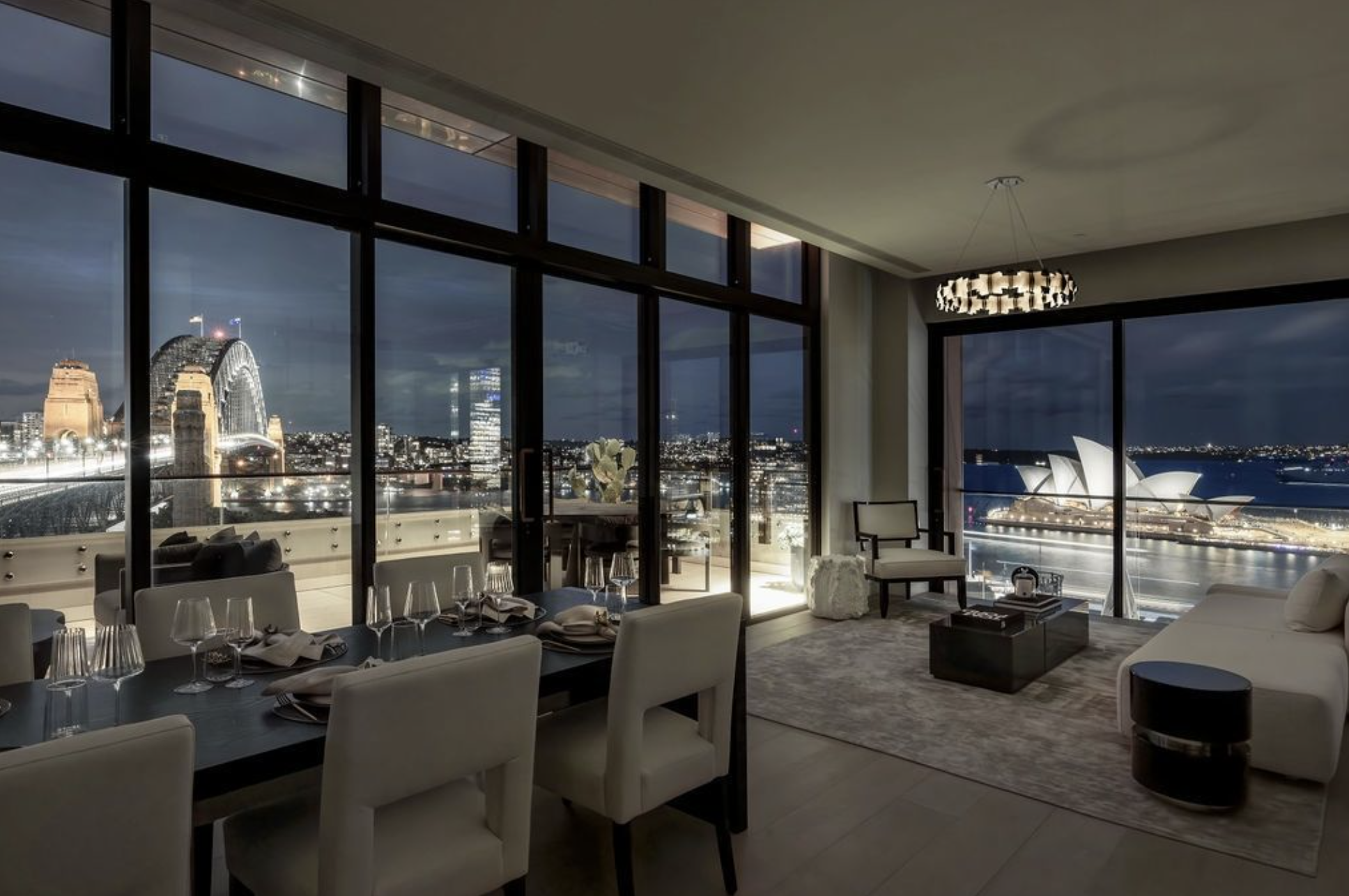
The penthouse atop the Sirius building offers views that are never to be repeated. Sirius, a redevelopment of the brutalist social housing block designed by legendary architect Harry Seidler in 1979, is the closest building to the Sydney Harbour Bridge, facing north and offering gun-barrel, never-to-be-built-out views of the Sydney Opera House.
The penthouse spans over 430 sqm of internal space, featuring an open-plan living and dining area that flows seamlessly to a 40 sqm outdoor entertaining terrace with sweeping views and a private plunge pool.
Its custom-made kitchen features hand-selected joinery, marble, and high-end Wolf and Sub-Zero appliances. There are four bedrooms, each with an ensuite, one of which is part of the master wing, complete with its own lounge room, study, opulent bathroom with a steam shower, and an extensive custom walk-in wardrobe.
The building offers a 24/7 concierge service, a gym, a heated swimming pool and sauna, as well as a lounge and meeting room.
The penthouse has a guide price between $45m and $50m, listed with Steven Chen of The Agency and Colliers Director Luke Hayes.
The Cove, The Rocks
Staying in The Rocks, and in another landmark building by Harry Seidler. The SkyHouse, the penthouse atop the 2003-built Harrington Street tower, has been listed for $30 million.
Reportedly eyed by Nicole Kidman and Aussie John Symond when it was for sale in 2018, the three-level apartment spans around 687 sqm and features one of the most unique attributes of a penthouse not just on this list, but in the country: a super-yacht-inspired rooftop spa terrace, complete with a sunken spa and views of the Opera House and Harbour Bridge.
The five-bedroom, seven-bathroom penthouse features a private spa retreat with a Jacuzzi and massage table, a gym, a butler’s pantry and a separate bar in the kitchen, and a self-contained guest wing.
Levy Property Group Double Bay agents Nathan Antunes and Chana Levy have the listing.
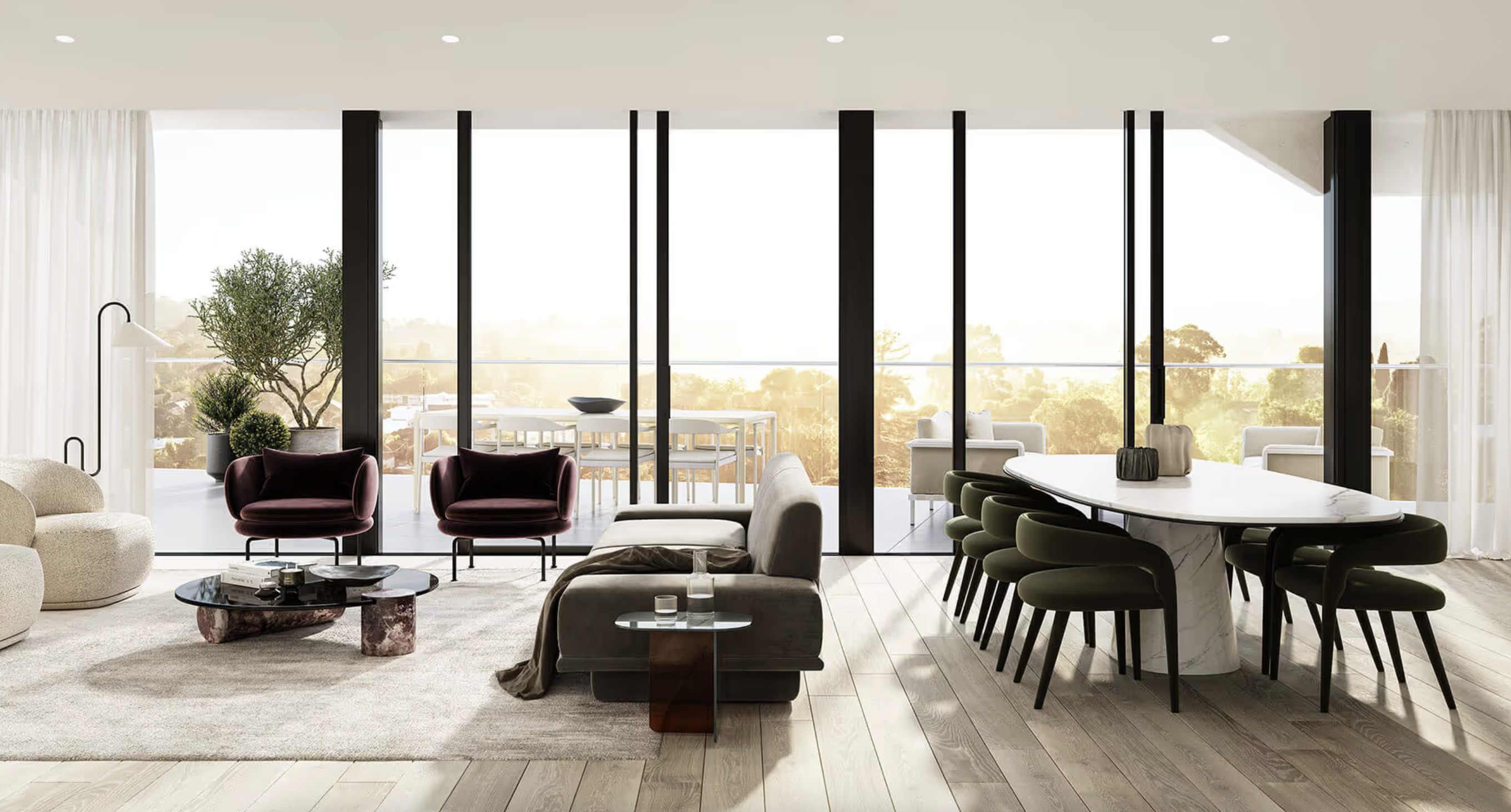
West Village, Sydney
The most recent penthouse listing is one of the best on the list—a three-level, glass-encased apartment in the heart of the CBD. Crowning a Kent Street building designed by Angelo Candalepas, the expansive apartment spans 412 sqm of internal and external space and has been pitched as a ‘home in the sky.’
The heart of the penthouse is its expansive sculptural kitchen, featuring natural stone and timber joinery, paired with premium appliances, including a wine climate cabinet. The main living and dining areas flow onto a landscaped private terrace, offering views over the city and Darling Harbour. A private lift or staircase connects each of the three levels.
The second floor houses three of the four bedrooms, while the top level is dedicated solely to the master suite, complete with a bedroom, lounge area, walk-in wardrobe, and a stone-finished bathroom, as well as a private rooftop terrace surrounded by lush greenery.
Laver Residential Projects is marketing West Village, which has a total of eight apartments. The development is scheduled to be completed by 2027.
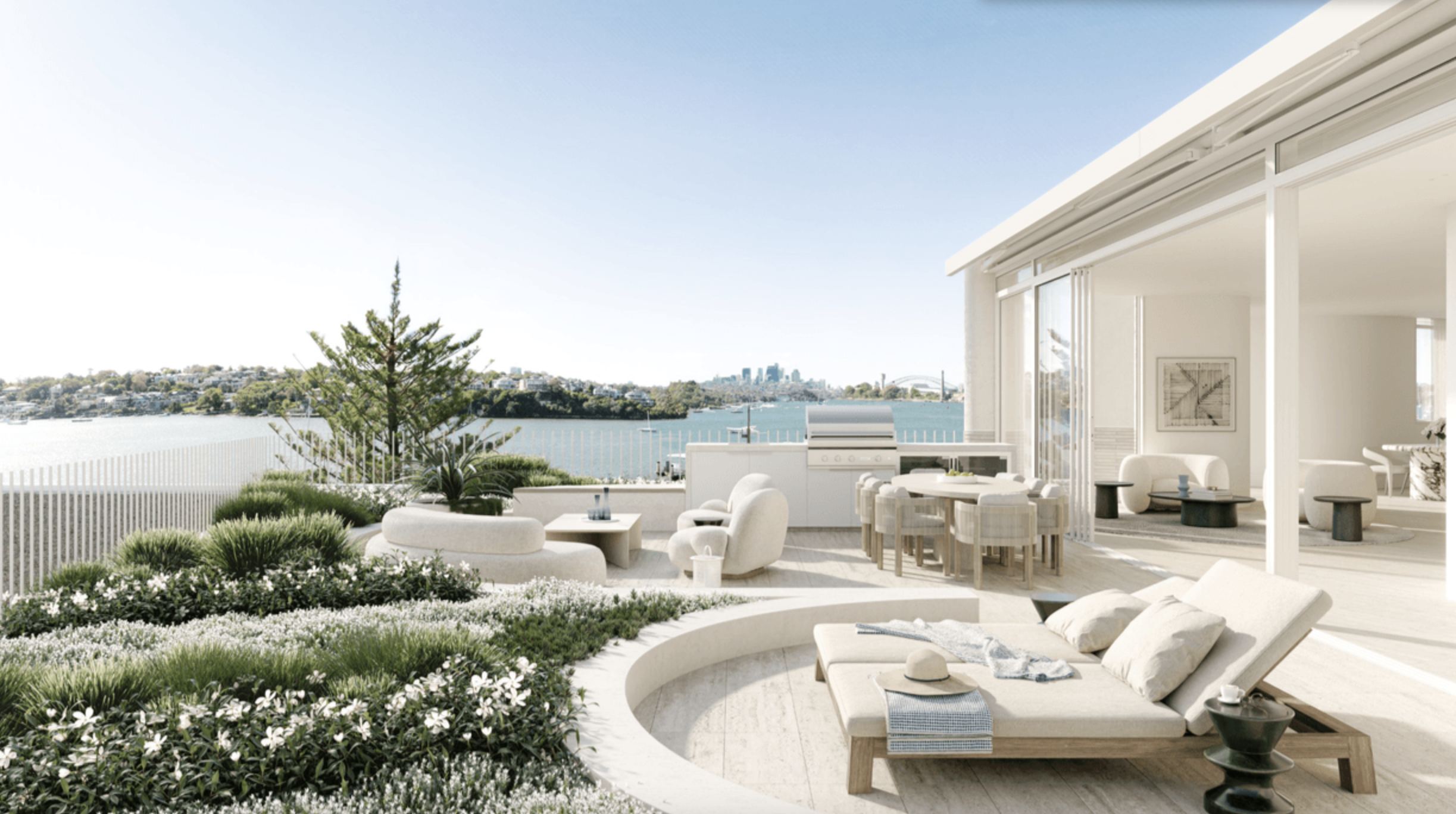
Bianca, Drummoyne
Not all penthouses are in the sky. Some penthouse buyers prefer to be on the top level of a smaller block, more interested in having neighbours and a community rather than sweeping views.
That being said, the penthouse atop Bianca Drummoyne, the new boutique harbourfront development by Central Element, boasts uninterrupted views of the water and down the harbour to the Harbour Bridge.
The 410 sqm penthouse, designed by Adam Haddow of SJB Architects, occupies the entire top level of the five-storey building, which features just 12 apartments. It features direct lift access that opens directly to the views. There are three lounge areas, an extended island bench, and the pièce de résistance: the terrace with a built-in outdoor kitchen, alfresco dining, and lounge area, all with private views over the water.
The penthouse is listed with a $15.5 million asking price.
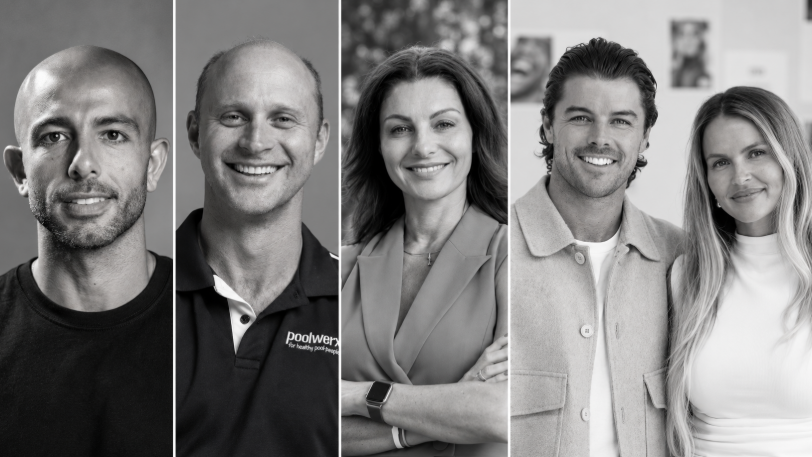
From making unpopular decisions to learning when to listen, leaders from five businesses reveal what nobody prepared them for — and how running a company has challenged their expectations.

Technology and semiconductor shares fell sharply as investors questioned the debt financing the AI infrastructure boom and confronted higher rates and Chinese competition.
Mirvac’s 45-level Trielle has topped out at Yarra’s Edge, pairing riverfront apartments with wellness facilities, private dining and resident services.
3 min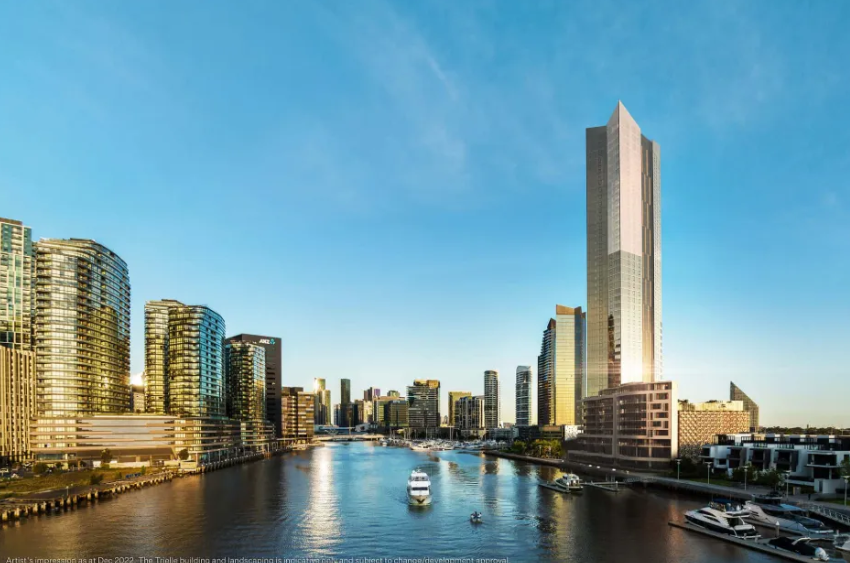
Mirvac has topped out Trielle at Melbourne’s Yarra’s Edge, with more than 70 per cent of the riverfront development sold and approximately 80 per cent of purchasers intending to make their apartment a home.
The figures, released on September 22, point to an owner-occupier audience for one of the precinct’s final residential towers. Mirvac began developing Yarra’s Edge in 2003, and its latest addition occupies one of the remaining absolute riverfront sites.
Mirvac CEO of Development Stuart Penklis said existing residents were among those moving up within the neighbourhood.
“Many purchasers already have a connection to Yarra’s Edge,” Mr Penklis said, describing buyers whose changing needs were encouraging an upgrade within the precinct.
“As one of the final residential towers within Yarra’s Edge, Trielle represents the culmination of more than two decades of creating one of Melbourne’s most established and sought-after waterfront communities,” Penklis said.
“Positioned on the Collins Street axis with absolute river frontage, Trielle offers residents a rare opportunity to enjoy sweeping views across the Yarra River, Melbourne skyline and Port Phillip Bay, while remaining seamlessly connected to the CBD. With Trielle now more than 70 per cent sold, we’re continuing to see strong demand from buyers seeking quality homes in established locations.”
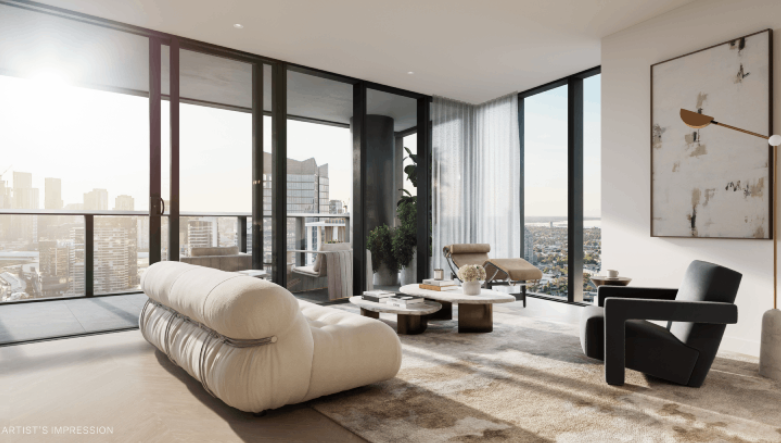
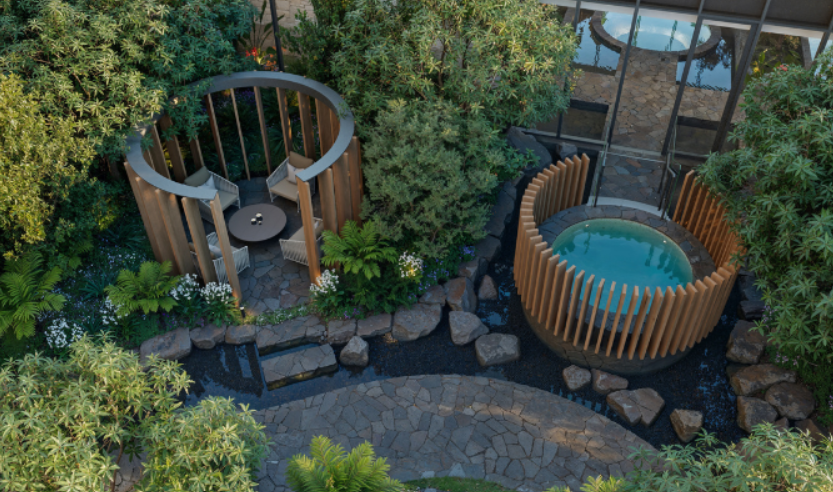
The developer also flagged a penthouse and sub-penthouse collection with larger layouts, premium finishes and broad outlooks. The planned wellness centrepiece, The Oasis, encompasses a 900-square-metre elevated urban rainforest.
Mirvac General Manager Residential Development Victoria Elysa Anderson said Trielle had resonated strongly with buyers seeking a rare lifestyle offering in Melbourne.
“Opportunities to secure a new luxury residence on a riverfront site of this calibre are incredibly rare, particularly within a community like Yarra’s Edge,” Anderson said.
“What makes Trielle unique is the combination of exceptional views, world-class residential facilities and the lifestyle that already exists around it. Residents are buying into a mature waterfront community with parks, promenades, dining, wellness and strong community connections already in place.”
The 45-level tower brings a substantial new presence to that waterfront. Its residential offering spans one-, two-, three- and four-bedroom apartments, with Signature, Prestige and Sub-Penthouse collections accommodating different household sizes. The north-facing position connects the apartments visually to the river and city beyond.
Seven storeys above the promenade, the planned Oasis combines planting and a running stream with a Scandinavian-inspired wellness club developed with spa specialist Naomi Gregory. Facilities include a 25-metre lap pool, hot magnesium pool, sauna, hydrotherapy, a gym, yoga and Pilates room, and treatment spaces.
The amenity extends beyond exercise. Residents will have access to The Biblioteca library and workspaces, ground-floor work pods, and The Salone piano lounge. A private Chef’s Table dining room offers a setting for larger gatherings, while a cinema, games room and sports lounge broaden the entertaining options. Concierge services and a dog-wash area support everyday routines.
Trielle comprises a collection of one, two, three and four-bedroom residences. Reflecting strong demand from owner occupiers, approximately 80 per cent of purchasers to date intend to live in their homes, highlighting the project’s appeal to those seeking a long-term waterfront lifestyle.
Mirvac has recently delivered The Albertine, a premium apartment development on the edge of Melbourne’s CBD, and is nearing completion of Prince & Parade in Brunswick, further strengthening its portfolio of thoughtfully designed apartment communities in some of Melbourne’s most sought-after urban locations.

A divide has opened in the tech job market between those with artificial-intelligence skills and everyone else.

From farm-to-table Thai to fairy-lit mango trees and Coral Sea vistas, Port Douglas has award-winning dining and plenty of tropical charm on the side.